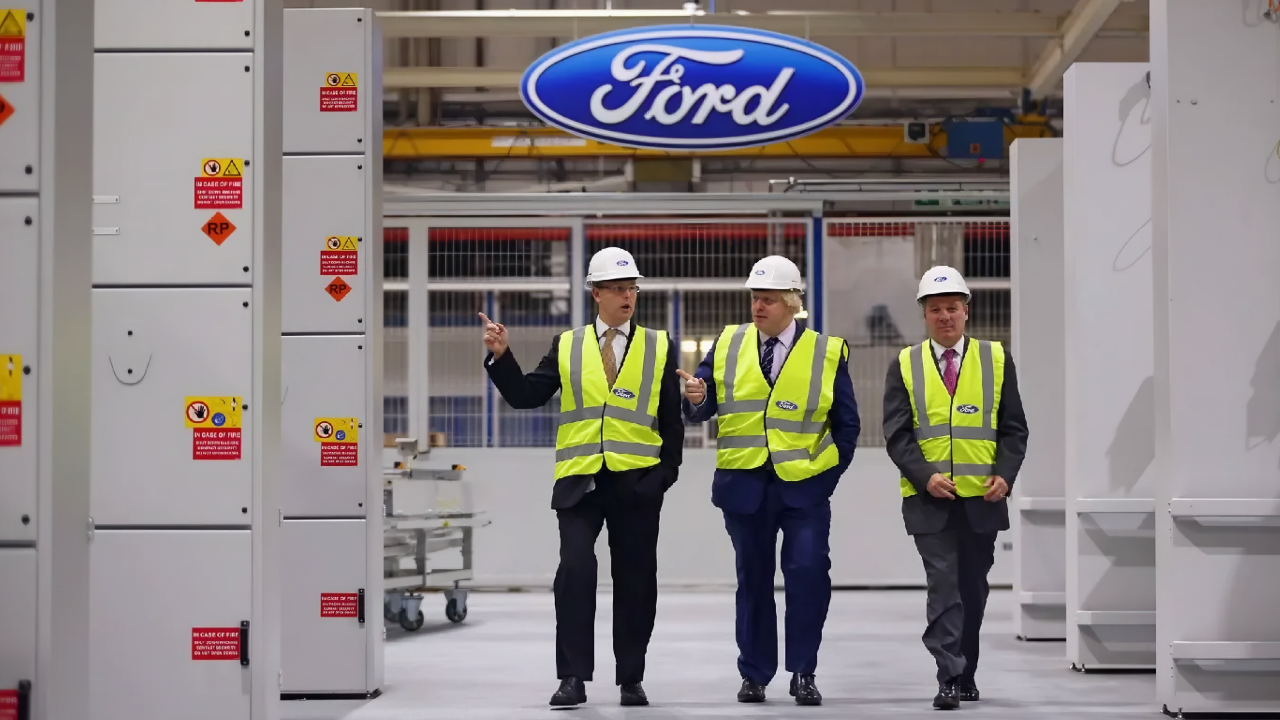
On December 15, 2025, Ford confirmed what hundreds of Kentucky workers had feared. Just four months after the first EV battery rolled off the line in Glendale, 1,600 employees were told their jobs would disappear. Training badges still hung on lanyards.
Production lines sat quiet. The promise of a 5,000-job electric future fractured in real time, raising a hard question across Hardin County: how did a flagship factory unravel so fast?
EV Hype Peaks
By the mid-2020s, electric vehicles were sold as an economic revolution. Automakers poured trillions into battery production, and states competed fiercely for factories. Kentucky landed one of the biggest prizes—Ford’s BlueOval SK project—backed by roughly $11 billion in incentives.
The deal promised stable, high-paying manufacturing jobs and regional growth. But as EV demand slowed in 2025, optimism collided with market reality, exposing just how risky the bet had become.
A Joint Venture Is Born
In September 2021, Ford partnered with South Korea’s SK On to form BlueOval SK, announcing twin battery plants in Glendale, Kentucky. Ground broke in late 2022 near Interstate 65. By May 2023, a $25 million training center opened at Elizabethtown Community and Technical College.
The first battery rolled off the line in August 2025. Everything appeared on track—until the broader EV market began to shift.
Demand Pressures Mount
Global EV sales softened in 2025 as sticker prices stayed high and competition intensified. Automakers faced swelling inventories and shrinking margins. Ford reassessed its EV strategy, while SK On redirected attention toward its Tennessee operations.
At Glendale, conversations quietly shifted from expansion to uncertainty. Production had barely begun, yet repurposing discussions surfaced. By December, rumors of layoffs spread among workers who had trained for years for an electric future.
Layoffs Hit Glendale
Ford made it official on December 15, 2025. The company announced 1,600 layoffs at the BlueOval SK plant in Glendale, effective February 14, 2026. EV battery production would stop. Ford and SK On would dissolve their partnership by the end of the first quarter of 2026.
Ford would take full ownership and pivot the facility toward advanced battery energy storage systems, citing the need to adapt to shifting demand.
Hardin County Reels
The impact rippled quickly across Hardin County. The massive 4.2-million-square-foot plant slowed operations, and suppliers faced sudden uncertainty. Glendale and nearby Elizabethtown—communities built around the promise of manufacturing growth—felt the shock.
Workers trained specifically for EV battery production now faced mismatched skills. Local leaders warned that the layoffs affected far more than paychecks, touching thousands of families tied to the project’s success.
Workers’ Raw Pain

Laid-off employees were told they could apply for new positions—but nothing was guaranteed. There would be no automatic transfers. State Representatives Samara Heavrin and Steve Bratcher pledged support, saying, “Our focus remains on making sure the men and women whose jobs are impacted… have the support and resources they need.”
For many families, the timing—just before the holidays—made the uncertainty especially painful.
SK On Exits the Stage
SK On’s Kentucky exit marked one of the largest EV battery partnership dissolutions in state history. The company redirected resources to its Tennessee plant, while Ford assumed full control in Glendale. Across the industry, rivals like GM and Tesla adjusted supply chains amid battery oversupply.
States began reexamining generous EV incentives. What happened in Kentucky signaled a broader recalibration underway in U.S. manufacturing.
A Macro EV Retreat
Ford was not alone. In 2025, Hyundai and other automakers scaled back or delayed EV investments. Hybrid vehicles gained traction as consumers hesitated on fully electric models. The original promise of 5,000 jobs across Kentucky’s twin plants shrank dramatically.
Glendale’s experience reflected a global pattern: EV optimism gave way to caution as demand failed to match early projections.
The $2 Billion Pivot
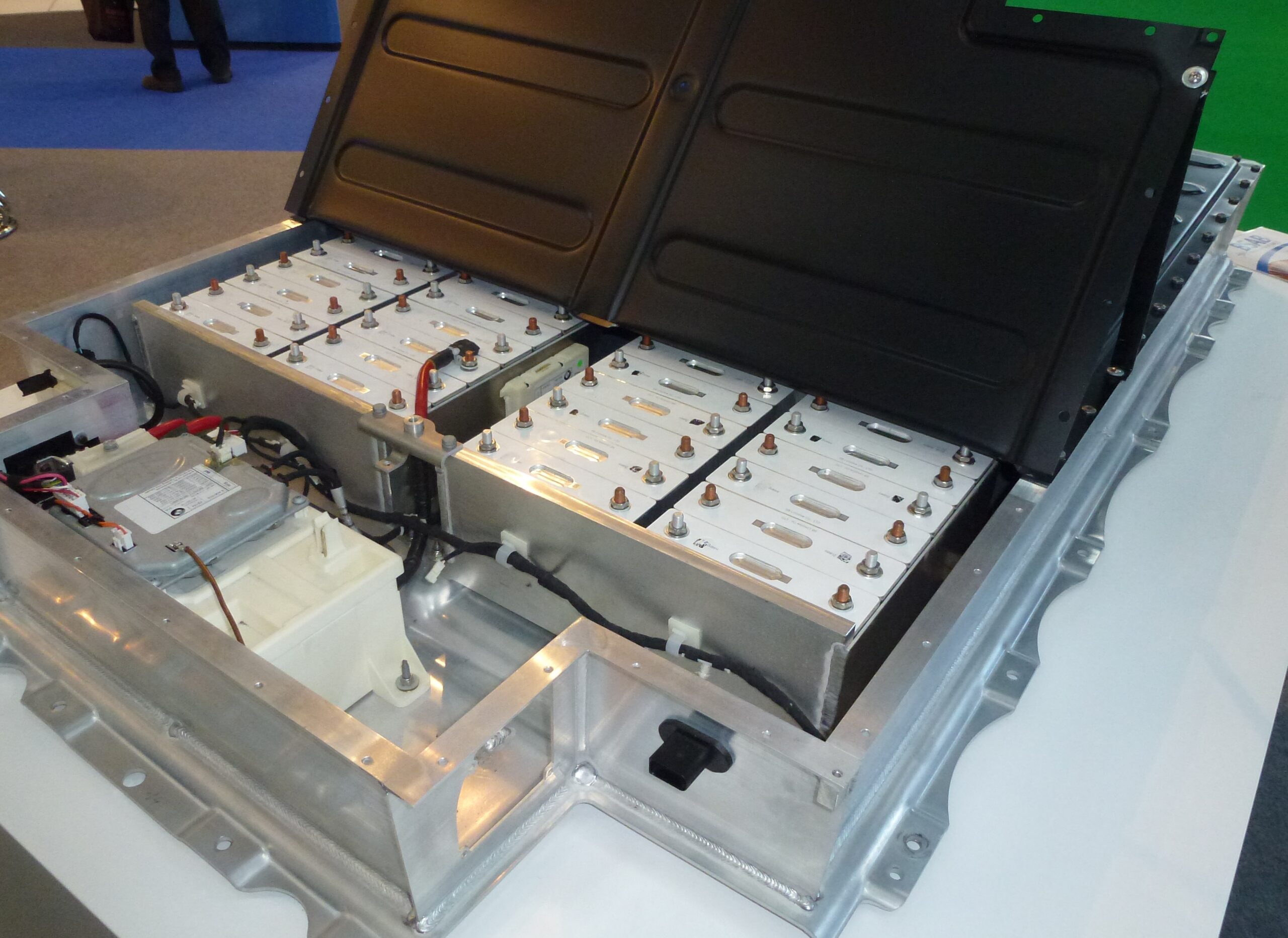
Ford reframed the setback as a strategic pivot. The company committed roughly $2 billion over two years to convert the Glendale facility into a hub for battery energy storage systems. These batteries would serve data centers, utilities, and large industrial customers.
The new operation is expected to employ about 2,100 workers—fewer than initially promised, but positioned as a long-term play beyond electric vehicles alone.
Labor Tensions Flare
The reapplication requirement sparked anger among workers who had already trained for years. Some feared favoritism or being edged out entirely. Union voices criticized the abrupt end of the joint venture, calling it a betrayal of workforce commitments.
Lawmakers pressed Ford for clarity on hiring practices and retraining. Trust between the company and the community, carefully built since 2021, was suddenly under strain.
Ford Takes Control

With SK On departing, Ford consolidated ownership of the Kentucky plants. Executives emphasized flexibility, pointing to energy storage as a faster-growing market than passenger EVs. CEO Jim Farley highlighted diversification as key to Ford’s survival.
Full ownership also secured Ford’s 700-acre Glendale site for future technologies. The move centralized decision-making—but placed accountability squarely on Ford’s shoulders.
An 18-Month Comeback Plan

Ford says new production will come online within 18 months, targeting mid-to-late 2027. The $2 billion investment would scale equipment, retrain workers, and launch commercial energy storage lines. Former employees may apply for roughly 2,100 positions.
The Elizabethtown training center is expected to pivot toward new skill sets. Whether the timeline holds may determine how quickly the region recovers.
Skeptics and Supporters
Some local leaders see opportunity in Ford’s consolidation. Elizabethtown’s Andy Games noted that Ford owning the entire facility could bring long-term stability. Others remain uneasy. Residents like Mary Spak worry about promises that changed once before.
Industry analysts caution that energy storage markets are competitive and volatile. The community’s mood sits between guarded optimism and lingering doubt.
Kentucky’s EV Future
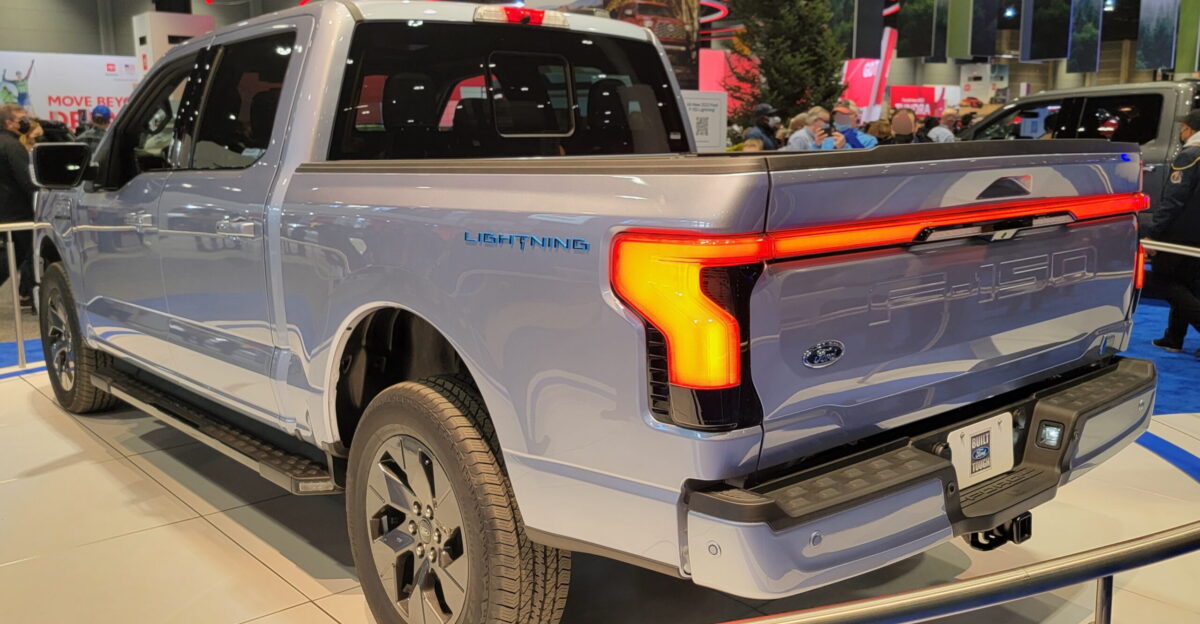
EV ambitions in Kentucky are not entirely gone. Ford’s Louisville Assembly Plant is slated to begin producing a midsize electric pickup truck in 2027. Still, demand uncertainty looms large. Glendale’s pivot suggests the state’s clean-energy future may rely less on passenger EVs and more on industrial storage and hybrids.
The road ahead remains uncertain—and closely watched.
Lawmakers Mobilize

As the partnership split approaches its Q1 2026 deadline, state lawmakers are pushing for worker protections and retraining funds. Kentucky’s massive incentive package has sparked debate over accountability and risk. Representatives Heavrin and Bratcher continue pressing Ford for transparency.
Political pressure is mounting to ensure public investments deliver durable economic returns, not short-lived promises.
Global Ties Severed
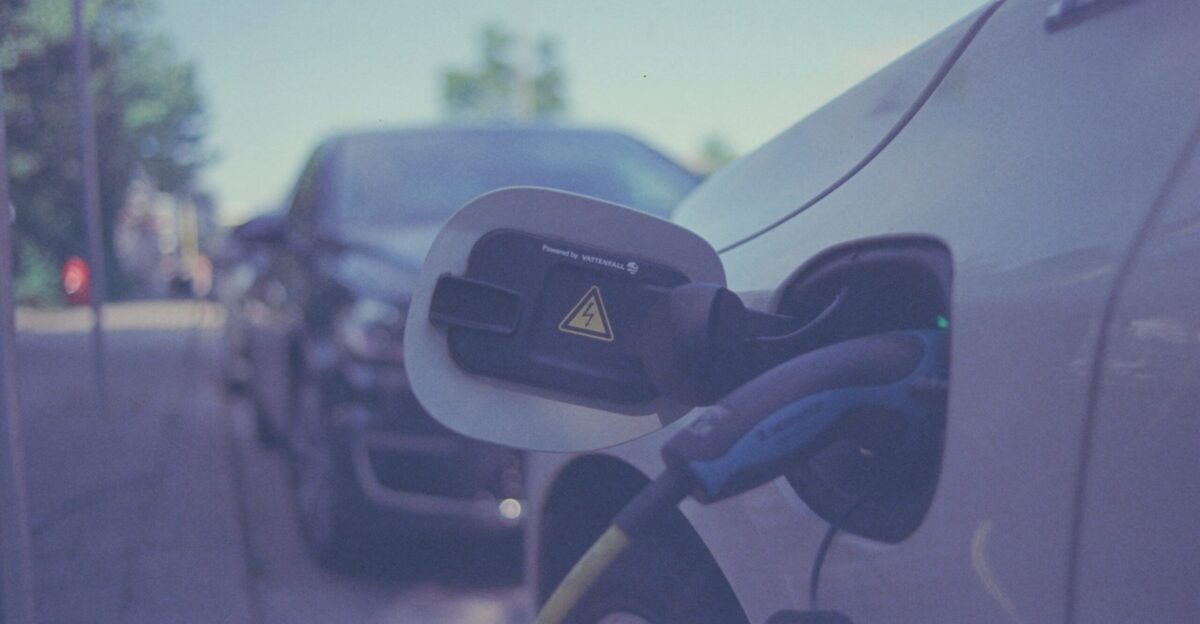
SK On’s exit reshapes U.S.–South Korea battery cooperation. Ford’s decision ripples through Asian supplier networks and global joint-venture strategies. The collapse underscores how quickly international partnerships can unravel when markets shift.
What was once a flagship cross-border alliance now stands as a cautionary tale about relying on forecasts in rapidly evolving industries.
Tight Legal Timelines
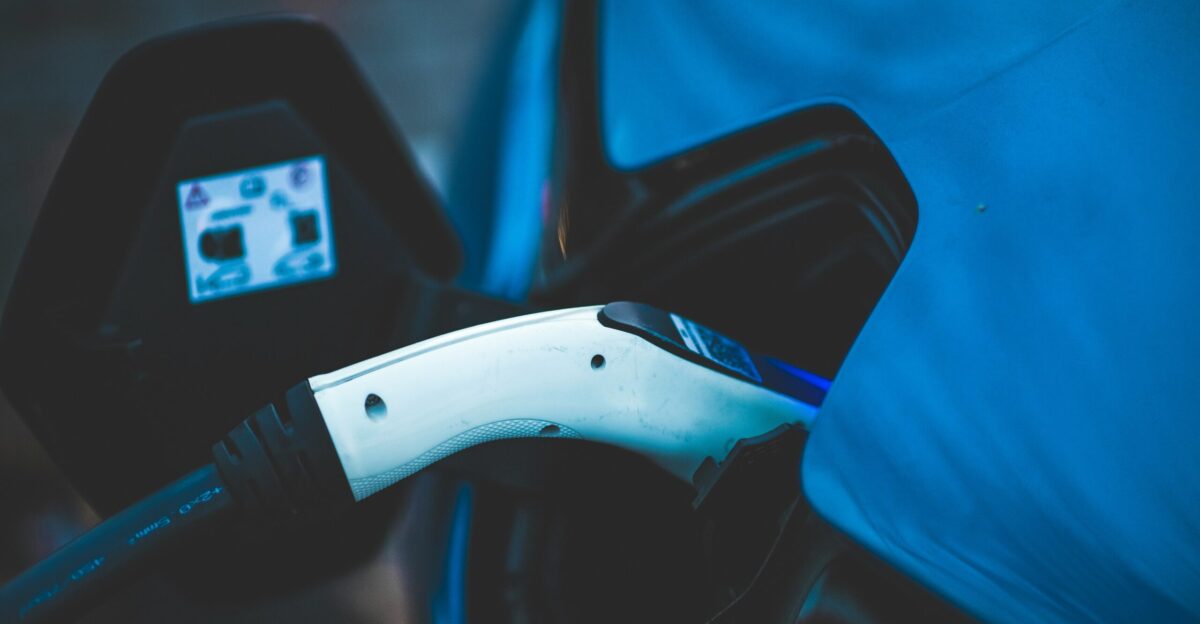
The dissolution of BlueOval SK is expected to finalize by March 31, 2026. Environmental and regulatory reviews for the energy storage conversion are underway. While no major lawsuits have emerged, labor challenges remain a possibility.
Ford must navigate contracts, compliance, and rehiring under intense scrutiny, with little margin for delay.
Community Hope and Resolve
Despite setbacks, some residents remain hopeful. Business owner Rhonda Miller put it simply: she doesn’t believe Ford built those massive buildings just to let them sit empty. Glendale is shifting from EV hype toward pragmatic energy infrastructure.
The transition tests the resilience of rural Kentucky, where optimism now competes with hard-earned skepticism.
A Deeper Signal

Glendale’s story is more than a local setback—it’s a warning about EV overreach and rushed promises. Ford’s pivot to energy storage reflects a broader industry correction. Whether 2,100 jobs can rebuild trust after 1,600 layoffs remains an open question.
For Kentucky, the lesson is clear: sustainable growth may require fewer headlines—and far more caution.
Sources:
Just-Auto | “BlueOval SK Begins EV Battery Production in the US” | August 19, 2025
ESG Dive | “Ford, EV Battery Manufacturer Dissolve Joint Venture” | December 15, 2025
Electrek | “Ford Pivots EV Battery Plants to Grid + Data Center Battery Storage” | December 15, 2025
Courier-Journal | “Ford to Repurpose BlueOval SK Battery Park” | December 15, 2025
Fortune | “Ford Takes $19.5 Billion Hit, Scraps Some EV Ambitions in Pivot” | December 15, 2025