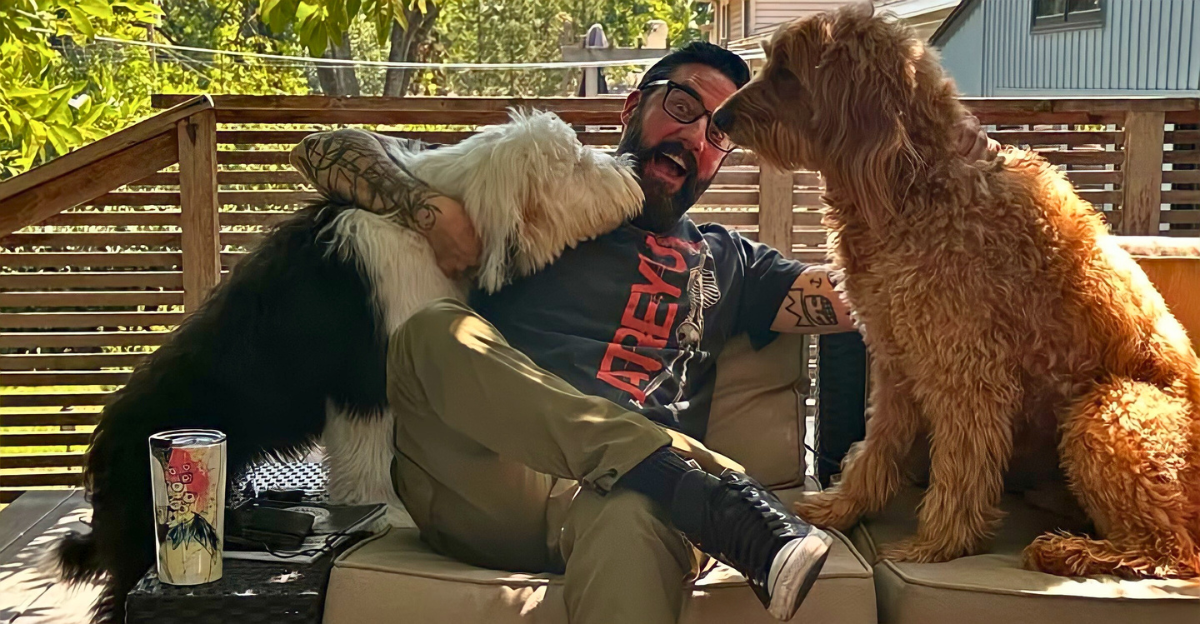
Dogs are more than just pets; they are family members loved for their loyalty, joy, and ability to improve life. Their devotion goes beyond a simple habit.
Research shows that when dogs spend time with people, their brains release oxytocin, a hormone also produced by parents and babies during bonding. Over thousands of years, dogs have evolved to form these close ties with humans, making loyalty one of their most important traits.
This special relationship can boost mood, lower stress, and encourage us to be more active and social.
1. Gentle Eye Contact
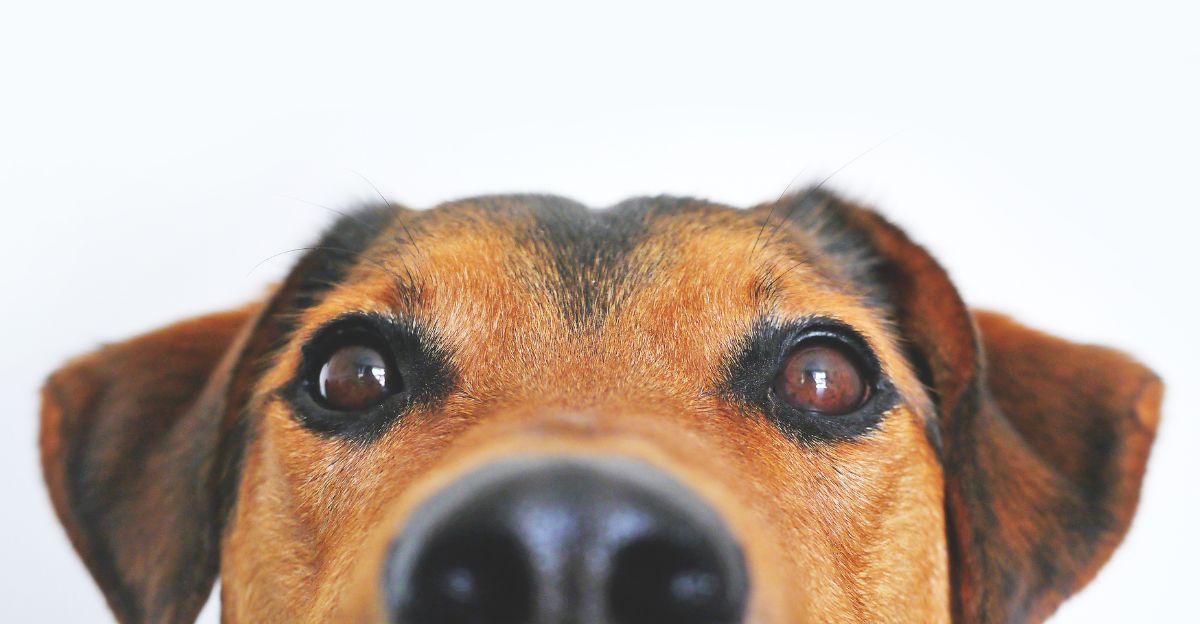
When your dog holds a calm, loving gaze with you, it’s a real sign of trust. Studies find that this kind of eye contact causes owners and dogs to release oxytocin, the chemical linked with love and attachment.
This reaction helps explain why people and dogs feel happy and safe by making eye contact. Angela Laws, a pet expert, says, “If they’re staring into your eyes, they’re saying ‘I love you’.”
Eye contact helps deepen the bond and lets your dog know they’re part of your family.
2. Excited Greetings
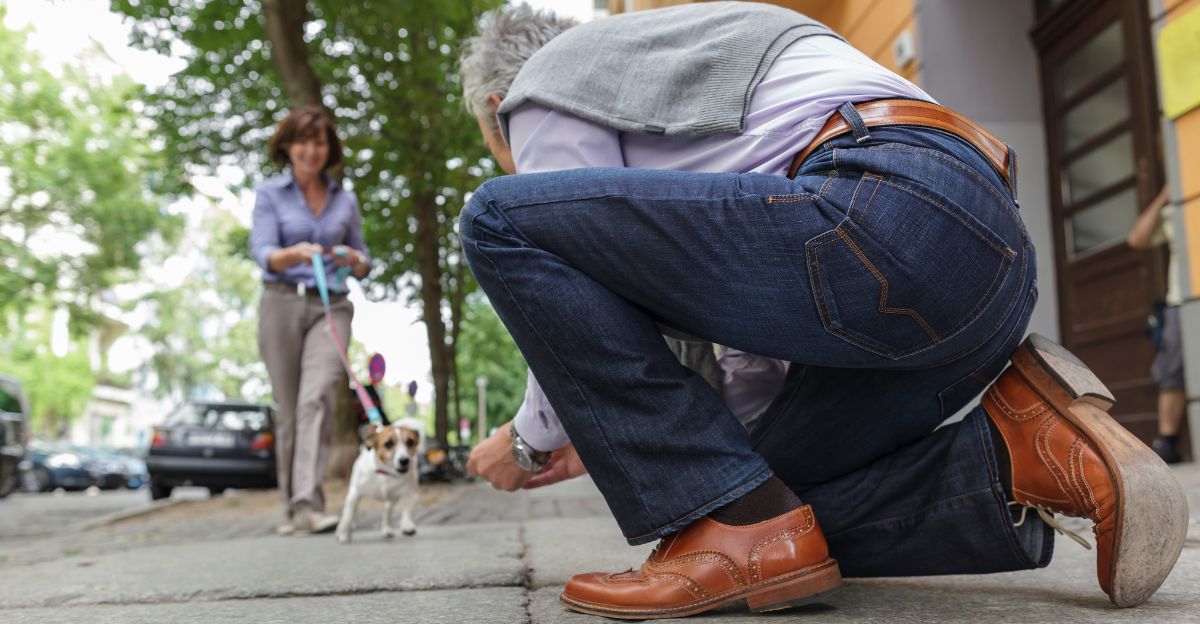
Dogs that jump to greet you, wagging their tail and sometimes spinning in circles, are showing just how much you mean to them.
Even if you’ve only been gone a few minutes, these greetings prove their deep attachment and excitement to see you. Scientists believe such behaviors are rooted in the same instincts that helped wild dogs keep strong family bonds.
Friendly greetings strengthen trust and connection daily, making the dog and owner feel special and loved.
3. Staying Close to You

Dogs that like to be near their humans—cuddled on the couch, lying nearby, or following from room to room—do this because they feel safe with you.
This behavior is linked to their instinct to stay close to their “pack leader,” which in your home is you. Dogs sense when someone in their family is feeling down or stressed, and they offer silent support just by being present.
Studies show that dogs even pick up on your emotions and may mirror your mood or actions.
4. Sharing Favorite Toys
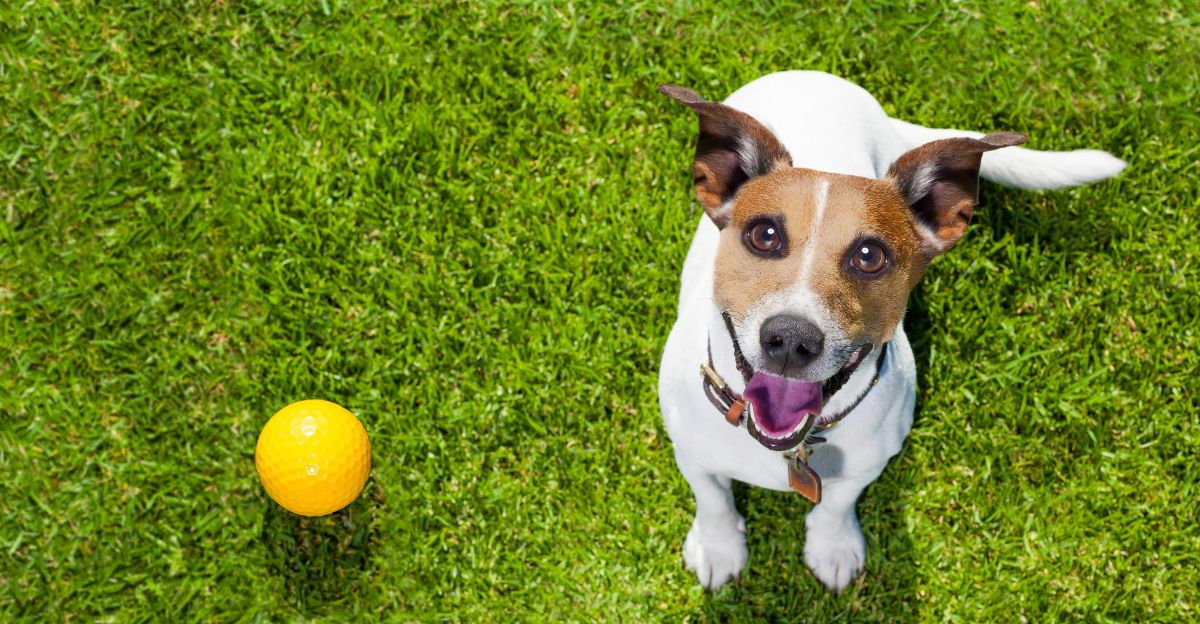
When a dog brings you a toy, it isn’t just begging for play—it’s inviting you to share what it values most.
This gesture shows that the dog trusts you fully and wants to include you in its world. Refusing to share toys may mean the dog feels nervous, anxious, or not fully connected.
Play and sharing are important communication signals between dogs and their humans and can help build or rebuild trust if done gently and positively.
5. Following the Owner Around
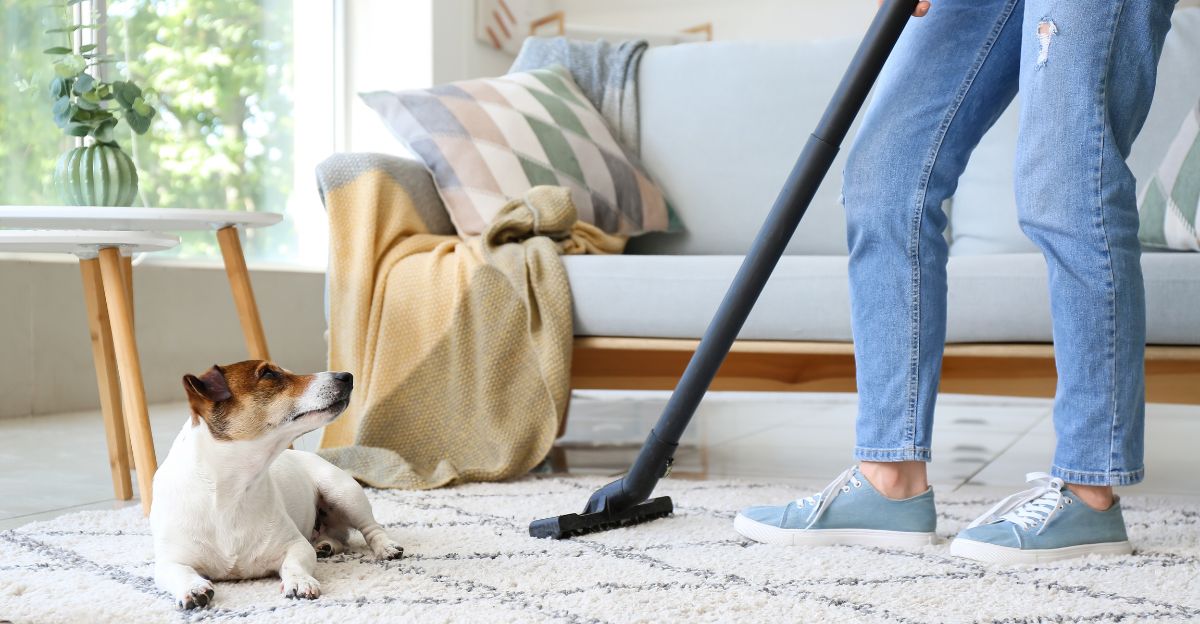
If your dog seems like your little shadow, moving from room to room with you, it’s not just curiosity. Dogs follow their person for comfort, security, and because they find happiness simply by being together.
This “loyal shadow” behavior is widespread in breeds bred for companionship or teamwork, but it’s found in all devoted dogs.
It means your daily life is essential to your dog, and they want to experience it alongside you.
6. Bringing You Treasures
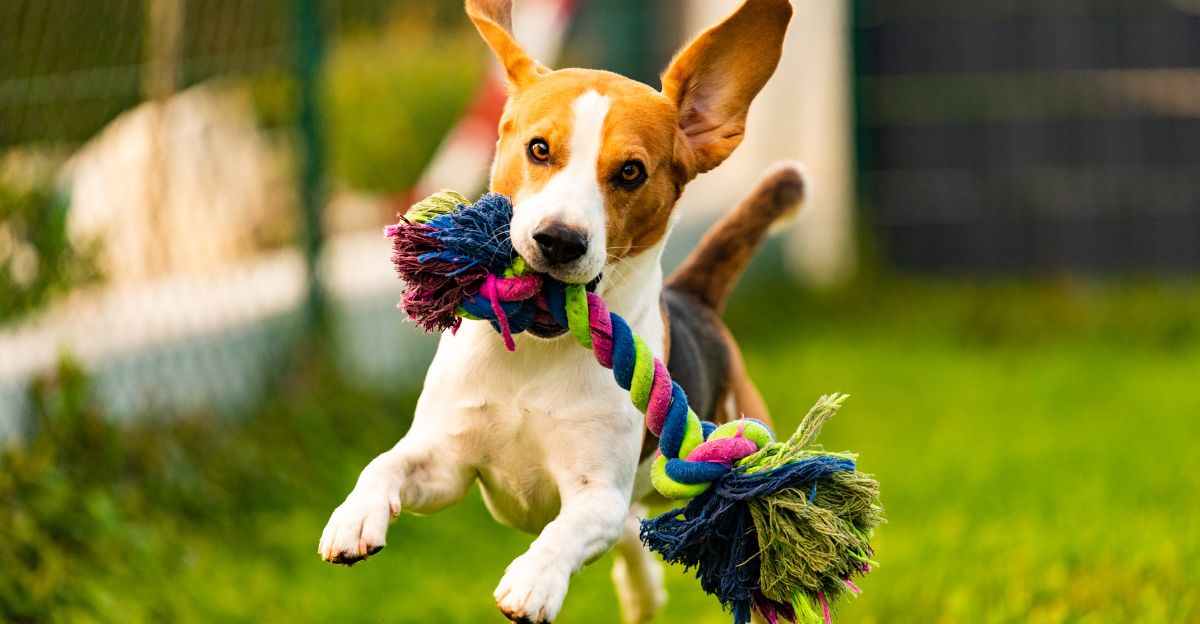
Dogs sometimes bring their owner gifts like toys, chewed-up socks, or other objects around the house. While it can seem silly, these “gifts” are serious in a dog’s mind.
Animal experts say dogs who share their possessions want to include you in their pack and trust you to care for their treasures.
Angela Laws explains, “offering a prized toy is their way of showing you’re part of the pack.”
7.“Happy Sighs” and Relaxed Body Language
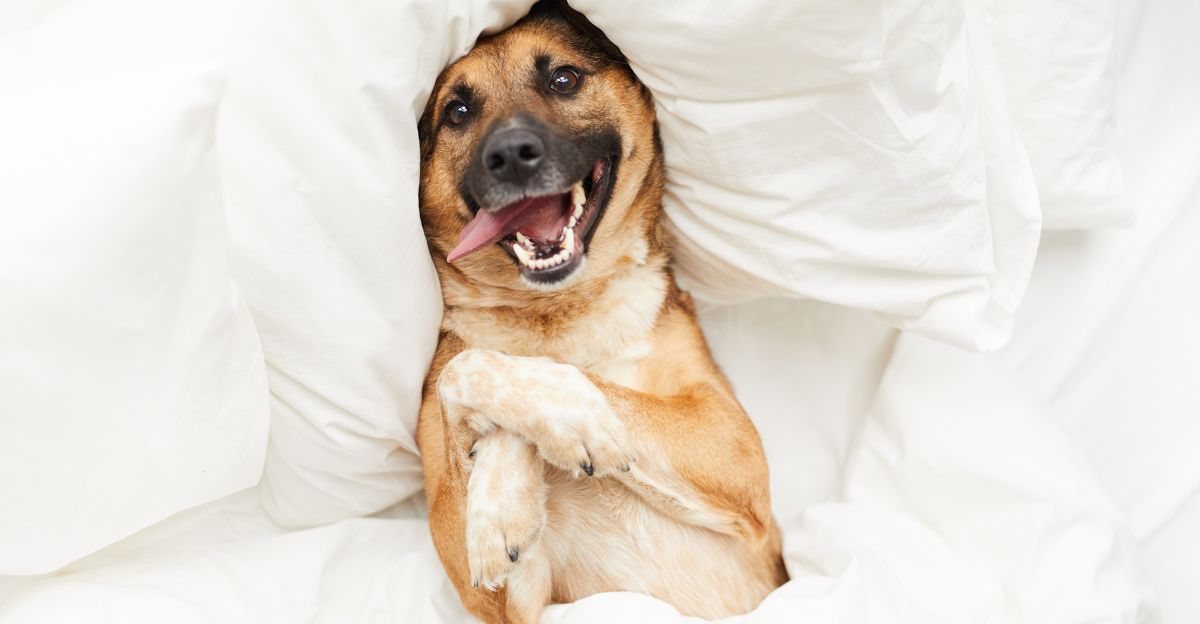
When your dog sighs, lies down with floppy limbs, or settles comfortably at your side, they feel entirely safe.
A dog that relaxes around you, with ears and body loose and breathing easily, shows the deepest form of trust.
Experts say, “a dog’s wiggle or full-body relaxation at your side is a major sign of love and trust.” This calmness tells you that you’re their safe place.
8. Leaning or Pressing Against You
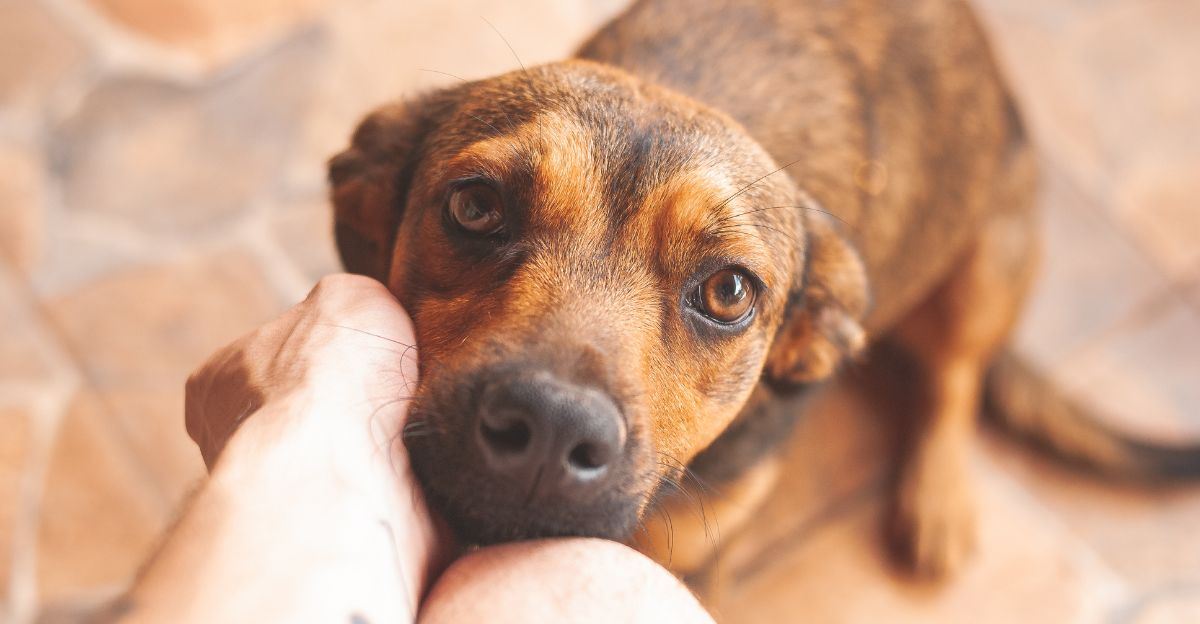
Some dogs lean their bodies against their favorite person, especially in new or uncertain situations. This is like a dog’s version of a hug.
It means your dog sees you as their protector and safe space. “Leaning is a form of affection, and it happens when dogs feel a secure bond with their human,” experts say.
This closeness is a clear sign your dog relies on you for comfort and security.
9. Protective Behaviors
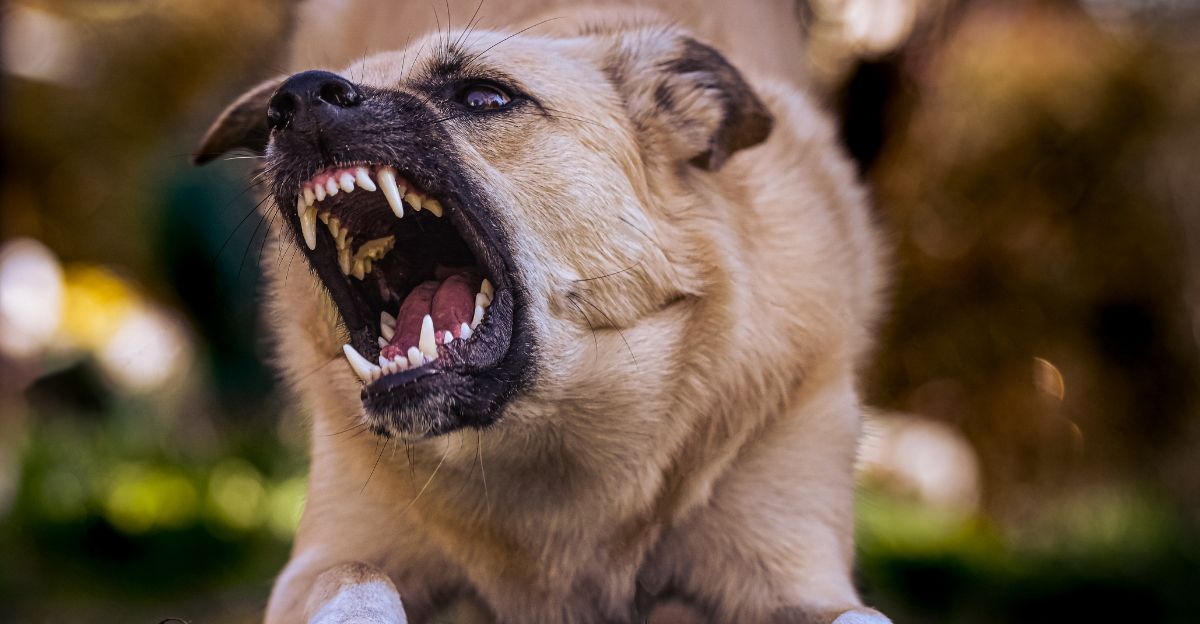
Dogs may sit between you and a stranger, bark at odd noises, or walk slightly ahead when you’re out; these habits show they think of themselves as your protector.
This behavior is rooted in evolution and training: over history, dogs who guarded people and property earned a place in our homes.
Even without training, modern dogs may act protectively because your safety matters.
10. Sensitive to Owner’s Emotions
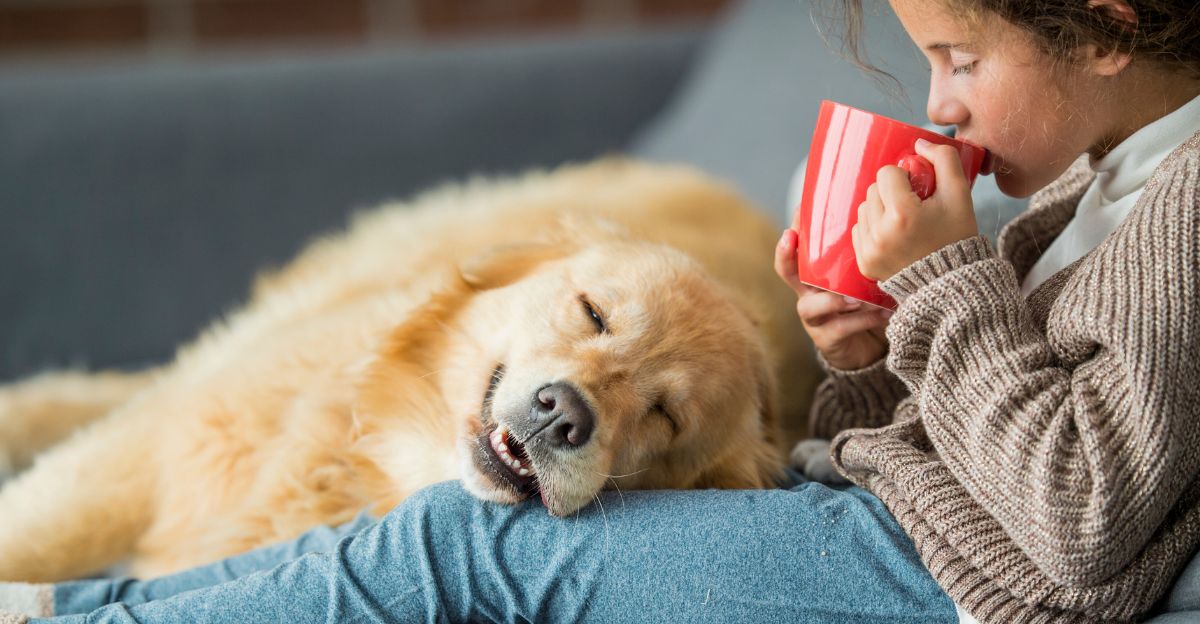
Many dogs are natural comforters, coming close when you’re sad or cheering you with playful antics if you seem down.
They watch your mood and try to help by lying beside you, licking your hand, or sitting quietly until you feel better.
Experts explain, “Your dog’s empathy is rooted in their capacity to read body language and mimic emotions, forming a strong, enduring bond.”
11. Delighted by Owner’s Scent
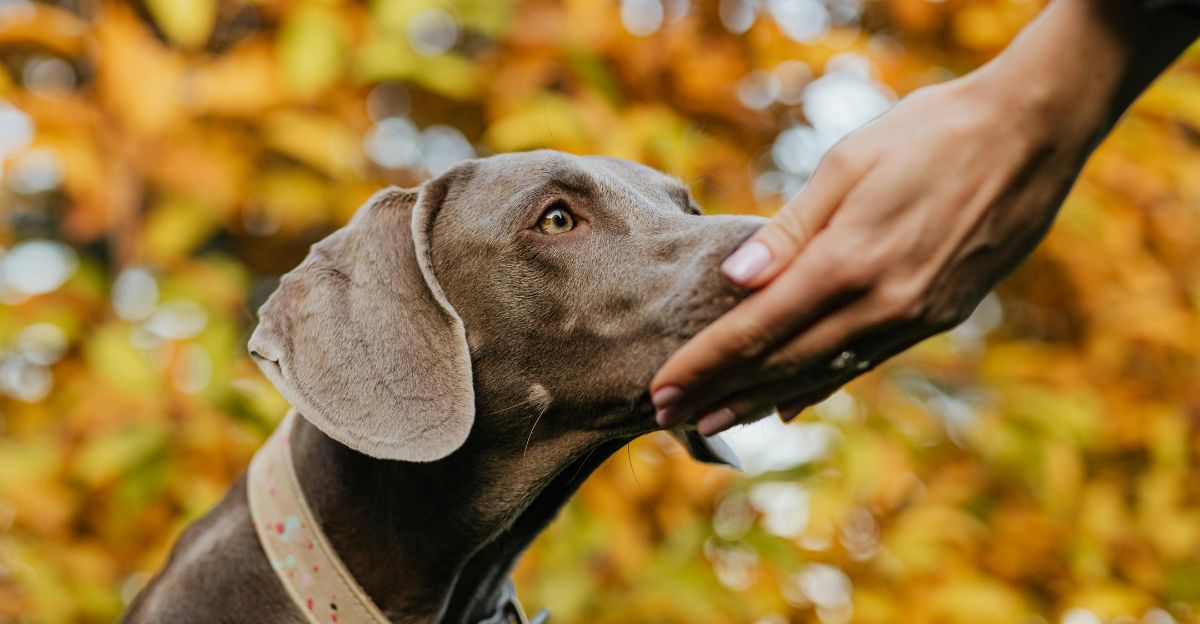
A dog’s sense of smell is so powerful that your scent is both a comfort and a sign of security.
Their brain lights up with happiness when they smell something that belongs to you, and many dogs will snuggle in laundry piles or on your clothes when you’re away.
This scent connection means you’re always close in your dog’s world, even when you’re not home.
12. Quick to Forgive
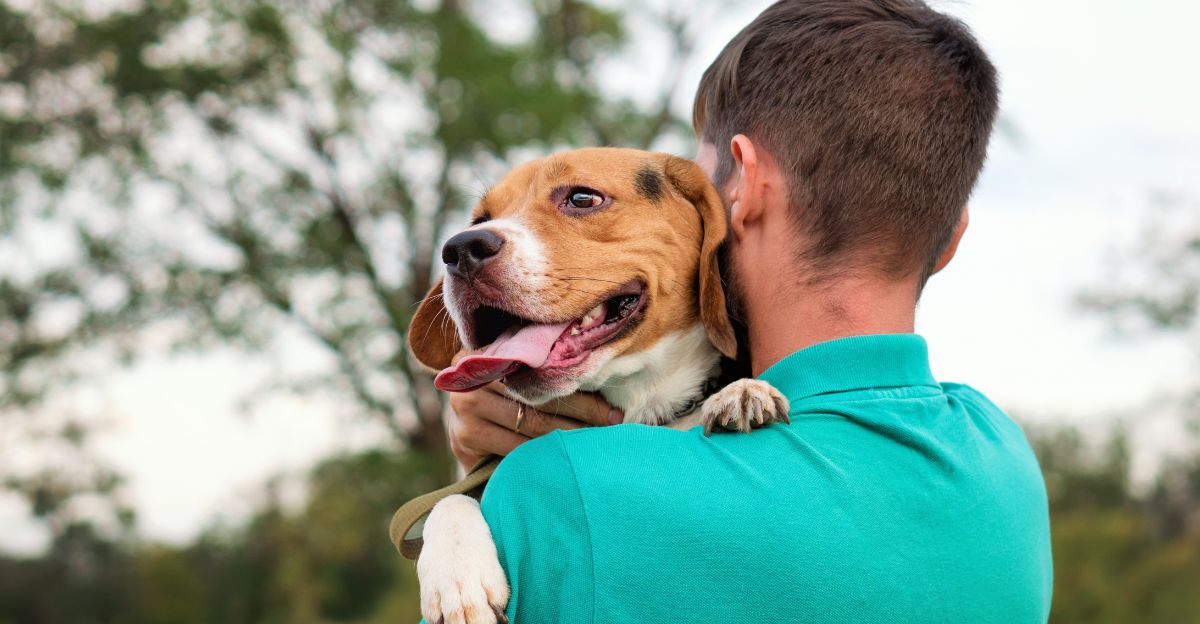
Even when you scold your dog, they quickly forgive and return to their happy selves soon after.
Dogs don’t hold grudges; they’d rather focus on your relationship and good moments.
Trainer Karen Pryor says, “The canine heart is built to love and forgive—one reason the human-dog bond endures so strongly.”
This forgiving nature makes dogs especially lovable.
Red Flag 1: Lack of Tail Wagging
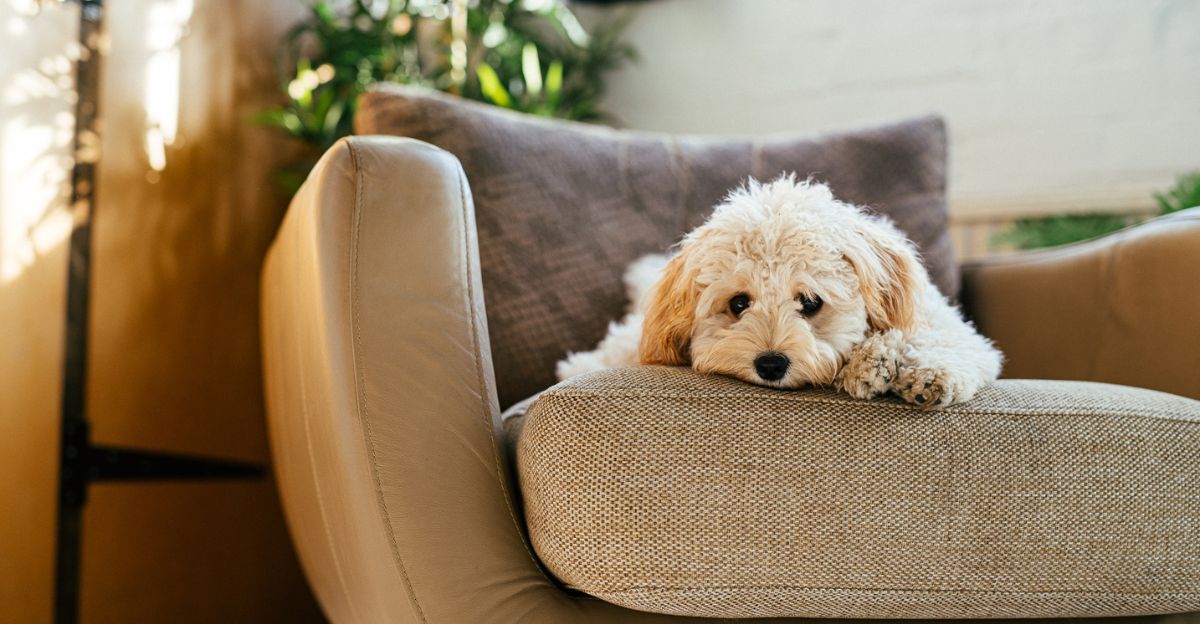
A dog’s tail is a meaningful way for them to communicate their feelings, and regular tail wagging usually shows happiness, excitement, or friendliness, especially when greeting someone they love.
If a dog rarely wags their tail or keeps it still when their owner arrives, this can be a sign of sadness, illness, stress, or a weaker emotional bond.
Sometimes, this happens because the dog is anxious or uncertain, such as after a significant change at home or a recent scolding. Experts warn, “A consistently still or unenthusiastic tail may indicate a weakened bond or underlying issues needing attention.”
Red Flag 2: Reluctance to Share Toys
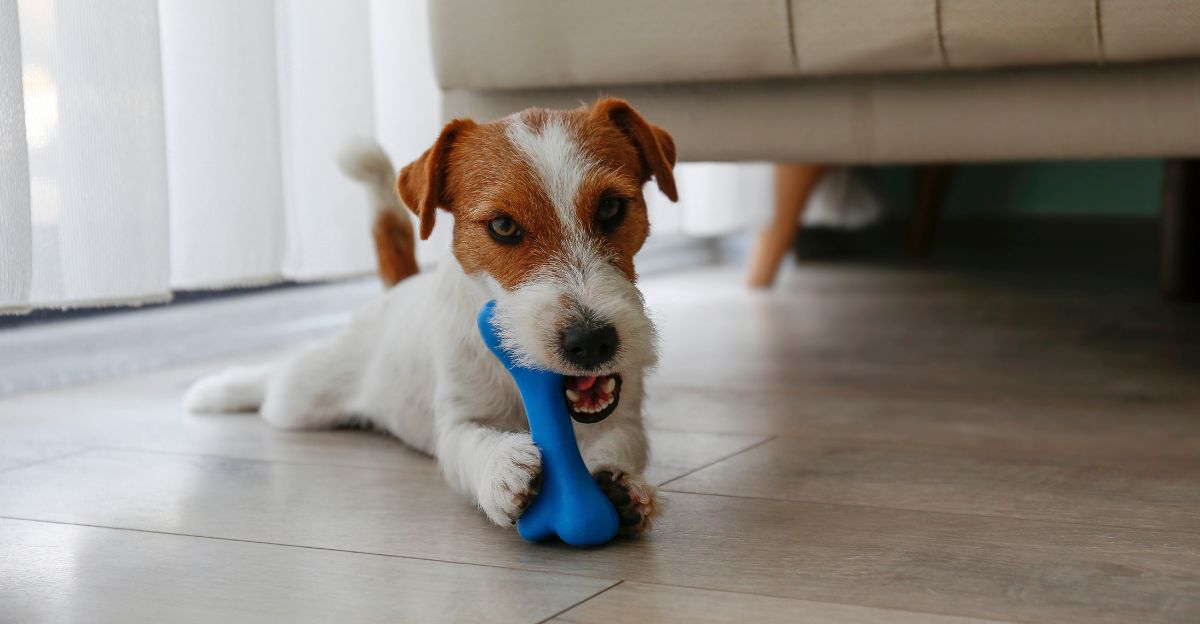
If a dog never lets you near its toys or guards objects from you, it could mean it is nervous or feels you might take things away.
Vet John Ciribassi says, “Dogs unwilling to share with their humans are signaling distrust or a need for further socialization.”
Working on earning your dog’s trust with slow, positive steps is essential.
Red Flag 3: Avoiding Physical Contact
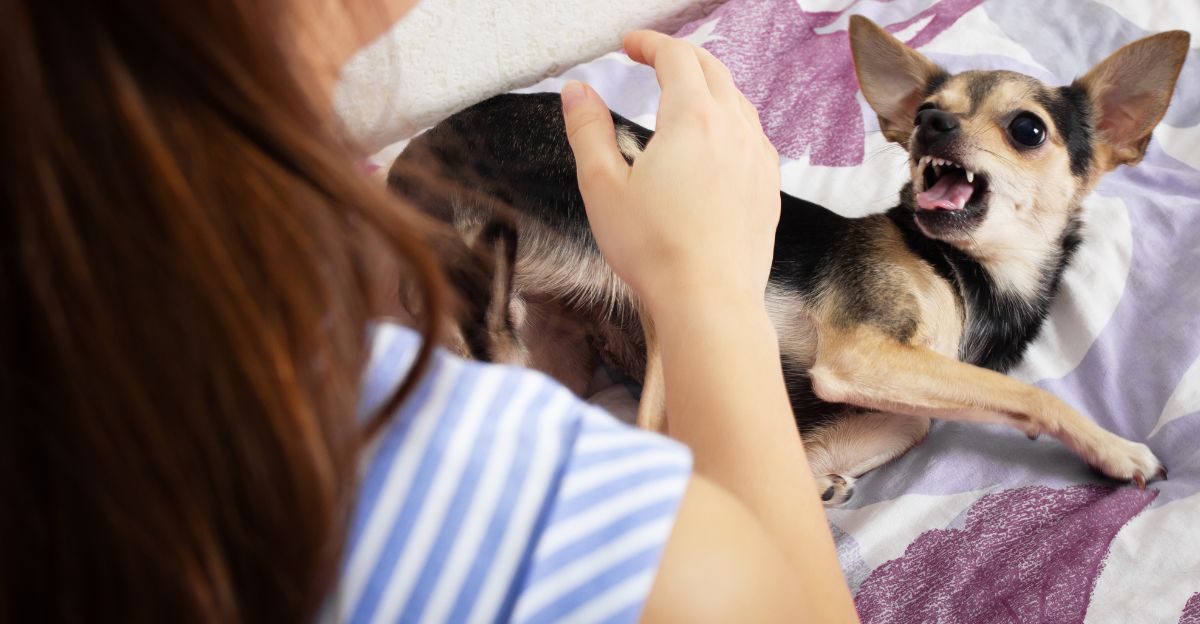
If your dog regularly moves away when you try to pet or cuddle it, it could mean it’s afraid, stressed, or uncertain.
Experts note, “If your dog consistently shies away from touch, it’s a red flag for discomfort or unaddressed fear issues.”
In these cases, it’s best to be gentle and patient and, if the behavior doesn’t improve, seek advice from a trainer.
Red Flag 4: Growling or Aggression Toward Owner
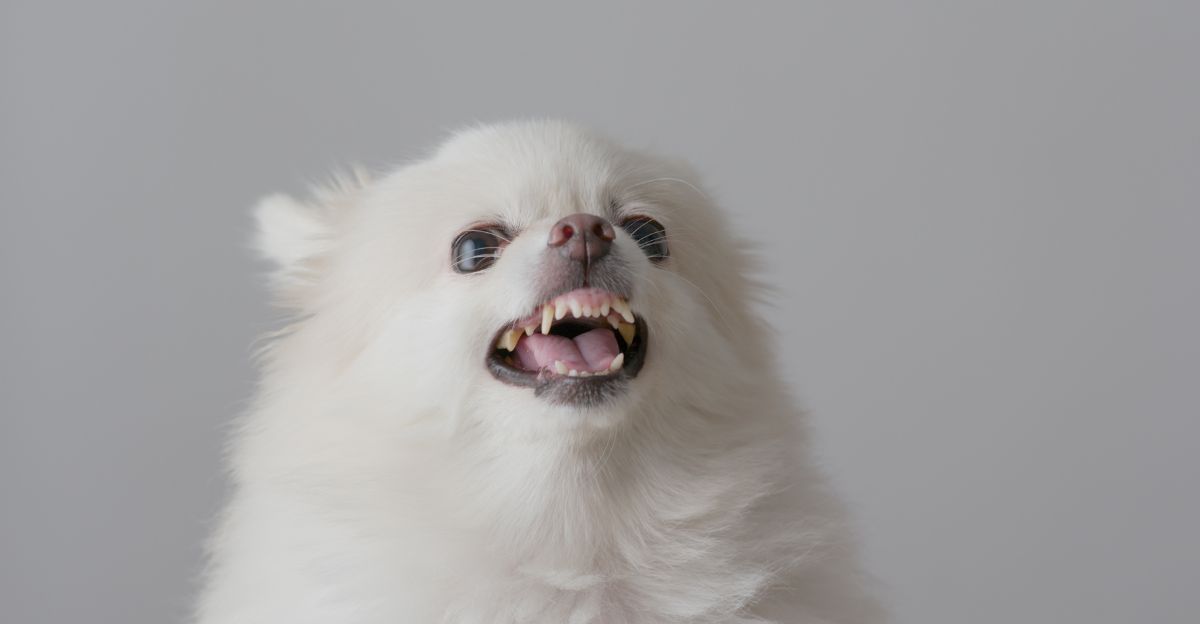
Growling, snapping, or showing teeth at you is never a typical sign of affection; it usually means fear, confusion, pain, or severe stress.
If this happens repeatedly, it’s essential to get professional help.
“Persistent aggressive behaviors toward family members require immediate attention and gentle professional intervention,” warn veterinarians.
Red Flag 5: Preference for Others’ Company
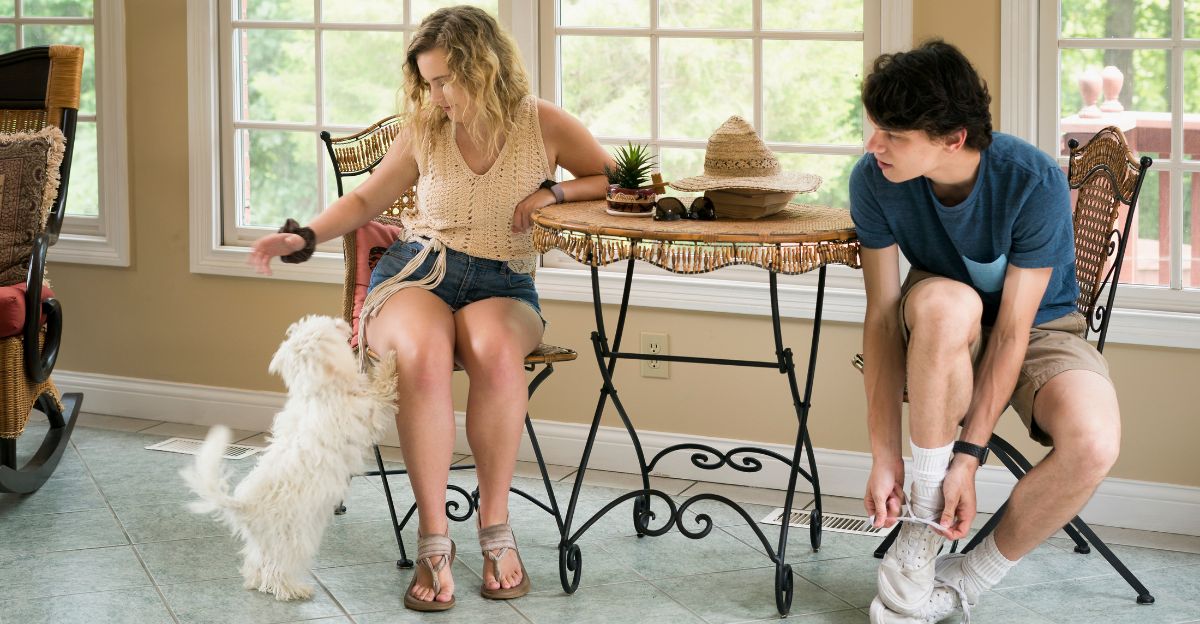
A dog that always ignores you but seeks out strangers or other animals could be showing that your bond is weak or that they are anxious around you.
“Consistently choosing someone else over you may mean there’s work to do rebuilding trust or addressing past conflicts,” notes Dr. Sally Foote.
Bond building takes time, but going slow and being positive helps.
Red Flag 6: Emotional Distress in Absence of Owner
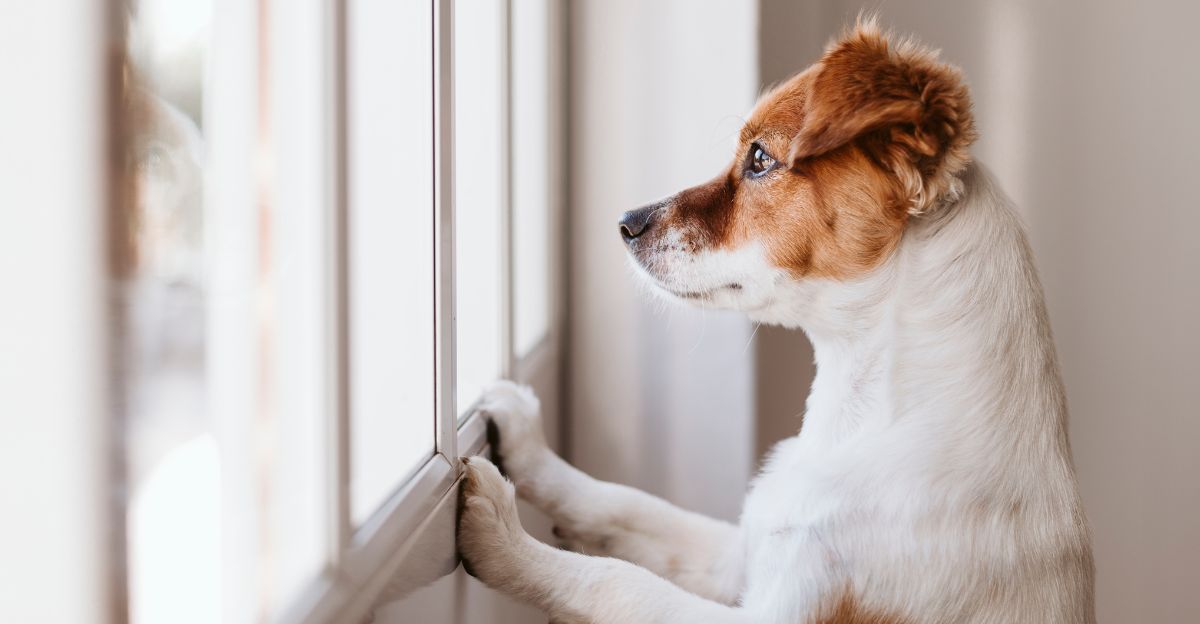
Dogs that tear things up, bark for hours, or panic when alone are actually stressed, not extra “devoted.”
The real goal is to help dogs feel safe when you’re gone. As trainer Patricia McConnell says, “True devotion equals security, not anxiety in your absence.”
This may take training, routine, or sometimes help from a professional.
Cherish the Bond, But Watch for Warning Signs
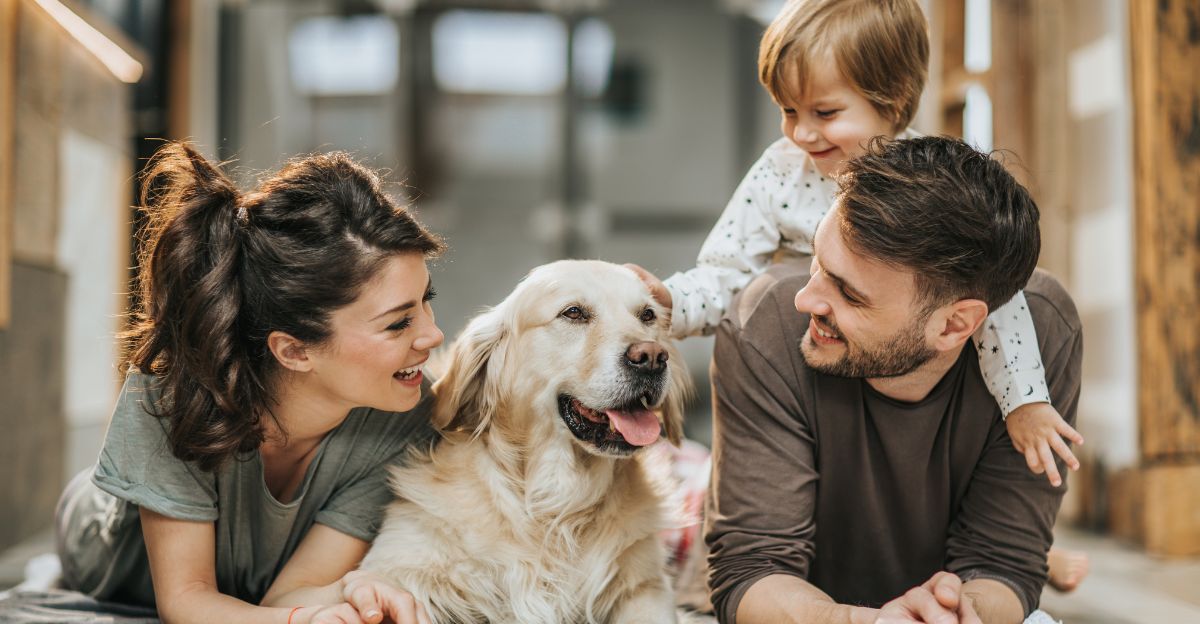
A loving, loyal dog can light up your life and bring daily joy. Strong relationships come from building trust, clear routines, play, gentle boundaries, and truly understanding your dog’s needs and signals.
Watch for any warning signs that may signal problems so that you can respond early.
Treasuring your dog’s loyalty is the best way to make your friendship last a lifetime.