
A new bill in Congress is reigniting one of the most sensitive debates in American law: who gets to remain a citizen. Introduced in December 2025, Senator Bernie Moreno’s Exclusive Citizenship Act would force millions of dual citizens to choose one nationality or lose U.S. status. Legal experts warn it clashes with decades of Supreme Court rulings.
Here’s what’s happening and why it matters.
A Citizenship Line Drawn In Congress

Senator Bernie Moreno introduced legislation last month demanding sole allegiance to the U.S. His Exclusive Citizenship Act of 2025 would force millions holding dual passports to choose: renounce foreign citizenship or lose their American status. The bill requires action within 12 months of enactment, with automatic citizenship loss for noncompliance. Constitutional scholars remain skeptical about viability, and the enforcement details raise even bigger questions.
A Flat Ban On Dual Nationality
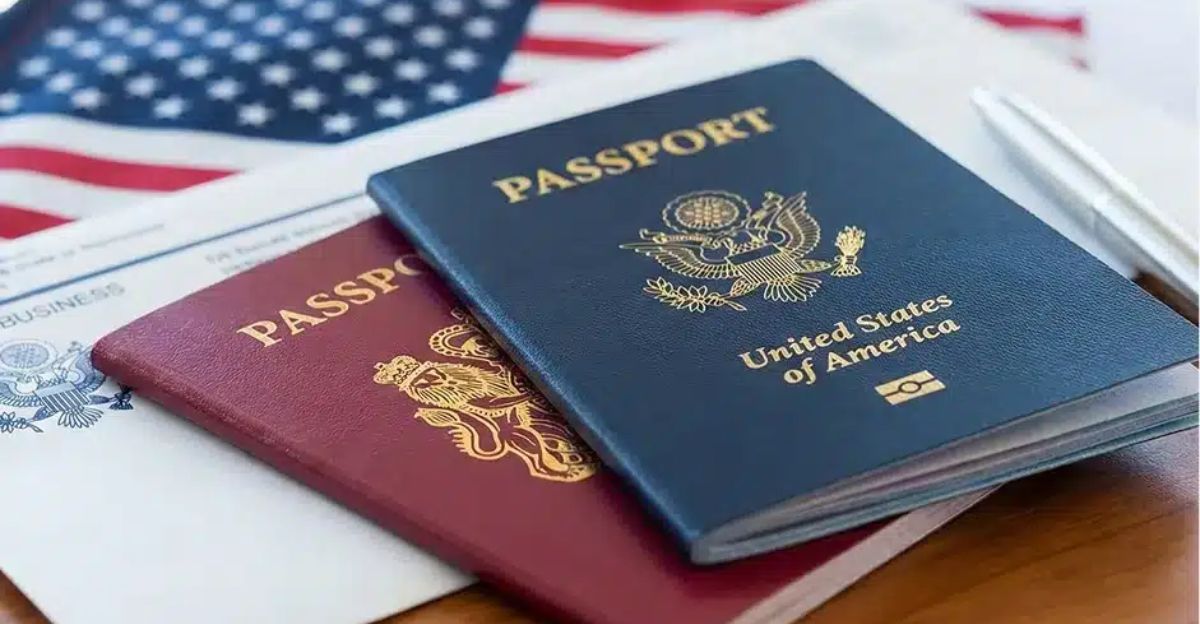
The Exclusive Citizenship Act of 2025 creates a flat prohibition on holding U.S. citizenship simultaneously with any foreign nationality. Existing dual citizens face a 1-year deadline to renounce either U.S. or foreign citizenship. The legislation would take effect 180 days after enactment and trigger a federal registry of dual citizens. The bill’s definition of “relinquishment” becomes the pressure point.
The Senator Behind The Proposal

Bernie Moreno, a Republican from Ohio, introduced the Exclusive Citizenship Act of 2025 in December 2025. Moreno became a U.S. citizen at age 18 and has centered his political identity around American exclusivity. He told reporters: “Being an American citizen is an honor and a privilege—and if you want to be an American, it’s all or nothing.” That framing drives the bill’s core logic.
“Sole And Exclusive Allegiance” Explained

Moreno frames his bill around “sole and exclusive allegiance” to the United States. The phrase echoes Cold War-era security concerns about divided loyalties and foreign influence. However, current U.S. law contains no requirement for exclusive allegiance, and dual citizens routinely hold multiple nationalities without legal consequence. Critics say the bill turns paperwork into patriotism, but do voters agree?
How Many People Could Lose Status?
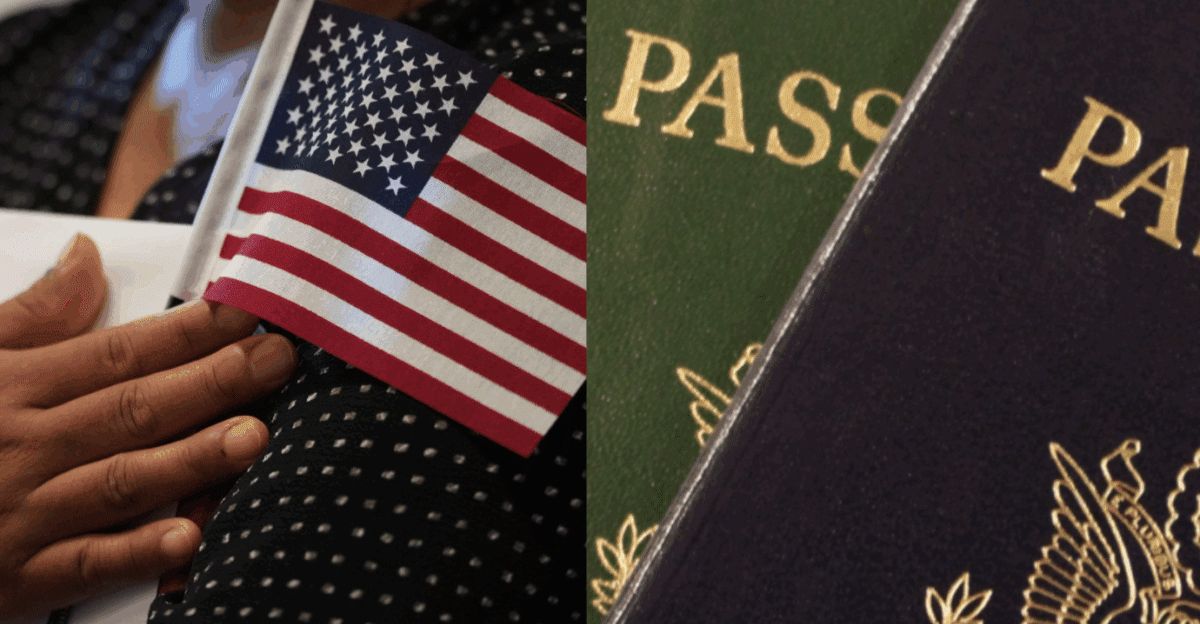
Between 7 million and 10.7 million Americans currently hold dual citizenship, according to State Department and census estimates. Another 20 million to 30 million Americans are potentially eligible for a 2nd citizenship through ancestry but have not claimed it. If the bill passed, the immediate impact would hit millions, and the administrative costs would ripple outward.
Public Opinion Is Not On Board
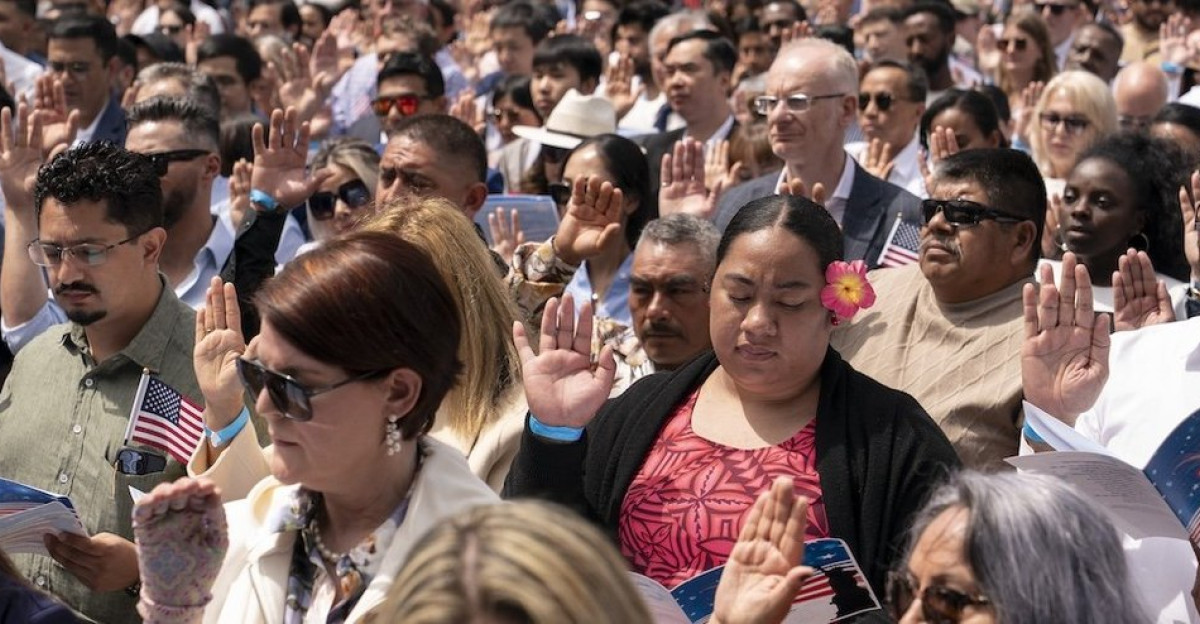
A December 2025 YouGov poll found only 31% of Americans support eliminating dual citizenship, with 60% opposing the requirement. Support breaks sharply along partisan lines: 59% of Republicans back the bill, while only 11% of Democrats do. Only 15% believe dual citizens are “a lot less loyal.” Why does support surge inside one party?
The Law Today Allows Dual Citizenship
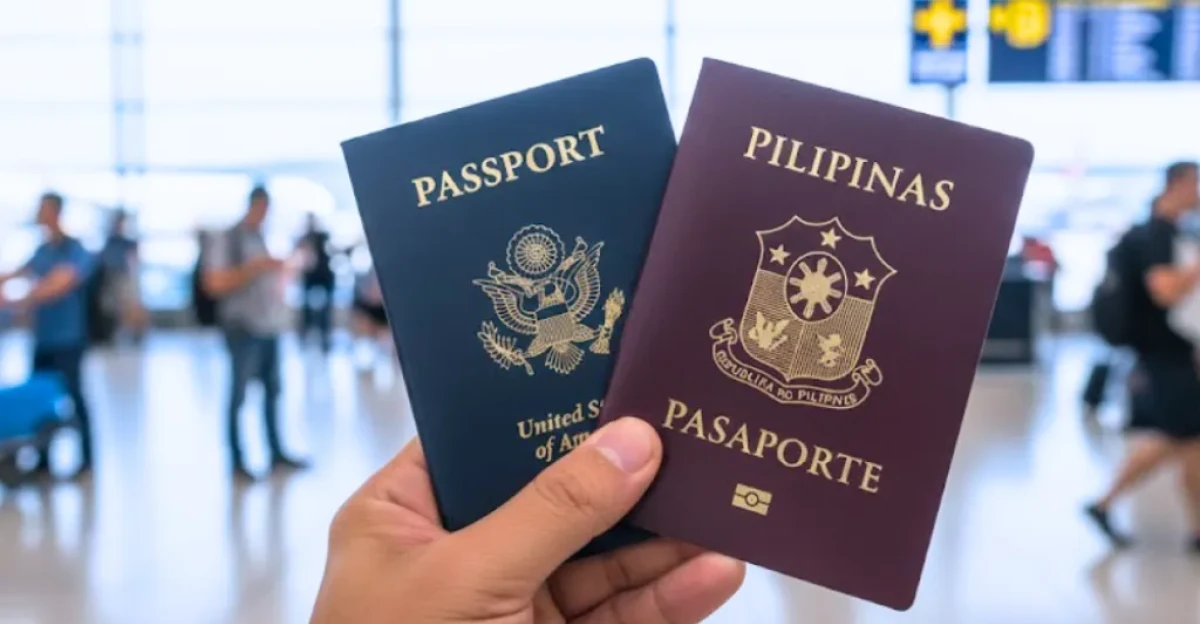
U.S. law currently does not require citizens to choose between nationalities. Immigrants who naturalize as U.S. citizens may maintain their original citizenship if the foreign country permits it. Americans who voluntarily acquire foreign citizenship generally retain U.S. status. The Bancroft Treaties were abandoned by the Carter administration in 1980, and a key court shift explains why.
The 1967 Case That Reset The Rules

In Afroyim v. Rusk, the Supreme Court ruled that Congress cannot strip U.S. citizenship from anyone without their voluntary intent to relinquish it. The Court declared: “Congress has no power under the Constitution to divest a person of his United States citizenship absent his voluntary renunciation thereof.” That line became a constitutional wall, and the bill runs straight toward it.
Why Experts Doubt It Survives Court

Legal scholars argue the Exclusive Citizenship Act of 2025 violates the 14th Amendment’s Citizenship Clause as interpreted by the Supreme Court. The bill treats inaction as “voluntary relinquishment,” a legal fiction they say cannot satisfy constitutional doctrine. Moreno’s framework bypasses the intent requirement in Afroyim and later decisions, setting up an immediate collision with precedent.
Terrazas Made Intent Even Harder

In Vance v. Terrazas in 1980, the Supreme Court clarified that loss of citizenship requires not just a voluntary act but specific intent to relinquish citizenship. The Court held: “the citizen not only voluntarily committed the expatriating act prescribed in the statute, but also intended to relinquish his citizenship.” That standard makes “deemed relinquishment” far more vulnerable, and the affected population is broader than many assume.
Dual Citizenship Often Happens Automatically
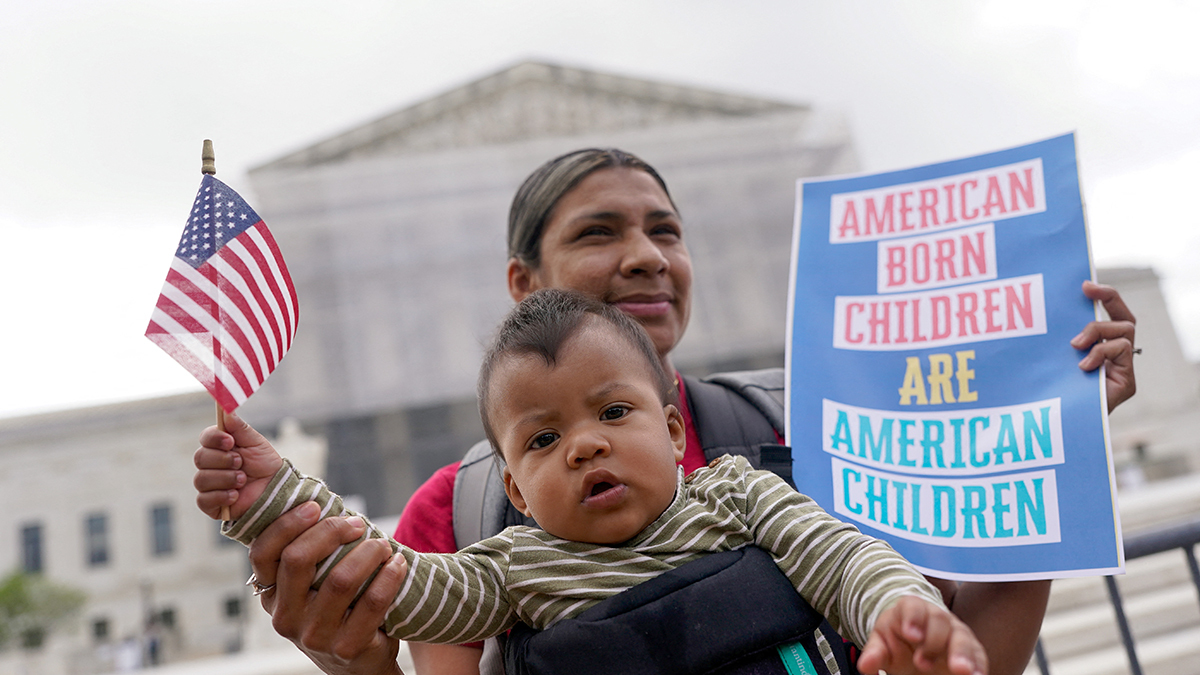
Millions of Americans acquired dual citizenship through circumstances beyond their control. Children born in the U.S. to foreign-born parents may automatically hold citizenship of both countries. Naturalized U.S. citizens from Mexico and other countries may retain original nationality under foreign law. Others activate Irish, Italian, or Polish claims through descent programs, often long after birth, creating legal and personal complexity.
The “Accidental American” Dilemma

“Accidental Americans” are those who gained U.S. citizenship at birth but never actively chose it, and they would face forced renunciation under Moreno’s bill. Many were born in the U.S. to foreign parents and have minimal connection to America. The bill would push them to renounce either U.S. or foreign status despite never affirmatively acquiring citizenship. Why penalize people for circumstances of birth?
Renouncing Is Costly And Slow

Voluntarily renouncing U.S. citizenship requires appearing in person before a U.S. consular officer abroad. The non-refundable government fee stands at $2,350 per person. Applicants must complete multiple forms and show they understand the consequences and are not under duress. Processing delays are severe, and the State Department review typically takes months, which becomes a major problem under hard deadlines.
Consulates Cannot Handle A Mass Rush

The current system processes approximately 5,000 renunciations annually, yet over 30,000 cases already backlog U.S. consulates. If millions attempt to renounce within the 1-year deadline, embassies and consulates would lack capacity to interview them all. The bill provides no expedited procedures or remote options, raising the risk that citizens miss deadlines through bureaucratic failure. Would Congress accept that outcome?
Why Passage Looks Politically Unstable

The Exclusive Citizenship Act faces constitutional problems, bipartisan opposition, and administrative impossibility. Republicans control Congress, but even GOP members split on aggressive citizenship policies, while Democrats oppose the bill nearly unanimously. It must survive committee review, floor debate, Senate passage, and presidential signature. Any enacted version would face immediate lawsuits and likely injunctions, stretching the fight for years.
Americans Still Want Second Passports
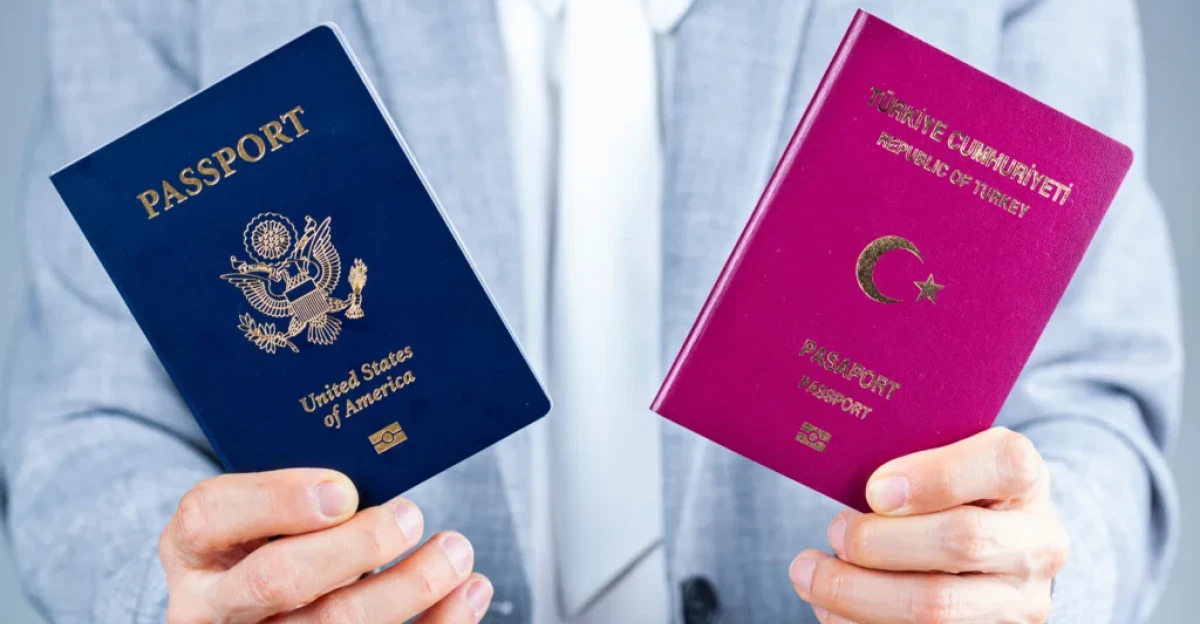
As Moreno pushes to eliminate dual citizenship, more Americans seek additional nationalities. COVID-19 restrictions showed a U.S. passport alone cannot guarantee entry to desired destinations, while political instability drove affluent Americans toward citizenship by investment and ancestry claims. An estimated 5.5 million Americans with liquid wealth exceeding $1 million view citizenship diversification as strategy. That trend clashes with the bill’s assumptions, and overseas policy shifts add urgency.
Italy’s Clampdown Changed The Mood

On March 28, 2025, Italy restricted citizenship by descent with a 2-generation limit instead of unlimited eligibility. Previously, up to 80 million people worldwide qualified for Italian citizenship through descent. Americans who filed applications before March 27, 2025, retain eligibility under old rules. The sudden shift shows how quickly dual citizenship pathways can close, and it raises a larger question about global momentum.
If It Became Law, What Happens Then?

If enacted, the prohibition takes effect 180 days after passage, triggering a 12-month renunciation deadline. Dual citizens would receive State Department notification of requirements and deadlines. Those who renounce U.S. citizenship could face expatriation tax consequences, including potential exit tax obligations. Anyone deemed to have relinquished citizenship would lose voting rights, federal benefits access, and may need visas to visit family, though lawsuits would likely stall enforcement.
Identity And Belonging On The Line

Beyond legal abstractions lies a human reality: millions of Americans identify with multiple countries and cultures simultaneously. Forcing citizens to choose between passports pushes them to renounce heritage, family ties, and lived identity. Surveys show most Americans view dual citizens as equally patriotic, yet the bill treats dual citizenship as disloyalty. The fight is ultimately about whether modern citizenship can reflect a globalized life.
Sources
Afroyim v. Rusk. Supreme Court of the United States, June 30, 1967
Vance v. Terrazas. Supreme Court of the United States, April 2, 1980
Only one-third of Americans support eliminating dual citizenship. YouGov, December 4, 2025
New Moreno Bill to Outlaw Dual Citizenship. Senator Moreno Official Website, December 2025