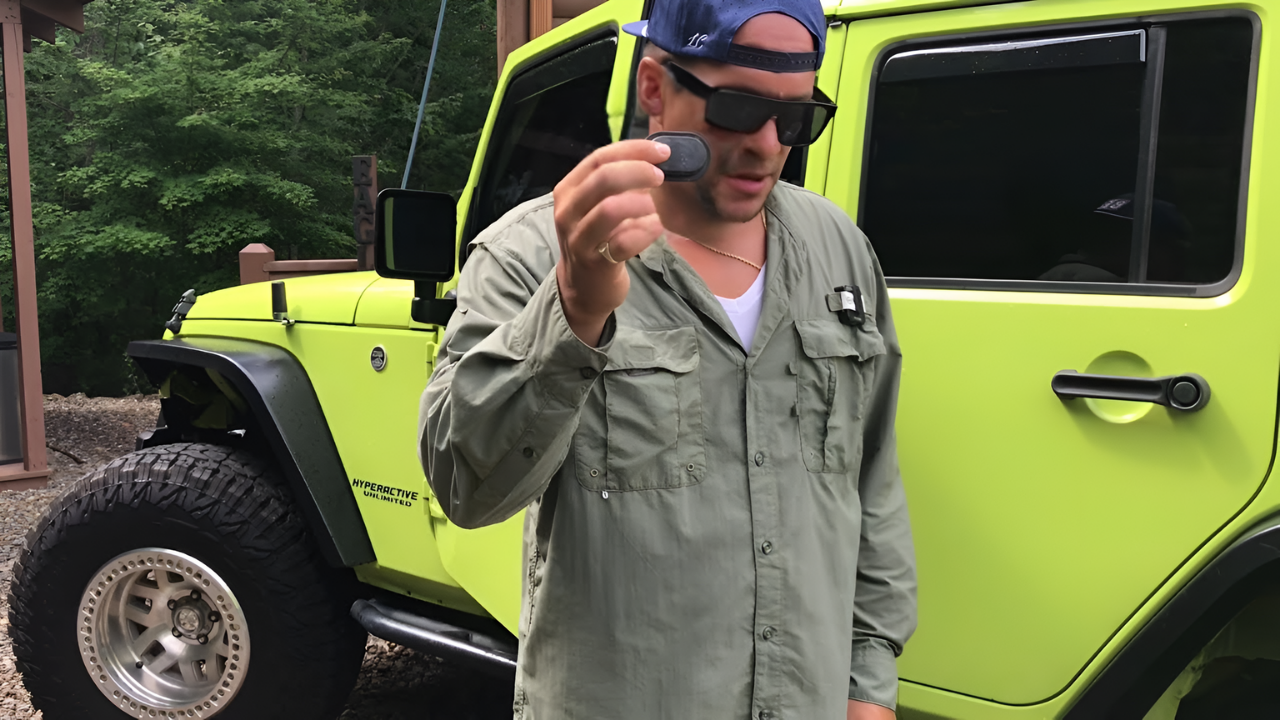
A wave of concern has swept the automotive world as Stellantis, Jeep’s parent company, expands a major recall affecting over 320,000 plug-in hybrid SUVs in the United States. Owners of the Jeep Wrangler 4xe and Grand Cherokee 4xe have been warned to park their vehicles outdoors and avoid charging them after reports of battery fires linked to manufacturing defects.
The recall covers vehicles produced from July 2020 through October 2025, exposing flaws in battery design, software safeguards, and broader safety protocols across the electric vehicle industry. The National Highway Traffic Safety Administration (NHTSA) has issued a warning to owners: “Do not charge your vehicles and park away from buildings and other cars until a permanent solution is available.”
Here’s what’s happening with the batteries and why this recall has grown so urgent.
Battery Defect Sparks Fires
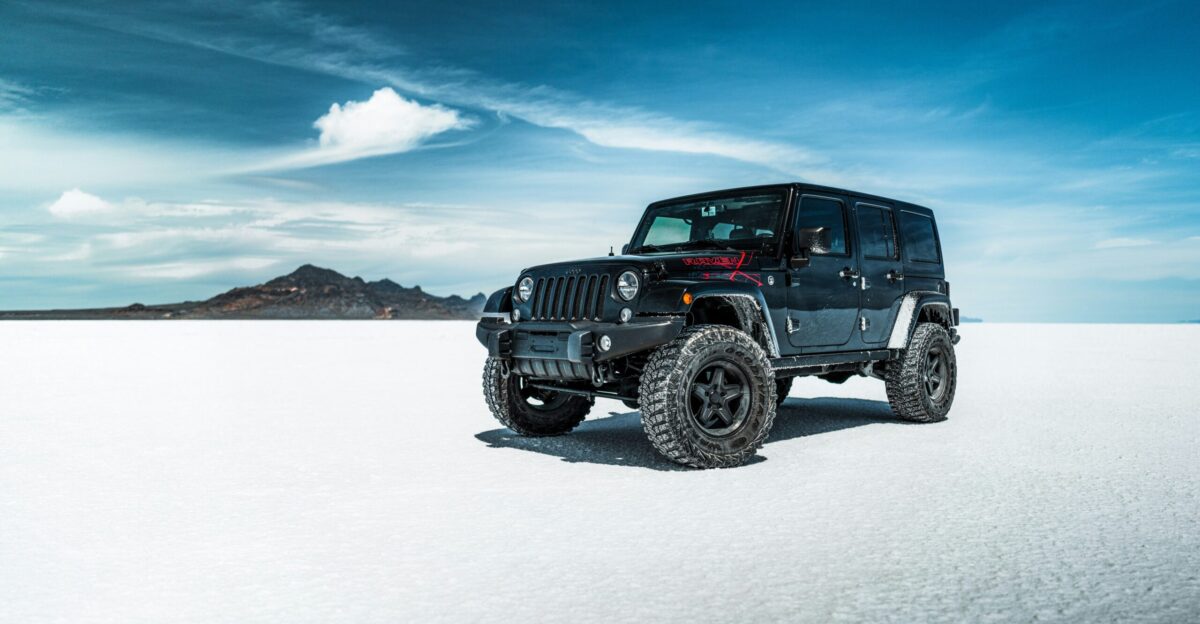
The root of the problem lies in high-voltage lithium-ion battery packs supplied by Samsung SDI America. Investigations revealed that microscopic punctures in battery cell separators—caused by metal burrs and cathode pole piece defects during manufacturing—can allow internal components to touch, triggering rapid overheating. In some cases, this has caused fires.
Stellantis has documented at least 19 fires in affected vehicles, including one injury. Fires have occurred both while parked and in motion. These defects highlight serious vulnerabilities in battery safety and oversight, raising concerns not only for Jeep owners but for the broader electric vehicle industry. The warning from NHTSA underscores the urgency: the risk is immediate and potentially dangerous.
Failed Fixes Escalate Risk
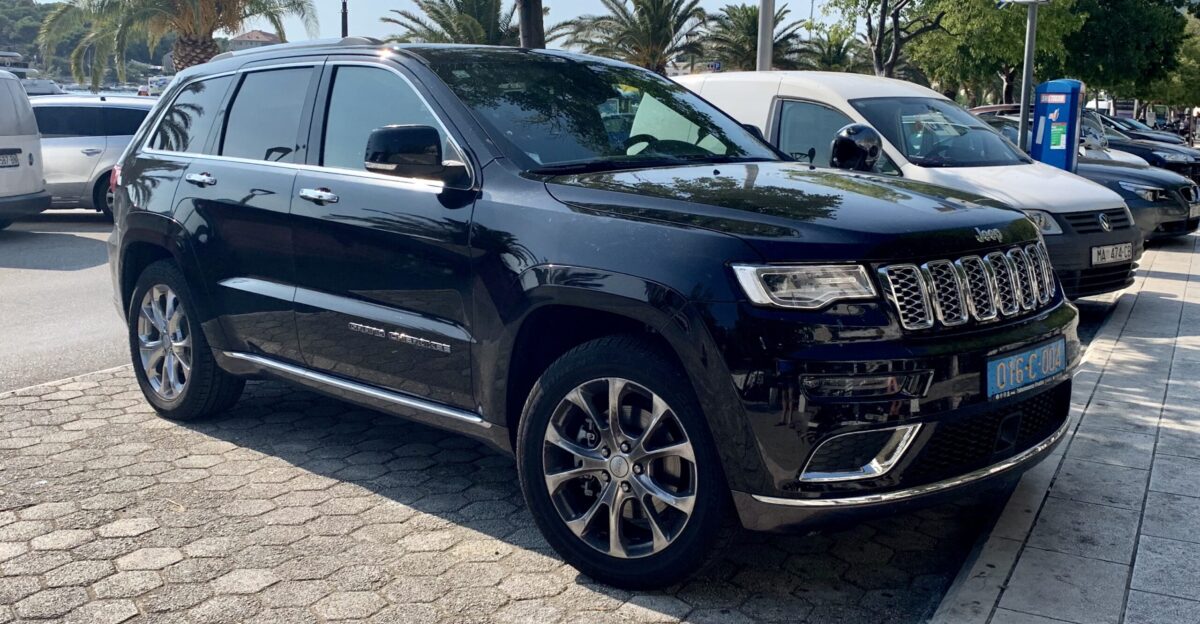
Stellantis first tried to address the problem in late 2023 with a software update designed to detect abnormal battery voltages and prevent fires. However, the update proved insufficient—nine fires occurred in vehicles that had received it. The software could not reliably identify the failure patterns leading to thermal runaway, a chain reaction inside the battery where internal shorts trigger overheating and flammable gas venting.
As a result, the recall was expanded in 2024 and again in 2025. Stellantis acknowledged that only a comprehensive hardware fix could eliminate the underlying risk. Until a permanent remedy is available, drivers must follow strict safety guidelines, creating significant inconvenience for thousands of owners nationwide.
Scope of the Recall and Impact
The recall affects approximately 228,221 Jeep Wrangler 4xe (2020–2025 models) and 91,844 Grand Cherokee 4xe (2022–2026 models) in the U.S., with thousands more in Canada, Mexico, and overseas. Stellantis estimates that around 5% of battery packs may contain defects, but the company has acted across the full production range due to the severity of the risk.
For owners, the recall is disruptive and costly. Many cannot safely charge or park their expensive SUVs indoors, while limited parts and dealer capacity mean repairs could take months. Dealers are working to schedule fixes, but uncertainty remains for affected drivers, leaving safety concerns and logistical challenges intertwined.
Financial and Legal Fallout
The recall carries a heavy financial burden. Independent analysis estimates costs between $70 million and $85 million for inspections, customer communications, logistics, software updates, and battery replacements. This adds to $30–50 million already spent on earlier recall efforts in 2024 addressing the same defect.
Stellantis’ stock dropped sharply, losing nearly half its value between June 2024 and July 2025, reflecting investor concern over mounting costs, manufacturing challenges, and potential legal liabilities. Lawsuits have been filed by owners citing breach of warranty and safety issues, while resale values and insurance complications add further strain. Regulatory agencies may impose stricter battery validation rules, potentially affecting the broader EV market.
Broader Industry Implications
The recall has rippled across the plug-in hybrid and electric vehicle market. Consumer confidence in electrified Jeep models has been shaken, and analysts warn purchase intent may shift toward competitors. The incident also raises questions about quality control in battery manufacturing, particularly as Samsung SDI supplies similar components to other major automakers, including Ford, Audi, and Volkswagen.
Dealerships face repair backlogs and frustrated customers, while the NHTSA and EPA are expected to review and potentially tighten high-voltage battery safety standards. This could slow future EV launches and increase costs for manufacturers, highlighting the challenges of scaling electrification safely and reliably.
Looking Ahead
Stellantis has pledged a permanent solution combining software updates and, if necessary, replacement of defective battery packs at no cost. The company stated: “The remedy includes a software update and, if necessary, replacement of the high-voltage battery, both provided at no cost to owners.”
Until the fix is fully implemented, affected drivers must continue following strict safety guidelines and monitoring official updates. The outcome of this recall will shape Jeep’s electrification strategy, consumer trust, and regulatory approaches across the EV sector. As the automotive industry races toward an electric future, the Jeep recall underscores the responsibilities and risks that come with innovation.