Marine paleontologists uncovered a minute fossil in China that still holds its internal organs intact, something experts call virtually unheard of. Researchers report that this poppy-seed–sized larva, buried 520 million years ago, retained its brain, gut glands, and circulatory tissues. High-resolution 3D imaging captured every detail, suggesting the Yu’anshan Formation offered the right chemistry to freeze soft parts before decay could occur.
Tiny Fossil Breaks All Preservation Rules
Durham University’s Dr. Martin Smith says that soft tissues typically vanish within days, but this larva beat the odds. Independent analysis highlights a rare phosphatization event where mineral-rich waters rapidly coated its body. The Independent reports that fewer than one in a million Cambrian creatures undergo such preservation, making this discovery a remarkable snapshot of early animal life.
Cambrian Explosion Ushers in Rapid Animal Diversity
Around 540–520 million years ago, Earth saw a sudden surge in complex life forms, as documented by Yale Scientific. Marine environments transformed from microbial mats into layered ecosystems teeming with predators, scavengers, and filter feeders. This fossil adds missing insight into how tiny larvae fit into those food webs, suggesting developmental stages evolved alongside adult body plans.
Missing Larval Links Have Long Frustrated Researchers
Discover Magazine notes that scientists have long sought fossils that bridge simple worm-like ancestors and modern arthropods. Larval remains rarely survive fossilization, leaving gaps in our understanding of appendage formation and neural complexity. This specimen fills a crucial hole, showing how juvenile stages already possessed sophisticated structures that later gave rise to legs, antennae, and compound eyes.
Breakthrough: Youti Yuanshi Reveals Hidden Anatomy
Nature’s July issue confirms the fossil belongs to a new species named Youti yuanshi. At less than one millimeter long, it preserves brain regions, nerve tracts, digestive glands, and a primitive circulatory system in full 3D. Analysis at the UK’s Diamond Light Source used synchrotron X-rays to peer inside without harm, illustrating an unparalleled view of Cambrian developmental biology.
Yunnan’s Chengjiang Site Yields Another Treasure
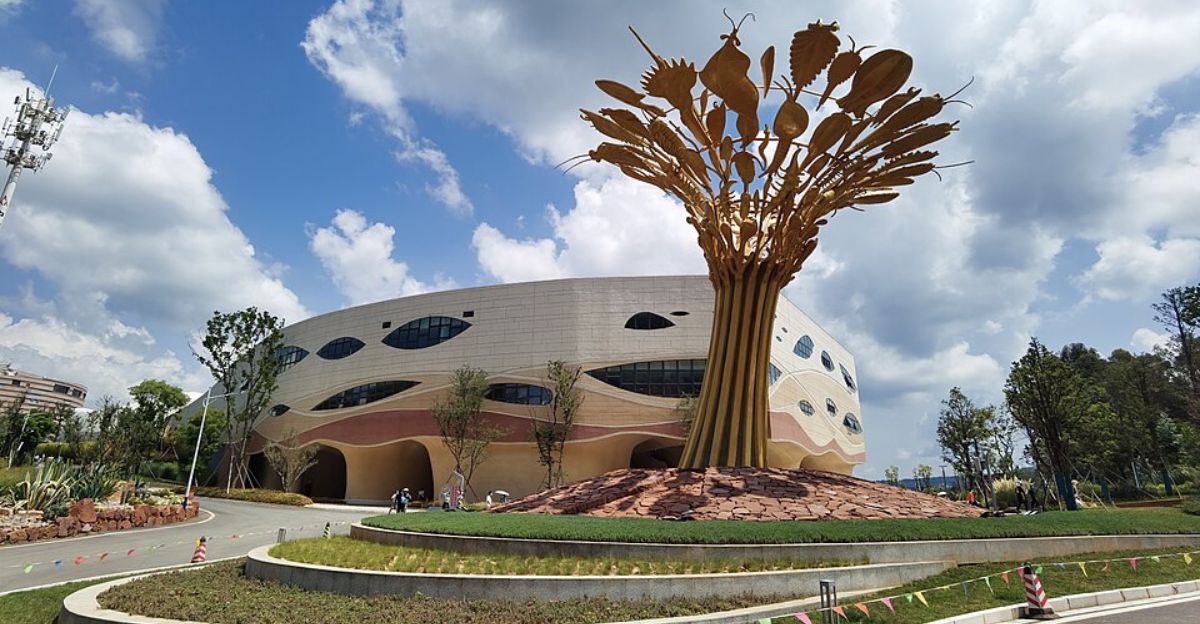
UNESCO records show Yunnan Province’s Chengjiang deposits host over 190 species across 16 animal groups, including Youti yuanshi. The region’s unique sediment chemistry, marked by phosphate-rich layers, created time capsules of soft-bodied fauna. Experts say this adds to Chengjiang’s reputation as the world’s premier window into early marine ecosystems.
Lead Researchers Share Genuine Awe

“I never imagined seeing internal organs this clear,” says Dr. Smith in a BBC interview. University of Strathclyde’s Dr. Katherine Dobson adds that natural fossilization here rivals any lab technique, describing it as “almost perfect.” Their excitement underlines how rare such preservation is and how it reshapes our view of early animal evolution.
Synchrotron X-rays Unlock Secrets Within
Facility engineers explain that the Diamond Light Source facility provided noninvasive, high-energy X-ray micro-tomography. This method generates 3D reconstructions at submicron resolution, allowing scientists to explore internal features without slicing the fossil. Reports in Technology Networks suggest this approach will transform paleontology by making hidden anatomies routinely accessible.
Arthropods’ Dominance Roots in Cambrian Innovation
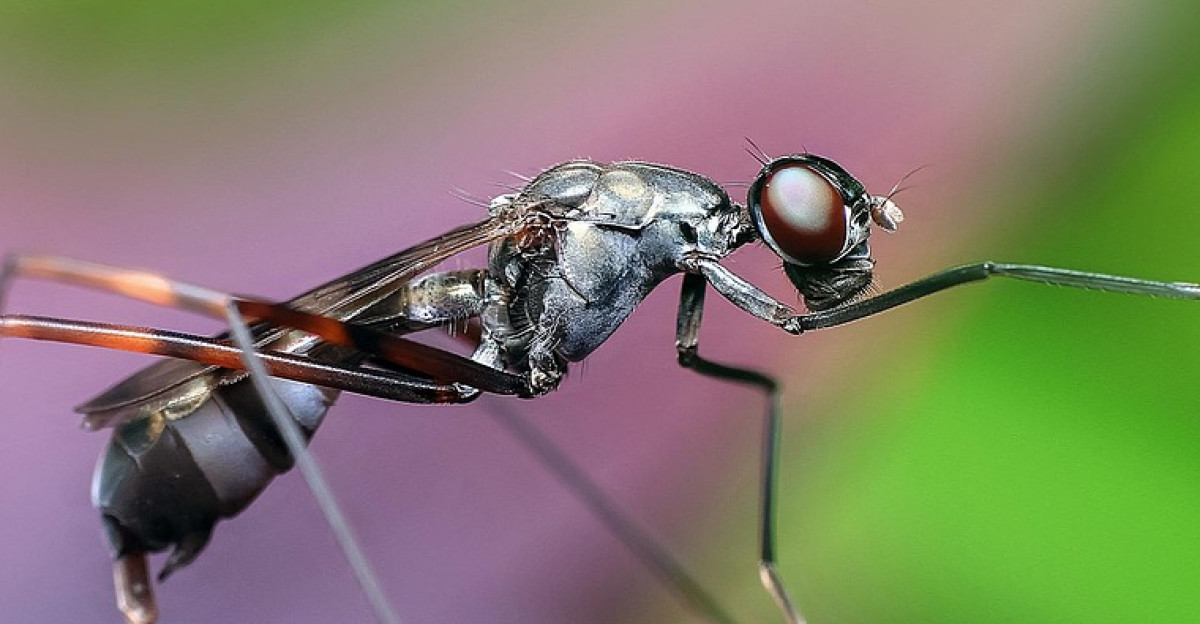
Phys.org highlights that arthropods today account for more than 80 percent of known animal species—thanks to body segmentation and jointed limbs that emerged in the Cambrian. Youti Yuanshi shows these traits began in larval stages, indicating early genetic programs already directed complex limb formation and nervous-system layouts.
Unexpected Brain Complexity in a Primitive Larva

Science Alert describes how the fossil reveals an ancestral protocerebrum—a brain region once thought absent in early larvae. This finding overturns the belief that simple head structures evolved later, suggesting advanced neural circuits existed at life’s dawn. Such complexity may have driven sensory and motor innovations critical for arthropod success.
Dream Fossil Once Deemed Nearly Impossible

Live Science reports that Dr. Smith considered finding a fossil larva akin to winning a cosmic lottery, given the fragility of juvenile bodies. His team’s persistence across multiple field seasons paid off when a single fragment revealed this extraordinary preservation. It underscores how patience and improved screening methods can yield once-inconceivable finds.
Global Collaboration Yields Breakthrough Research
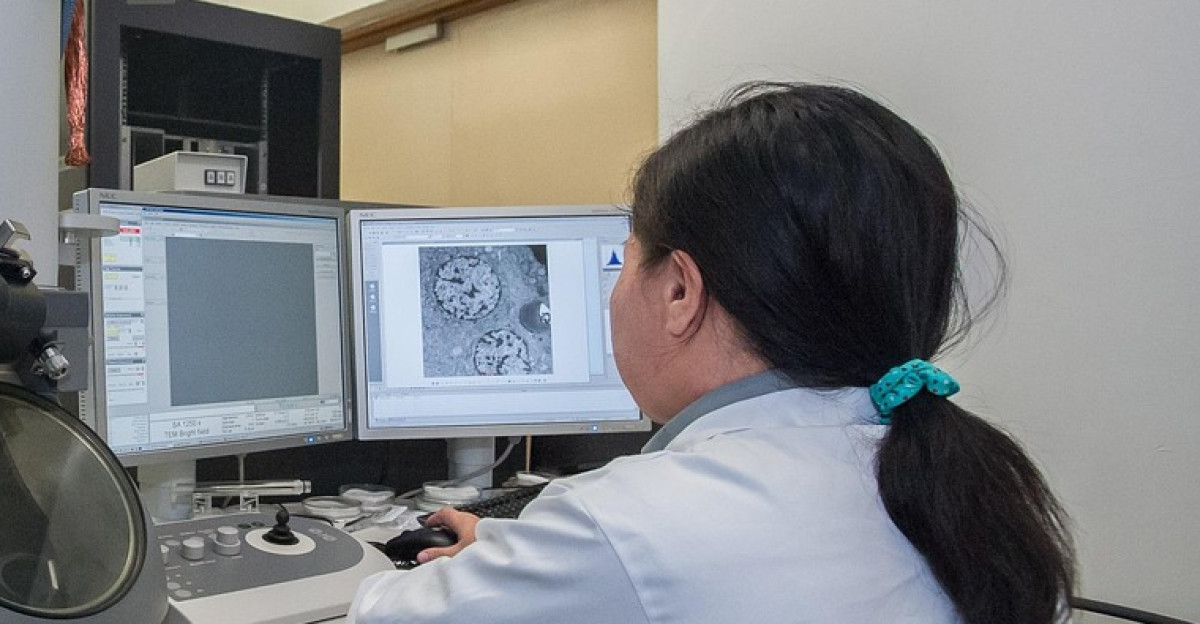
Their press offices explain that the project united Durham University, the University of Strathclyde, and Yunnan University. Chinese colleagues secured excavation permits and specimen curation, while UK teams led imaging and analysis. This cross-continental partnership showcases how sharing expertise and resources accelerates discoveries that would be impossible for any institution.
Serendipitous Chemistry Sparks Fossil Miracle
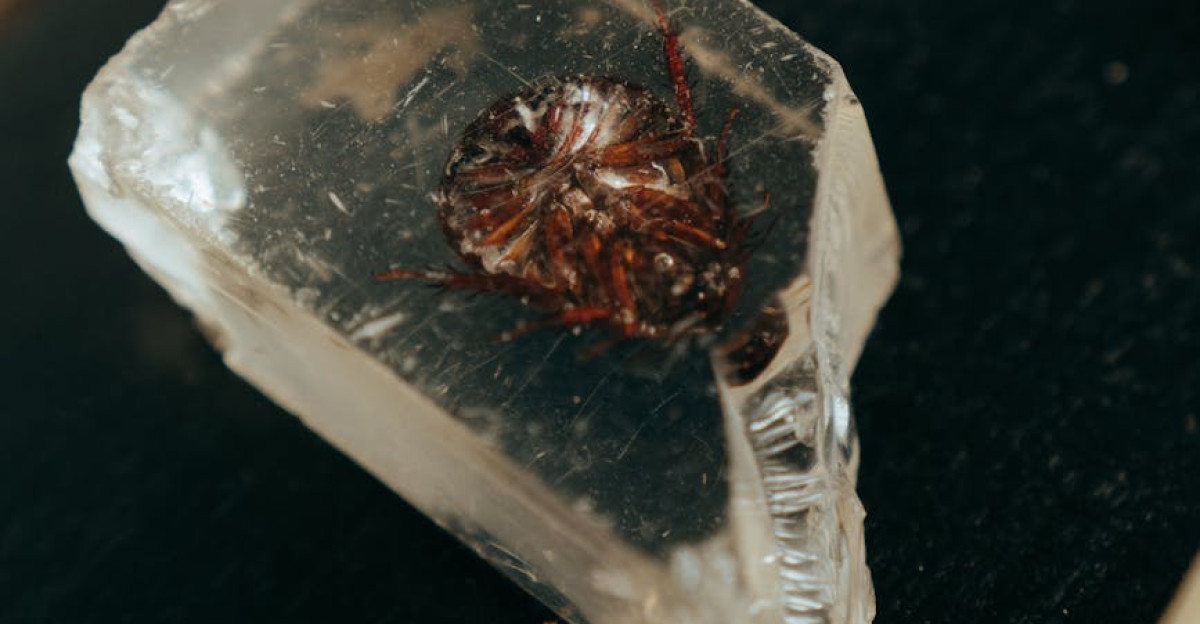
Cambridge University studies indicate phosphatization peaked in early Paleozoic oceans, when high phosphate levels enabled rapid mineral coatings. Youti yuanshi likely settled into these layers moments after death, locking in soft tissues. Researchers say such rare chemical windows are essential for exceptional fossils and help explain why so few sites yield similar finds.
Nature’s Rigorous Review Confirms Authenticity
Technology Networks notes that the paper passed a strict peer review before Nature’s July publication. Multiple laboratories independently verified imaging data and anatomical interpretations. This scrutiny ensures the findings meet the highest standards, providing a solid foundation for future studies into early animal anatomy and evolution.
New Paths Open for Studying Early Development
EurekAlert explains how these methods can apply to other Cambrian fossils long thought too delicate for analysis. Researchers anticipate identifying hidden structures in specimens worldwide, potentially rewriting textbooks on how body plans and organ systems evolved. This discovery paves the way for a renaissance in studying the biology of Earth’s earliest animals.
Martin Smith’s Career-Defining Moment
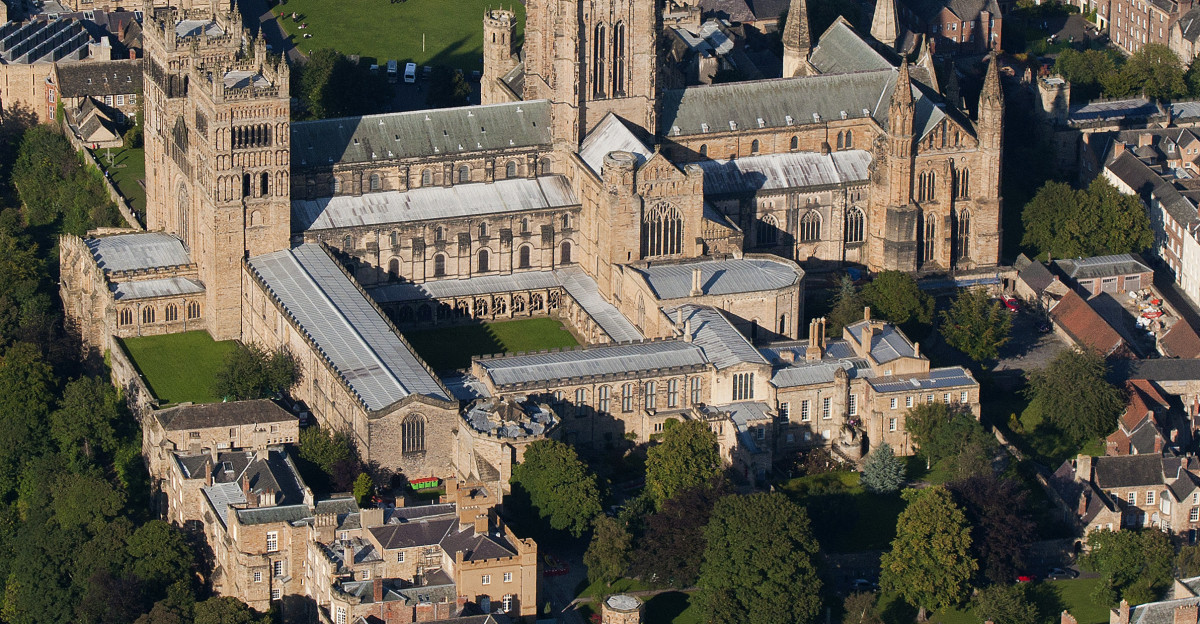
Durham University’s profile of Smith highlights his focus on Burgess Shale–type deposits and computational phylogenetics. His lifelong goal was to discover a larval fossil with preserved organs, and Youti Yuanshi achieved that dream. Colleagues say this find will define his scientific legacy and inspire a new generation of paleobiologists.
Worldwide Coverage Spotlights Evolutionary Milestone
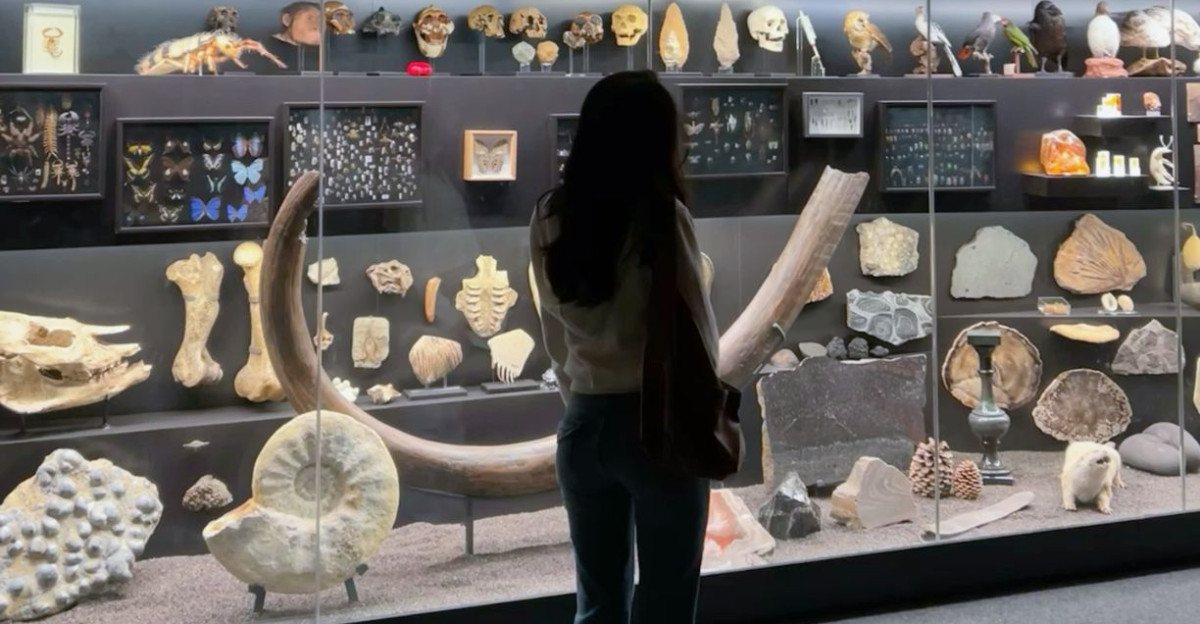
Cosmos Magazine reports rapid global media attention, from scientific journals to mainstream news outlets. Publications in Europe, Asia, and the Americas echoed the find’s significance for understanding life’s origins. Museums and universities plan exhibits to showcase the fossil’s digital reconstructions, bringing this ancient larva to public view.
Protecting Fossil Sites Becomes Urgent Priority
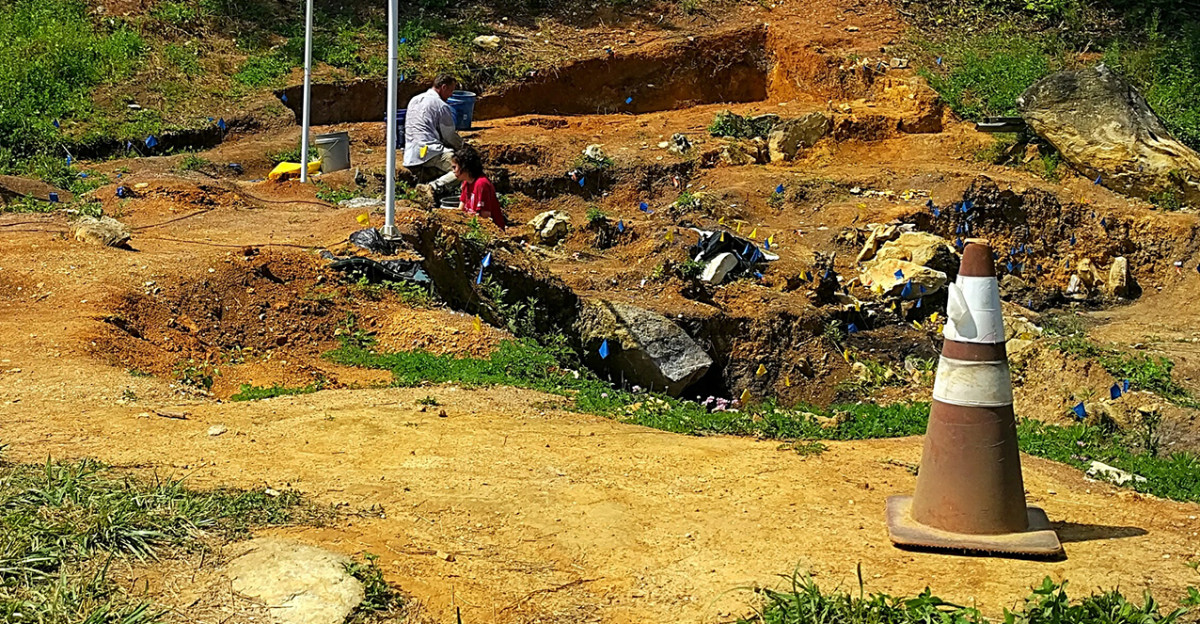
A study warns that unregulated collecting and habitat destruction threaten Yunnan’s fossil-bearing deposits. Local authorities and international bodies are discussing measures to safeguard these sites, ensuring they remain available for scientific study rather than private sale. Conservation efforts must balance research access with legal protections, experts emphasize.
Teaching Evolution With Real-World Examples
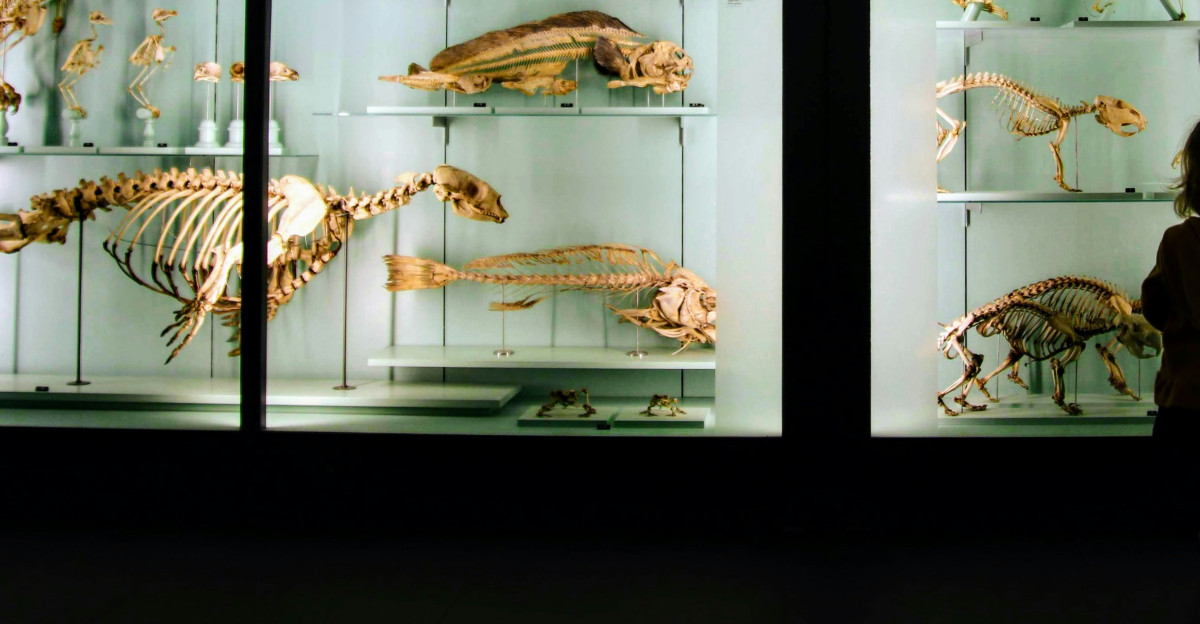
Sci. News describes how educators integrate YouTie Yuanshi’s 3D imagery into biology curricula, allowing students to explore ancient anatomy digitally. Interactive modules demonstrate how complex traits emerged over time, making abstract evolutionary concepts tangible. Classrooms worldwide can now bring half-billion-year-old organisms to life on screens.
Tiny Larva Provides Big Evolutionary Insight
The Standard reflects how Youti yuanshi bridges a deep gap between simple ancestral forms and modern insects, spiders, and crabs. This discovery underscores that even the smallest fossils can transform our understanding of Earth’s history. It reminds us that life’s most profound innovations often leave only the faintest traces, waiting for us to uncover.