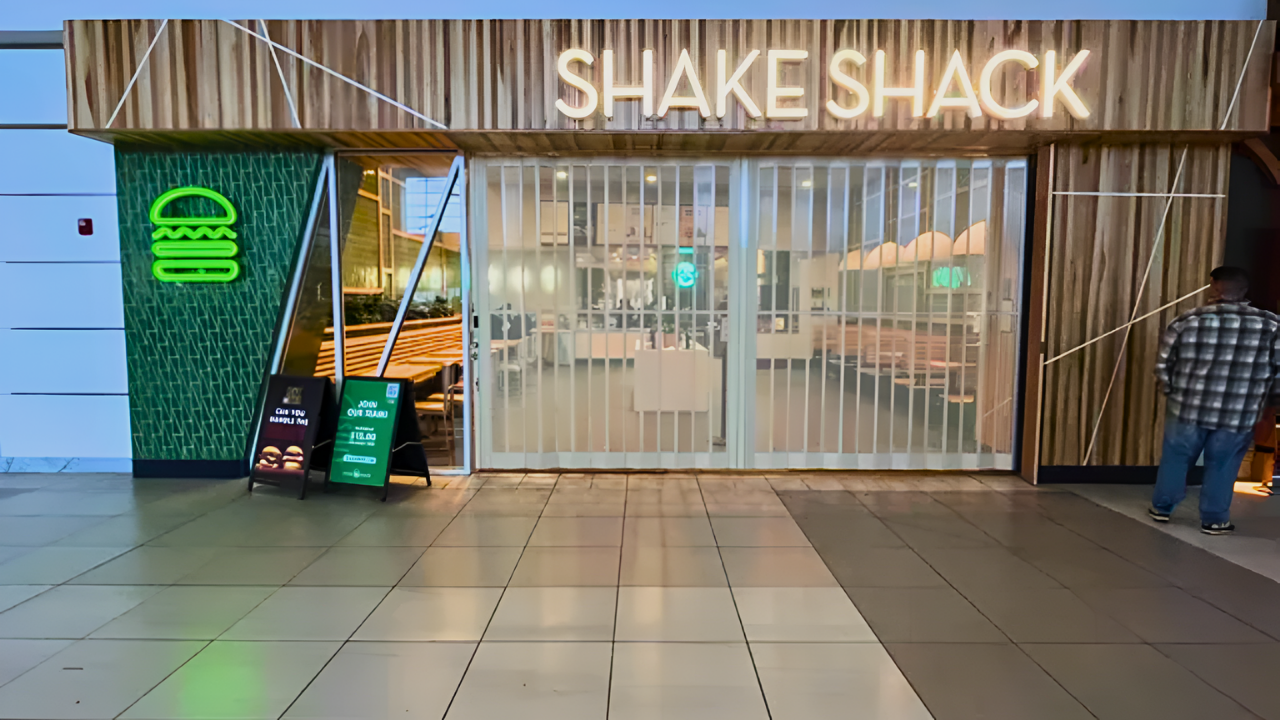
Shake Shack is closing its San Francisco Centre location on December 18, 2025, eliminating 26 jobs and marking a dramatic chapter in the mall’s collapse. The San Francisco Centre now sits at just 9% occupancy with only a handful of tenants remaining.
This closure symbolizes a profound transformation in American urban retail, reflecting shifting consumer behavior, the rise of remote work, and the accelerating decline of traditional enclosed shopping malls across the country.
The Numbers – Value Collapse
In 2016, the San Francisco Centre was valued at $1.2 billion. By November 2025, the property sold at a foreclosure auction for just $133 million, representing a catastrophic loss of approximately $1.07 billion in value.
A December 2024 appraisal valued the property at $290 million, demonstrating continued volatility and uncertainty. This 89% decline in value over nine years stands as one of the most dramatic commercial real estate collapses in recent American history.
Occupancy Crisis
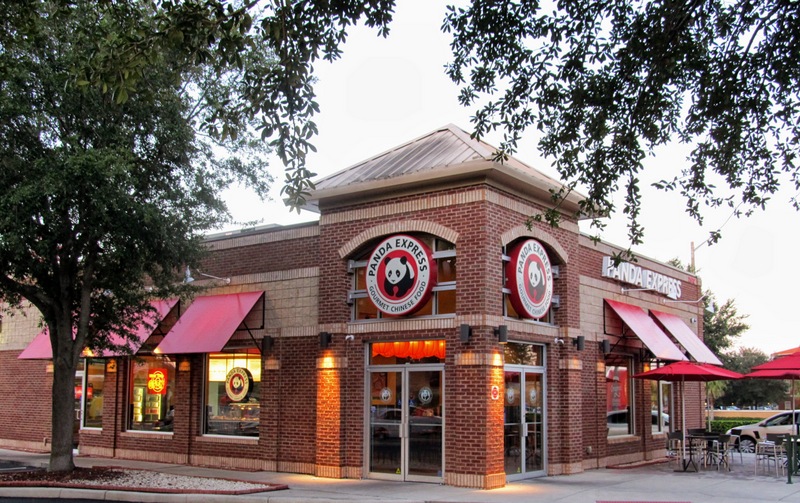
The 1.5 million square foot San Francisco Centre now operates at just 9% occupancy, leaving roughly 1.4 million square feet empty. Only a handful of tenants remain in the massive structure. After Shake Shack closes on December 18, only a single restaurant—Panda Express—will serve remaining workers or visitors.
This near-complete vacancy transforms what was once a vibrant urban shopping destination into essentially an abandoned building, starkly representing the mall’s catastrophic decline.
The Timeline of Decline
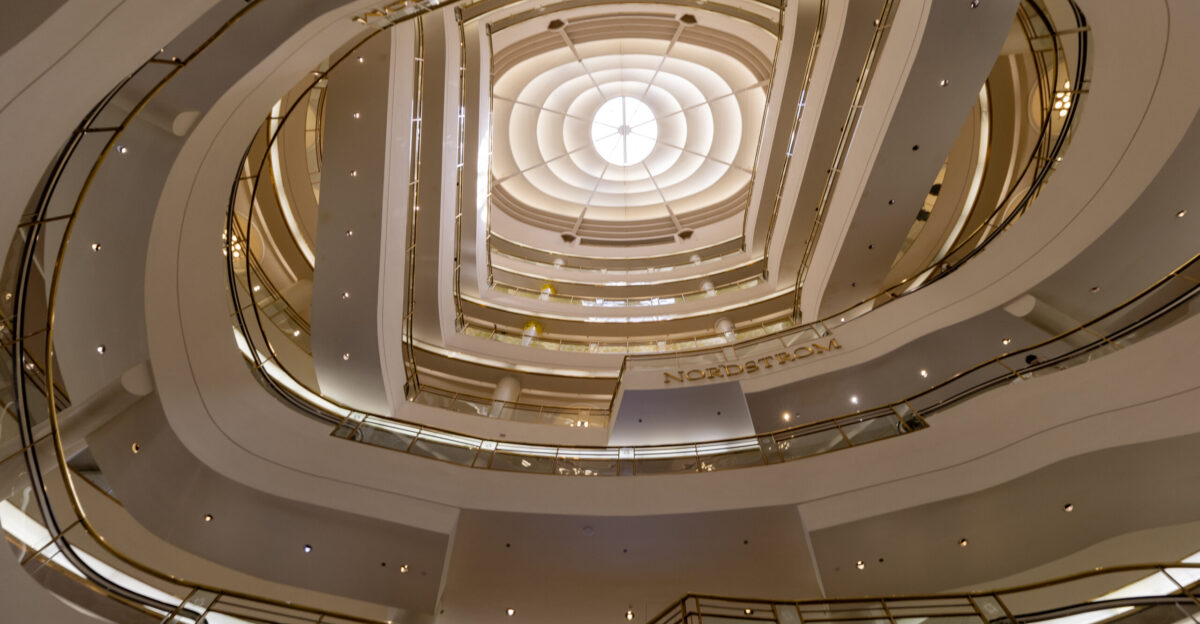
The San Francisco Centre’s collapse unfolded over several years. Between 2020 and 2021, the pandemic disrupted foot traffic and accelerated remote work. In 2023, property owners Westfield and Brookfield Properties defaulted on their $558 million to $ 566 million loan.
Nordstrom closed in 2024 and Bloomingdale’s in 2025. Multiple food vendors departed throughout 2025. The situation reached its conclusion in November 2025 when the property was sold at a foreclosure auction for $133 million.
Root Causes – The Perfect Storm
The San Francisco Centre fell victim to converging market forces. The pandemic disrupted retail foot traffic and accelerated remote work, reducing downtown commuters. Retail crime concerns created additional friction. Most critically, anchor stores abandoned their leases.
Nordstrom and Bloomingdale’s departures triggered a cascade effect as other tenants lost confidence. Simultaneously, consumer behavior shifted toward suburban shopping centers and online retailers. This convergence created conditions from which traditional urban enclosed malls could not recover.
Anchor Store Departures
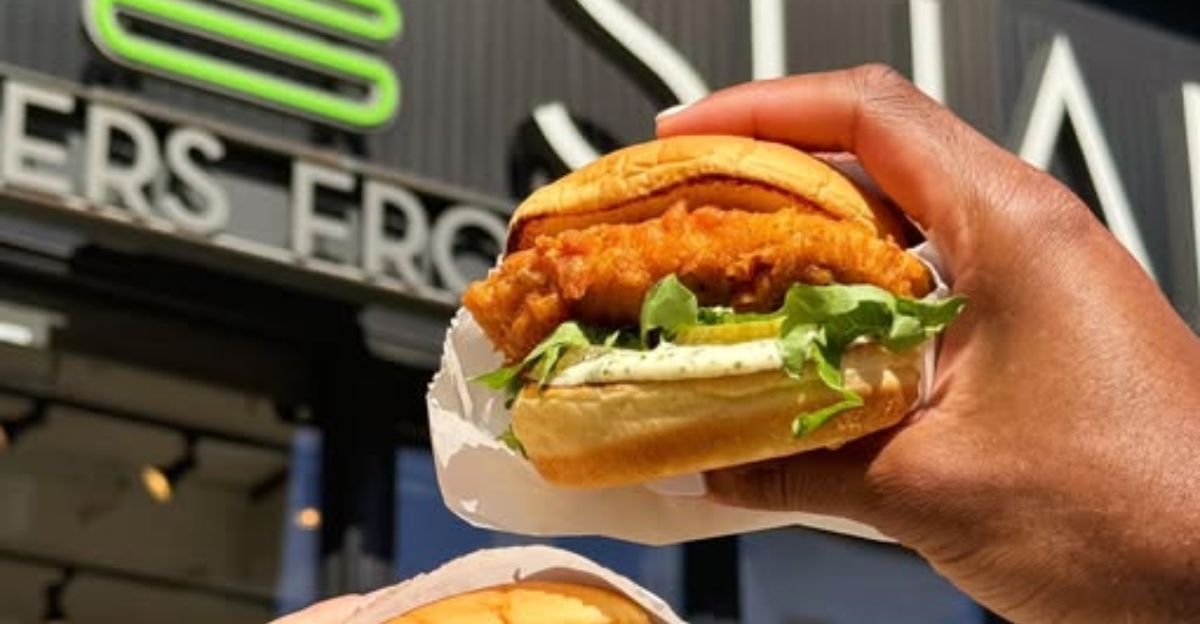
Nordstrom closed in 2024, and Bloomingdale’s followed in 2025. These were not merely retail spaces—anchor stores typically drive 30-40% of overall mall foot traffic and serve as destinations bringing customers throughout the property.
Both anchor departures triggered a cascade effect where other tenants lost confidence in the mall’s viability. One by one, retailers began exiting their leases. The loss of these critical revenue sources eliminated the economic foundation upon which the entire property depended, setting the stage for foreclosure.
The Lending Collapse

The San Francisco Centre was financed with approximately $558-566 million, backed by Deutsche Bank and JPMorgan Chase. As occupancy collapsed and revenue evaporated, owners Westfield and Brookfield Properties defaulted in 2023, giving control to the lender consortium.
In November 2025, the property went to foreclosure auction. The winning bidder, DBJPM 2016-SFC Emporium LLC, was effectively the lender consortium itself—the loan had deteriorated so severely that lenders took control of the asset.
Food Court Exodus
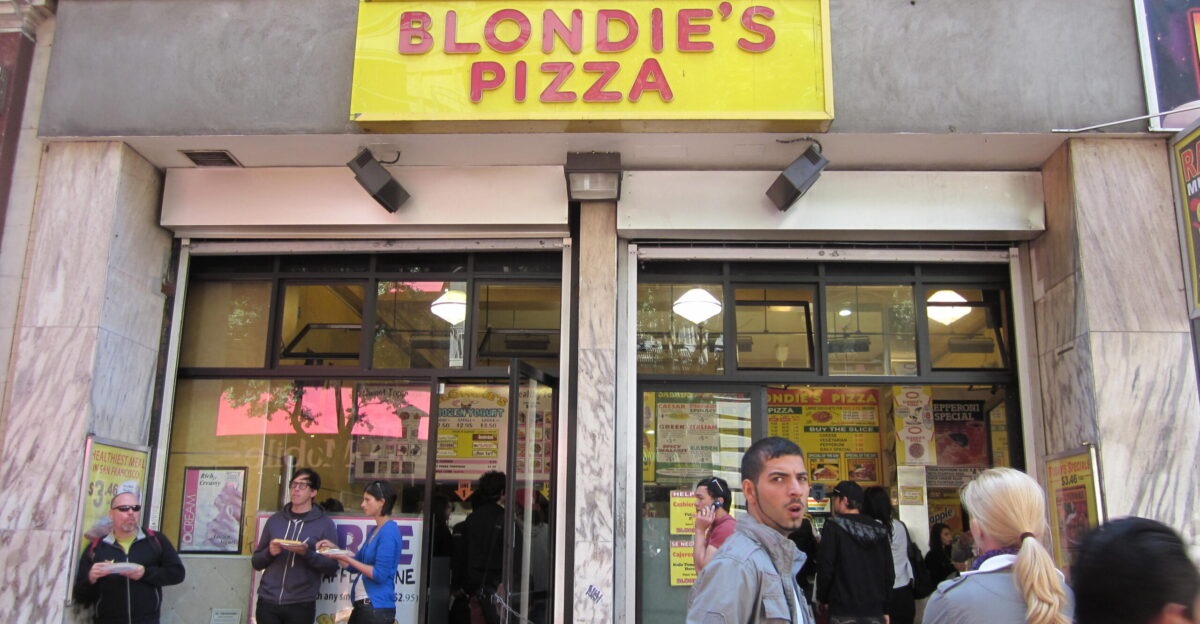
At its peak, the San Francisco Centre’s food court featured more than 20 dining options. Throughout summer 2025, this ecosystem collapsed. Jamba Juice, Blondie’s Pizza, and Izzy & Wooks departed. Three additional vendors followed suit.
Fewer dining options meant fewer reasons to visit the mall, creating a vicious cycle where lower traffic caused higher closures. By December 2025, after Shake Shack’s closure, only Panda Express remains. This dramatic contraction from 20+ restaurants to 1 illustrates rapid retail ecosystem collapse.
Shake Shack’s Exit
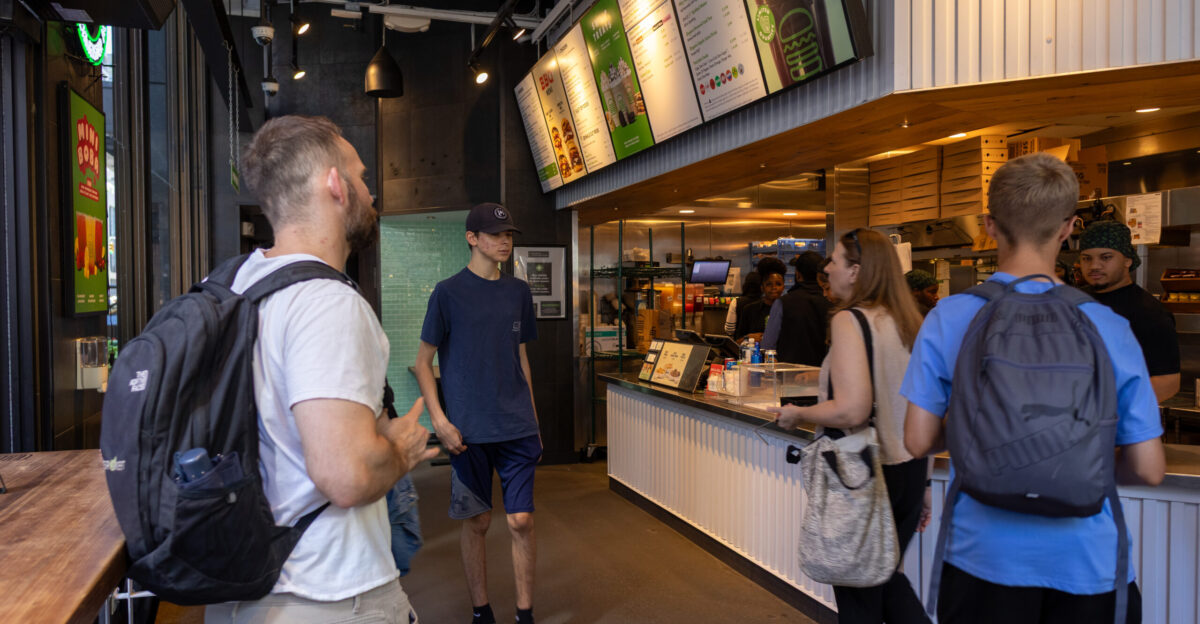
Shake Shack’s announced closure on December 18, 2025, represents the latest departure from San Francisco Centre. The fast-casual chain determined the location could no longer justify operational costs.
The closure affects 26 employees, but Shake Shack offered all affected workers continued employment at nearby locations in Cow Hollow and Stonestown Galleria, ensuring no break in service. This decision reflects corporate pragmatism—consolidating operations away from the struggling downtown mall toward higher-performing locations.
The Human Cost

The 26 Shake Shack employees affected by the December closure face job transitions and financial uncertainty. Fortunately, Shake Shack mitigated impacts by offering continued employment at nearby locations, allowing workers to maintain jobs and income.
However, San Francisco has extremely high housing costs, creating intense financial pressure even for employed workers. The downtown job market was already strained before the mall’s collapse. The closure exemplifies how large-scale commercial real estate failures cascade downward to affect individual workers’ financial security.
Property Ownership Complexity
The main retail portion is now controlled by DBJPM 2016-SFC Emporium LLC, the lender consortium that took control following foreclosure. However, the Nordstrom building and its underlying land lease are owned by the San Francisco Unified School District.
The property is currently marketed by CBRE for either sale or redevelopment. This complicated ownership structure, with multiple stakeholders holding different portions, creates significant barriers to any unified redevelopment strategy. The School District’s involvement adds another complexity layer.
Redevelopment Challenges
While the San Francisco Centre sits largely vacant, it cannot simply be converted to residential housing. Nine of the building’s floors lack sufficient natural sunlight, and the San Francisco building code requires residential units to have a minimum of natural light. In its current form, the property cannot satisfy these requirements without major structural modifications.
Full demolition would be extraordinarily expensive and disruptive. Adaptive reuse is complicated by sunlight issues. Mixed-use redevelopment remains possible but requires navigating complex zoning approvals and substantial capital investment.
Broader Commercial Real Estate Trends

The San Francisco Centre’s collapse represents a broader nationwide trend affecting traditional enclosed shopping malls. Across the country, similar properties struggle with rising vacancies, declining values, and tenant departures.
Consumer behavior has shifted permanently away from enclosed mall shopping toward omnichannel retail. Experiential retailers are gaining traction. Mixed-use developments combining retail with offices, apartments, and entertainment are becoming industry standard. High-traffic outdoor shopping areas outperform enclosed malls. The San Francisco Centre has become a cautionary tale for investors.
Union Square’s Ascendancy
While San Francisco Centre collapses, Union Square—just blocks away—is thriving. Union Square successfully attracts luxury brands who have abandoned the enclosed mall concept for street-level, outdoor shopping. Recent openings include Rolex, Bulgari, and Nintendo Store.
These luxury brands deliberately chose Union Square over San Francisco Centre, voting for the superior location and format. The outdoor, street-level shopping experience appeals to post-pandemic preferences. Union Square’s success highlights how decisively San Francisco Centre lost competitive positioning, unable to compete in its own neighborhood.
E-Commerce & Delivery Surge
The San Francisco Centre’s decline is inseparable from explosive growth in e-commerce and last-mile delivery services. Amazon, DoorDash, and Instacart have expanded urban delivery operations, making shopping from home increasingly convenient.
Two-hour delivery is becoming standard for many product categories. Reduced foot traffic in physical retail accelerates online shopping growth, creating self-reinforcing decline cycles. Consumers accustomed to app-based shopping have less reason to visit enclosed malls. This structural shift in consumer behavior seems unlikely to reverse, meaning physical mall retail will continue facing headwinds.
Ripple Effects on Support Services
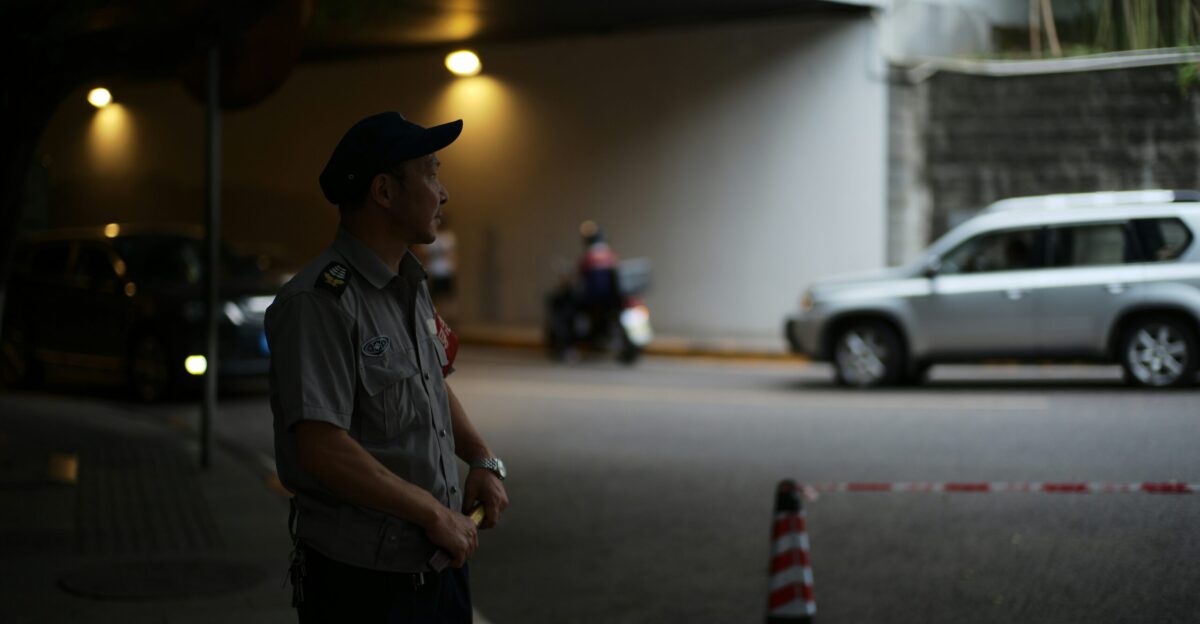
The San Francisco Centre’s collapse extends beyond retailers and restaurants to an entire ecosystem of support service providers. Janitorial services, security personnel, and maintenance staff have all been affected by the property’s decline.
At 90% vacancy, there is far less work for cleaning crews, fewer security personnel needed, and minimal maintenance requirements. Vendors who serviced a bustling property now compete for the few remaining contracts. The commercial real estate service sector experiences consolidation as fewer contracts become available.
Municipal & Pension Fund Implications
The property’s dramatic value decline directly reduces San Francisco’s tax base, as commercial property taxes are calculated based on assessed value. A $1.07 billion decline translates directly to millions in lost annual city tax revenue. Pension funds holding real estate portfolios are similarly affected as holdings decline in value.
The distressed sale sends negative signals about urban commercial real estate viability, potentially affecting credit spreads and investor confidence. Municipal budgets depending on commercial property tax revenue face difficult choices as revenues decline.
Urban Walkability & Community Impact
Beyond economic metrics, the San Francisco Centre’s collapse has social and psychological dimensions. The once-bustling destination now sits largely empty, creating barren streets where foot traffic has evaporated. Urban planners document connections between walkability and community wellbeing—vibrant street life correlates with better mental health outcomes and higher physical activity.
The mall’s decline contributes to perceptions of downtown deterioration. However, displaced shoppers may benefit local neighborhood restaurants and retailers, creating offsetting benefits. The collapse illustrates how retail real estate failures affect urban communities’ lived experience and vitality.
What’s Next for San Francisco Centre?
The San Francisco Centre’s future remains deeply uncertain. The property is controlled by a lender consortium with CBRE marketing it for either sale or redevelopment. Several possible futures exist: adaptive reuse—complicated by sunlight limitations; demolition and new construction—expensive and disruptive; or mixed-use development combining retail, office, and residential uses.
Extended vacancy represents another possibility. The most likely timeline involves years of negotiation and planning. Zoning complications and complex ownership structure add further obstacles. The property currently exists in limbo.
Conclusion – Systemic Transformation
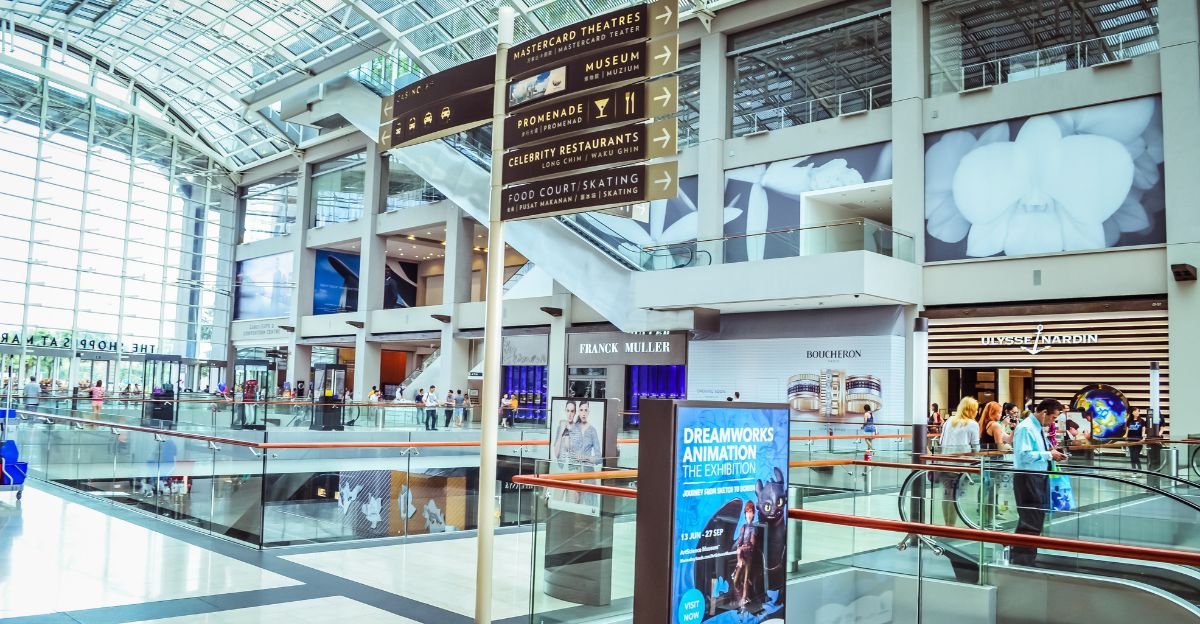
The San Francisco Centre’s collapse manifests broader systemic transformation in American retail and urban real estate. The $1.07 billion value loss represents fundamental shifts in how Americans shop and work. Consumer behavior has permanently changed through remote work, e-commerce adoption, and experiential retail preferences.
Traditional enclosed shopping malls are becoming obsolete in American cities, especially expensive urban markets where alternative uses are more economically attractive. Similar fates will likely befall other urban enclosed shopping centers. The mall era in American cities is ending, representing profound urban landscape transformation.
Sources:
San Francisco Chronicle/SFGATE Reporting + State WARN Filings
CBRE Capital Markets Press Release (November 12, 2025)
The Real Deal & CoStar Commercial Real Estate Analysis