Astronomers have long studied the Milky Way using optical telescopes, yet an entirely different side of our galaxy has remained hidden—until now. A revolution in radio astronomy is unlocking new views of our cosmic home. For the first time, we can see inside regions cloaked in dust, revealing newborn stars, remnants of supernova explosions, and other cosmic phenomena that were previously invisible to human eyes.
This shift in observation is changing everything we thought we knew about the Milky Way. The new perspective challenges decades of assumptions, uncovering hidden structures and cosmic secrets that redefine our understanding of the galaxy.
The Detection Crisis
Astronomers estimate that around 2,000 supernova remnants reside within the Milky Way, yet only 300 have been detected. This gap of roughly 85% represents a significant blind spot in our understanding of stellar evolution. These missing remnants could hold the key to unraveling secrets about the death of stars and the violent processes shaping galaxies.
Traditional methods have failed to capture them, and the search for new techniques is now a critical priority. Without more advanced methods, the discovery of these remnants could remain out of reach, stalling progress in understanding the lifecycle of stars.
Decades of Incremental Progress
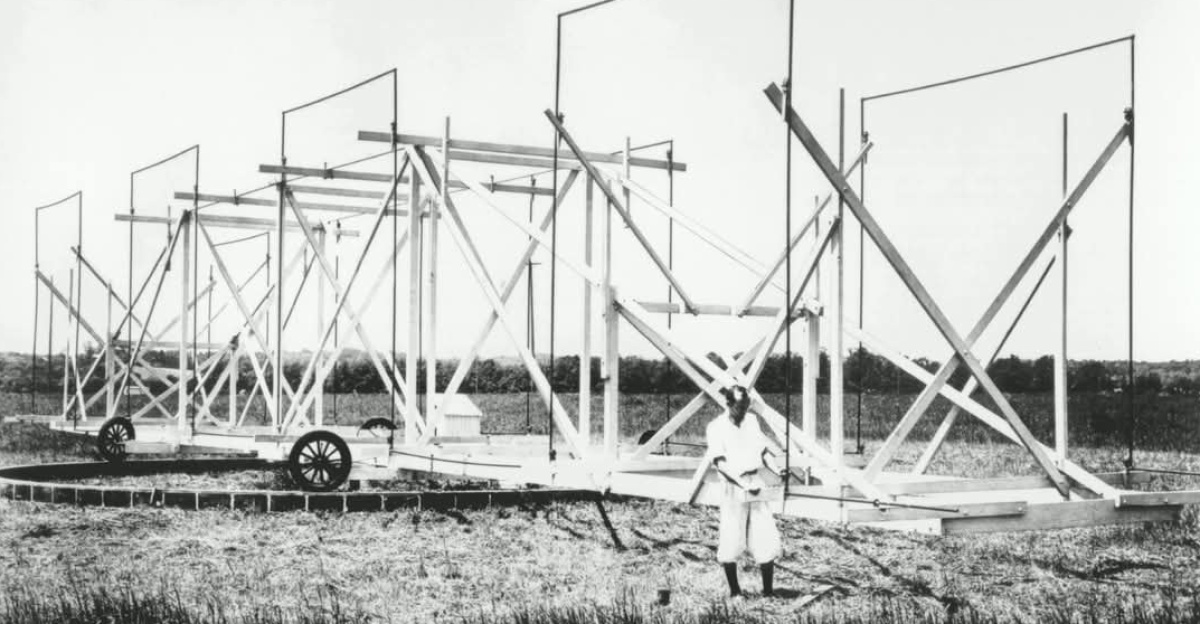
Radio astronomy began transforming cosmic observation back in the 1930s, but it wasn’t until the 1980s and 2000s that astronomers began mapping sections of the Milky Way. However, earlier instruments were limited in their resolution and sensitivity. These surveys helped, but they only provided fragments of the galactic picture.
A breakthrough had to happen to capture the full scope of our galaxy’s radio emissions in stunning detail. The technology needed to evolve, and scientists had to push beyond traditional methods to create a clearer, more detailed map of the Milky Way’s radio landscape.
Technological Bottleneck
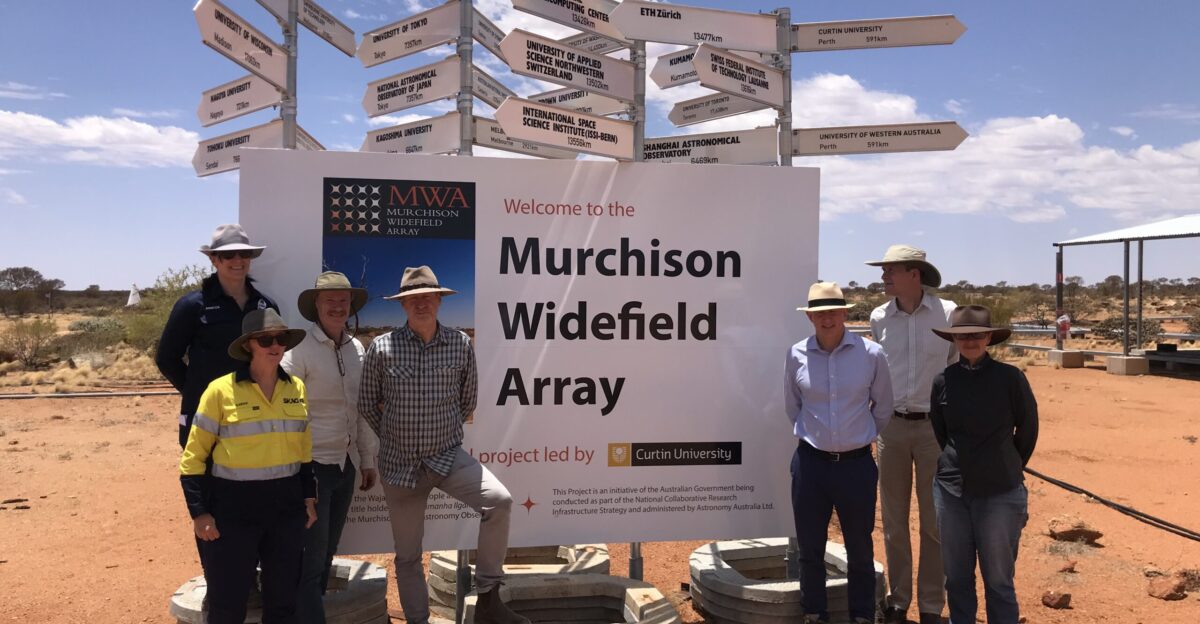
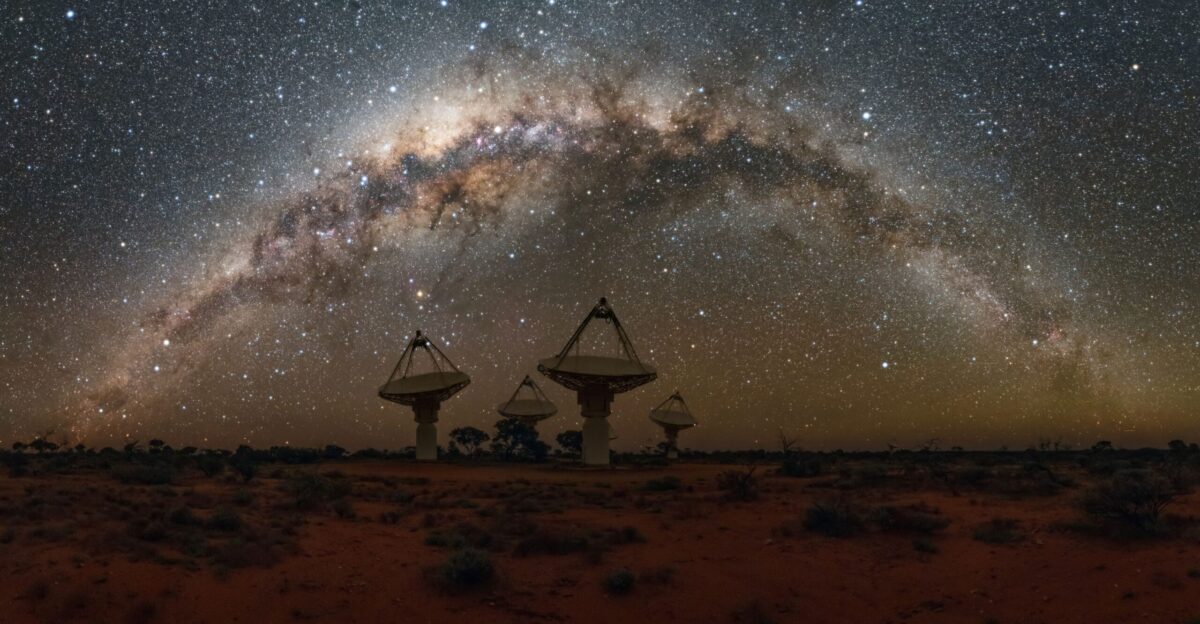
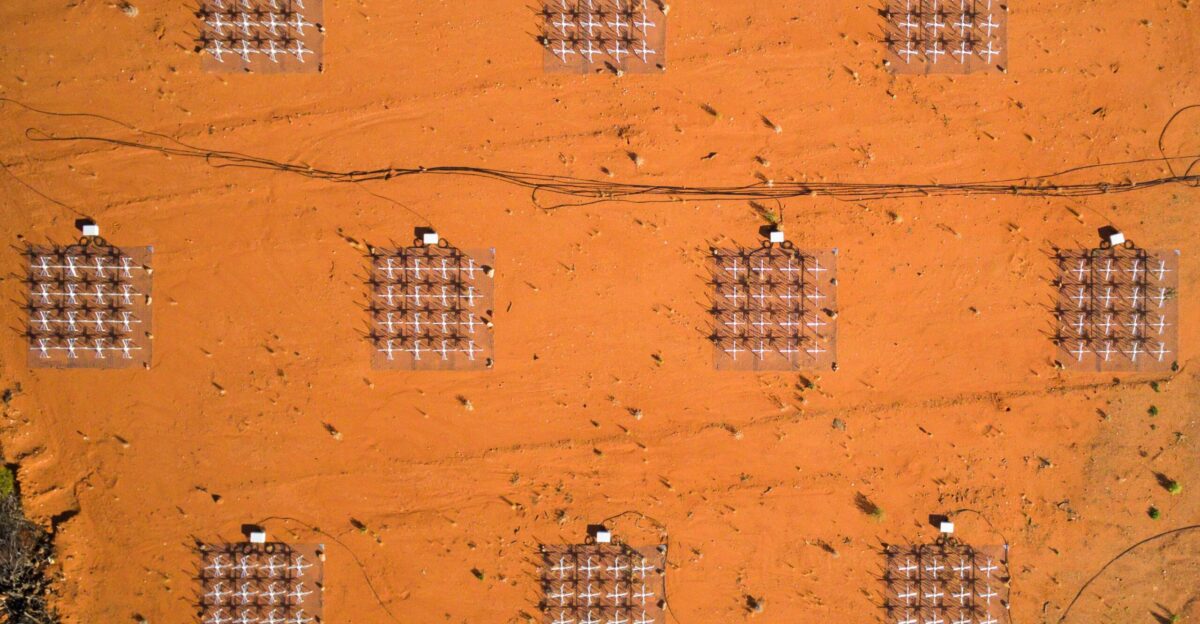
The Murchison Widefield Array (MWA) telescope, located in Western Australia, was hailed as a major leap forward when it began operating in 2013. But despite its cutting-edge sensitivity, processing the data proved to be a monumental challenge. Over seven years, astronomers gathered nearly 2,000 observations, requiring supercomputers to spend 18 months and over 1 million CPU hours to piece the data together into a cohesive image.
The complexity of the task required unprecedented computational resources, stretching the limits of existing technology. Only with these advancements could scientists begin to assemble the data into a coherent view of the galaxy.
The Breakthrough Revealed
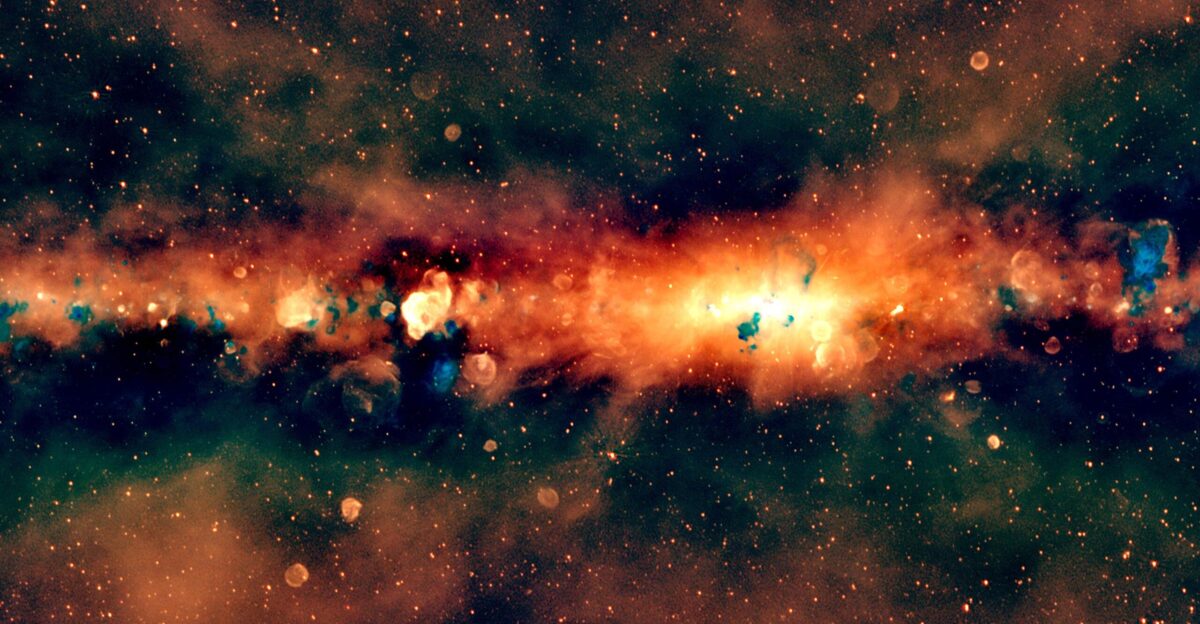
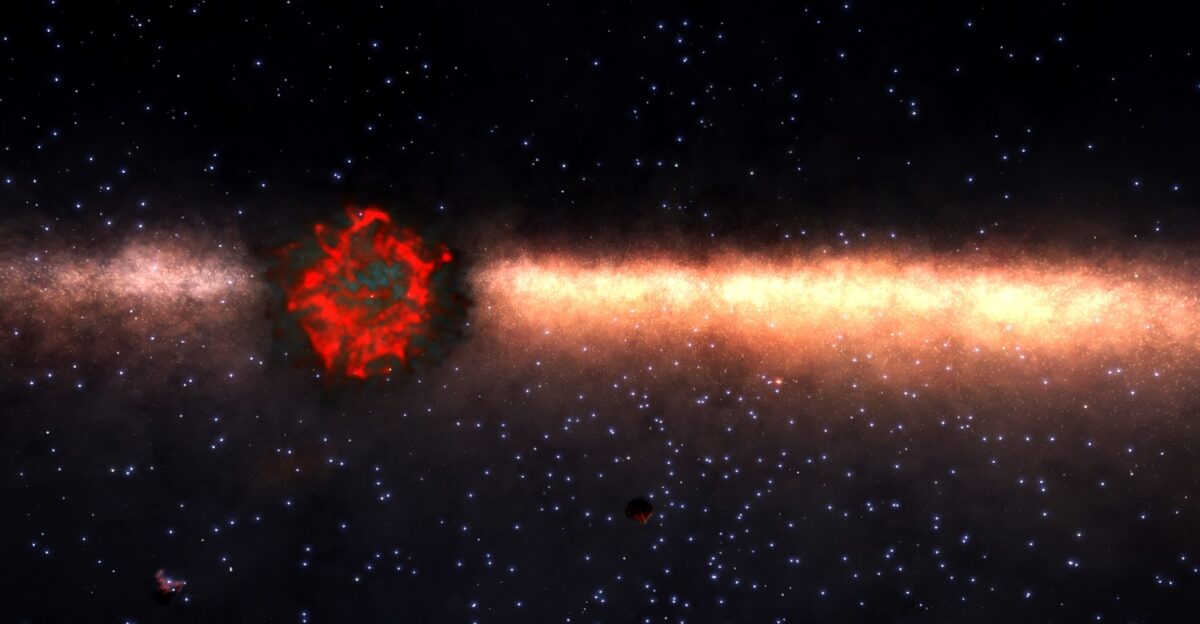
On October 28, 2025, astronomers unveiled the most detailed and largest radio image of the Milky Way ever captured at these frequencies. The GLEAM-X survey, using data from two observational campaigns, has combined over 2,000 observations into a stunning multicolor image spanning the Southern Galactic Plane. This image has twice the resolution and ten times the sensitivity of previous images, revealing previously unseen details of the galactic structure.
This breakthrough is changing how we view our galaxy and is setting new standards for radio astronomy. The image offers a richer, more accurate portrayal of the Milky Way than anything seen before, transforming the way we study our cosmic neighborhood.
Southern Hemisphere’s Hidden Advantage
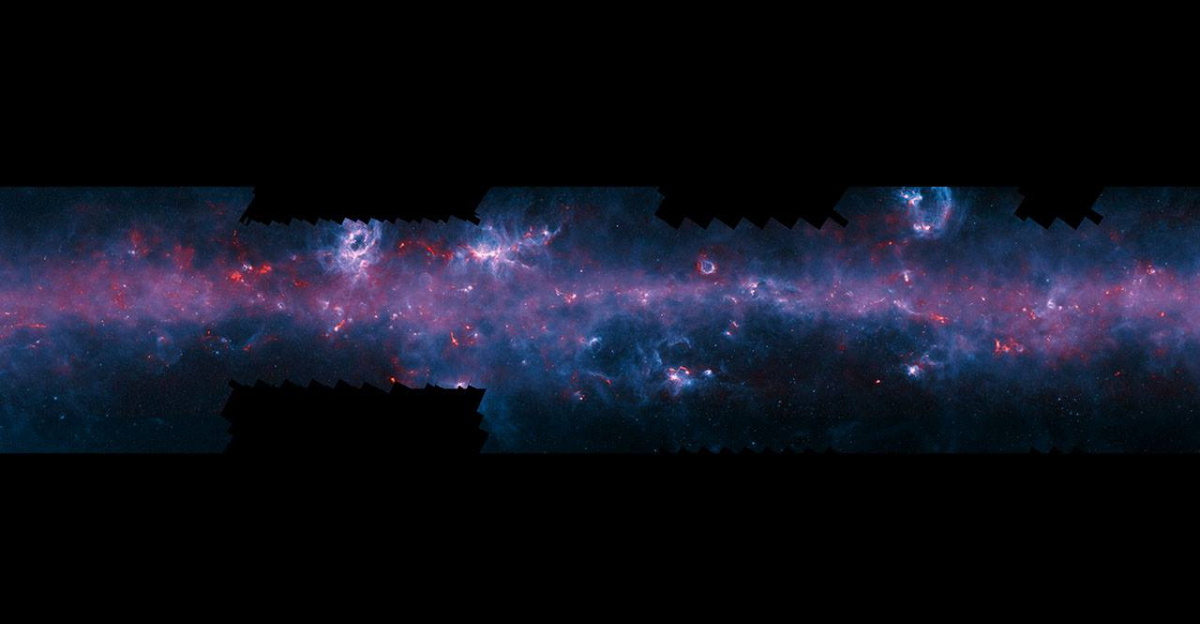
Located in the southern hemisphere, Western Australia offers a unique vantage point that provides clearer views of the Southern Galactic Plane. This region of the sky is typically obscured from northern observations. The GLEAM-X map leverages this geographic advantage, uncovering new insights into the galactic plane.
The telescope has cataloged over 98,000 radio sources, mapping star-forming regions, pulsar environments, and supernova remnants in unprecedented detail. This unparalleled clarity has opened new frontiers in understanding the structures of our galaxy.
Mantovanini’s Quest
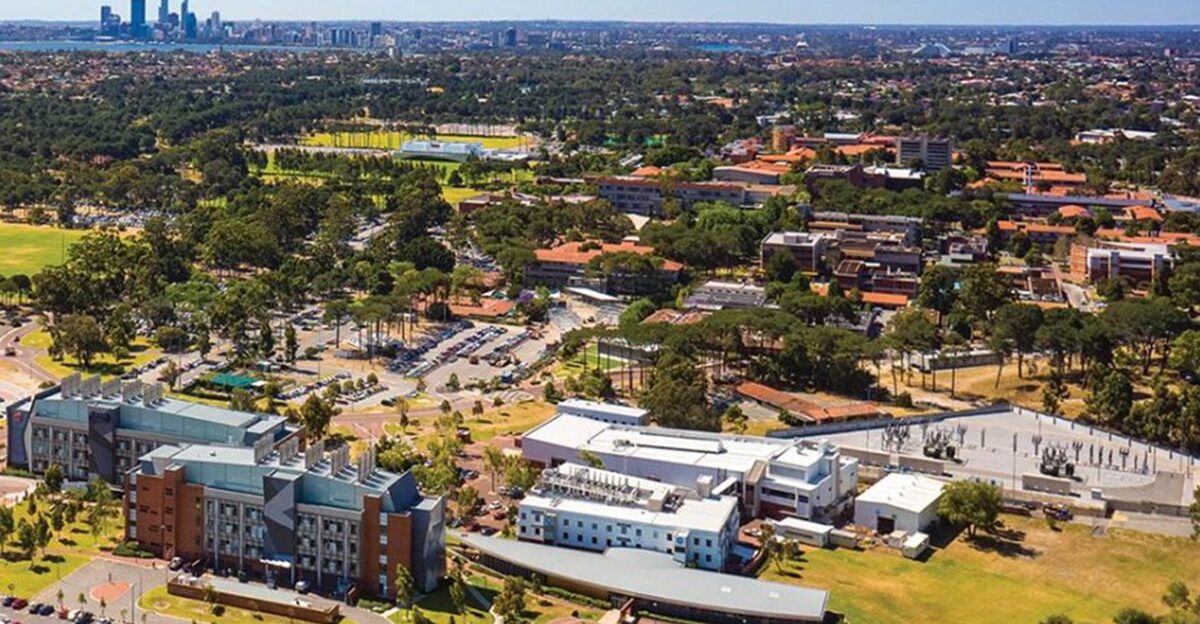
Silvia Mantovanini, a doctoral researcher at Curtin University and ICRAR, led the charge in analyzing the data. Her research focuses on uncovering supernova remnants hidden within radio emissions. “This vibrant image delivers an unparalleled perspective of our Galaxy at low radio frequencies,” Mantovanini said.
Mantovanini’s contribution highlights the importance of early-career talent in shaping modern astronomy. Her efforts represent the growing role of young scientists in driving major discoveries that change the course of research.
Competitive Timeline & International Stakes

The next step in radio astronomy is the Square Kilometre Array (SKA), which won’t begin operations until around 2032. Until then, astronomers have a ten-year window to make the most of the GLEAM-X data. Meanwhile, other international projects like South Africa’s MeerKAT and Chile’s ALMA are complementing these observations, fostering both competition and collaboration in the race to understand the universe at radio wavelengths.
The global landscape of radio astronomy is becoming more interconnected than ever before, with countries collaborating and pushing the boundaries of technology to uncover the universe’s secrets.
The Multifrequency Gamble
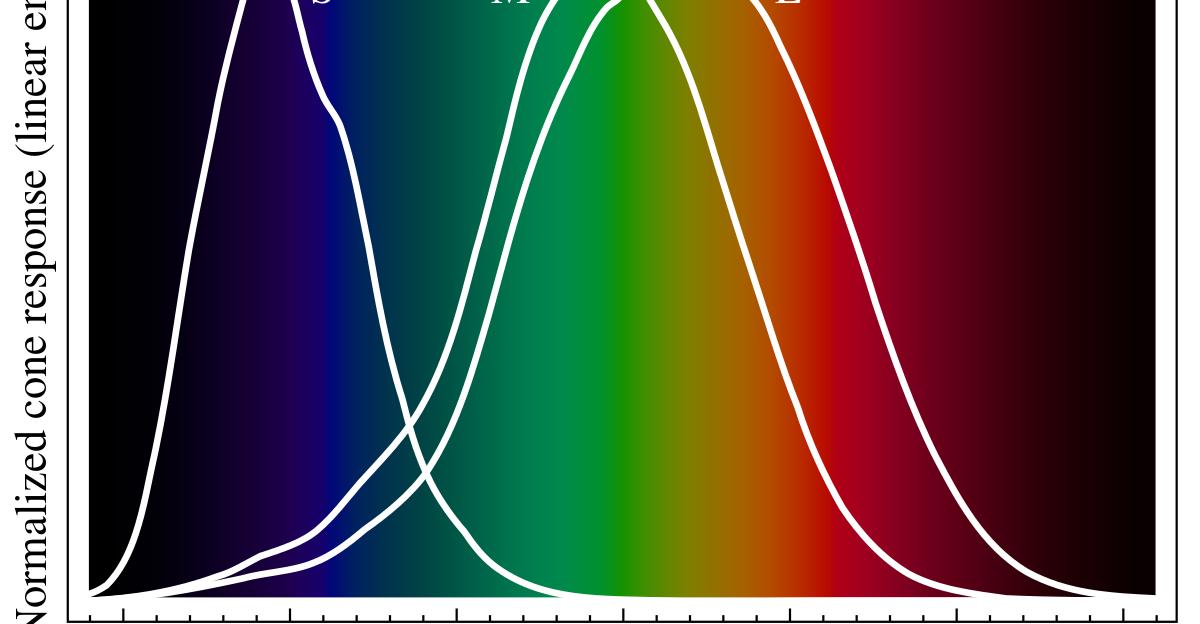
Traditional radio surveys focused on single wavelengths, missing crucial context. GLEAM-X, however, used a 20-band approach, breaking the radio spectrum into smaller chunks, revealing new insights. These different frequencies capture distinct cosmic phenomena: blue indicates heat-related radiation from stellar nurseries, while red shows emissions from supernova remnants.
This color-coding system emerged after years of trial and error, adding depth to our understanding of the galaxy. By analyzing multiple frequencies, GLEAM-X is able to offer a much clearer picture of the complex processes happening throughout the Milky Way.
Stellar Nurseries Mapped
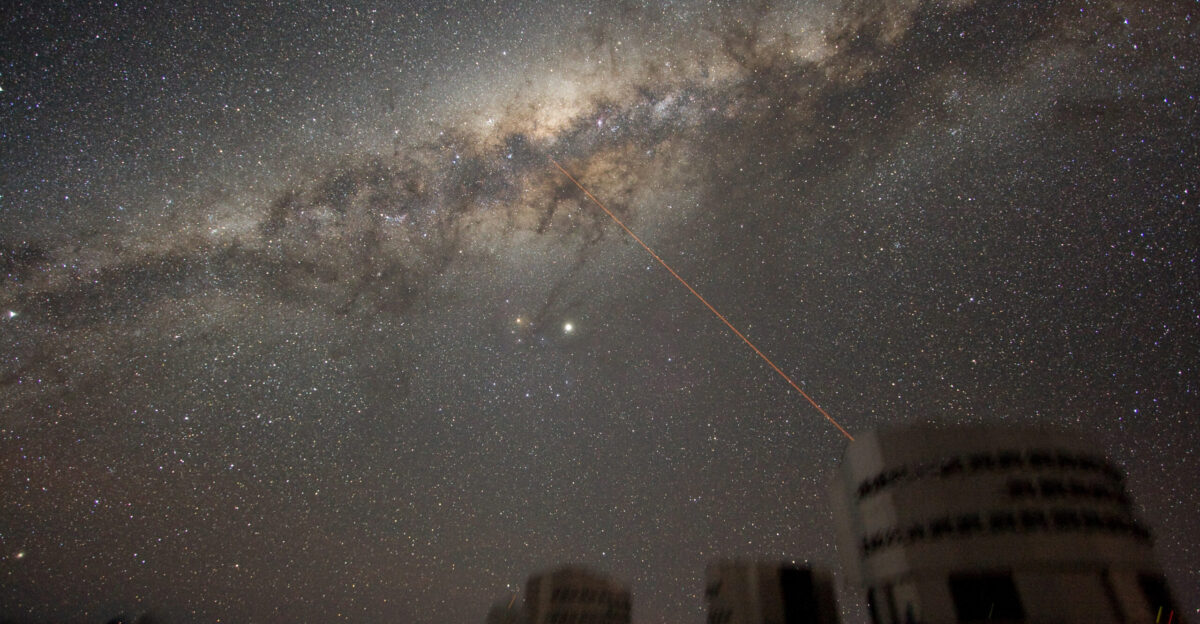
In addition to supernova remnants, the GLEAM-X survey has revealed stellar nurseries—regions where stars are being born. These areas emit blue radio light, offering a unique glimpse into the process of star formation. By capturing both the birth and death of stars, this research provides a more complete picture of stellar evolution, bridging the gap between creation and destruction within our galaxy.
This discovery highlights the diverse processes happening simultaneously across the Milky Way. It paints a broader picture of the galaxy as both a birthplace and a graveyard for stars.
The Detection Challenge Persists
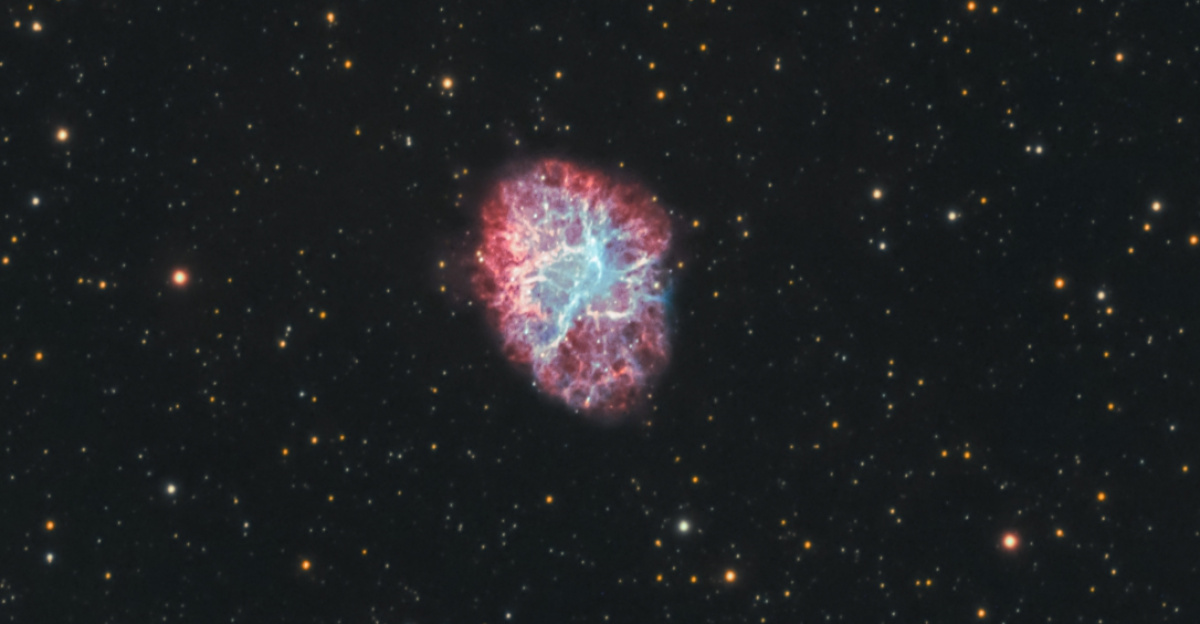
Despite the breakthroughs, the challenge persists: only 300 of an estimated 2,000 supernova remnants have been detected. Some remnants are older and fainter, emitting weak signals that blend into the cosmic noise. This incomplete census highlights the limits of current technology, and systematic follow-up using higher-frequency radio telescopes will be required to uncover the remaining remnants.
The race to uncover these missing remnants continues, and the pursuit will only intensify as new technologies emerge. The question remains: how many are still hiding in the vast expanse of space?
Leadership & Institutional Backing

The project was made possible thanks to ICRAR’s support, a partnership between Curtin University and CSIRO, Australia’s national science agency. This collaboration involved various universities and research institutions across Australia and beyond. Mantovanini’s work underscores ICRAR’s commitment to nurturing early-career scientists, proving that modern astronomy is driven not by lone individuals but by teams of experts with institutional backing.
ICRAR’s investment in scientific talent is helping shape the future of space research. Their support ensures the continued success of astronomical endeavors and the growth of new scientific leaders.
Data Access & Open Science
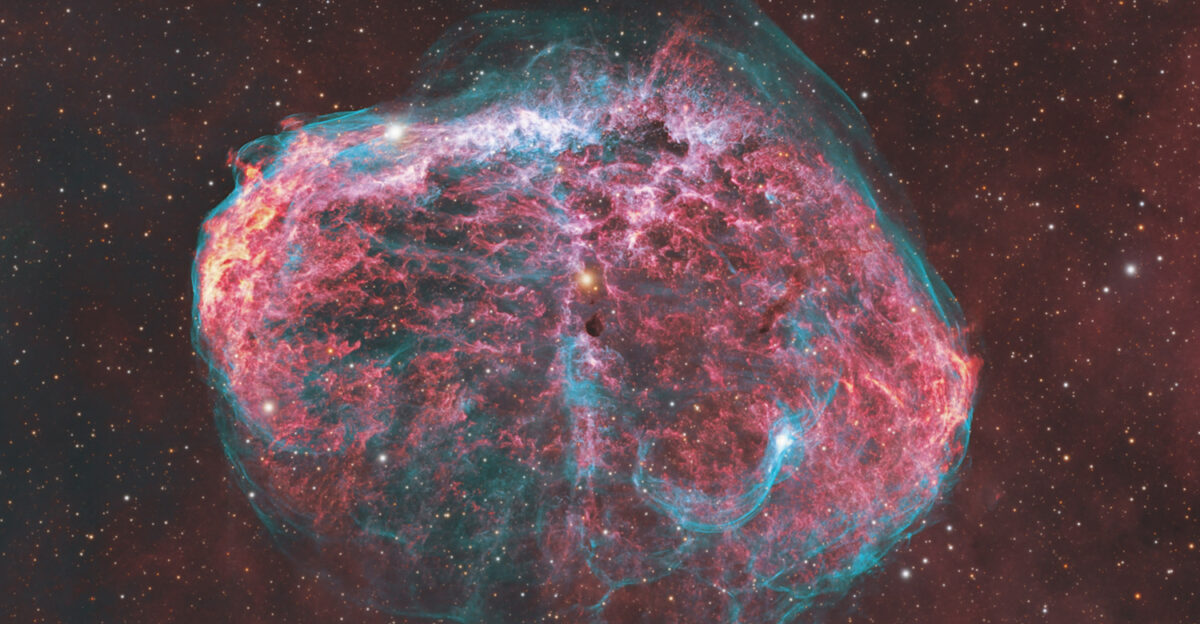
In a landmark decision, the GLEAM-X data has been made publicly available, ensuring that no single institution monopolizes the findings. This open data release accelerates discovery, as researchers from around the world—Japan, Europe, and North America—can now explore the data for new cosmic phenomena, from pulsars to magnetic fields.
Open science allows astronomers to collaborate and make rapid progress across the field. By sharing these valuable findings, the research community stands to make faster breakthroughs, accelerating our understanding of the universe.
Expert Skepticism & Caution
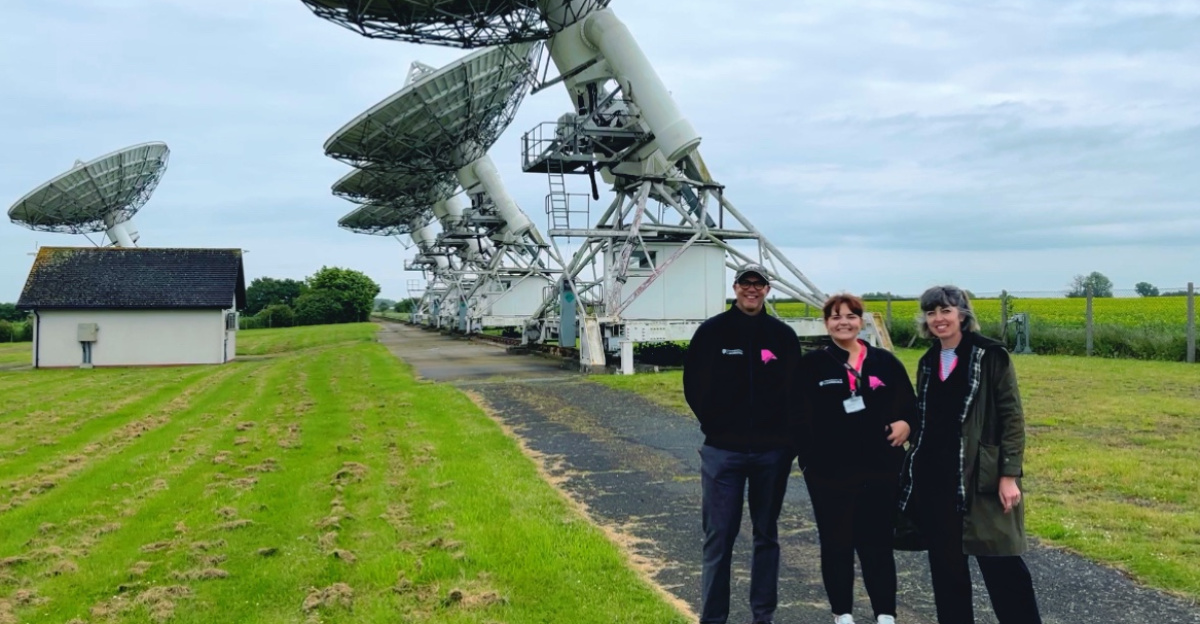
While the discovery is groundbreaking, some caution remains. Identifying objects in crowded regions of space is difficult, and brighter sources can obscure weaker signals. Radio astronomers have urged further validation through multiwavelength follow-up observations in infrared, X-ray, and optical bands. Peer reviewers emphasize the need for rigorous confirmation of GLEAM-X’s radio candidates, ensuring scientific integrity.
Further research and validation are necessary to confirm the accuracy of these findings. Only through careful analysis can scientists ensure that these new discoveries are reliable and accurate.
The Forward Question
Will GLEAM-X’s discoveries about supernova remnants lead to breakthroughs in our understanding of stellar death? Or will the remaining 1,700 hidden remnants continue to elude detection, requiring fundamentally new technology? The field is at a crossroads. With improved data-processing algorithms, machine learning, and next-gen telescopes, the path forward is unclear, but the pressure to answer these questions will drive the next era of radio astronomy.
The next decade will be pivotal in solving these cosmic mysteries. The tools of the future are being built today, and they will unlock answers that have eluded us for centuries.
Funding Radio Astronomy
As radio astronomy faces increasing competition for government funding, Australia’s investment in programs like MWA and ICRAR demonstrates its commitment to foundational science. With radio programs in the U.S., Europe, and China vying for limited resources, the success of GLEAM-X strengthens the case for continued investment, showing that long-term observational campaigns provide substantial returns on scientific discovery.
Continued funding will be essential to keep this momentum going. Policymakers must recognize the value of these projects, which offer critical insights into the cosmos and fundamental scientific principles.
International Coordination & SKA Roadmap
The SKA is a multinational effort, involving over 20 partner nations. The GLEAM-X project has helped set the stage for SKA by testing key methods, validating science cases, and contributing to the design and operational strategy of the future observatory. The coordinated efforts of these international projects are helping to shape the future of radio astronomy.
International collaboration is accelerating the pace of discovery. By working together, nations are pushing the boundaries of what’s possible and uncovering cosmic secrets faster than ever before.
Environmental & Sustainability
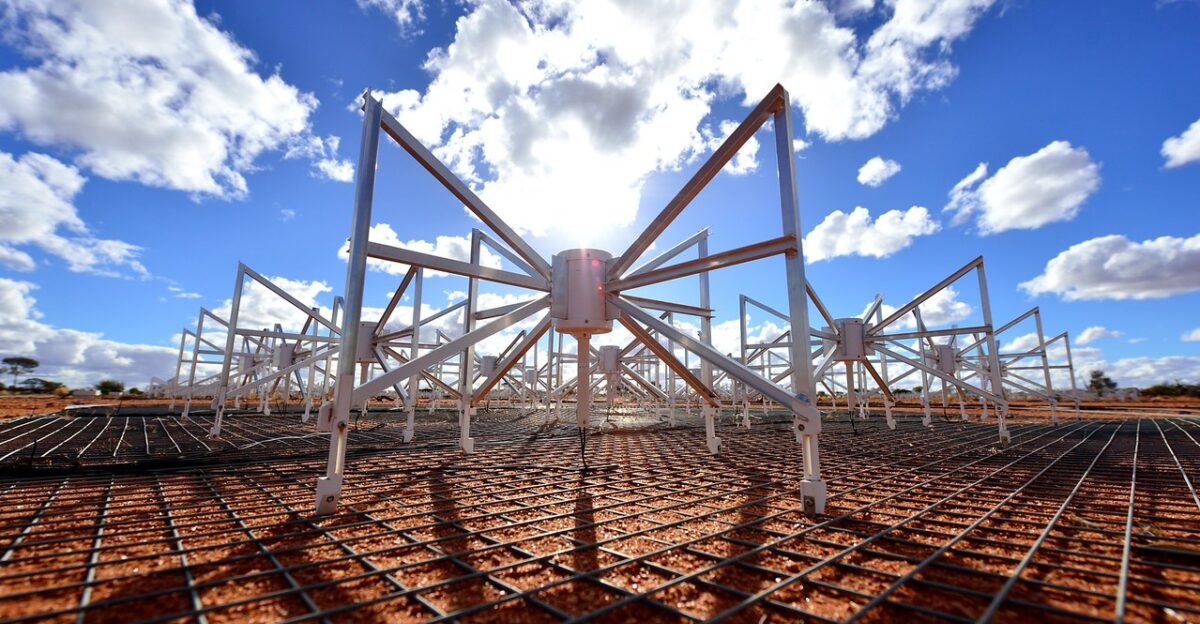
Radio astronomy is an environmentally sustainable field, as it doesn’t require chemical waste or drilling. However, telescopes like MWA still require vast land areas and significant electrical power. Australia’s remote Western Australian site offers the advantage of minimal radio-frequency interference, making it an ideal location. Protecting such pristine observation sites is becoming increasingly important as global radio interference grows.
Conserving these observation sites is critical for future discoveries. As radio frequency interference becomes a growing problem, preserving these quiet zones will be essential for continued research.
Cultural Shift: Big Data in Astronomy
GLEAM-X is part of a broader cultural shift in astronomy, where big data now drives discovery. The era of individual astronomers using telescopes is over—now large teams manage petabytes of data. This change raises important questions about access to astronomical data and the concentration of computational power in wealthy nations.
These questions are now being discussed at conferences worldwide. The future of astronomy is being shaped by big data, and this shift is opening up new challenges and opportunities for the scientific community.
What It Signals
GLEAM-X’s success underscores the value of long-term observational science. In a world dominated by artificial intelligence and biotechnology, radio astronomy’s patient approach offers a counter-narrative. The Milky Way’s supernova remnants have been hidden in plain sight for centuries, and now—thanks to GLEAM-X—we’re finally beginning to understand the true scale and complexity of our galaxy.
The future of astronomy looks more promising than ever. With each discovery, we are expanding our view of the universe and our place within it.
Sources:
Mantovanini, S., et al. (2025)
GaLactic and Extragalactic All-sky Murchison Widefield Array survey eXtended (GLEAM-X) III: Galactic plane
Publications of the Astronomical Society of Australia (PASA), October 28, 2025
ICRAR News Release (October 31, 2025)
A new, expansive view of the Milky Way reveals our Galaxy in unprecedented radio colour
International Centre for Radio Astronomy Research official announcement
CSIRO News Release (October 29, 2025)
A new, expansive view of the Milky Way reveals our Galaxy in unprecedented radio colour
Commonwealth Scientific and Industrial Research Organisation official announcement
Hurley-Walker, N., et al. (2015)
GaLactic and Extragalactic All-sky Murchison Widefield Array (GLEAM) survey
Publications of the Astronomical Society of Australia (PASA), June 21, 2015
Pawsey Supercomputing Centre (Project Code: pawsey0272)
GLEAM-X: GaLactic and Extragalactic All-sky MWA survey—eXtended
Pawsey Supercomputing Centre project documentation