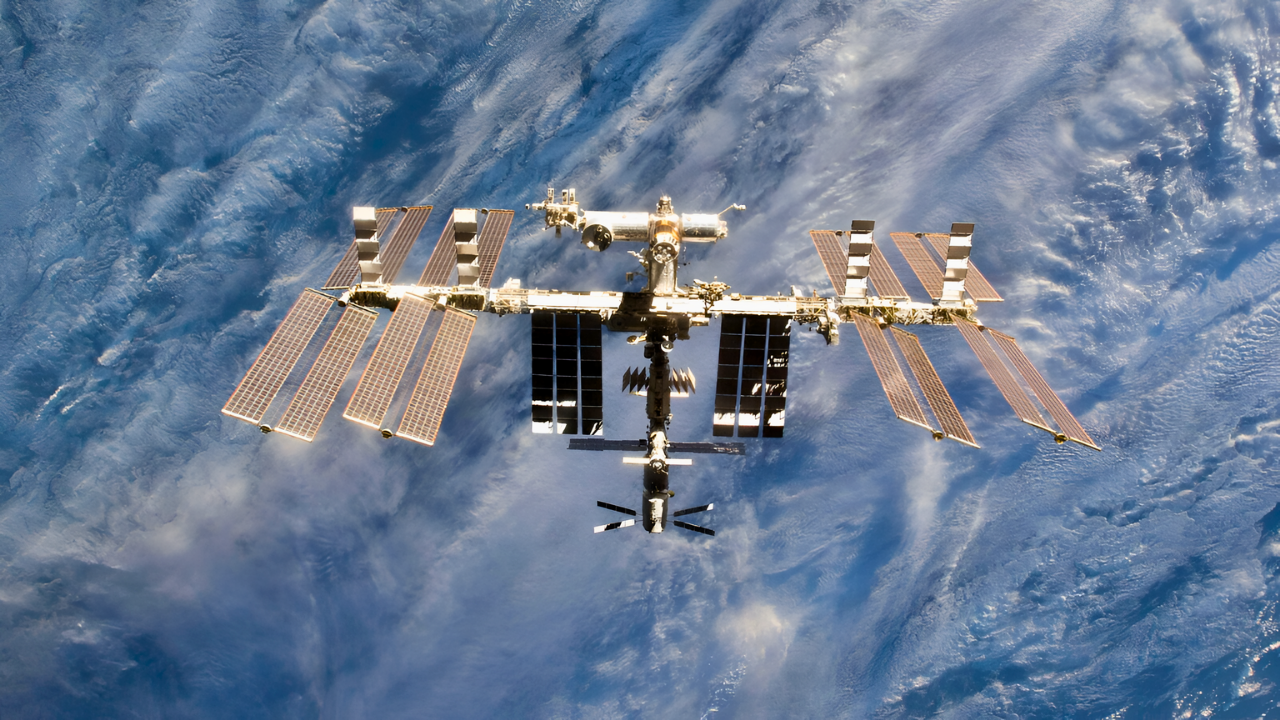
Orbital tracking data from late 2025 revealed a troubling anomaly: three of Russia’s missile-warning satellites ceased their expected maneuvers, creating widening gaps in coverage.
Nuclear analyst Pavel Podvig’s early evaluation indicated the space-based early-warning system might function with only one satellite out of four, leaving 75% of its missile-detection capability vulnerable and one failure from complete blackout.
Russia’s nuclear early-warning network hinges on the Unified Space System, or Kupol. Its orbital component uses Tundra-class satellites with infrared sensors to detect ballistic missile launches from U.S. territory. Defense officials maintain that four satellites provide the minimum for adequate coverage. By late 2025, erratic orbital patterns across the group sparked concerns that this threshold had been breached.
Legacy Shadows
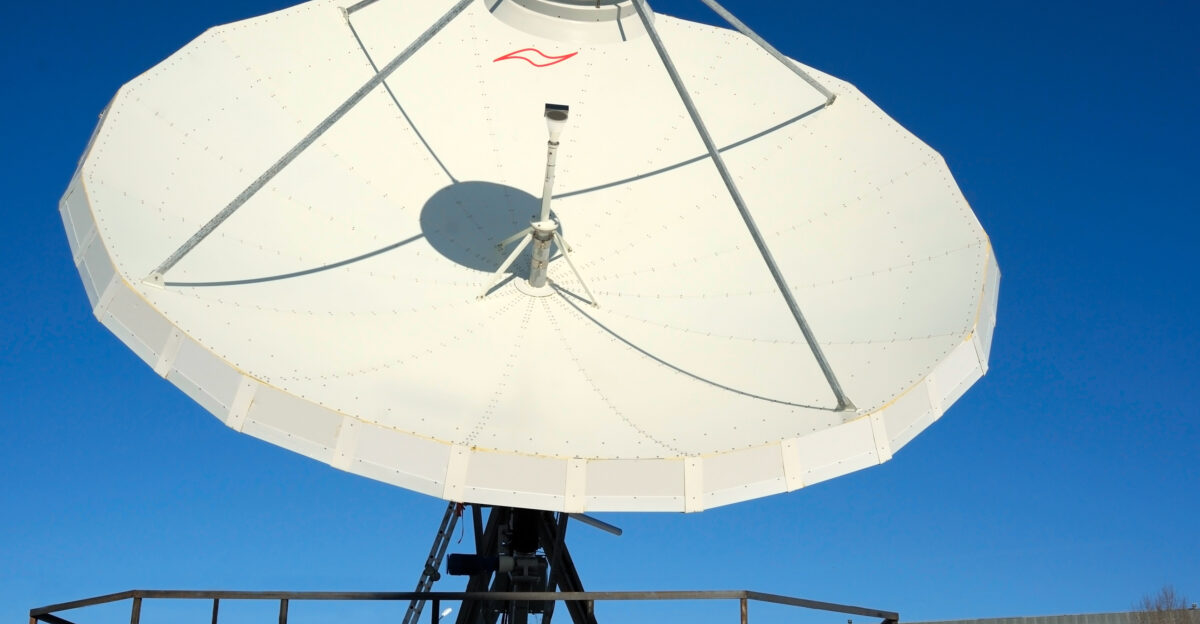
Kupol aimed to supplant the aging Cold War Oko-1 system, whose satellites reached the end of their lifespan and deactivated by the mid-2010s. Tundra launches started in 2015, delivering advanced sensors and greater dependability. Four were reportedly active by 2020. Yet past breakdowns serve as a caution: Russia’s warning infrastructure has faltered previously when obsolete equipment outstripped upgrades.
Issues emerged as Tundra satellites omitted routine orbital adjustments, vital for sustained vigilance. Kosmos-2541, orbited in 2019, made a correction in March 2025 before halting. Kosmos-2563, sent up in 2022, followed suit after July. Observers first saw the parallel pauses as signs of broad technical breakdowns.
Late 2025 analysis pointed to Kosmos-2552, launched November 2021, as the sole active unit. It skipped a November maneuver, heightening alerts. Later observations detected all four recent Tundras altering apogees westward and emitting radio signals, hinting at deliberate coordination. This cast doubt on initial failure reports, leaving the fleet’s status unclear.
Strategic Gaps
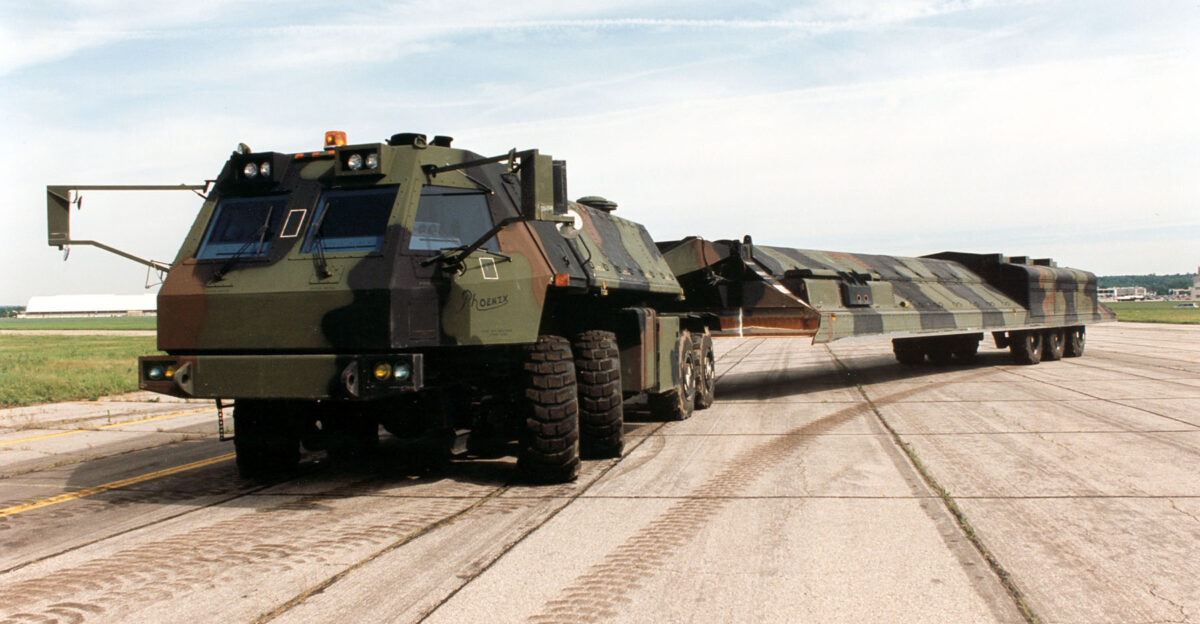
A diminished Kupol orbital segment would cripple real-time detection of U.S. ICBM launches. Ground radars offer localized alerts but lack the global, continuous sweep of space infrared detection. This shift heightens dependence on rigid terrestrial assets and elevates crisis misjudgment risks, where timing decides outcomes.
Pavel Podvig first assessed orbital data as evidence of one operational satellite. He later noted he might have “jumped the gun” amid reports of synchronized shifts and signals. Russian defense claims held that four satellites could monitor all U.S. launches—a assertion now tested. The ambiguity alone poses hazards.
Radar Reliance
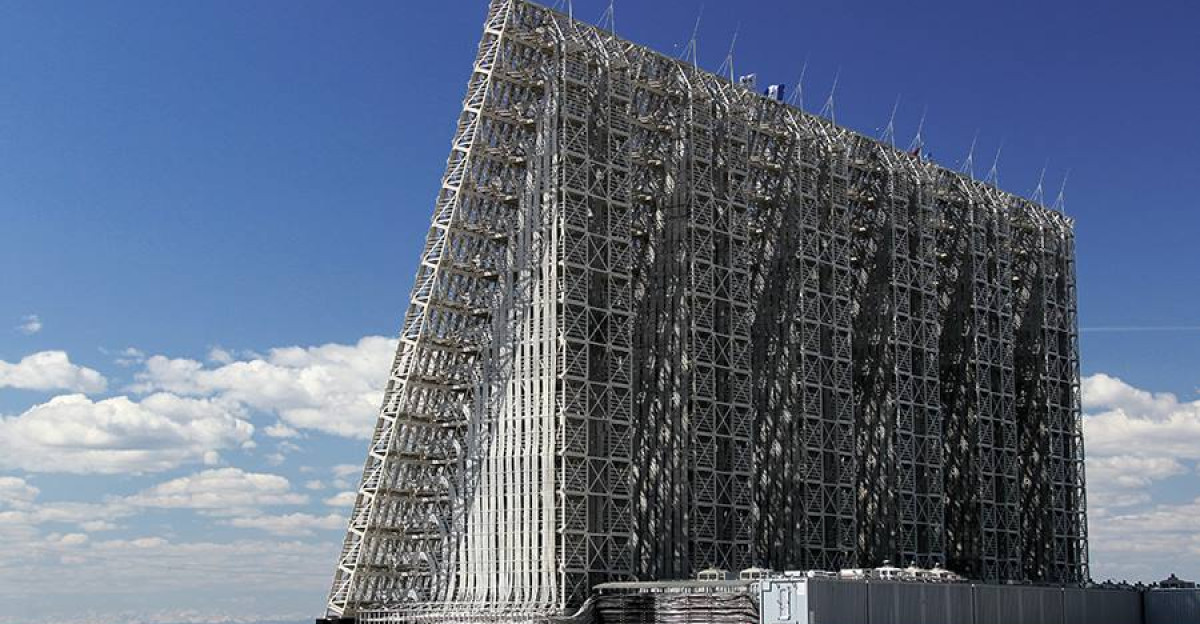
With orbital doubts growing, Russia turns more to its Voronezh ground radar array. These installations pack power but suffer geographic limits and line-of-sight barriers, especially over seas and poles. The U.S., by comparison, sustains a robust SBIRS network. Such disparities reveal how production setbacks erode nuclear equilibrium.
Russia’s path diverges from competitors. Oko-1 vanished by the mid-2010s; Tundra hit four by 2020 before 2025 uncertainties. The U.S. and China build layered, durable fleets. Funding strains, sanctions, and factory delays hinder Russia’s space deterrence parity.
Launch Attempts
Restoration efforts include new Tundra launches, though schedules stay vague. Kosmos-2563 nears its planned endurance. Ground radar emphasis may have deferred orbital renewals, with economic woes adding hurdles. Each postponement prolongs scant redundancy.
Podvig stresses Russia leans less on space warning than the U.S. Coordinated motions imply persistence, yet verification lags. Even hopefuls admit replenishments may span years. Detractors probe if stealth initiatives sideline essential recovery, clouding timelines.
As 2026 nears without public updates on Kupol’s “eyes in the sky,” observers note vitality alongside weakness. In deterrence, doubt destabilizes. Whether impaired or misread, edge-of-failure warning systems amplify miscalculation threats, pressing for swift clarity and repairs.
Sources:
Russian Strategic Nuclear Forces (Pavel Podvig), “The space segment of the Russian early-warning system is not in good shape”, December 27, 2025
Russian Strategic Nuclear Forces (Pavel Podvig), “Russian early-warning satellites may not be dead yet”, December 31, 2025
Defense News, “Sanctions further delay Russian missile early warning program in space”, March 11, 2023
Breaking Defense, “China, Russia experiment with stealthy satellites, Space Force official says”, December 10, 2025
Federation of American Scientists, “The Pentagon’s (Slimmed Down) 2025 China Military Power Report”, January 8, 2026
Russian Strategic Nuclear Forces (Pavel Podvig), “Russia lost all its early-warning satellites”, February 2015