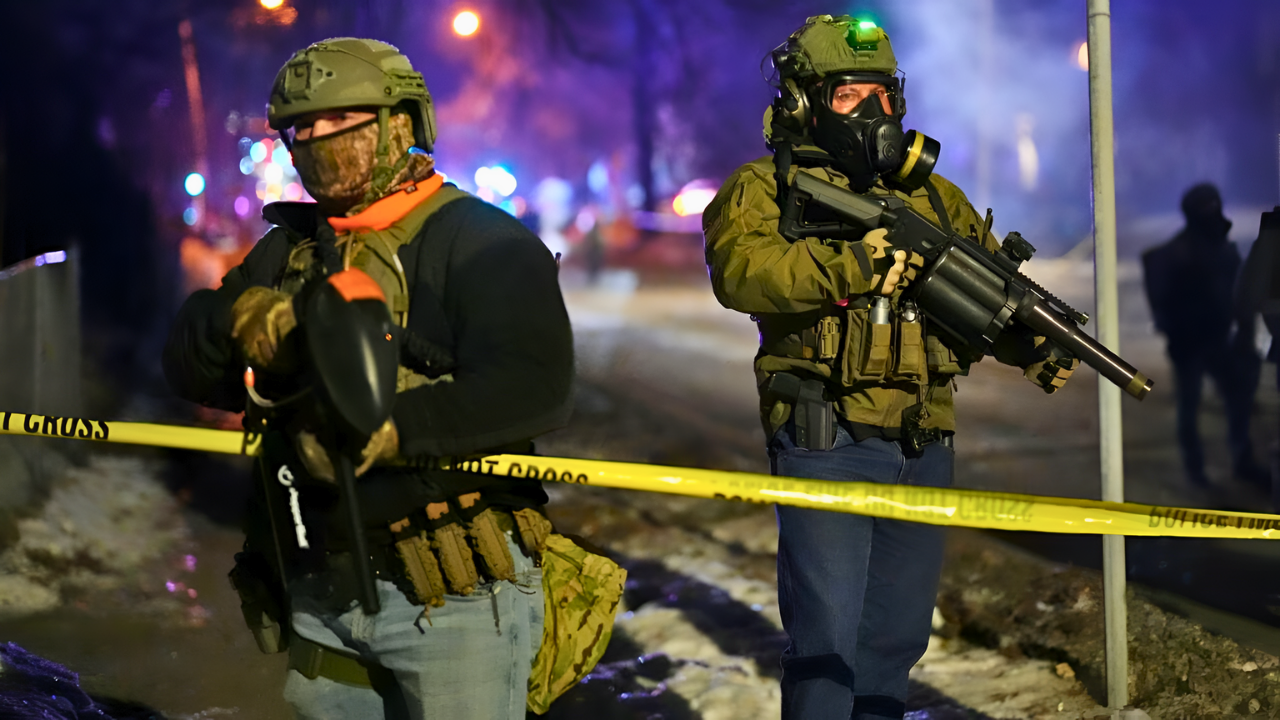
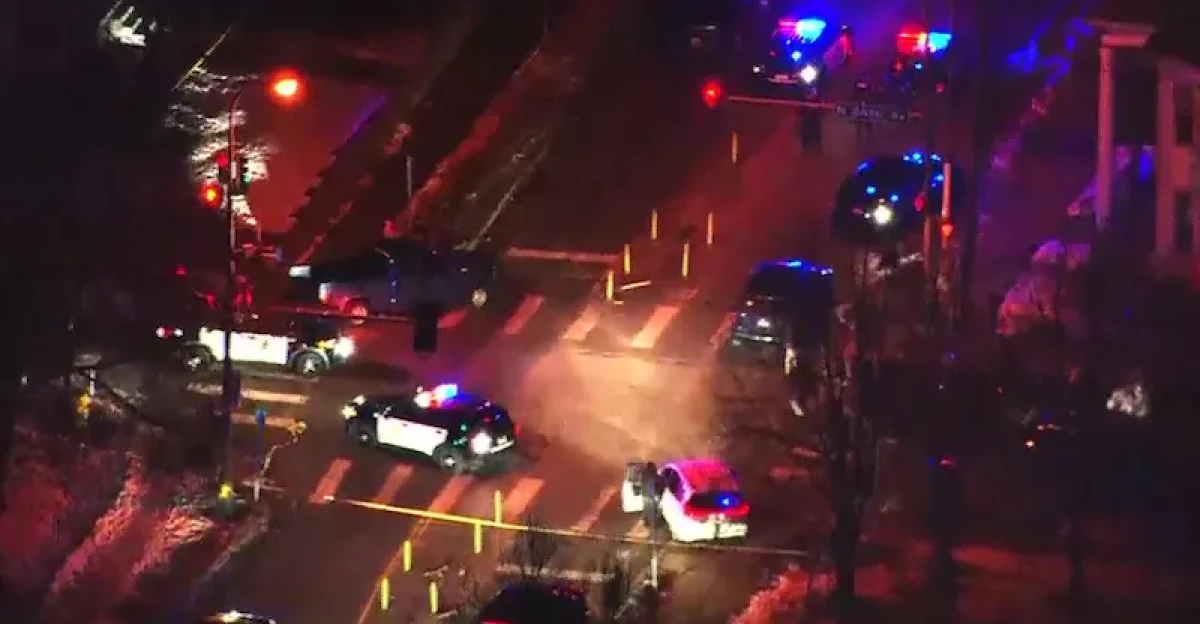
On January 14, 2026, an ICE enforcement operation in north Minneapolis escalated into a violent confrontation when a federal officer was attacked during an attempted arrest.
The operation targeted Julio Cesar Sosa-Celis, a Venezuelan national who entered the United States without lawful status in 2022. After fleeing a traffic stop and crashing his vehicle, Sosa-Celis allegedly joined two other individuals in physically assaulting an officer, resulting in serious injuries and hospitalization.
Sequence of Events Leading to the Attack
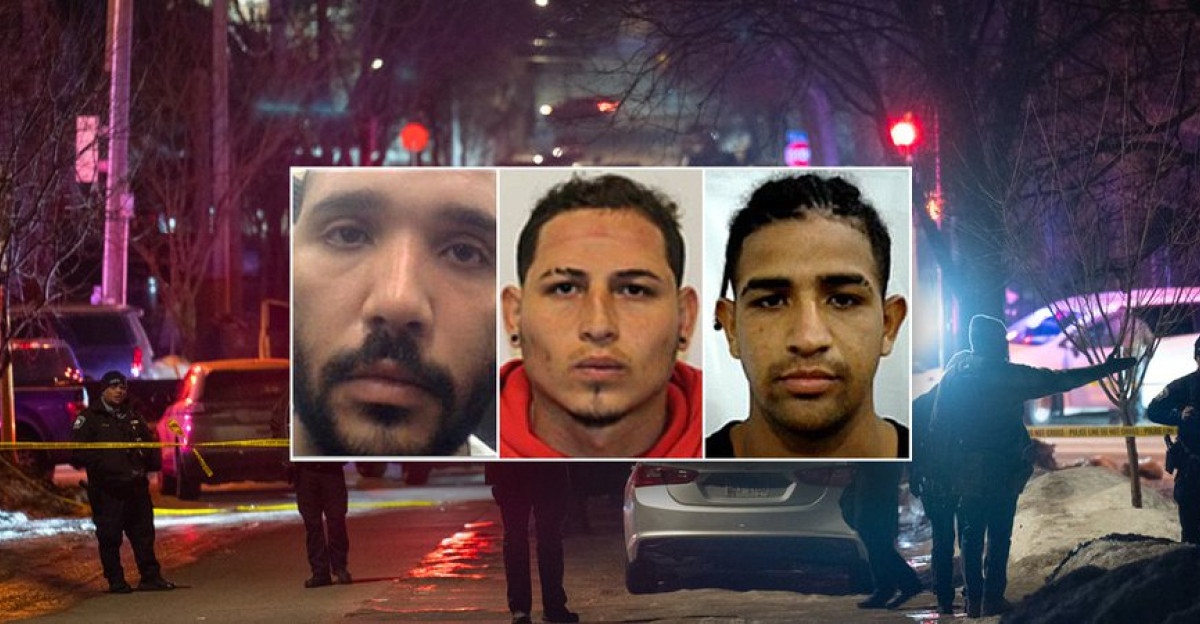
According to DHS accounts, the incident began as a targeted traffic stop near an apartment complex. Sosa-Celis fled the vehicle, crashed into a parked car, and attempted to escape on foot.
During the pursuit, two men—later identified as Alfredo Alejandro Ajorna and Gabriel Alejandro Hernandez-Ledezma—emerged from a nearby apartment and allegedly struck the ICE officer with a snow shovel and broom handle.
Defensive Gunfire and Arrests
As the assault continued, the officer discharged his firearm, striking Sosa-Celis in the leg. Authorities state the shot was fired in self-defense while the officer was being beaten. All three suspects were eventually taken into custody and transported for medical treatment.
The injured officer was hospitalized with non-life-threatening injuries. Investigators confirmed this was the second ICE-related shooting in the Minneapolis area within one week.
Immigration Status of the Suspects
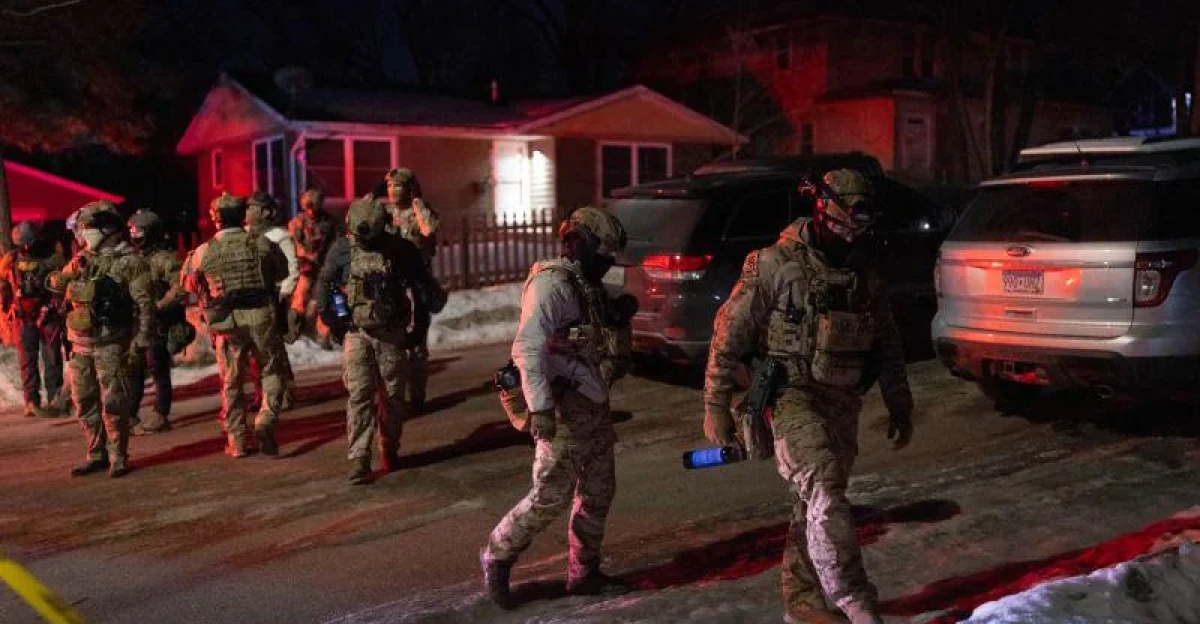
ICE officials reported that all three individuals involved were Venezuelan nationals without lawful immigration status. Sosa-Celis entered the U.S. in August 2022. Ajorna and Hernandez-Ledezma entered in May 2023.
Ajorna had received a final order of removal after failing to appear for an immigration hearing, while Hernandez-Ledezma was categorized as a non-priority case under prior enforcement guidelines.
Prior Criminal History and Release

Court records show Sosa-Celis had prior arrests in Minnesota for driving without a license and providing false information to police. ICE stated that local authorities released him before federal agents could lodge a detainer.
DHS officials argue this release allowed the encounter that later escalated into violence, while state and local leaders maintain that Minnesota law limits cooperation with civil immigration enforcement.
DHS Response and Characterization
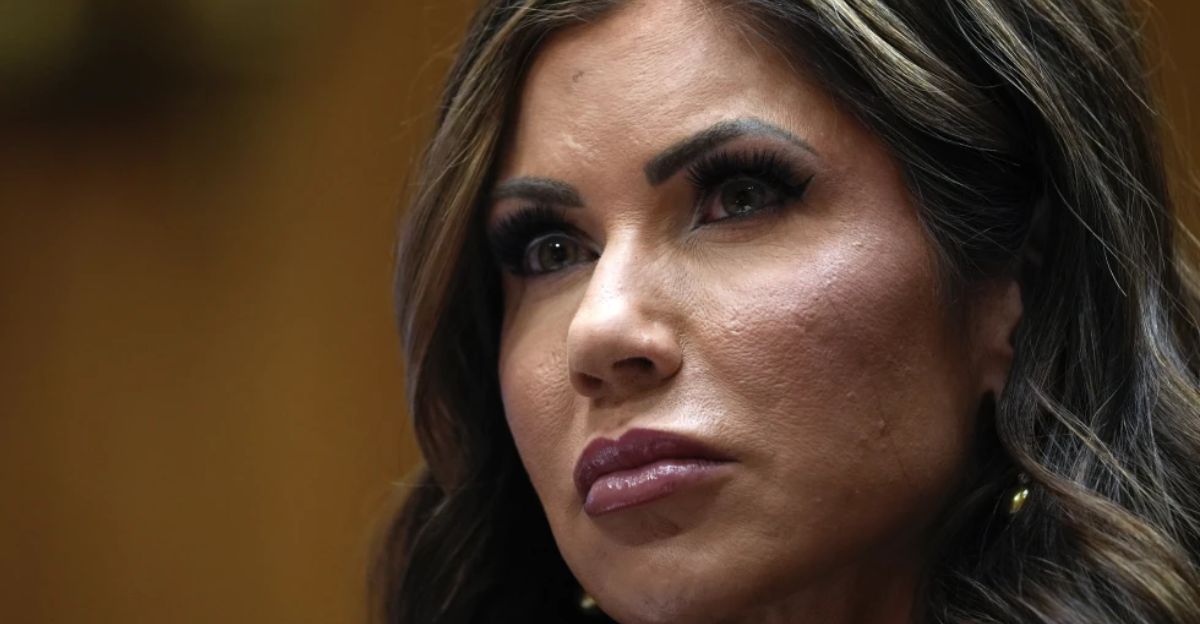
DHS Secretary Kristi Noem described the incident as an “attempted murder of federal law enforcement,” emphasizing the coordinated nature of the attack and the use of blunt objects.
DHS linked the assault to what it describes as a sharp increase in violence against federal officers nationwide, citing internal data showing a significant rise in assaults during immigration operations.
Officer Safety and Operational Risks
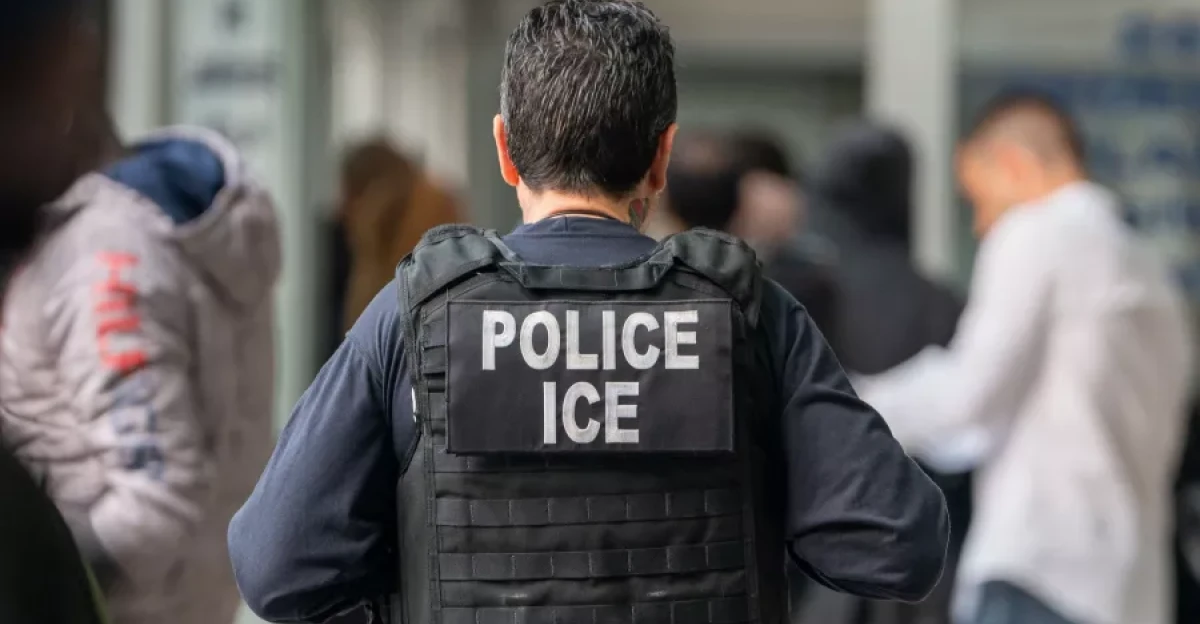
ICE officials state that enforcement operations have become increasingly dangerous, particularly in dense urban environments where officers operate without local law-enforcement backup.
Foot pursuits, residential arrests, and crowd interference heighten risk.
The Minneapolis incident is now being used internally as a case study on officer vulnerability during routine immigration arrests.
Immediate Community Reaction
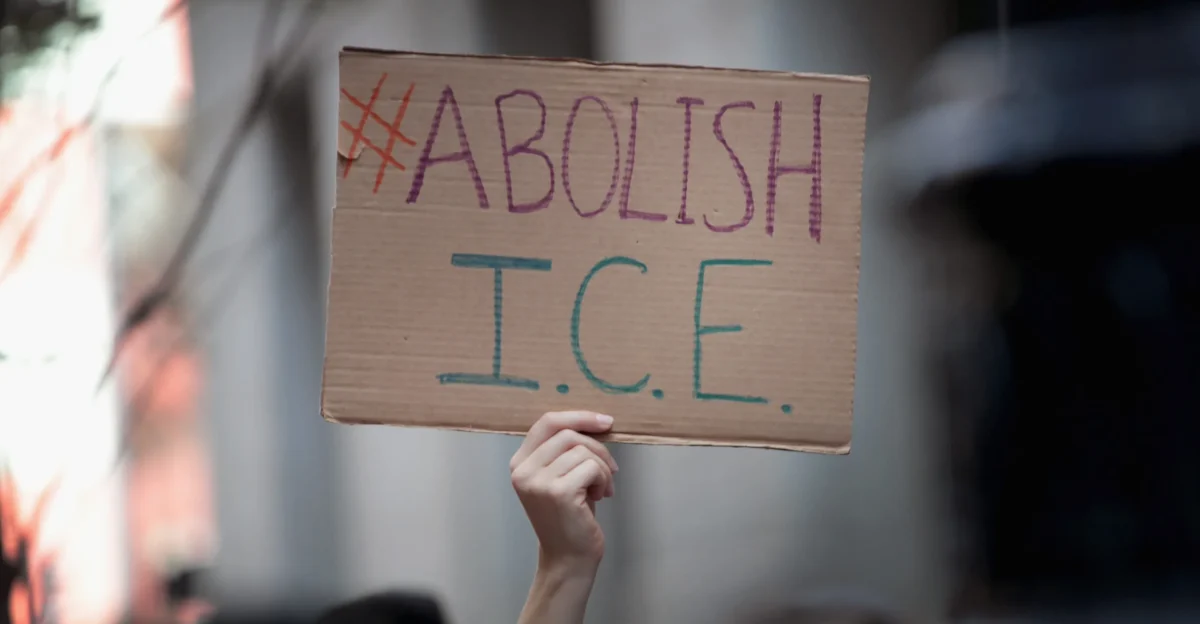
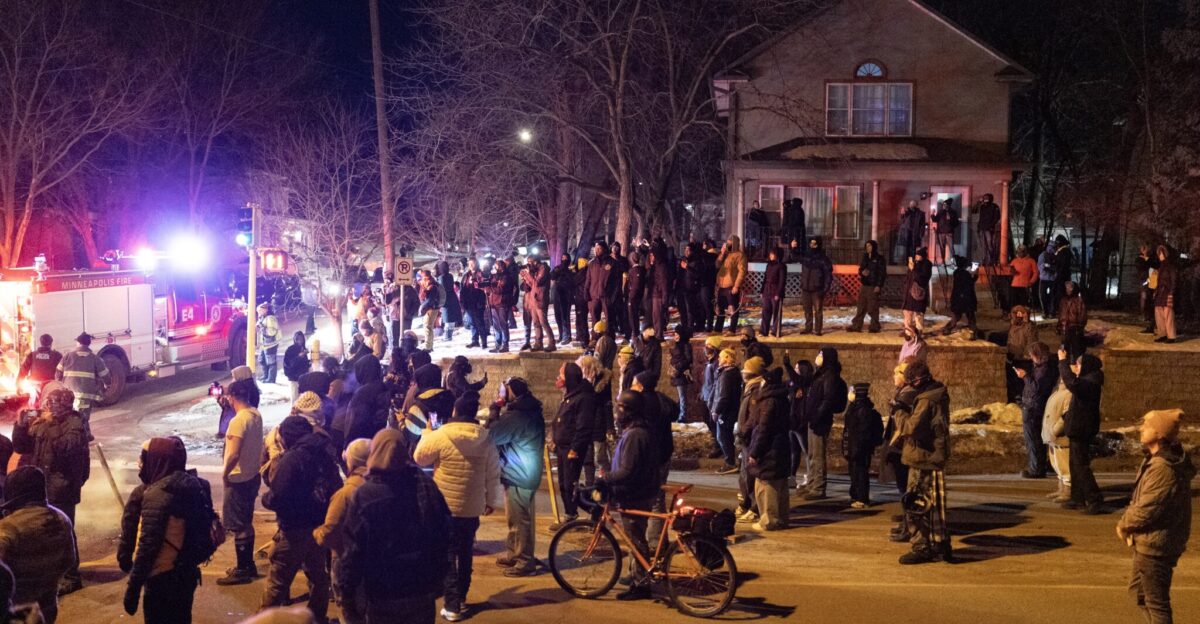
The incident triggered protests in the surrounding neighborhood, with demonstrators gathering near the apartment complex and chanting slogans against ICE.
Law enforcement deployed chemical irritants to disperse crowds after objects were thrown. Residents reported lingering effects from the dispersal and expressed fear following both the protest response and the shooting itself.
Impact on Neighborhood Life

Residents in the Hawthorne neighborhood reported heightened anxiety in the days following the incident. Some families limited travel, canceled appointments, or avoided public spaces amid uncertainty about enforcement activity and protests.
Community leaders described a breakdown in trust between residents and authorities, compounded by conflicting narratives about the events.
Healthcare System Tensions

The hospitalization of both the officer and suspect intensified debate over ICE activity in medical facilities. State lawmakers alleged that ICE officers restricted family access to patients, while DHS denied violating hospital protocols.
Medical centers reviewed policies regarding law-enforcement presence, reinforcing staff training on warrants and patient privacy requirements.
Workplace and Business Disruptions

ICE activity in the broader metro area caused concern among workers in delivery, food service, and retail sectors.
Some businesses reported employee absences due to fear of enforcement encounters. Local officials acknowledged disruptions to small businesses that rely heavily on immigrant labor, though no formal closures were directly attributed to the incident.
Political Reactions at the State Level
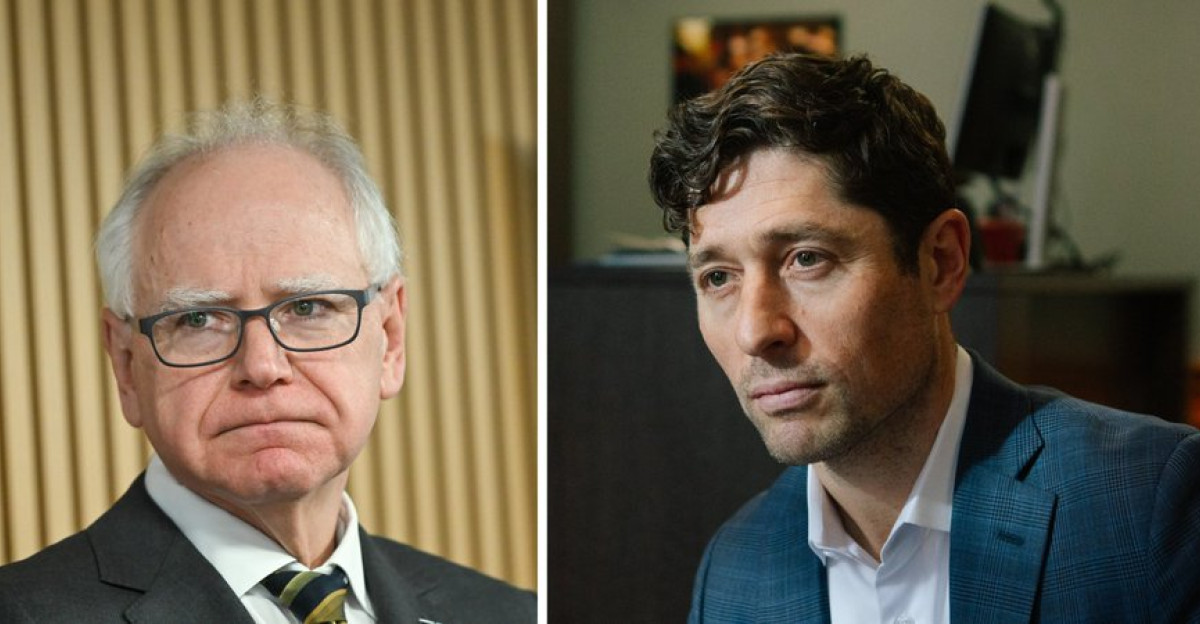
Minnesota Governor Tim Walz and Minneapolis Mayor Jacob Frey faced criticism from federal officials who blamed state non-cooperation policies for the confrontation.
State leaders countered that Minnesota law does not permit local police to enforce federal civil immigration violations, arguing public safety responsibilities remain separate from immigration enforcement.
Federal Political Escalation
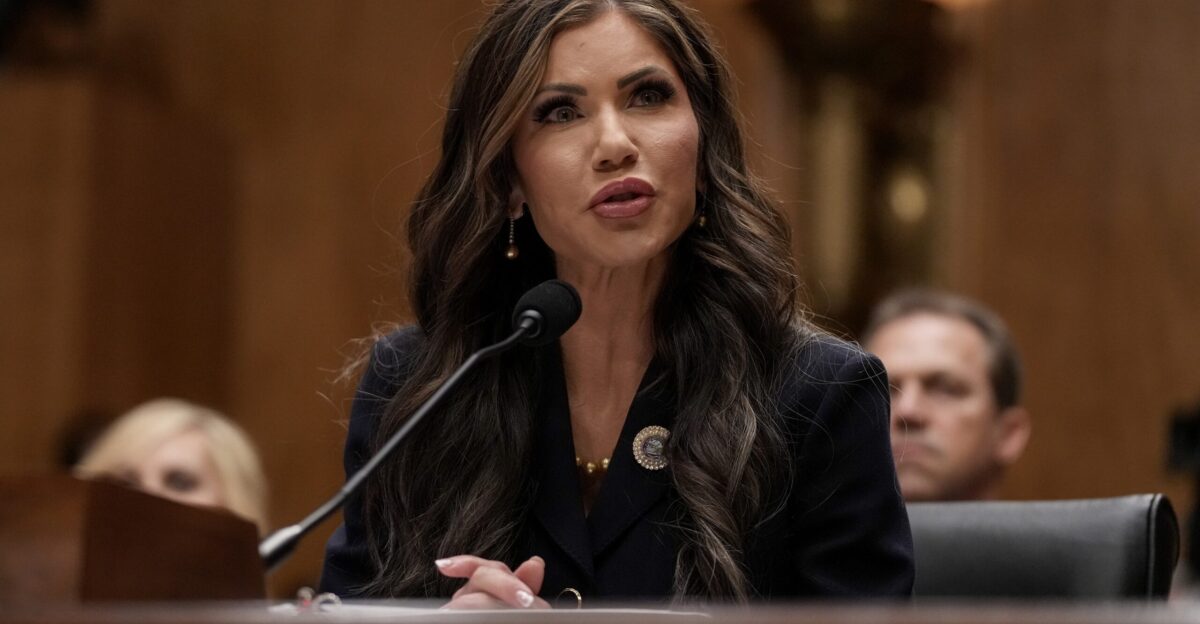
The incident quickly entered national political debate. DHS leadership demanded stronger cooperation from local governments, while some Minnesota lawmakers called for ICE to suspend operations in the city.
The clash highlighted ongoing tensions between federal enforcement authority and sanctuary-style policies adopted by several states and municipalities.
Law Enforcement Resource Strain
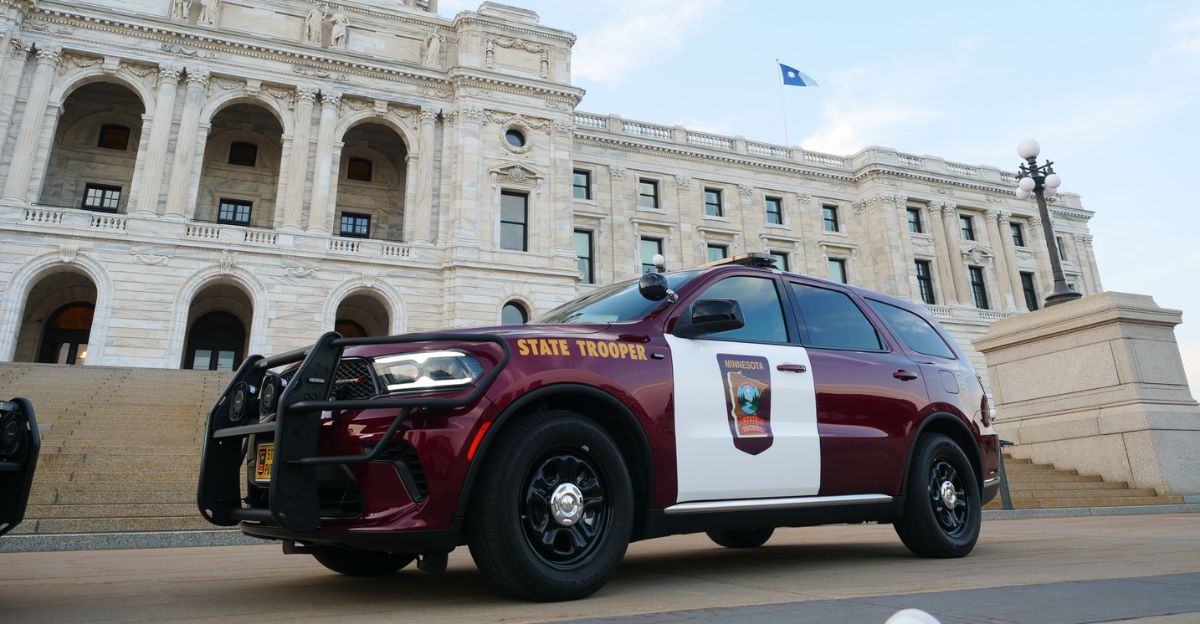
Following the attack and subsequent protests, multiple agencies—including the Minnesota State Patrol and Hennepin County Sheriff’s Office—were deployed.
The Minnesota Bureau of Criminal Apprehension launched an independent investigation, increasing costs for overtime, crowd control, and interagency coordination during an already strained period for public safety budgets.
Broader National Context
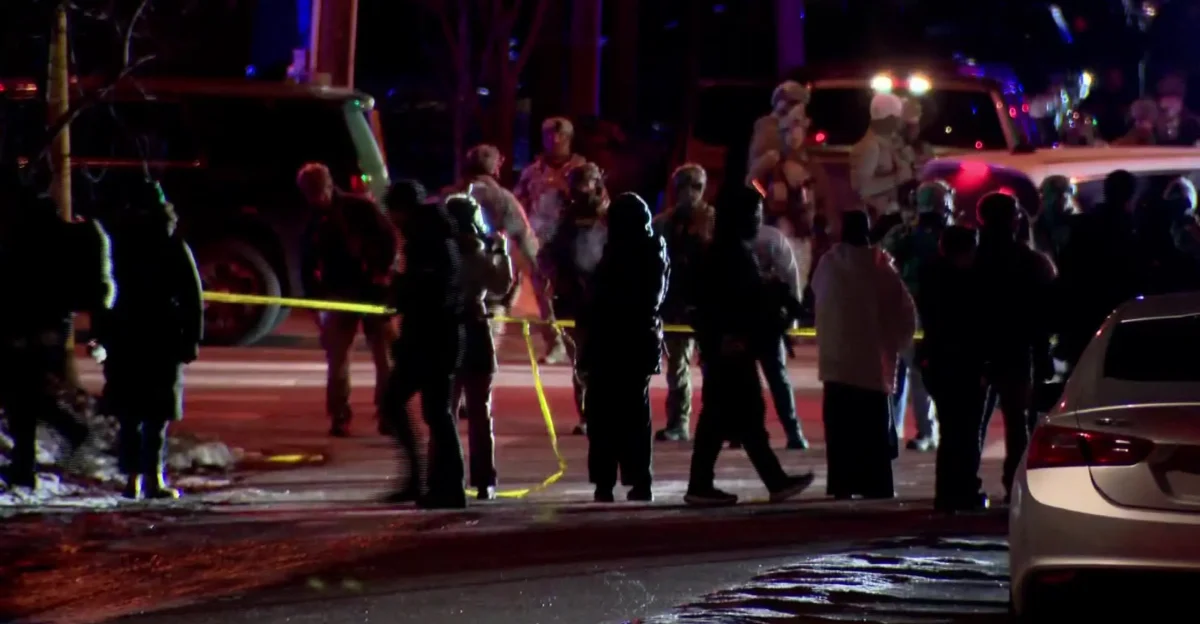
DHS officials cite the Minneapolis incident as part of a national trend showing increased resistance to federal law-enforcement operations.
According to DHS statements, assaults on federal officers have risen sharply in recent years, particularly during immigration-related actions. Critics dispute the framing, arguing enforcement strategies themselves escalate confrontations.
Immigration Policy at the Center

The case reignited debate over border releases, enforcement prioritization, and interior arrests. Supporters of stricter enforcement argue that release policies leave dangerous individuals in communities.
Opponents counter that immigration status alone does not predict violent behavior and warn against conflating individual crimes with broader migrant populations.
Legal Proceedings Ahead

Federal prosecutors are reviewing potential charges, including aggravated assault and attempted murder of a federal officer.
All three suspects remain in ICE custody pending legal proceedings. Authorities emphasized that final charges will depend on the outcome of the investigation and prosecutorial review.
Civil Liberties and Public Trust

Civil-rights organizations expressed concern about enforcement tactics, crowd control measures, and the use of force.
They argue aggressive operations undermine trust in immigrant communities and deter cooperation with law enforcement. DHS maintains that officer safety and lawful arrest authority must remain paramount.
Minneapolis as a Flashpoint
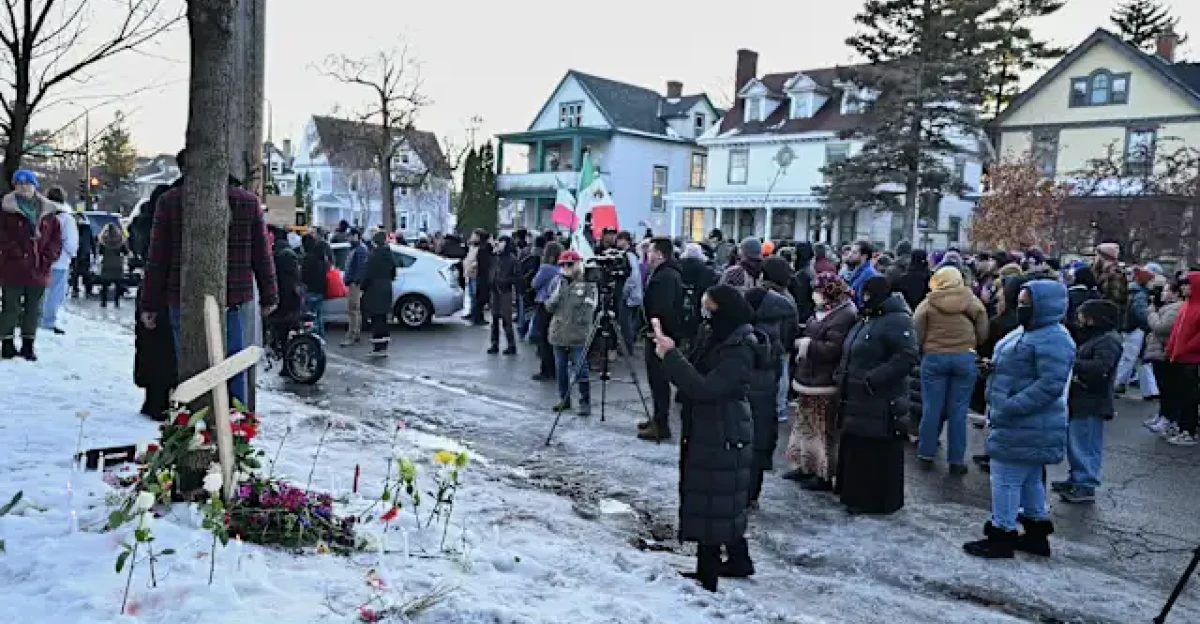
With two ICE-related shootings in one week, Minneapolis has become a focal point in the national immigration debate.
The city now symbolizes the collision of federal enforcement priorities, local governance limits, and public unrest, drawing attention from national media and political leaders.
What Comes Next
Investigations, prosecutions, and policy debates are expected to continue for months. The incident underscores unresolved questions about immigration enforcement, officer safety, and state-federal authority.
Regardless of political outcome, the Minneapolis attack has already reshaped local security planning and intensified national scrutiny of interior immigration operations.
Sources:
- “Minneapolis ICE shooting: Agent shoots immigrant, officer ambushed with shovel in north Minneapolis” – FOX 9 KMSP (Minneapolis)
- Various broadcast segments on the Jan. 14 ICE shooting and subsequent protests – FOX 9 KMSP (Minneapolis)
- Live updates: “Woman killed by ICE officer in Minneapolis was Renee Nicole Macklin Good” (live blog also covering later ICE operations and protests) – Associated Press (AP)
- “Federal officer shoots person during Minneapolis arrest: DHS” – Channel 4 News (video segment widely syndicated)
- “Illegal immigrants allegedly attack ICE agent with shovel and broom handle in Minneapolis, DHS says” – Fox News
- “Shovel attacker shot by ICE as chaos in Minneapolis erupts” – Fox News (video segment)