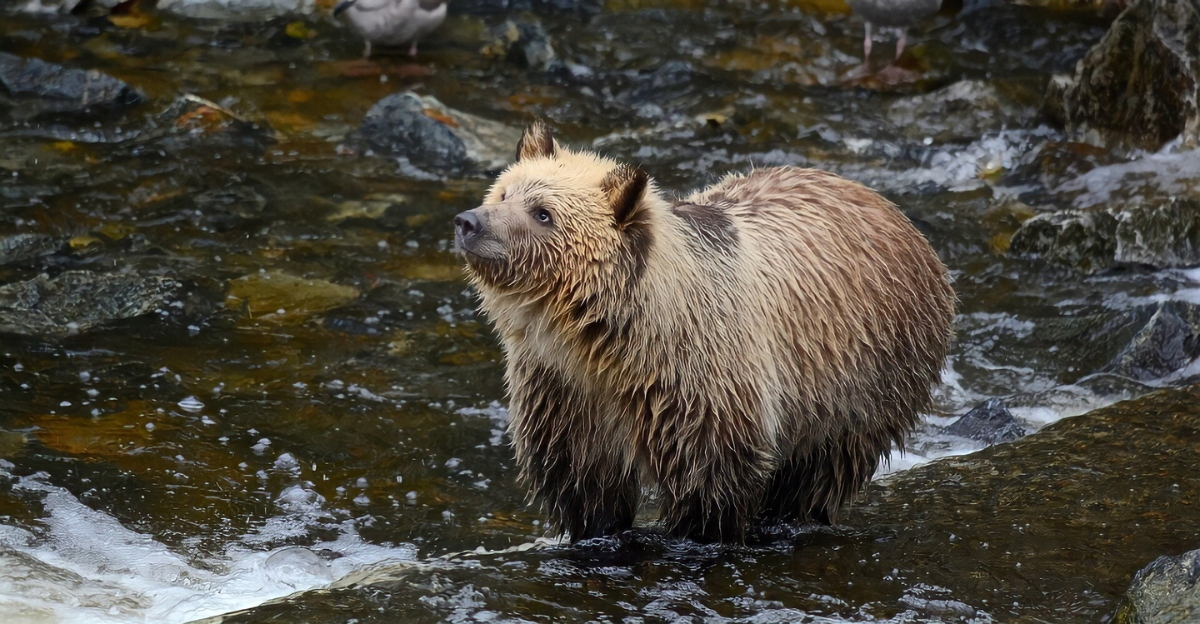
California is weighing whether to reintroduce the grizzly bear, its iconic state animal, after over a century of absence.
According to the Los Angeles Times, new research declares that ample suitable habitat exists, fueling the debate among conservationists, regulators, and local communities.
“This is a choice, not a biological barrier,” says Dr. Peter Alagona, UC Santa Barbara. Experts say the next few years could be decisive for wildlife policy.
Stakes for Restoration

If California moves forward, it would be the first grizzly reintroduction in the region since 1924, sending ripple effects across public safety, tourism, and rural livelihoods.
According to a peer-reviewed feasibility study, up to 1,000 bears could thrive; yet, human-bear conflicts and resource needs raise concerns. “It’s a real policy dilemma, not just a scientific question,” notes study co-editor Alex McInturff.
Grizzly’s Historic Loss
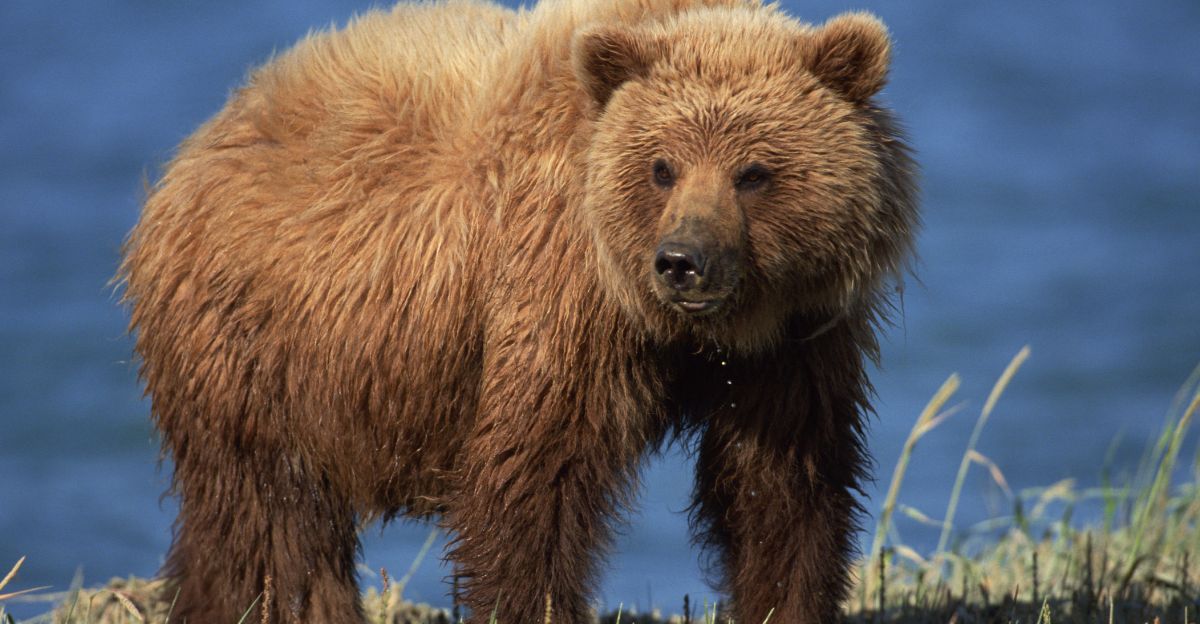
Historically, California supported up to 10,000 grizzlies, a population wiped out by hunting, habitat loss, and gold-mining expansion by the early 20th century.
Smithsonian records confirm the last grizzly was spotted in Sequoia National Park in 1924. The extinction marked a dramatic loss of biological diversity. “Our state was shaped by these remarkable animals,” remarks Dr. Alagona.
Reintroducing Pressure
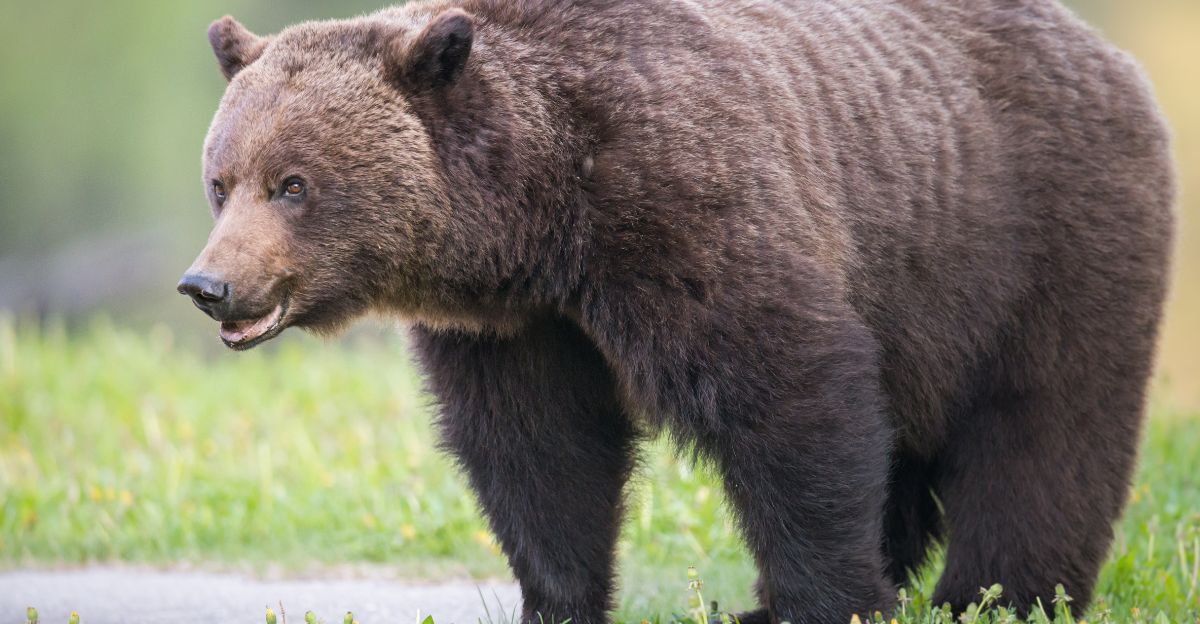
Interest in returning grizzlies is driven by ecological gaps and tribal calls for wildlife justice. According to the California Grizzly Alliance, increased carnivore reintroductions elsewhere show both opportunity and risk.
Public polling finds around two-thirds of Californians in favor, though landowners remain divided on the species’ comeback. “Tribal history matters here,” says Tejon Tribe Chairman Octavio Escobedo III.
Study Sparks Debate
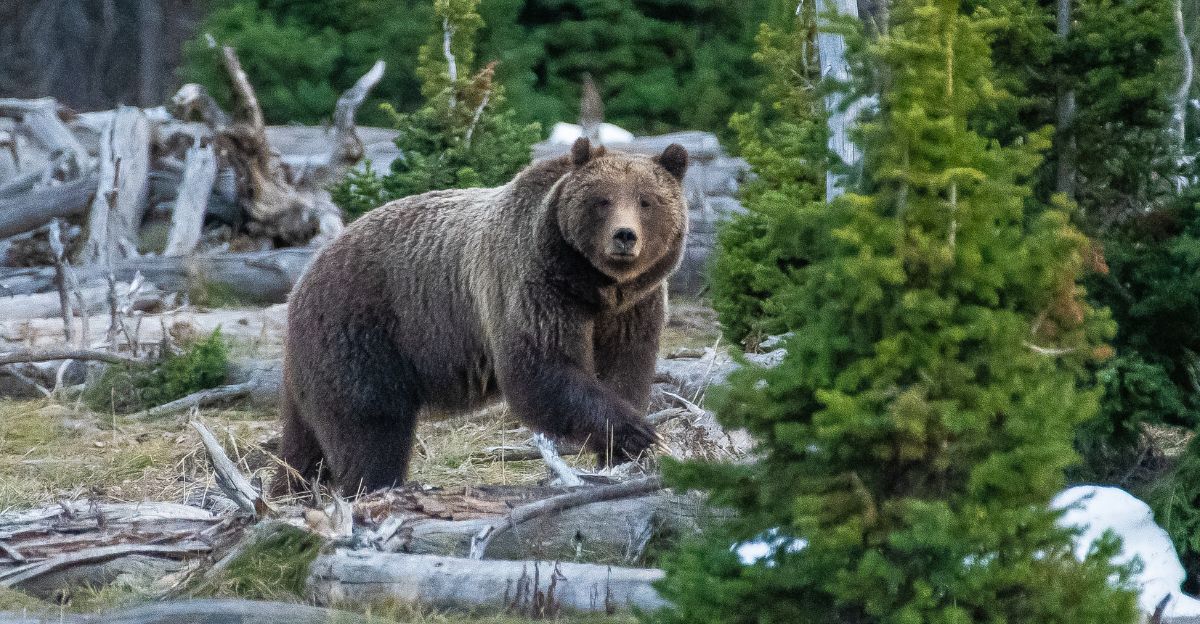
On April 15, 2025, the California Grizzly Alliance released a comprehensive, peer-reviewed feasibility study that found no insurmountable legal, biological, or economic barriers to grizzly reintroduction.
“This is about deciding, not whether, but how,” observes Dr. Alagona. The study won praise for its thoroughness and analysis of ecological, economic, and social impacts.
Where Bears Could Live
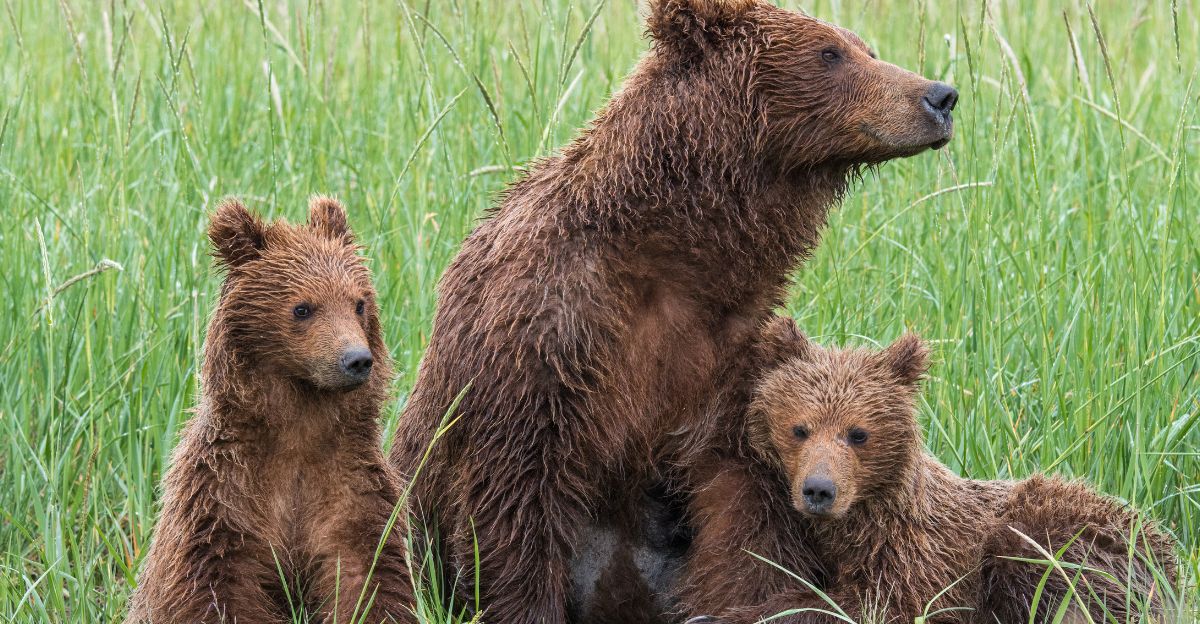
Habitat models identify three prime California regions for grizzlies: the Sierra Nevada, the North Coast, and the Southern Cascades. These landscapes could sustain healthy bear populations if supported by purposeful management.
“With careful planning, grizzlies could fulfill their ecological role again,” confirms Dr. McInturff. Scientists emphasize balancing species needs with local impacts.
An Ecological Necessity
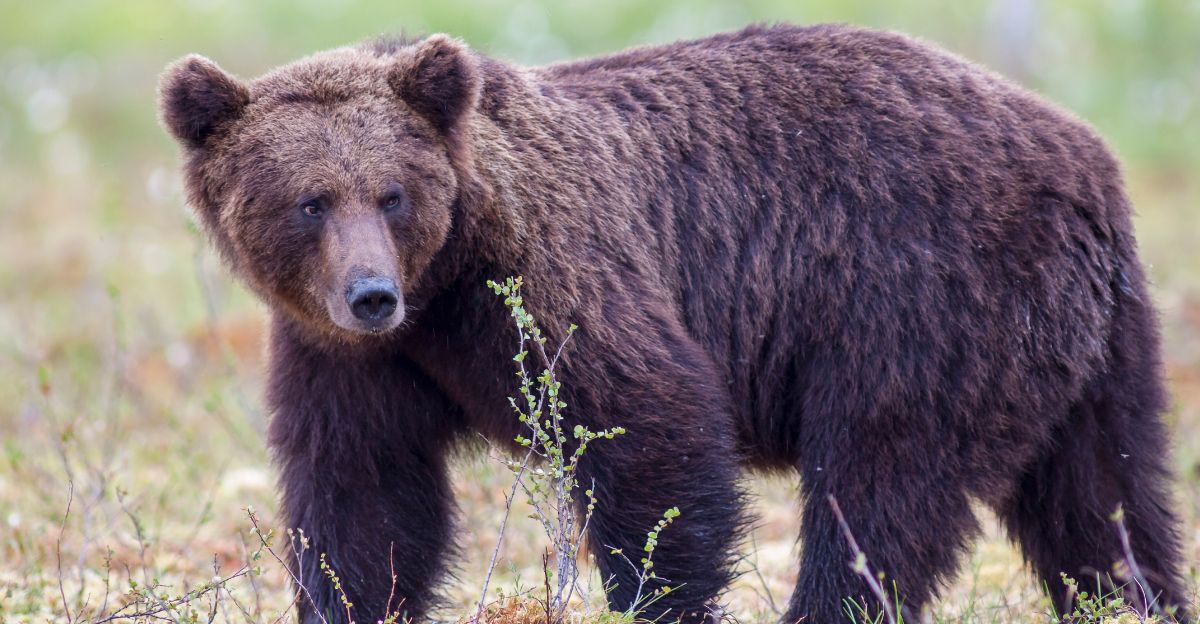
Tribes and local families are key to the story. The Tejon and Yurok peoples view the bear’s return as restorative justice and ecological necessity. Octavio Escobedo III says, “The grizzly was honored and respected for the balance it helped maintain.”
Residents in potential bear regions remain cautious but are open to learning from other states’ experiences.
State Steps Forward
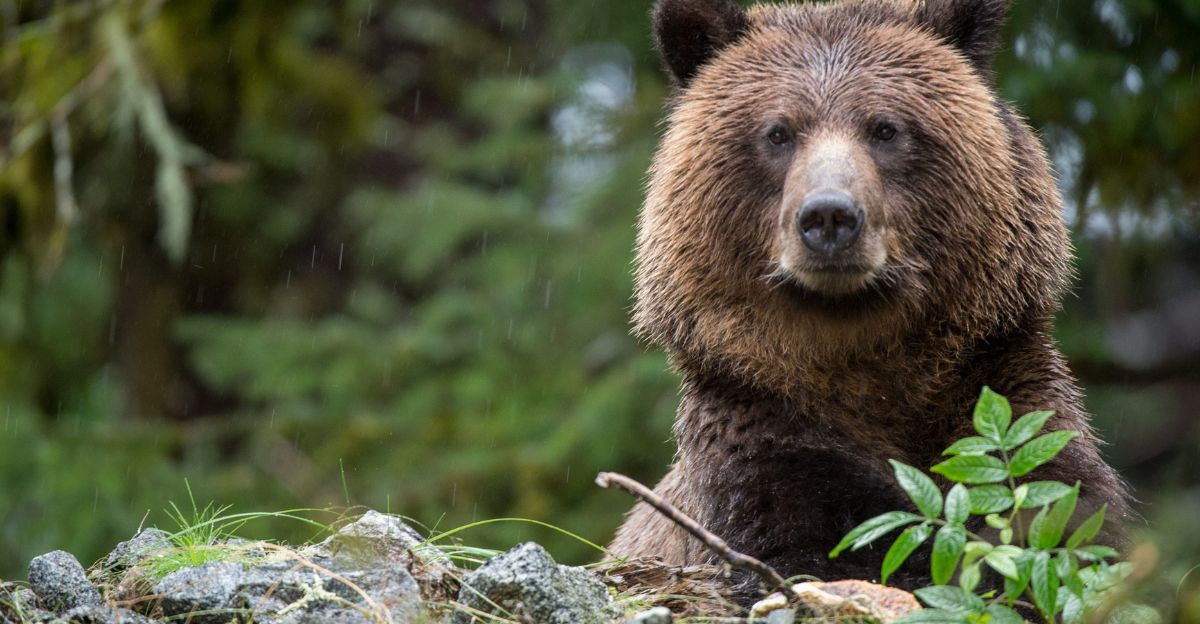
Legislative action underpins momentum, with the California Senate declaring 2024 the “Year of the Grizzly” to mark the centennial of the bear’s elimination.
The Fish and Game Commission called for deeper studies to inform policy. “This symbolic step is big,” notes commission spokesperson Peter Tira. More legal resolutions are expected as debates intensify.
Learning from Elsewhere
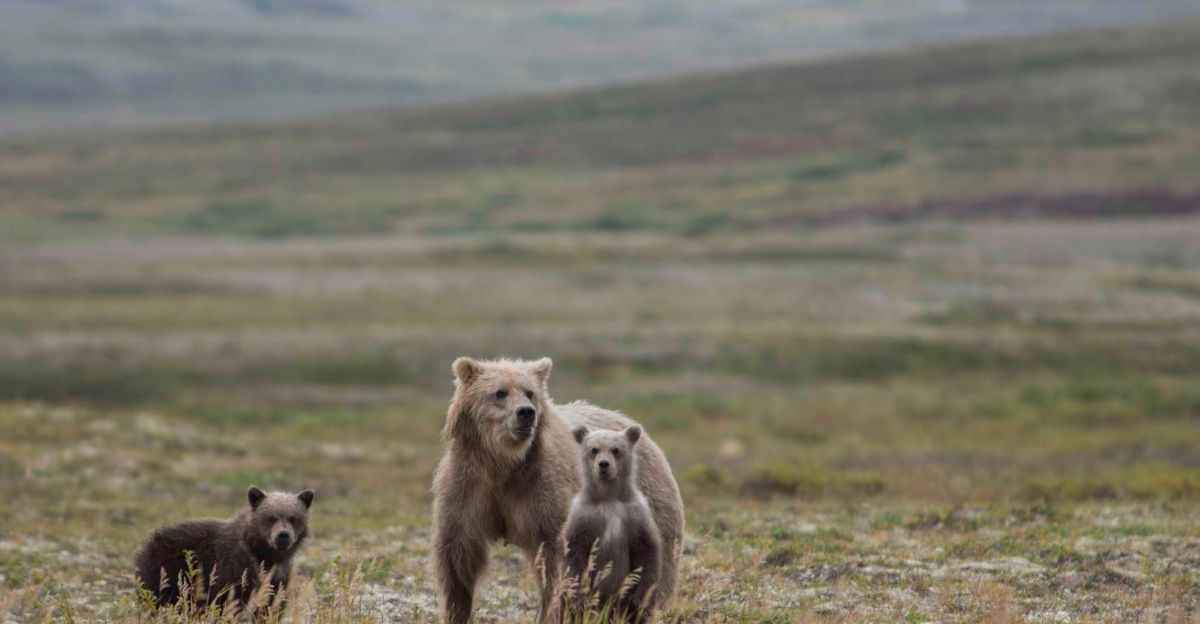
Bear reintroductions in Yellowstone and parts of Europe offer lessons for California’s challenge. International experts point to community engagement and robust risk management as keys.
“Nobody wants a repeat of old mistakes,” says Dr. Bruce McLellan, a leading research ecologist. Public education and compensation plans are under review.
Safety in Focus
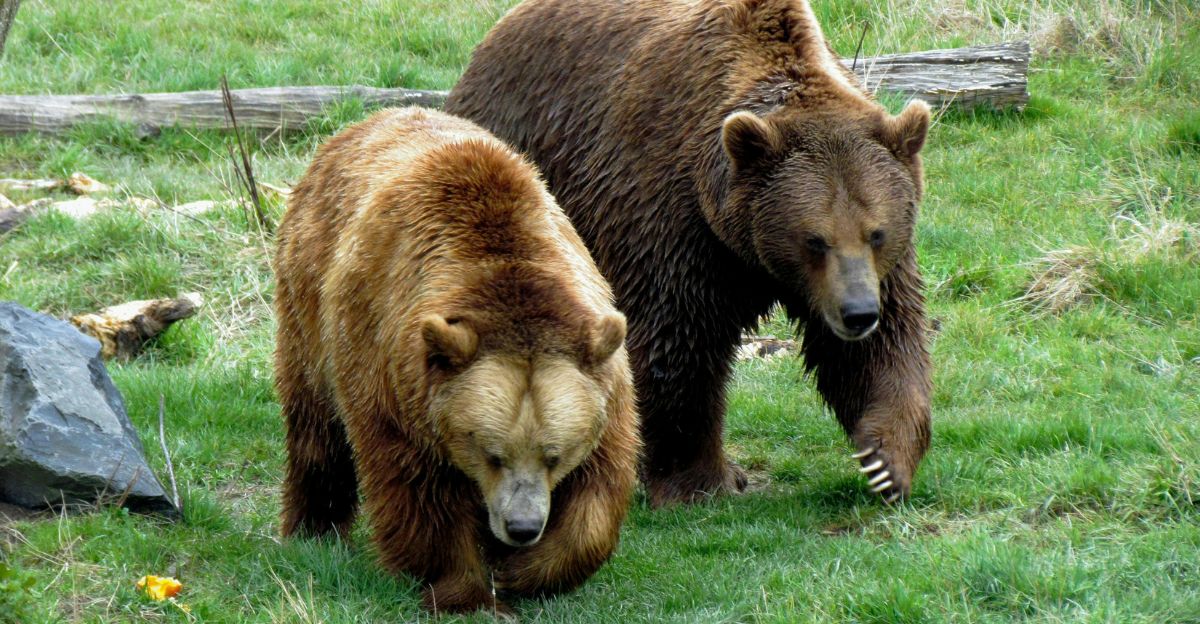
The study acknowledges North America still records an average of 1.5 bear-related fatalities annually. Wildlife departments stress education and investment in safety measures as central to any rollout.
“Safety is our top concern,” adds California Fish and Wildlife’s Peter Tira. New protocols are under development.
Divided Communities
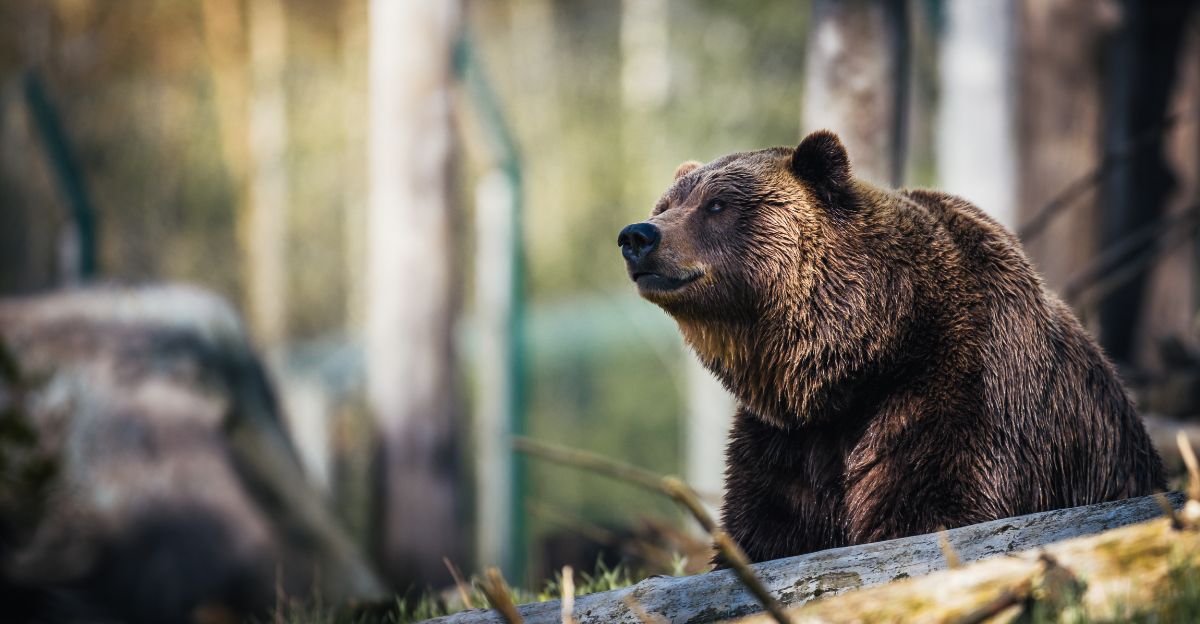
Frustration brews among ranchers, conservationists, and hikers over unresolved compensation, livestock safety, and regulatory clarity.
“There are fears, and they must be addressed transparently,” says Dr. Alagona. Some landowners prioritize economic certainty, while wildlife groups push for robust support and data-sharing.
Tribal Leadership Surge
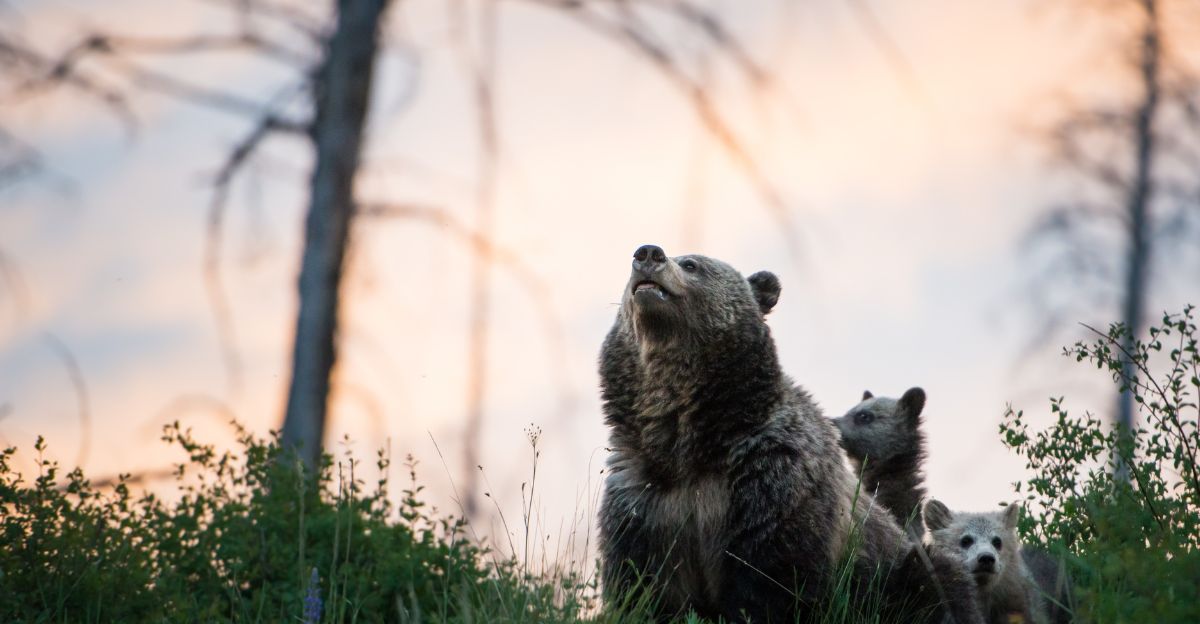
California’s indigenous tribes, led by the Tejon and Yurok, now direct much of the conservation policy debate. They advocate for bear coexistence, traditional stewardship, and legal recognition of tribal roles.
“To our ancestors, the grizzly was a revered relative,” says Yurok Chairman Joseph L. James. This marks a shift in wildlife governance.
Strategic Comeback
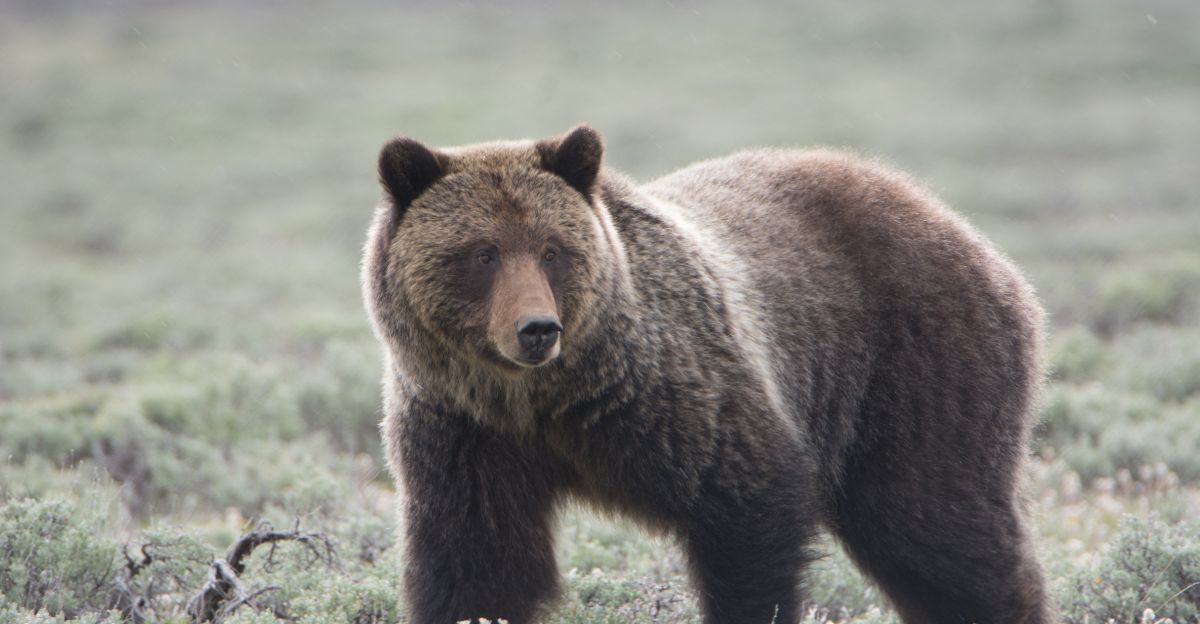
Agencies propose stepwise plans, including public engagement, scientific monitoring, pilot releases, and annual review.
The projected cost is under $3 million per year, less than half a percent of California’s wildlife budget. “Real money, but reasonable for the challenge,” says Dr. McInturff. Fiscal oversight will be stringent.
Expert Skepticism
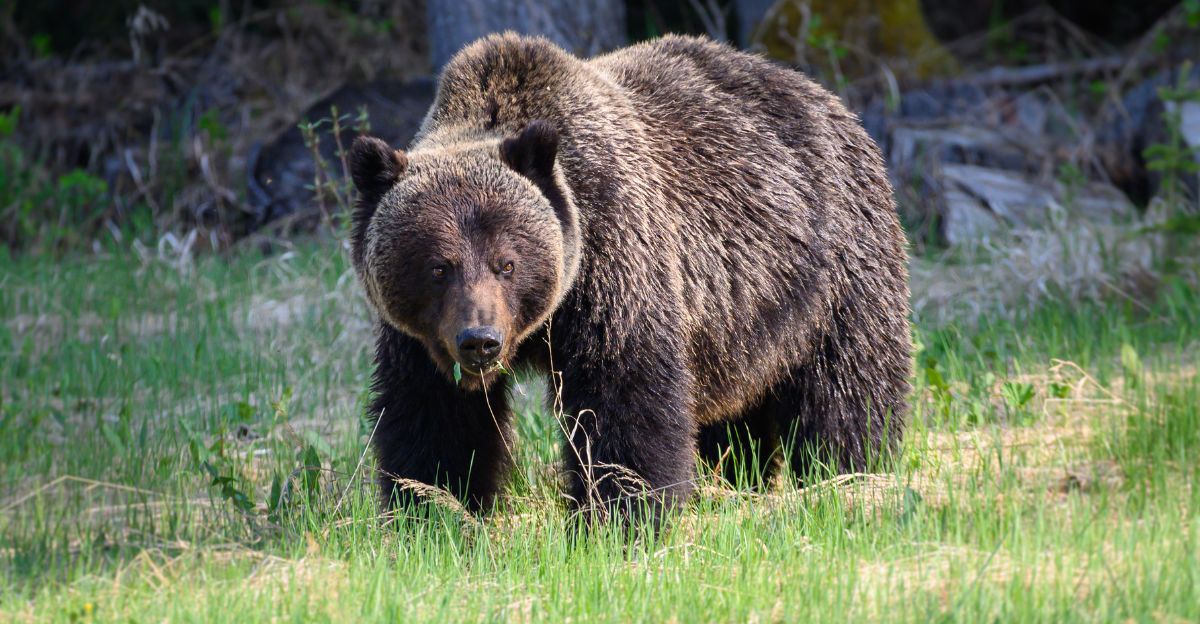
Some experts urge caution, highlighting unknowns about long-term impacts, genetic diversity, and climate change. “Success will depend on honest science and social commitment,” says ecologist Bruce McLellan.
The ongoing debate rests on both evidence and community trust, with more research scheduled for the coming months.
Open Questions
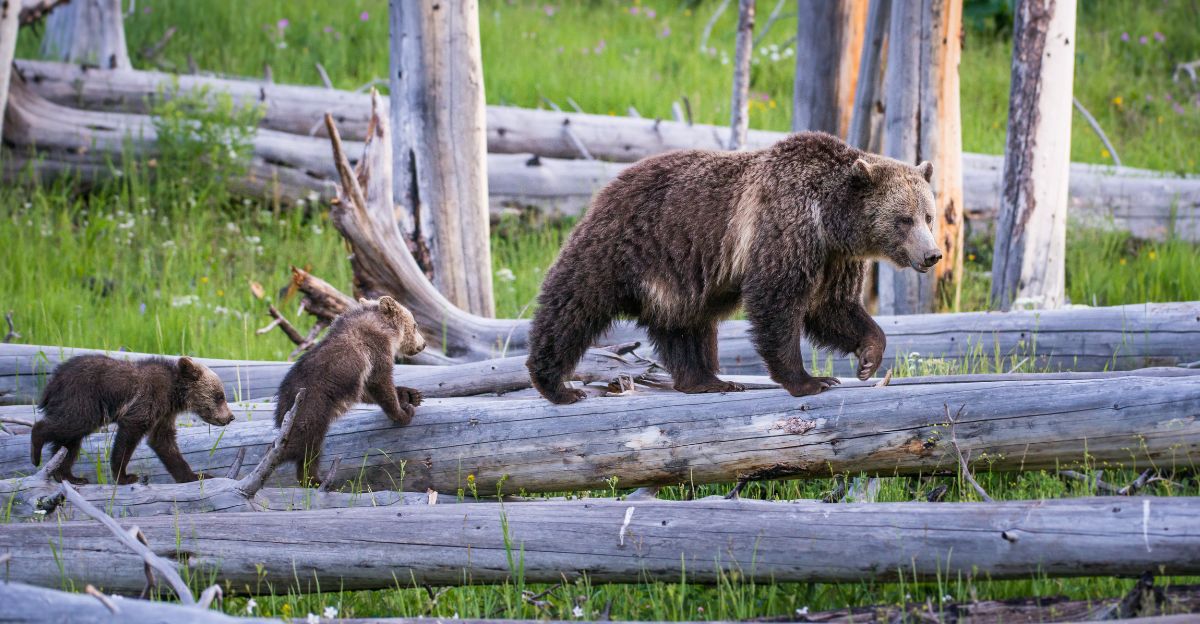
Will California move ahead? Officials are planning public forums and will weigh feedback from all sides. No final decisions are expected before the end of the year, but debate is fierce and ongoing. “We’re on the verge of something big or nothing at all,” says Dr. Alagona. Policy guidance will be key.
Political Landscape
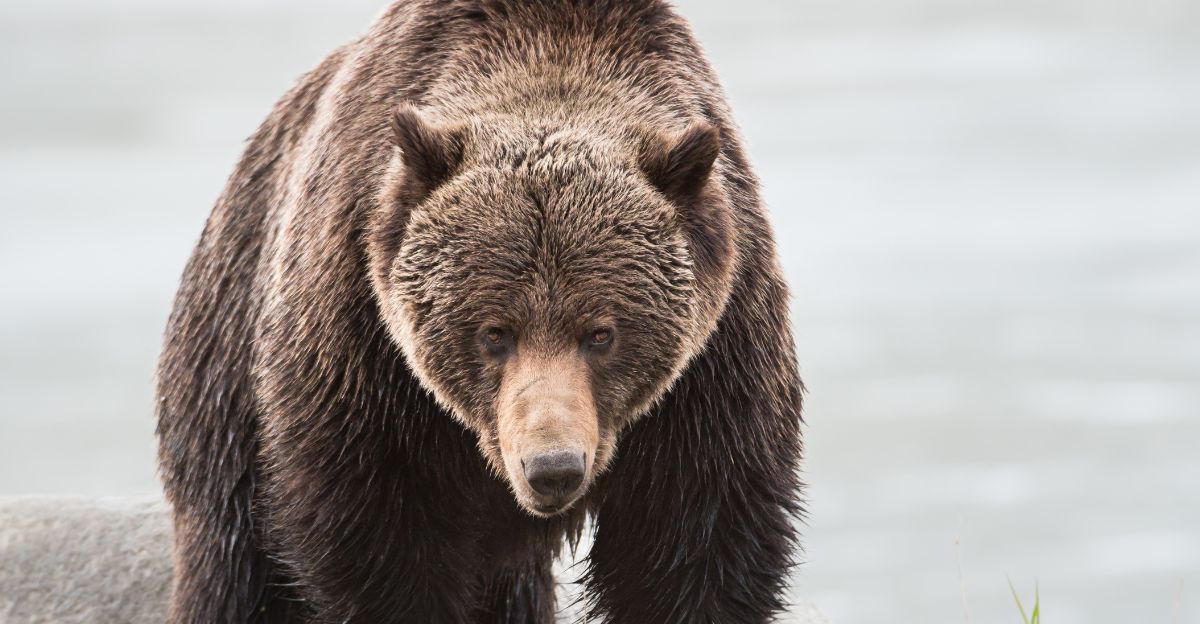
Grizzly reintroduction is now an election issue, with candidates and legislators debating property rights, environmental priorities, and rural interests.
State commemorations add symbolic pressure. “This isn’t just science, it’s politics,” remarks policy analyst Tara Roth. Lawmakers continue to shape wildlife policy actively.
Worldwide Interest
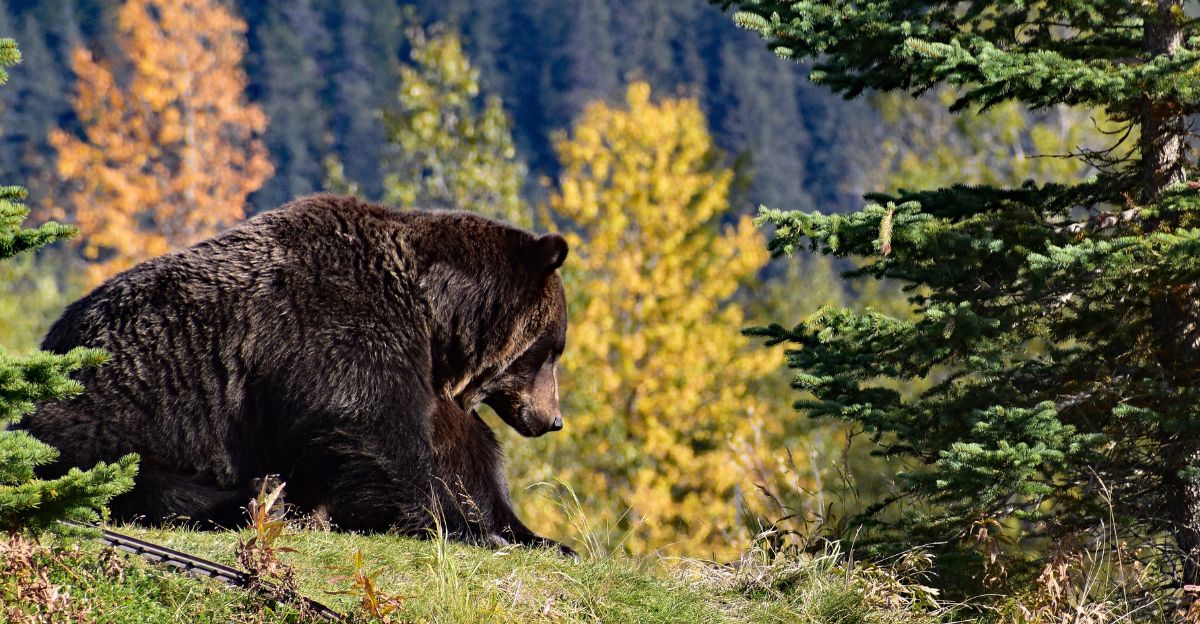
California’s approach could influence wildlife policy abroad, where countries like Spain and Slovenia have tried carnivore restoration.
International agencies track California’s process for lessons. “There’s worldwide interest,” states ecology professor Peter Alagona. Knowledge sharing will boost future efforts.
Legal and Environmental Forces
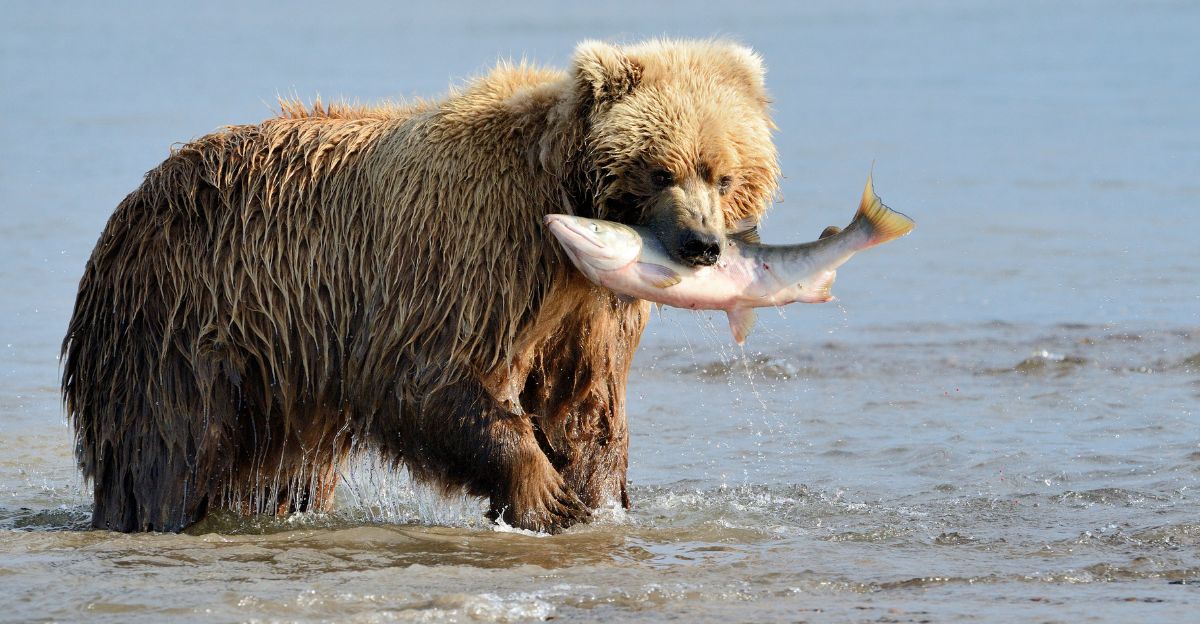
Proposed reintroduction faces legal scrutiny, especially regarding species protection laws, land use, and impact assessments.
Environmentalists cite effects on salmon populations and water management as potential issues. “Complexity is the norm, not the exception,” notes fishery scientist Erin Black.
Generational Support
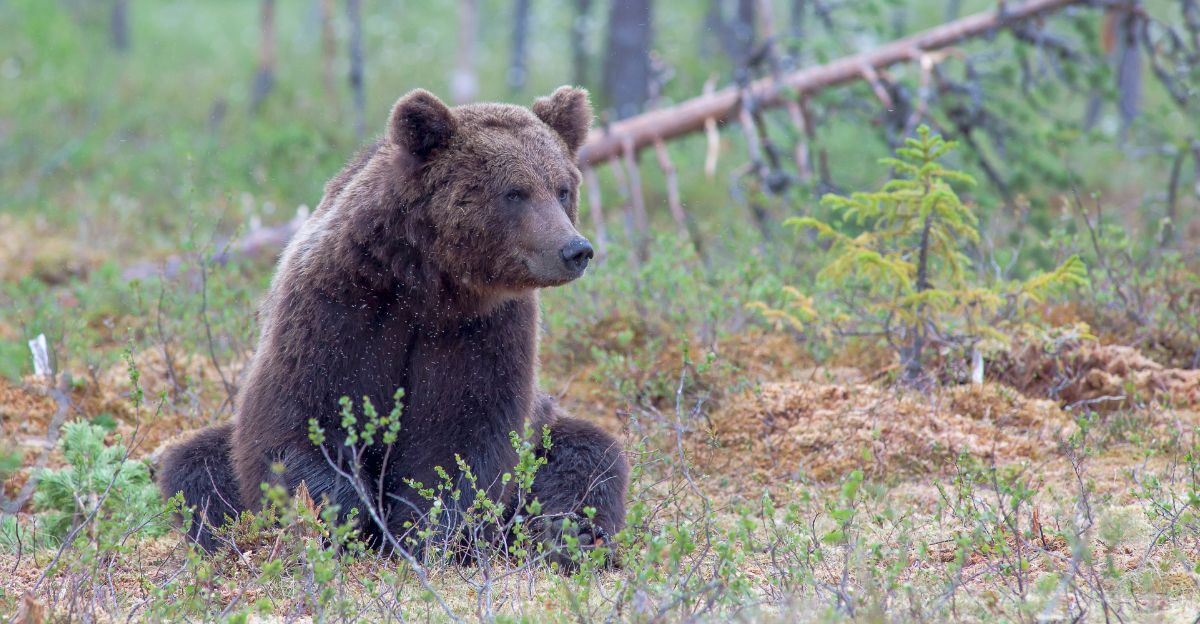
The grizzly’s legacy persists in California’s flag and education. Surveys show generational support for ecological restoration.
“Young people want a future with biodiversity,” says teacher Maria Hennessy. Schools now teach the grizzly debate, reflecting shifting norms and renewing pride in natural heritage.
Big Picture Reflection
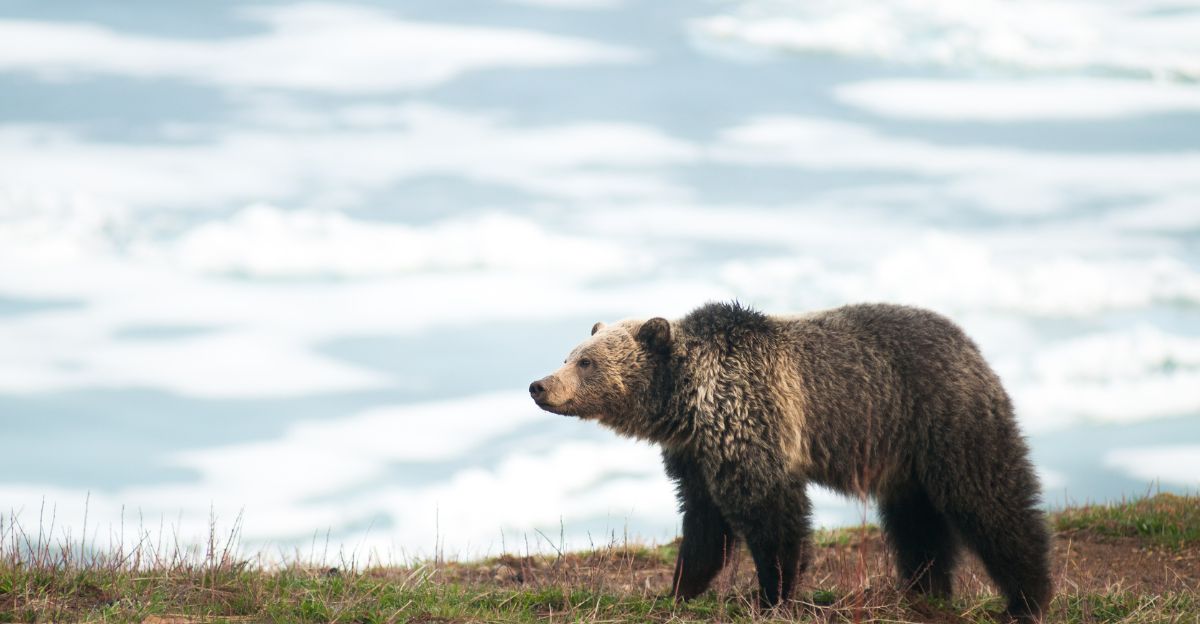
California’s grizzly debate speaks to broader questions of environmental repair, coexistence, and collective identity. “Restoration here could set models worldwide,” observes Dr. Alagona.
Whether grizzlies return or not, the process highlights evolving values and the challenge of balancing human interests with ecosystem health.