
The Federal Animal Research Accountability Act of 2025 (H.R.3295), a recent federal bill, requires tax-funded animal research labs to be completely transparent. This includes releasing comprehensive data every year on the number, species, and degree of pain and distress experienced by the animals used.
At the moment, the National Institutes of Health (NIH), which spends about $20 billion a year on animal research at more than 800 facilities, only gathers imprecise estimates every few years that are not available to the public. The purpose of the bill is to bring U.S. practices into line with those of nations that already require comprehensive disclosures, such as the UK, EU, and Canada. In addition to being essential for ethical accountability, transparency also fosters public trust, permits scientific scrutiny, and advances efforts to lessen the use of animals and their suffering in research.
History of Animal Research Transparency Laws

The Animal Welfare Act (AWA) of 1966, which focuses on humane treatment but only covers roughly 5% of animals used in research, has been the primary piece of U.S. legislation governing the conditions of animal research. The majority of lab animals, such as fish, birds, mice, and rats, are not protected.
There have historically been few reporting requirements, institutional animal care and use committees (IACUCs) have closed their meetings to the public, and data disclosure has frequently been inconsistent or lacking. Legal and cultural opposition to transparency initiatives has limited ethical accountability and public oversight. By addressing long-standing legislative gaps and requiring transparent, yearly reporting, public accessibility, and federal oversight, the new bill marks a historic shift.
Developments in Public Criticism and Animal Research

Evidence of cruel treatment, faulty or dishonest research, and the availability of substitute models have all contributed to the public’s growing concern about animal testing. Due to inadequate data tracking, estimates of the number of animals used annually range considerably, from 10 million to 110 million.
Meanwhile, the research community’s credibility has been damaged by scandals involving fabricated data in federally funded studies, including prominent instances of researchers fabricating experiments involving piglets’ brain injuries. Greater public access to information regarding animal use can spur moral changes, curtail inefficient or cruel practices, and reorient research priorities in favor of more creative and compassionate approaches.
Animal Welfare and Ethical Difficulties

Sensient beings are subjected to pain, suffering, and deprivation during animal experiments; many of these experiments involve extreme suffering. Most commonly used laboratory animals are not protected under the AWA. Reports reveal severe mistreatment, such as dangerous behaviors and psychological damage that causes primates to self-mutilate.
Because of the opacity surrounding these conditions, unethical treatment has continued unchallenged. In order to uncover systemic abuse, strengthen advocacy, and guarantee that animal welfare standards are not just promoted but also upheld through accountability, the new bill’s transparency requirement is essential.
Research Quality and Scientific Integrity

Methodological flaws like poor study design, insufficient controls, and selective data reporting have often been present in animal-based research, producing unreliable results and wasting resources. Data concealment exacerbates these issues by impeding independent examination and verification.
The necessity of open data systems to prevent fraud is demonstrated by well-known instances of scientific misconduct, such as the falsification of data in animal studies. By permitting replication efforts, methodological advancements, and ethical supervision, transparency encourages sound scientific practices and produces more reliable and significant results.
New Developments and Substitutes for Animal Testing

New technologies that have the potential to replace or lessen the use of animals include in vitro organoids, computer modeling, and sophisticated imaging. The transition to non-animal techniques depends on strict transparency of current animal use to determine priority areas for intervention, even though total elimination is still a goal for the future.
The bill can hasten the ethical shift by requiring precise tracking and open reporting, highlighting adequate substitutes, and identifying obsolete or needless animal experiments that should be stopped.
International Standards and Comparisons

Data on animal use in federally funded research is reported annually by transparent, centralized databases established by the European Union, the United Kingdom, and Canada.
By making it possible for all stakeholders to examine and interact with the data, this transparency promotes stronger oversight, more moral governance, and greater public trust. These countries show how mandatory disclosures can encourage the adoption of alternatives and improve welfare outcomes and scientific standards. The bill brings domestic laws into line with global best practices by requiring similar transparency in federally funded labs in the United States. Thus, the United States can strengthen its position as a worldwide leader in research by fostering cross-border scientific collaboration and ethical legitimacy.
Public Opinions and Support

Increased transparency among research institutions has been shown to enhance public opinions of researchers and increase support for studies that use animals when deemed necessary, according to studies. The stigma associated with animal use is reduced when organizations freely exchange information about research objectives, findings, and animal welfare protocols. This promotes educated discussion rather than divisive debate. By building a relational bridge, transparency enables communities to discern between needless or exploitative practices and rigorous, ethically guided research.
In this regard, the bill’s mandate for easily searchable databases of information on animal use fosters accountability and understanding between parties. Increased political support, funding, and public involvement in scientific initiatives can all result from this increased public trust.
Possible Obstacles and Rebuttals

Opponents warn that more stringent reporting requirements will burden labs with paperwork and possibly take funds away from research. Others contend that greater transparency could jeopardize competitiveness by disclosing sensitive or proprietary information. There are concerns that activists might use data as a weapon to thwart necessary research. The bill, however, addresses these by creating reporting instruments that strike a balance between comprehensive disclosure and confidentiality safeguards.
Furthermore, strong accountability and transparent reporting promote ethical compliance and trust, which are more important than discrete issues. The goal of ongoing discussions with researchers is to improve reporting procedures. Transparency is ultimately necessary to promote ethical science, preserve public trust in federally funded biomedical research, and transform perceived risks into positive advancements. A cultural change toward more conscientious stewardship of scientific knowledge and animal welfare is also sparked by transparency.
Case Study: Fraud and Insufficient Transparency
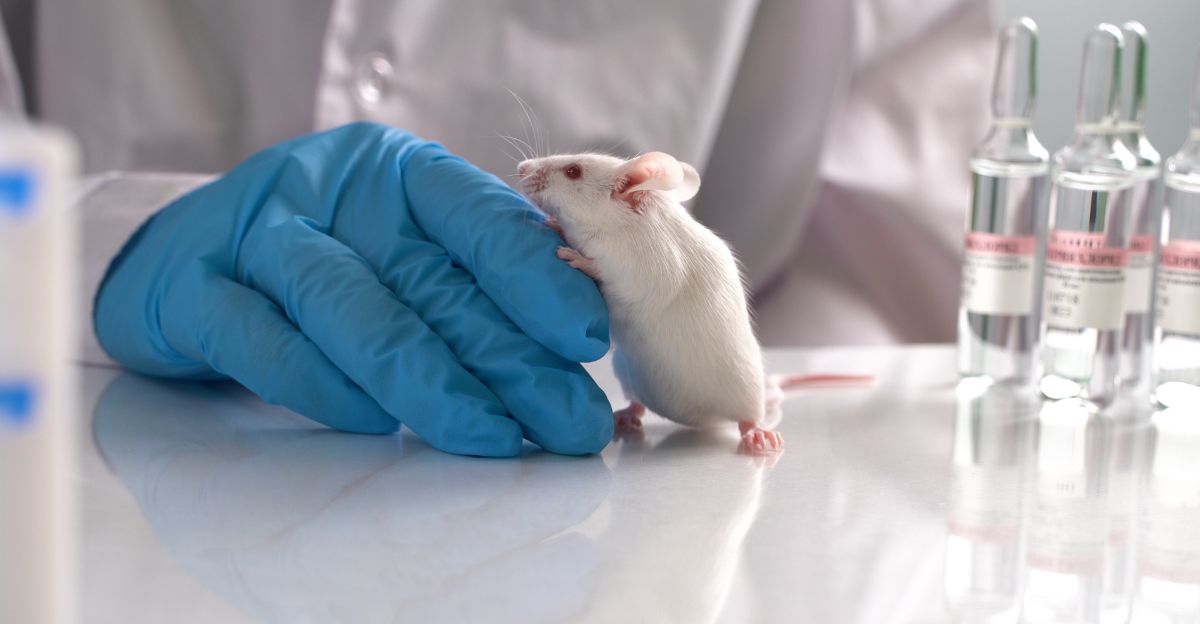
The perils of unreliable animal research are best illustrated by the controversy surrounding piglet brain injury studies conducted at a federally funded laboratory. Investigations revealed widespread data fabrication that caused unnecessary animal suffering, misallocated funds, and invalidated years of work. These abuses went undetected because timely, thorough reporting of animal use was lacking.
Because real-time oversight and public scrutiny serve as deterrents to unethical and fraudulent behavior, the Federal Animal Research Accountability Act’s mandated transparency could stop such misconduct. These cases highlight the urgency of the bill and demonstrate that transparency is a fundamental safeguard that protects taxpayers, animals, and scientific integrity.
Implications for the Economy and Policy

Reporting federally funded animal research accurately and thoroughly will improve resource allocation and policymaking. By knowing current baselines, policymakers can prioritize funding for projects that advance alternatives or lessen animal suffering. Transparency reduces taxpayer waste by exposing inefficiencies and discouraging pointless or redundant experiments. Additionally, knowing that their actions are being scrutinized by the public encourages organizations to raise welfare standards. This bill sends a message to funding agencies that moral responsibility is a competitive advantage that cannot be compromised.
The public’s confidence in government research expenditures may eventually be strengthened as a result of this financial incentive’s potential to spur innovation in compassionate approaches and guarantee that scientific advancements are consistent with societal values. Additionally, transparent cost-benefit analyses could surface, enhancing public policy frameworks and funding choices.
The Part Advocacy and Stakeholders Play

The public will gain insight into taxpayer-funded research, scientists will receive more straightforward guidelines and institutional support for ethical method transitions, legislators will receive evidence-based information to craft responsible regulations, and animal welfare advocates will receive vital data to target reform efforts. There is widespread agreement on the significance of accountability, as evidenced by the support of well-known groups like the Johns Hopkins Toxicology Policy Program and the Physicians Committee for Responsible Medicine.
By promoting transparency as a unifying principle that encourages compassionate innovation, scientific integrity, and democratic participation in decision-making, this coalition cultivates a progressive dialogue among disparate interests. Thus, the bill is an uncommon example of governance, science, and ethics coming together.
Effects on Scientific Culture Over Time

By making transparency a fundamental tenet, this bill has the potential to ignite a significant cultural shift in biomedical research. Normalized disclosures about animal use would dismantle complacency regarding animal suffering and institutionalize ethical mindfulness. While moving scientific priorities toward responsible stewardship, open data encourages cooperative improvements in welfare practices and alternative testing techniques.
A culture where research thrives on merit, reproducibility, and compassion is fostered by longitudinal transparency, which also provides social and professional incentives against unethical shortcuts. The law may reinterpret success criteria to emphasize holistic research integrity rather than publishable outcomes, encouraging innovation in line with changing social norms. International norms and funding practices may be impacted by such cultural shifts.
Extensions that are Theoretical and Hypothetical

In the future, the bill establishes the foundation for cutting-edge transparency innovations such as real-time digital reporting platforms that incorporate predictive analytics to proactively identify research ethics issues and artificial intelligence to automatically monitor animal welfare metrics. Future revisions could expand the framework to address more general research integrity concerns outside of animal subjects or create public citizen oversight committees, which directly involve communities in ethical governance.
These progressive models, which prioritize accountability, public participation, and humane principles in all fields of research, have the potential to position the United States as a global leader in ethical scientific inquiry. By utilizing technology and democratized governance to safeguard vulnerable beings and enhance scientific credibility, such innovations would represent a revolutionary evolution in research oversight.
In Conclusion

With its promise of moral, open, and scientifically sound animal research governance in the United States, the Federal Animal Research Accountability Act of 2025 represents a revolutionary turning point. It closes long-standing legislative gaps, harmonizes national and international standards, builds public confidence, and spurs scientific advancement toward more compassionate solutions. Redefining the social contract between science and society goes far beyond a simple administrative update and insists that integrity, accountability, and compassion are the fundamental tenets of contemporary research.
This bill represents a shared commitment to developing biomedical science responsibly in the twenty-first century, guaranteeing that rigorous oversight and ethical transparency benefit researchers, taxpayers, and animals alike. Its passage would portend a time when humane values and scientific advancement coexist.