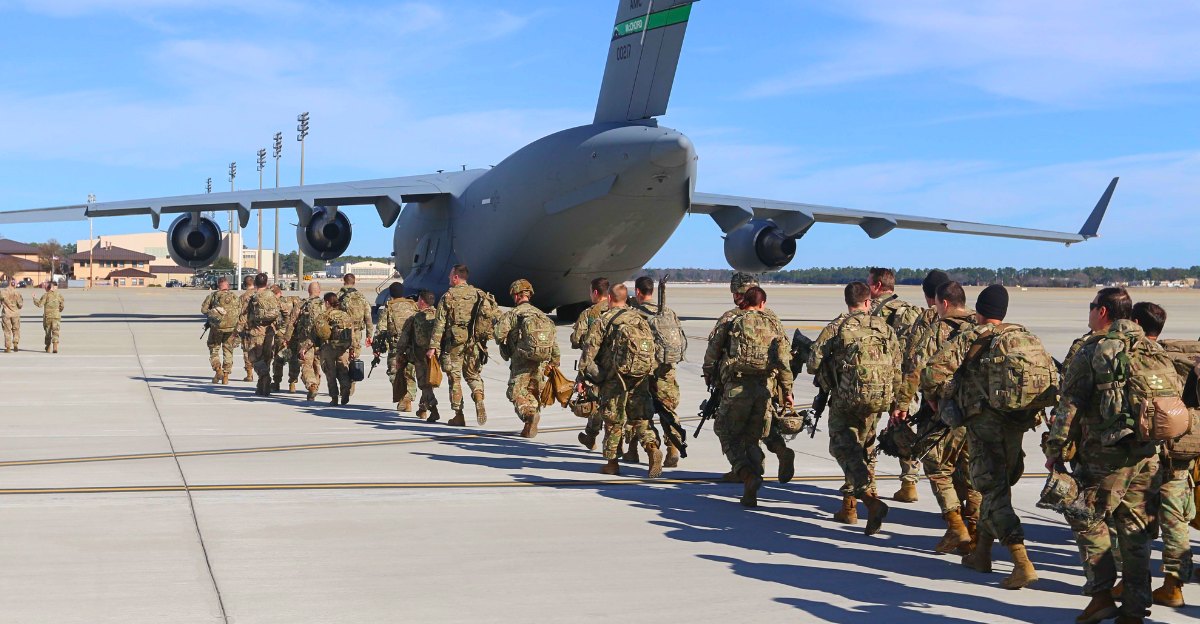
Tensions have mounted at the US-Mexico border as President Trump authorized the Pentagon to prepare military options against Mexican drug cartels, according to The New York Times.
However, Mexican President Claudia Sheinbaum instantly rejected any prospect of foreign troops on Mexican soil. “There will be no invasion. We cooperate, but there will be no US troops in Mexico,” Sheinbaum stated.
Escalating Stakes
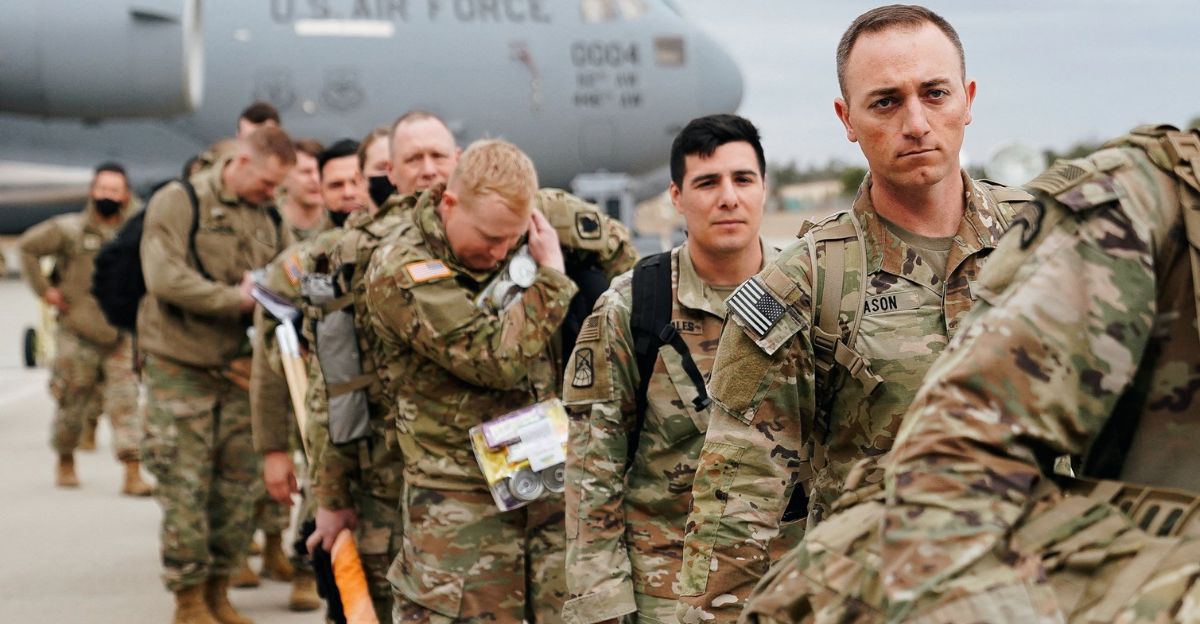
Cartel violence and the flow of fentanyl have prompted both nations to escalate border security, with over 7,600 US troops stationed along the frontier supporting civilian agencies.
Experts warn that increased military presence could spur diplomatic challenges and regional unease. “Law enforcement cooperation is key, but military action risks destabilizing relations,” says Arturo Rocha, former Mexican foreign ministry official.
Historical Context
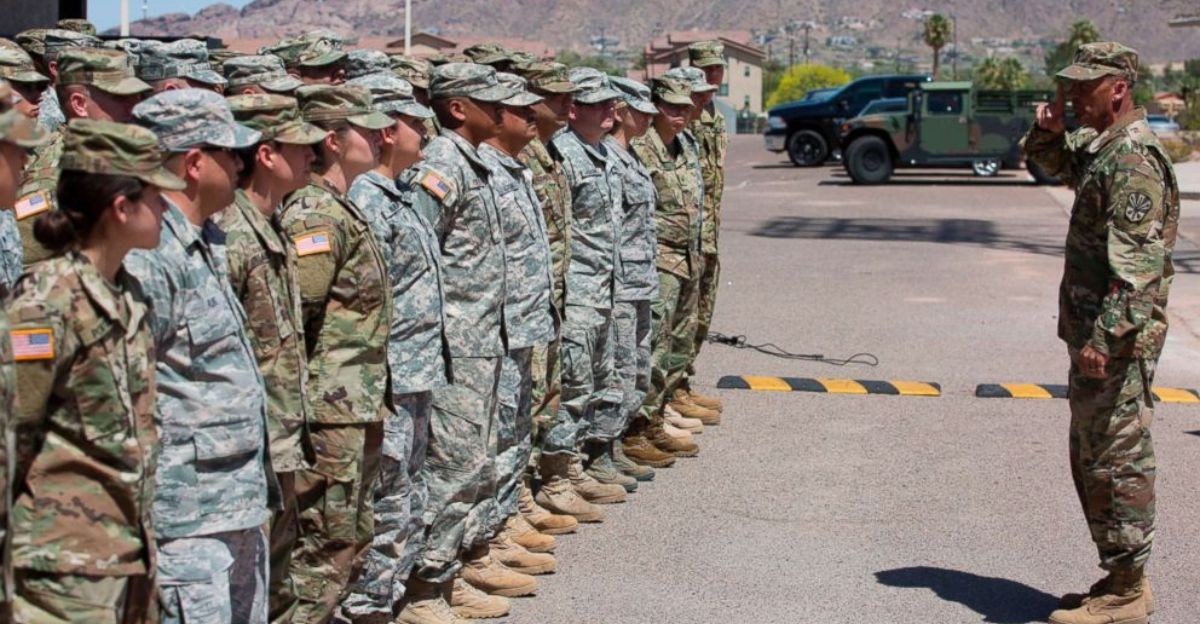
Historically, US military involvement at the border was sporadic and mainly for support, not direct combat.
The Posse Comitatus Act restricts US troops in law enforcement, keeping most soldiers on US soil. “Military oversight remains a gray area, but it’s not the norm,” says Prof. Hal Kempfer, a national security analyst.
Mounting Pressures
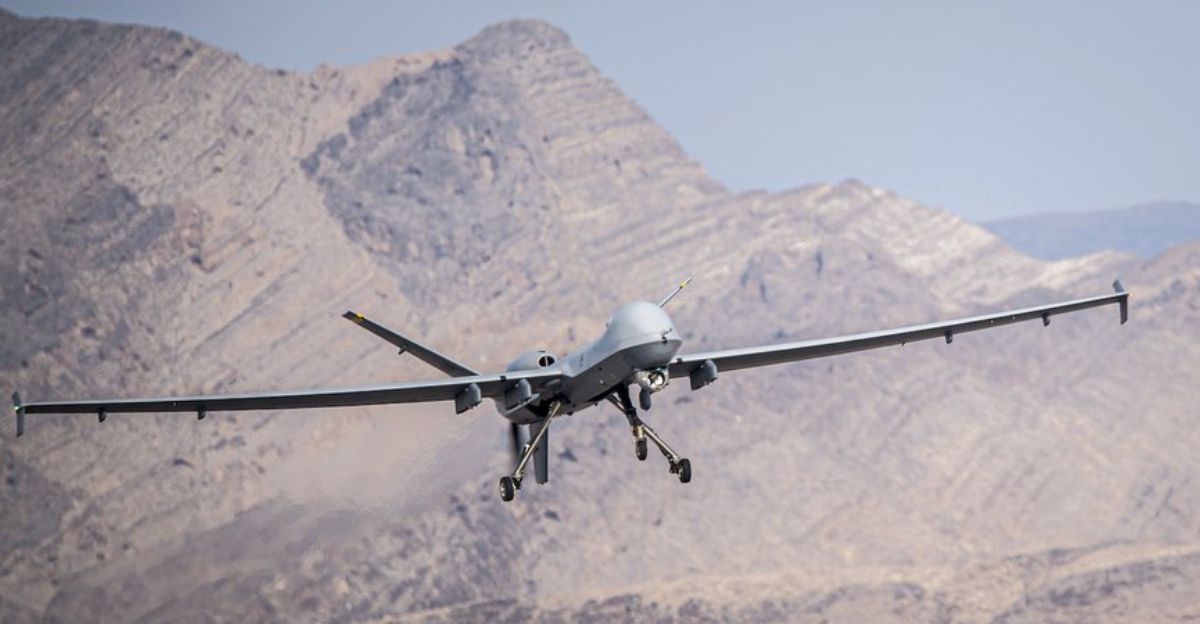
Increasing cartel fragmentation and record homicide rates push US policymakers toward bold options. Intelligence sharing and military surveillance—such as drones and naval patrols—are new staples of border operations. President Trump’s emergency declaration signaled a policy shift.
Trump’s Directive
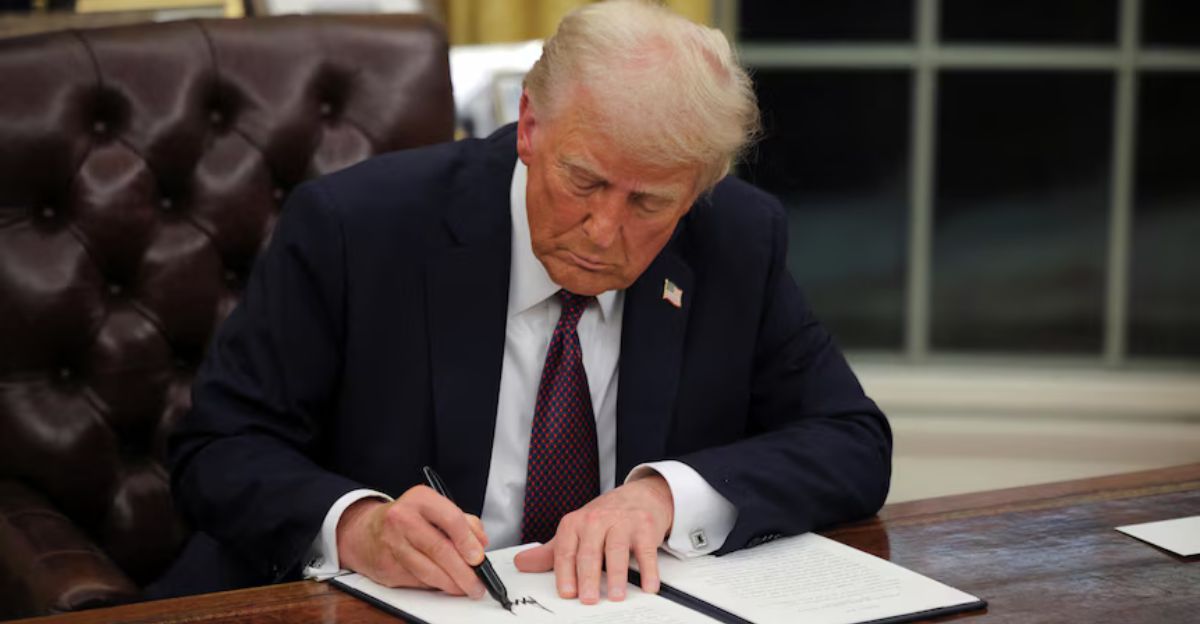
On August 8, 2025, Trump covertly signed an order authorizing the Pentagon to prepare for actions against Latin American drug cartels classified as terrorist entities, The New York Times reports. Mexican officials were notified but say troop deployment is “absolutely off the table”.
Intensifying Cartel Wars
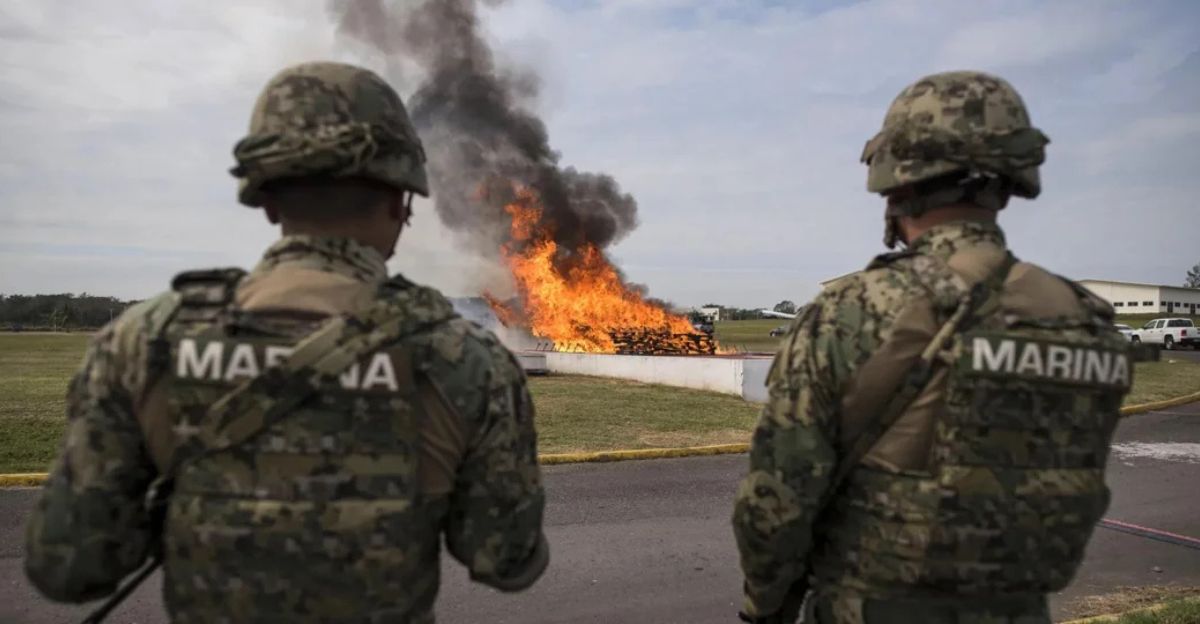
Sinaloa and rival cartels battle openly in northern Mexico, jeopardizing civilians and tourists. Over 8,000 US troops operate near the border, but none have entered Mexico, officials confirm. “Cartel violence is at critical levels,” says Gen. Scott Naumann, US Border Command.
Human Lens: Vigilante Risks
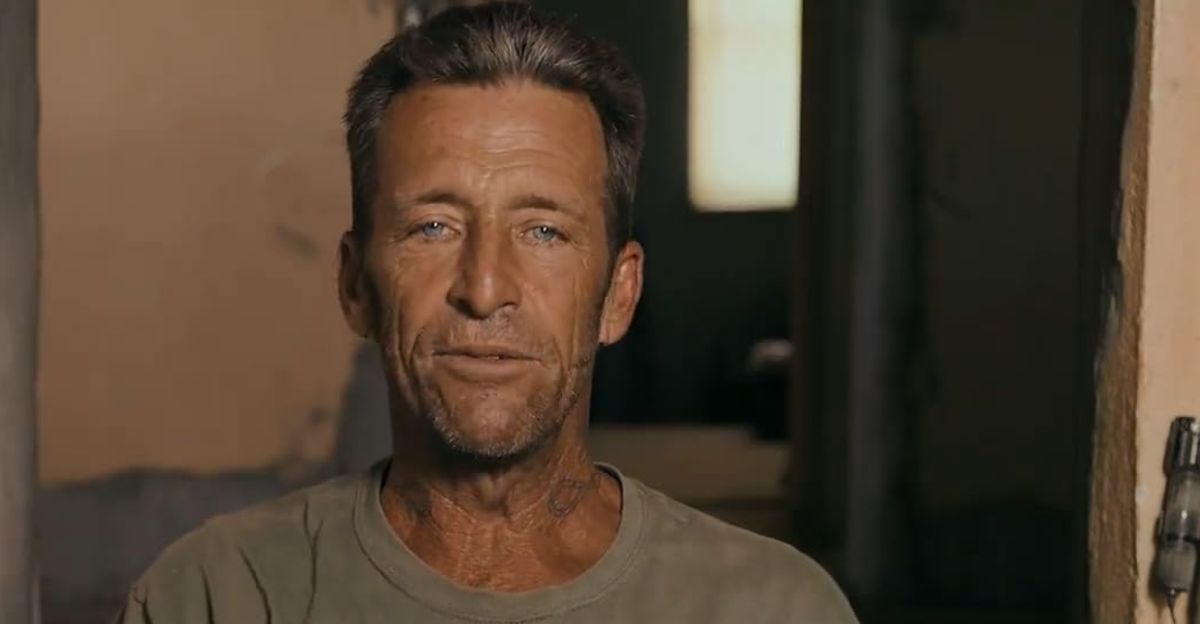
Anti-cartel activists like Tim Foley face direct cartel threats; a $100,000 bounty was placed on his head, highlighting dangers for Americans near the border. “I’ve had to change my entire lifestyle,” Foley told Soldier of Fortune.
Labeling Cartels Terrorists
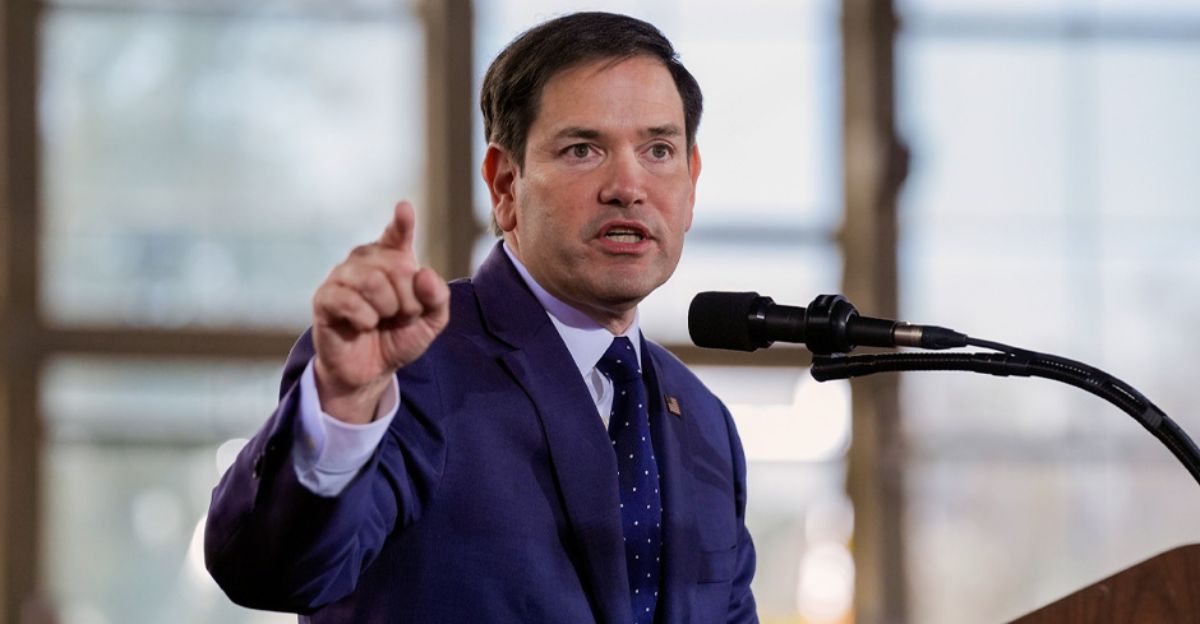
In February, eight drug cartels were designated as foreign terrorist organizations by the Trump administration, broadening legal options for action. “This shifts the paradigm—cartels are not just criminals, but terrorist threats,” Secretary of State Marco Rubio said.
Troop Surge at Border
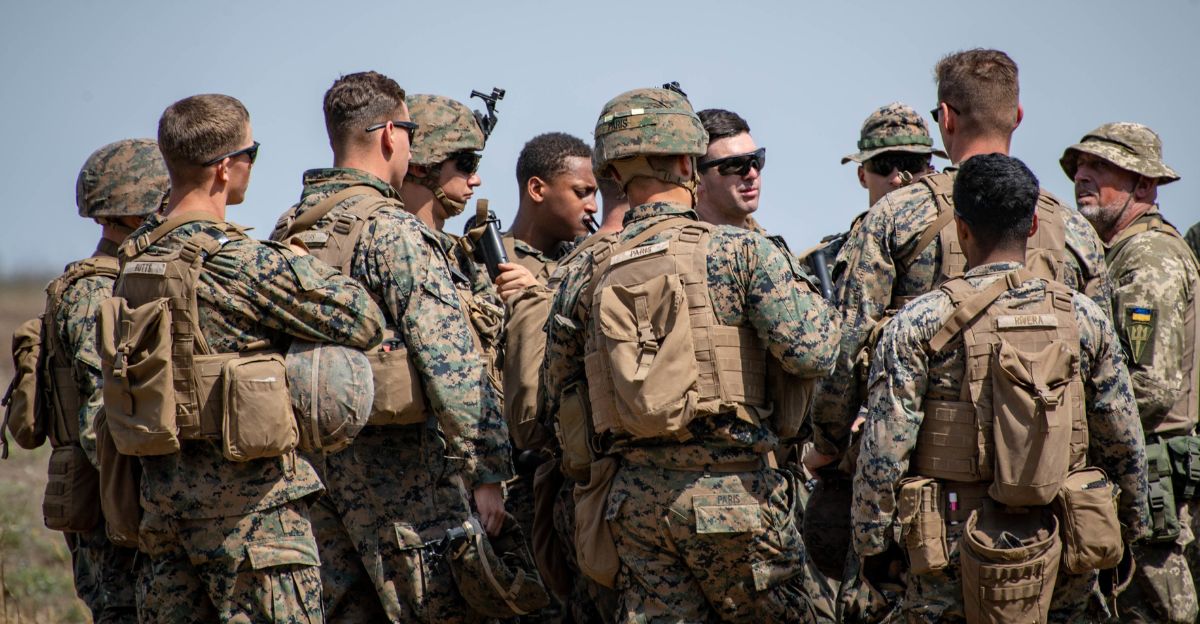
US troop numbers along the border have risen to about 9,000, reflecting concerns about illegal crossings and cartel activity.
NORTHCOM and Army units work with Border Patrol, but no authority for cross-border military missions has been granted.
Bounties
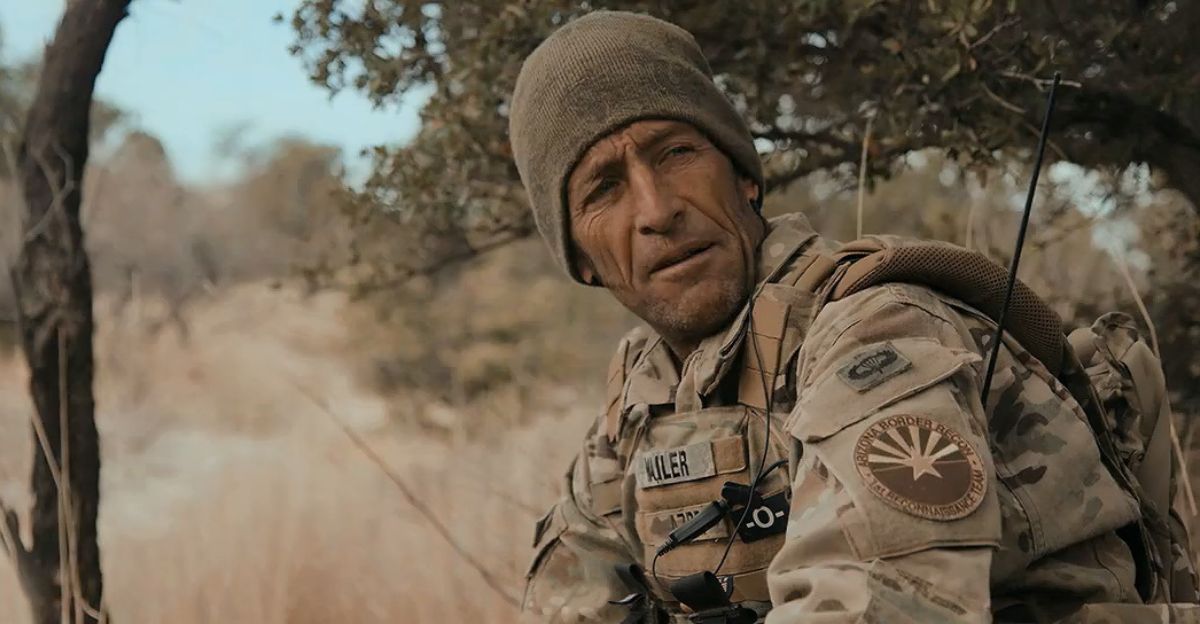
No evidence supports widespread $100K cartel bounties on ordinary Americans. However, a Sinaloa Cartel bounty targeted activist Tim Foley, raising security alarms. “Threats are real for citizens on the front lines,” says Prof. Hal Kempfer.
Diplomatic Rejection
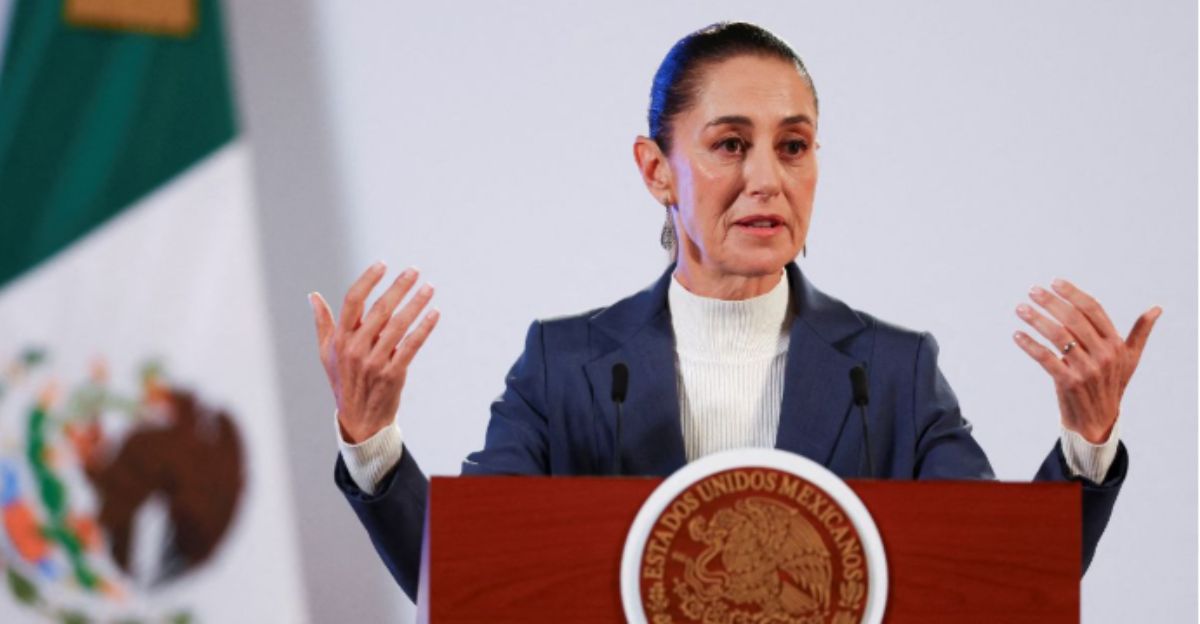
Sheinbaum’s government publicly opposes any US military operations in Mexico, declaring, “Our sovereignty is non-negotiable.” Analysts believe refusal is consistent with long-standing bilateral precedent.
Shifting Leadership
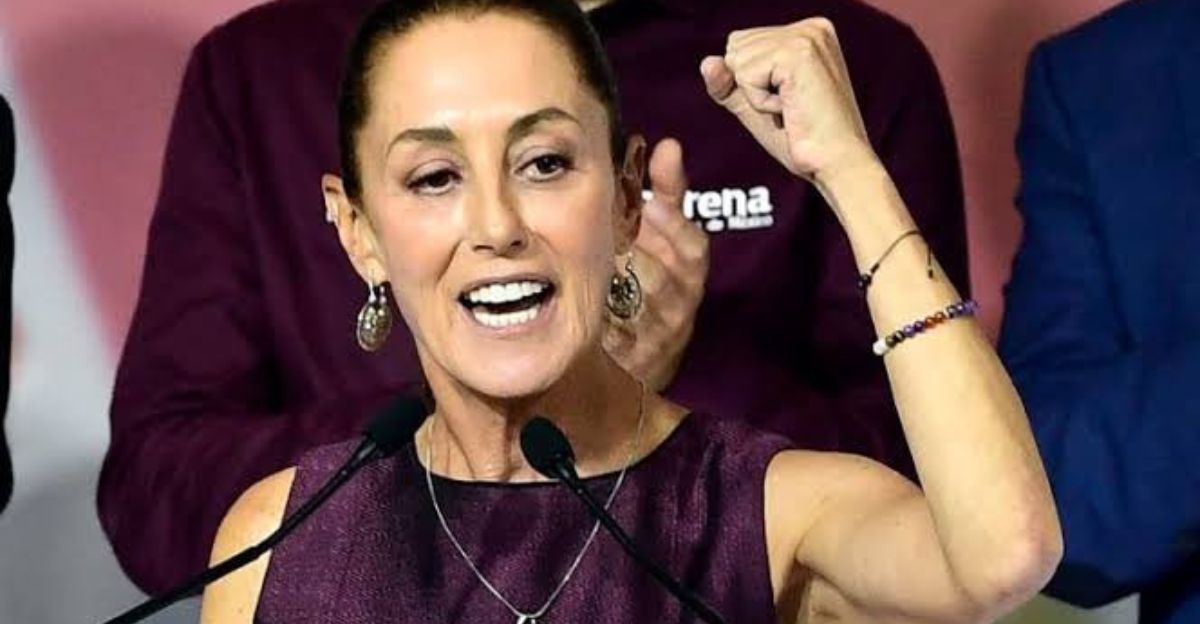
Sheinbaum’s election brought a firmer stance against US military intrusion, while Trump’s second term prioritizes aggressive border enforcement. Political analysts note this change fuels bilateral tensions.
Border Communities Respond
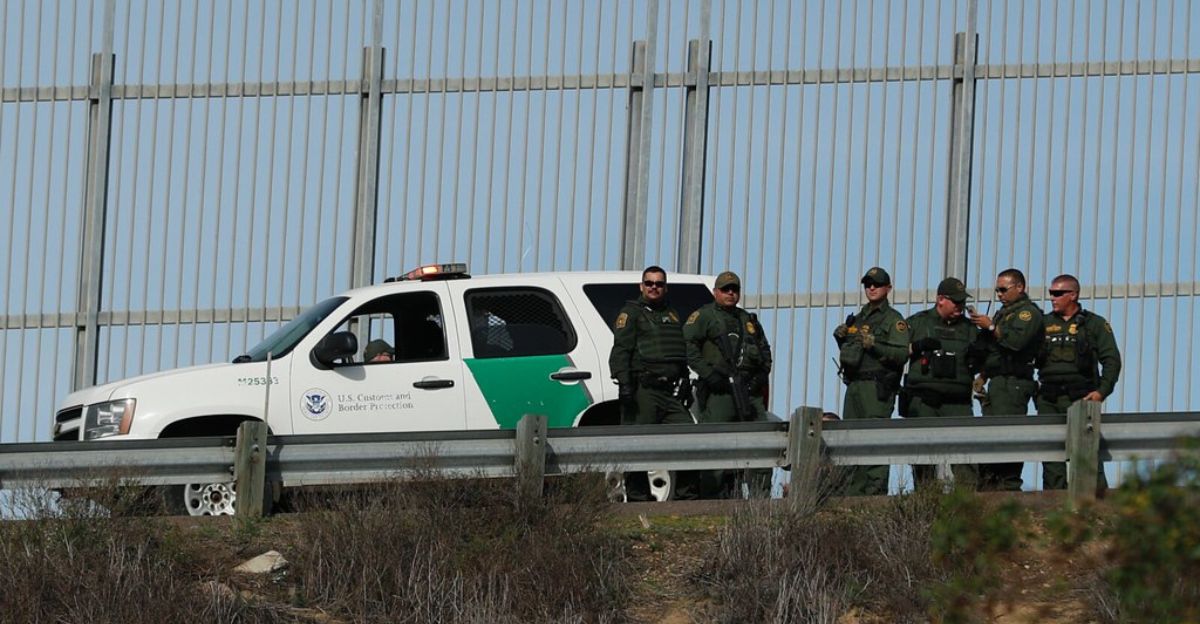
US border towns report increased troop presence—helicopters, drones, and patrols—but residents say crossings and local life continue with caution. “Visibility is up, but we feel safe,” says Sgt. Ana Harker, US Army.
Expert Skepticism
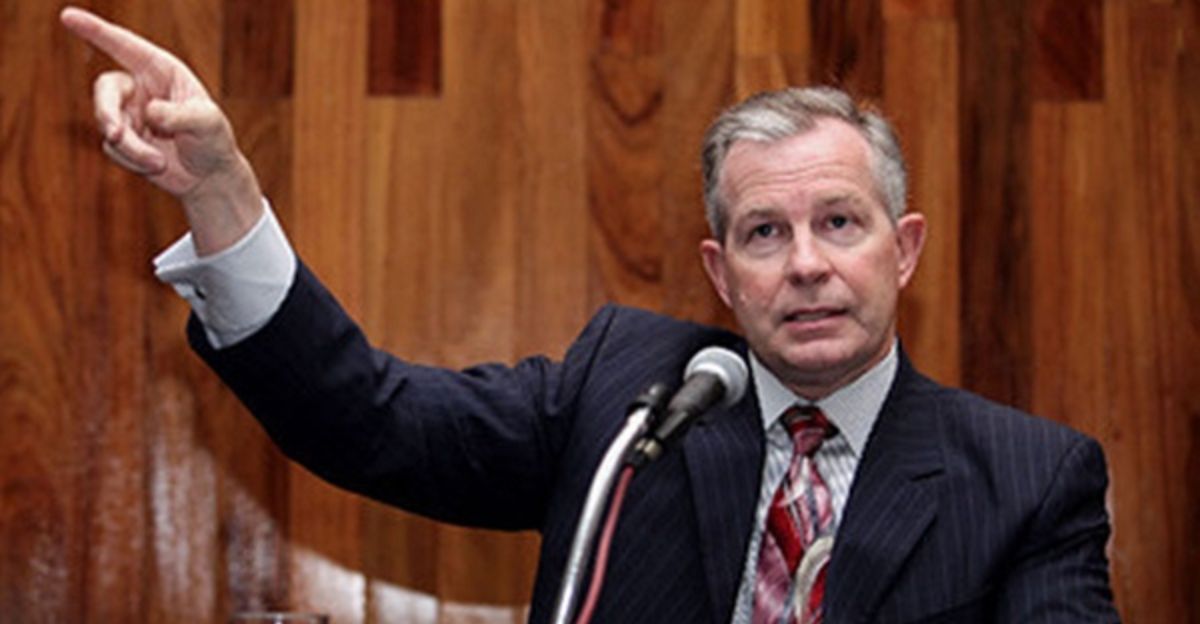
Many security experts caution that planning action does not equal deployment. “Operational orders don’t mean boots on the ground—they’re contingency steps,” asserts Craig Deare, ex-military attaché.
Looking Ahead
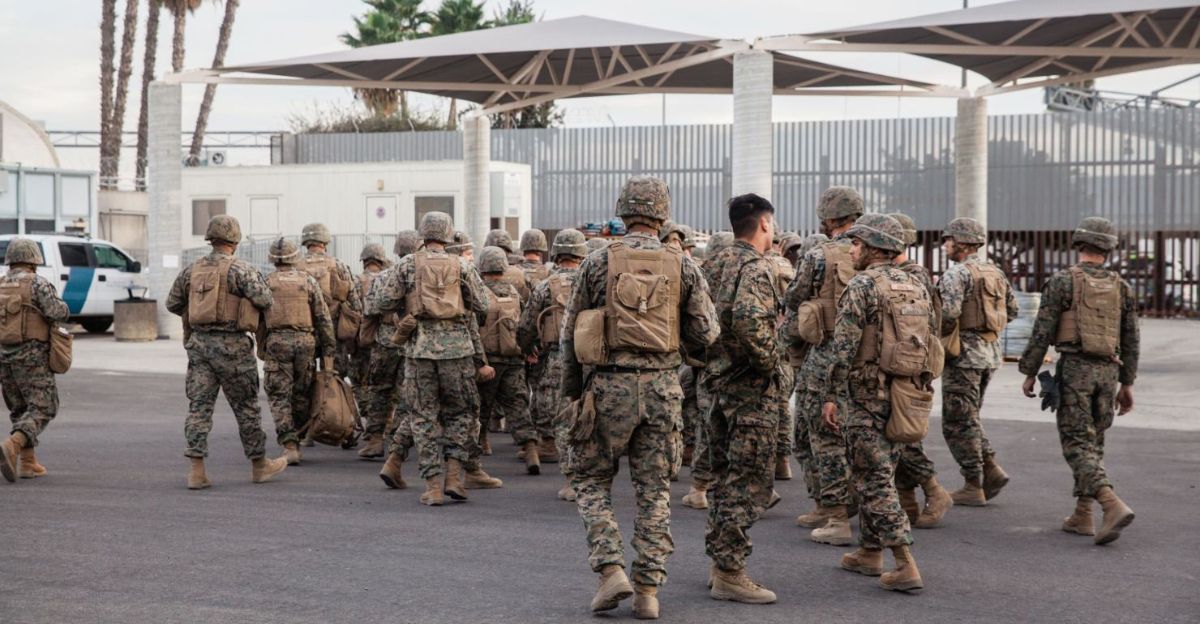
While troop buildup and aggressive rhetoric continue, most officials downplay imminent cross-border actions. Instead, expanded intelligence and surveillance mark the “new normal.”
Political Fault Lines
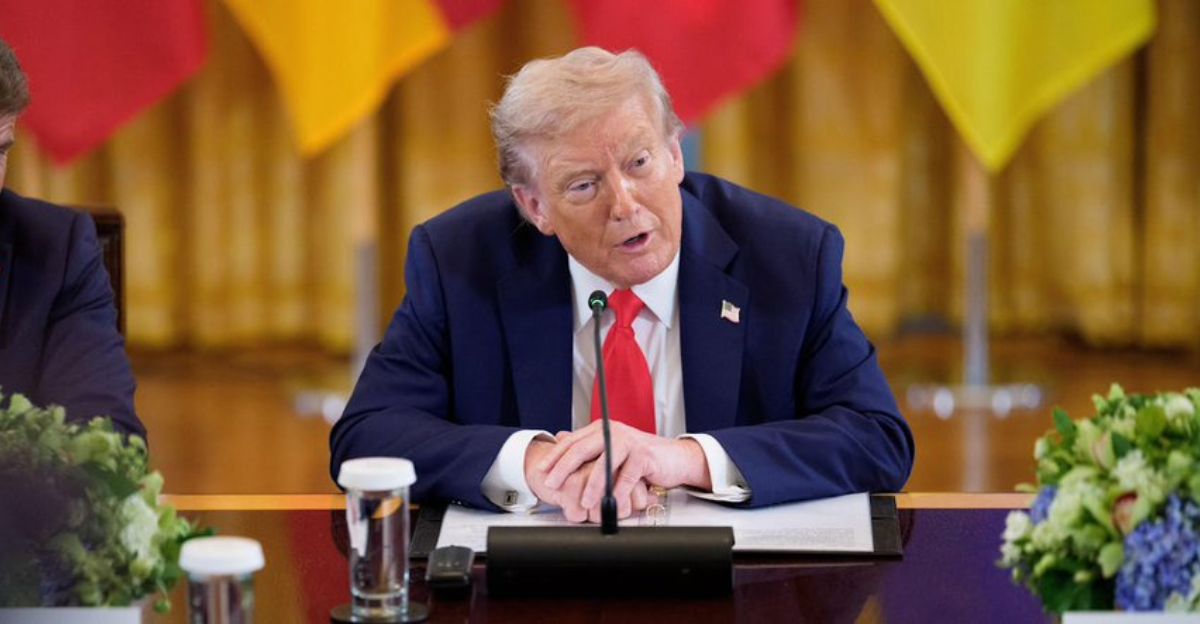
Trump’s move is seen by critics as a diplomatic gamble risking long-term US-Mexico cooperation. “Mistrust could resurface quickly,” warns Craig Deare. Some Mexican lawmakers openly protest US plans.
International Fallout
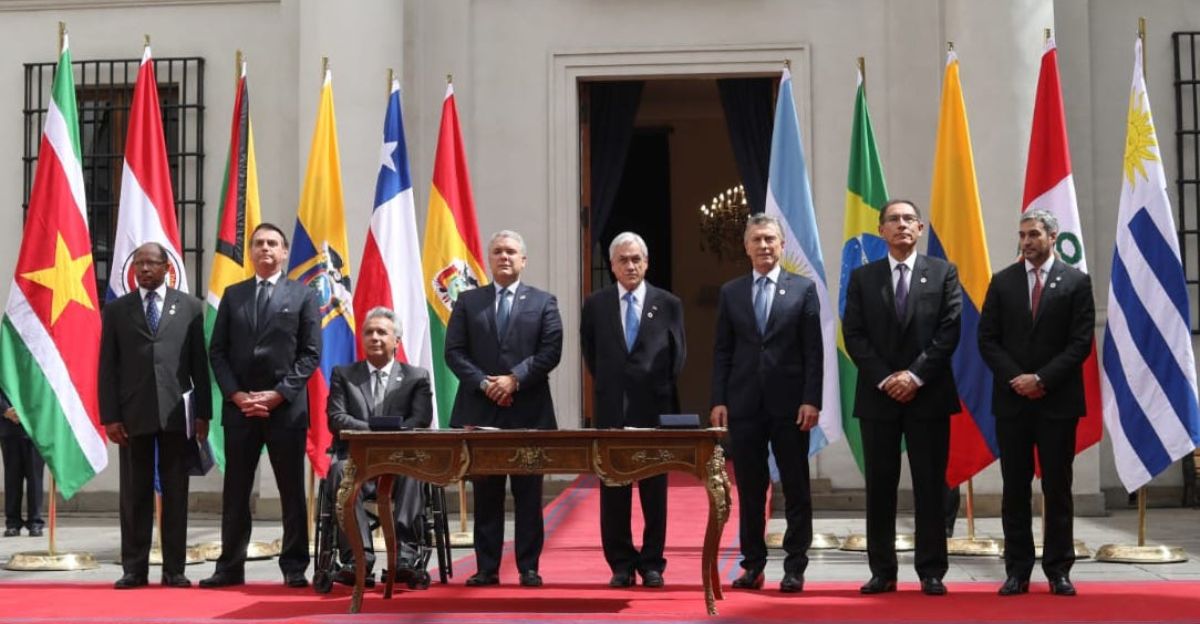
Other Latin American governments watch closely, uneasy about precedent and regional stability. US allies urge restraint, fearing ripple effects on migration and drug enforcement partnerships.
Legal and Strategic Boundaries

Legal experts note any unauthorized US action inside Mexico could breach international law. Collateral risks include diplomatic rifts and constrained future negotiations.
Narrative Shift

Public fear and social media speculation have blurred facts about troop deployment and cartel bounties. “Rumor spreads faster than reality, complicating honest dialogue,” notes Prof. Hal Kempfer.
Lasting Challenge
Despite headlines and White House statements, no US troops have crossed into Mexico. As policy debates continue, both nations focus on diplomacy and enforcement to confront cartels and secure their borders.