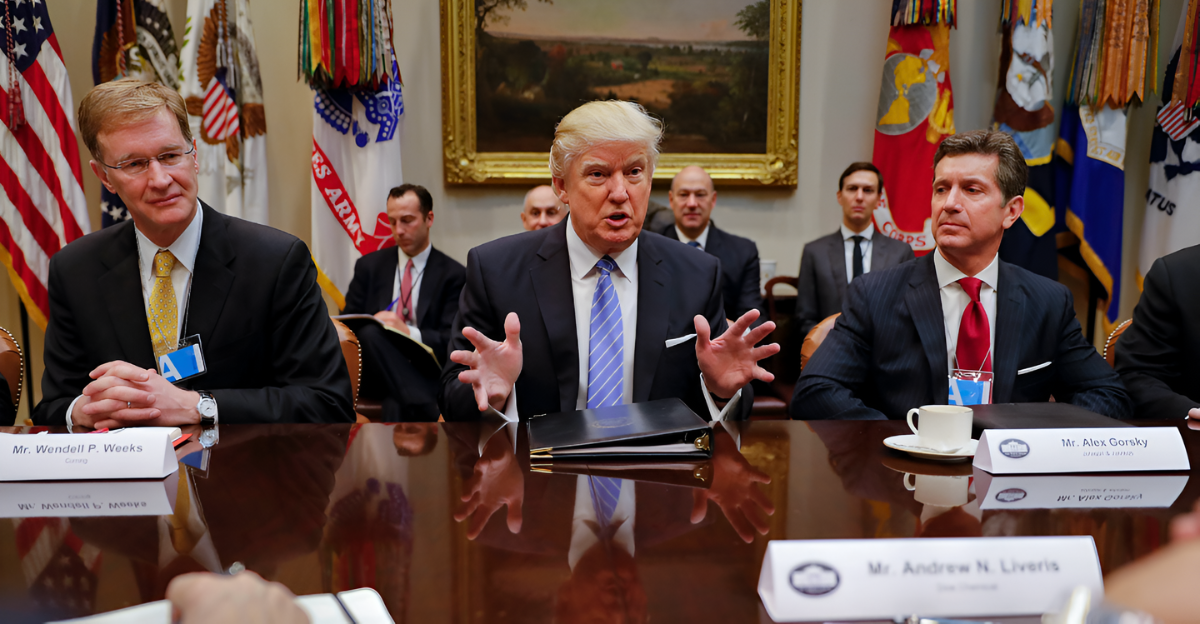
The landscape of American capitalism is shifting rapidly as government intervention reaches levels not seen for decades.
According to the Wall Street Journal, Washington’s expanded control now touches everything from steel to technology. “State capitalism is transforming U.S. industry,” reports WSJ.
Sarah Bauerle Danzman, economics expert at Indiana University, notes: “This is a Republican administration embracing state capitalism in a way we haven’t seen in a long time.”
Power in Play

Federal power now deeply affects corporate deals and market decisions. Since early 2025, several multibillion-dollar mergers have required direct government oversight, especially in strategic sectors.
“The level of U.S. government economic intervention under Trump 2.0 is off the charts,” observes Foreign Policy.
Historical Patterns
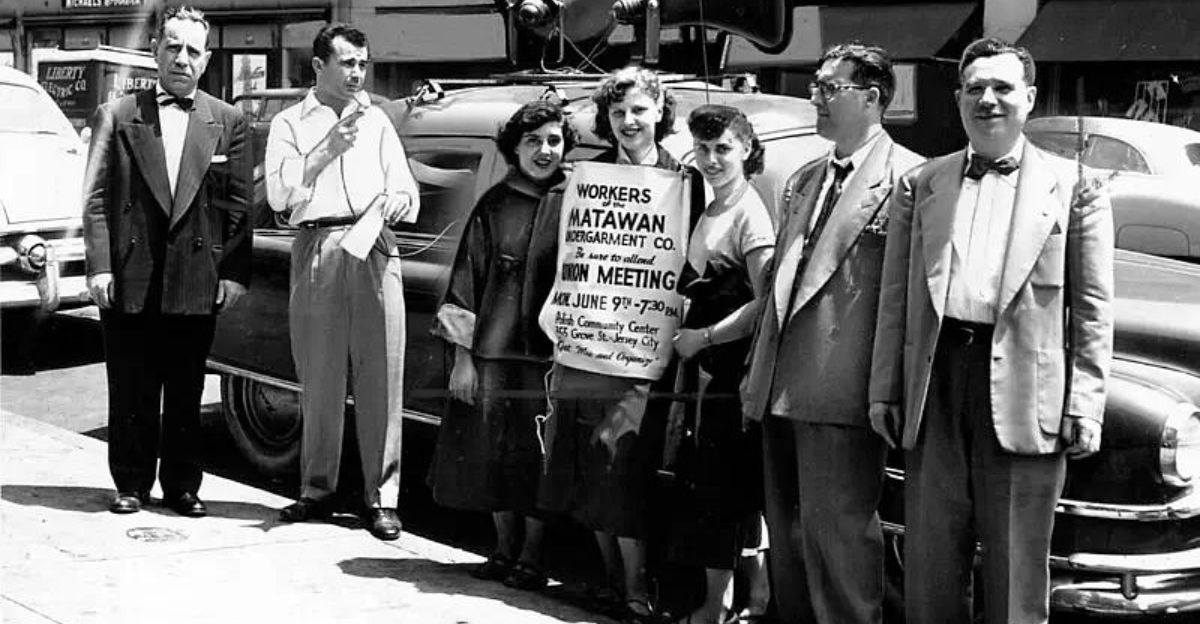
America’s post-war commitment to free-market principles is being redefined. For much of the 20th century, direct government action in business was rare. But supply chain crises and global competition are reviving industrial policies at the federal level.
Mounting Geopolitical Pressure

Tensions with China and Russia, plus pandemic disruptions, have forced U.S. policymakers to prioritize national security in economic planning. The Committee on Foreign Investment processed record cases in 2025, reshaping industry standards.
Steel Takeover
In June 2025, Nippon Steel acquired U.S. Steel under a deal guaranteeing a “golden share” to the U.S. government, granting control over key decisions.
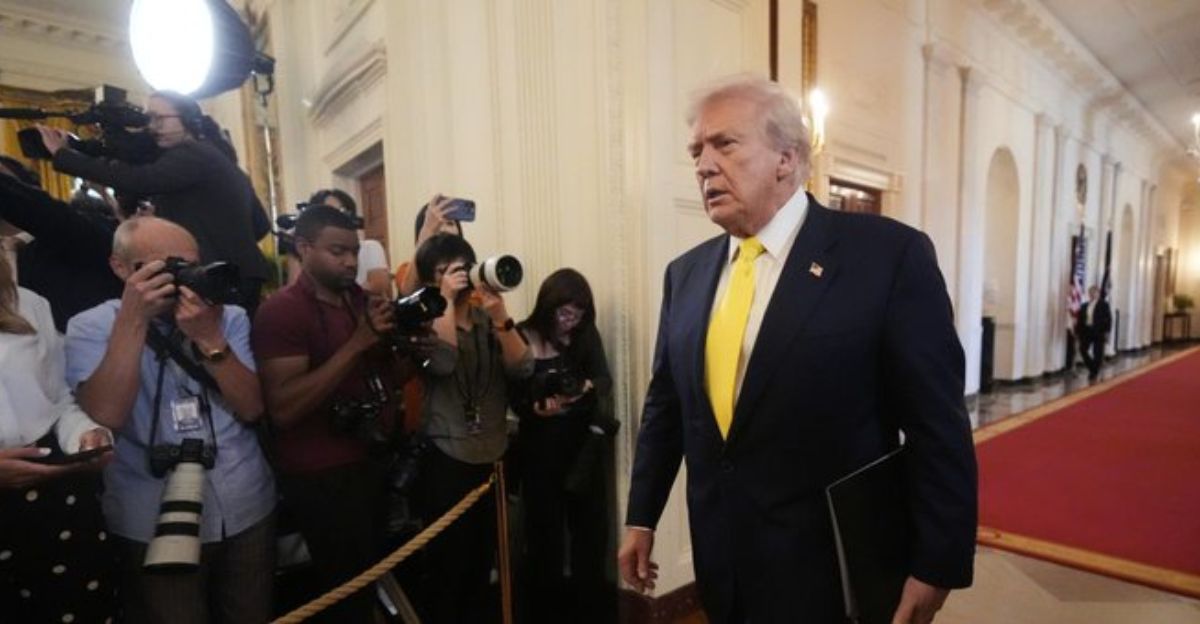
“We have a golden share, which I control,” President Trump said. The move marks a new chapter in government-business relations.
Supply Chain Resilience
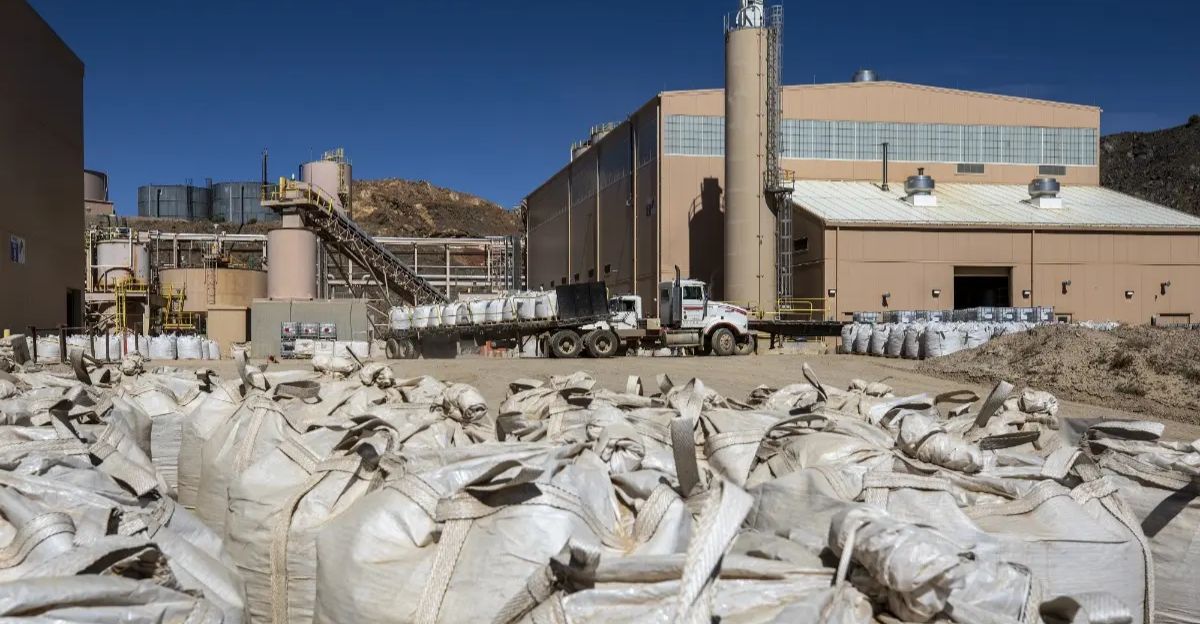
Government intervention now extends to mineral supply chains. The Defense Department’s purchase of rare earth assets aims to boost U.S. self-sufficiency, countering foreign dominance. “Washington is picking winners and losers in strategic sectors,” says WSJ.
Human Impact
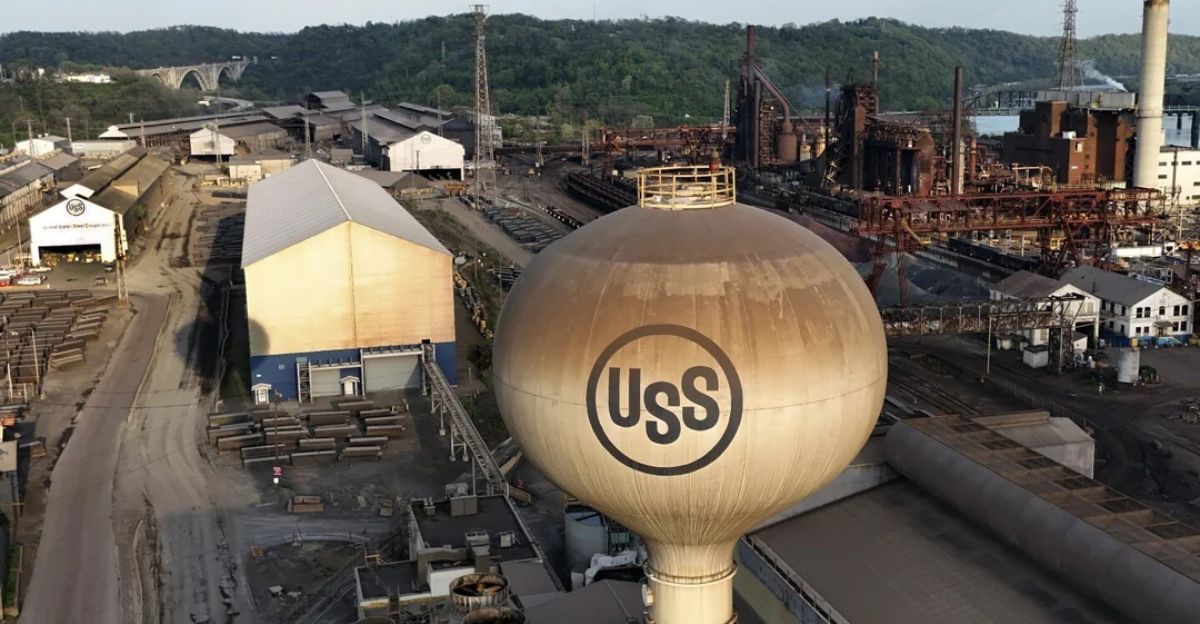
American workers are feeling the changes. “This deal means job security for my family,” said John Martinez, a U.S. Steel welder, during a recent NPR interview. Others worry about red tape and innovation.
Global Competitors Respond
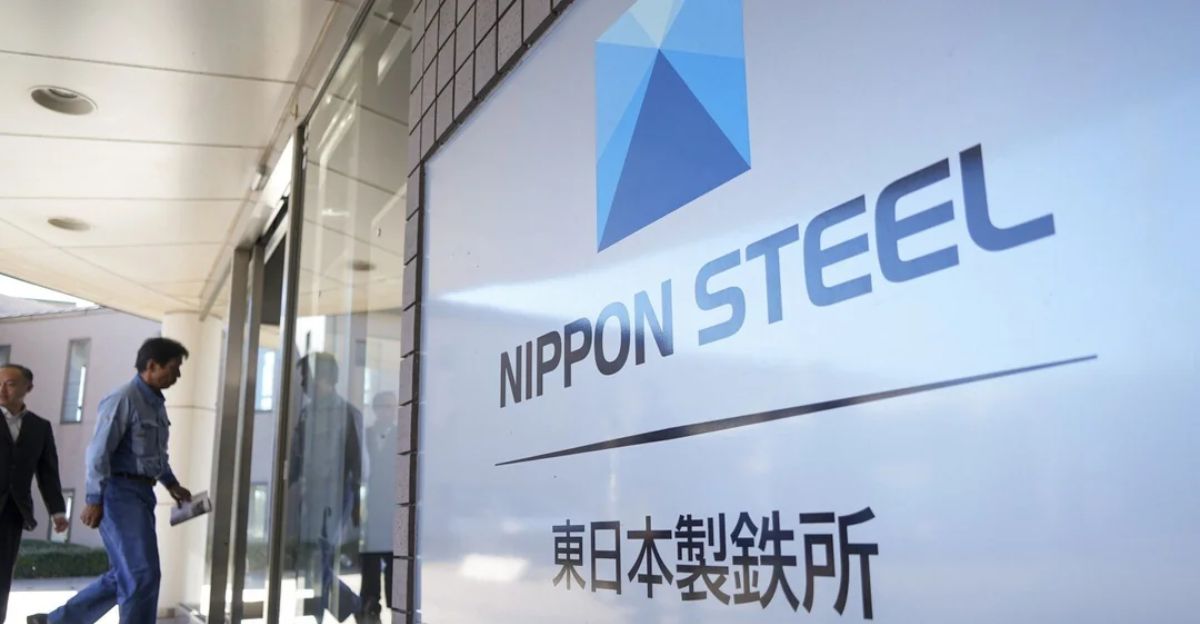
Foreign companies adjust to America’s tougher policies. Nippon Steel pledged $14 billion in U.S. investments as part of its merger, while global rivals recalibrate strategies to avoid falling afoul of new rules.
Investment Surge
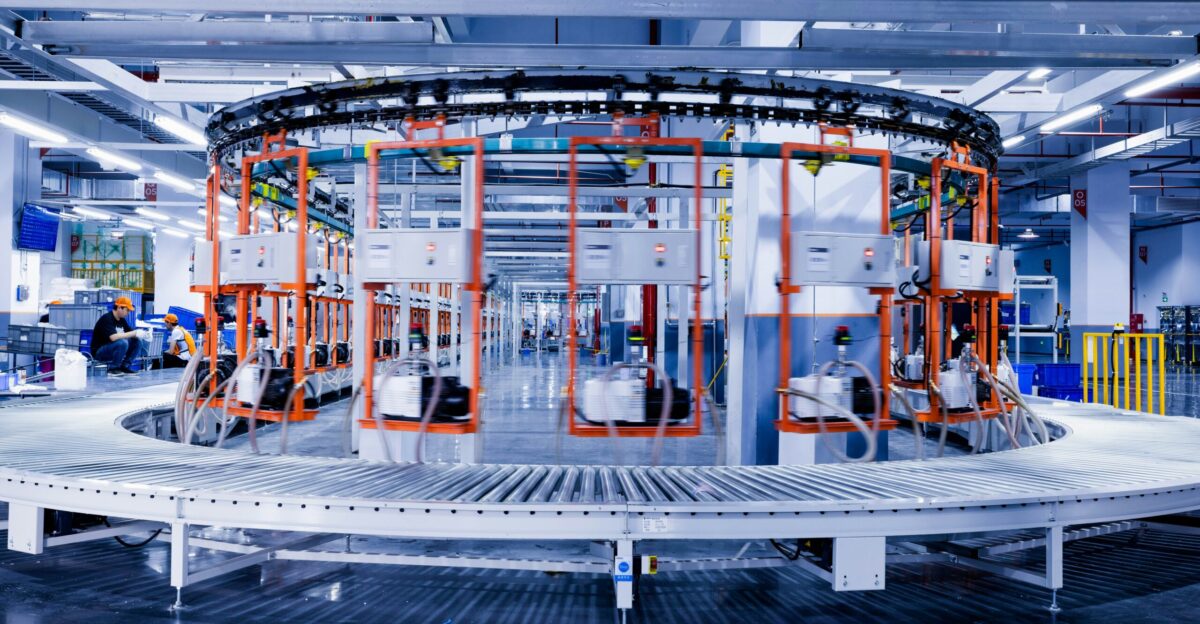
Federal subsidies now fuel record industrial spending. Trillions support technology, defense, and manufacturing projects. “State capitalism is channeling resources into select industries,” reports Council on Foreign Relations.
Price Guarantees

The government guaranteed a fixed price for rare earth magnets for ten years, securing strategic supply chains against overseas disruption. Supply assurance is now a central policy tool.
Industry Pushback

Corporate leaders voice concern. “Giving government veto power could undermine innovation,” warned Greg Ip, WSJ’s chief economics commentator. Resistance is growing among investors and executives.
Leadership Overhaul
February 2025 saw unprecedented pressure on corporate management. Intel’s CEO resigned following government inquiry, reflecting new expectations for executive accountability toward national interests.
Recovery Plans
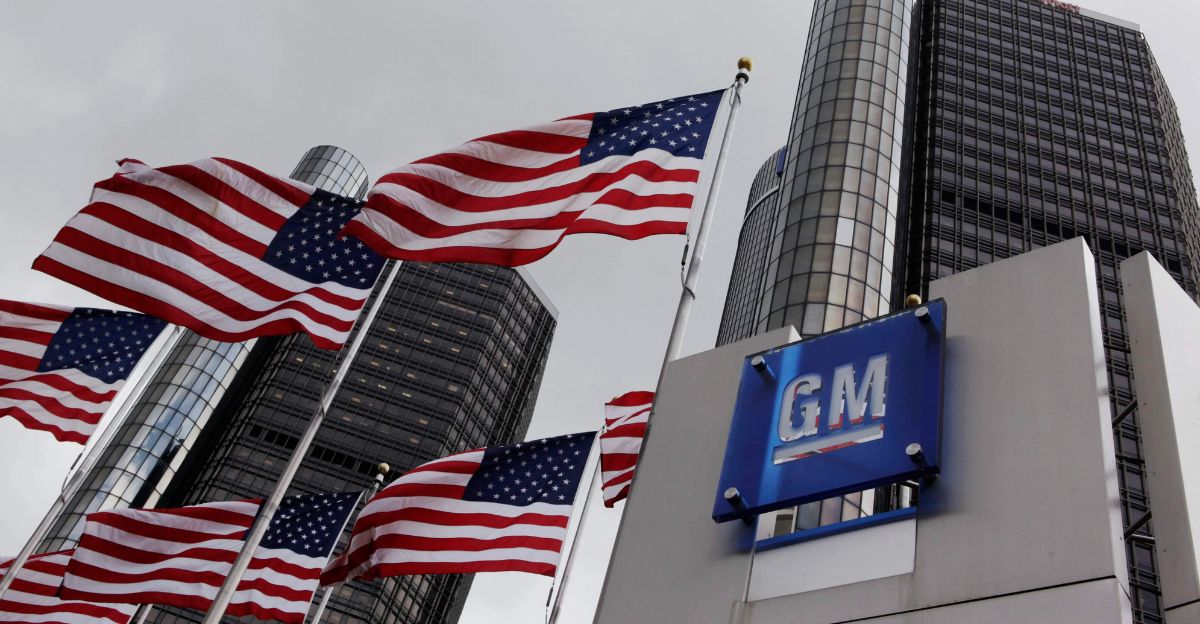
U.S. companies are moving fast to realign. Firms like General Motors and Lockheed Martin have announced new domestic production lines, echoing federal calls for “America First” supply strategies.
Expert Perspectives
“America’s shift to state capitalism is both a political and economic experiment,” says Joshua Kurlantzick, Council on Foreign Relations Fellow. Some economists warn about long-term risks to competitiveness and free enterprise.
Future Uncertainty
Business leaders and economists agree: The permanence of this new intervention is unclear. “We’re at a pivotal moment—will this be a short-term fix or a permanent model?” asks Foreign Policy.
Political Debate
The topic dominates political discourse. Both Republicans and Democrats now promote some level of industrial policy, citing job creation and strategic autonomy amid global uncertainty.
International Ripples
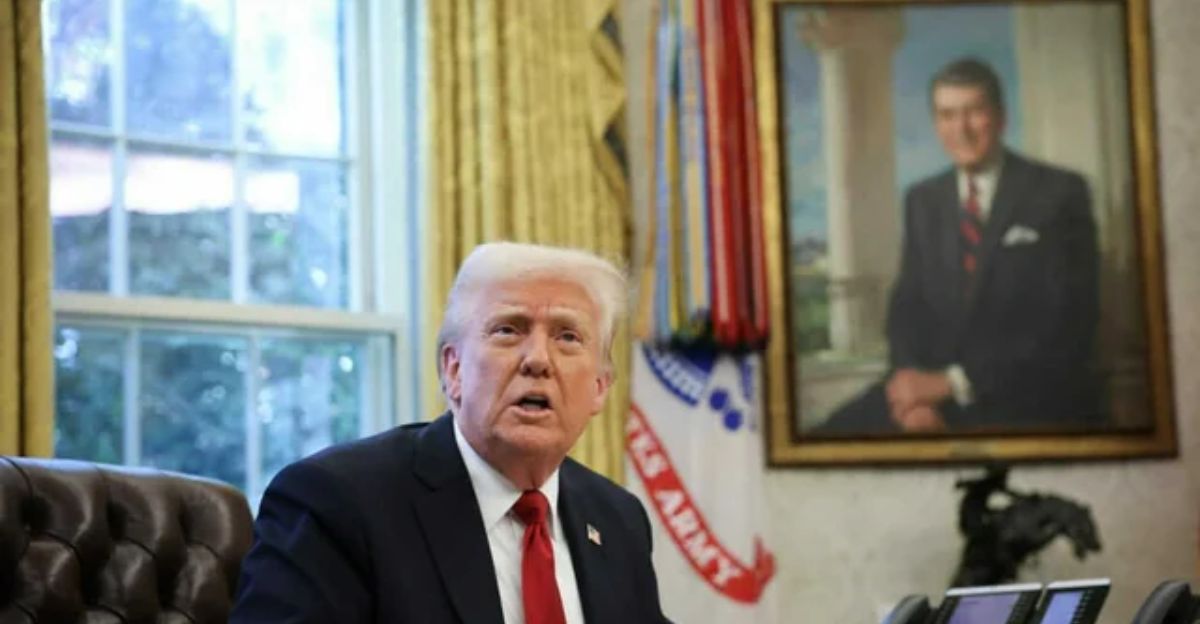
America’s embrace of state capitalism sparks international debate. Allies are reconsidering their own economic strategies, while trade tensions rise as countries resist what they call “unfair U.S. advantages.”
Legal Implications

“Golden shares” and direct governmental controls raise complex legal questions. Attorneys examine the precedent and warn of challenges to antitrust and corporate law norms.
Cultural Shifts

Public opinion is divided. Younger Americans are more open to increased federal intervention, while older generations recall past failures and warn about concentration of power.
Closing Reflection
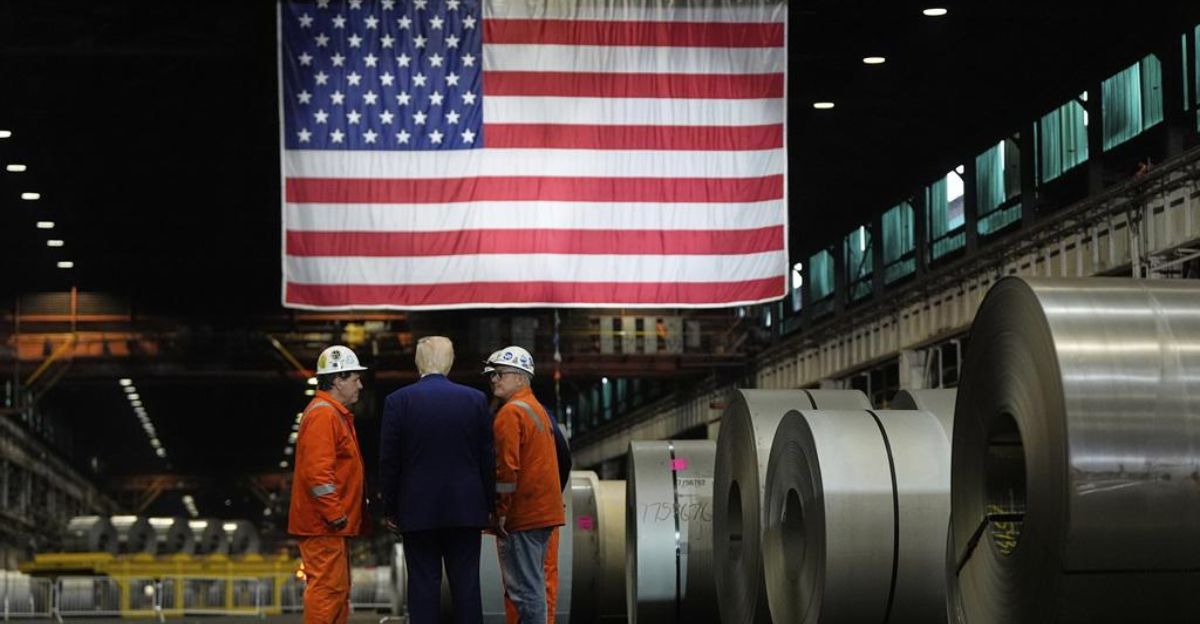
America’s march toward state capitalism is redefining the balance between public and private sectors. As global conditions evolve, the nation faces profound questions about its economic identity.