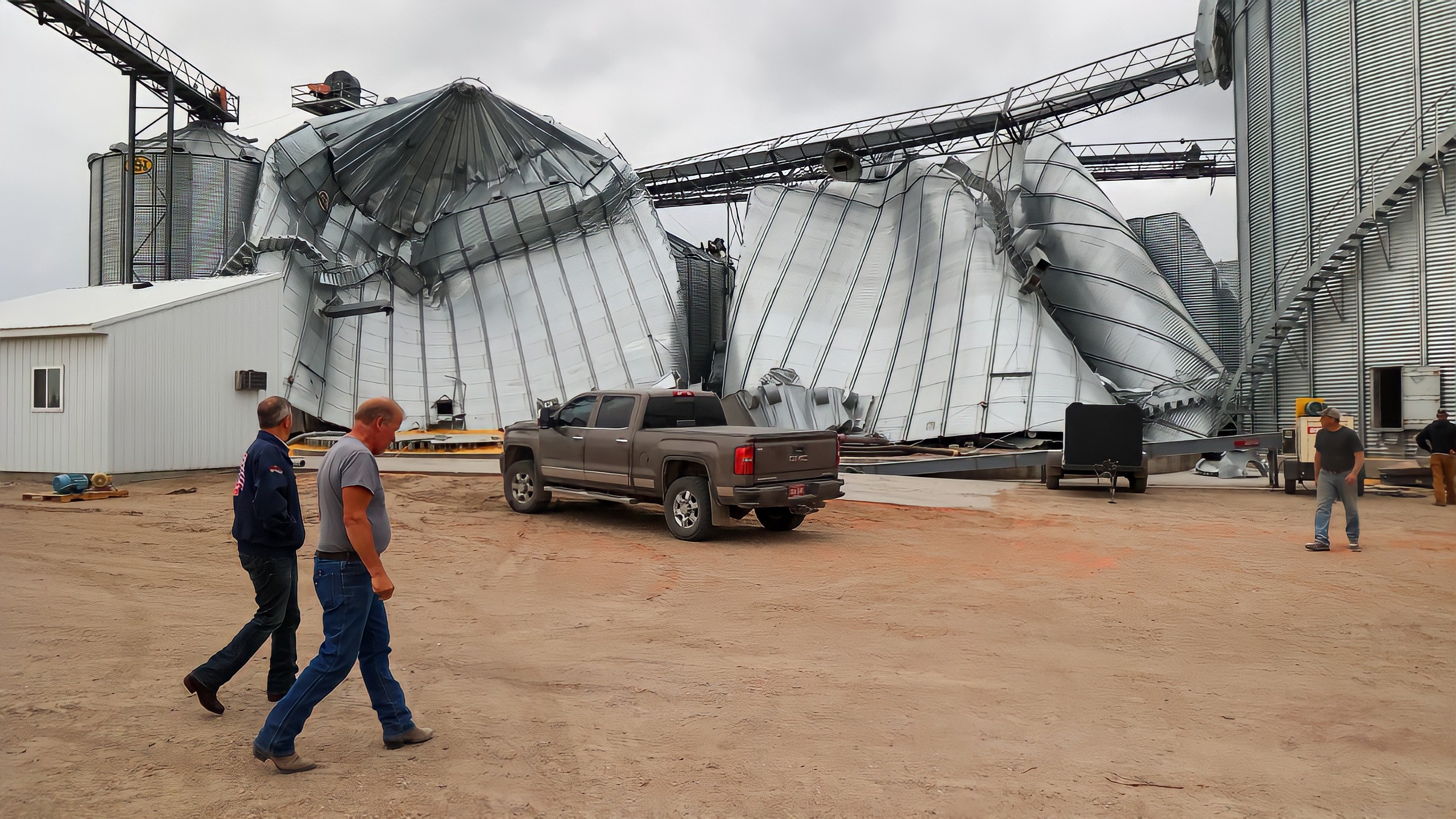
In 2024, tornadoes resulted in 52 deaths across the United States and $1.7 billion in damage, underscoring the increasing expense and danger associated with these storms.
Last year, there were 1,910 confirmed tornadoes striking communities from Texas all the way to the Carolinas. Insurance companies paid a record $34 billion for thunderstorm damage during only the first half of 2024.
Due to this growing threat, officials in tornado-prone areas are beginning to recognize that their current safety plans may not be robust enough to address the situation.
To make things even more urgent, a powerful tornado hit a small farming town in North Dakota in June 2025, forcing scientists to revisit what they thought they knew about these storms.
Record Drought
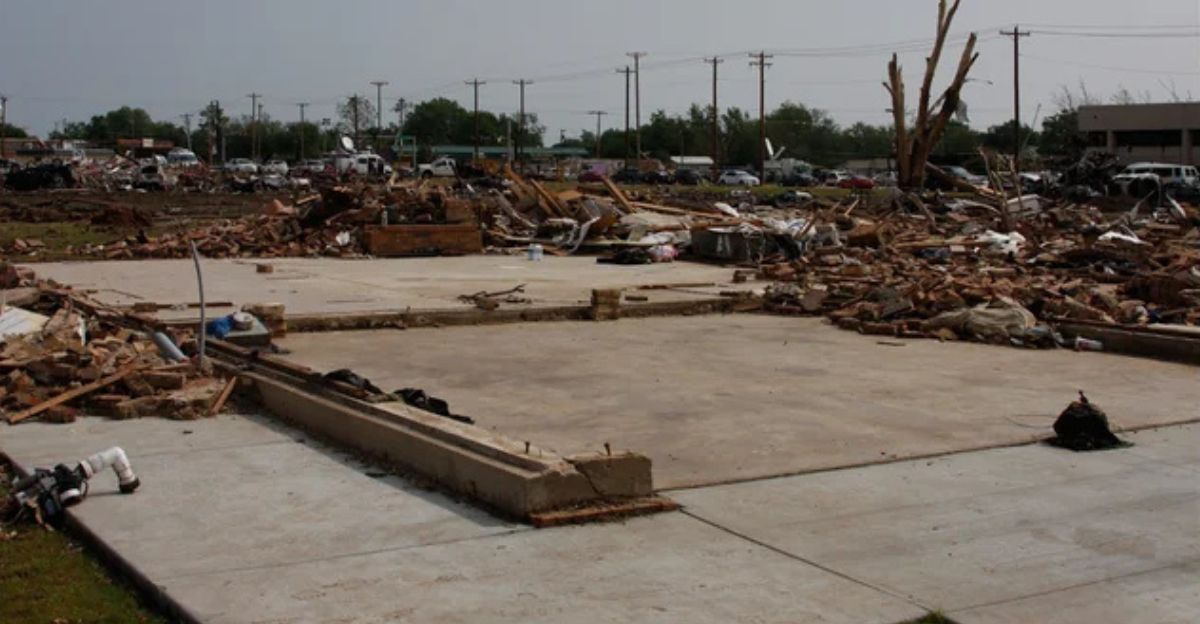
Before the North Dakota tornado, the U.S. had gone twelve years without officially recording the most dangerous type of tornado, an EF5.
These tornadoes can reach winds exceeding 200 mph and can destroy even well-built houses, reducing them to their foundations. Only about 60 EF5 tornadoes have happened in the U.S. since 1950, making them even rarer than major hurricanes that hit big cities.
Some scientists wondered if the rating system was too strict, making it harder for storms to get labeled EF5. This “EF5 drought” confused researchers; was the weather really changing, or was the way we measured storms hiding the actual risk?
Scale Evolution
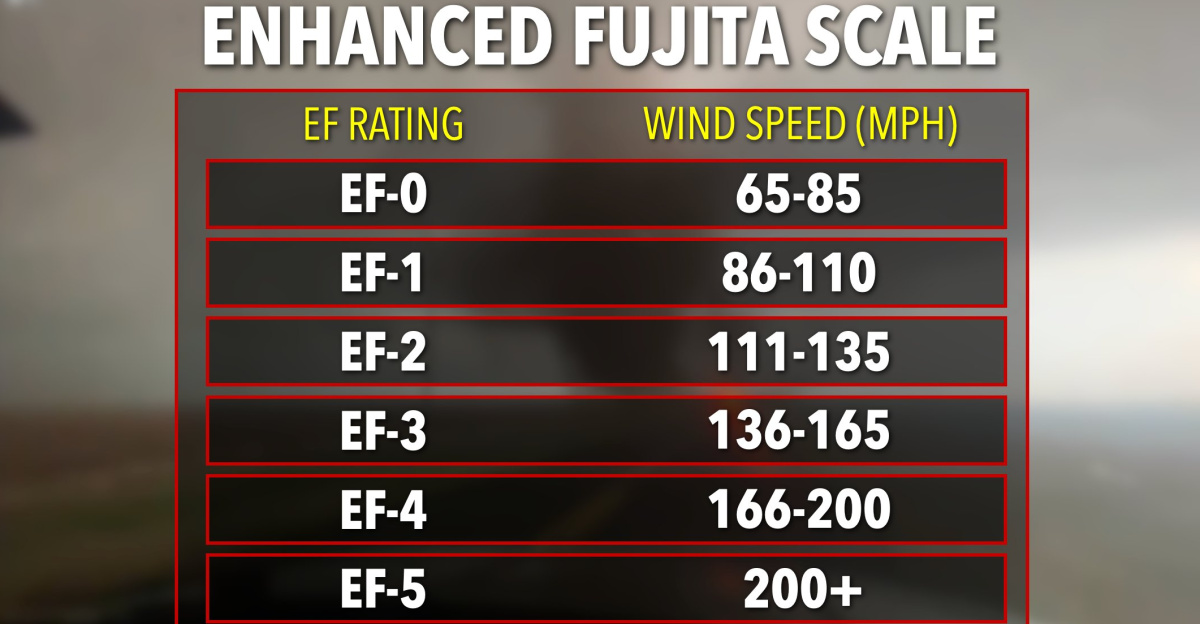
The Enhanced Fujita (EF) scale replaced the old system in 2007, using 28 different signs of damage to determine wind speed.
A tornado that destroys a house to its foundation is used to achieve an automatic top score; however, experts now require specific clues and in-depth analysis to classify it as an EF5.
Assessors use forensic engineering to estimate the intensity of a storm within its core. Some researchers believe that the newer system, although more precise, makes it more challenging for tornadoes to be classified as truly “extreme.”
Building Pressures

With all these storms, home insurance is more expensive. In 2025, insurance premiums for homeowners nationwide increased by 9.3%, and in some storm-prone areas, such as Colorado, by almost 27%.
Wind and hail now cause 42% of all home insurance losses. Insurers are introducing “percentage deductibles,” which can result in substantial out-of-pocket expenses for families.
In 2024, building codes began to require that schools and hospitals be constructed to withstand EF2 tornadoes. Emergency officials now question if old safety plans and buildings are sufficient to protect against today’s stronger storms.
Enderlin Awakens
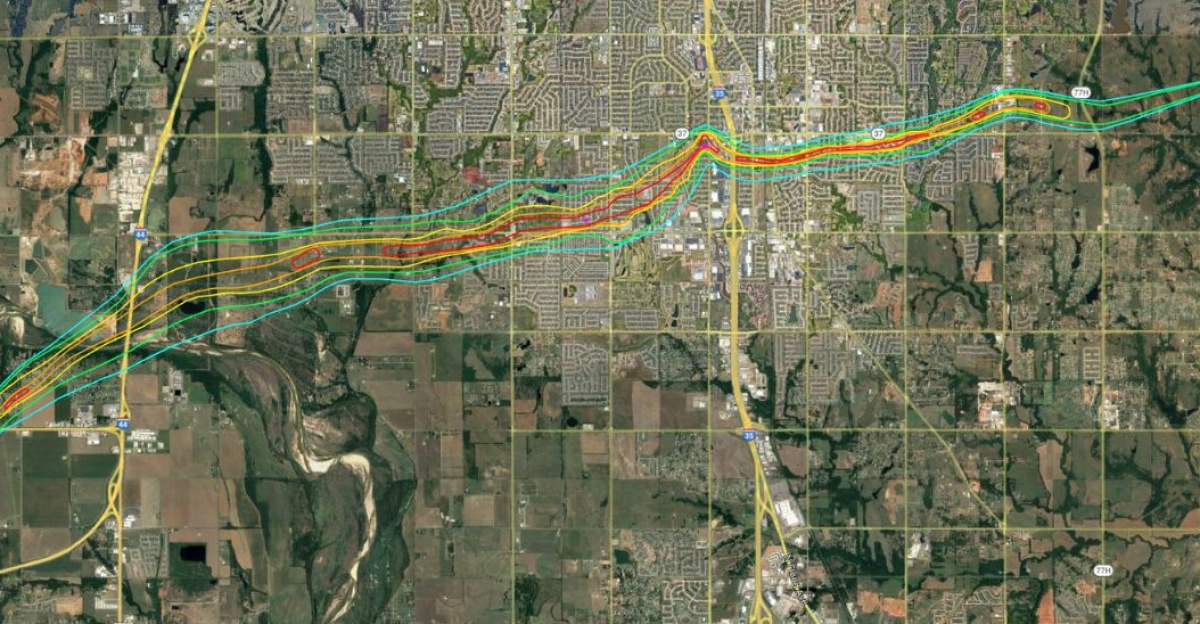
Everything changed in October 2025. The National Weather Service announced that a tornado, which hit Enderlin, North Dakota, on June 20, was officially an EF5—the first in the U.S. in 12 years, ending the record drought.
The tornado’s winds blew at least 210 mph, carving a 12-mile-long, mile-wide path and throwing an empty train tanker car almost 500 feet, overturning heavy grain hoppers, and causing three deaths.
An extensive damage review and improved technology allowed scientists to confirm that this storm was indeed a maximum-strength tornado, and America’s EF5 count increased again.
Heartland Impact
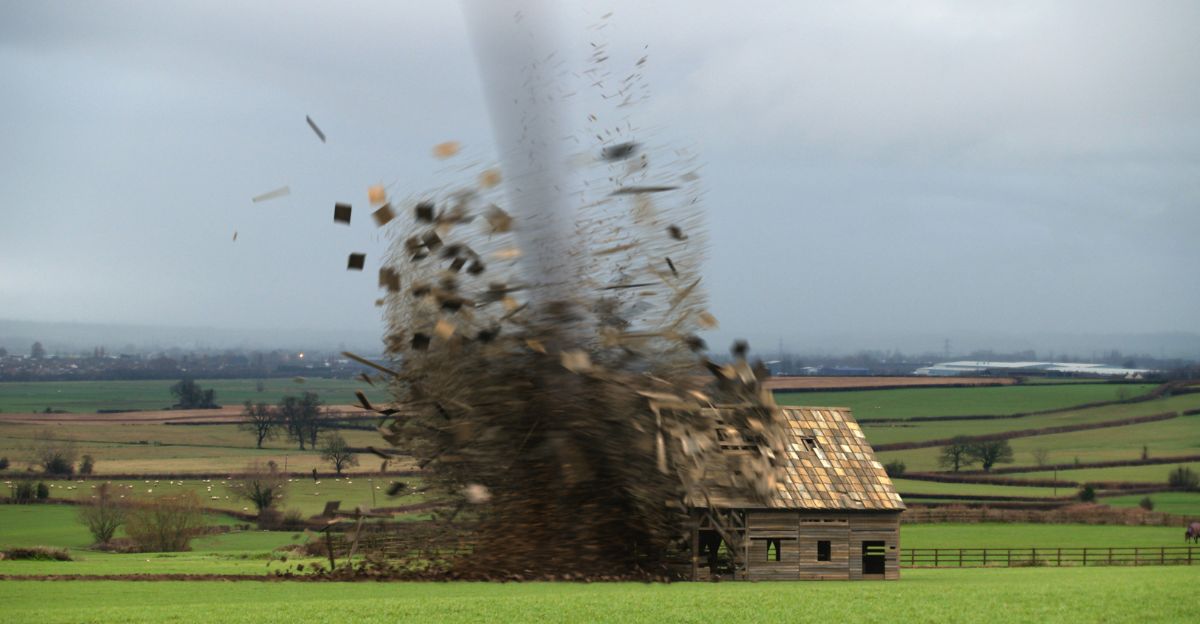
This was the first EF5 tornado in North Dakota since weather records started in 1950. For the tiny town of Enderlin, which had about 900 people, the damage was devastating: entire farms were wiped off their foundations, and debris was scattered for miles.
The tornado missed the middle of town by only a few hundred yards, probably saving dozens of lives. Still, three people died, and farm equipment, buildings, and livestock in the area were destroyed, costing millions of dollars.
Human Stories
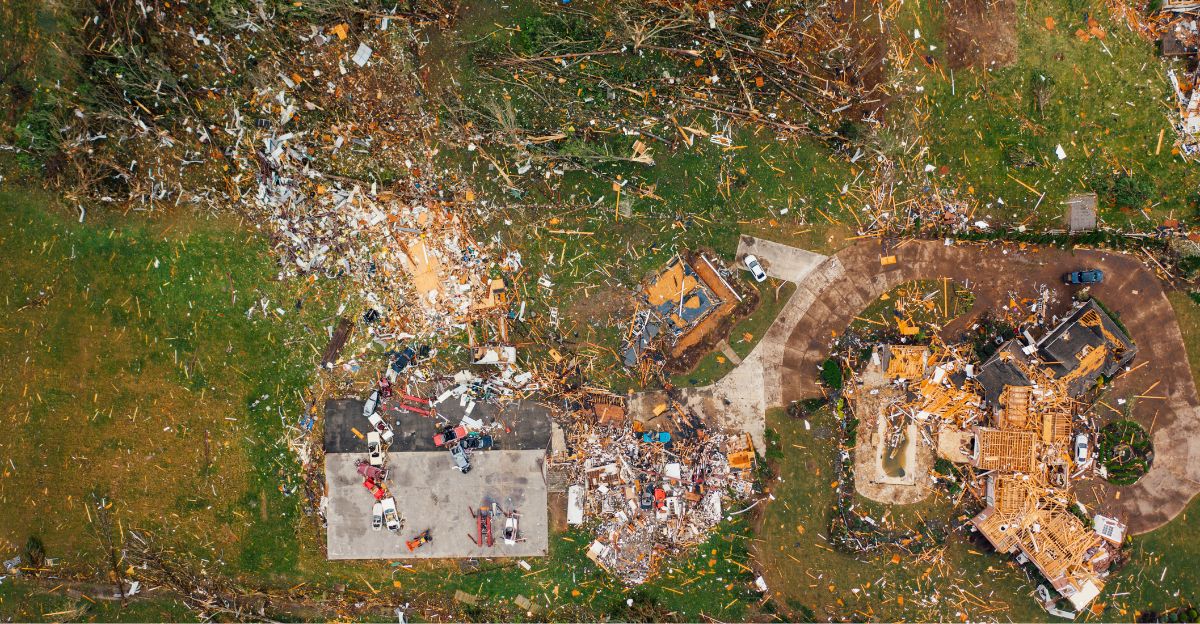
Meteorologist Melinda Beerends explained that investigators had not seen tornado damage this complete in years.
The team that studied the aftermath found evidence that farm buildings had been blown off their foundations, leaving only clean slabs, and even giant trees were tossed away.
Railroad workers described seeing freight cars, some fully loaded, tipped over and thrown by the tornado. For first responders, the most challenging part was seeing how little was left after the storm: just scattered wreckage where homes and barns had once stood.
Infrastructure Consequences
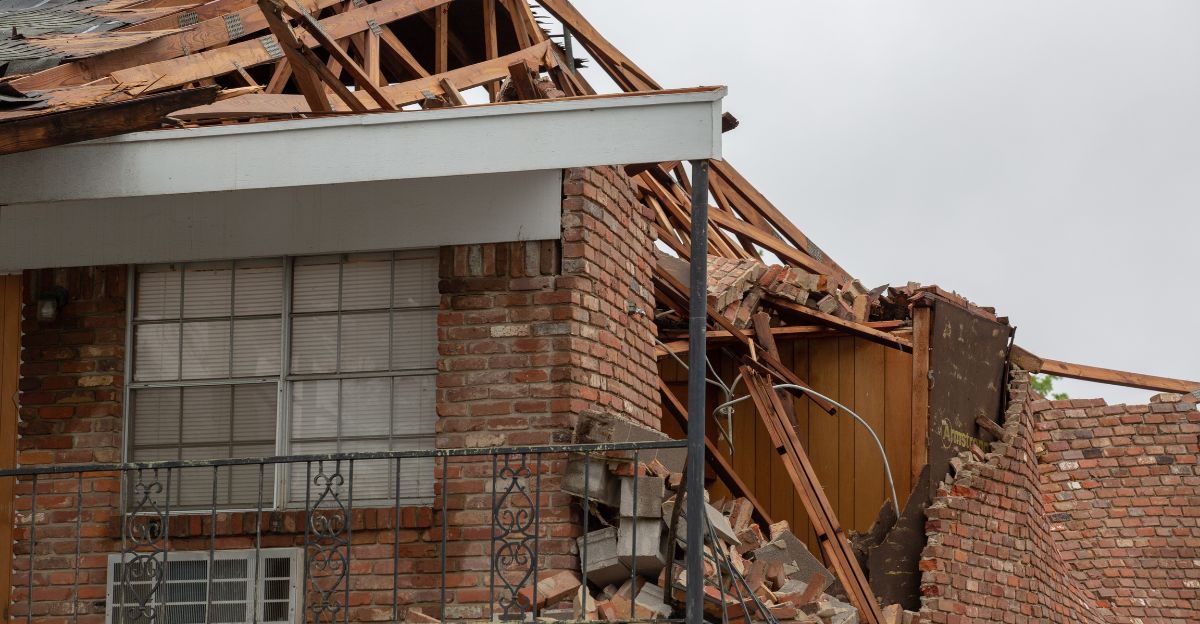
The storm didn’t just ruin homes and farms; it also destroyed roads and bridges. It also wrecked part of the Canadian Pacific Kansas City railway, a crucial train line for the Midwest.
Grain cars were derailed or thrown, disrupting the movement of crops and goods. Electricity companies had to rethink how they protect the power grid from storms this strong.
There’s a growing debate about whether current rail and utility designs are enough to survive even rarer, stronger tornadoes as the climate changes.
Climate Patterns
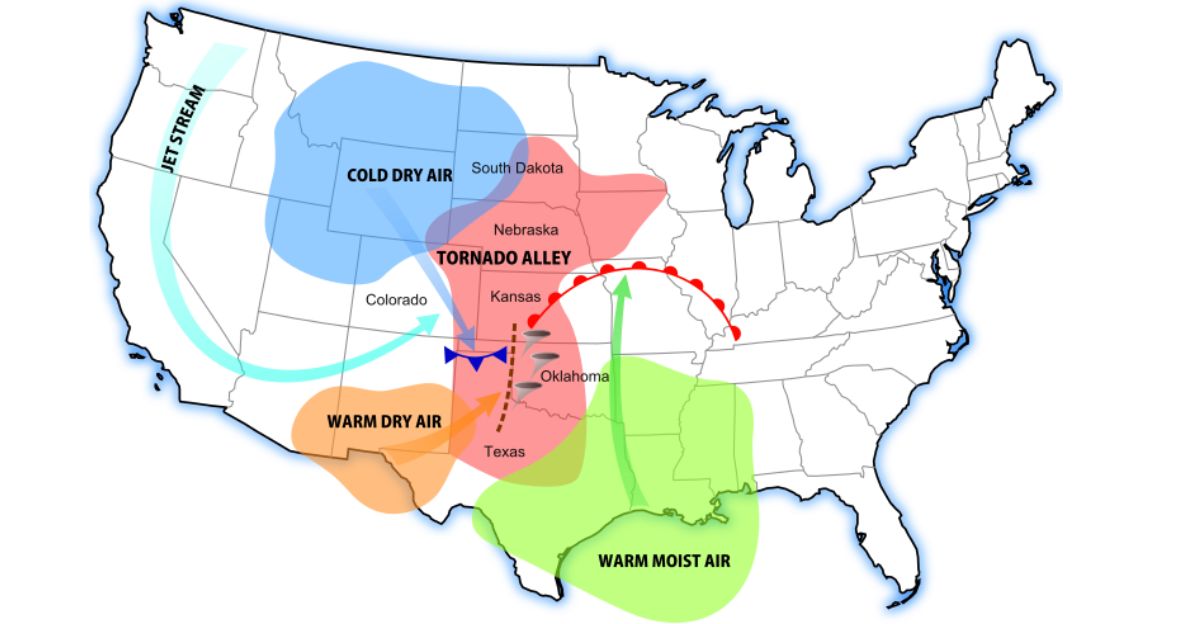
Research shows tornadoes may be changing as the climate warms. Warmer water in the Gulf of Mexico now fuels larger thunderstorms, which could increase the risk of tornadoes.
Some scientists think tornadoes are shifting east, away from the traditional “Tornado Alley” towards the Mississippi Valley and Southeast.
While violent tornadoes, such as EF5s, are still rare, they may be becoming more intense, even if not more frequent, and can still strike when the right combination of heat, moisture, and wind comes together.
Hidden Consequence
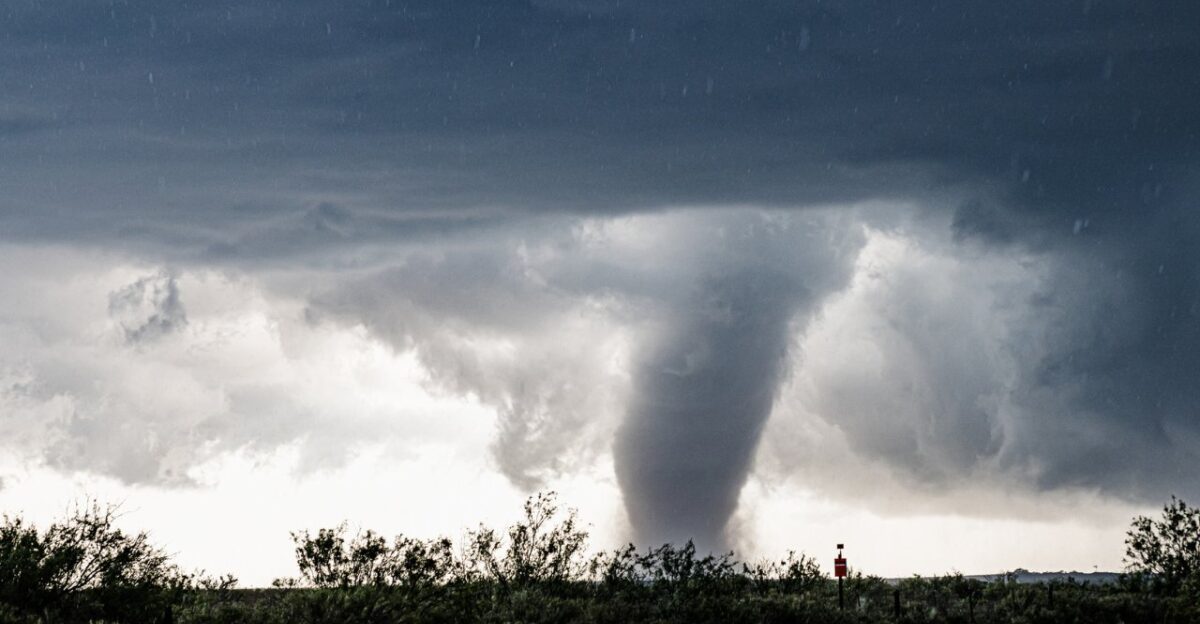
The Enderlin tornado revealed a significant problem: it took months of careful study of debris, as the flight of a 72,000-pound tanker car, to confirm that those winds were indeed EF5 strength.
Many tornadoes in the past 12 years may have been just as strong, but lacked the necessary evidence, like large, heavy objects being thrown or entire houses being swept away, to earn the EF5 rating.
Experts now say that relying solely on home destruction to measure tornado power, especially in rural areas with few buildings, may leave communities at a greater risk than they realize.
Emergency Tensions
Emergency officials in tornado country are frustrated. Places like North Dakota often lack sufficient tornado shelters, and most people use their basements or retreat to an interior room when a storm hits.
Rural warning sirens don’t always reach everyone because houses are widely spaced.
Survivors from other major storms, like Joplin, have spoken out, saying people need safer places to go, and many local leaders want stronger building codes and even mandatory shelters in new construction projects.
Code Revolution
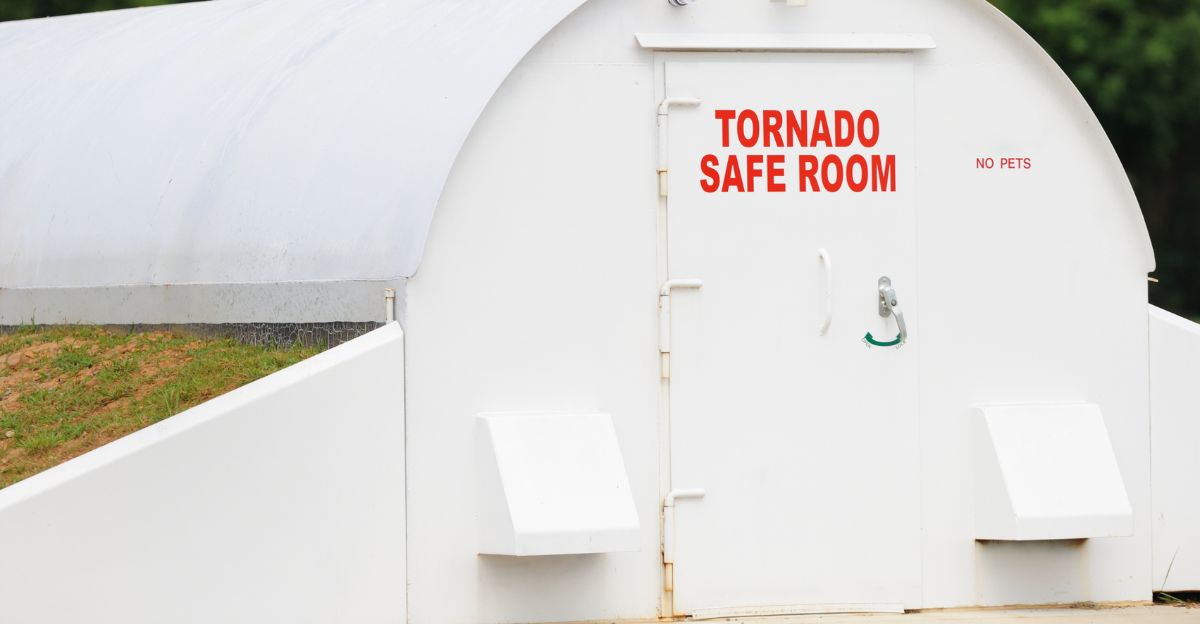
Following disasters like the 2011 Joplin tornado, building codes are evolving. In 2024, international codes began requiring that new critical buildings, such as schools, hospitals, and emergency centers, in storm-prone areas must withstand EF2-level winds.
Florida was the first state to adopt statewide tornado-resistant standards, requiring stronger structures.
Building experts say it usually takes years for these rules to be accepted everywhere, but more communities are rewriting their codes to avoid such catastrophic damage in the future.
Recovery Planning
Paying for tornado recovery is now more complicated and expensive. Each tornado averages $2.5 million in repairs, while a big EF5, like Joplin’s, can top $3 billion.
Insurance companies are updating their risk formulas, considering that tornadoes may become stronger or more frequent in certain areas due to climate change.
More families are installing storm shelters, especially after experiencing close calls with tornadoes, although they remain relatively rare in rural areas.
Today, rebuilding efforts utilize tougher materials, including reinforced concrete, impact-resistant windows, and anchoring systems that resist being torn loose by extreme winds, with a greater focus on safety and resilience rather than simply rebuilding quickly.
Expert Skepticism
Not everyone agrees about what caused the EF5 drought. Some meteorologists believe that climate change is reshaping tornado patterns, although proving a direct link remains challenging.
Others argue that the rating process itself, with its strict standards and limited high-quality “damage indicators,” undercounts the most violent storms, mainly when they occur in open fields.
Experts debate whether the EF5 wind threshold should be lowered to better match real storm damage, and the Enderlin tornado has sparked new research on how to rate tornadoes fairly, even if few structures are hit.
Future Questions
Now that the twelve-year EF5 tornado drought is over, everyone is wondering: Is America ready for the next big one? What if the next EF5 strikes a bigger city, and safety plans aren’t enough?
Communities everywhere are re-examining their warning systems, shelter policies, and building codes. Insurance firms are updating their models, and experts warn that today’s rare storms could be back, stronger than ever, as the world changes.
America’s challenge is clear: find better ways to keep people safe from storms that will always arrive, even if less often, but when they do, with terrifying power.