
A Canadian surveillance mission over the East China Sea took a dramatic turn when a Chinese fighter jet rapidly closed in, slicing through the clouds to within a few hundred feet of the CP-140 Aurora patrol plane.
CBS News journalists riding along with the Canadian crew witnessed the tense encounter unfold in real time, their cameras capturing the palpable shift from routine operations to sudden danger. What began as a standard U.N. enforcement mission became an intense reminder of the region’s growing military tension.
A Sudden Shadow in the Sky

Moments after the first jet disappeared into the haze, another emerged—this one clearly armed. Flying roughly 200 feet from the Canadian aircraft, it shadowed the Aurora’s movements for several minutes before breaking off.
According to CBS, the crew remained composed and focused on collecting data, knowing that a single miscalculation could turn the encounter into an international incident.
Calm Voices Amid Rising Pressure
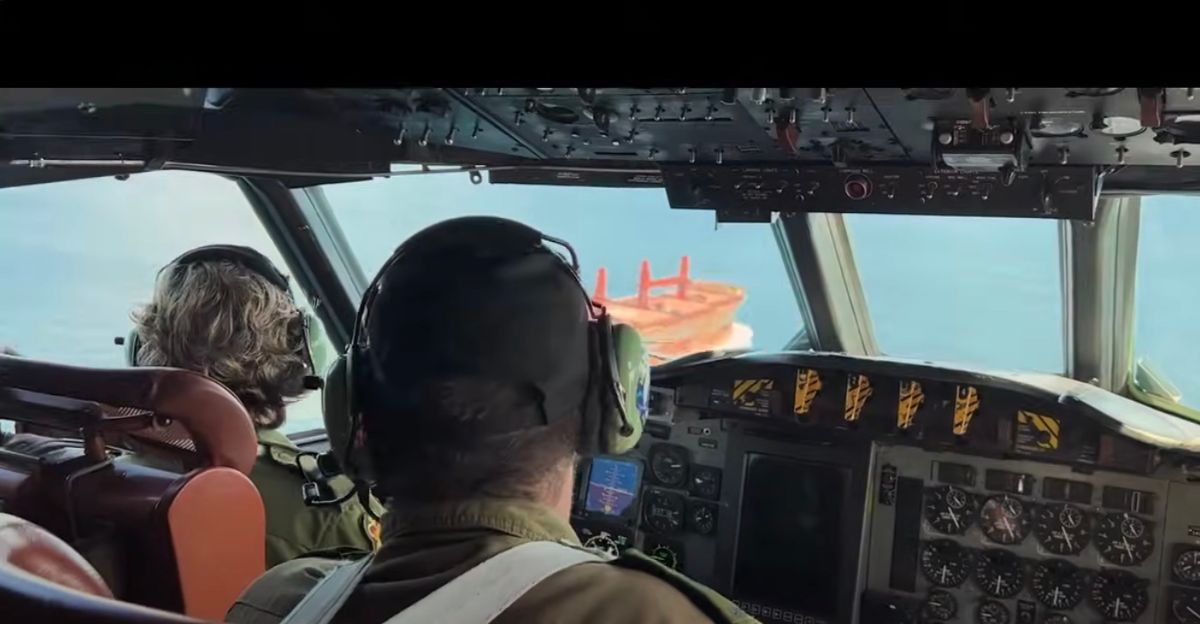
Inside the cockpit, the Canadian captain issued a brief, calm transmission: “We are a Canadian aircraft operating in international airspace.” The Chinese pilot offered no reply, but the silence was heavy with meaning.
In that tense quiet, two nations stood firm in their own interpretations of law and territory, the confrontation unfolding wordlessly in a sky claimed by both confidence and caution.
Why the Canadians Were There
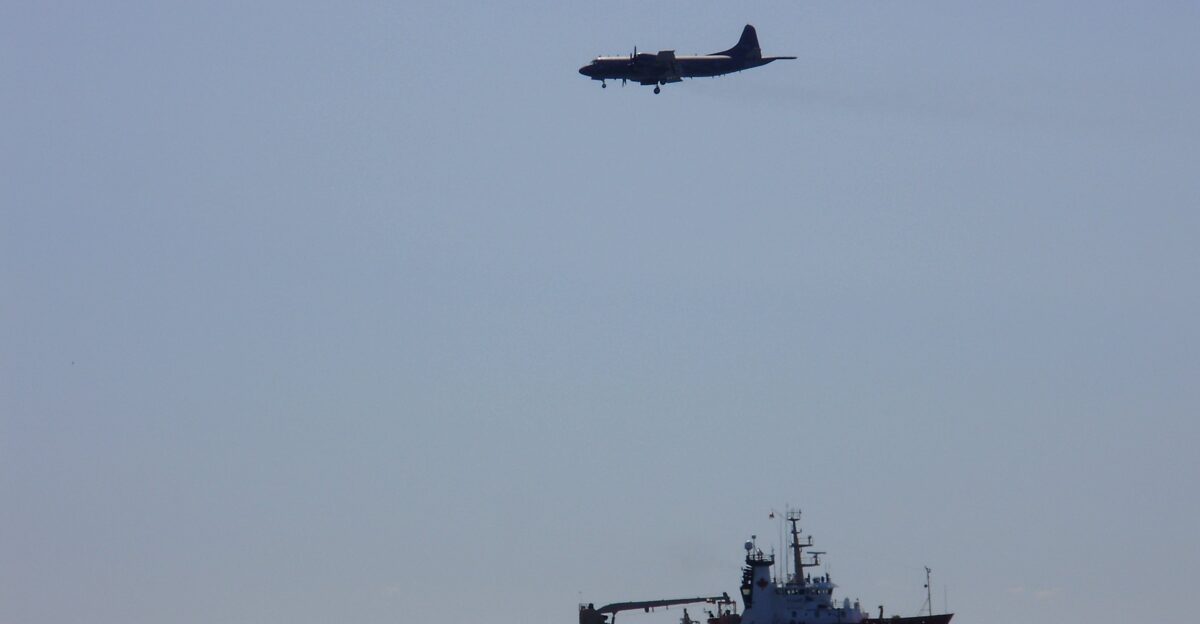
The Aurora was flying under Operation NEON, Canada’s contribution to a United Nations effort to monitor and deter North Korean sanctions evasion. The mission targets illicit mid-sea fuel transfers that help sustain Pyongyang’s weapons programs.
Canada’s role is both diplomatic and defensive—documenting violations, gathering evidence, and helping maintain accountability in one of the world’s most closely watched maritime corridors.
Technology Built for Patience and Precision
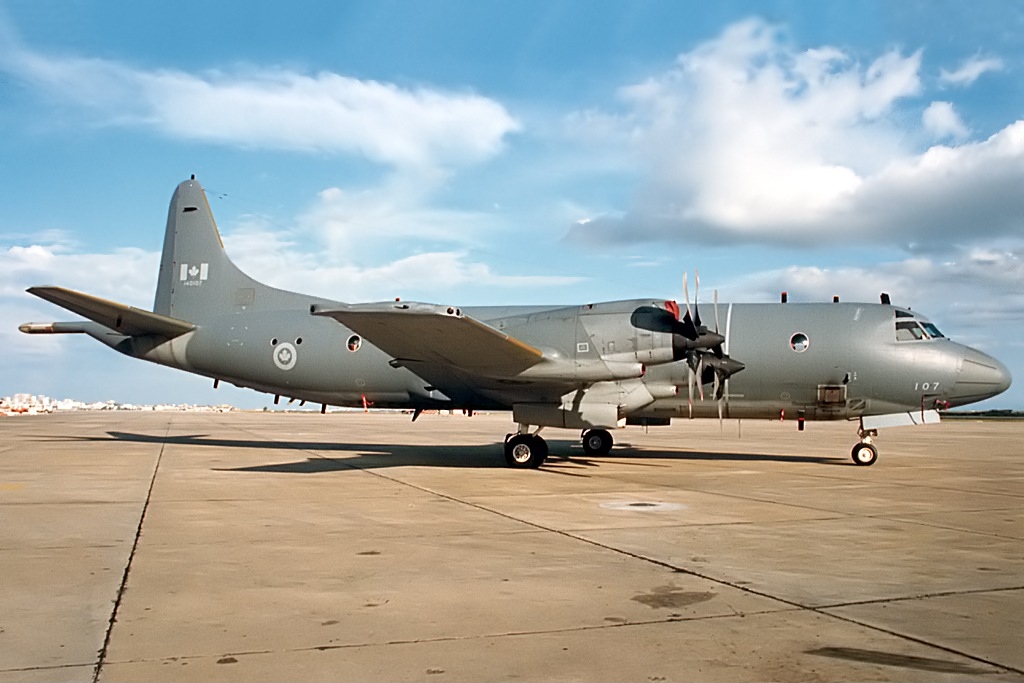
The CP-140 Aurora, derived from the U.S. Navy’s P-3 Orion, was designed for submarine hunting but now excels at surveillance. Its radar and sensors can detect unregistered ships hundreds of miles away, even those trying to “go dark.”
Crew members often spend up to ten hours on board, scanning endless waves, aware that one verified image can carry significant geopolitical weight.
When Close Gets Too Close
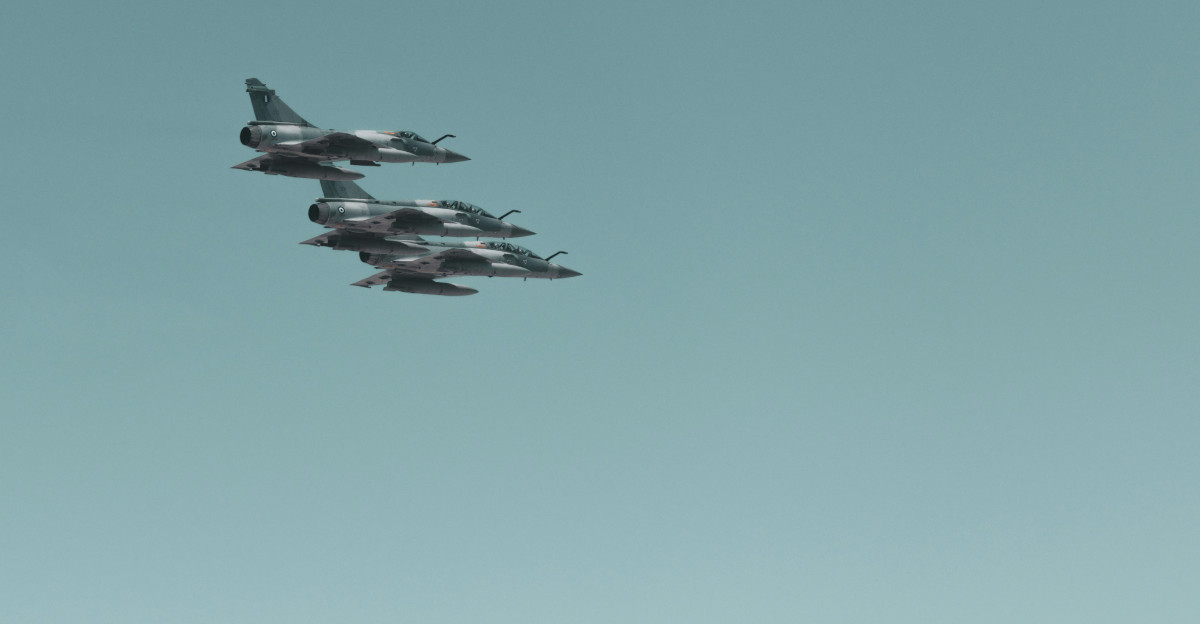
Aviation standards consider distances under 500 feet unsafe. The Chinese jet’s 200-foot proximity left almost no margin for error. At such speeds, even minor turbulence could spell disaster.
Ottawa later described the intercepts as “unsafe and unprofessional,” filing a formal protest with Beijing and emphasizing the need for restraint and professionalism in increasingly crowded international skies.
Operation NEON: Law in the Air
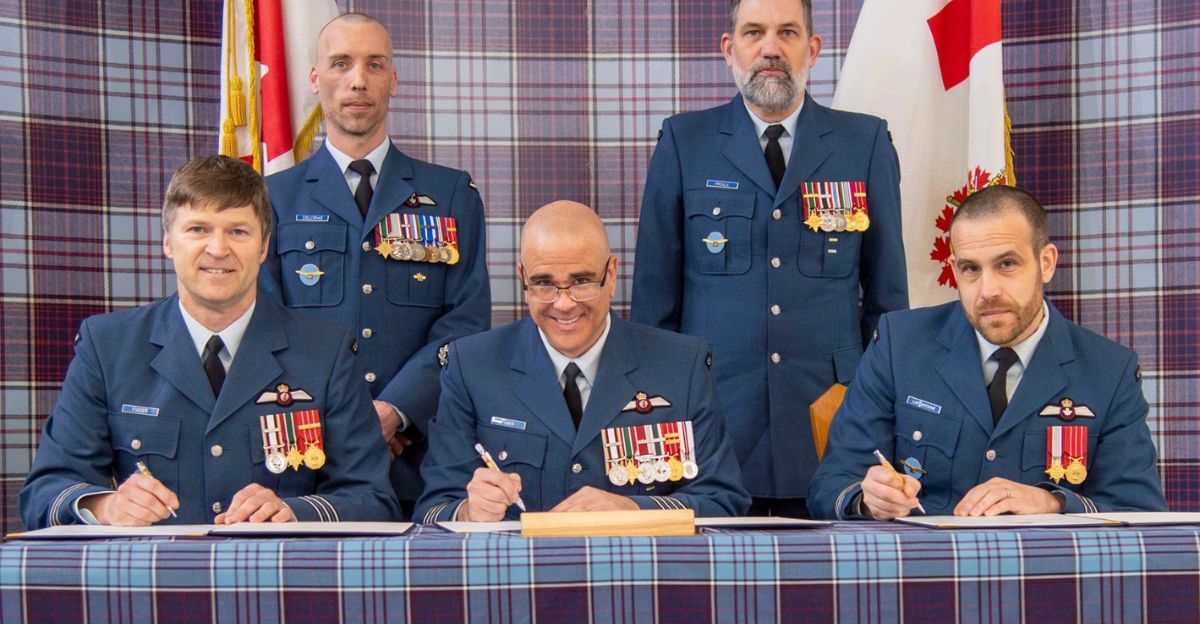
Despite the risks, Canada insists its patrols are essential. Brigadier General Jeff Davis told CBS News the missions will continue “as long as things remain professional and safe.” The statement highlighted Canada’s message that enforcing international law is non-negotiable.
Whether or not Beijing approves, Ottawa’s surveillance flights remain a steadfast extension of U.N. sanctions enforcement.
China’s Perspective

Beijing has accused Canada of “provocative reconnaissance,” claiming the flights threaten China’s security and sovereignty. Chinese officials argue the missions approach sensitive airspace, even if technically international.
Through state media, China has urged foreign militaries to stay away from what it considers its periphery. The disagreement reflects deeper questions about where global law ends and national power begins.
Turning Data Into Diplomacy
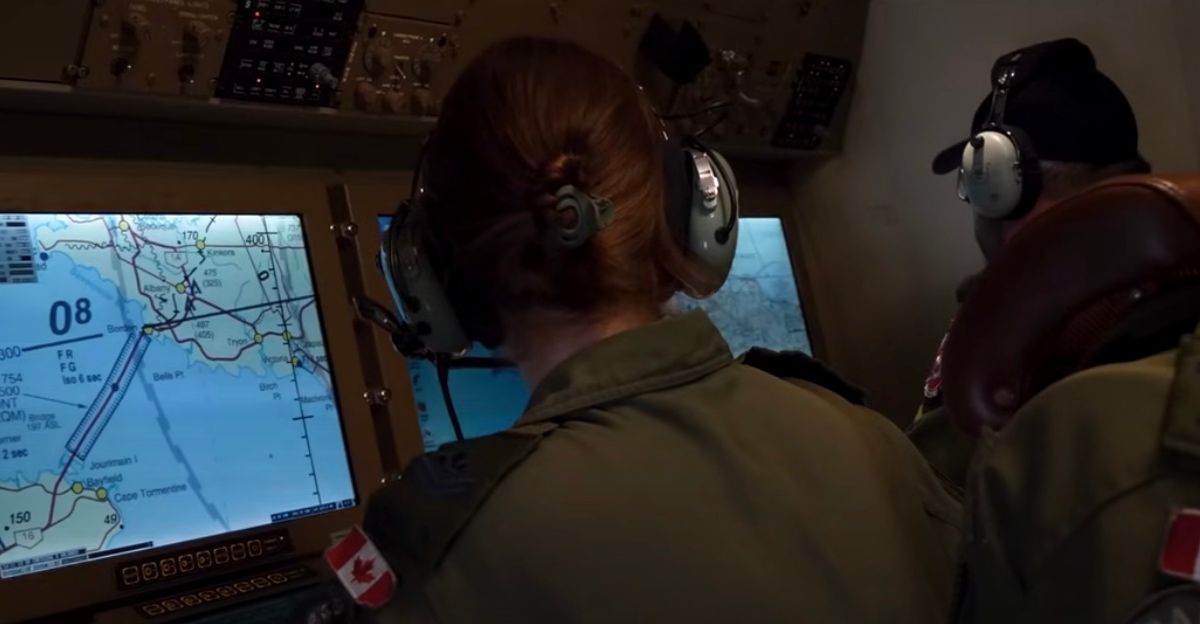
Each intercept leaves behind more than tension—it produces hard evidence. The Aurora’s imagery, radar logs, and reports are shared with allied intelligence networks and the U.N. Panel of Experts on North Korea, which oversees sanctions enforcement.
Canada’s footage helps expose illicit shipping networks, proving that vigilance, not confrontation, often drives the most effective diplomacy.
An Escalating Pattern of Encounters
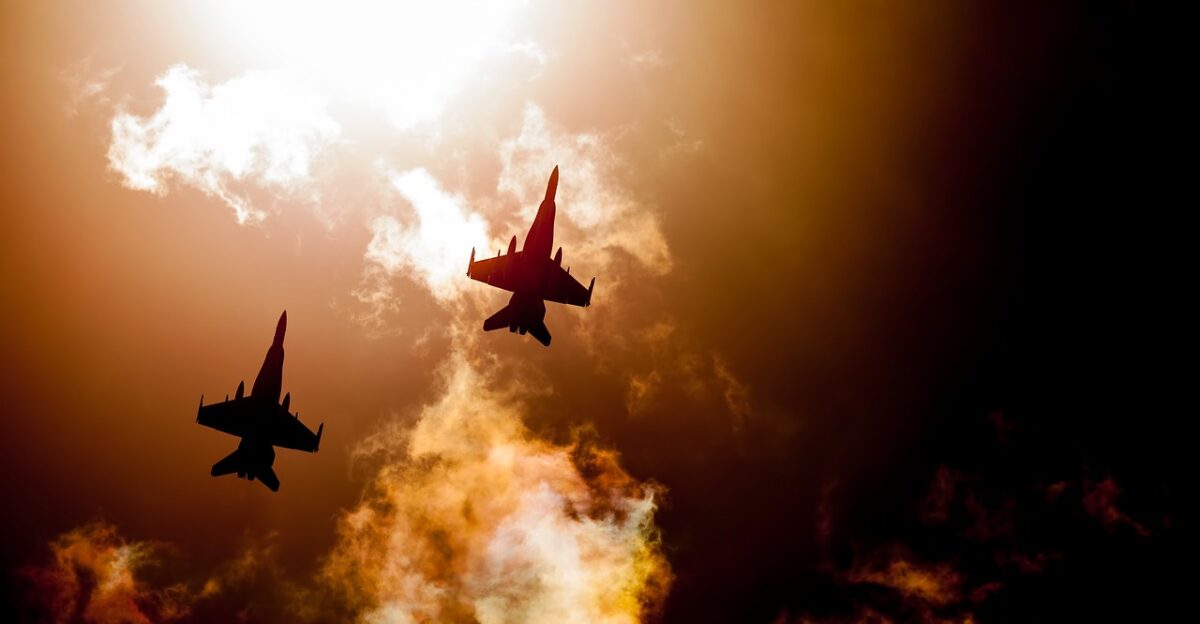
This wasn’t an isolated event. Canadian patrols have faced close intercepts before, including several in 2023 that Ottawa labeled “reckless.” According to Canadian defense officials and publicly released mission footage, each incident adds to a pattern of increasingly close encounters in the Pacific skies.
Military analysts interviewed by Reuters and BBC News warn that repeated close intercepts increase the risk of accidents or unintended escalation—an ever-present danger when military aircraft operate in such close proximity over disputed waters.
Reading the Strategy Behind the Risk
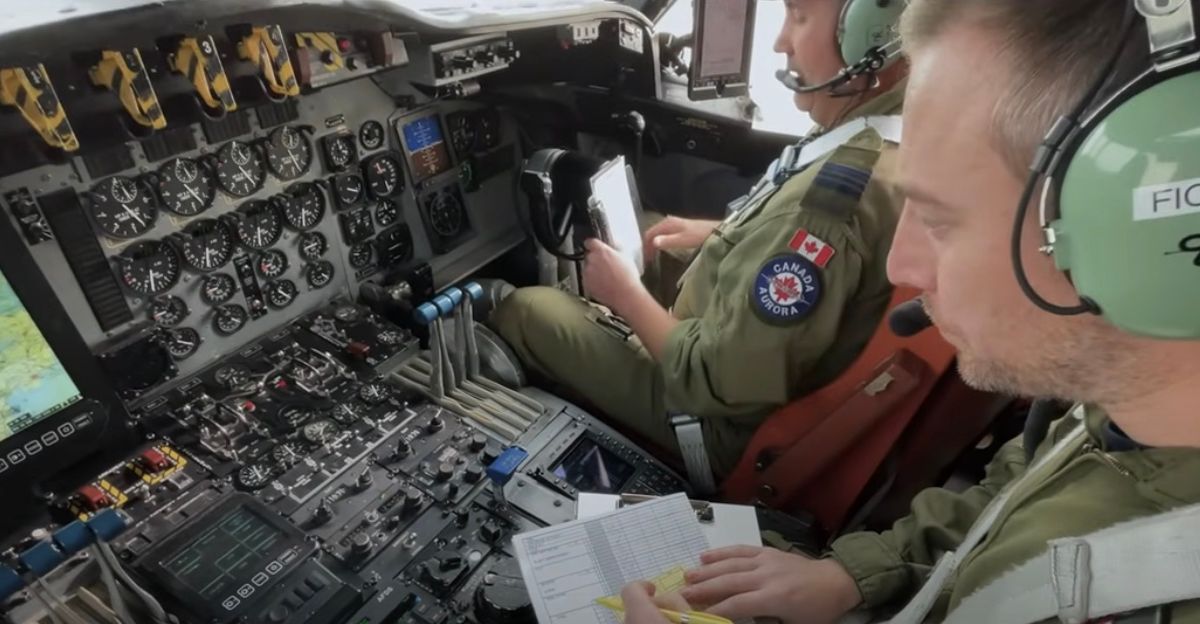
Defense analysts say China’s close intercepts may serve to assert control over contested areas and deter continued foreign surveillance. Beijing’s posture, as noted in reports from the Australian Strategic Policy Institute and RAND Corporation, reflects a broader effort to challenge allied operations near its claimed boundaries.
For Canada’s part, every mission becomes a quiet assertion that international airspace must remain open, even when that principle is tested under pressure.
Allies in the Same Airspace
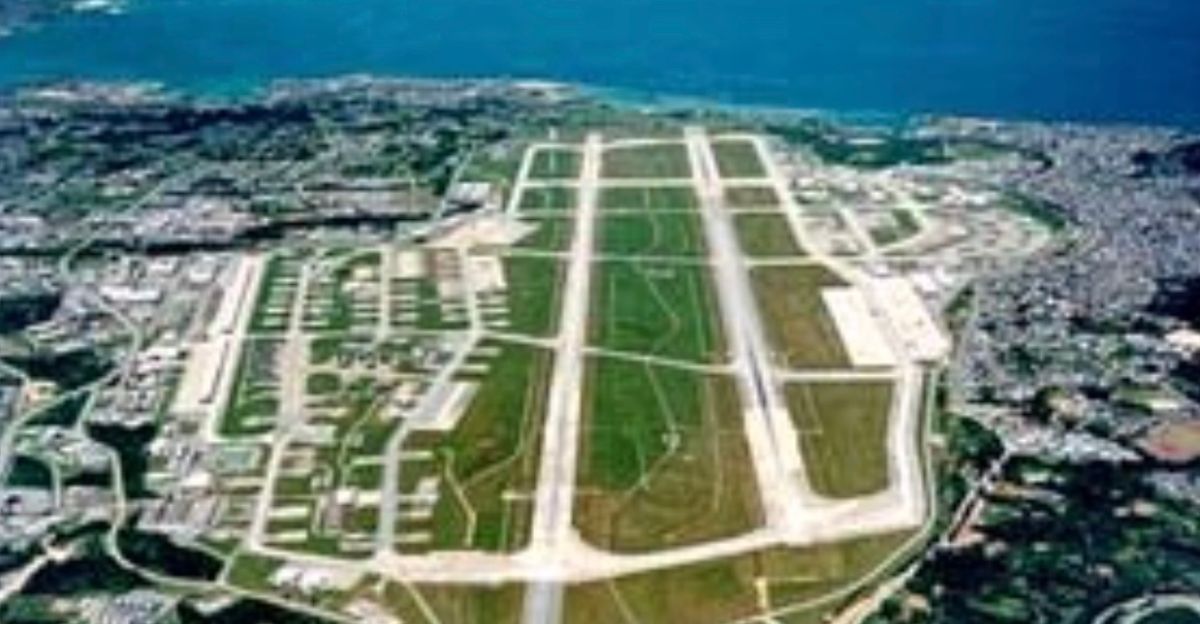
From Kadena Air Base in Okinawa, Canada operates alongside U.S., Japanese, and European partners—part of a coordinated multinational effort to monitor sanctions. According to U.S. Indo-Pacific Command, allied surveillance missions from Kadena reflect ongoing cooperation aimed at maintaining stability across the region.
This collaboration highlights a shared mission: uphold maritime law, monitor sanctions, and maintain stability in an increasingly contested region where the balance of power shifts by the hour.
Composure at 20,000 Feet
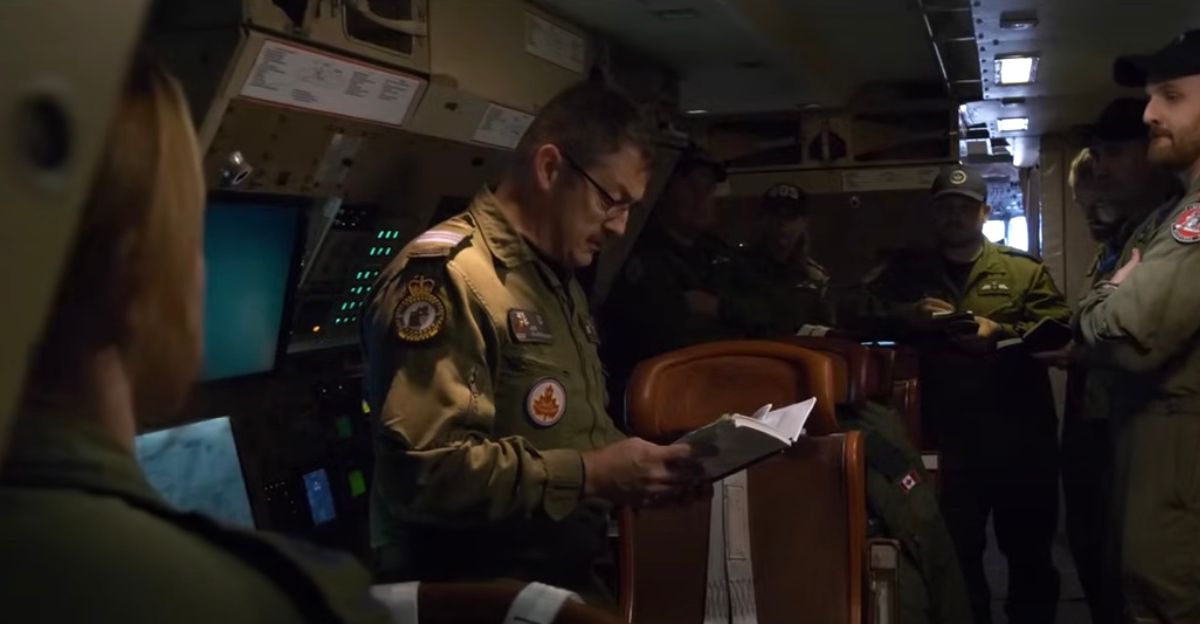
For Aurora’s crew, discipline is survival. They train to remain calm through turbulence, fatigue, and confrontation. Even when a fighter jet appears outside their window, their reactions are deliberate, never rushed.
This professionalism, honed through repetition and resolve, prevents tense moments from spiraling into conflict—a steadying force in a volatile geopolitical environment.
The Dangerous Game of Proximity
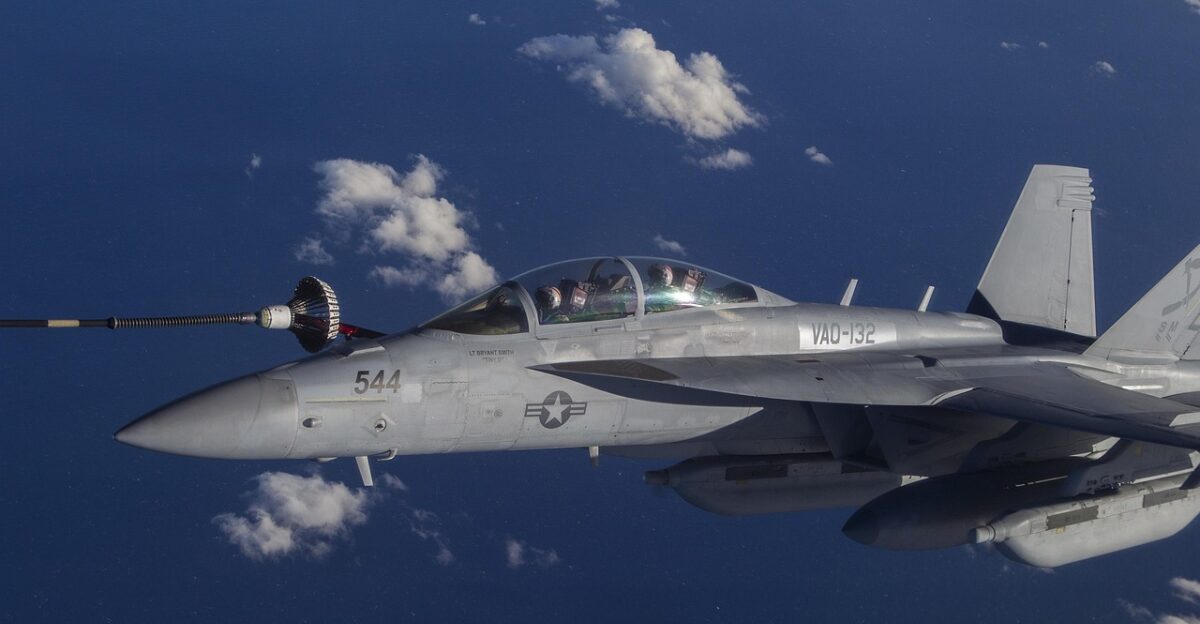
Military aviation experts warn that close intercepts aren’t just acts of intimidation—they’re risks. At such short distances, one wrong move could spark an international crisis.
The skies over the Pacific are increasingly crowded with surveillance missions, fighter patrols, and naval aircraft, each representing national interests that can clash in a heartbeat.
A Mission of Evidence, Not Ego
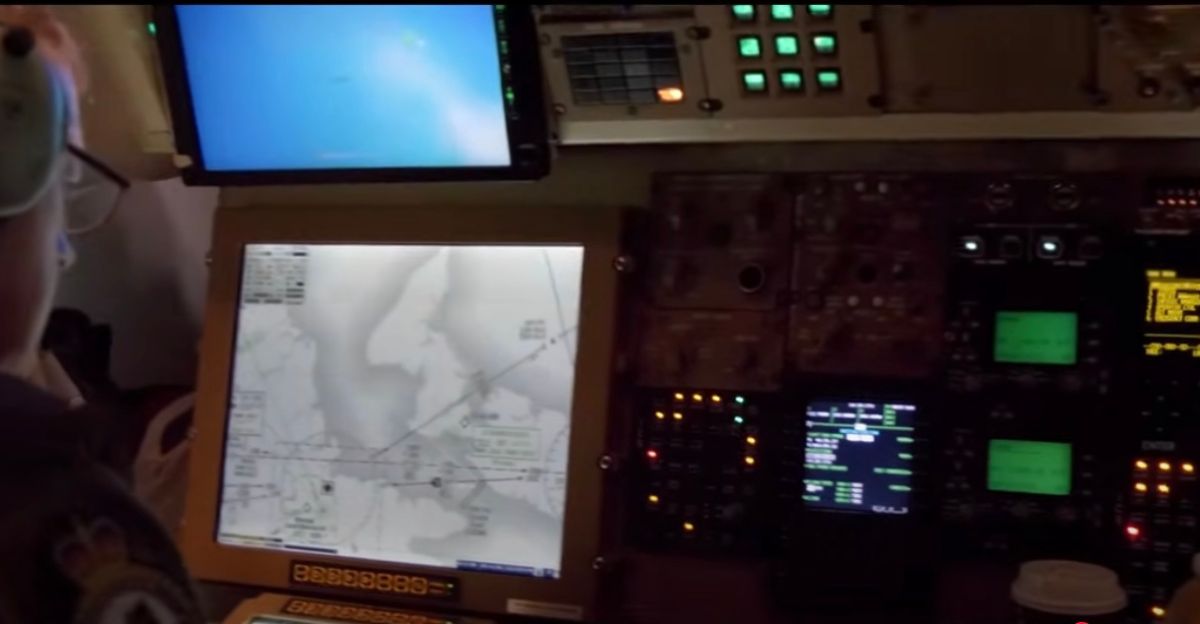
While headlines often highlight confrontation, Operation NEON’s true power lies in its data. Every image of an unregistered tanker or covert cargo transfer adds to the growing web of accountability.
For Canadian crews, success isn’t measured in standoffs or statements—it’s in the quiet precision of verifiable proof that strengthens global enforcement.
Shared Responsibility Not Shared Risk
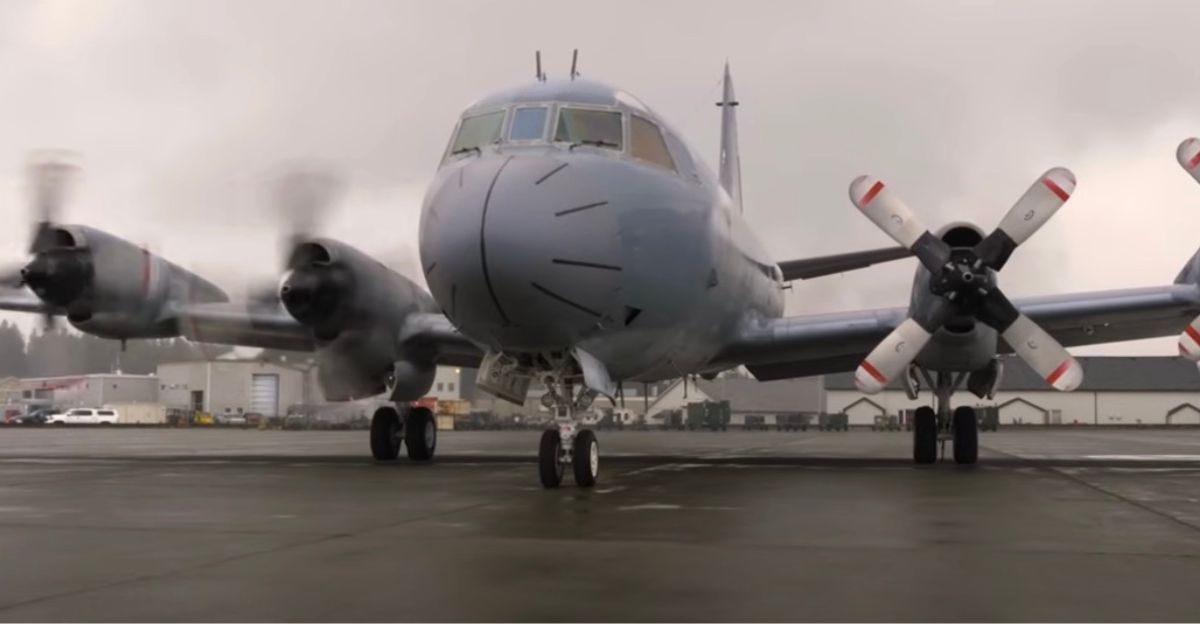
Canada’s allies rely on its surveillance efforts, coordinating closely across the Pacific to monitor sanctions and maintain stability. Yet, when its aircraft take off, Canada alone bears the risks.
Every mission carries the weight of allied expectations—and the sobering reality that even lawful flights through international airspace can draw powerful, unpredictable reactions from rival states.
Global Tensions in the Background
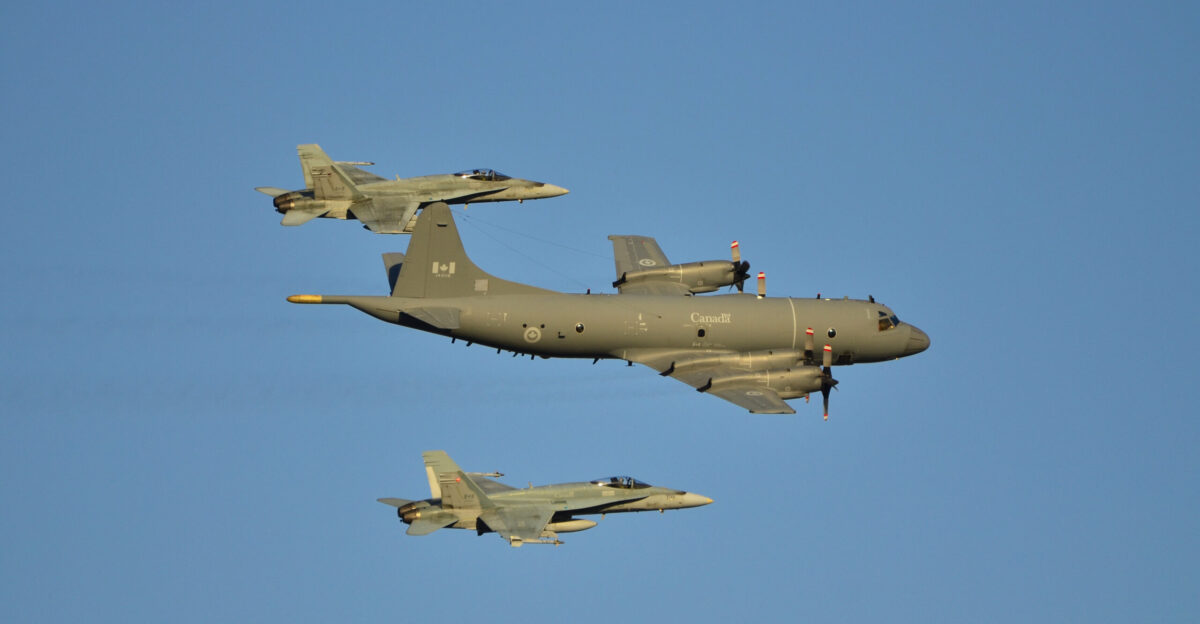
Each new intercept between patrols and fighters adds to an increasingly complex regional dynamic. Analysts from Carnegie Endowment for International Peace note that closer coordination among China, Russia, and North Korea contrasts with expanding U.S. and allied partnerships, shaping an evolving balance of power in East Asia.
Each new intercept between patrols and fighters becomes part of a larger narrative—a contest for control and credibility.
The Thin Line Between Routine and Crisis
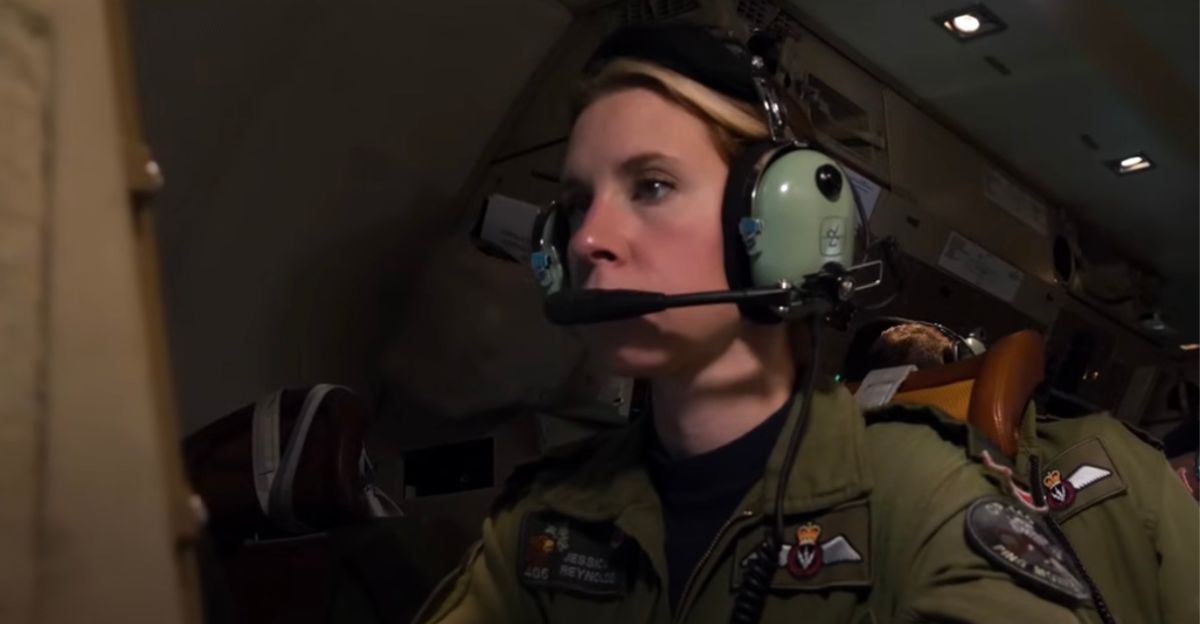
In modern surveillance, the boundary between routine and crisis can vanish in seconds. What starts as data collection can escalate into confrontation with a single maneuver.
This delicate balance—lawful operations in contested space—is why restraint and communication remain crucial to preventing tragedy in skies thick with tension.
A Quiet Form of Deterrence
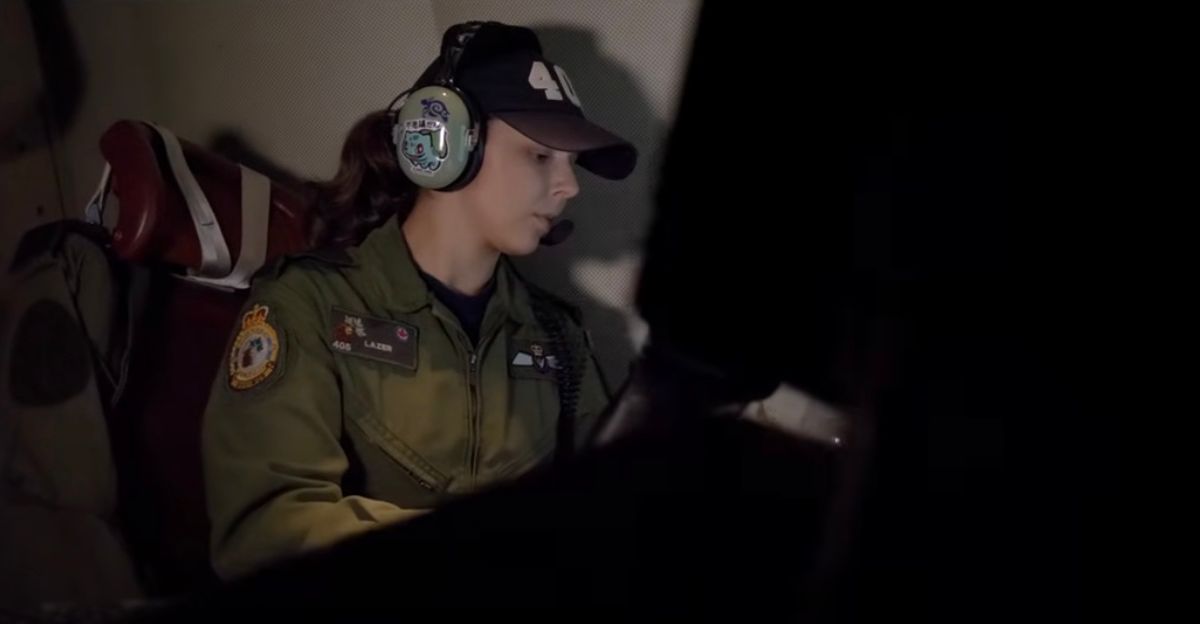
The Aurora’s persistence itself sends a message. Canada’s aircraft continue to fly their routes, recording, verifying, and reporting—proof that intimidation won’t deter lawful operations.
This quiet endurance is a subtle form of deterrence: a demonstration that adherence to international rules can outlast any display of power.
Vigilance as the Price of Peace
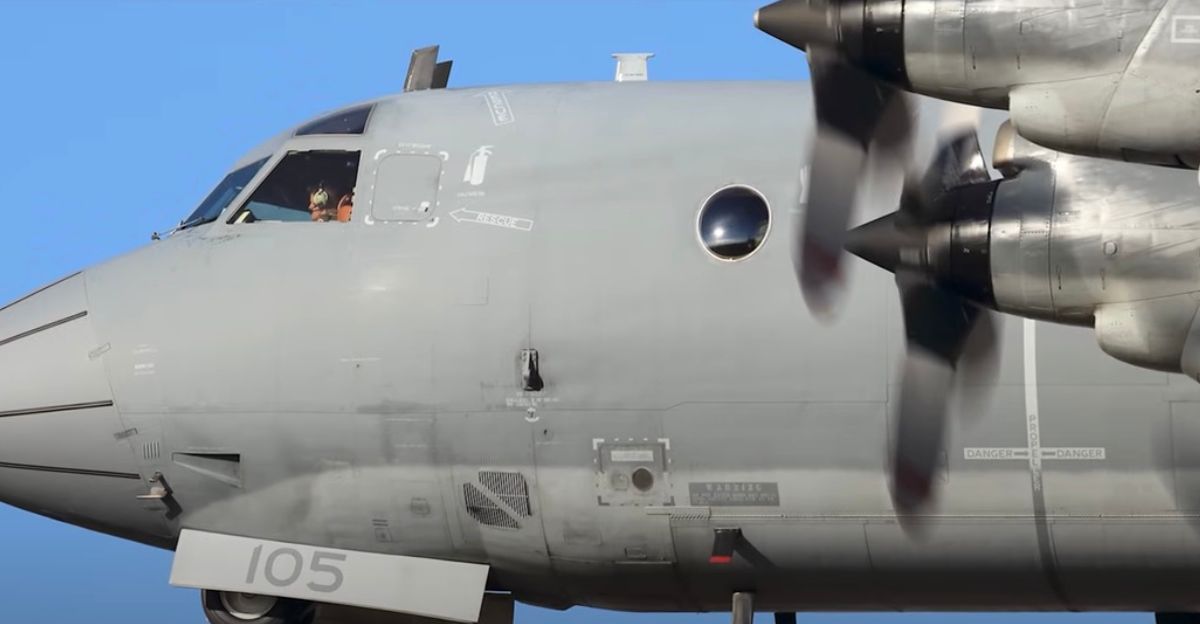
For Canada, Operation NEON is more than a mission; it’s a statement of principle. The Aurora’s crews will keep returning to those same flight paths—watching, documenting, and enforcing international law.
In a region where every flight carries risk, their steady presence reminds us that vigilance remains the fragile but essential price of peace.