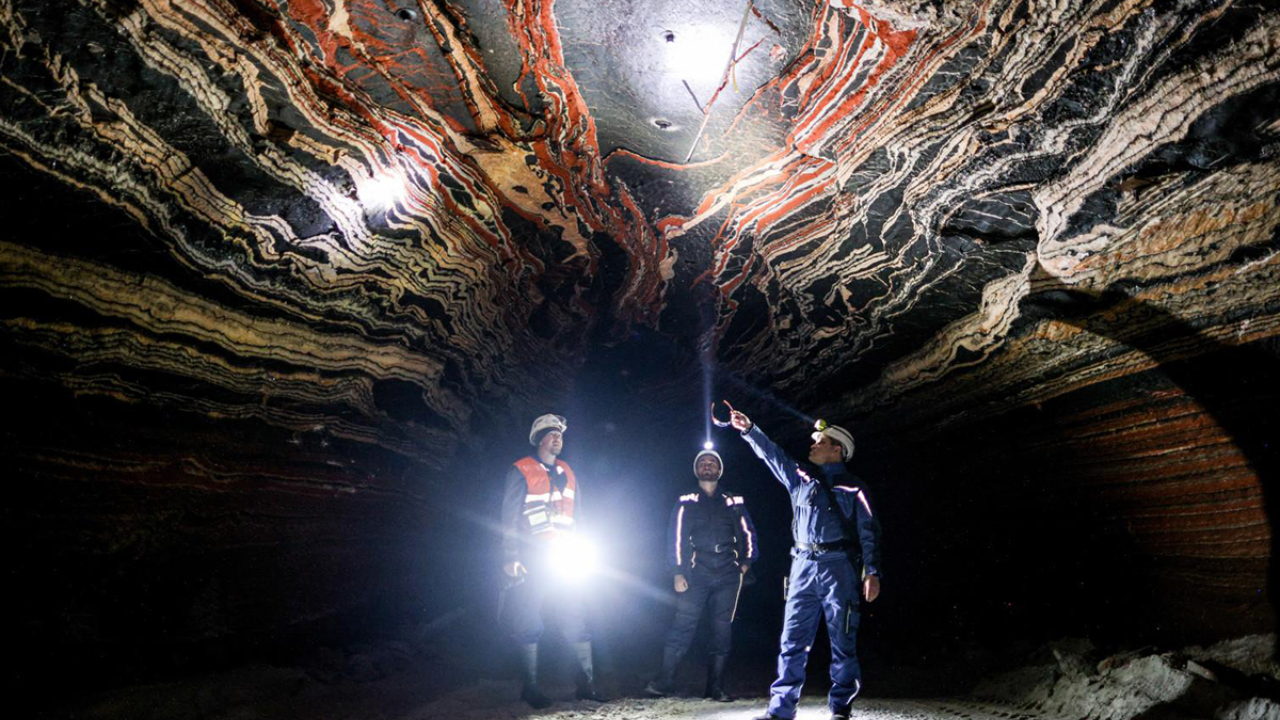
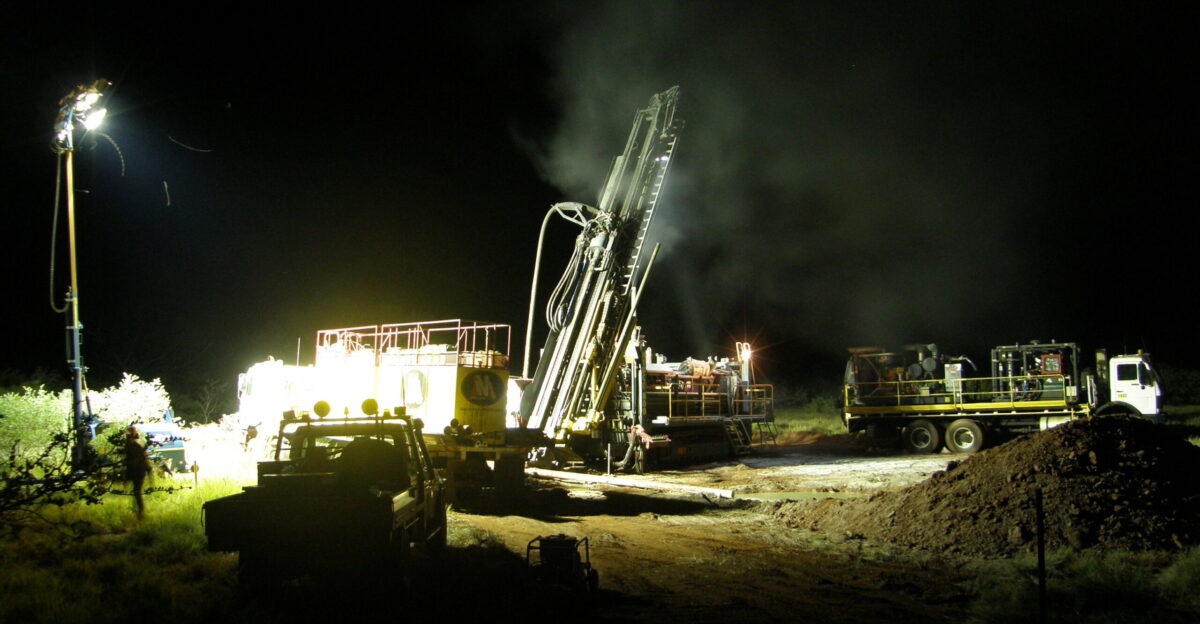
Deep in Western Australia’s Hamersley Province, field geologists drilled dusty cores that overturned conventional thinking. Their samples revealed an iron‑ore deposit dwarfing anything previously recorded: 55 billion metric tons of high‑grade ore valued at roughly US$6 trillion.
Hidden beneath red hills, the find wasn’t just another orebody—it hinted at forces that would soon shake global markets.
Iron Price Collapse
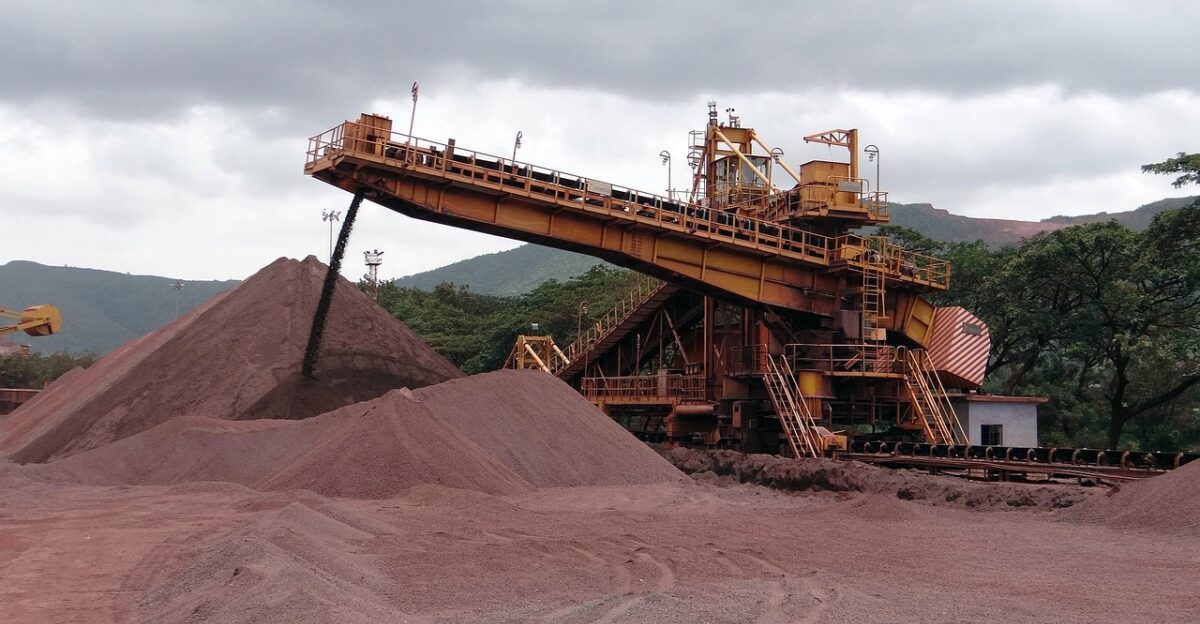
Even before the discovery became public, iron‑ore prices were cratering. Spot prices started 2024 at about US$144 per tonne but sank to roughly US$91 in September—a 27 percent plunge.
Investors were frightened. BHP’s share price slumped almost 20 percent by mid‑January, mirroring a broader rout among miners as demand from China’s construction sector stalled. The unprecedented find arrived amid this turmoil.
Pilbara’s Iron Kingdom
The Pilbara region had long been the world’s iron‑ore powerhouse. Western Australia exported about 889 million tonnes of ore in the 12 months to March 2025, generating A$117.7 billion in revenue.
China soaked up 84.3 percent of that value, while Japan and South Korea accounted for most of the rest. Major producers—Rio Tinto, BHP and Fortescue—shipped 329 Mt, 290 Mt and 194 Mt respectively, underscoring Pilbara’s dominance.
Tensions with China
That dominance came with a cost. Australia’s miners funnelled 80‑87 percent of their output to Chinese buyers, leaving them exposed to Beijing’s bargaining power. BHP sent roughly 85 percent of its Pilbara ore to China, Rio Tinto 79 percent and Fortescue 87 percent.
Price disputes and quota battles simmered for years, foreshadowing the diplomatic confrontation that erupted once the new deposit surfaced.
Unveiling a 55‑Billion‑Ton Lode
Scientists at Curtin University revealed that the Pilbara deposit contained 55 billion metric tons of ore with iron concentrations above 60 percent. Uranium‑lead dating showed the orebody formed about 1.4 billion years ago—hundreds of millions of years younger than previously believed.
The lode’s estimated value of roughly $ 6 trillion and its ability to rewrite geological timelines made it the centerpiece of global headlines.
Jobs and Regional Boom
The existing Pilbara operations already employed thousands of workers and anchored remote communities. Rio Tinto’s latest West Angelas project underscored what was at stake: a US$733 million investment that will create about 600 construction jobs and support roughly 950 permanent positions.
With the new deposit promising decades of production, regional governments prepared for an even bigger economic windfall.
Scientific Breakthrough

Lead researcher Dr Liam Courtney‑Davies called the discovery “a radical transformation for the mining sector,” explaining that its size and purity could reset global trade dynamics.
His team used advanced uranium–lead isotopic techniques to date the orebody, proving it formed later than previously thought and providing a blueprint for finding similar deposits. The breakthrough revealed that high‑grade hematite can emerge during supercontinent cycles, not only in ancient crusts.
Miners Race to Adapt
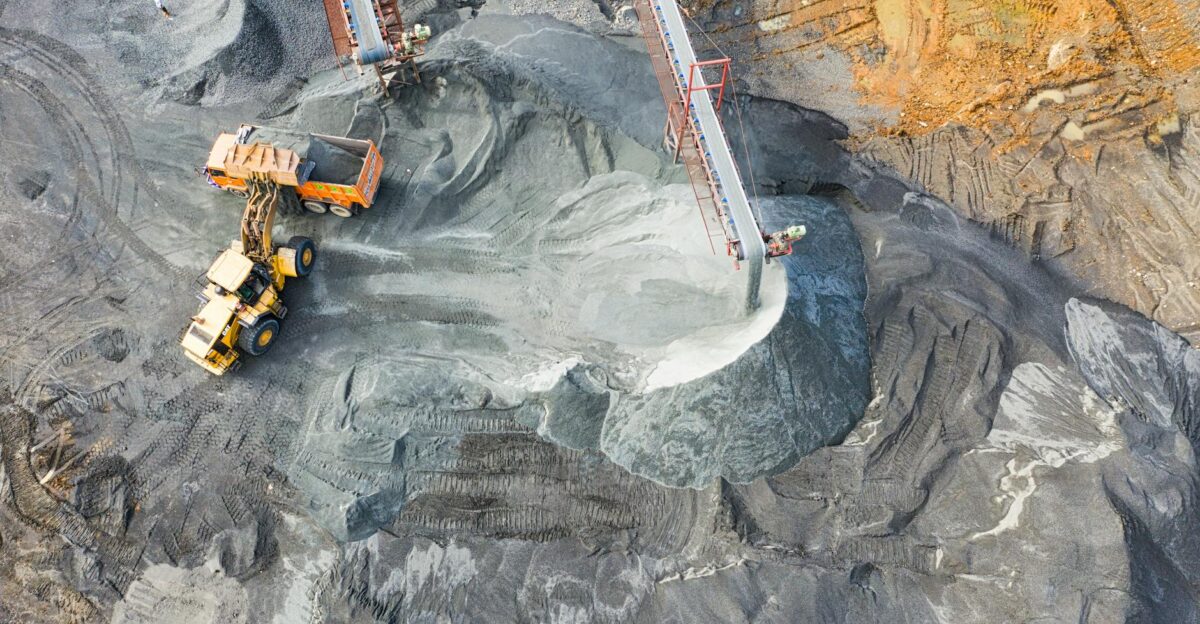
Mining giants scrambled to reassess strategies. UBS data showed BHP shipped around 85 percent of its Pilbara output to China, while Rio Tinto dispatched 79 percent and Fortescue 87 percent.
With a record cache looming, executives feared that a flood of premium ore would upend delicate supply relationships. Maintaining market share suddenly required balancing old customers with new opportunities.
Steel Supply Shift
Global steel output fell slightly to about 1.84 billion tonnes in 2024, yet China still produced 1.005 billion tonnes—over 54 percent of the total.
India’s demand, by contrast, grew 8 percent in 2024 and is expected to expand 7 percent in 2025, with its share of global consumption projected to triple by mid‑century. The emergence of a super‑sized Australian deposit coincided with a shift away from China‑centred consumption.
Beijing’s Buying Ban
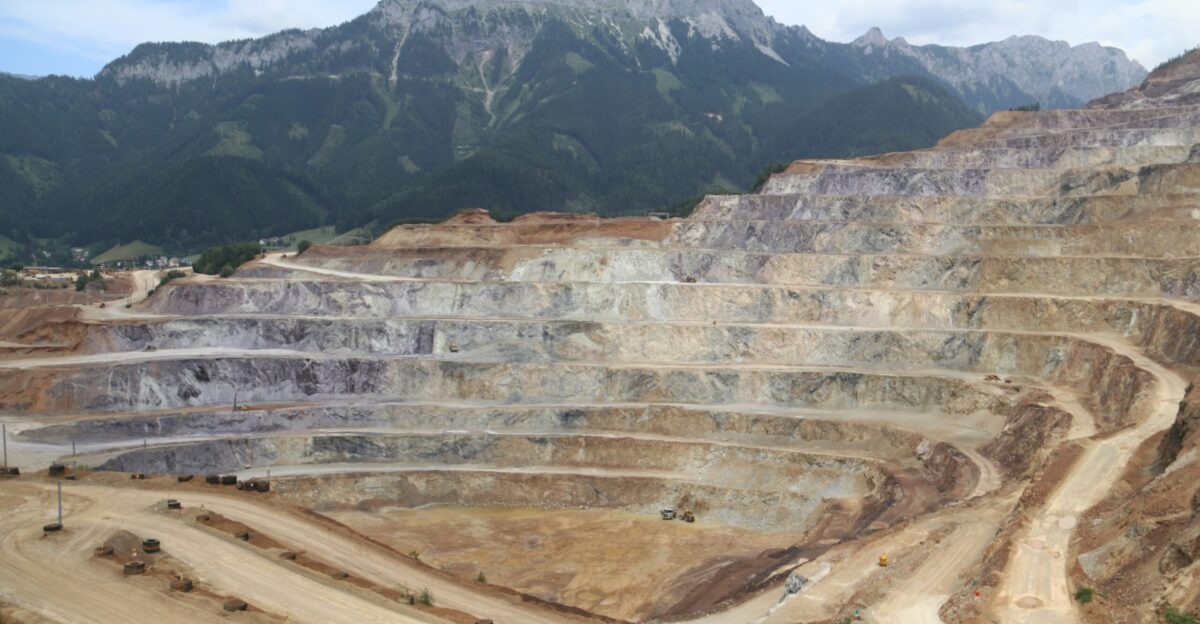
In late 2025, China Mineral Resources Group, representing more than half of Chinese steelmakers, abruptly ordered mills to halt new purchases from BHP over a pricing dispute. The state‑controlled buyer suspended dollar‑denominated contracts for cargoes already at sea, effectively weaponizing trade relations.
The ban shocked markets and highlighted how quickly geopolitical tensions could undercut billion‑dollar resources.
Leaders Push for Calm

Australian Prime Minister Anthony Albanese decried China’s ban as “disappointing,” urging both sides to ensure exports flowed “without hindrance” and for markets to operate properly.
He expressed hope that the measures would be short-lived. With tens of thousands of jobs and billions in revenue on the line, Canberra and Beijing quietly worked to defuse the standoff before it spread to other commodities.
Allies and Rivals

Beijing’s appetite for Australian ore is complicated by a partnership. At the Western Range mine, a US$2 billion venture owned 54 percent by Rio Tinto and 46 percent by China Baowu, the sides will share 25 million tonnes of annual output.
Baowu chairman Hu Wanming lauded the project as “a strategic cornerstone” and “a model for China‑Australia economic and trade cooperation”. Such collaborations temper but do not erase competitive tensions.
Africa’s Challenge
China is no longer reliant on Australian ore alone. In Guinea, Chinese firms control 75 percent of the massive Simandou project, which aims to produce 120 million tonnes a year of high‑grade ore averaging around 65.3 percent iron.
A 620‑kilometre railway and deepwater port will carry the ore to ships. When exports begin in 2025, Simandou could supply about 10 percent of China’s seaborne imports, challenging Australia’s dominance.
Analysts Warn of Surplus

Market analysts warned that China’s steel industry faced an overcapacity crisis. Wood Mackenzie’s Rohan Trivedi estimated that Chinese mills would run a 50‑million‑tonne surplus in 2025, potentially ballooning to more than 350 million tonnes over the longer term.
Such excess could push iron‑ore prices toward US$70 per tonne and accelerate the shift to alternative suppliers, underscoring how vulnerable Australia’s windfall might be.
The Decade Ahead
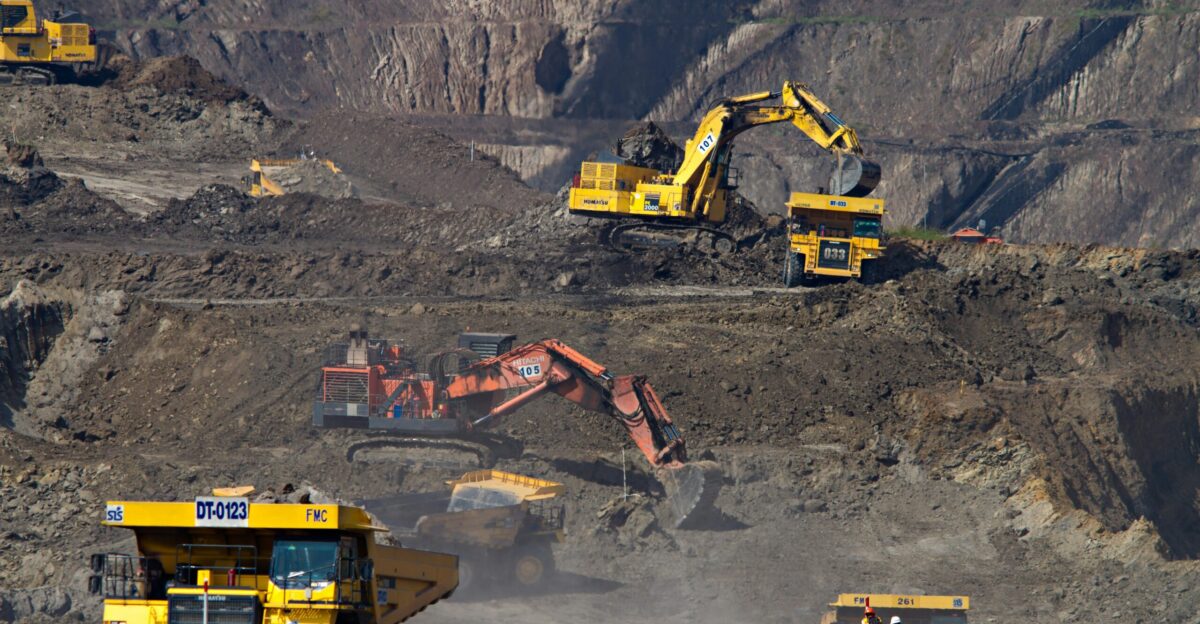
With India and Southeast Asia rising and China diversifying, the next decade will test whether Australia’s $6 trillion dollar can sustain its supremacy. India’s steel demand is growing rapidly, while new supply from Africa is poised to enter.
The Pilbara find arrives amid shifting consumption patterns and could either entrench Australia’s role or hasten a multipolar market.
Regional Rivalries Intensify
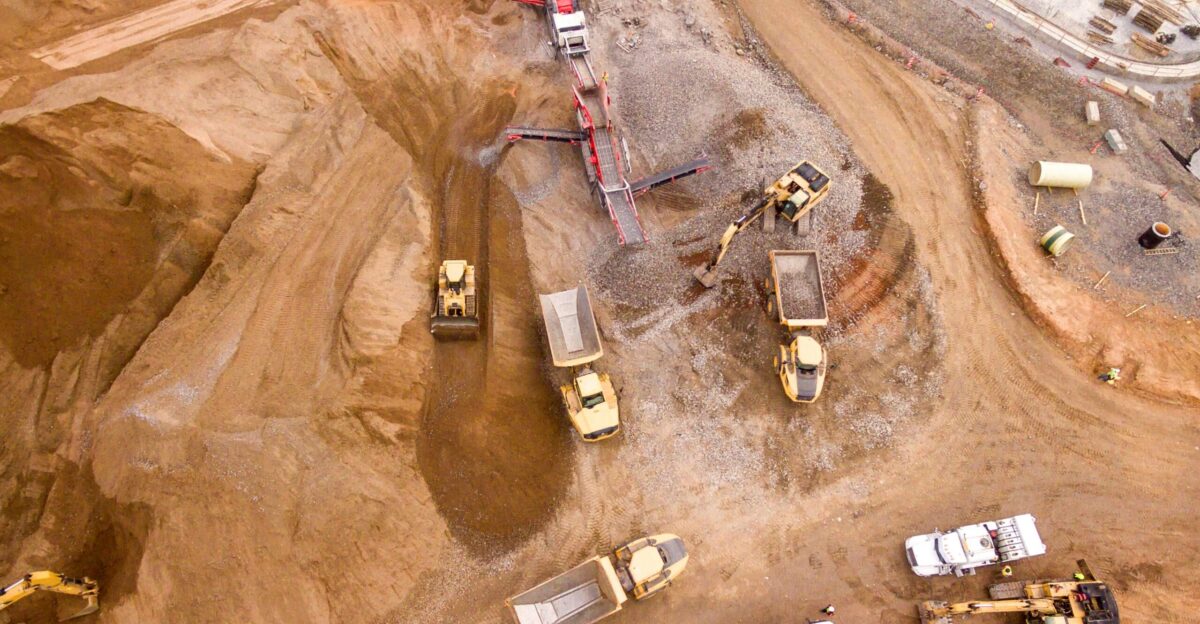
As China looks outward, other Asian nations race to build capacity. India’s steel demand is forecast to grow 7 percent in 2025, and its share of global consumption may triple by mid‑century.
Emerging producers in Vietnam and Indonesia are also expanding. The Western Australian treasure emerges against this backdrop, turning resource diplomacy into a strategic battleground across the Indo‑Pacific.
Building the Long Road

Developing Africa’s alternative supply requires monumental infrastructure. The Simandou project includes a 620‑kilometre railway snaking through Guinea’s mountains and a new deepwater port.
These investments signal China’s determination to reduce reliance on Australian ore. Should the project succeed, it will redraw shipping routes and further fragment the global iron‑ore map.
Green Steel Revolution
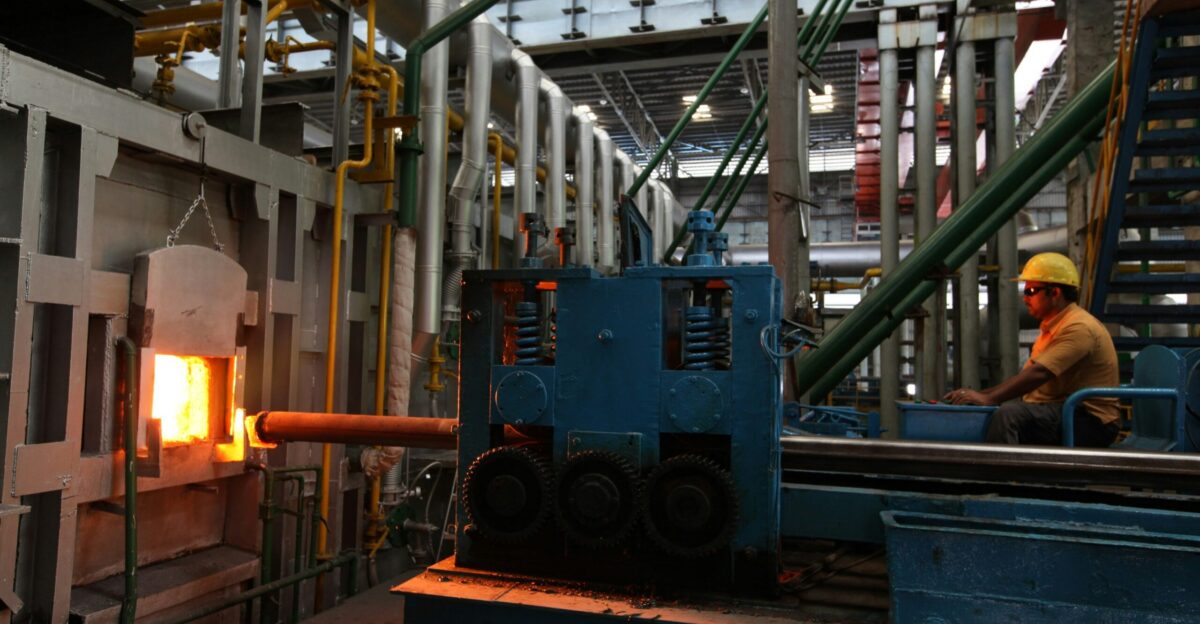
Environmental pressures could elevate the Pilbara deposit’s importance. Decarbonising steel production requires switching from coal‑based blast furnaces to green hydrogen direct reduced iron (DRI) processes that need ore with at least 67 percent iron.
IEEFA analyst Simon Nicholas notes that miners still focus on lower‑quality blast‑furnace feed because coal‑consuming technology dominates. Co‑author Soroush Basirat adds that magnetite ore is often more suitable for DRI pellets. The super‑deposit’s high grade may align with future green steel demand.
Community Voices Clash

Not everyone welcomes more digging. The Yindjibarndi Aboriginal Corporation filed a claim seeking A$1.8 billion in compensation for cultural and economic damage caused by mining on their lands—A$1 billion for spiritual loss and A$678 million for economic harm.
Indigenous custodians say at least 285 archaeological sites have been damaged. Younger activists demand environmental safeguards, while older residents eye jobs and royalties, exposing a generational rift.
A Fragmented Future
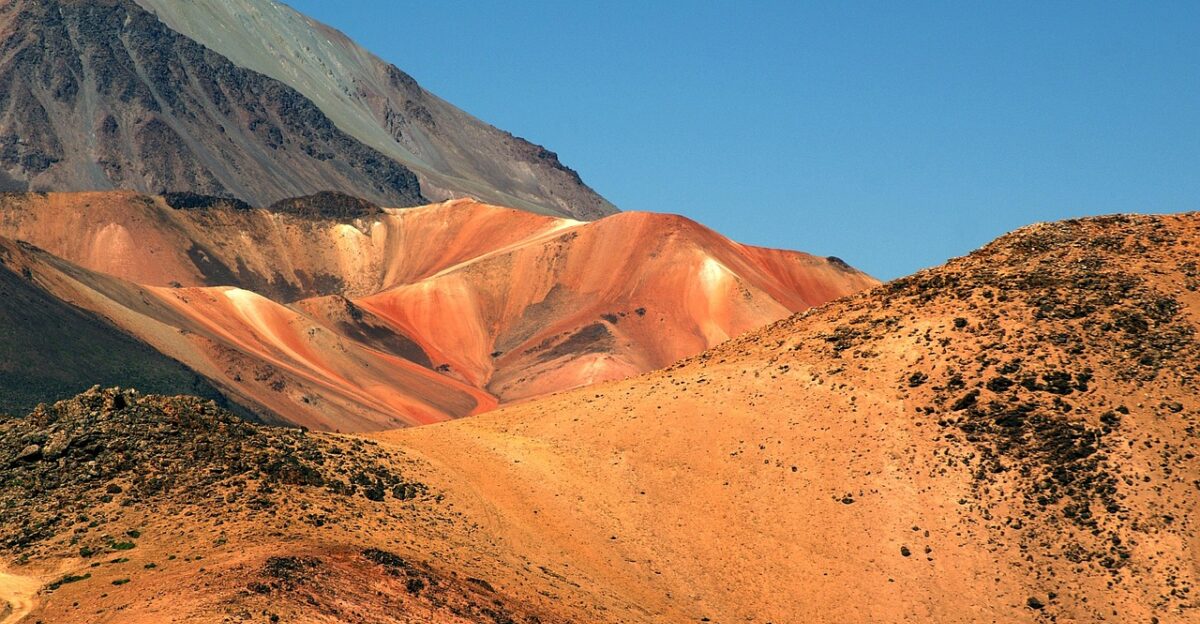
The world’s biggest iron‑ore discovery embodies both promise and peril. Its 55‑billion‑ton bounty could underpin Australian prosperity for decades, yet China’s diversification, African projects, and shifting environmental standards threaten to reduce its leverage.
As high‑grade ore becomes indispensable for green steel, the Pilbara find may fuel a new era of competition—one defined less by bilateral ties than by a fragmented, multipolar scramble for resources.