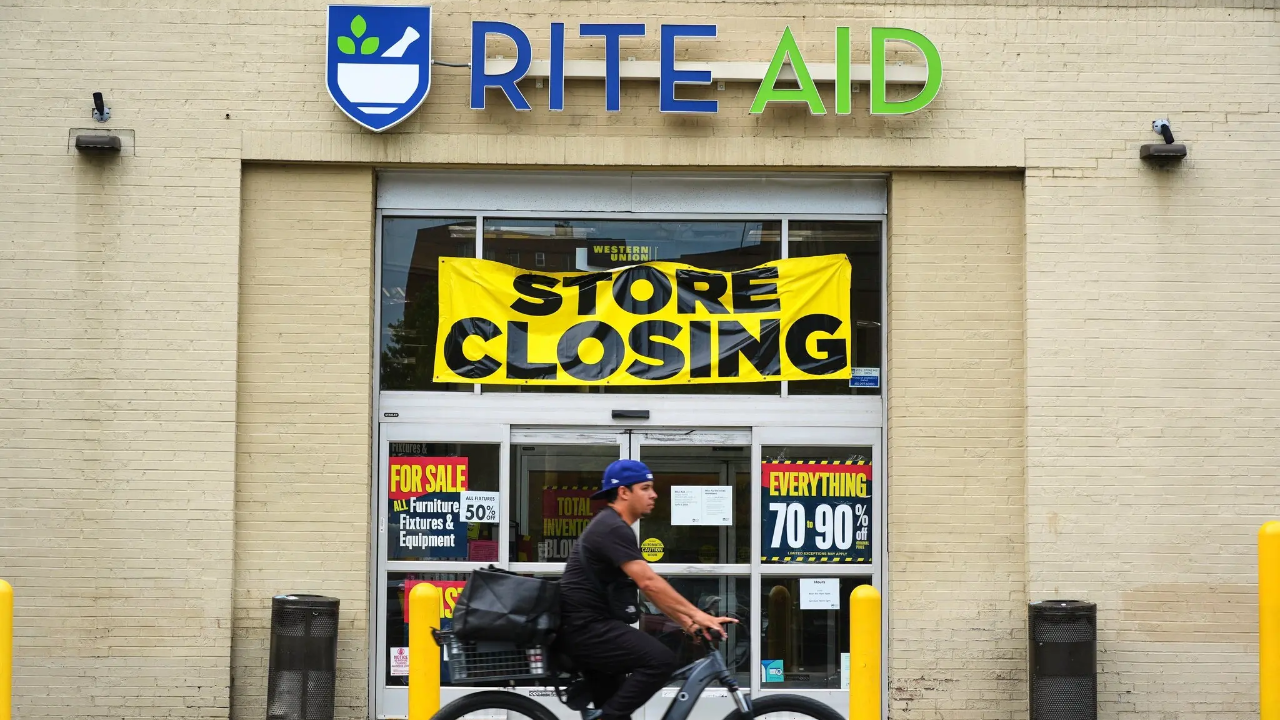
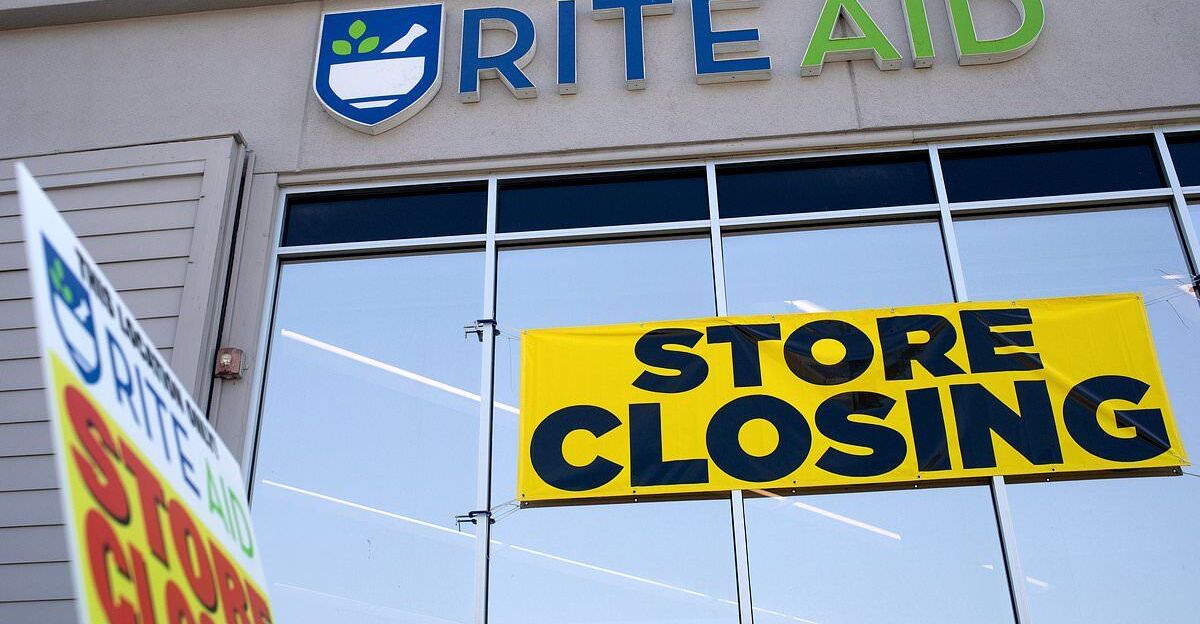
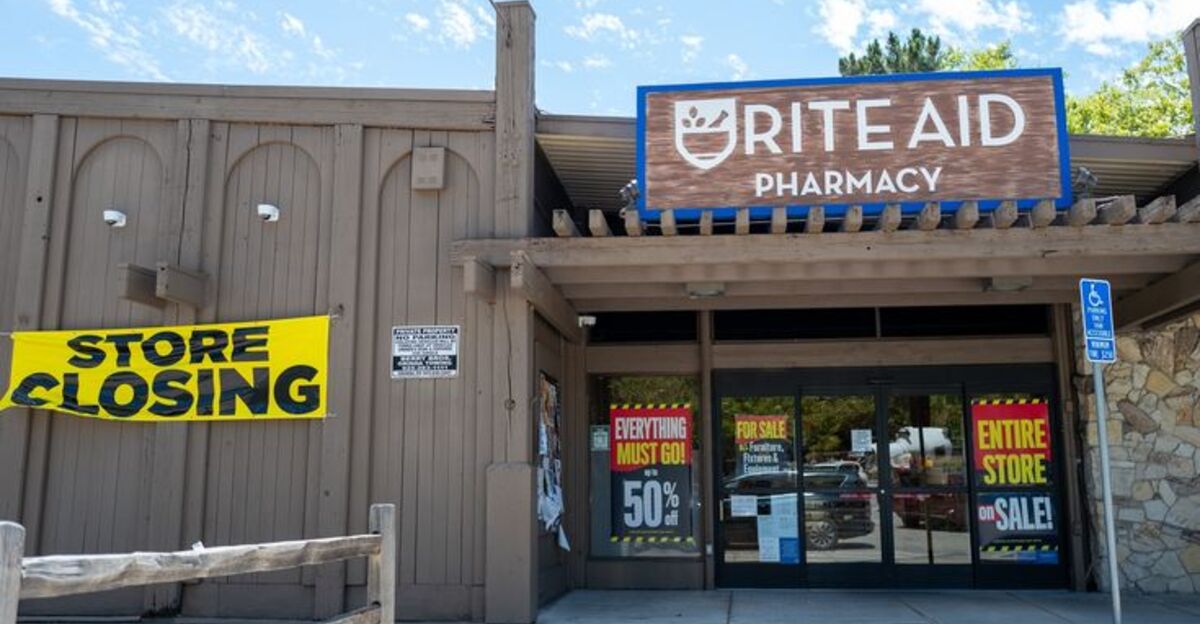
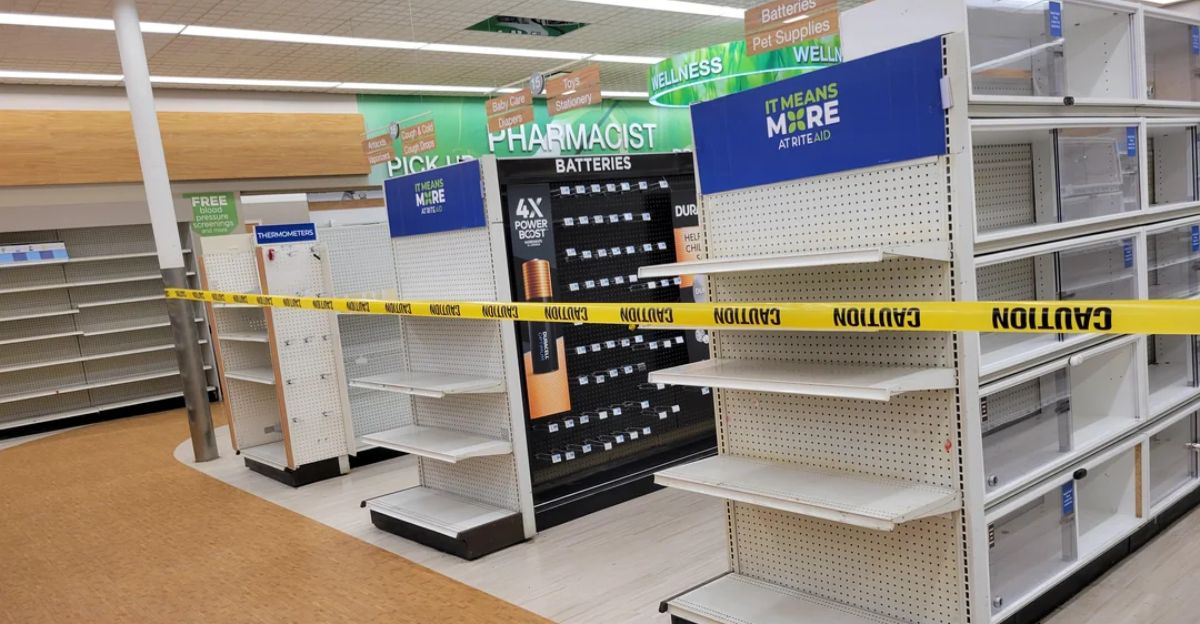
In October 2025, Rite Aid, once the third-largest pharmacy chain in America, permanently closed all 89 of its remaining stores after serving communities nationwide for decades. Founded in 1962, the company’s abrupt exit had a profound impact on the U.S. healthcare and retail landscapes.
Former customers and communities, especially in regions where Rite Aid was their only pharmacy, felt the loss immediately as access to routine prescriptions and health support vanished. Analysts say this marks the single most significant contraction of pharmacy access in recent history.
Debt, Lawsuits, and Intensifying Competition
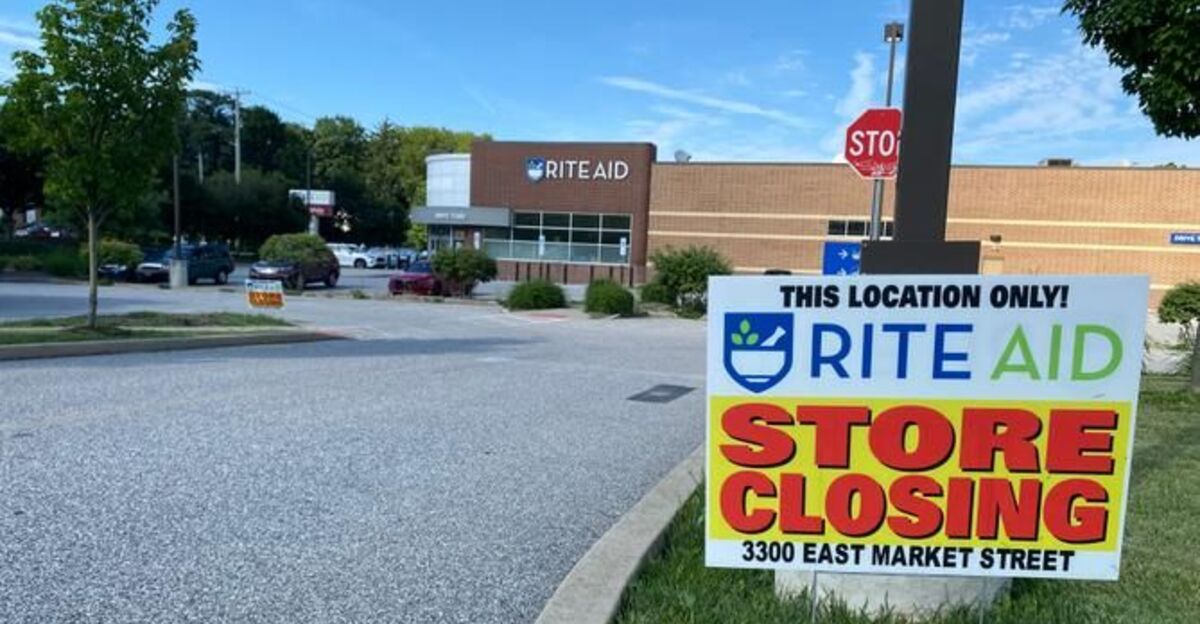
Rite Aid’s downfall was the result of a series of cascading financial troubles, including a crippling debt load that exceeded $4 billion.
The company’s latest bankruptcy came just 18 months after its previous one, fueled in part by large legal settlements over opioid dispensing practices and an inability to keep pace with efficiency advances at CVS and Walgreens.
Industry experts note that aggressive expansion by larger competitors cut deep into Rite Aid’s customer base over several years, accelerating their decline.
Pharmacy Deserts Emerge Overnight
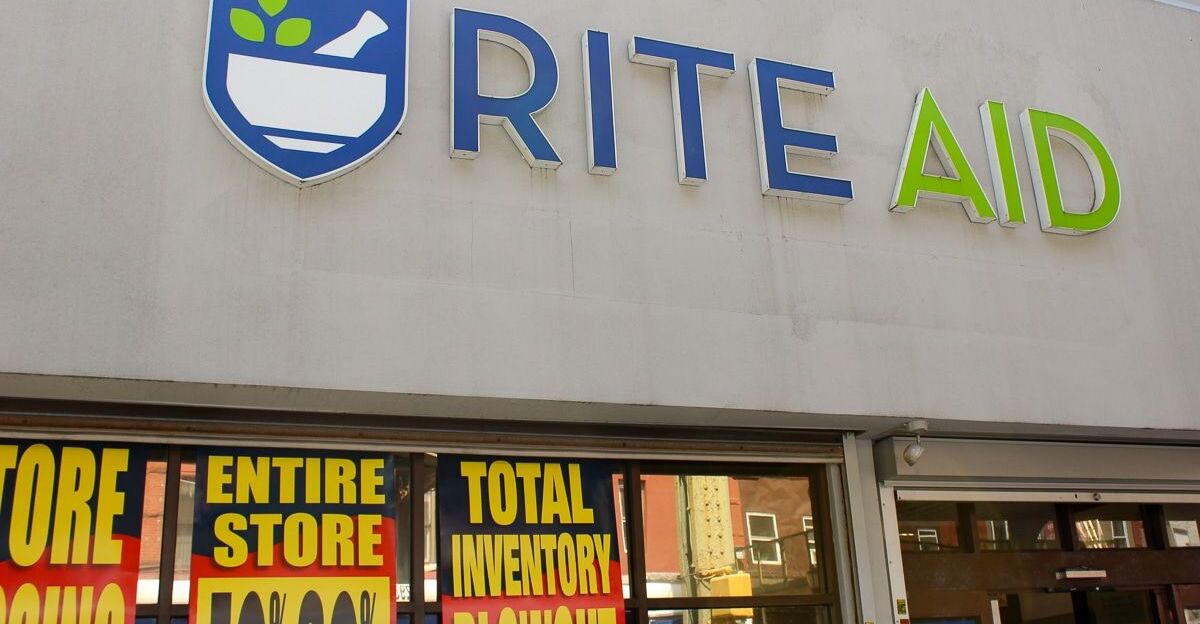
The sudden closures left many Americans, particularly those in small towns or rural communities, without nearby pharmacy options.
“Pharmacy deserts” appeared almost overnight in low-income communities, complicating access to prescriptions, vaccinations, and over-the-counter medications.
Former Rite Aid customers reported longer travel times or confusion transferring prescriptions, while healthcare advocacy groups raised alarms about potential increases in health disparities.
Workforce Left in Limbo
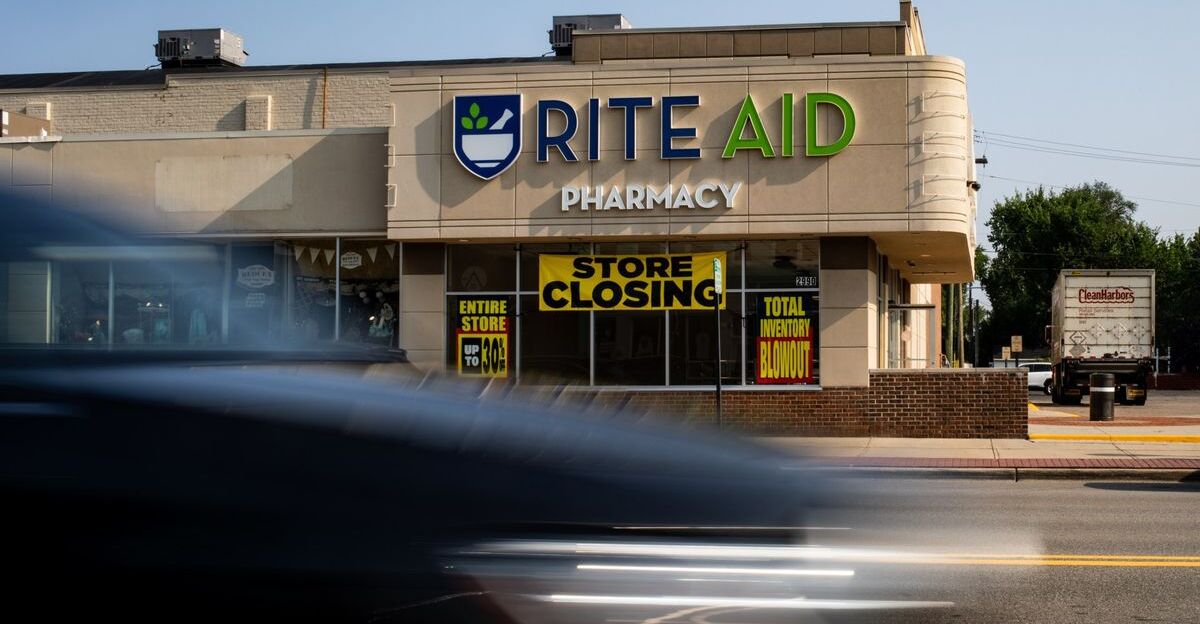
Rite Aid’s collapse resulted in thousands of workers, including pharmacists, store managers, and clerks, losing their jobs within weeks.
Although some larger competitors absorbed a fraction of displaced staff, the majority faced uncertain employment prospects.
Dr. Christopher Daly, a pharmacy labor expert, warned the closures could have a “monumental negative impact” on both the professional workforce and the ability of communities to receive safe, timely medication.
Competitors Absorb Patients and Files
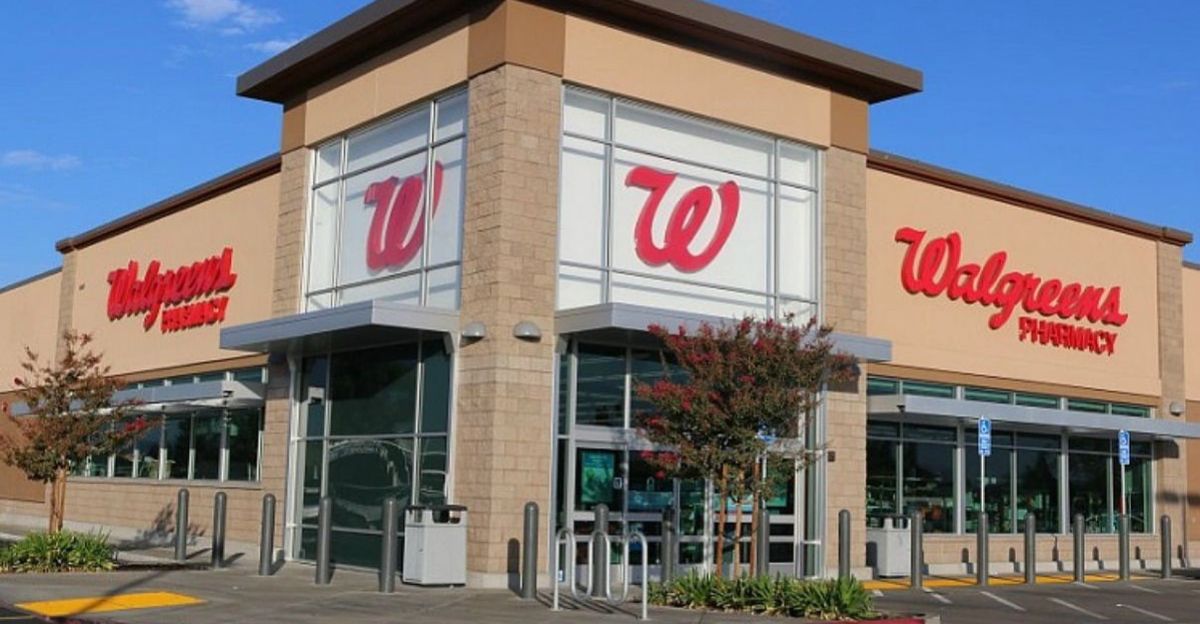
Industry giants like CVS, Walgreens, Kroger, and Albertsons quickly moved to acquire Rite Aid’s prescription files and assets, ensuring some continuity for millions of patients. Over 1,000 of Rite Aid’s pharmacy locations had their records and some leaseholds shifted to rivals.
Despite this transition, patients encountered delays, administrative hurdles, and occasional shortages as their records were transferred and local service networks were restructured.
Supply Chains and Pharma Distributors Pivot
The withdrawal of Rite Aid triggered widespread logistical changes for pharmaceutical distributors. Major suppliers, who counted Rite Aid as a key client, promptly rerouted deliveries to pharmacy chains absorbing its customers.
According to analyst Joseph Cullen, some manufacturers faced temporary disruptions, requiring expedited orders and new contractual terms with surviving pharmacy networks to maintain steady drug supplies across all regions.
Toll on Local Communities

Employees and long-time customers in cities like Philadelphia and Buffalo described emotional scenes as stores closed for the last time, with some patients missing critical medications due to gaps in access.
Rite Aid’s withdrawal left especially vulnerable groups, like seniors and low-income families, without nearby support for managing chronic health needs, demonstrating the immediate and personal impact on both workers and their communities.
Government Scrutiny and Calls for Regulation

The closure sparked calls for government action. Federal and state agencies have begun discussing regulatory reforms to prevent significant service gaps in the future, such as streamlined licensing for new pharmacy entrants and grants to open stores in underserved areas.
Lawmakers have also initiated investigations into how pharmacy deserts are affecting vulnerable populations and are considering further steps to ensure access to medication.
Drug Prices See Upward Pressure

In the aftermath, several regions experienced a 3–8% increase in prescription costs, largely due to decreased competition and higher demand at the remaining chains.
Experts warn that these price increases, which are primarily occurring in areas previously served by Rite Aid, are felt most acutely by seniors and those requiring regular medication, potentially driving up overall healthcare costs and exacerbating existing inequities.
Pharmacy Chains Expand Offerings

In response to the new vacuum, CVS, Walgreens, and other rivals expanded their services, launching telehealth services, digital prescription renewals, extended business hours, and accelerated home delivery options.
This investment aims not only to accommodate the surge in customers but also to recapture the trust and loyalty of communities still reeling from Rite Aid’s exit.
Senior Facilities Face Transition Challenges

Nursing homes and long-term care facilities that had relied heavily on Rite Aid found themselves scrambling to establish new pharmacy partnerships. Some experienced short-term disruptions, including delayed medication deliveries and paperwork snags.
Several facility managers have expressed ongoing concerns about the future reliability of their medication supply chains.
Effects Felt in Allied Businesses

The shutdown’s effects reverberated through allied sectors. Prescription transfer software vendors and healthcare IT start-ups experienced a surge in demand as prescription records required urgent migration.
Medical logistics providers reported rerouted deliveries and extra costs as the geography of pharmaceutical service shifted practically overnight.
International Manufacturers Monitor U.S. Shifts

Global drugmakers, particularly those in India and Europe, closely monitored U.S. developments. With large orders suddenly redirected from Rite Aid to its competitors, international suppliers had to renegotiate contracts and adjust their export volumes.
This led to brief delays in some specialty and generic medications entering the U.S. market as new agreements were struck.
Public Health and Preventive Care Gaps Emerge

Health officials in multiple states reported drops in vaccination and preventative screenings, as former Rite Aid sites often hosted flu shot drives and wellness clinics.
Some non-profit groups have since deployed mobile clinics and community outreach teams to affected neighborhoods, attempting to minimize disruptions to routine care and public health initiatives.
Debate Over Retail Health Reliance
The scale of Rite Aid’s collapse reignited a national debate about whether Americans should rely too heavily on large retail chains for essential health services.
Health policy specialists are urging support for smaller, locally owned pharmacies and considering new policies to diversify the field, thereby reducing the risk of similar mass pharmacy gaps in the future.
Competitors Gain

Competitors like CVS, Walgreens, and select independent pharmacies stood to gain from an influx of new customers and the acquisition of former Rite Aid locations.
Yet, Rite Aid’s shareholders and many local commercial landlords faced steep financial losses, as did manufacturers who lost large, long-standing accounts virtually overnight.
Wall Street and the Retail Pharmacy Sector
Rite Aid’s shares plummeted to historic lows in the wake of the final closure. Meanwhile, competitors’ stocks trended upward on speculation of consolidated market power.
Still, experts caution that further volatility is expected if mass closures become more common in U.S. retail pharmacy, as investors react to systemic risks and the potential for regulatory reform.
What Displaced Customers Should Do Now

Healthcare experts recommend that affected customers promptly confirm transfer of their active prescriptions to a new pharmacy, double-check insurance compatibility, and take advantage of expanded digital services.
Acting quickly will minimize supply interruptions; outreach programs led by local health departments are helping guide individuals through the transition.
Communities Plan for Long-Term Solutions

Local governments and advocacy groups in states such as Pennsylvania, Ohio, and California are lobbying for state and federal grants to incentivize new pharmacy openings in underserved areas, while some communities experiment with telehealth kiosks and mobile pharmacies to address persistent service gaps. Policy discussions continue at the national level.
A Defining Moment for U.S. Healthcare Access
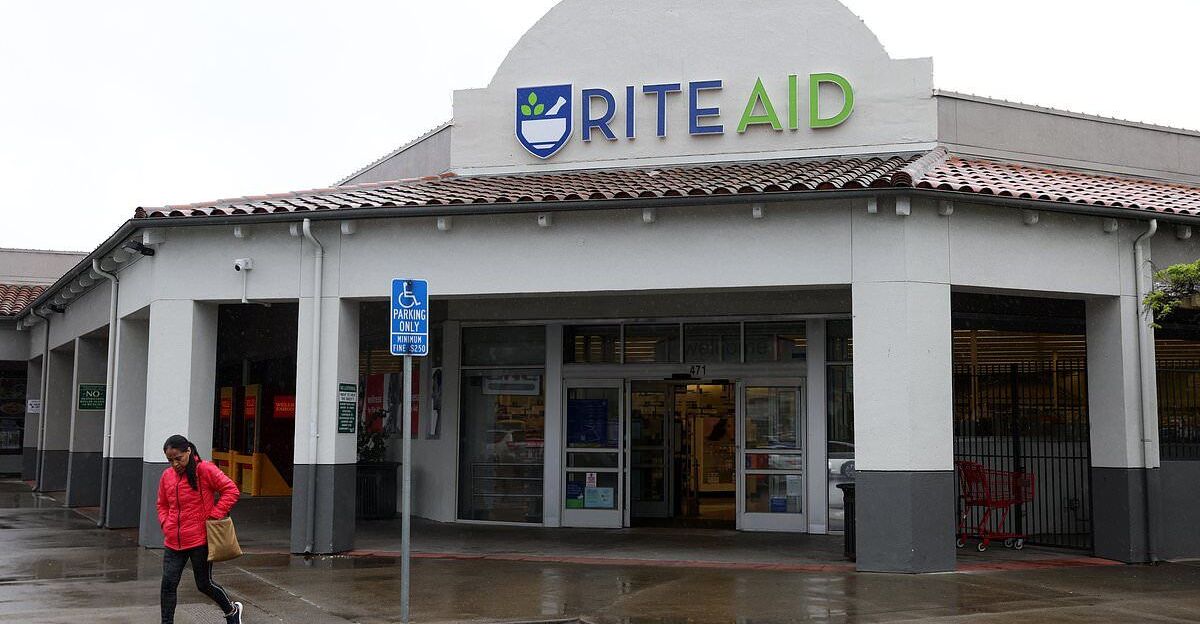
Rite Aid’s collapse signals a significant shift in pharmacy access and business models in America. As communities, policymakers, and the industry adapt, the crisis offers lessons about resilience, the risks of consolidation, and the urgent need for diverse, accessible healthcare services in every community.