
On September 22, 2025, Atlas Holdings announced it would acquire a major U.S. office supply chain for approximately $1 billion, paying a 34% premium over the prior week’s closing price. The deal comes after more than a decade of store closures—over 1,000 locations shuttered—shrinking the company’s footprint by more than half and cutting thousands of jobs.
“This transaction…will improve the company’s position for the next phase of growth,” said the company’s CEO.
With roughly 830 stores and 19,000 employees remaining, the move raises a critical question: Can this long-struggling retailer pivot successfully in an e-commerce-dominated landscape?
A $1 Billion Deal With Hidden Messages

The all-cash $1 billion acquisition, priced at $28 per share, offered shareholders a 34% premium on September 19, 2025. Yet while shares jumped 33% on announcement day, the stock had traded above $50 in May 2024—a 44% drop.
Valued lower than the $1.17 billion paid for a 2013 acquisition, the deal signals both opportunity and a full-circle reversal for a once-mighty retail chain.
An Industry Collapsing Under Its Own Weight
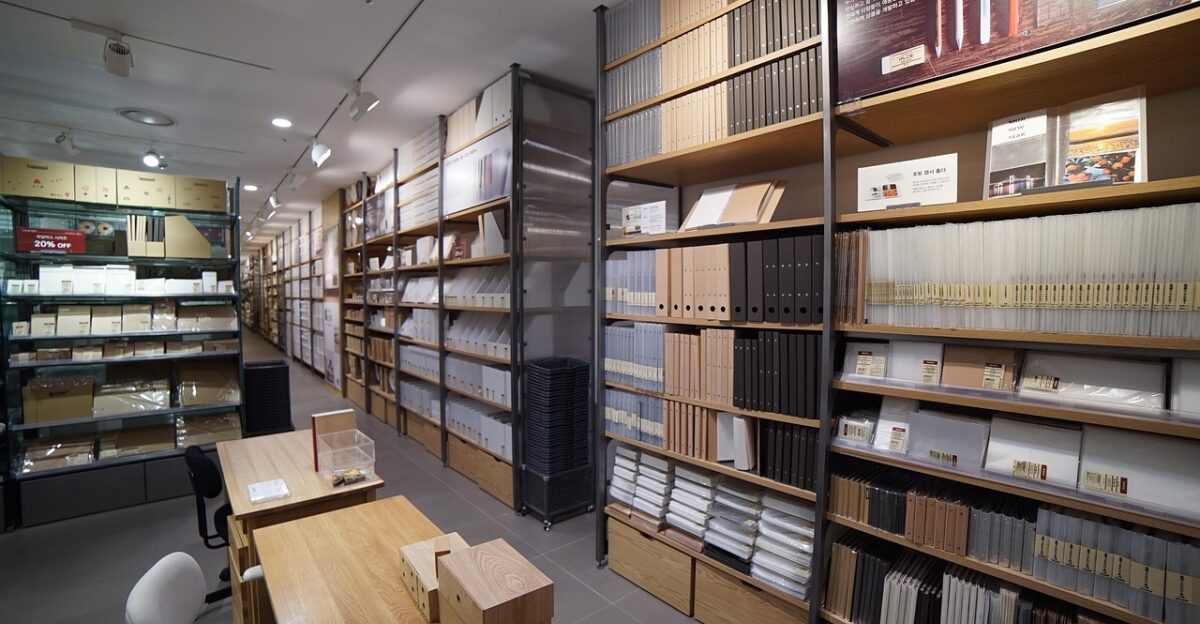
The U.S. office supply sector has shrunk at a 4% annual rate over five years, falling from $25.5 billion in 2020 to $20.9 billion in 2025. Digitalization, e-commerce, remote work, and shifting consumer behavior have slashed demand.
Even peak back-to-school sales barely stem the decline. The sector faces existential threats as Amazon Business and Staples capture growing online market share.
Revenue Plunge: $11 Billion Lost in a Decade

The company saw revenue collapse from $11.7 billion in 2015 to just $7 billion in 2024, a $4.7 billion loss. Each store closure averaged $6.8 million in lost revenue annually.
Business Solutions (B2B) now contributes 58% of revenue, retail stores 37%, and supply chain/logistics 5%.
So, Who’s The Long-Struggling Retailer, Anyway?
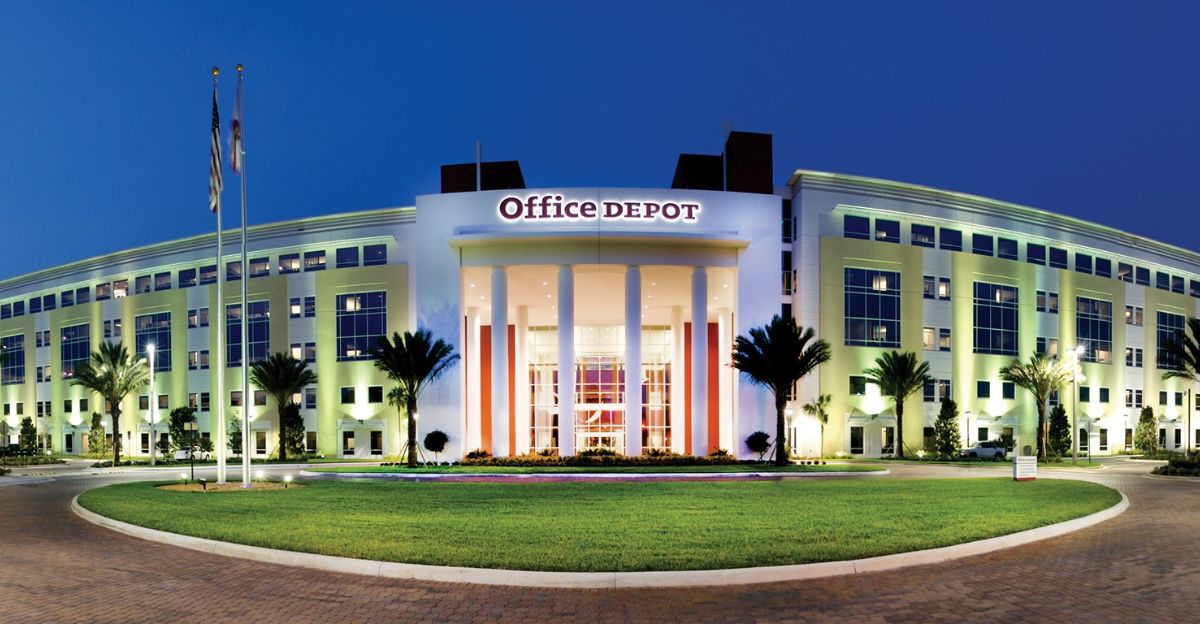
The ODP Corporation, parent of Office Depot and OfficeMax, is set to go private under Atlas Holdings for $28 per share—about $1 billion in total value. The deal, expected to close by year-end 2025, will delist the company from NASDAQ after 37 years as a public company (IPO: June 1, 1988).
“Atlas has a long history of transitioning public companies into successful private enterprises, and we are uniquely positioned to do just that with The ODP Corporation — an iconic American company,” said Atlas Managing Partner Michael Sher.
The threads connect: why over 1,000 stores closed, why revenue fell from $11.7 billion in 2015 to $7 billion in 2024, and why independence faded.
Office Supply Deserts Are Growing Across America
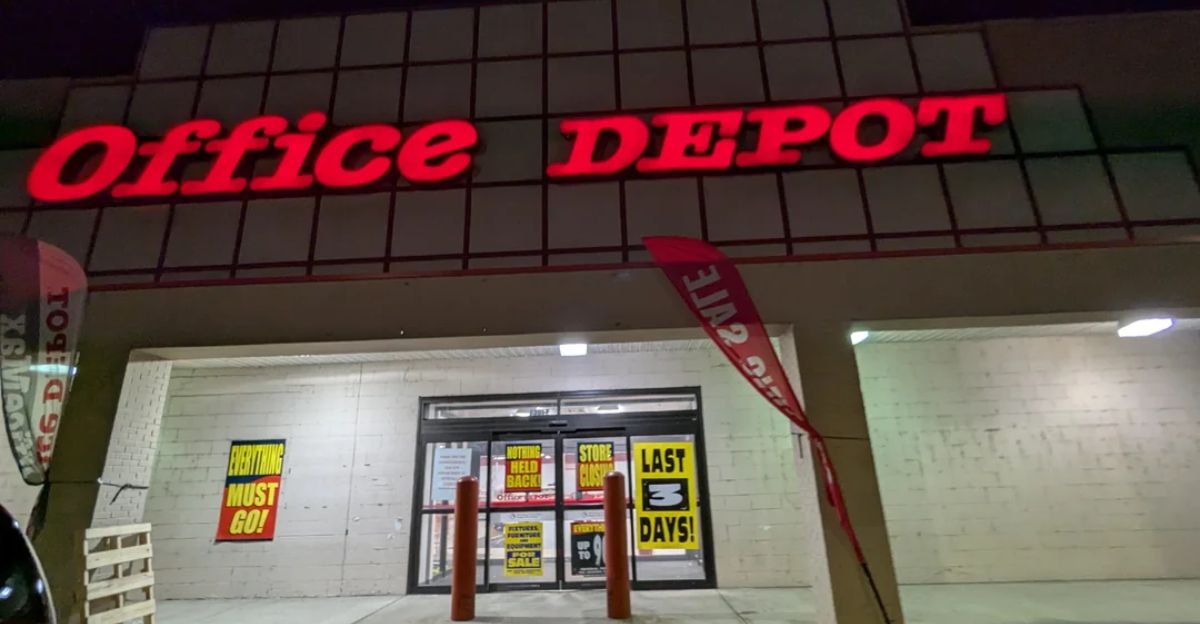
With 1,082 store closures from 2013–2025 (56.6% reduction), many communities—especially rural and lower-income areas—now face limited access to critical office supplies.
Teachers scrambling for classroom needs, small business owners needing urgent orders, and nonprofits driving longer distances confront what’s being called “office supply deserts.” The impact hits hardest where alternatives are scarce.
Employees Endured Years of Turmoil
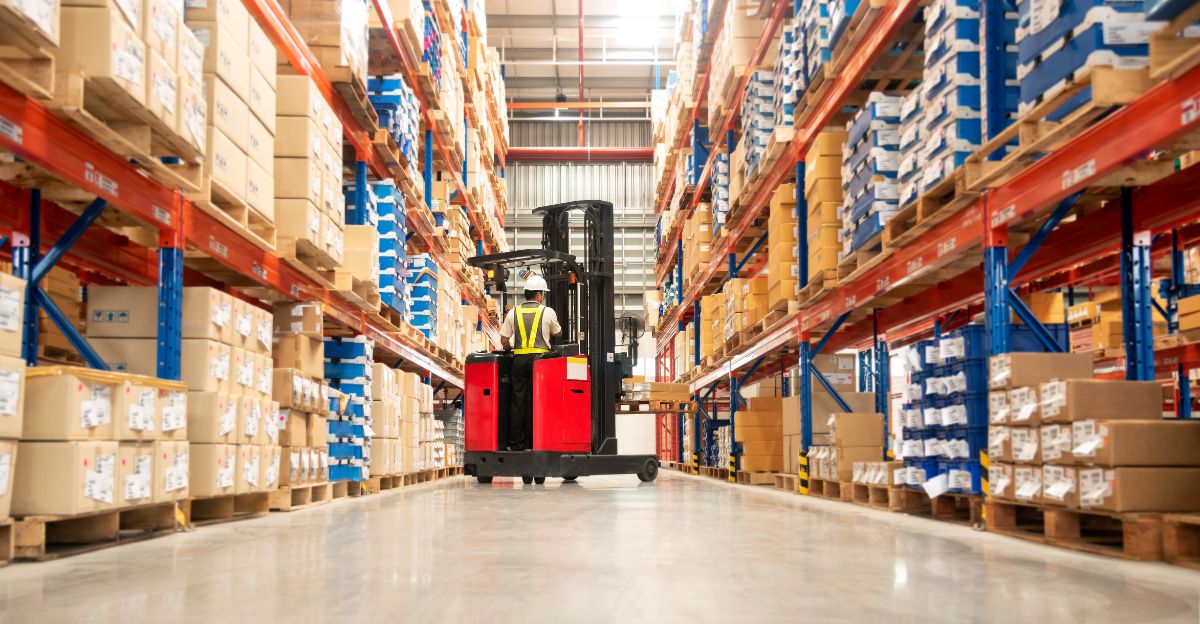
The 56% store reduction meant thousands lost store, distribution, and corporate roles. Peak employment likely exceeded 40,000–50,000; by 2024, it had dropped to 19,000. Workers faced severance struggles, relocation challenges, automation, and restructuring anxiety.
Retail roles disappeared, distribution jobs were consolidated, and corporate teams endured repeated layoffs over a decade.
Staples Took a Different Path
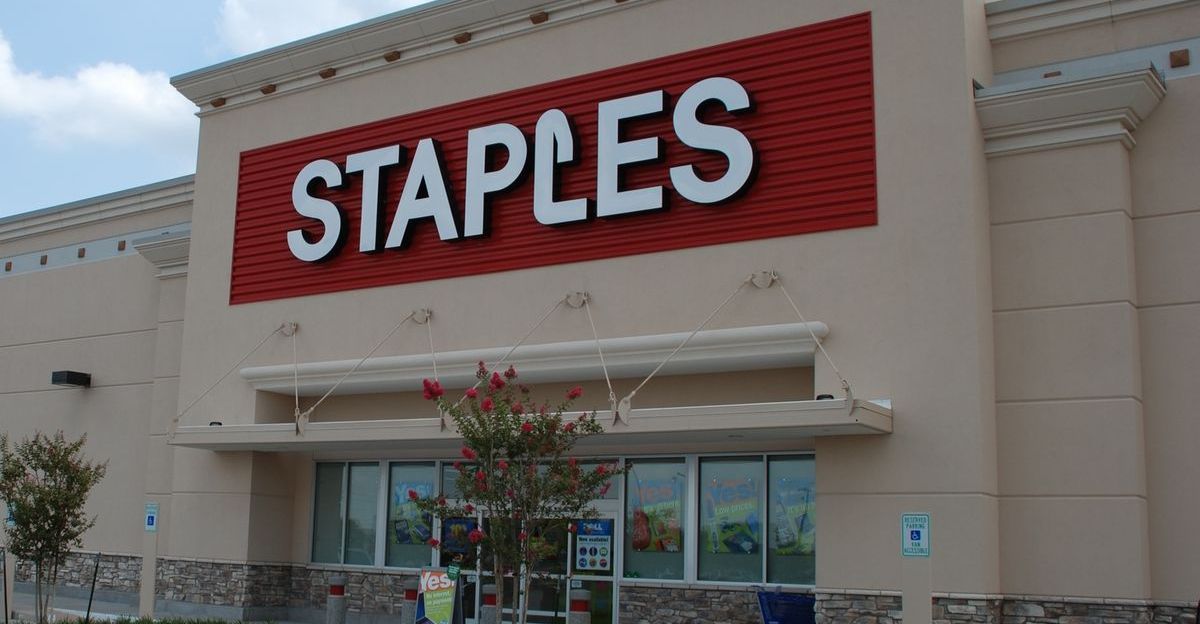
Staples, Office Depot’s main competitor, faced the same industry collapse: e-commerce disruption, declining office demand, and digitalization replacing paper workflows. In 2017, Staples went private for $6.9 billion under Sycamore Partners, pivoting quickly to B2B services, closing underperforming stores, and investing in e-commerce.
Without Wall Street scrutiny, Staples restructured efficiently—sharply contrasting ODP’s slow, public decline from 2013 to 2025.
Timing Is Everything: Lessons From Staples
Staples tried three times to acquire ODP; the 2016 FTC block prevented consolidation, leaving ODP exposed. By the time ODP went private this year for $1 billion, it had lost $5.9 billion in potential valuation.
Staples shows that early private equity intervention can preserve value: faster B2B pivot, strategic store closures, and e-commerce investment. ODP’s story underscores why timing—and the private route—matters in retail survival.
Sold For Less Than A Single Past Acquisition
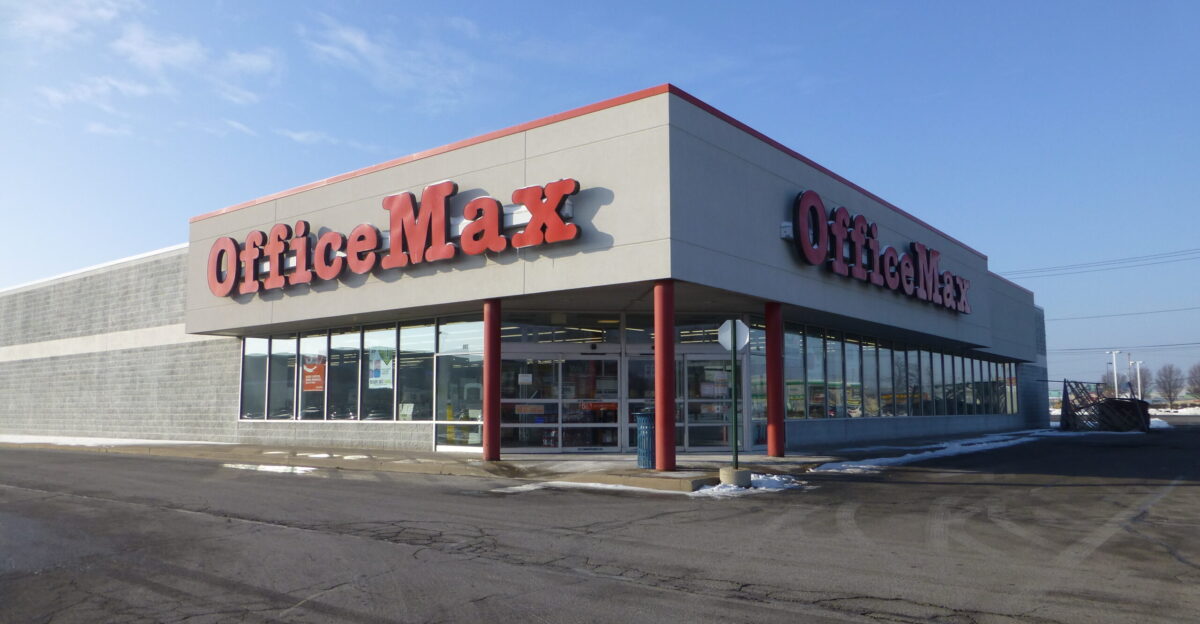
In a twist of corporate fate, The ODP Corporation is being sold for about $1 billion—less than what it paid to acquire OfficeMax for $1.17 billion back in 2013. What was once a merger meant to fuel growth and dominance has instead unraveled into decline. A decade later, the combined company is worth roughly 15% less than that single purchase.
CEO Gerry P. Smith calls the deal a “substantial premium” for shareholders, yet it underscores a sobering reality: ODP’s market value has fallen from over $5 billion a decade ago to just $1 billion today, marking a steep descent from its retail empire’s peak.
Profitability Couldn’t Save the Company
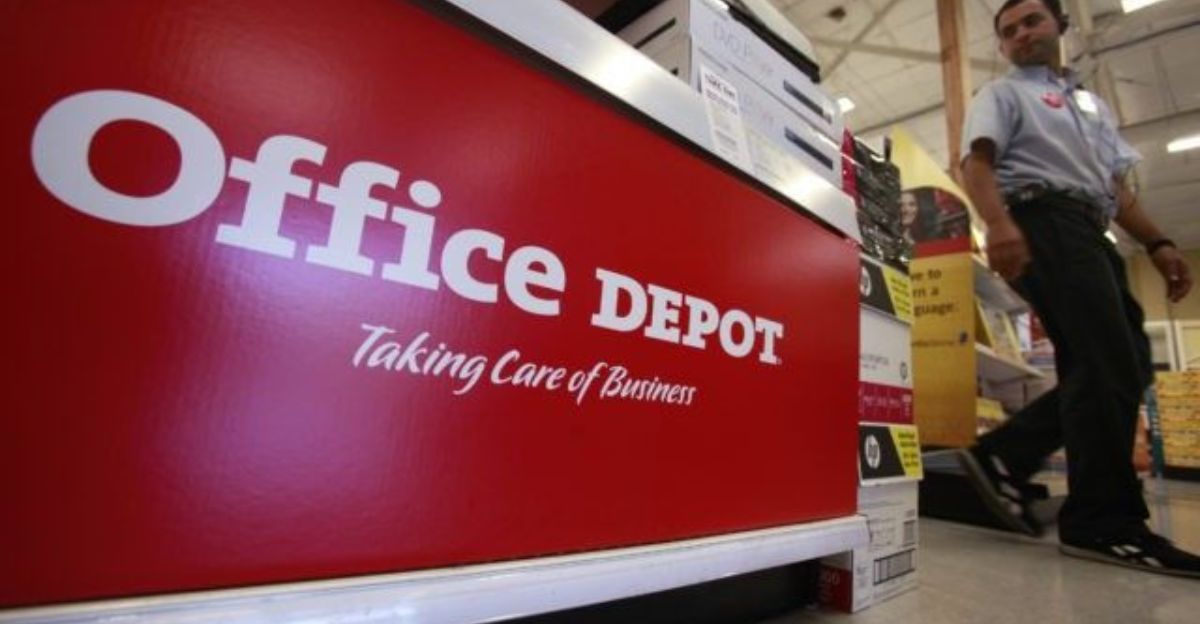
In 2024, the ODP Corporation remained profitable, posting $3.30 earnings per share and $106 million in net income. But even with steady profits, the company faced steep revenue and cash flow declines that no balance sheet could hide.
Operating income was cut in half in just a year, and the industry itself was shrinking 4% annually. Profit alone couldn’t offset falling demand. But how did this decline reach such depths?
Shareholders Weathered A Brutal Stock Price Decline

From more than $50 per share in May 2024 to $17 by February 2025, ODP’s stock collapse wiped out years of investor gains. Atlas Holdings’ $28 offer briefly lifted shares 33% in a single day—but it was cold comfort for long-term holders.
Those who bought during merger optimism saw almost half their value vanish. The market’s verdict was clear, but the company still tried to fight back. Could innovation change its fate?
Desperate Innovation Couldn’t Reverse The Tide

ODP scrambled to reinvent itself with rapid-fire launches: a Grubhub partnership in November 2024 and a “15-Minute Pickup Promise” announced just two weeks before the buyout. Both aimed to lure back customers with convenience and speed.
Yet, these flashy moves came too late to reverse the tide. Faster service couldn’t fix the collapsing demand for physical supplies. The company’s final innovations told a deeper story—one of survival, not revival.
A B2B Focus That Was Too Late And Too Small
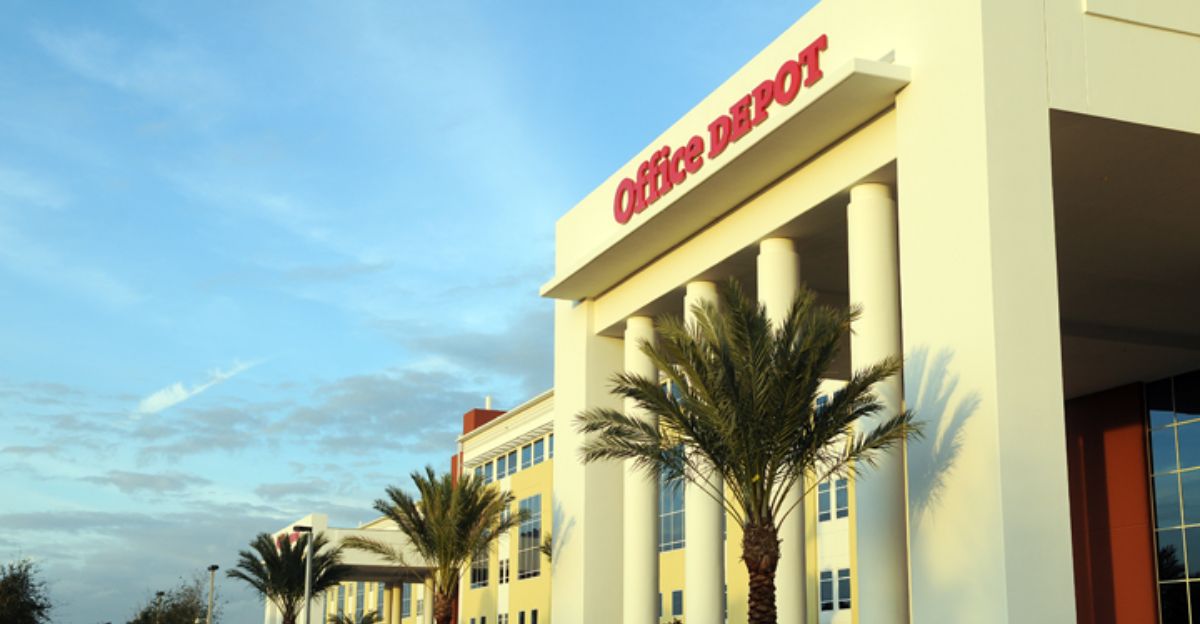
By 2024, the ODP Corporation bet its future on business-to-business sales through ODP Business Solutions, generating nearly half of total revenue. CEO Gerry Smith called the move a “fast forward” toward becoming a trusted B2B partner.
Yet the pivot came after years of retail collapse. Revenue had already fallen 40% since 2015, and store closures topped 1,000. Strategic transformation arrived—but far too late to reverse decline.
Betting on Hospitality to Spark Growth

Earlier this year, in January, ODP unveiled its biggest B2B win yet: a $1.5 billion, 10-year contract with one of the world’s largest hotel management firms. The deal made ODP the preferred provider of in-room supplies, textiles, and amenities.
Paired with a March 2025 partnership with luxury supplier Hunter Amenities, the hospitality push marked a long-awaited breakthrough. But success in new markets couldn’t mask the fact that profitability and independence were already slipping away.
What Lies Ahead For The Remaining 869 Stores?
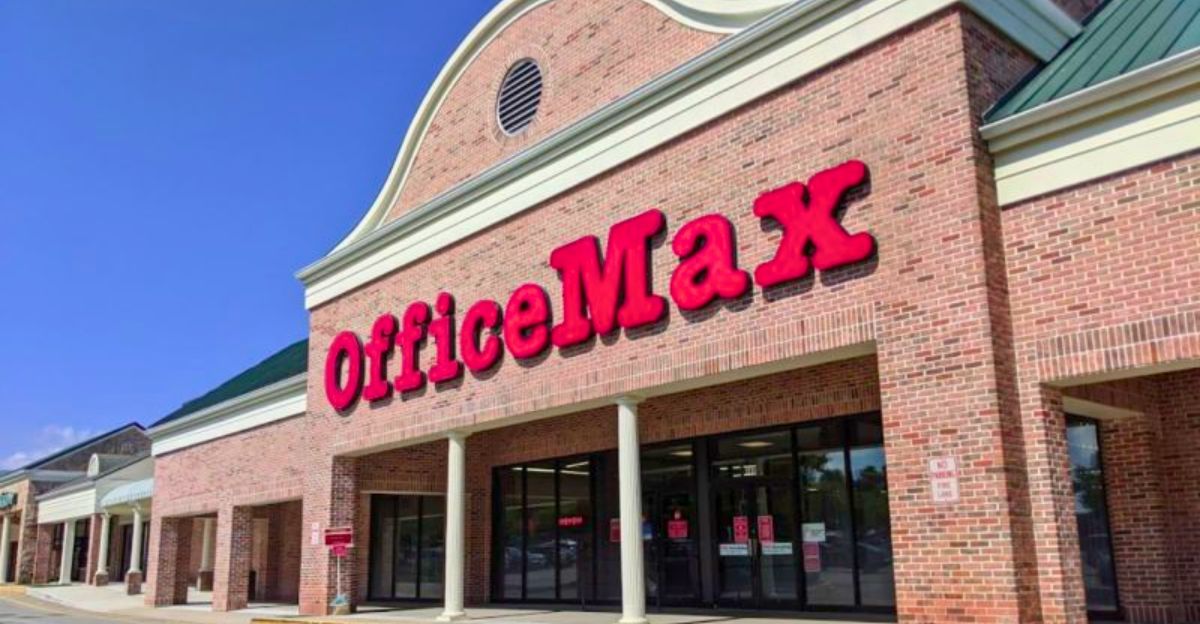
Atlas Holdings hasn’t revealed whether more Office Depot and OfficeMax stores will close once its $1 billion acquisition finalizes later this year. With a portfolio of 29 companies and a track record of “optimizing operations,” further reductions remain a real possibility.
Atlas Managing Partner Michael Sher described ODP’s future as a “continued evolution” and “next chapter”—careful phrasing that suggests transformation ahead rather than stability for employees or communities.
Why Regulators Won’t Block This Deal

Unlike the blocked 2016 Staples–Office Depot merger, Atlas Holdings’ acquisition faces no major antitrust hurdles. Regulators view the office supply market as competitive, with Amazon and Walmart holding significant shares. The deal only requires standard shareholder and Hart-Scott-Rodino approval before closing later this year.
The 2016 merger failed because it reduced competition. This time, Atlas isn’t a competitor—just an investor. But the easy approval raises a deeper question about what comes next.
Atlas’s Portfolio Brings Synergies And Questions

Atlas Holdings’ $20 billion portfolio spans 29 companies, from manufacturing to logistics—industries that align with ODP’s B2B and supply chain units. However, Atlas lacks retail experience, sparking concern about its ability to manage consumer operations.
Known for reviving distressed assets through restructuring, Atlas could either modernize ODP or cut it down. Its next moves will show whether “optimization” means growth—or another wave of closures.
The Paperless Economy’s Inevitable Impact
Paper use in the U.S. has fallen 38% since 2000, transforming how offices operate. Remote work, digital files, and sustainability goals have erased the demand that once kept Office Depot thriving.
From Blockbuster to Borders, many retailers fell to digital disruption. Office Depot’s late pivot to B2B and hospitality couldn’t escape the same fate. The digital era didn’t just change office supply—it rewrote the business model entirely.
Office Depot’s Final Chapter
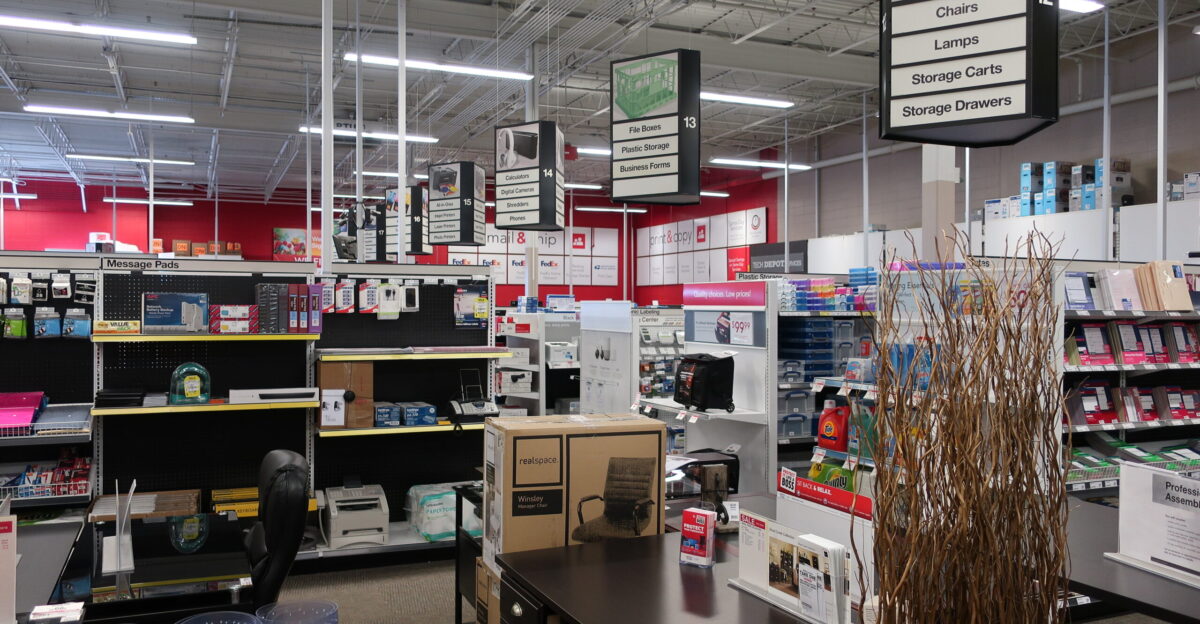
Office Depot’s journey shows a decades-long struggle to adapt. From late pivots into B2B and hospitality to last-minute delivery innovations, public ownership limited its ability to act fast.
Now in Atlas Holdings’ hands, private equity may provide the operational expertise and patience to stabilize the company. But with a shrinking paper market, lost retail relevance, and uncertain store footprint, the road ahead remains challenging—and the lessons of the paperless economy are clear.