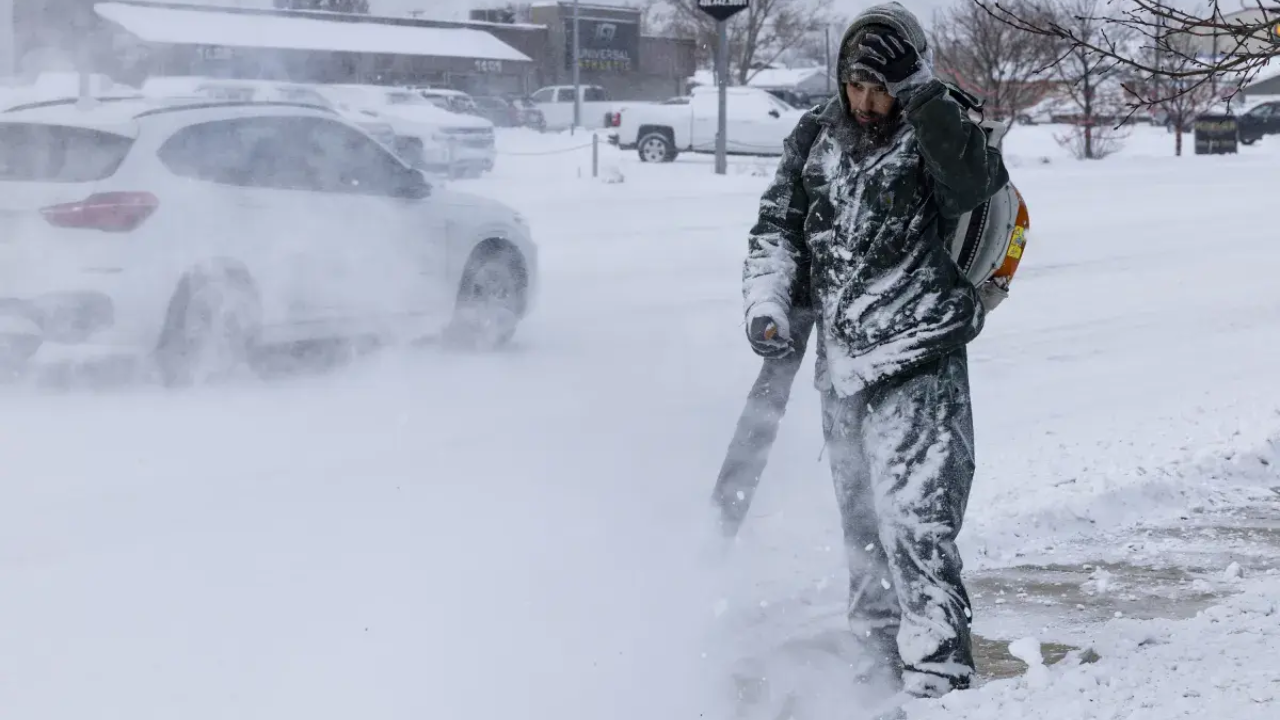
The National Weather Service (NWS) issued its highest-level winter storm warning for seven states in the western U.S. The alert came before sunrise as forecasts showed a mighty blizzard was about to hit.
Winds could reach 60 mph, and major mountain passes were likely to be buried in snow, leading travelers and residents to seek safer plans quickly.
People across the Rockies, the Cascades, and far beyond woke up to intense weather alerts and growing concerns about hazardous travel and shifting weather patterns.
Forecast Escalation
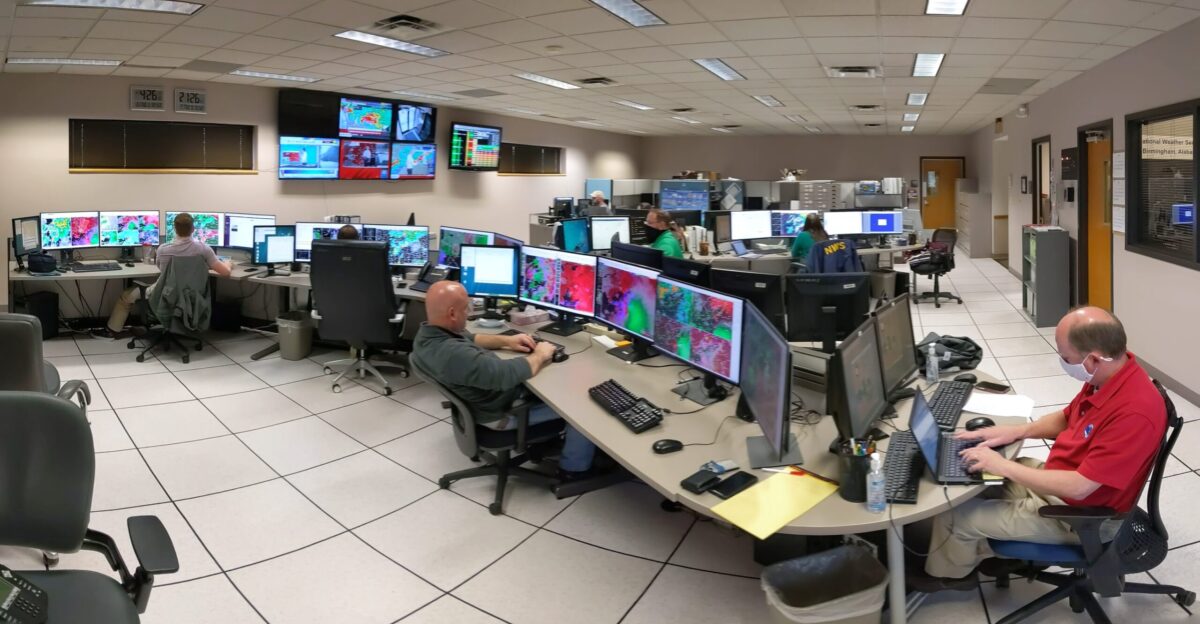
As the day continued, NWS meteorologists updated their predictions, warning that snow totals would be even higher than initially thought.
Wyoming’s Tetons could see up to 18 inches of snow, while Oregon’s southern Cascades might get as much as 20 inches. Weather experts cautioned that driving could become nearly impossible.
People online compared this blizzard to the most significant East Coast winter storms, such as Nor’easters, but these were coming unusually early in the year and far too far West.
Rare Timing
Blizzards in October don’t happen often in this part of America. In more than 150 years of record-keeping, only five major October storms had hit states like Colorado and Montana.
Meteorologists noted that this blizzard fell well outside the autumn averages and norms.
In fact, snow and wind this severe are usually expected in the deeper winter months, showing that the weather is behaving much more severely than it usually does in October.
Pressure Mounts
With warnings covering Wyoming, Montana, Idaho, Utah, Washington, Oregon, and Colorado, millions of people prepared for major disruptions.
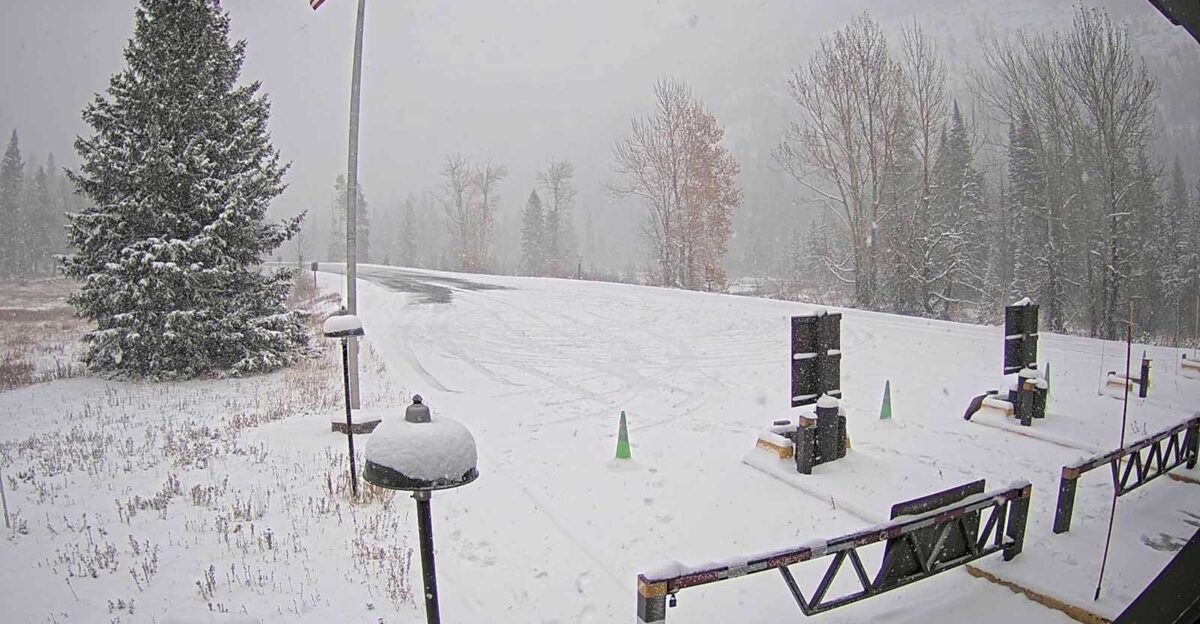
National park officials at Yellowstone readied for up to 15 inches of snow at the Southern Entrance, while winds as strong as hurricanes forced the closure of key roads.
Both tourists and locals scrambled to evacuate or change their routes as weather officials said that actual whiteout conditions could make any travel unsafe or impossible.
Core Reveal
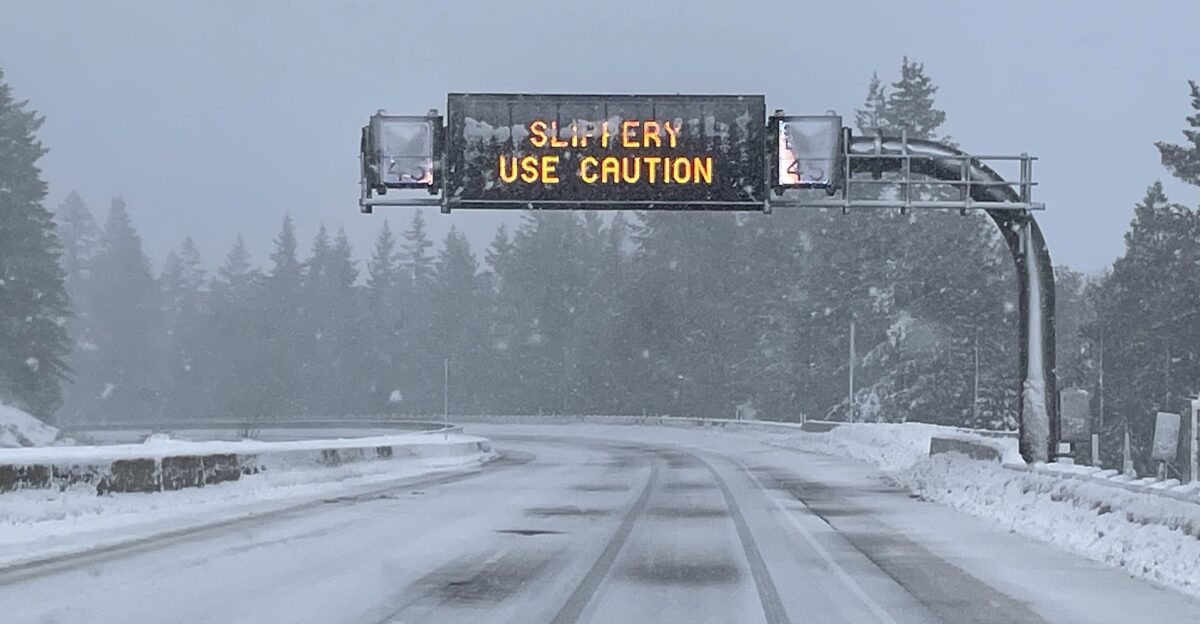
Between October 25 and 27, the NWS posted Winter Storm Warnings across the Rockies and Cascades. Oregon’s mountains received up to 20 inches of snow, Wyoming followed with 18 inches, and winds neared 60 mph.
Forecasters described this as a “blizzard,” a term reserved for the most severe snowstorms, and advised people to stay off the roads if possible, as conditions could deteriorate rapidly.
Montana’s Troubles
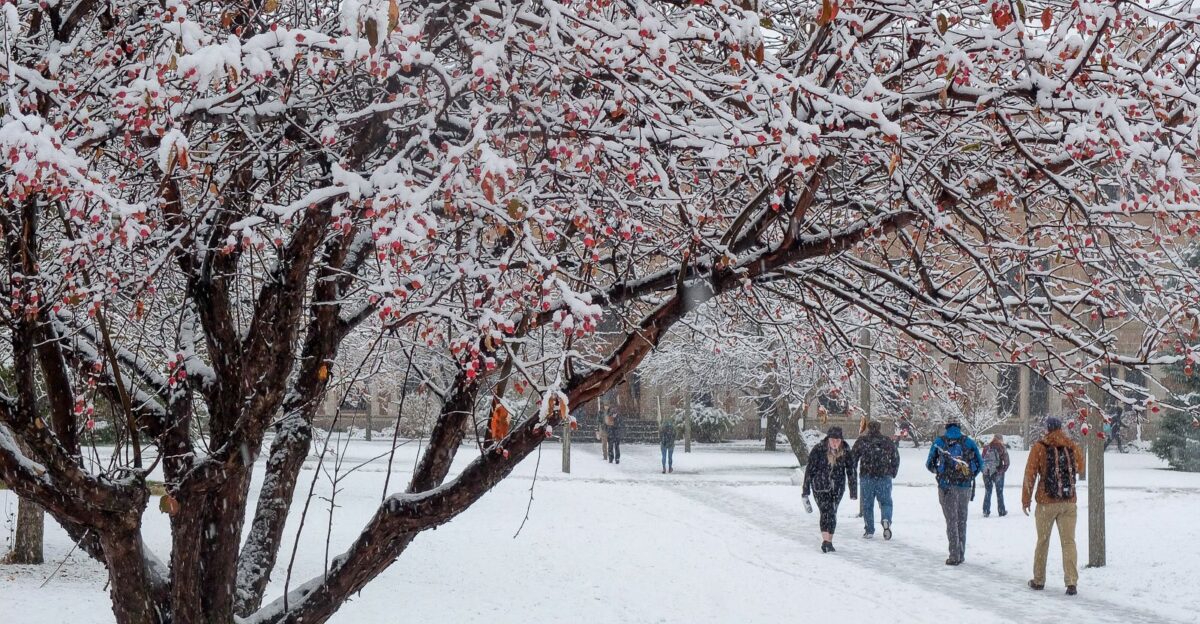
Montana issued winter advisories, warning residents to expect up to eight inches of snow, with deep drifts forming in areas where winds were strongest.
The cities of Missoula and Helena experienced sudden road closures as drivers struggled with icy and snowy conditions on the highways. Many Montanans said they usually saw just a little snow this early in the fall.
Some commented, “It’s a storm we’d expect in deep winter, not in October.”
Yellowstone Impact
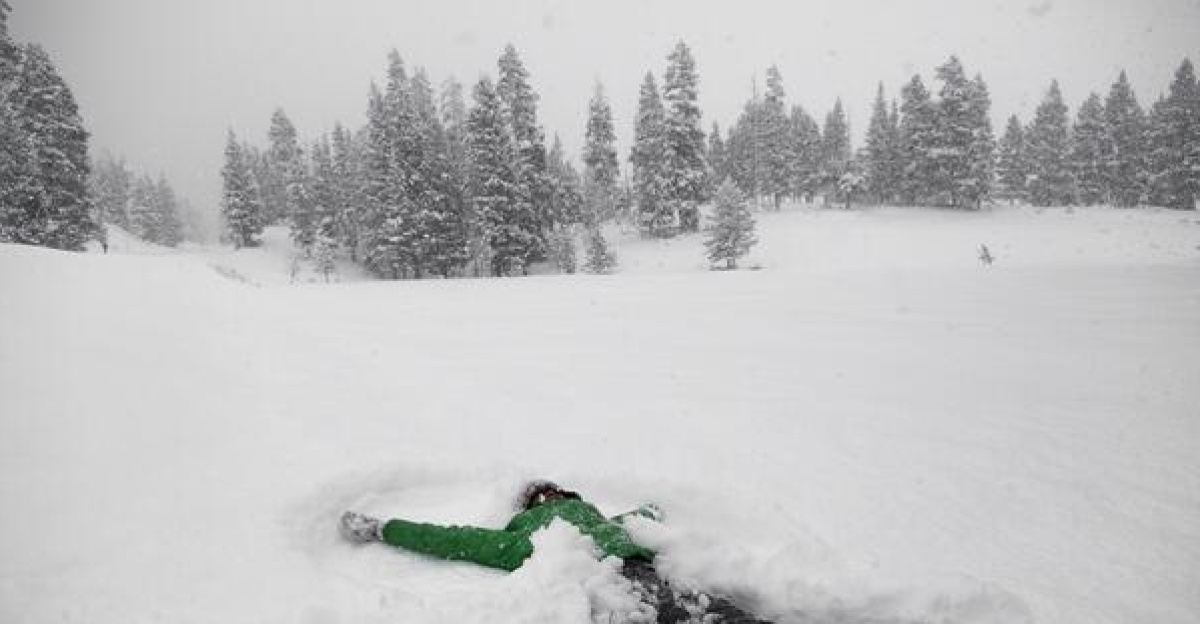
Average daily visitors to Yellowstone National Park in October number nearly 9,000, but during this storm, many became stuck after the park closed its southern routes, and snow quickly piled up to over a foot deep.
The park superintendent called the conditions “dangerous” and told people in affected areas to stay inside unless they had already evacuated.
Park staff distributed emergency supplies and reminded tourists to keep a close eye on alerts on their phones or radios.
Oregon’s Storm
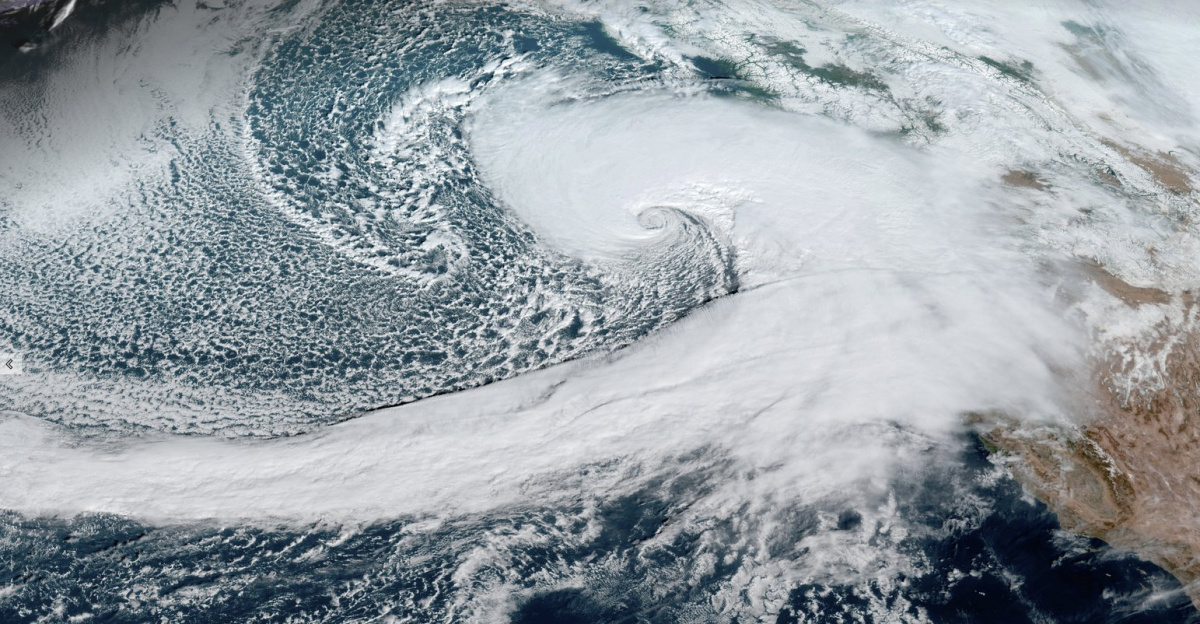
Above 6,000 feet in the Oregon Cascades, the storm acted just as strongly as in Wyoming. Blizzard-like conditions forced authorities to close several passes.
Snow measured in feet fell at popular ski resorts, which welcomed the early start to the season.
However, the storm also caused traffic accidents, led to road pileups, and prompted rescue crews to assist stranded motorists in the heavy snow and poor visibility.
Supply Chain Effects
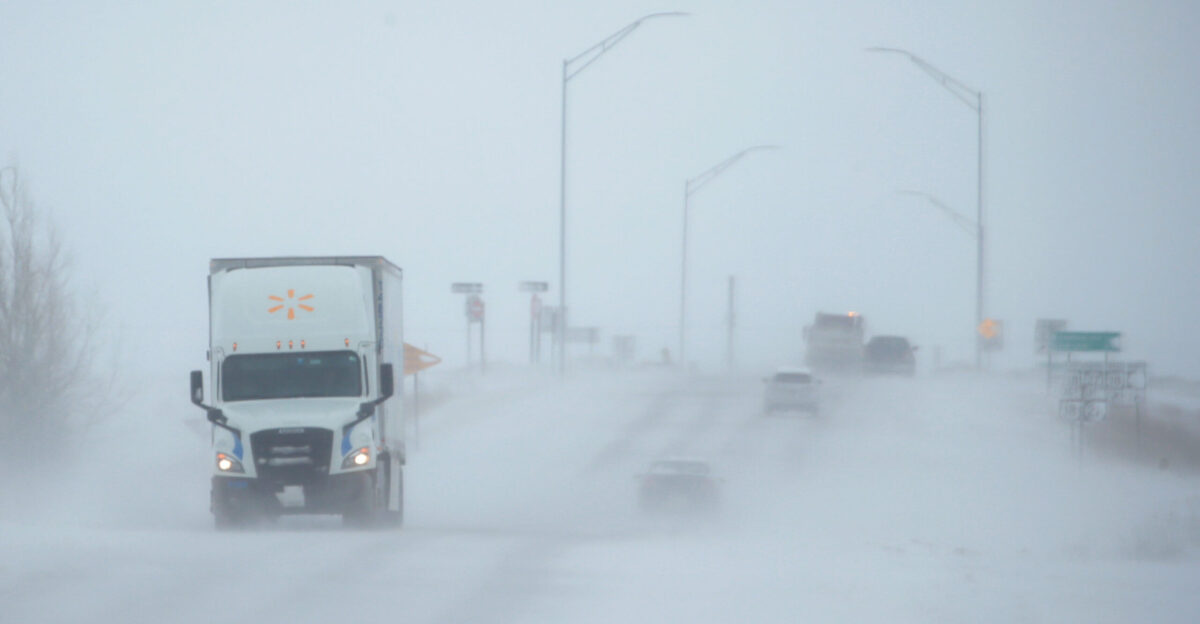
In Wyoming, rural supply routes like Union Pass and South Pass were closed by drifts, affecting thousands of people who depend on supplies from outside the valleys.
Transport companies warned that food and fuel deliveries could be delayed by up to three days, while tourism, hospitality, and retail businesses braced for canceled reservations and supply shortages in the days leading up to Halloween.
Collateral Fallout
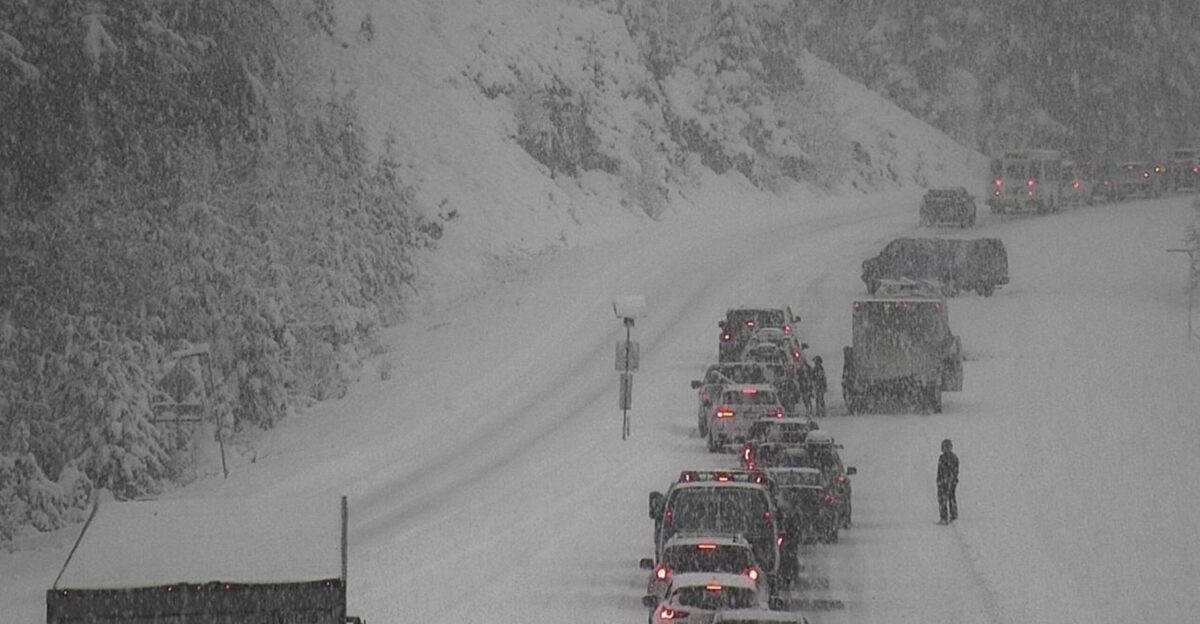
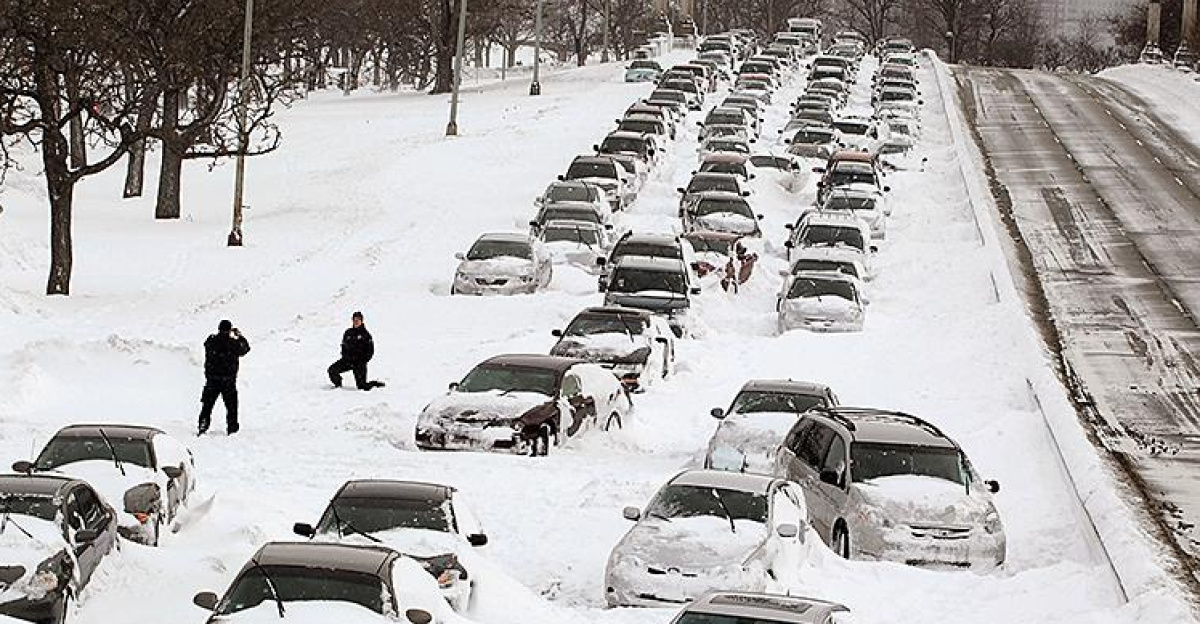
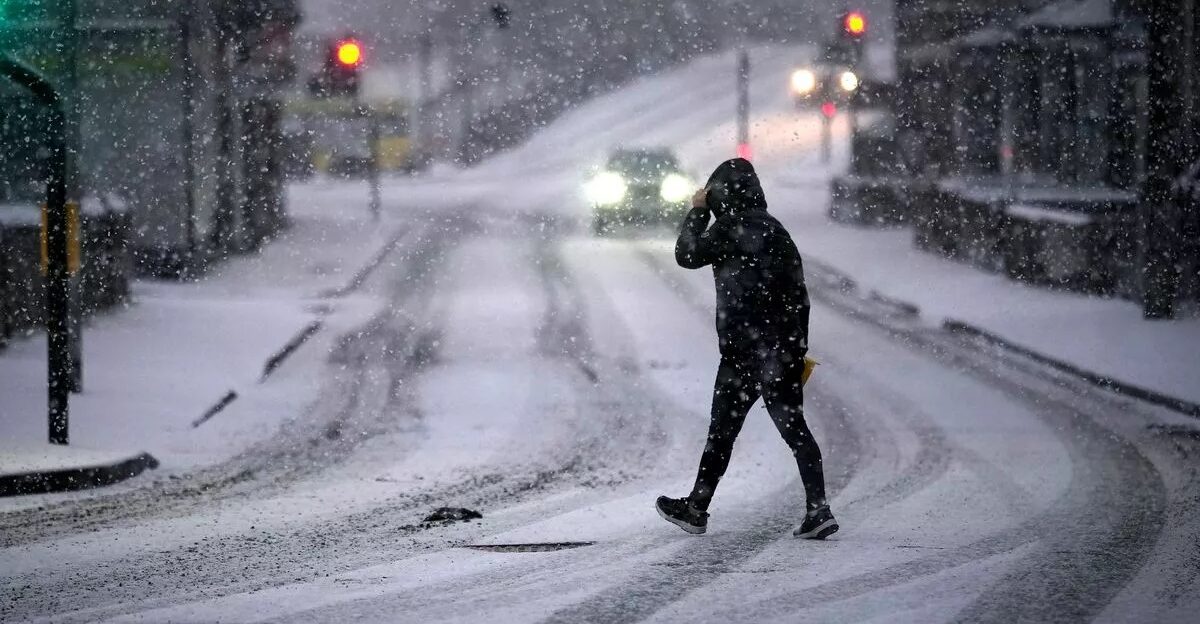
Hundreds of vehicles got stuck in six-foot drifts, with first responders describing scenes in which blowing snow turned day into night. Ice made curves and bridges hazardous.
Meteorologists now call this storm a new benchmark for autumn blizzards in the West—they will measure future storms against what happened in October 2025.
Franchisee Frustration
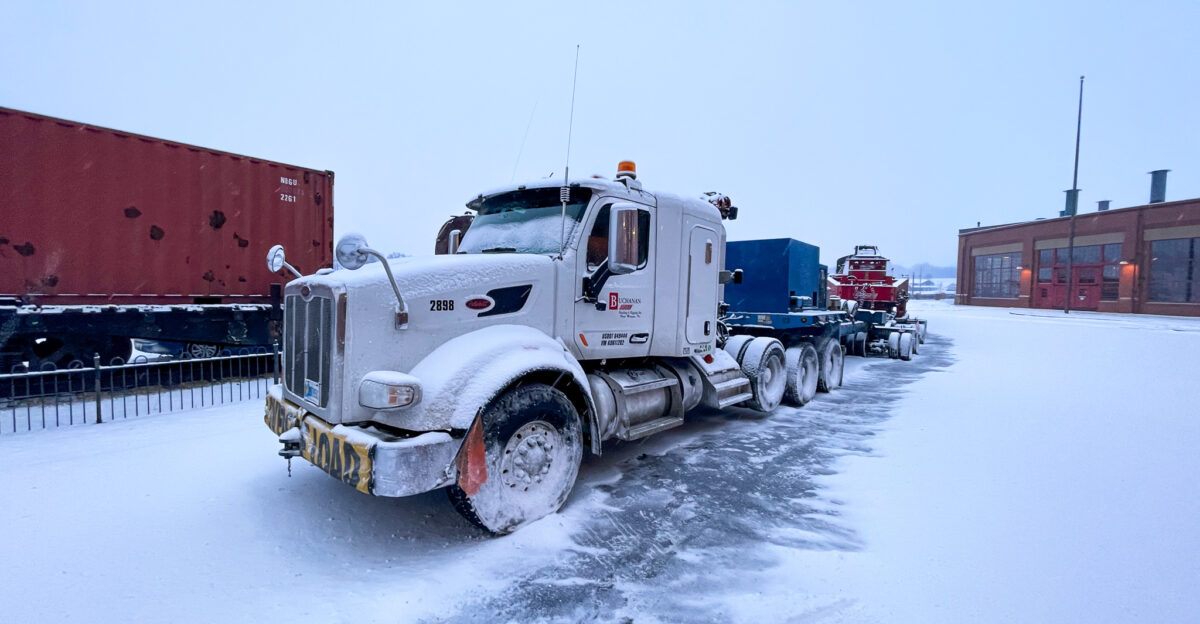
Business owners suffered financial losses as delivery trucks were unable to access or exit their premises.
Grocery store managers counted the lost revenue from days without restocking, and ranchers scrambled to protect livestock from wind chills and deep snow.
While ski areas benefited, the overall economic losses hit many local businesses hard, showing that the effects of a storm like this reach far beyond weather forecasts.
Leadership Response

Governors of several impacted states, including Wyoming and Oregon, quickly activated emergency operations centers.
States focused their resources on keeping key roads clear long enough to allow food and medicine to pass through, despite the hazardous travel conditions. Leaders stressed, “No one should be on the roads unless necessary,” prioritizing safety above all else.
Comeback Strategies
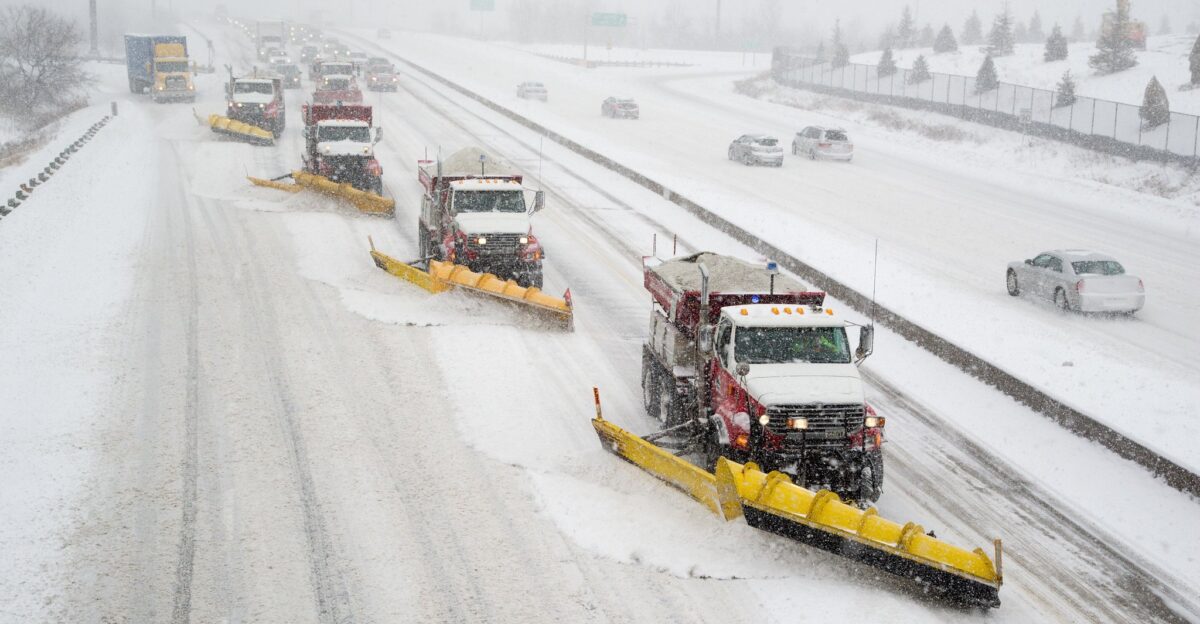
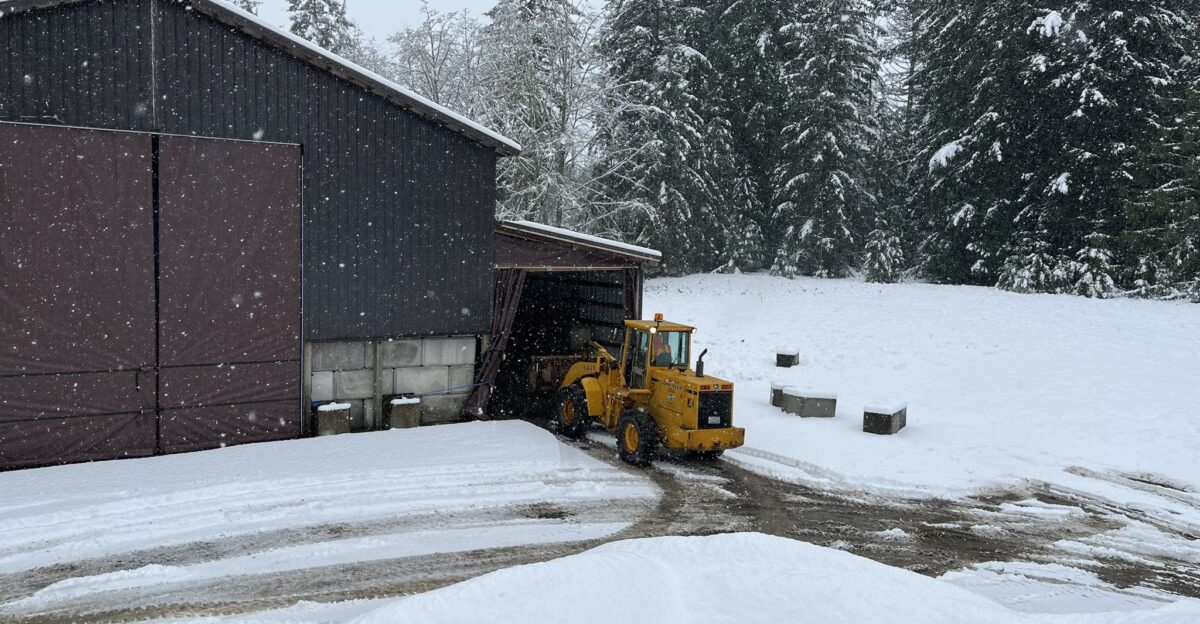
By late Monday, snowplows were out in force, working 24/7 to reopen major highways. Some mountain passes remained blocked, but lower roads began to clear.
In national parks like Yellowstone, rangers had schedules ready for a gradual reopening as temperatures continued to drop.
Meanwhile, ski resorts used the new snow to prepare for a strong start to winter tourism.
Expert Skeptics
Climate and weather experts were surprised by the timing and strength of this storm.
They explained that most models had pointed to warmer autumns, not snowier ones.
With several severe autumn storms now on record for 2025, debate grew about how well scientists can predict the changing patterns in western mountain weather.
Future Implications
Will 2025 be the start of a return to old-fashioned, snowy winters, or is it just part of unpredictable climate swings?
As agencies study the storm and try to rebuild after its impact, planners and experts are now left wondering if America’s autumns will ever be as predictable as they once seemed—or if sudden, severe weather will become the new normal in the West.