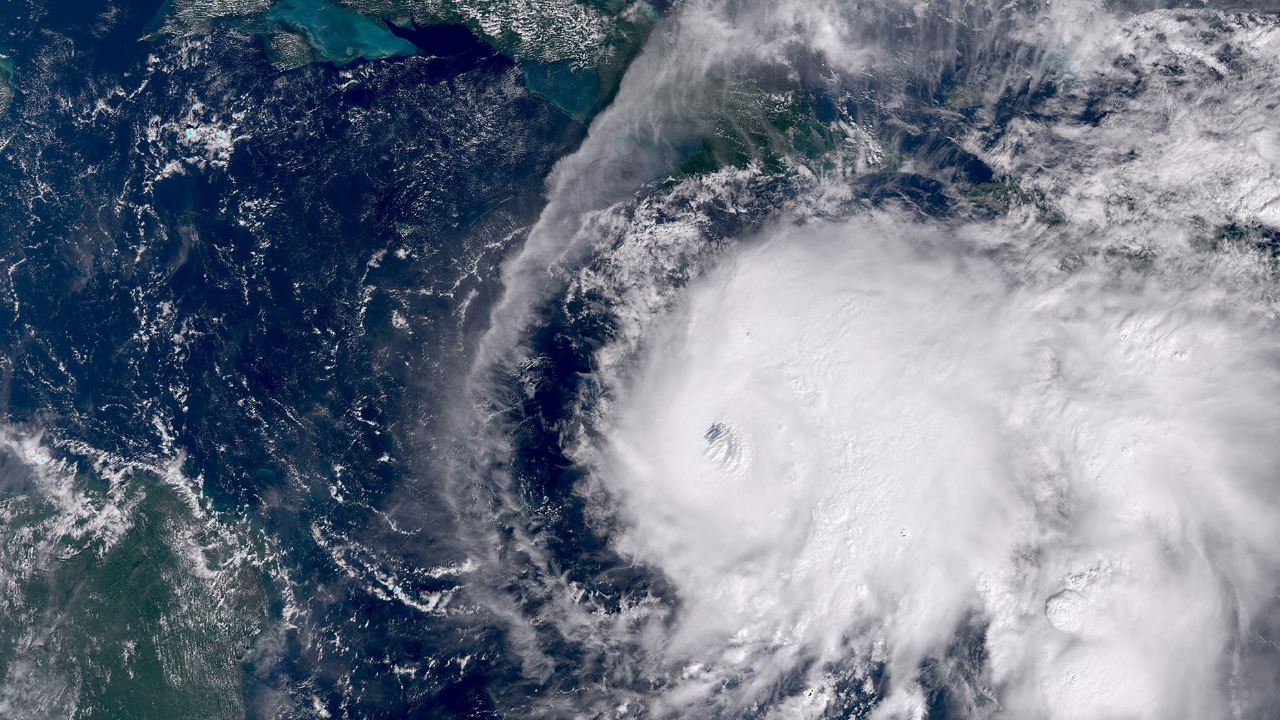
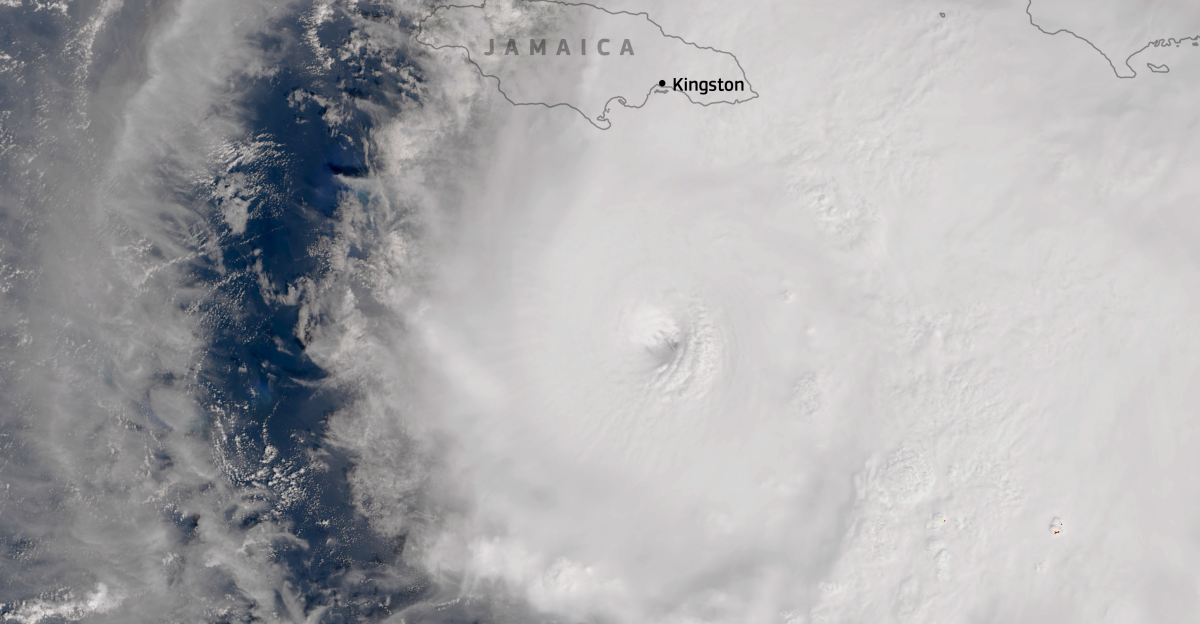
Hurricane Melissa, a Category 5 superstorm, barreled toward Jamaica on Oct 28, 2025. It had become “the world’s most powerful storm of 2025”, with sustained winds near 175 mph (282 km/h).
Nearly all of Jamaica’s 2.8 million residents faced the onslaught as officials warned of “catastrophic” damage. Satellite images showed a massive, pinpoint eye – a grim prelude to disaster.
All of Jamaica in Darkness

Melissa’s winds began cutting power island-wide. Officials reported “numerous power outages” across southern Jamaica, leaving millions in darkness. Engineers warn restoration could take days or weeks, unprecedented in the nation’s history. As rain swamped electrical equipment, rural areas braced for a prolonged blackout.
Communities stocked up on generators and water, knowing cut-off supply lines could strain basic survival needs.
Historic Storms and Records
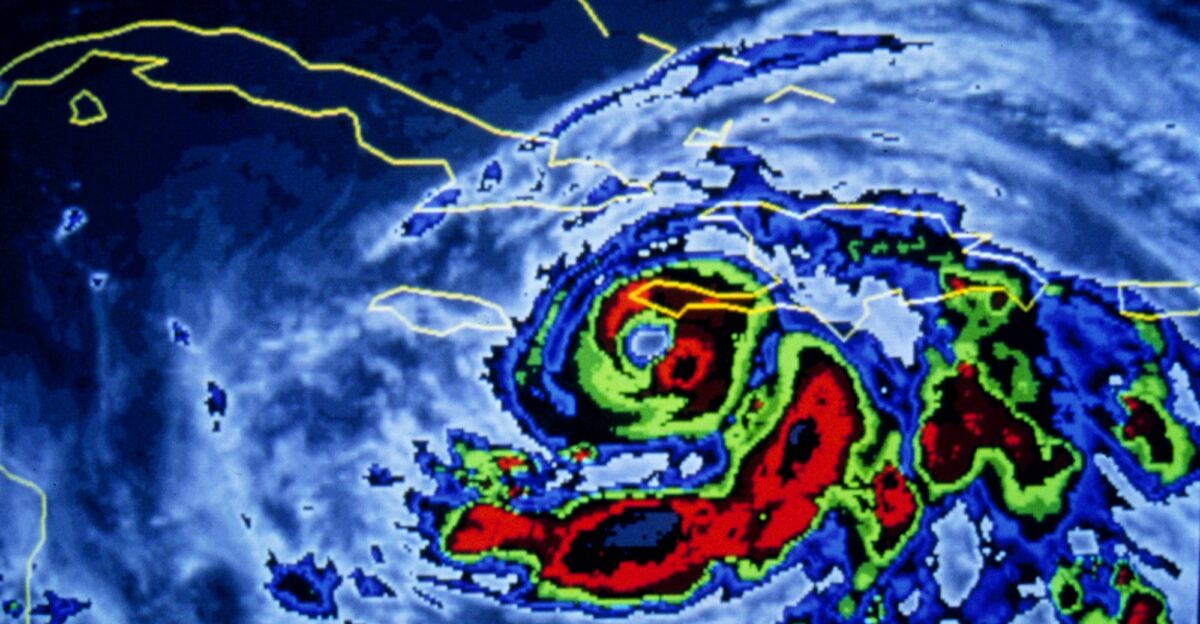
Meteorologists noted Jamaica’s vulnerability: no storm like this has hit before. Gilbert (1988) was the previous benchmark – a Category 3 that devastated crops and homes. Now, Melissa, at Category 5 strength, dwarfs past hurricanes.
“This is one of the most powerful hurricanes on record in the Atlantic,” said forecaster Matthew Cappucci. “…unfortunately on a crash course with Jamaica”. Even experts admitted Jamaica had never faced anything comparable.
Climate’s Ferocious Hand
Scientists pointed to a climate signal in Melissa’s fury. Exceptional sea-surface warmth fuelled rapid intensification. Prof. Jim Chen of Northeastern University explained that Melissa’s storm surge and rainfall reflect “warmer ocean temperatures [fueling] stronger late-season hurricanes”.
Every factor – high ocean heat content, stalled winds aloft, and moist air – has aligned. Researchers warn that global warming makes such explosive storms far more likely than in past decades.
Catastrophe Hits Island
Early Tuesday, Melissa slammed into Jamaica’s southwest coast at full strength. At landfall near St. Elizabeth Parish, sustained winds were ~175 mph with gusts over 200 mph, “the strongest storm in history” for 2025. The U.S. National Hurricane Center had warned of “catastrophic winds, flooding, and storm surge” for Jamaica.
This made Melissa Jamaica’s worst hurricane ever recorded. Officials fear total structural collapse in some towns.
Unrelenting Rain and Floods
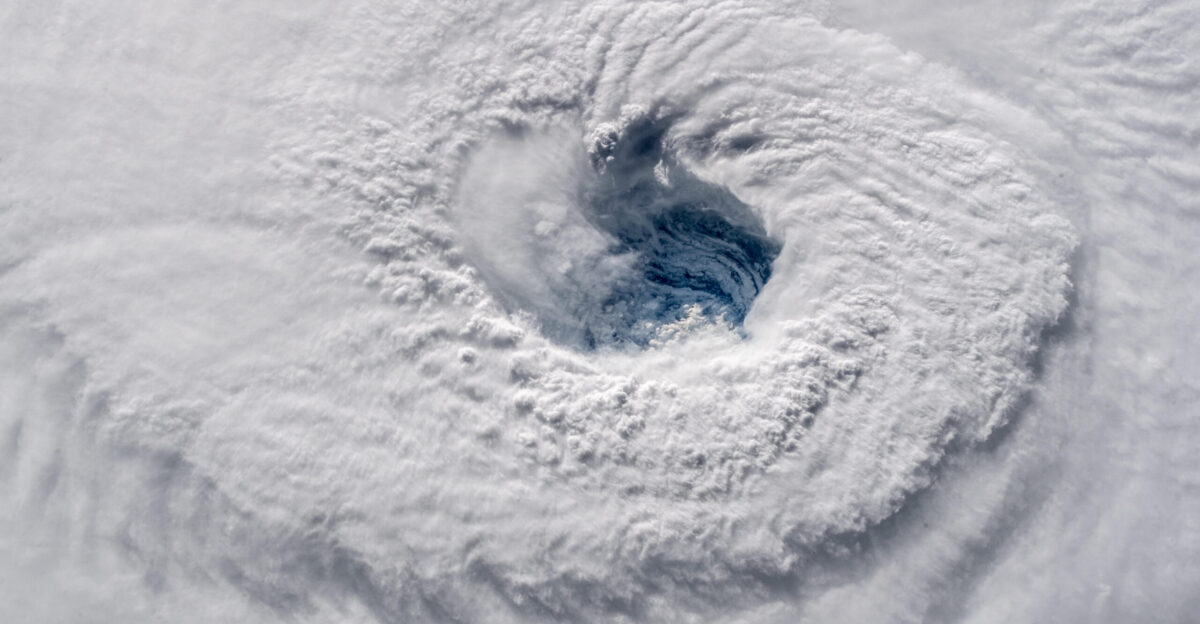
Melissa’s slow crawl dumped staggering deluges. The NHC reported 15–30 inches of rain in many areas, with local amounts up to 40 inches. Mountain hamlets saw roads washed out and landslides burying homes. Along Jamaica’s southern coast, storm surge topped 13 feet, inundating coastal communities.
Rivers breached their banks. By Wednesday morning, streets were rivers and thousands of houses were submerged. Initial damage surveys found vast swaths of Kingston and rural parishes underwater.
Caribbean Feels the Shockwave
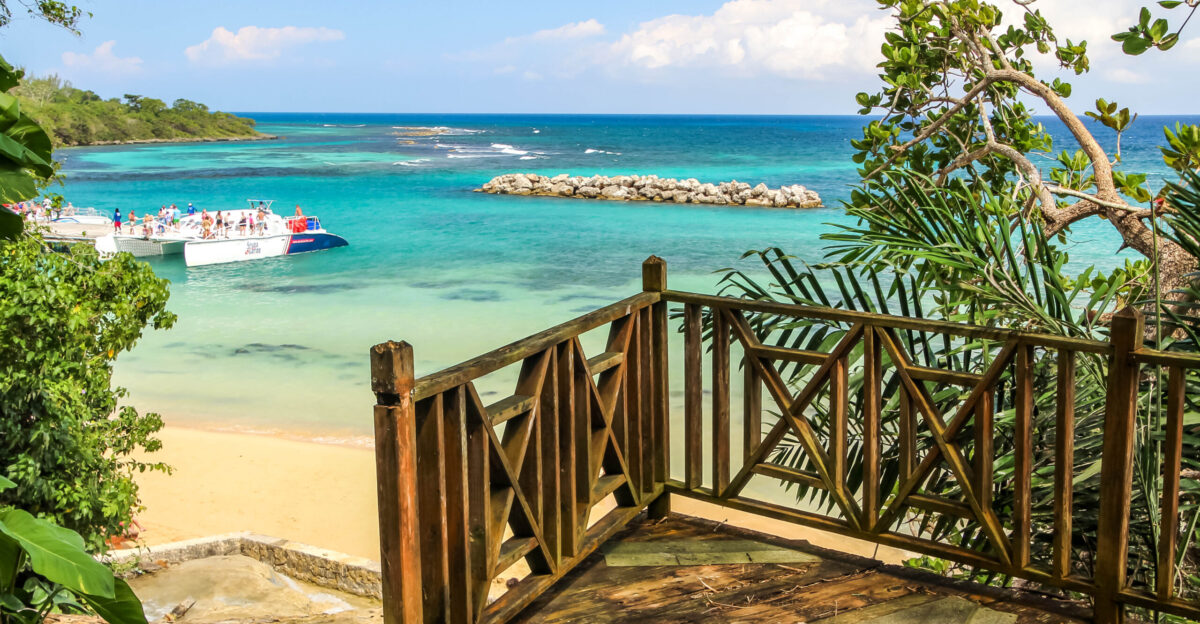
Melissa’s wrath wasn’t confined to Jamaica. Across the Caribbean, the storm had already killed seven people (three in Jamaica, three in Haiti, one in the Dominican Republic). Emergency alerts and hurricane warnings swept the region: Cuba and the Bahamas braced for Melissa’s outer bands.
About 120,000 Cubans were evacuated from high-risk areas. Governments in Santo Domingo, Port-au-Prince, and Miami coordinated to share storm-tide data and rescue plans as each nation prepared for flash floods and high winds.
Economy Grounded to a Halt
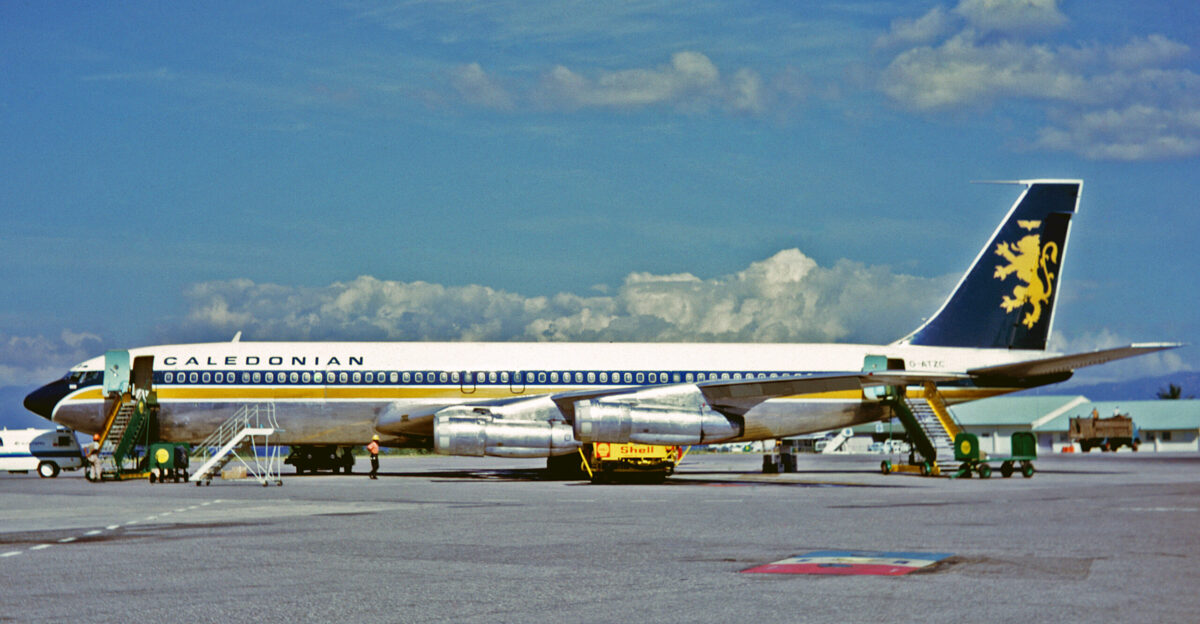
Jamaica’s economy froze under Melissa’s impact. All major international airports (Kingston’s Norman Manley, Montego Bay’s Sangster, Ian Fleming at Ocho Rios) and harbors were shuttered. Cruise ships were diverted and flights were canceled en masse. Agriculture suffered: flooded fields threatened sugarcane and banana crops.
Tourism ground to a halt just as high season began. Prime Minister Holness warned recovery would outstrip local resources; Jamaica tapped a $33 million emergency fund but signaled it would need international aid.
Tourists Trapped by the Storm
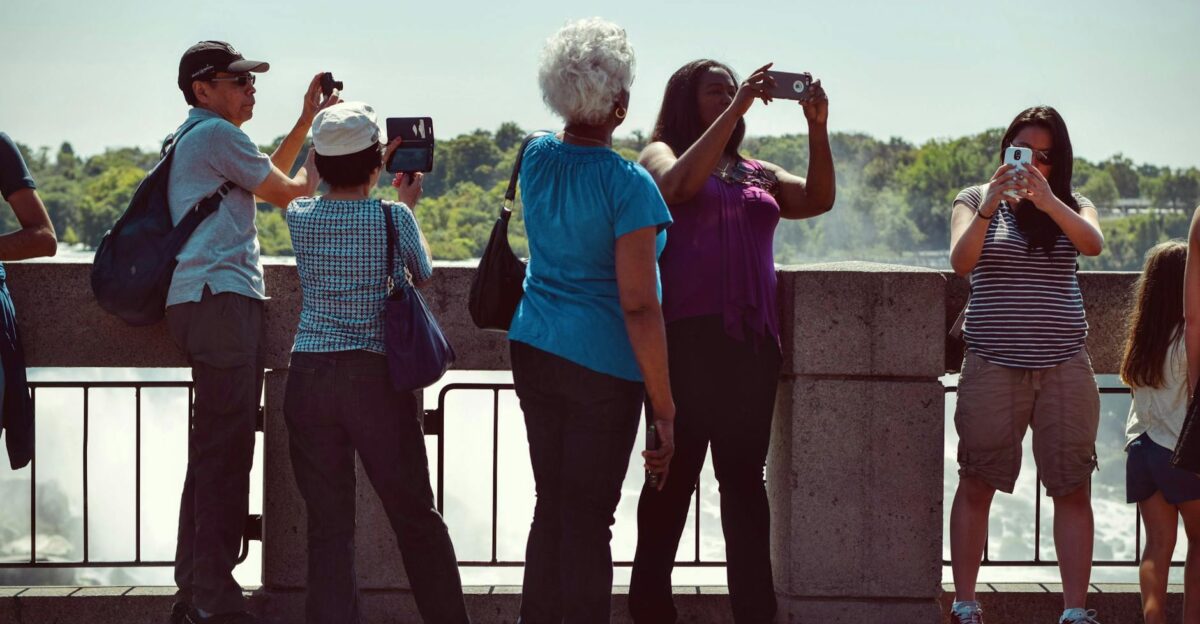
Foreigners became unexpected victims. Hotels braced as Melissa closed air and sea routes. The U.S. embassy urged Americans, “This is a dangerous storm,” advising everyone to shelter in place.
Honeymooners and cruise tourists shared viral pleas from shuttered lobbies, revealing gaps in contingency planning. Authorities scrambled to send food and medicine to guests who hunkered down in resorts, turning tourist hubs into de facto emergency shelters.
Government Under Pressure
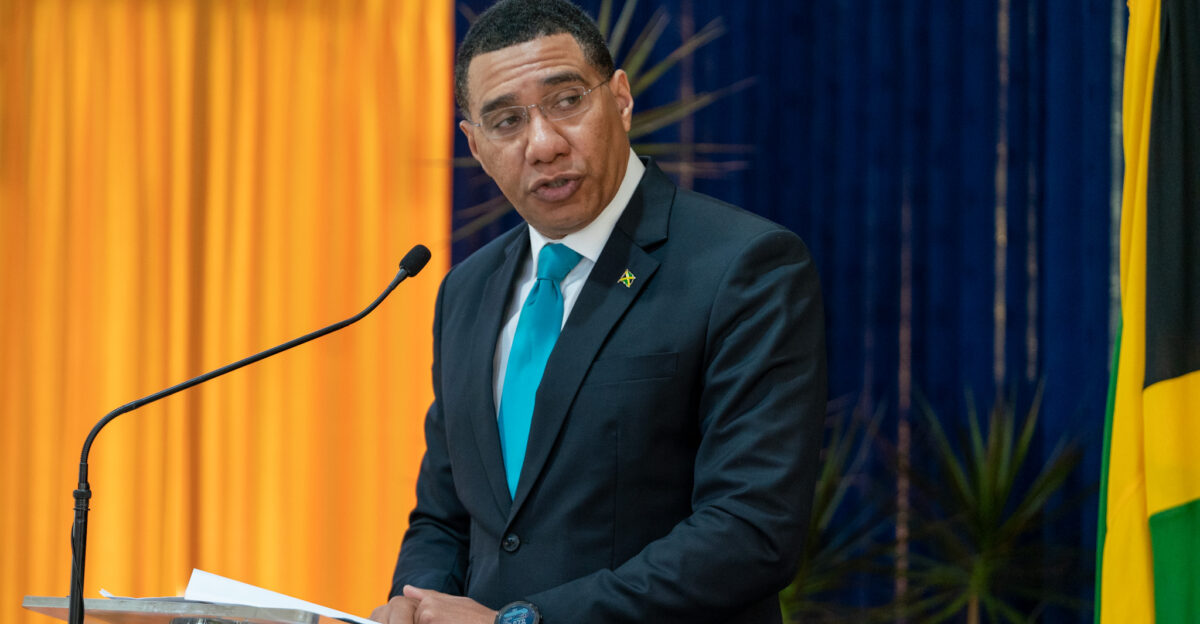
Prime Minister Andrew Holness addressed the nation: he admitted the crisis “will take far more resources than Jamaica has” and appealed globally for help. He sternly noted, “There is no infrastructure in the region that can withstand a Category 5”, underscoring the enormity of the challenge.
The government activated its multi-layer response plan with military and national guard units.
Crews on the Ground
As winds abated, first responders immediately fanned out. Military convoys delivered generators and chainsaws. Jamaica Red Cross deputy Horace Glance declared, “It’s all-hands-on-deck, all systems go”. Utility workers began swapping broken poles, and engineers prioritized hospitals and shelters for power.
Temporary shelters were stocked with food and medicine. But Meteorological Service chief Evan Thompson warned that clearing debris would be slow: cleanup and damage assessment were “severely delayed” by landslides, flooded roads, and downed trees. Dozens of mountain villages remained accessible only by air or heavy equipment.
Experts Sound the Alarm
Climate and disaster experts say Melissa may herald a new norm of supercharged hurricanes. “When a hurricane moves slowly, it dumps a tremendous amount of rain,” explained Prof. Jim Chen.
In Jamaica’s steep terrain, that means catastrophic flooding and landslides. Another analyst observed, “It’s extremely rare to get a Category 5 impact anywhere on earth, never mind in such a populous area”. Many climatologists now caution that global warming is stacking the deck for more Melissa-like monsters in the coming years.
Unanswered Questions
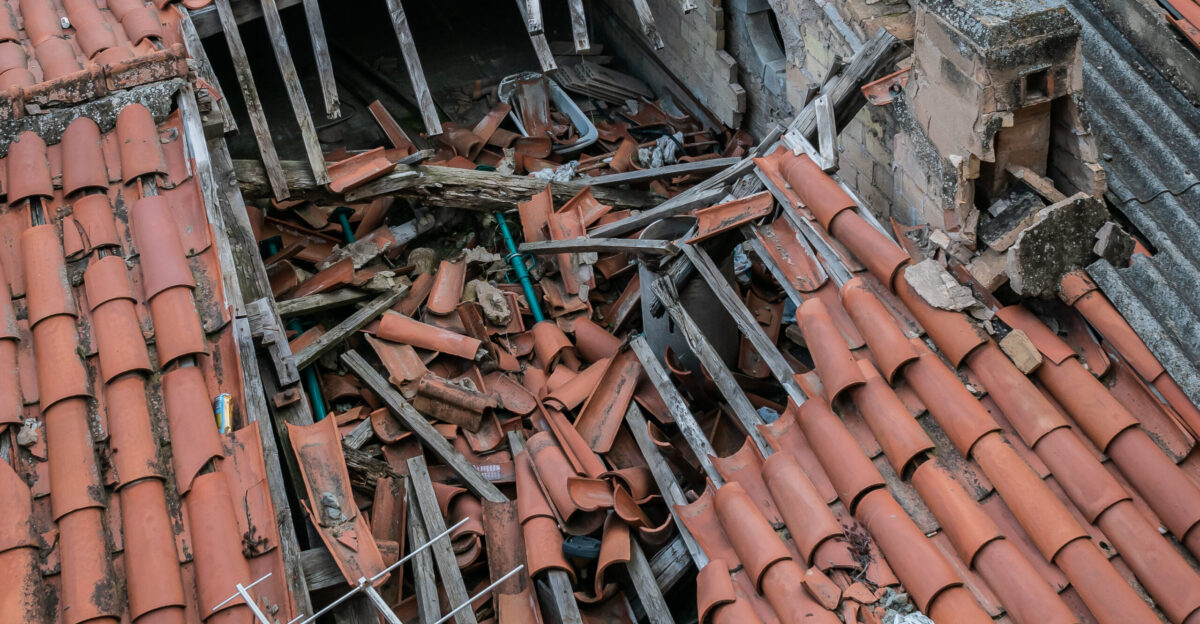
With the storm moving on, crucial questions remain: how many roofs were lost, wells polluted, or farms destroyed? Officials predict a full impact assessment in days. Meanwhile, meteorologists note the Atlantic season isn’t over – Melissa was the 13th named storm, and conditions are still warm.
Can Jamaica rebuild stronger and smarter? Will stronger building codes, better zoning, and more resilient infrastructure follow? The answers will emerge as the island cleans up and the climate conversation intensifies.
UN and Global Aid Arrive
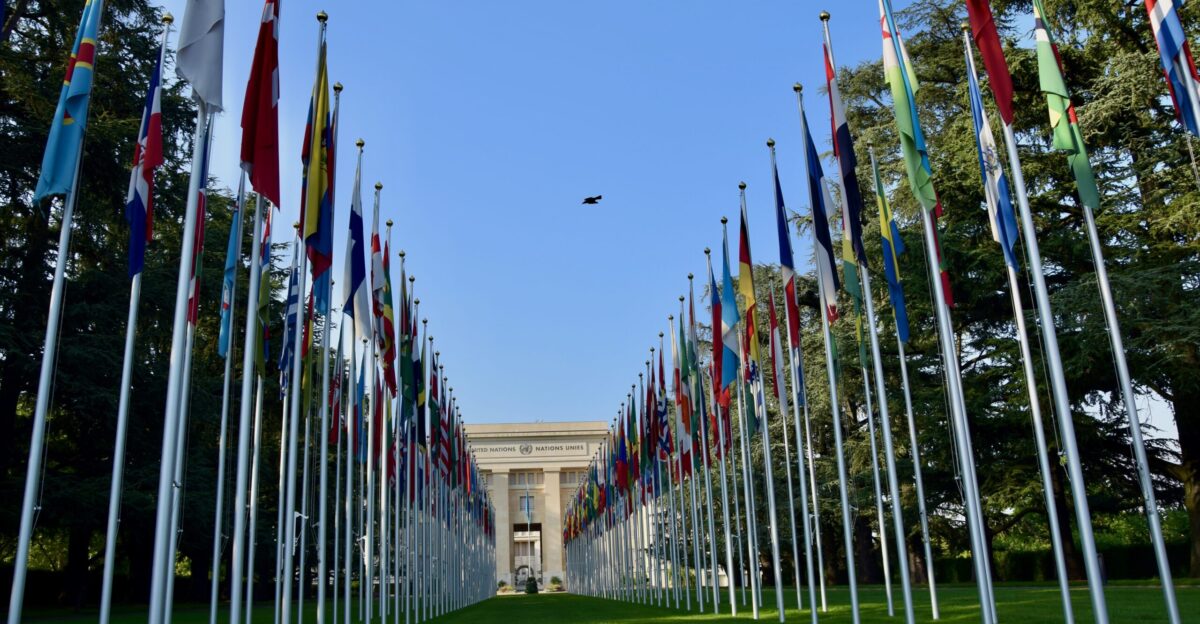
The world’s response was swift. The United Nations announced it would deploy emergency teams to Jamaica (and Cuba) and released $4 million from its Central Emergency Relief Fund to help. USAID and other donors pre-positioned food, water, and power generators in the region.
Several Caribbean neighbors – including Haiti, the Bahamas, and Trinidad & Tobago – offered supplies and personnel. International NGOs and the Jamaican diaspora also began fundraisers and shipments of relief goods, highlighting global solidarity amid disaster.
Climate Wake-Up Call
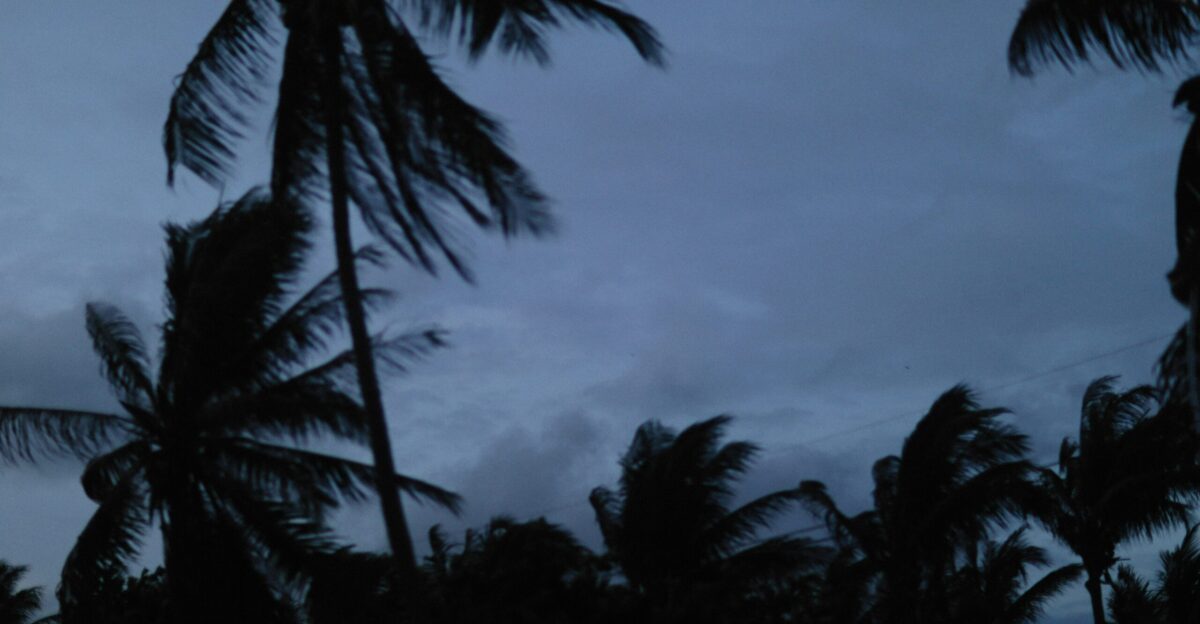
Hurricane Melissa has reinvigorated the global climate debate. Researchers emphasize that this latest calamity aligns with forecasts of more intense hurricanes. Records show Atlantic storms have gained strength in recent decades; Melissa’s explosive growth fits that trend.
Environmentalists argue this disaster highlights Jamaica’s vulnerability and the need to step up resilience. Some experts caution that “once-in-a-century” events may soon become routine, pushing the international community to accelerate mitigation and adaptation efforts.