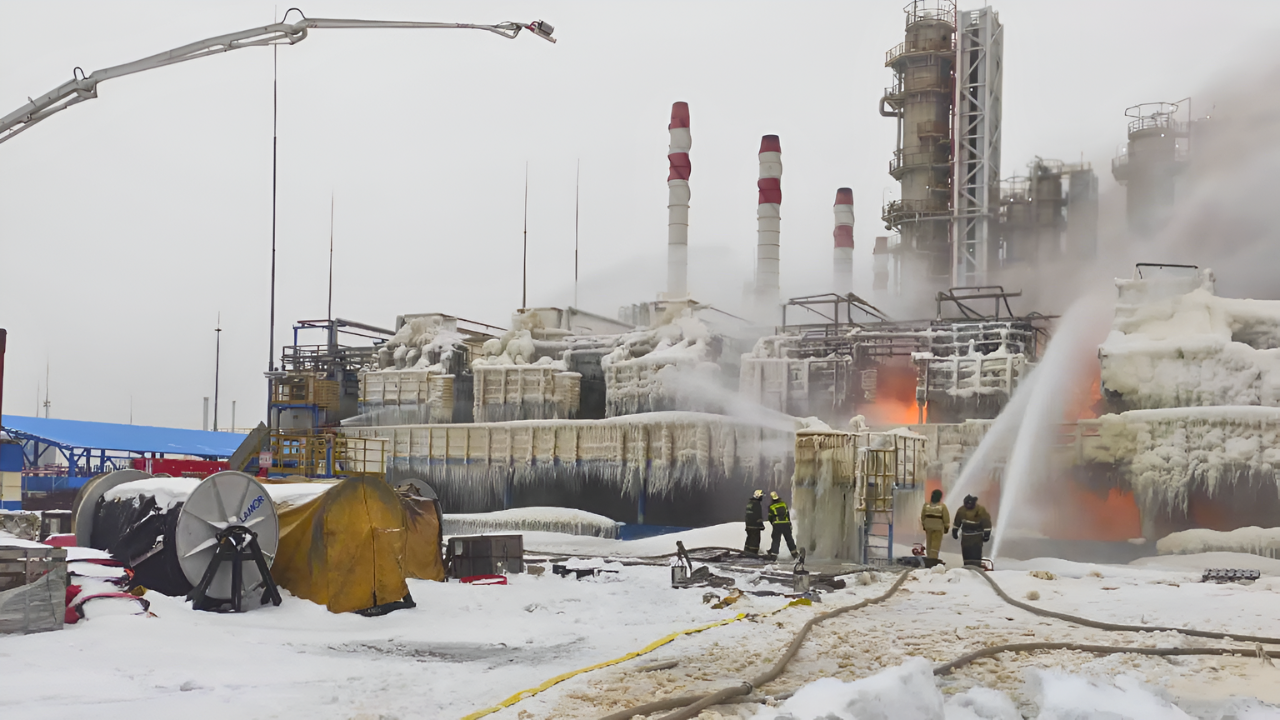
Long-range Ukrainian drones struck deep inside Russia overnight on October 28-29, hitting at least three industrial sites, including oil refineries, and forcing 13 airports to close.
This continues a sustained campaign that has included strikes on refineries up to 1,400 kilometers from Ukraine’s border (such as the Bashneft facility in Ufa struck on October 10-11), cumulatively slashing Russia’s oil refining capacity by up to 27%.
U.S. sanctions and buyer pullbacks amplify the economic strain. With Russian revenues collapsing, the ripple effects could reach global markets
What’s Happening With Russian Oil?
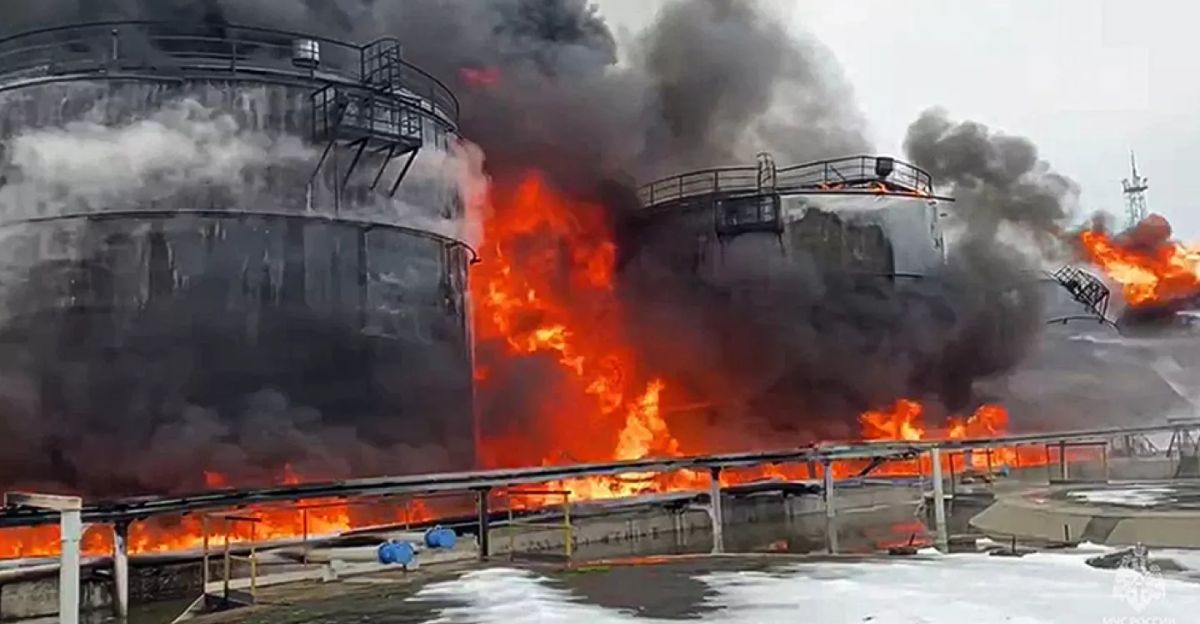
Ukraine has launched long-range drone strikes targeting Russian oil refineries. President Zelensky stated on Monday, 27 October 2025, “Russian oil refining is already paying a tangible price for the war—and will pay even more.”
These attacks aim to disrupt Russia’s energy revenue, already under strain from U.S. sanctions. But how profound is the impact on the global oil market?
How Much Refining Capacity Is Lost?
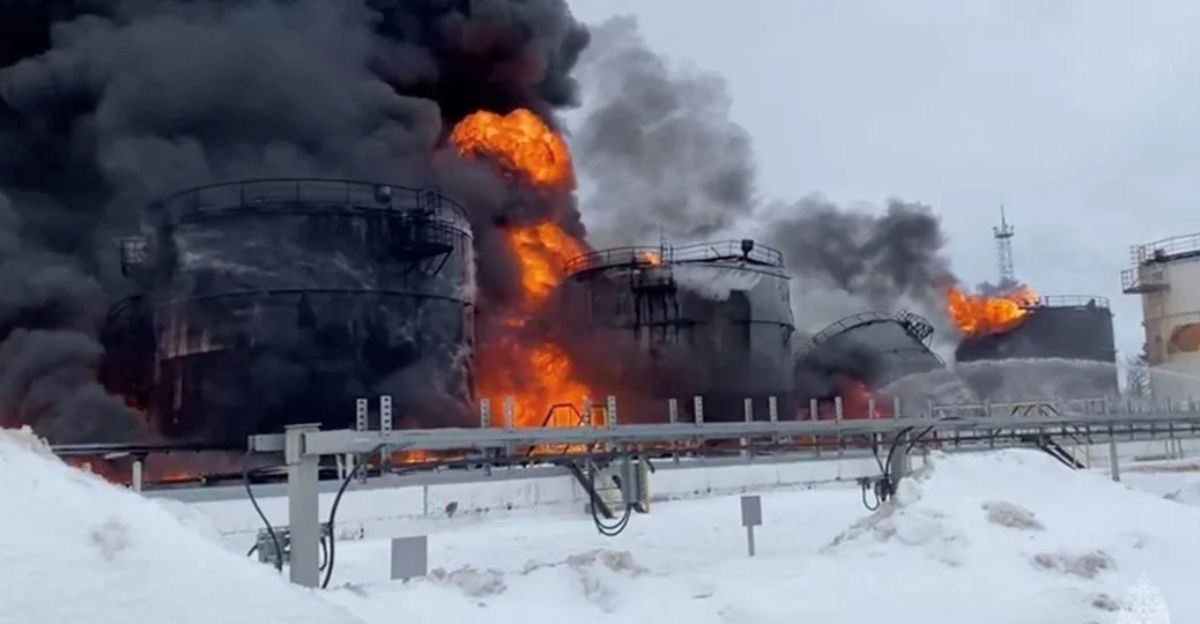
Ukraine’s strikes have reduced Russian refining by 20-27%, equal to 1.2-1.4 million barrels per day offline. Zelensky cited Western intelligence confirming the degradation.
The losses threaten both federal and regional budgets, with oil and gas revenue contributing up to 30% of the federal budget. Could Russia absorb this financial shock?
U.S. Sanctions Intensify Pressure
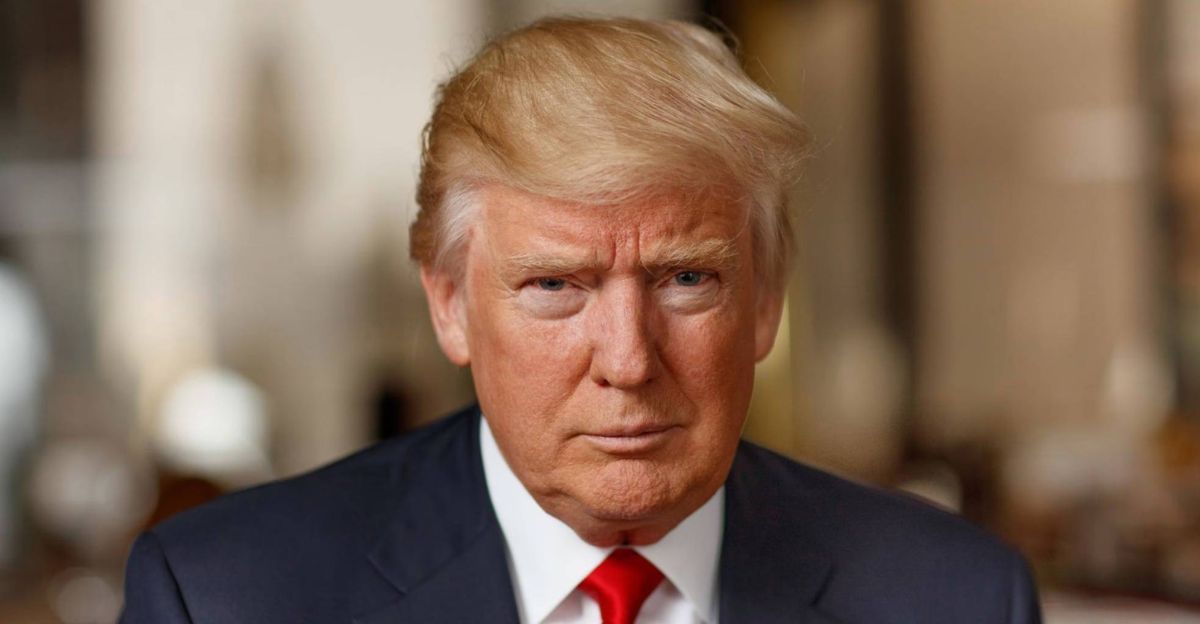
President Trump’s administration imposed a 25% additional tariff on India for purchasing Russian oil on August 5, 2025. October 2025 sanctions targeted Rosneft and Lukoil.
These measures further constrain Russian exports, forcing compliance by 21 November 2025. But how are major buyers, such as China and India, responding?
China and India Pull Back

Four state-owned Chinese oil firms—PetroChina, Sinopec, CNOOC, Zhenhua Oil—halted Russian oil purchases in late October 2025. India, Russia’s second-largest customer, signaled cuts following Trump’s tariffs but continued to import on a limited scale.
The combined buyer retrenchment magnifies the revenue shortfall. Next, we’ll examine how Putin has responded to these pressures.
Putin’s Response and Warning
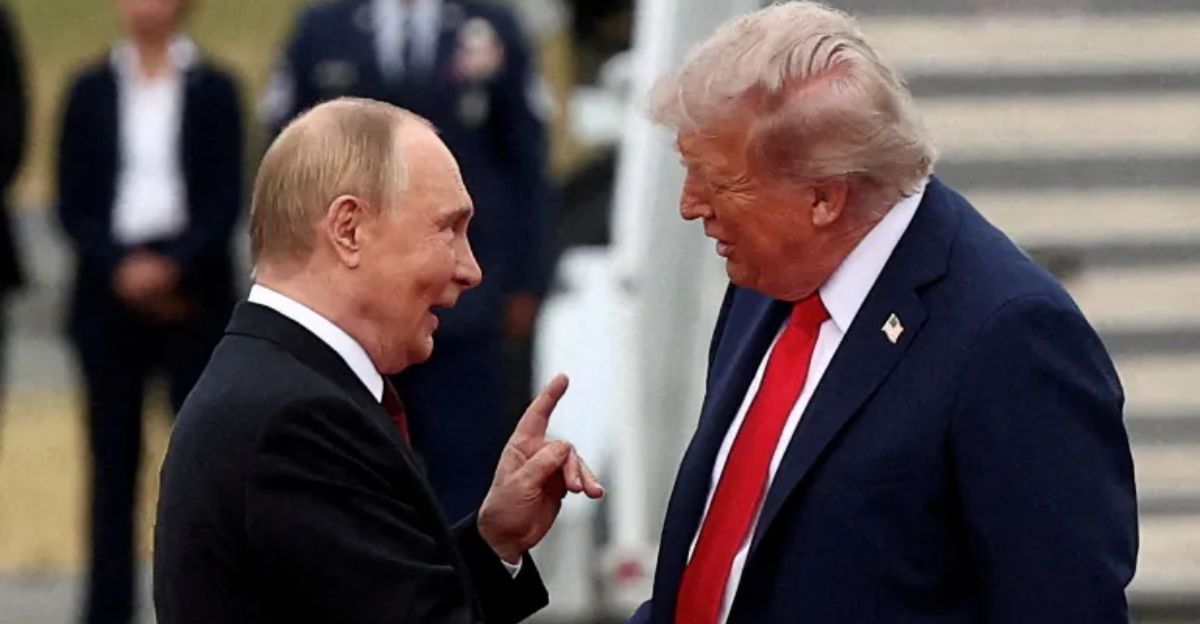
On Thursday, 23 October, Putin called U.S. sanctions an “unfriendly act,” warning disruptions could spike global oil prices. He insisted Russia would “never bow to US pressure.”
The geopolitical standoff intensifies as Ukraine escalates its strikes. But how did this campaign evolve over the past year?
Timeline of Drone Strikes
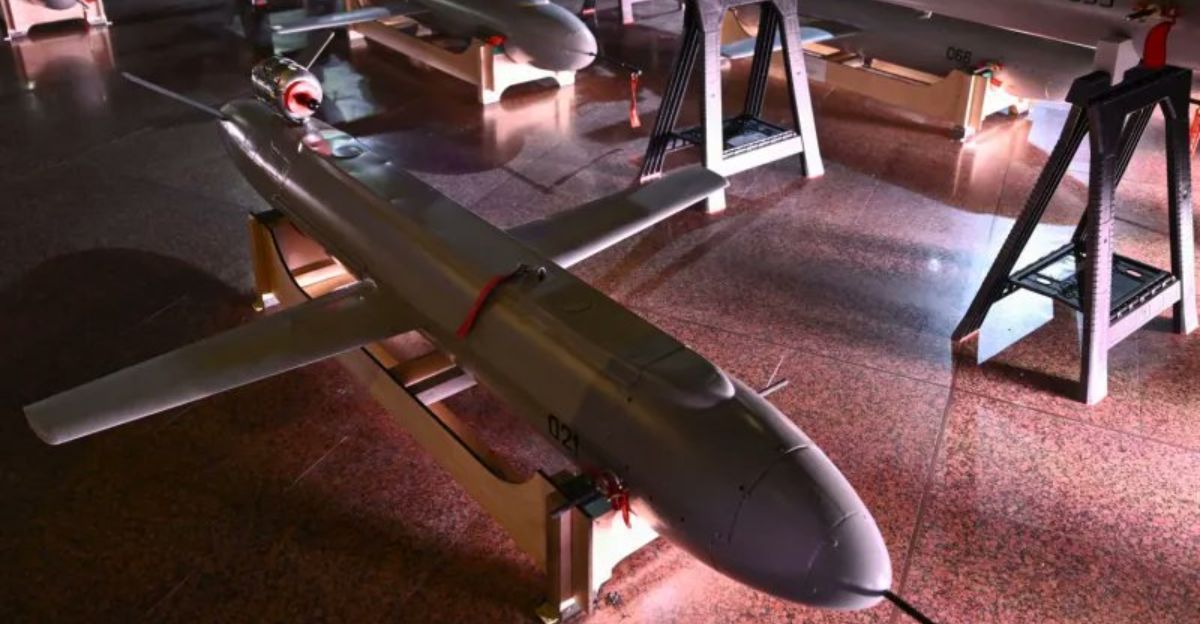
Early 2024: Ukraine began systematic drone attacks on Russian oil. By April 2024, analysts noted “Russian Oil Refining in the Crosshairs.”
October 2025: Critical strikes reach deep into Russia, including the Bashneft refinery in Ufa. The timeline highlights a steady escalation, suggesting a potential future intensification.
Strategic Economic Warfare
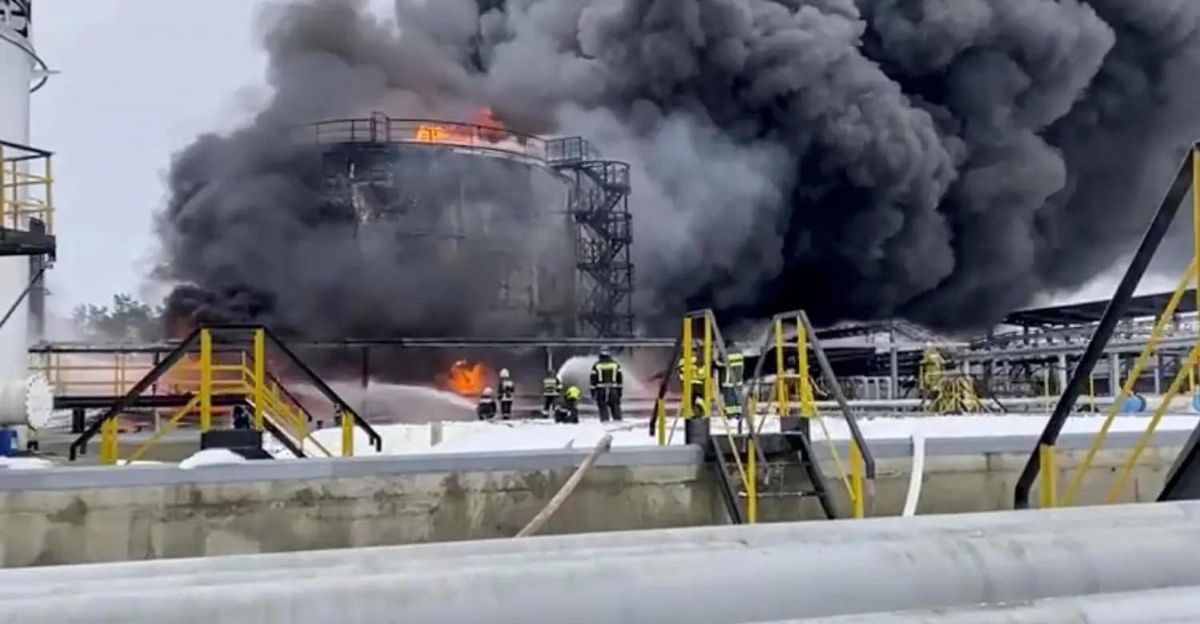
Ukraine targets oil revenues as a key weakness. Russian federal revenue from oil fell from $108-120 billion (2024) to a projected $91-100 billion in 2025, a $20-25 billion annual loss.
These strikes combine military precision with economic leverage. The following slide shows the regional consequences.
Regional and Global Impacts
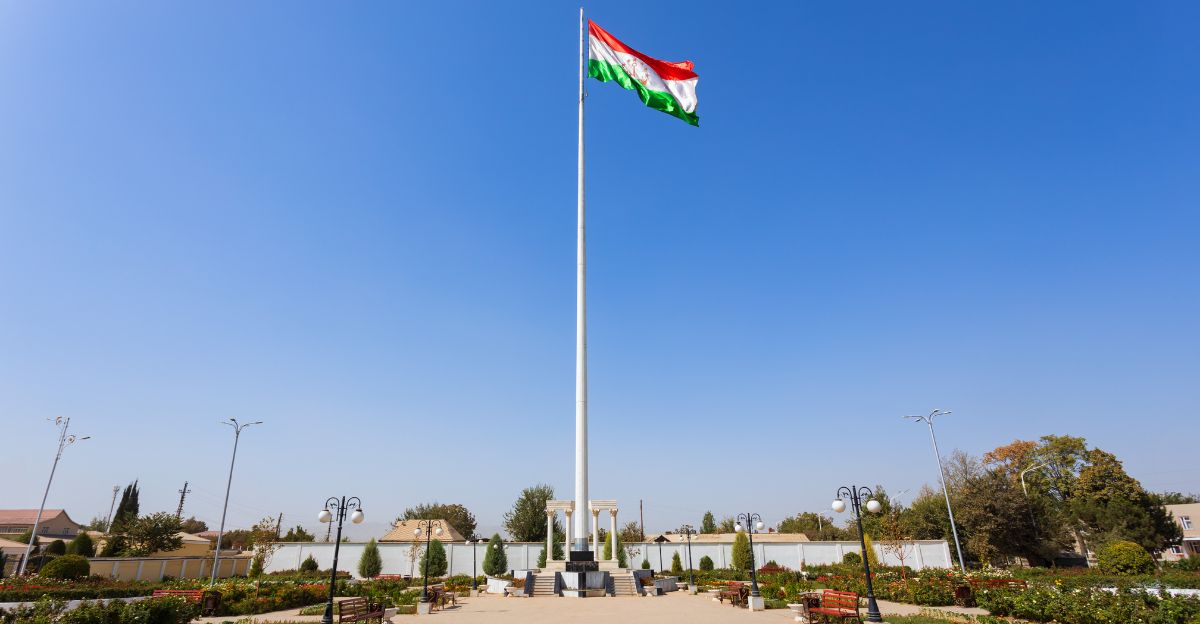
Neighboring regions, such as Tajikistan, faced rising fuel prices on 24 October 2025. Global energy markets face supply uncertainty, with refined product flows to Europe and Asia disrupted.
Sanctions and strikes ripple beyond Russia. How are shipping and logistics affected in the Black Sea and beyond?
Shipping and Export Challenges
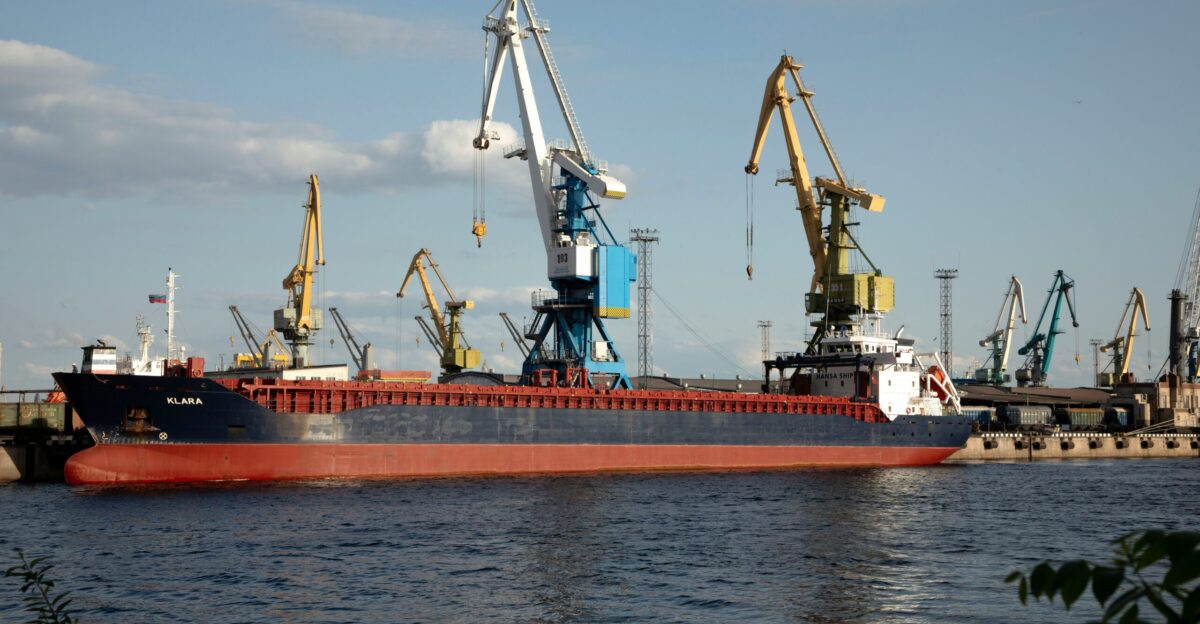
Strikes and sanctions impact Russian Black Sea exports through Novorossiysk and other terminals. Compliance deadlines and secondary sanctions complicate shipping and insurance for Russian oil.
This adds pressure on Russia’s revenue streams, limiting options for crude diversion. Next, we examine Russia’s limited countermeasures.
Russia’s Limited Options

Russia is attempting rapid repairs, redirecting crude exports, and offering discount pricing to retain its markets. Yet repeated Ukrainian strikes degrade capacity, and cutting supply risks further revenue loss.
Putin faces a difficult balance between funding the war and sustaining domestic finances. Could winter 2025-2026 intensify the crisis?
Why This Campaign Is Unprecedented
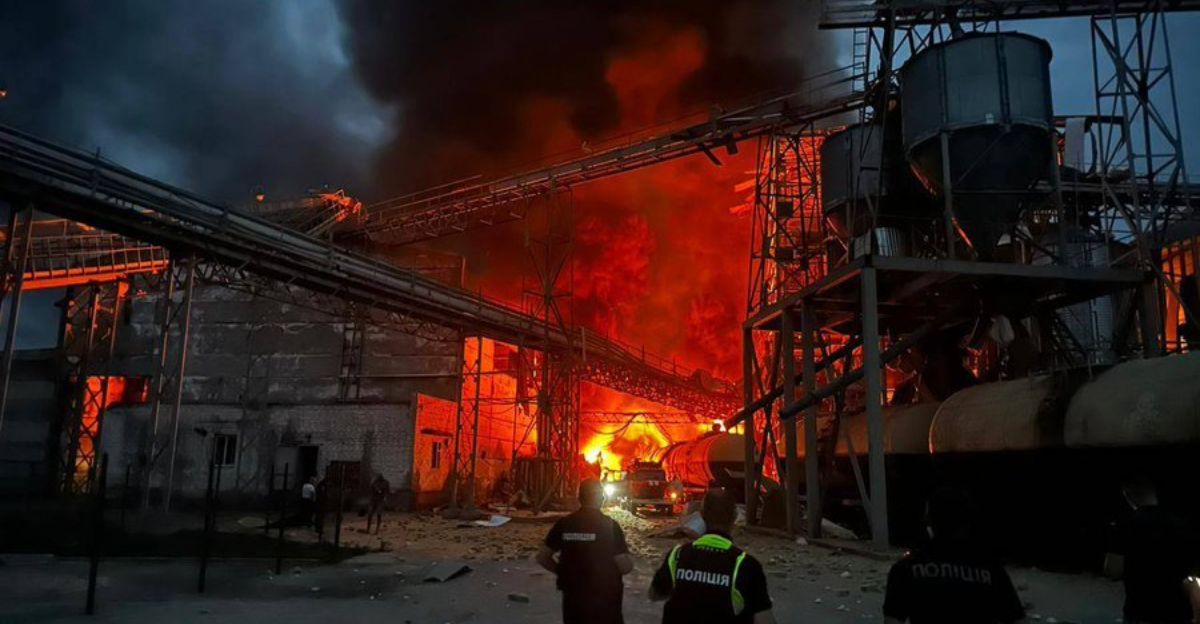
The campaign combines $50K drone strikes destroying $500M refineries with U.S. economic sanctions. It’s the first modern instance of dual-front economic and military pressure on a top-3 oil producer.
Russia now confronts its most considerable infrastructure loss and most profound revenue decline during active warfare. The final slide explores how Ukraine executes this strategy with precision.
The High-Stakes Countdown
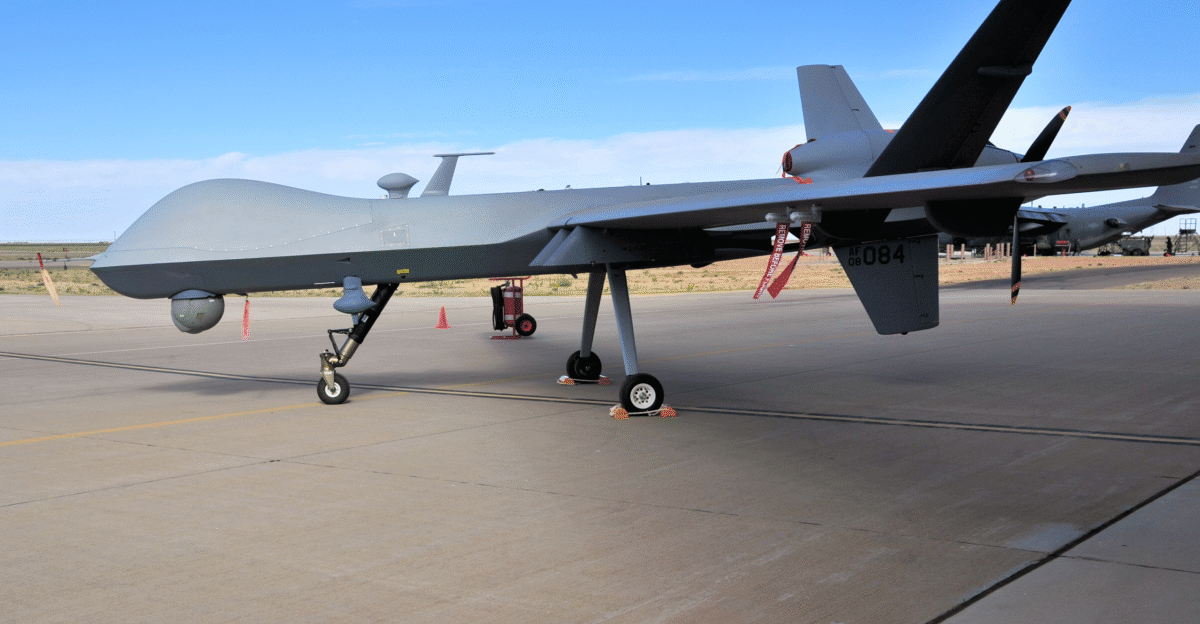
Ukraine’s drone strikes, combined with U.S. sanctions and global buyer pullbacks, have created unprecedented pressure on Russia’s oil sector. With 20-27% of refining offline and a $20-25 billion revenue shortfall, the campaign demonstrates how modern warfare leverages precision technology and economic strategy.
As winter 2025-2026 approaches, Russia faces mounting budget and operational challenges. The full impact on global energy markets, regional stability, and Putin’s strategic options remains uncertain, leaving the world watching how this high-stakes conflict will evolve in the months ahead.