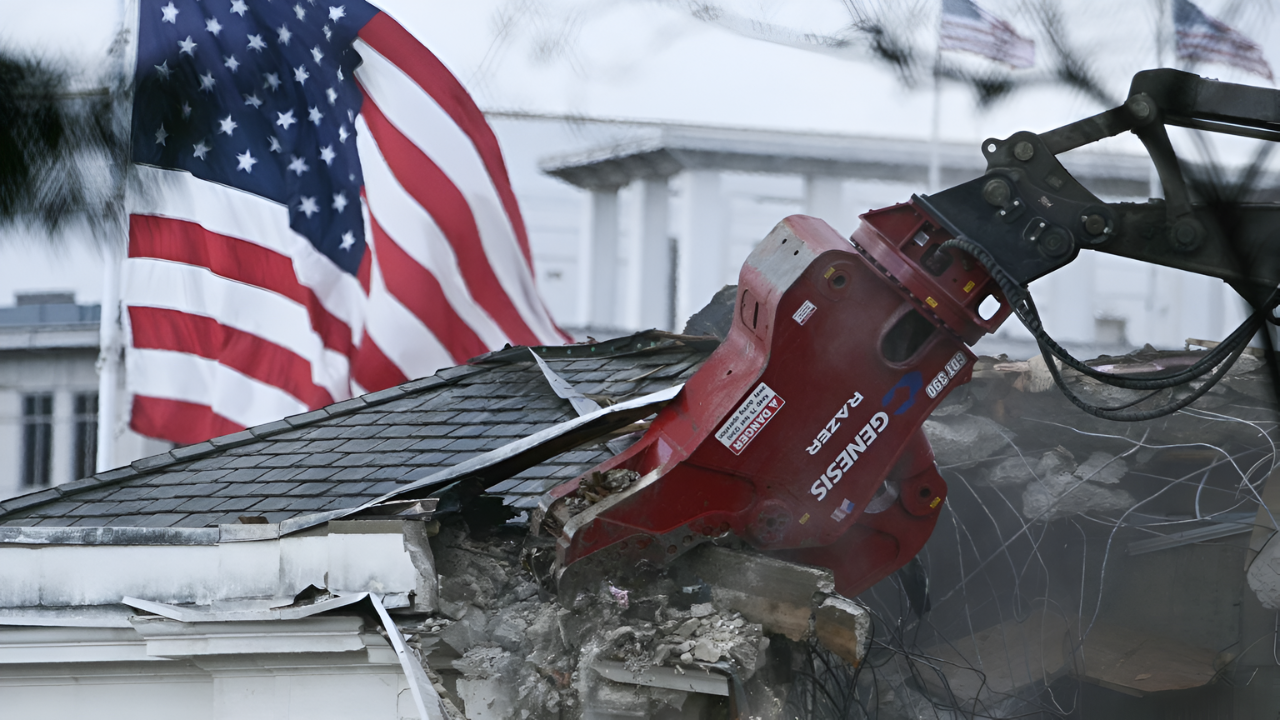
President Trump, on Oct 28, 2025, abruptly fired all six members of the Commission of Fine Arts. The 115-year-old agency advises on architecture in Washington, D.C.
This move clears space for Trump’s planned projects, including a new $300 million White House ballroom. Critics say the historic White House complex now faces unprecedented risk.
Oversight Upended

Coinciding with the renovation, the ouster marks a dramatic upending of oversight. Traditionally, federal projects in D.C. undergo review by agencies such as the CFA and the National Capital Planning Commission.
By removing the CFA board, Trump’s team bypasses these checks. Preservationists warn that rushing demolition without review poses a threat to historic safeguards.
Century-Old Commission at Stake
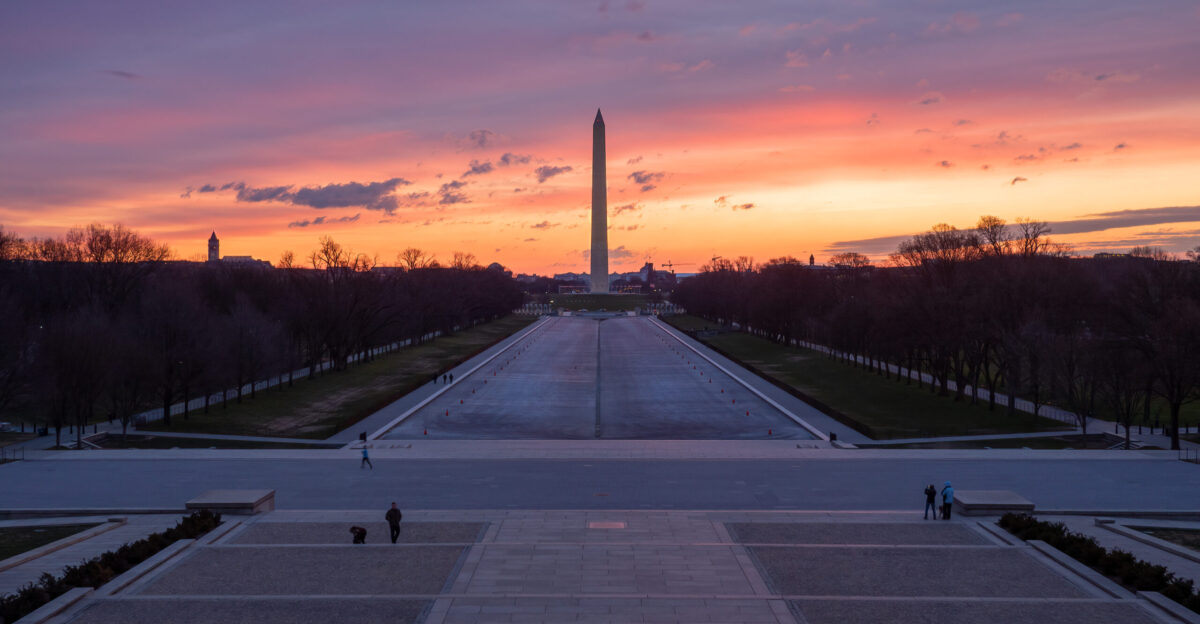
Since its creation in 1910, the Commission of Fine Arts has shaped Washington’s design, reviewing everything from federal buildings to coins.
Architect Bruce Redman Becker, a fired commissioner, said it “plays an important role in shaping the way the public experiences our nation’s capital and the historic buildings it contains”. With its sudden sidelining, a tradition over a century old has been broken.
Pushing Through Modernization
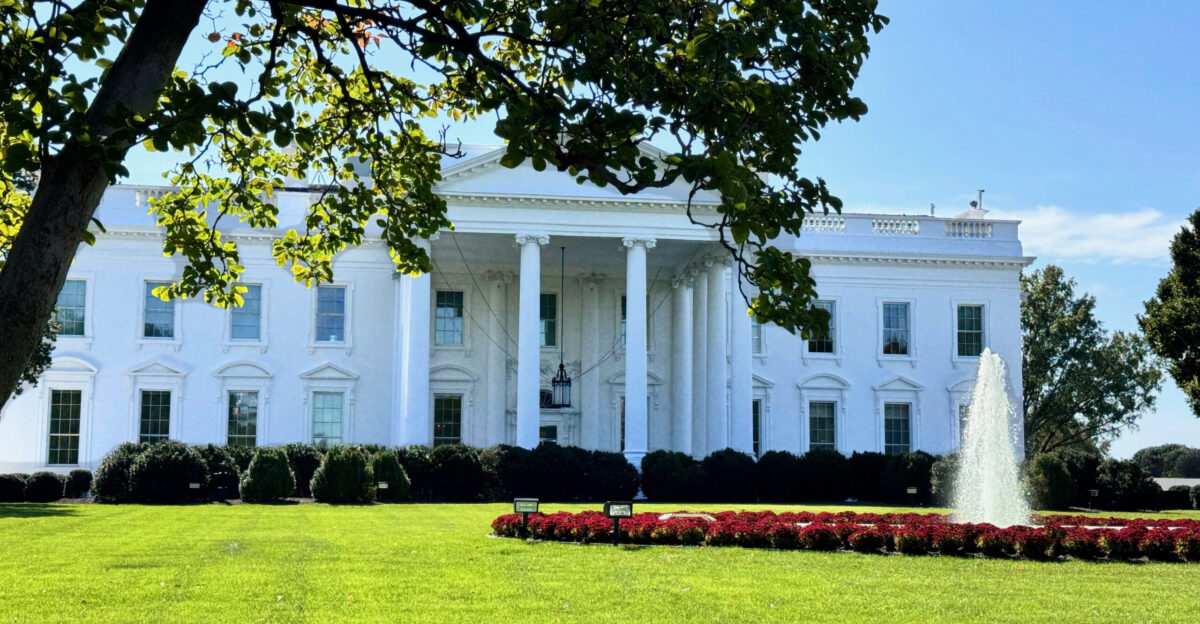
Meanwhile, the administration has fast-tracked the ballroom by courting big donors. By September, multiple firms (e.g., Apple, Microsoft) had pledged millions. The White House says the estimated $250–300 million cost is fully covered by private contributions.
Trump adds that it comes at “zero cost to the American taxpayer”, but critics say this funding model raises transparency concerns.
Trump Fires Full Art Board

On Oct 28, 2025, Trump’s White House terminated all six sitting members of the Commission of Fine Arts. An internal email from the President’s personnel office told each commissioner, “your position … is terminated, effective immediately”.
This action clears the way for demolition of the East Wing and construction of a 90,000-square-foot, $300 million ballroom.
East Wing Reduced to Rubble
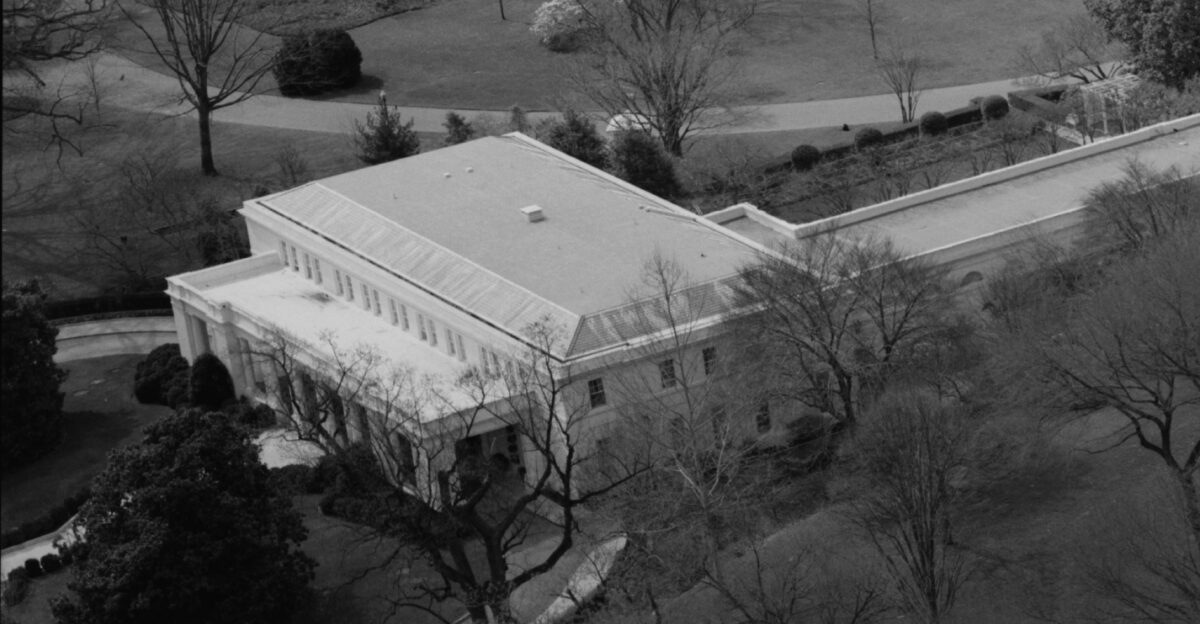
By late October, crews had begun demolishing the historic East Wing to make room for the ballroom. Satellite images confirmed the wing – housing the First Lady’s office and public entrance – was largely gone.
The new ballroom is expected to span 90,000 square feet; the original plan cost was $250 million, and estimates now exceed $300 million.
Outcry from Congress

Angered lawmakers cried foul. Democratic Reps. Jared Huffman (CA), Robert Garcia (CA), and Yvette Clarke (NY) warned that the ballroom project “represents one of the most substantial alterations to the White House in modern history,” with “decisions made in complete secrecy and undertaken without public disclosure or proper consultation”.
Preservation groups joined in demanding transparency and public input.
Skipping Federal Reviews
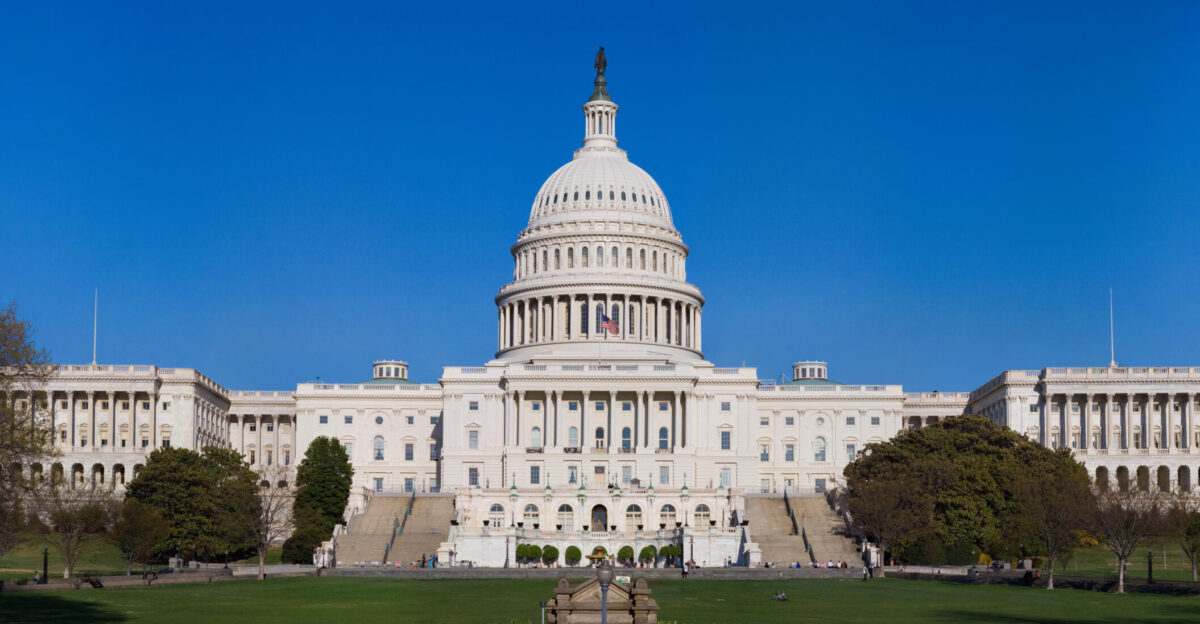
Normally, federal building projects in D.C. must clear review boards like the National Capital Planning Commission.
Trump’s team argues demolition is distinct and does not require pre-approval. But NCPC’s former chair L. Preston Bryant fired back: “The demolition element is inherent in the overall project… Demo is not separated from construction,” insisting approval should have come first. Critics argue that bypassing this process sets a dangerous precedent.
Historic Precedents Broken
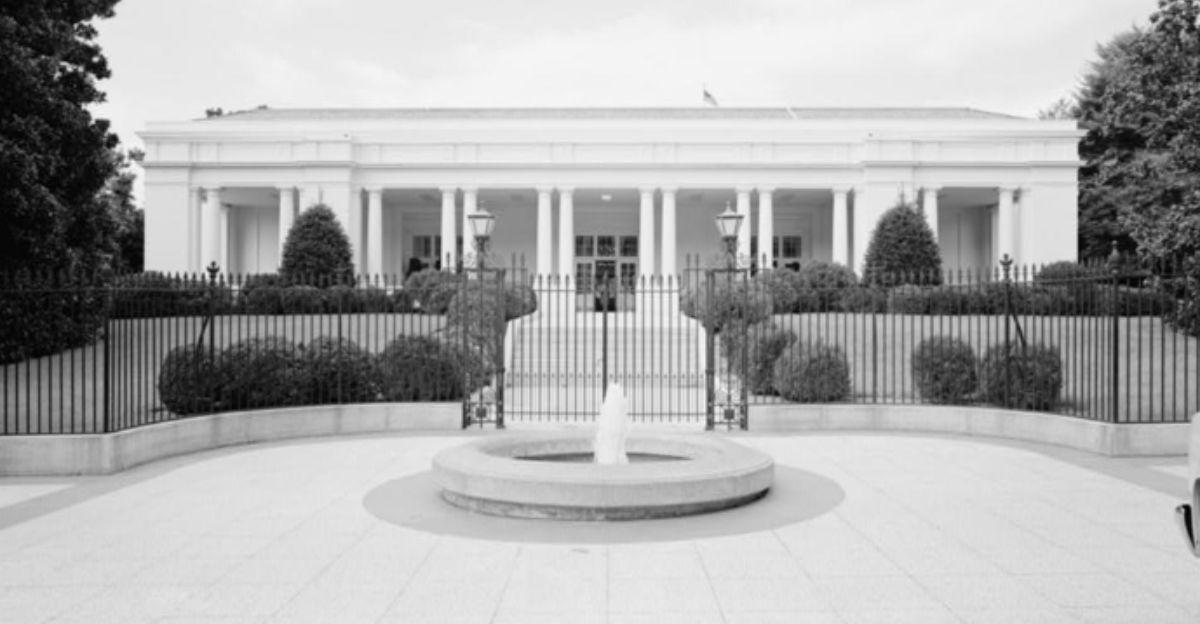
The scope of these changes is unprecedented. The East Wing dates back to 1902 (rebuilt by Theodore Roosevelt) and was enlarged in 1942 under FDR, but it has never been fully destroyed.
Adding a 90,000 ft² ballroom is “one of the biggest changes to the presidential residence in decades”. Previous major renovations (e.g., Truman-era rebuild) were conducted with extensive planning, funding, and oversight.
Big Donor Backers

Donor influence emerges: the ballroom’s estimated $300 million cost is entirely privately funded. Trump says he raised around $350 million from corporate and wealthy donors.
Tech giants (Apple, Amazon, Google) and billionaires like Blackstone’s Stephen Schwarzman reportedly gave millions. This has spurred demands for donor disclosure amid warnings of “huge transparency and conflict-of-interest concerns”.
Historic Preservation on Alert

Preservationists have formally urged a pause. The National Trust for Historic Preservation wrote that demolition should stop until the ballroom plans undergo “the legally required public review processes, including consultation and review by the National Capital Planning Commission and the Commission of Fine Arts”.
Trump officials counter that past presidents also left their marks, but advocates worry the White House’s unique status demands extra care.
Replacing the Commission
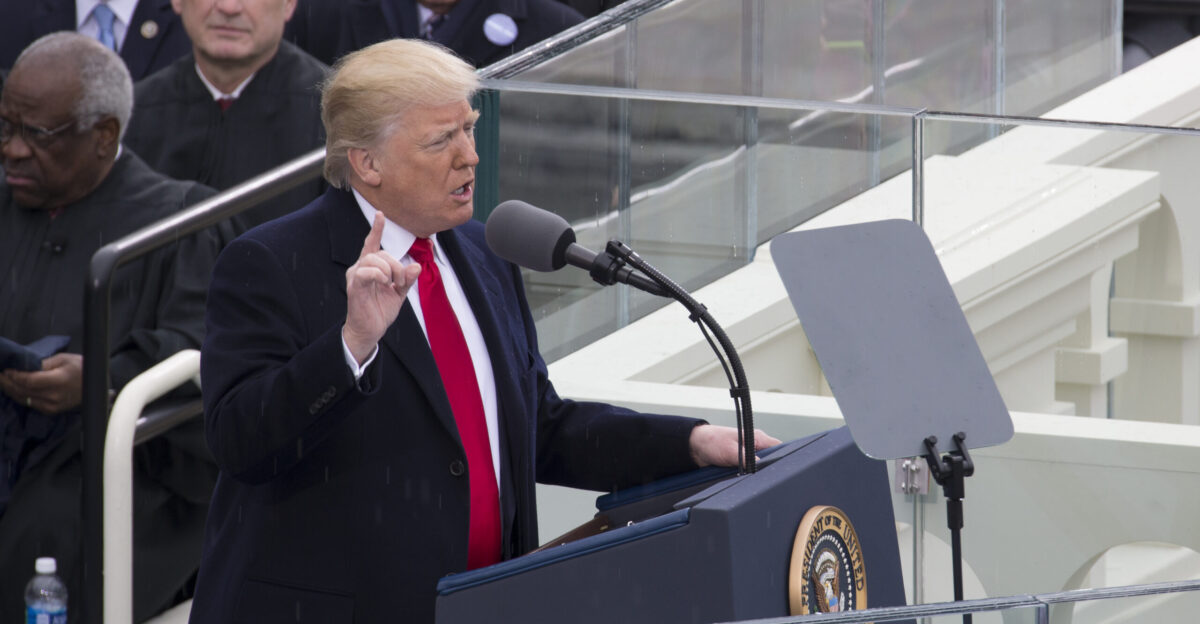
The White House plans to refill the CFA with Trump allies. A spokesman said it is “preparing to appoint a new slate of members to the commission that are more aligned with President Trump’s ‘America First’ policies”.
The new appointees could reshape design standards in DC, since the commission’s reviews will now reflect the administration’s priorities.
Trump’s Grand Ballroom Pitch

Trump defends the plan as a needed modernization. At an Oct. 15 donor dinner, he touted the project’s speed, quipping that attendees were told, “Sir, you can start tonight… You have zero zoning conditions. You’re the president”.
He hailed the future ballroom as “world-class,” framing the swift project as a defining achievement of his leadership.
Experts Voice Doubts
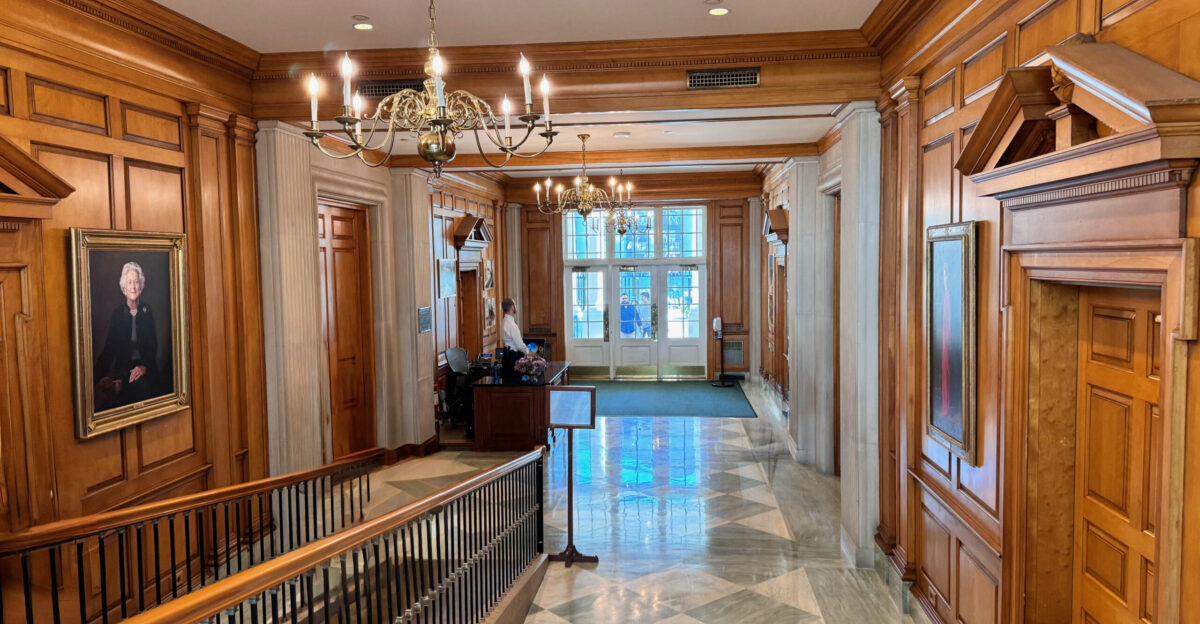
Yet, experts remain skeptical. Priya Jain of the Society of Architectural Historians said her group has seen no evidence that tearing down the East Wing was “the best possible solution,” urging that studies be released.
Presidential historian Tevi Troy added, “Presidents don’t usually rush into doing these types of construction projects”, noting Truman’s more deliberate process. Many worry that aesthetics and heritage are being sacrificed.
What Comes Next?

Next steps are unclear. The White House says it will submit the ballroom plans to the National Capital Planning Commission for approval, but with the CFA incapacitated, it is uncertain who will enforce design standards.
The choice of new commissioners and the outcome of any court cases will determine whether traditional checks are restored or permanently sidelined.
A Partisan Flashpoint
Politically, the controversy is splitting Americans. An Oct. 30 poll found 56% of the public opposes the East Wing demolition, while 28% support it. Nearly 9 in 10 Democrats are against the project, compared to about 2 in 10 Republicans.
Democrats condemn it as executive overreach; Republicans praise Trump’s decisiveness. The debate is shaping up as a major issue in 2026.
International Spotlight
Internationally, the plan has drawn attention. The Guardian reports that 56% of Americans disapprove, highlighting how unusual this is even in the United States.
Observers note that many countries require strict preservation of presidential residences, making the U.S. approach unusually permissive. Some allies have quietly questioned the wisdom of jettisoning heritage for a single grand project.
Legal Battles Emerge

Legally, a fight is already brewing. A lawsuit filed in federal court by a Virginia couple argues the ballroom plan is proceeding “without legally required approvals or reviews,” violating preservation laws.
They seek a restraining order to halt work until proper reviews occur. The White House counters that Trump has “full legal authority” to proceed. Courts will ultimately decide whether the project breaks the law.
America Divided

Publicly, Americans are deeply split. The Washington Post–ABC poll showed 56% oppose the teardown versus 28% in favor. Opposition falls mostly along partisan lines.
Some view the ballroom as a necessary update; others decry it as a vanity project that undermines tradition. The controversy reflects broader debates about presidential power, government transparency, and national heritage.
End of an Era?
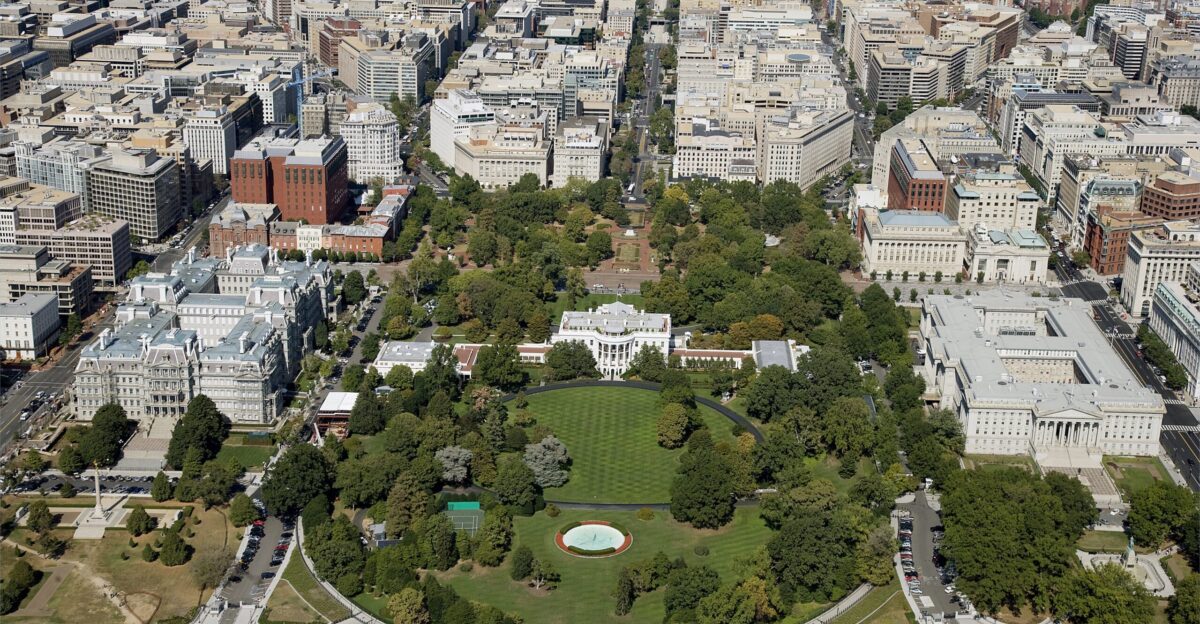
Ultimately, the shake-up signals a new chapter in presidential power. White House defenders note precedent: in 1947, Harry Truman added a balcony to the White House despite the CFA’s objections.
But critics warn this sets a precedent for sidestepping preservation. As the rubble clears, America faces a choice: who will decide the future of its historic symbols?