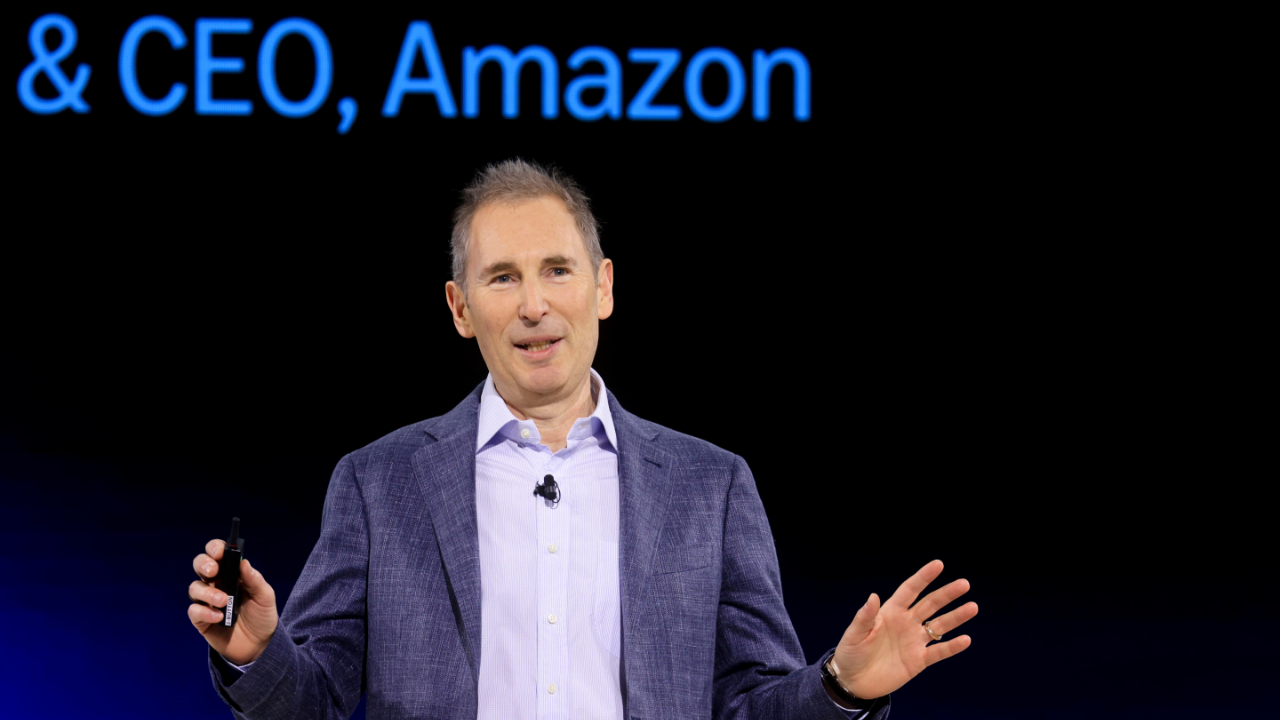
Amazon’s massive restructuring sent shockwaves through the corporate world, fueling new fears about artificial intelligence’s accelerating grip on the U.S. job market.
On Tuesday, the company confirmed thousands of layoffs, linking them directly to AI-driven efficiencies that are reshaping work itself.
What seemed like a single corporate downsizing now appears to be the beginning of something far larger.
Let’s look at what’s happening.
What’s Going On?

Amazon confirmed 14,000 corporate layoffs on October 28, 2025, amid speculation the figure could reach 30,000. The cuts represent about 4% of its 350,000 corporate staff, marking the company’s second-largest layoff in history.
The move signals a turning point for AI’s growing influence in employment decisions. But what’s really driving it?
Why Amazon Is Cutting Jobs

CEO Andy Jassy said automation now performs “some of the jobs being done today,” highlighting AI’s expanding role across HR, operations, and logistics. HR chief Beth Galetti added that AI is “the most transformative technology we’ve seen since the Internet,” driving faster innovation across departments.
These statements reveal a deliberate shift—not just cost-cutting, but cultural change.
Inside the Layoff Process

Employees received early-morning emails notifying them of termination, along with 90-day non-working periods and severance packages. Roles in management, product coordination, and quality control were hardest hit.
Yet Amazon simultaneously hired 250,000 seasonal warehouse workers, showing how AI targets corporate layers more than frontline operations. That imbalance raises deeper questions about the future of white-collar work.
Corporate Reaction Across Industries

Amazon’s cuts prompted major corporations to accelerate automation. Meta eliminated 600 roles while boosting AI infrastructure, and UPS slashed 48,000 jobs. Goldman Sachs found that 78% of executives now feel pressure to prove AI-driven savings.
But few openly admit to layoffs tied to automation—at least, not yet.
Competitors Also Feel the Pressure

Target, once seen as stable, cut 1,800 corporate roles in October 2025 as it battled weaker sales. UPS downsized tens of thousands, and Walmart stuck to seasonal hiring only.
Retailers face a shared dilemma: invest in AI to survive, or risk being left behind as consumer behavior shifts online.
Global Supply Chain Ripple Effects

Amazon’s $125 billion AI infrastructure investment could reshape supplier relationships worldwide. With AWS revenue jumping 20% in Q3 to $33 billion, automation is streamlining procurement and logistics.
That efficiency, however, may reduce oversight in international trade, shifting power away from human negotiators and toward algorithmic decision-making.
Employee Anxiety Reaches a Breaking Point

Inside Amazon, fear and uncertainty dominate. Employees report sleepless nights and constant speculation about who’s next. Studies have already shown that over half of warehouse staff are experiencing burnout even before these layoffs.
Internal well-being groups have expanded resources, but AI monitoring systems continue to heighten stress levels. For many, it’s a psychological strain as much as a financial one.
Political Pushback and Labor Action
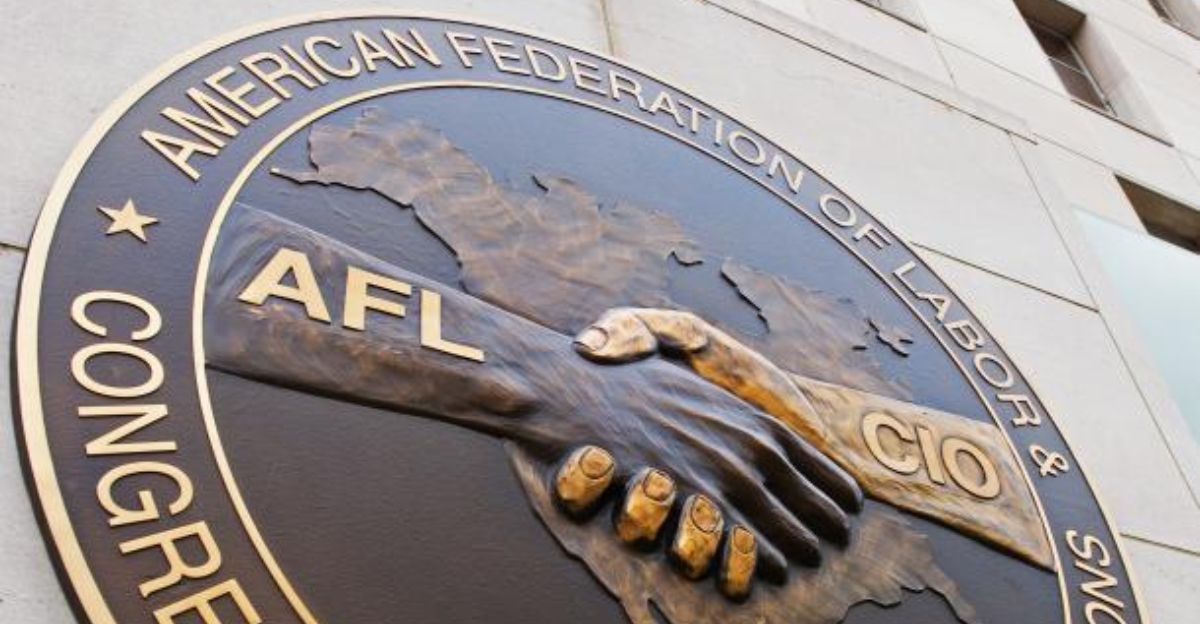
Labor groups like the AFL-CIO launched the “Workers First Initiative on AI,” while California advanced its “No Robo Bosses Act” mandating human oversight. Over 30 states are forming AI taskforces.
Lawmakers now face mounting pressure to balance technological progress with workforce protection. Could a national AI policy soon follow?
Economic Fallout and Market Reactions

Amazon’s stock jumped 14% after strong Q3 earnings, even as economists warned of accelerating job displacement. Companies like UPS and Target now face similar dilemmas—cutting workers while investing in automation.
The Federal Reserve must interpret mixed employment signals in an economy where machines increasingly take over middle-tier roles.
How Companies Are Rebuilding Around AI

Globally, half of all corporations have begun redesigning operations around AI. Amazon’s strategy—“removing layers of bureaucracy”—reflects a new management model powered by automation.
AWS also launched fresh AI training programs, even as oversight positions were eliminated. It’s a paradox: more AI experts are needed, yet fewer traditional managers remain.
The Service Industry’s Parallel Transformation

Restaurants and hotels are integrating AI for scheduling, service, and operations. Instead of replacing staff entirely, many are combining AI with human expertise for better customer experiences.
Still, entry-level jobs in these sectors also face a risk of automation. The balance between efficiency and empathy is becoming harder to maintain.
Jobs Most at Risk
Manufacturing, trucking, and administrative work top the automation risk list. Research suggests 3.5 million U.S. trucking jobs could vanish by 2035 due to self-driving vehicles.
Data entry and customer service roles face automation rates as high as 95%. The timeline for disruption is accelerating fast—potentially within just three years.
Changing the Consumer Experience

Amazon’s AI assistant, Rufus, now powers personalized shopping for millions, offering faster responses and smoother checkouts. Yet fewer human agents mean less personal service overall.
Same-day delivery continues to expand, signaling improved efficiency. But as automation grows, the warmth of real human interaction risks fading away.
Mental Health Strain Inside Amazon

Amazon’s well-being programs earned national recognition in 2025, but surveillance-based performance tracking fuels stress. Employees describe constant pressure to meet AI-evaluated benchmarks.
This paradox—supporting wellness while enforcing algorithmic scrutiny—underscores a modern workplace dilemma. How can companies protect mental health while optimizing through automation?
Ethical and Legal Showdowns

California’s AI oversight law and the EU’s AI Act are setting global precedents. Environmental critics also warn of the energy demands of massive data centers.
The race to regulate AI pits innovation against accountability. Meanwhile, labor unions demand enforceable safeguards for workers displaced by automation.
New Winners in the AI Economy

While traditional roles vanish, AI engineers, cloud architects, and data scientists are thriving. Amazon’s AWS division is posting its strongest growth since 2022.
But 77% of new AI jobs require advanced degrees, creating a widening skills gap. Those without technical backgrounds face an uncertain future.
How Wall Street Is Reacting

Investors cheered Amazon’s $330 billion market value jump after the layoffs, betting on long-term efficiency gains. Capital spending reached $125 billion this year to expand AI capacity.
Still, analysts warn of short-term turbulence as markets digest the human cost of automation. The question is whether productivity gains can justify the disruption.
Preparing for the AI Shift

Workers are urged to reskill in data, analytics, and AI collaboration fields. Amazon’s Career Choice program offers retraining, though displaced employees have only 90 days to transition.
Consumers will see faster service, but less personal interaction. Both groups must prepare for a future where adaptability becomes the new security.
Acceleration Beyond Forecasts

The World Economic Forum’s 2025 Jobs Report shows 86% of employers expect AI to reshape business models—years ahead of schedule. Amazon’s cuts, alongside Meta and UPS, suggest that the timeline is already here.
The question now isn’t whether automation will expand, but how fast—and who’s ready for it.
Navigating What Comes Next

Amazon’s restructuring marks more than layoffs; it’s a blueprint for how AI will redefine corporate life. The future belongs to those who adapt through learning, innovation, and collaboration.
Whether this transformation benefits society depends on one thing: ensuring technology serves people, not the other way around.