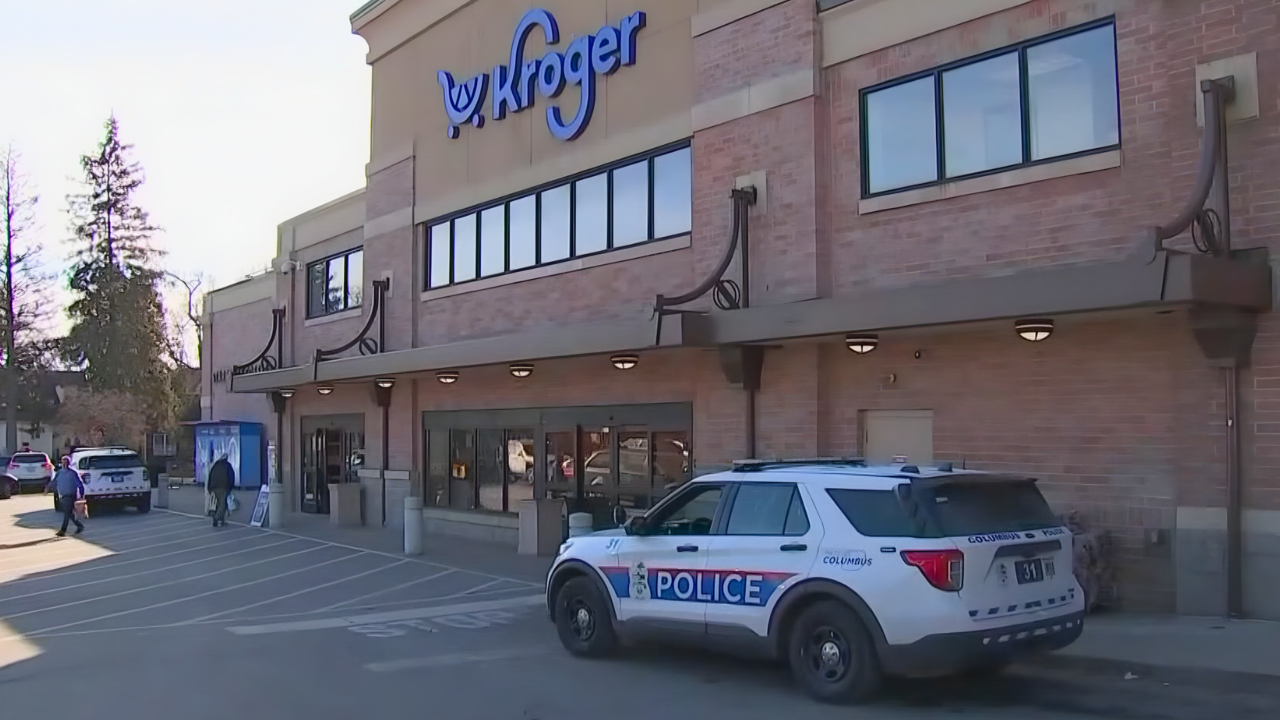
America’s largest supermarket chain, Kroger, is undertaking one of its most significant transformations in years. In June 2025, the company announced plans to close roughly 60 stores—around 2% of its national footprint—and lay off nearly 1,000 corporate employees over the next 18 months. Combined with hourly staff affected by store closures, the restructuring will eliminate about 9,000 jobs nationwide.
These moves come as the retail sector faces soaring theft and crime, with losses hitting $112.1 billion in 2022. The closures highlight both Kroger’s operational challenges and the broader pressures reshaping the grocery landscape. Here’s what’s happening…
Why These Stores Are Closing
Interim CEO Ron Sargent explained on the June 20, 2025, earnings call that closures target stores “failing to deliver sustainable results.” Internal data identified underperforming locations with low profits and declining customer traffic.
“Unfortunately, today, not all of our stores are delivering the sustainable results we need,” Sargent said. Factors include poor financial performance, operational inefficiencies, and delays in decisions resulting from the collapse of the Albertsons merger in December 2024.
While retail crime contributed to closures at six Fred Meyer and QFC stores in Washington, most closures are driven by broader market challenges. Kroger’s strategy mirrors global trends: UK grocers like Tesco and Sainsbury’s have also shuttered underperforming stores amid economic pressure and rising theft, which cost UK retailers £7.9 billion in 2023 alone.
Retail Crime and Organized Theft
Retailers nationwide face a surge in organized retail crime (ORC). The National Retail Federation’s 2025 report found an 18% increase in shoplifting incidents in 2024 compared to 2023, with violent or threatening behavior rising 17% during theft events.
“Retailers are contending with rising levels of theft, fraud, and violence, while continuing to refine security measures, utilize technologies, and partner with law enforcement,” said NRF Vice President David Johnston.
ORC groups are diversifying beyond store theft, targeting e-commerce, phone scams, and supply chain operations. Retailers are adjusting: 45% of stores have cut hours, 30% have reduced inventory, and 28% have closed locations in response to crime pressures.
Communities and Workers Feel the Impact
Kroger’s closures hit communities across the South, Midwest, and Pacific Northwest. Houston lost two stores on September 30, 2025, while Gassaway, West Virginia, lost its only supermarket in August. At least 39 stores, including Fred Meyer, Harris Teeter, Mariano’s, Pick ‘n Save, and QFC, are slated to close.
The human cost is significant. Approximately 1,000 corporate employees are expected to face layoffs, with 6,000–10,000 hourly staff members also potentially affected. Each store employs 100–150 people, with many earning between $25,000 and $31,000 annually. While union protections help two-thirds of the workforce retain transfer rights, non-unionized employees face longer commutes, reduced hours, and possible loss of seniority.
Strategic Growth Amid Closures
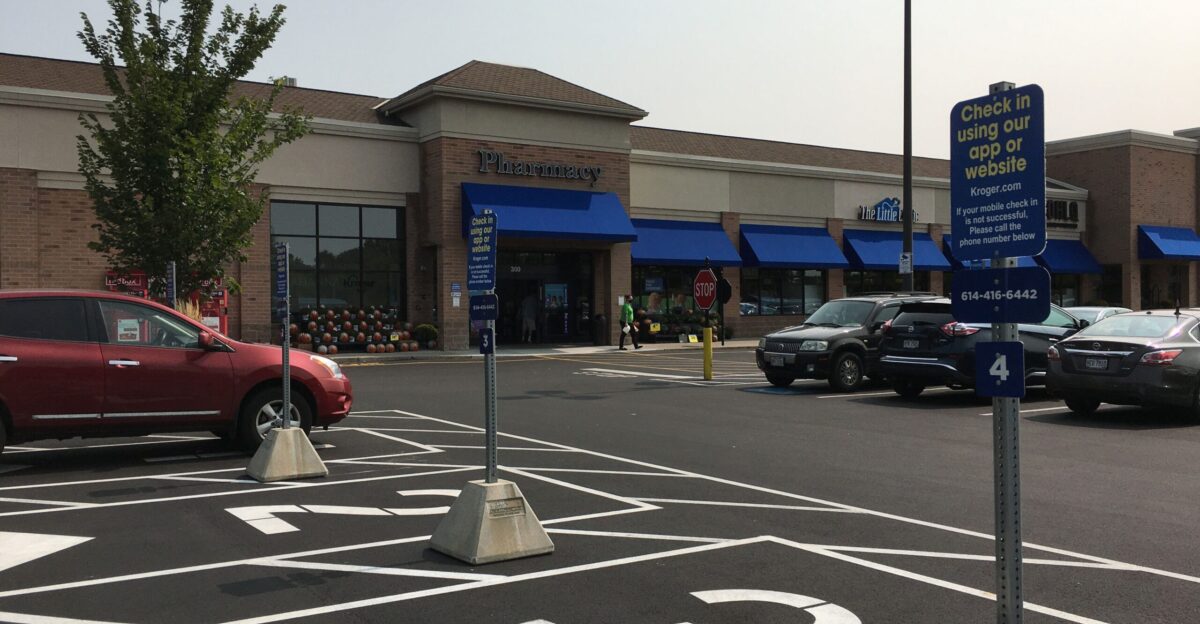
Despite closures, Kroger plans to open 30 new stores in high-growth urban areas in 2025. CFO David Kennerley said, “We expect to complete 30 major storage projects in 2025, focusing our investments in high-growth areas.” Phoenix will see new Fry’s Marketplace locations, and Charlotte and Colorado Springs already have new facilities.
Kroger is also expanding automated fulfillment centers through Ocado technology. Eight CFCs are operational, with two more in Phoenix and Charlotte expected by early 2026. Advanced robotics and Auto-Freezer technology will streamline online orders. The strategy involves closing underperforming stores while investing in growth areas, leaving opportunities for competitors like Aldi, Walmart, and Amazon Fresh to fill gaps in the displaced markets.
Supply Chain, Prices, and Food Access
Closures affect suppliers, logistics, and distributors. As new stores open, supply chains must adapt to changing orders and delivery routes. Rising grocery prices add pressure: food-at-home costs increased 26.6% from 2020 to 2025, according to BLS data, with Pew Research showing a 28.3% rise. Reduced competition may lead to higher prices in affected communities.
Food deserts are also a growing concern. USDA data show 23.5 million Americans live in low-access areas, with 19 million in food deserts. Closures in Houston and Gassaway worsen access, particularly for seniors, families without transportation, and low-income residents. Health research warns that limited fresh food access can increase obesity, diabetes, and cardiovascular disease, compounding social disparities.
Looking Ahead: The Stakes for American Grocery
Kroger’s restructuring highlights the tension between profitability and social responsibility in a retail environment characterized by crime, inflation, automation, and shifting consumer habits. The stakes are high—not just for Kroger’s 409,000 employees and shareholders, but for communities nationwide.
As the company shutters 60 stores and opens 30 in growing markets, competitors move in to fill gaps, affecting food access and affordability. The $112 billion national retail theft crisis further complicates operations. Kroger’s choices, mirrored by other grocers, highlight the challenges of maintaining service, security, and economic viability amid unprecedented pressures on the U.S. grocery sector.