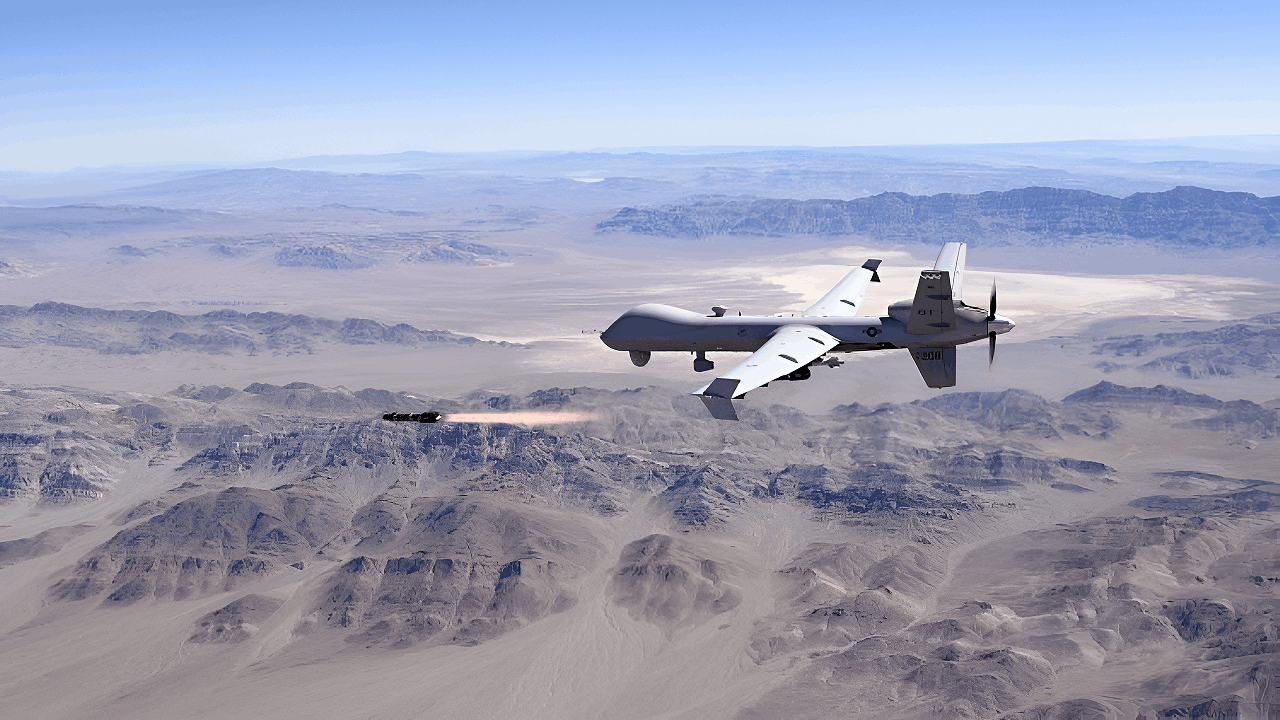
On October 2, 2025, U.S. Central Command (CENTCOM) forces conducted a strike in Syria that killed Muhammad ‘Abd-al-Wahhab al-Ahmad, a senior attack planner for the al-Qaeda-affiliated group Ansar al-Islam, as he traveled through Syria’s Idlib province. The operation marked a significant development in Washington’s campaign against jihadist networks operating in Syria’s last major rebel stronghold.
Idlib’s Shifting Battleground
Idlib remains a volatile enclave, dominated by factions such as Hayat Tahrir al-Sham and Ansar al-Islam. The region’s fractured alliances and persistent militant activity have drawn increased U.S. surveillance and strikes in recent years. CENTCOM described the October 2 operation as part of ongoing efforts to “disrupt and defeat” efforts by terrorists to plan, organize, and conduct attacks, reflecting a continued focus on counterterrorism as local and international actors vie for influence.
Al-Qaeda’s presence in Syria has splintered since the start of the civil war in 2011. Ansar al-Islam, originally an Iraqi-Kurdish group, embedded itself in Syria’s conflict, collaborating with Jabhat al-Nusra and later Hurras al-Din. Hayat Tahrir al-Sham, formed in 2017 from a merger of several groups including Jabhat al-Nusra, severed ties with al-Qaeda that same year, further complicating the landscape for intelligence agencies tracking these groups. Each faction has woven itself into local disputes, making counterterrorism operations increasingly complex.
The Hunt for al-Ahmad
Muhammad al-Ahmad had eluded capture for over a decade as a member of Ansar al-Islam before his death on October 2. Despite coalition patrols and informant networks, he managed to operate within Idlib’s complex militant landscape. His ability to evade detection underscored the challenges faced by counterterrorism forces operating in Syria’s chaotic environment.
CENTCOM stated that al-Ahmad was a senior attack planner affiliated with al-Qaeda through his membership in Ansar al-Islam. “U.S. forces in the Middle East remain postured to disrupt and defeat efforts by terrorists to plan, organize, and conduct attacks,” said Adm. Brad Cooper, CENTCOM commander. “We will continue to defend our homeland, warfighters, allies and partners throughout the region and beyond.”
Local Impact and Regional Implications
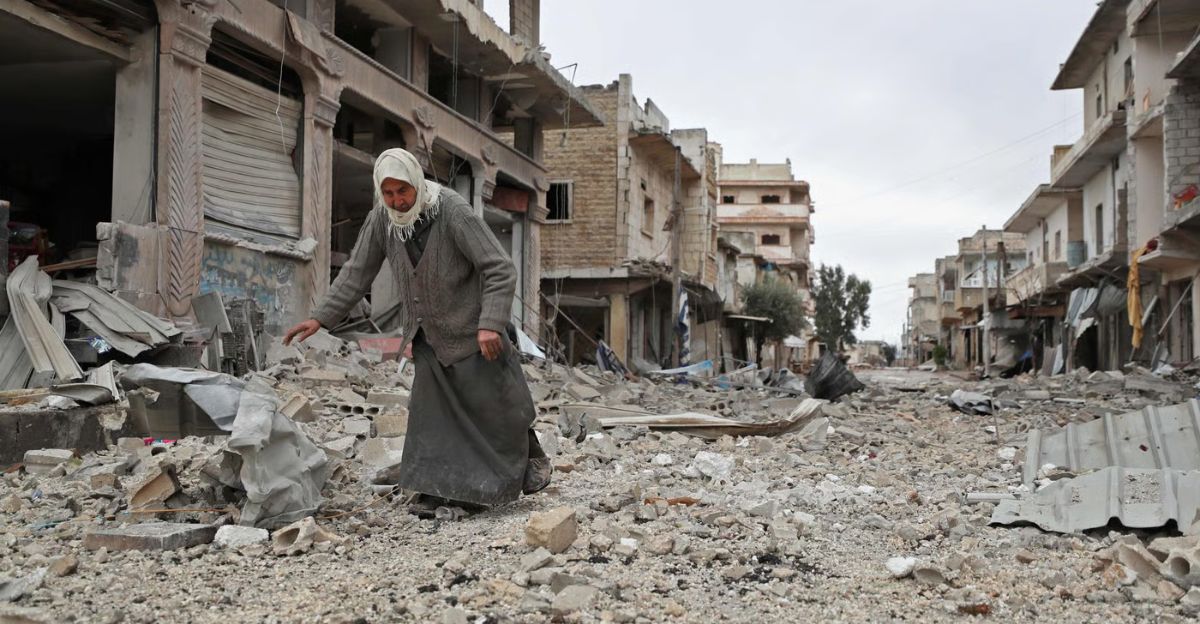
The strike took place in Idlib province, where Hayat Tahrir al-Sham exercises dominant control over approximately 90% of the governorate alongside adjacent parts of northern Hama and western Aleppo. Other groups including Ansar al-Islam, while smaller in comparison, maintain operational presence in the area. The region has witnessed persistent militant activity and remains a focus of U.S. counterterrorism operations.
Idlib’s civilian population continues to face uncertainty amid ongoing military operations. The province has been subject to escalating ground offensives and airstrikes since 2019, with ceasefire agreements between Russia and Turkey proving fragile. Residents live between competing militant factions and international military campaigns, creating persistent instability.
Remote Warfare and Global Comparisons
U.S. operations in Syria rely on long-endurance surveillance and precision strike capabilities, reflecting a broader shift toward remote counterterrorism that minimizes risk to American personnel while maintaining pressure on militant networks. Since 2015, U.S. Central Command has conducted periodic military strikes in Syria outside the framework of Operation Inherent Resolve, including targets linked to al-Qaeda and other terrorist organizations.
Globally, the use of drones in counterterrorism remains controversial. A Stimson Center report on U.S. drone policy noted concerns about secrecy and accountability in drone operations. Critics warn that reliance on remote warfare can foster resentment and perpetuate conflict, while proponents argue such capabilities offer precision and reduced risk to personnel.
Regional Power Struggles
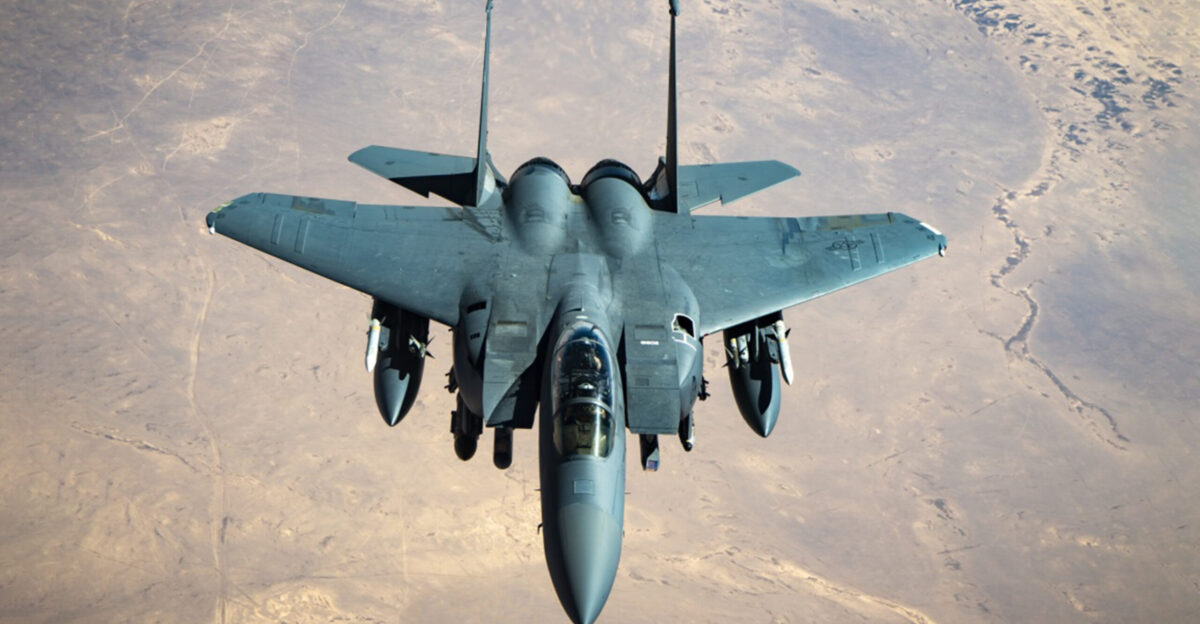
Syria’s civil war continues to serve as a proxy battleground for international powers. Russia and Iran back President Bashar al-Assad’s government, Turkey maintains observation points and military presence in the Idlib region, and the U.S. targets jihadist groups while supporting partner forces elsewhere in Syria. The interplay of these forces complicates efforts to restore stability and address the underlying causes of extremism.
Turkey has established 12 military observation points around the Idlib area and has pressured various actors to avoid destabilizing its border regions. U.S. and Russian forces occasionally coordinate to prevent accidental clashes. Analysts observe continuing competition between regional and international powers over Syria’s future, with each move affecting Idlib’s fragile balance.
Expert Perspectives and Future Risks
Counterterrorism experts caution that strikes alone cannot resolve Syria’s security challenges. Retired General Stanley McChrystal has warned that “the resentment created by American use of unmanned strikes…is much greater than the average American appreciates.” While eliminating planners may disrupt operations temporarily, militant groups often adapt quickly, and the ideology persists.
The death of al-Ahmad may force Ansar al-Islam to reorganize, potentially leading to retaliation or internal changes. U.S. officials continue to share intelligence with regional partners and maintain surveillance to prevent militants from regrouping. Human rights advocates continue to call for transparency and adherence to international law, emphasizing the need to protect civilians amid ongoing operations.
Looking Ahead
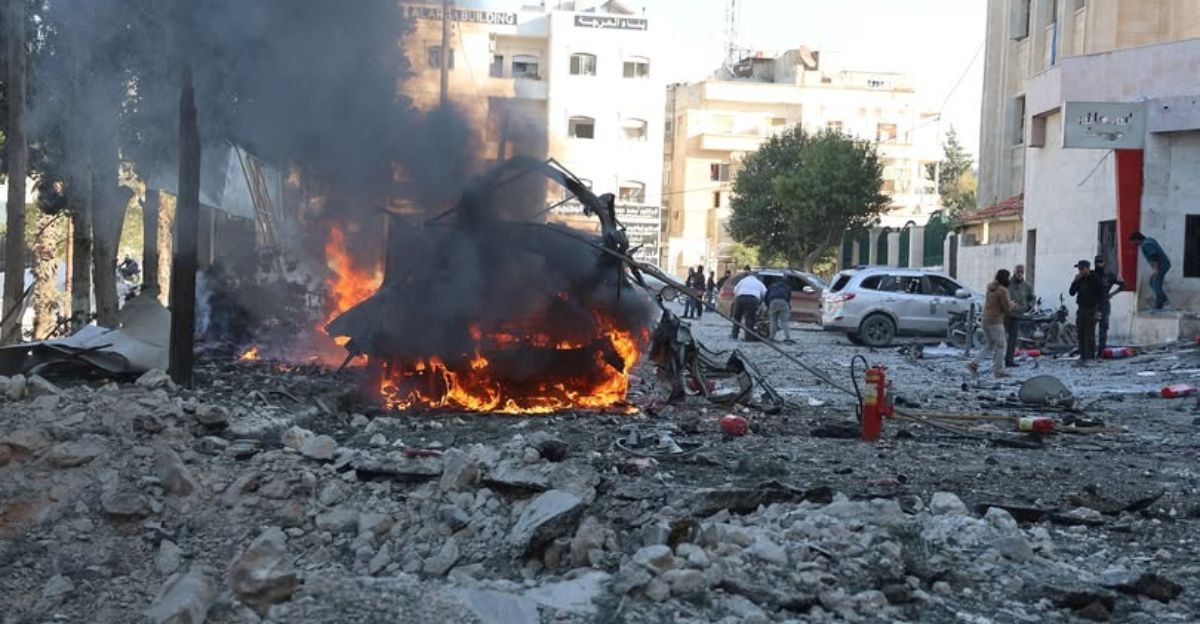
The targeted killing of a senior al-Qaeda-affiliated attack planner in Idlib demonstrates both the reach and limitations of modern counterterrorism. While the operation removed a figure CENTCOM described as a senior planner, it did not resolve the broader conflict or address root causes of militancy. As regional actors, local communities, and international forces monitor the aftermath, the future of Syria’s conflict—and the debate over counterterrorism strategy—remains uncertain.