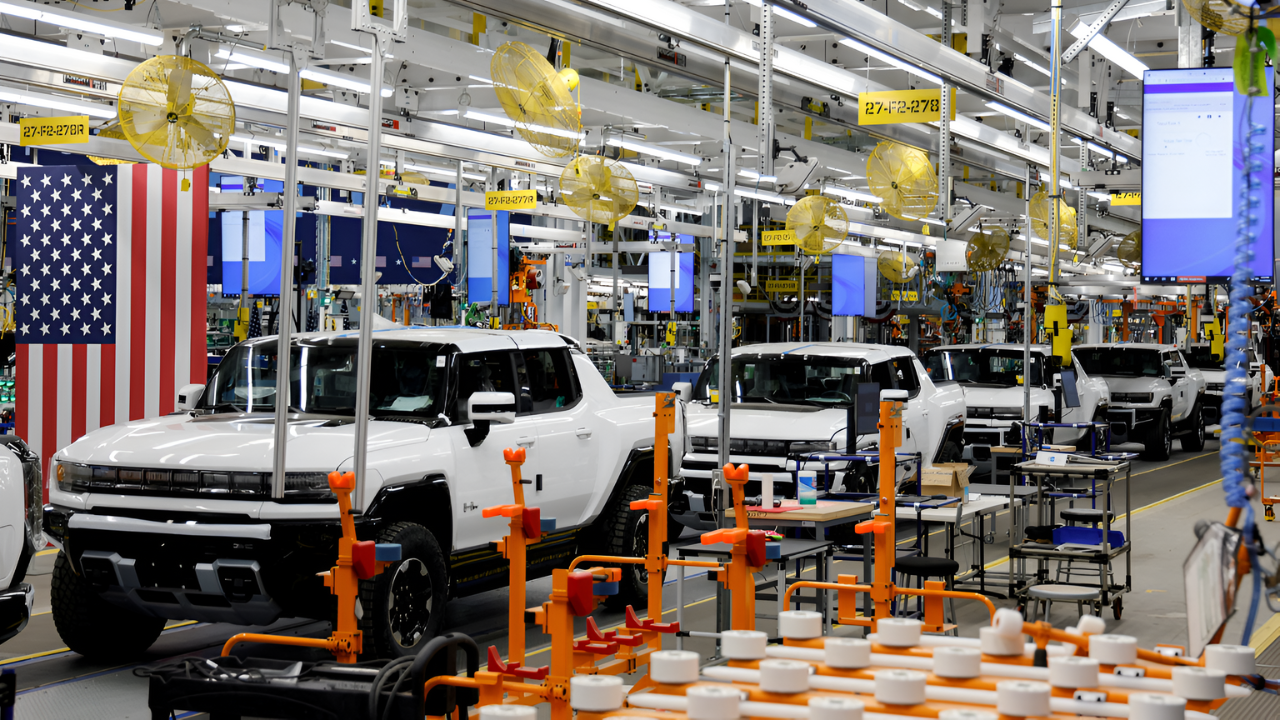
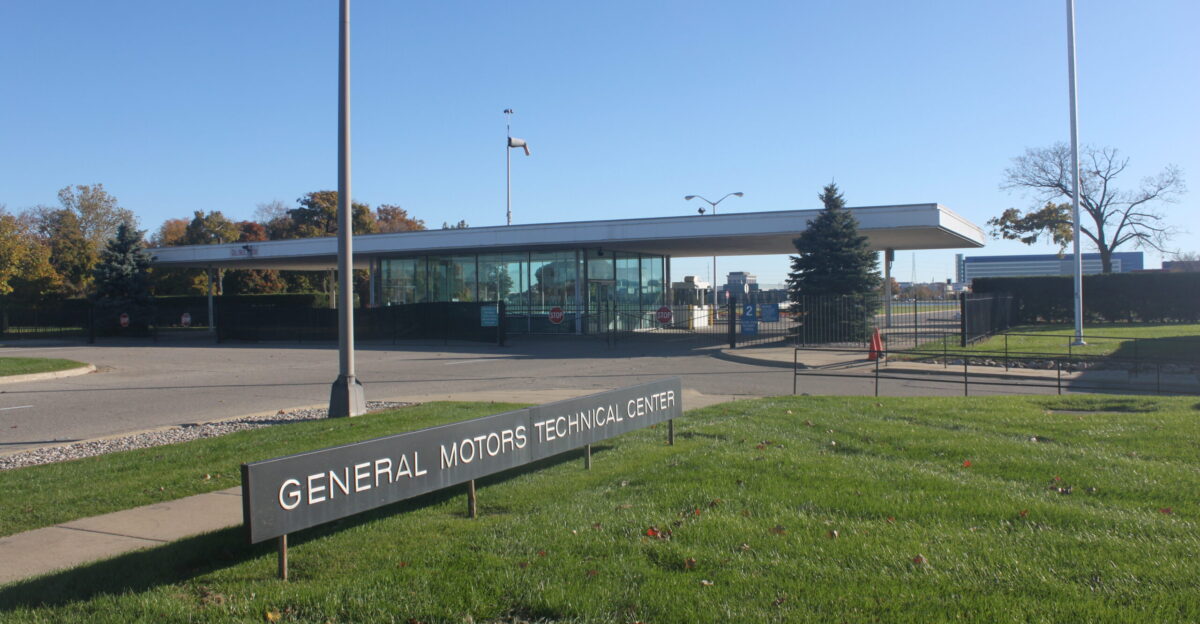
General Motors confirmed on October 29, 2025, that it will eliminate 5,500 auto jobs across Michigan, Ohio, and Tennessee, marking one of the largest workforce reductions in the company’s recent history.
The cuts center on Detroit’s Factory ZERO electric vehicle plant, where 1,200 workers face indefinite layoffs, while another 550 permanent job losses hit the Ultium Cells battery plant in Lordstown, Ohio. An additional 3,750 workers face temporary furloughs that could stretch into mid-2026.
Federal Policy Shift Forces GM to Slash EV Production

The layoffs stem directly from the elimination of the $7,500 federal EV tax credit, which expired on September 30, 2025, as part of President Trump’s “One Big Beautiful Bill”. This triggered a $1.6 billion write-down for GM in the third quarter as the company scrambled to adjust its electric vehicle strategy.
“In response to slower near-term EV adoption and an evolving regulatory environment, General Motors is realigning EV capacity,” the company stated.
Consumers Watch EV Prices Climb Without Tax Credits

With battery production paused and the tax credit gone, prospective EV buyers now face significantly higher effective prices—up to $7,500 more for new vehicles and $4,000 more for used ones. Ford CEO Jim Farley predicted the market share for electric vehicles could plummet to just 5% of U.S. sales, down from 10-12% in recent months.
“Consumers are not inclined to purchase $75,000 electric vehicles,” Farley noted bluntly. As a result, dealer lots in Michigan, Ohio, and Tennessee are seeing fewer new EVs arrive, with wait times for popular models expected to increase dramatically while some buyers abandon their electric dreams altogether.
Other Automakers Reassess Their Electric Future
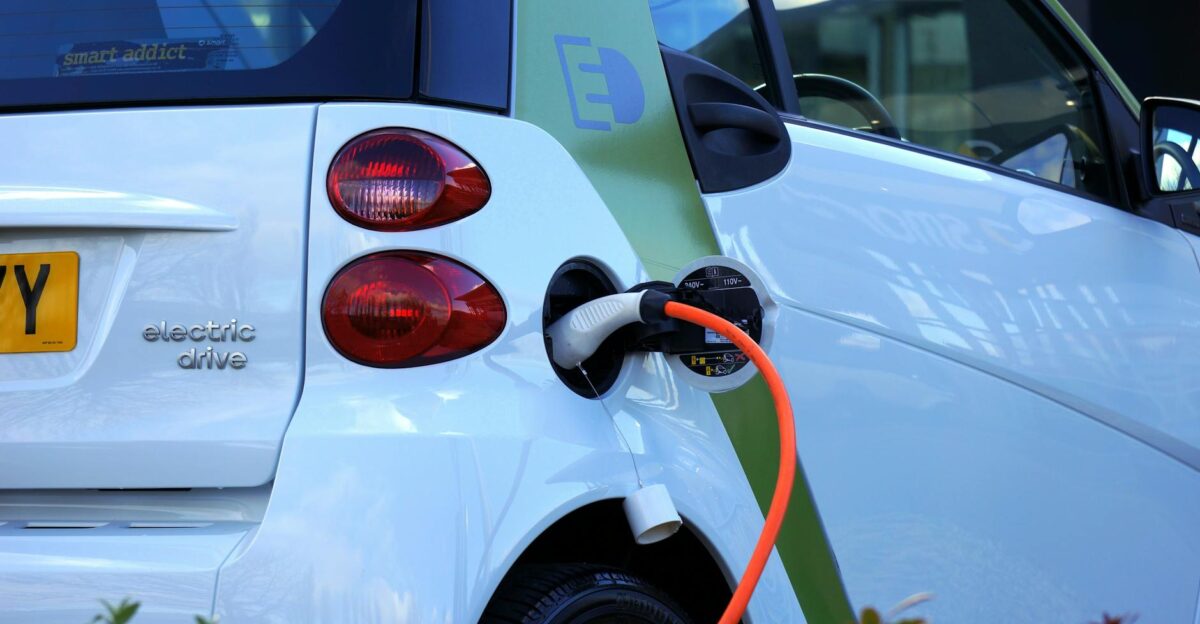
GM’s retreat triggered immediate responses across the industry. Rivian announced 600 job cuts, while Volkswagen temporarily halted production of its ID.4 electric SUV at the Chattanooga, Tennessee plant. Honda canceled plans for a large electric SUV in July, citing anticipated decreased U.S. demand.
This triggered a cascading effect as companies that had bet billions on electrification suddenly found themselves scrambling to pivot strategies.
Lordstown Workers Remember Trump’s Broken Promise
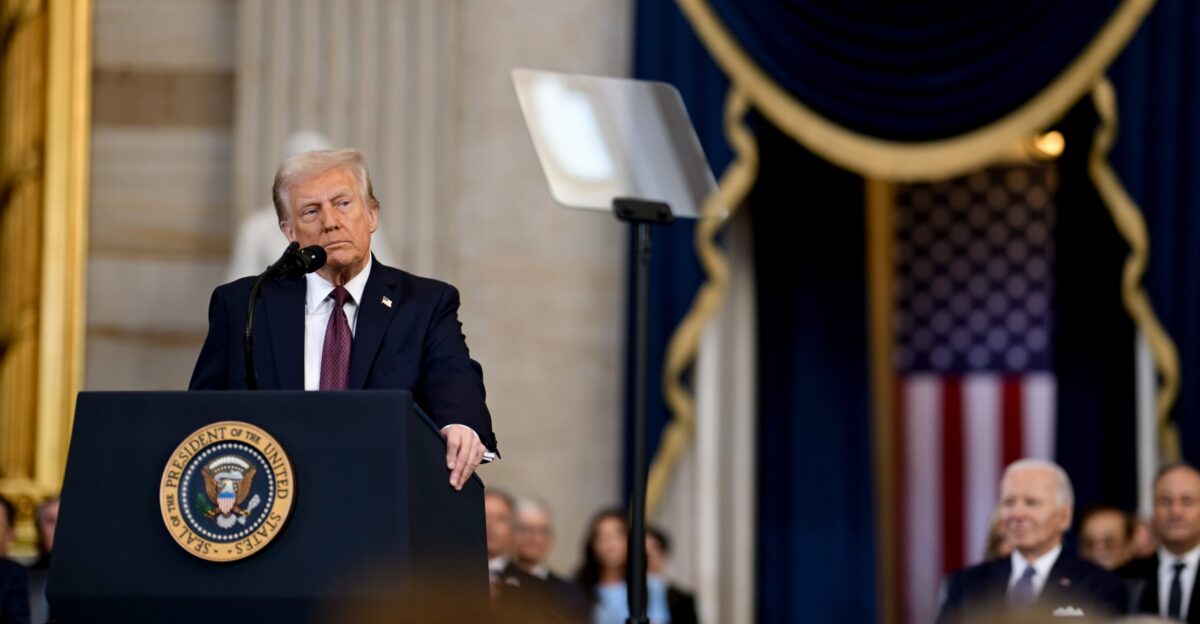
The Lordstown layoffs marked the second time in six years that the community has been devastated by auto industry cuts. In 2017, President Trump visited Youngstown, Ohio, 15 miles from the Lordstown plant, and promised workers: “Don’t move. Don’t sell your house”. Two years later, the GM assembly plant closed anyway.
After President Biden helped reopen it as an EV battery facility, Trump’s elimination of clean energy incentives forced another round of cuts—550 permanent layoffs and 850 temporary furloughs.
Hybrid Vehicles Capture Market Share as EVs Stumble
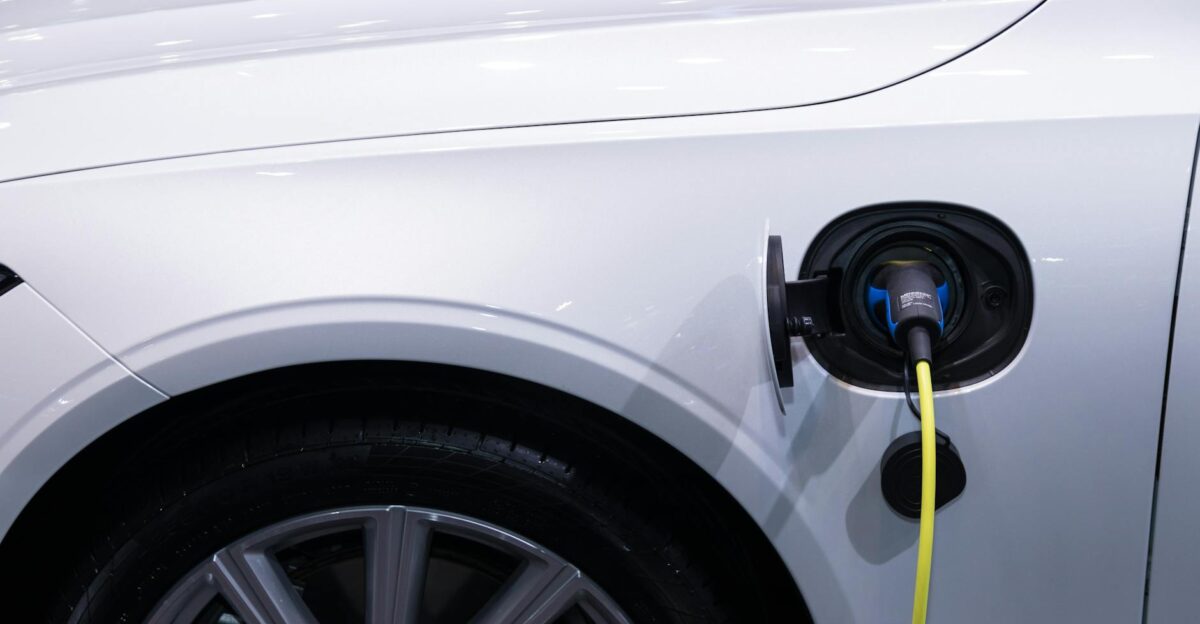
As GM slashed EV output, hybrid sales surged 36% in the second quarter of 2025, capturing 22% of new light-duty vehicle sales—up from 18% the previous year. Toyota, Hyundai, and Honda expanded hybrid production to meet growing demand for vehicles that offer fuel efficiency without charging anxiety.
The average price for a new hybrid dropped to $33,255, making them increasingly competitive with traditional gasoline vehicles.
More Than 5,500 Families Enter Economic Uncertainty

Factory ZERO workers face indefinite layoffs with no guaranteed return date, while Ultium Cells employees in Warren, Ohio, and Spring Hill, Tennessee, learned their plants will remain idle until at least mid-2026.
Of the 3,400 workers furloughed at Factory ZERO over the summer, only 2,200 will return when production resumes on a single shift in January 2026—the remaining 1,200 face permanent job loss.
UAW President Calls Out GM’s Profitable Cuts

United Auto Workers President Shawn Fain issued a scathing response to the layoffs, highlighting the contradiction between GM’s record profits and workforce reductions. “Last week, GM raised its expected annual profits to $13 billion dollars.
This week, they announce layoffs,” Fain stated. “So let’s be clear: GM is a profitable company, our members remain ready to work, and the UAW will continue to fight for more investment in both ICE and EV production at GM and beyond”.
Regional Economies Brace for Cascading Losses
The elimination of 5,500 well-paying auto jobs will hammer local economies far beyond the plant gates. A 2019 Cleveland State University study of the original Lordstown closure found that for every four GM jobs lost, two more supply chain positions and one consumer service job disappeared as well, with the total economic impact exceeding $5 billion.
Reduced spending by laid-off workers threatens small businesses, real estate markets, and tax revenues across Michigan, Ohio, and Tennessee.
Auto Suppliers Shutter Facilities in Domino Effect
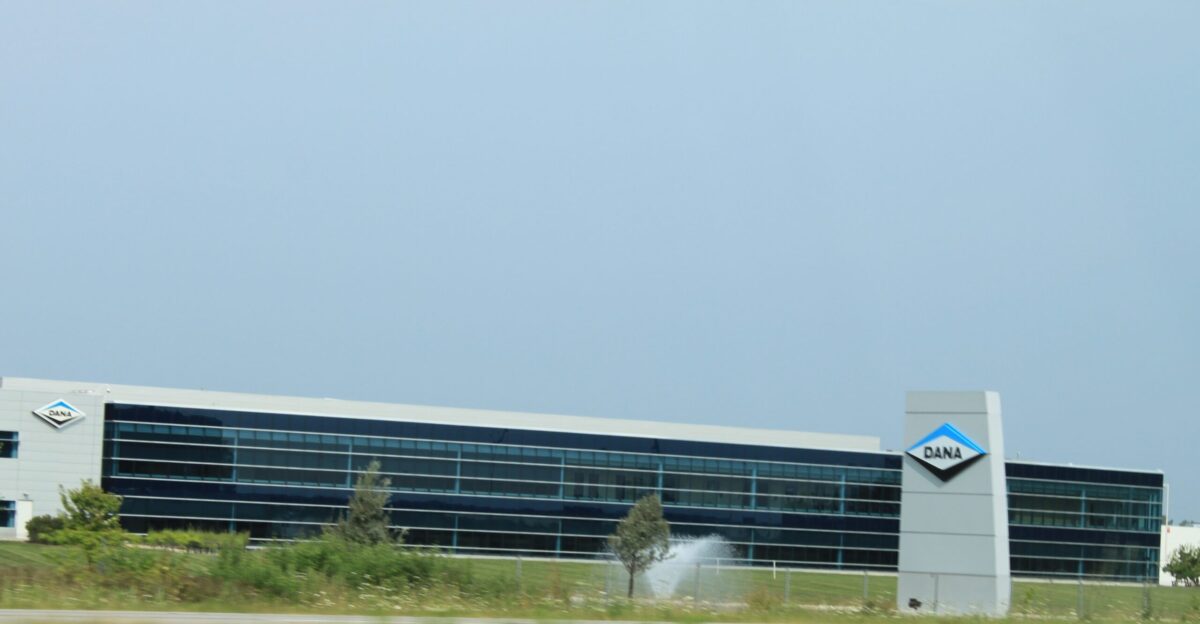
Dana Thermal Products permanently closed its Auburn Hills, Michigan plant in October 2025, eliminating 200 jobs that had been created to manufacture battery cooling plates for EVs. “This decision is the result of the unexpected and immediate reduction in customer orders driven by lower demand for electric vehicles,” Dana spokesman Craig Barber explained.
International Automotive Components closed two Michigan plastics plants in Mendon and Alma, cutting another 250 positions.
Restaurants and Service Businesses Face Empty Tables

Small businesses near affected plants are already reporting declining sales. Restaurant owners in Detroit and Lordstown describe fewer lunch crowds and reduced catering orders as workers lose income or cut spending in anticipation of layoffs.
Industries like hospitality, retail, and personal services—which depend on disposable income from manufacturing workers—prepare for significant revenue drops.
Battery and Charging Companies Slash Workforces

The slowdown hit EV infrastructure companies hard. Blink Charging cut 14% of its global workforce in September 2024, citing weaker demand for charging equipment. Siemens slashed 450 jobs—nearly 35% of its EV charging business—in March 2025, focusing instead on DC fast-charging while abandoning low-power charging stations.
Flo, a Canadian charging infrastructure manufacturer, announced 80 layoffs and closed one of its three plants in July 2025.
China Dominates as America Retreats From EV Market
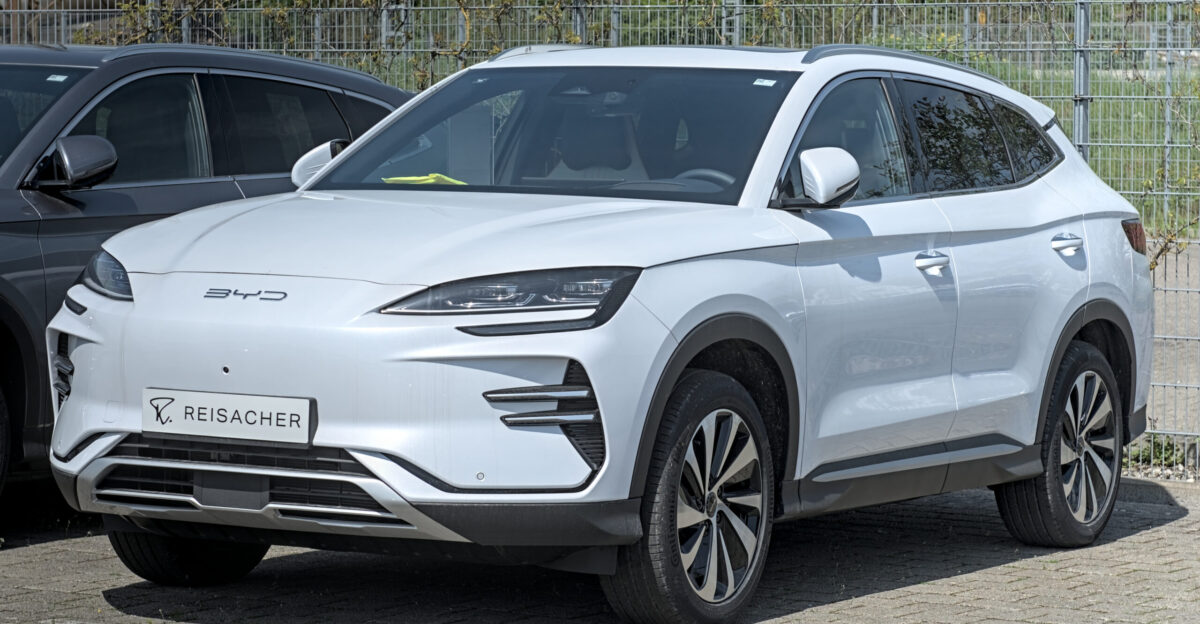
While U.S. automakers pulled back, China accelerated. In September 2025, China sold a record 1.6 million new energy vehicles, with EVs reaching 49.7% market penetration—approaching one in every two vehicles sold.
Chinese EV exports surged 184% year-over-year to Africa alone, with total export revenue reaching $48 billion in the first three quarters of 2025. Up to 99% of Chinese BEV owners said they would consider buying another electric vehicle, demonstrating confidence unseen elsewhere.
Laid-Off Workers Lose Health Coverage and Security

Thousands of workers now face the prospect of losing employer-sponsored health insurance, creating anxiety for families dependent on medical care. During the 2019 GM strike, the company immediately shifted health care costs to a union fund, a decision labor leaders called “heartless and unconscionable”.
While current layoff victims may qualify for union-paid COBRA coverage or partial wage replacement through Supplemental Unemployment Benefits, the financial and emotional strain remains severe.
Environmental Advocates Warn of Lost Momentum

Environmental groups expressed alarm as EV production paused across multiple facilities. The elimination of federal incentives and the resulting production cuts threaten to delay America’s transition away from fossil fuels by years, advocates warned.
With Factory ZERO cutting production by 50% and battery plants idling for six months, the U.S. falls further behind China and Europe in clean transportation technology.
Hybrid Makers and Gasoline Suppliers Find Unexpected Gains

While EV workers lost jobs, traditional auto sectors saw renewed demand. Toyota, Honda, and Hyundai expanded hybrid production to capture customers abandoning pure electric vehicles. Goldman Sachs Research raised its hybrid sales forecast to 12% of the global market by 2030, up from a previous estimate of 10%.
Suppliers of traditional auto parts—engines, transmissions, and fuel systems—gained breathing room as automakers delayed their all-electric timelines.
Investors Reward GM Despite Workforce Devastation

Despite announcing thousands of layoffs, GM’s stock rose nearly 15% after the company increased its full-year profit forecast to between $12 billion and $13 billion—up from $10 billion to $12.5 billion. The market rewarded GM’s swift cost-cutting measures and its willingness to take a $1.6 billion charge to realign production with new market realities.
Wall Street analysts praised management’s “decisive action” in adjusting to policy changes, even as workers faced indefinite unemployment.
Retraining Programs Offer Uncertain Path Forward

Affected workers may access GM’s apprenticeship programs and retraining initiatives, including courses through Penn Foster and the UAW-GM Technical Learning University in Warren, Michigan. Previous federal grants allocated $8 million to retrain workers after GM plant closures, offering programs in nursing, HVAC repair, and green energy fields.
However, former workers expressed uncertainty about job prospects after completing training. “I’ve been taking solar photovoltaic training and it’s been busy…but I’m unsure what kind of job prospects I’ll have,” one worker noted, adding, “I’d take my old position at the GM plant in a heartbeat”.
Industry Experts Predict Continued Volatility Ahead
Automotive analysts warn that GM’s restructuring signals broader industry instability. Research from Goldman Sachs now projects global EV market share at 25% by 2030—down from a previous forecast of 28%—as regulatory shifts slow adoption rates. Ford’s former CEO Mark Fields predicted “gradual growth” rather than the explosive expansion automakers had anticipated.
Stephanie Weber, an economist at the University of Colorado, noted that EV sales could decline significantly: “Some estimates suggest that between 2026 and 2028, about 4% of new vehicles sold will be EVs, about half the current share”.
The Fragility of American Manufacturing Laid Bare
The GM layoffs expose deep vulnerabilities in U.S. manufacturing: dependence on political subsidies, susceptibility to rapid policy reversals, and integration into global supply chains that magnify disruptions. As Glenn Stevens of MichAuto observed, “multiple forces at play” are impacting Michigan’s supplier industry, from trade policy uncertainty to EV investment pullbacks.