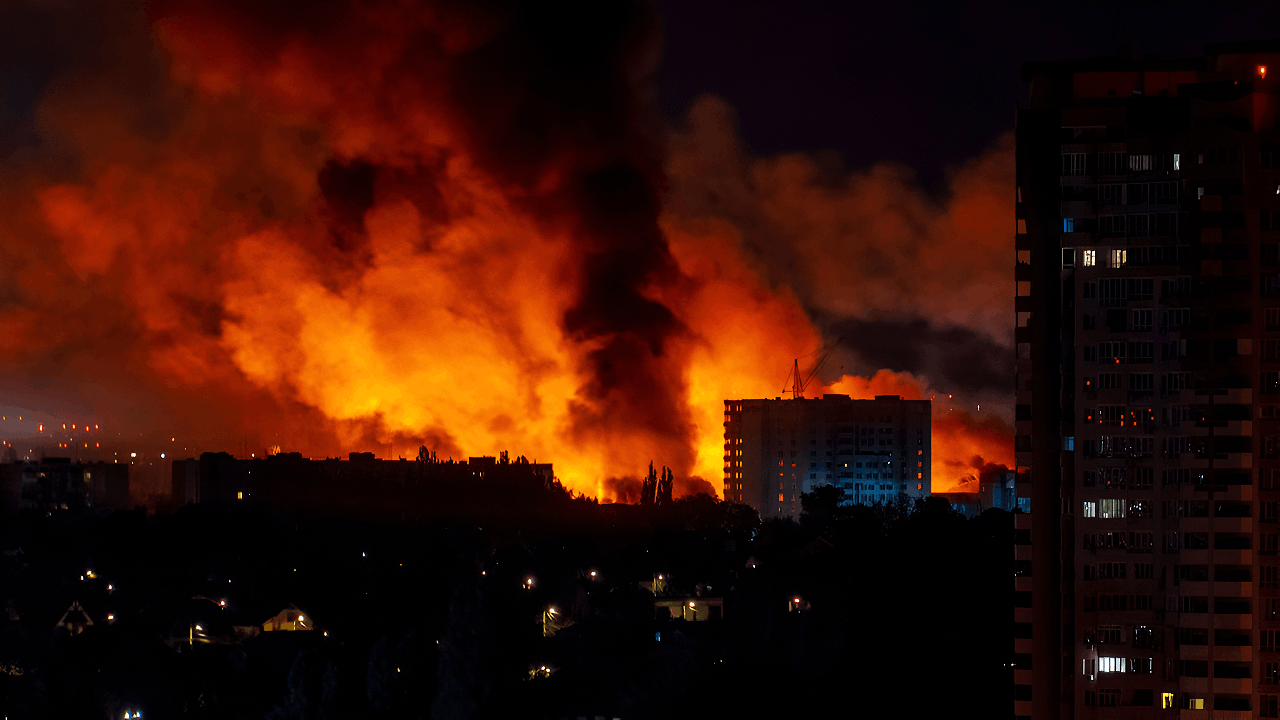
When the lights blinked out across Zhukovsky, a city of over 100,000 just 40 kilometers from Moscow, residents thought it was another grid glitch. But as the night stretched on, officials scrambled to explain the sudden darkness.
Russia blamed “automatic equipment shutdowns.” What no one admitted immediately: the blackout unfolded the same hour Ukraine struck one of Russia’s most vital military pipelines.
The Target Beneath the Capital’s Feet
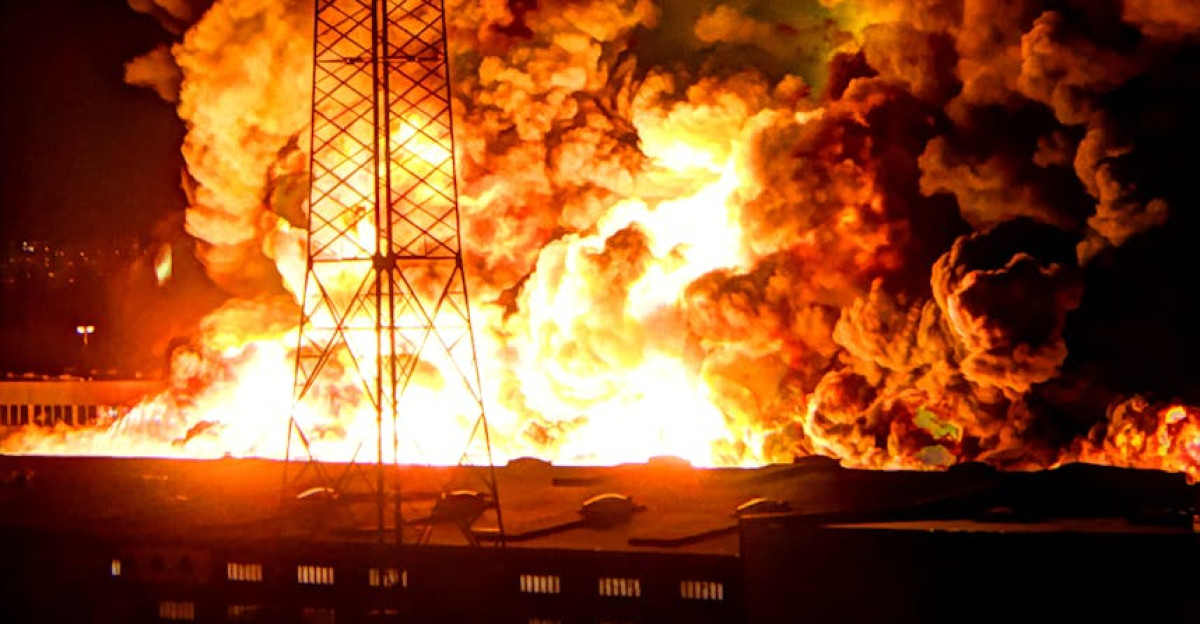
According to Ukrainian intelligence officials, the strike targeted the Koltsevoy pipeline—an underground fuel artery that loops around Moscow. Spanning roughly 400 kilometers, it quietly pumped gasoline, diesel, and jet fuel from refineries in Ryazan, Nizhny Novgorod, and Moscow straight to the Russian army.
When explosions rocked the Ramensky district late Friday, all three fuel lines went offline at once.
A Blow Worth Billions
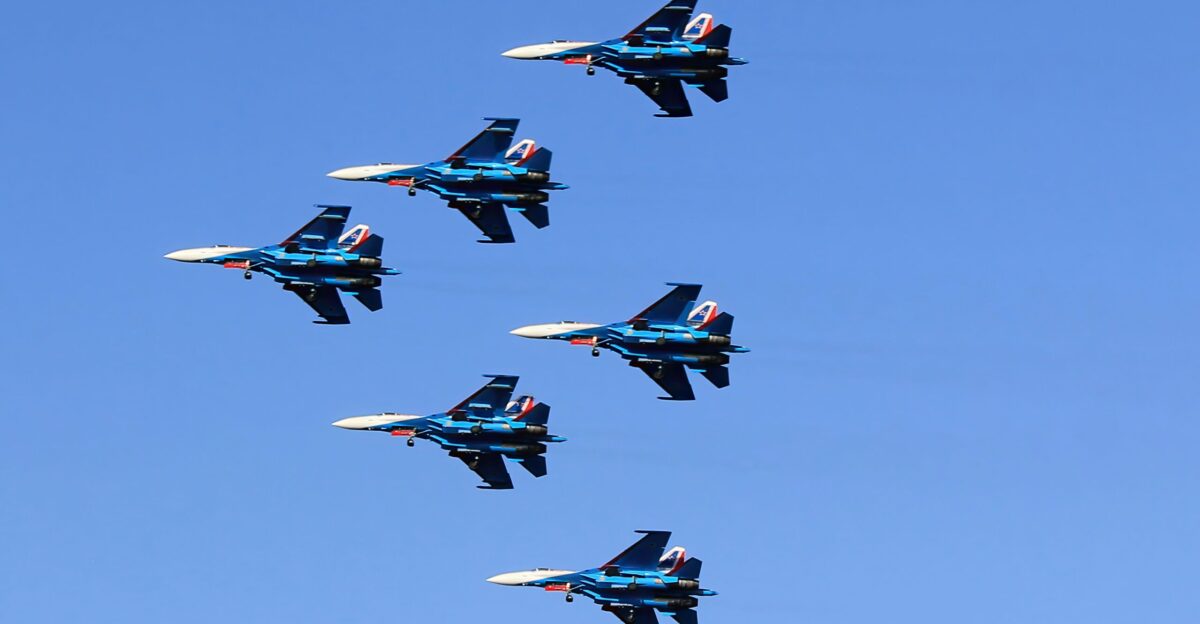
Military analysts estimate the Koltsevoy pipeline carried about 7.4 million tonnes of fuel each year, worth nearly $5.5 billion at military-grade rates. That included three million tonnes of jet fuel alone, enough to power roughly 600 Russian air sorties a day.
Its sudden loss didn’t just dent supply lines—it punched a hole in the heart of Russia’s wartime logistics.
“Our Strikes Have More Impact Than Sanctions”

Ukraine’s intelligence chief, Kyrylo Budanov, stated that the operation demonstrated why infrastructure warfare may be more effective than international sanctions. “Our strikes have had more impact than sanctions,” he said on November 2.
The message was clear: Ukraine is shifting strategy—from defending cities to dismantling the machinery that keeps Russia’s military running.
Inside the Operation’s Timing
The attack came late on November 1, 2025, just as Russia launched one of its largest drone barrages in weeks—223 drones overnight. Ukrainian defenses shot down 206 of them, a 92 percent interception rate.
While Moscow tried to overwhelm Ukraine’s skies, Ukrainian forces were already inside Russian territory, dismantling a pipeline feeding that very offensive.
Moscow’s War Machine Starved of Fuel
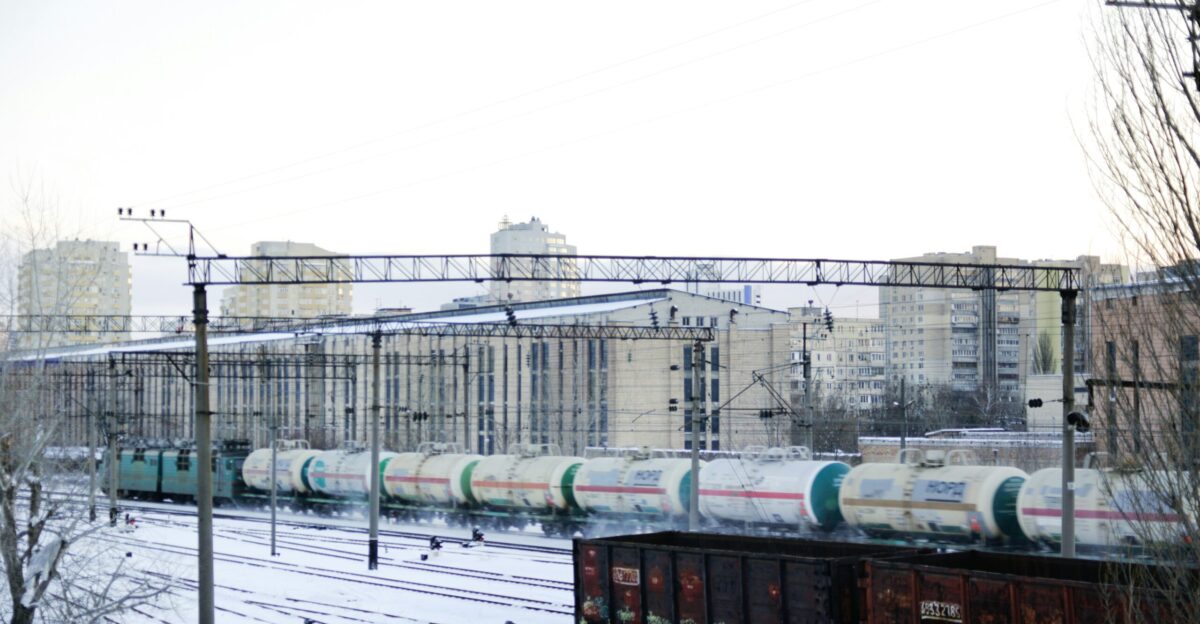
The Koltsevoy’s destruction crippled a network that supplied fuel to Russian tanks, jets, and supply trucks across multiple fronts. Analysts estimate roughly 20,000 tonnes of daily fuel flow vanished overnight.
With the pipeline gone, Russia must now move fuel by rail or truck—a slower, riskier, and far more expensive alternative for its army.
The Domino Effect: Rising Costs and Chaos
Rerouting that much fuel could cost Moscow around $167 million each month, according to logistics experts. Each shipment now travels longer distances, under heavier security, with more exposure to sabotage.
For a military already stretched thin, the Koltsevoy’s loss threatens to stall operations far beyond the capital region.
Domestic Fuel Shortages Deepen
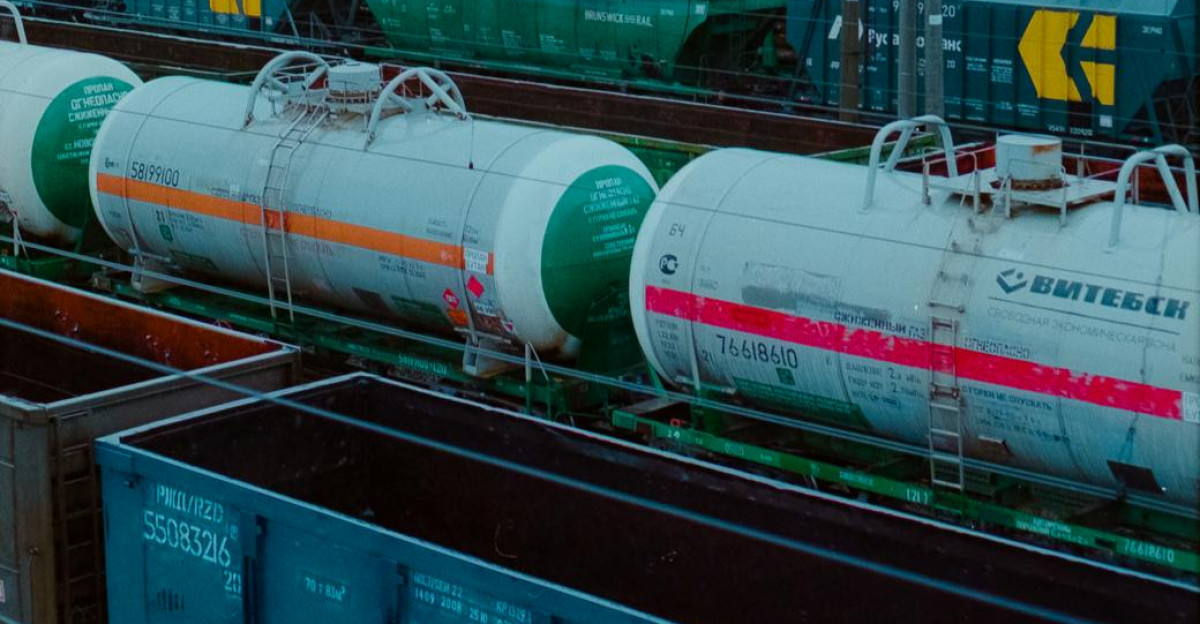
Even before this strike, Russia’s fuel crisis was mounting. Ukrainian Security Service chief Vasyl Maliuk said roughly 37 percent of Russia’s refining capacity was already offline after months of Ukrainian attacks.
Shortages inside Russia have reached about 20 percent, forcing the Kremlin to import more from Belarus to keep its army—and its citizens—supplied.
The Government Locks Down Supply
In response, Moscow extended its export ban on refined oil products through December 31, 2025. Reuters reported that officials are prioritizing domestic and military consumption over export profits—a rare admission that fuel scarcity is now shaping Russian policy.
For a petrostate built on oil, the pivot signals quiet panic behind closed doors.
Russia Strikes Back
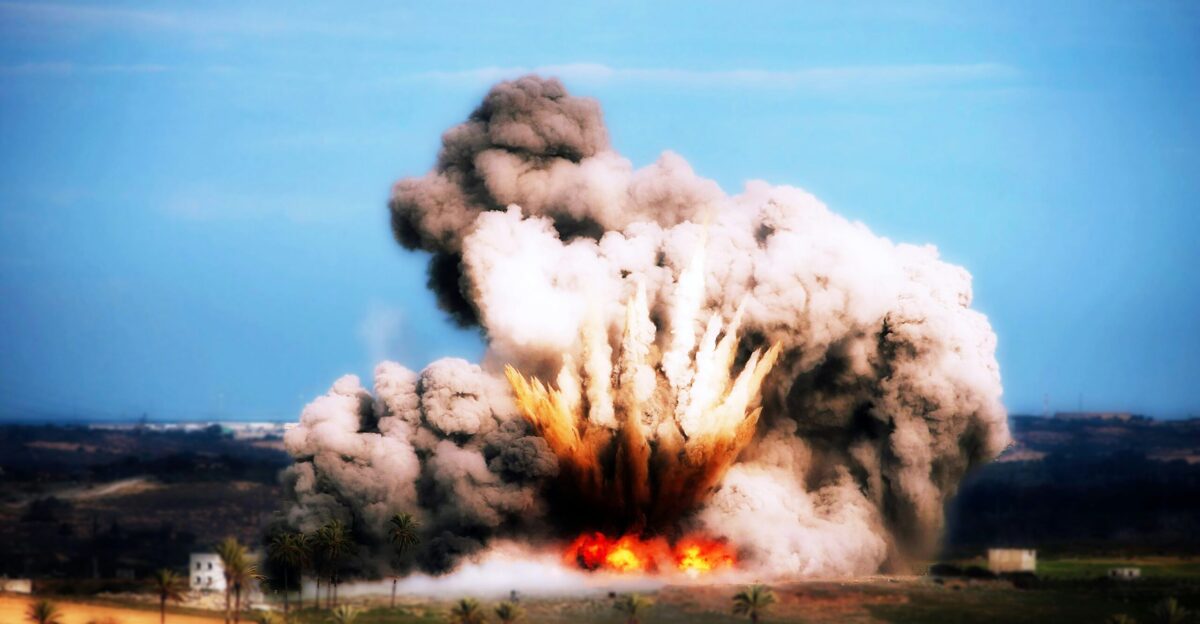
Hours after the Koltsevoy attack, Russia retaliated. A ballistic Iskander missile slammed into Ukraine’s Mykolaiv region early Saturday, killing one civilian and wounding nineteen others—including a nine-year-old girl.
Ukrainian officials condemned the strike as another example of Moscow’s “energy terror” campaign targeting civilians while its own war machine falters.
The Battle for Pokrovsk Intensifies
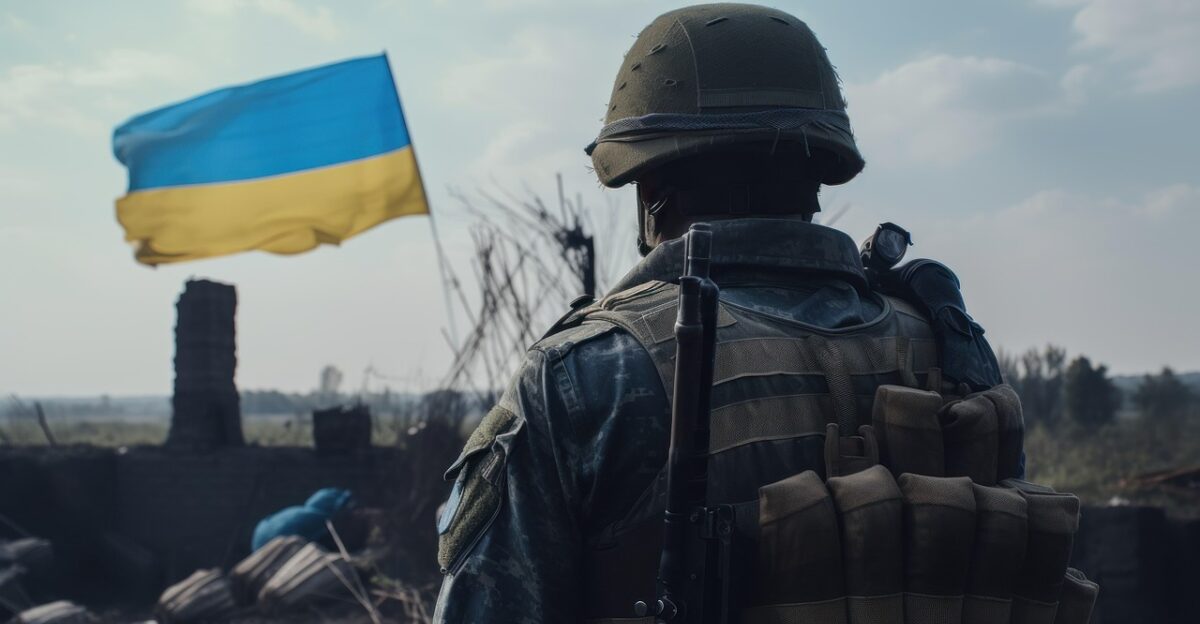
Meanwhile, Russia’s focus remains on the front lines. Ukrainian military reports say about 170,000 Russian troops are massed in the Donetsk region, pressing toward Pokrovsk in one of the conflict’s fiercest battles.
Moscow claimed to have surrounded Ukrainian forces there, a claim Kyiv denies, insisting its troops are holding a “comprehensive defensive operation.”
Drone Duels in the Skies

Russia also claimed to have downed 98 Ukrainian drones overnight, even as its own aerial assault failed to breach most of Ukraine’s defenses.
The back-and-forth reflects a new phase of the war: fewer massive ground offensives, more invisible duels in the air and underground, where infrastructure has become the new battlefield.
Ukraine’s Long Game of Infrastructure Warfare
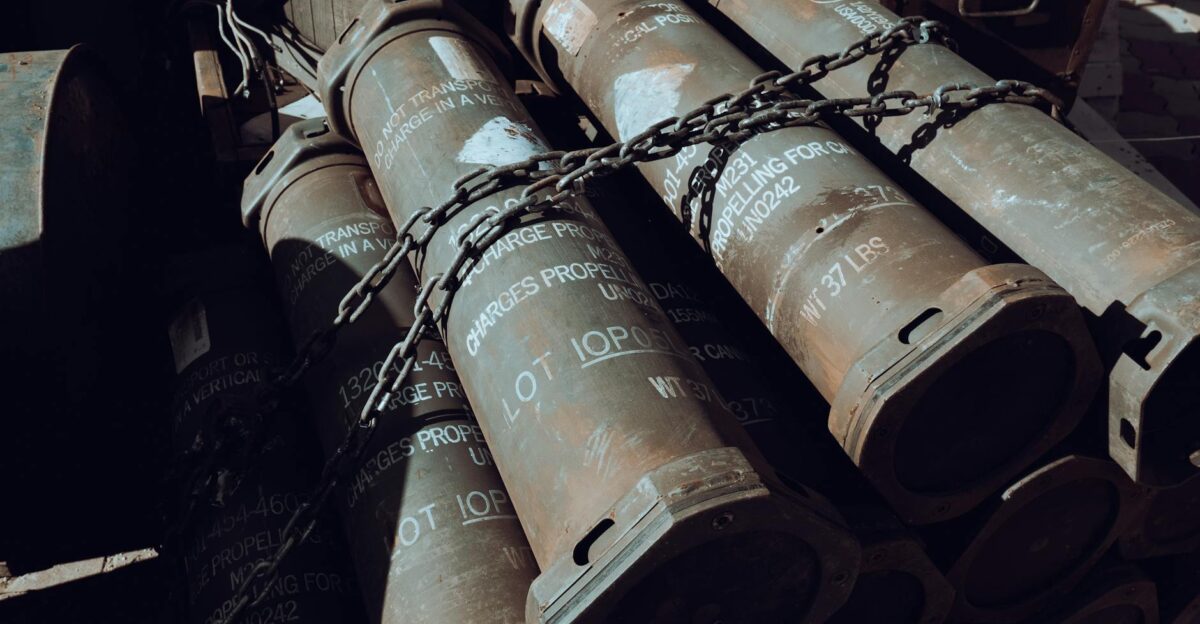
This wasn’t an isolated hit. Ukrainian intelligence confirmed over 160 strikes on Russian oil facilities in 2025 alone. The campaign targets not soldiers, but supply lines—pipelines, refineries, and storage depots feeding the Russian front.
Each explosion, officials say, weakens the Kremlin’s ability to sustain a war it once believed was untouchable at home.
First Strike Inside Moscow’s Fuel Core
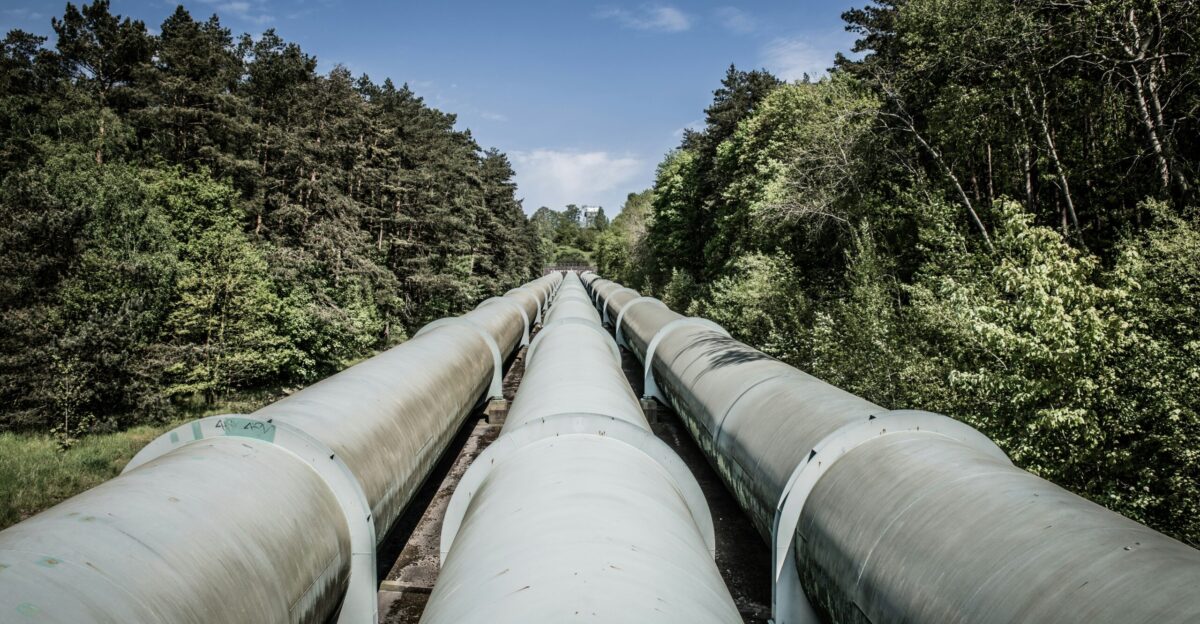
The Koltsevoy pipeline strike marks the first confirmed destruction of a major fuel artery in the Moscow region since the full-scale invasion began. Penetrating 250 miles into Russian territory, it shattered the illusion that the capital’s military infrastructure was beyond reach.
For Moscow’s commanders, the war has finally come home.
A War Redefined by Energy

The strike on Koltsevoy encapsulates the evolution of this war: energy serves as both a weapon and a target. While Russia pounds Ukraine’s power grid to darken its cities, Ukraine dismantles the fuel lines that keep Russian tanks moving.
The deeper the war cuts into winter, the clearer it becomes—victory may hinge not on territory, but on fuel.