
Amid the shattered remains of Pokrovsk, a Ukrainian soldier moves swiftly beneath tangled power lines, artillery rumbling in the distance. Once a thriving industrial city, Pokrovsk now stands as a symbol of both devastation and defiance. Despite relentless Russian assaults and a cityscape reduced to rubble, Ukrainian defenders and the few remaining civilians refuse to yield.
Life Among the Ruins
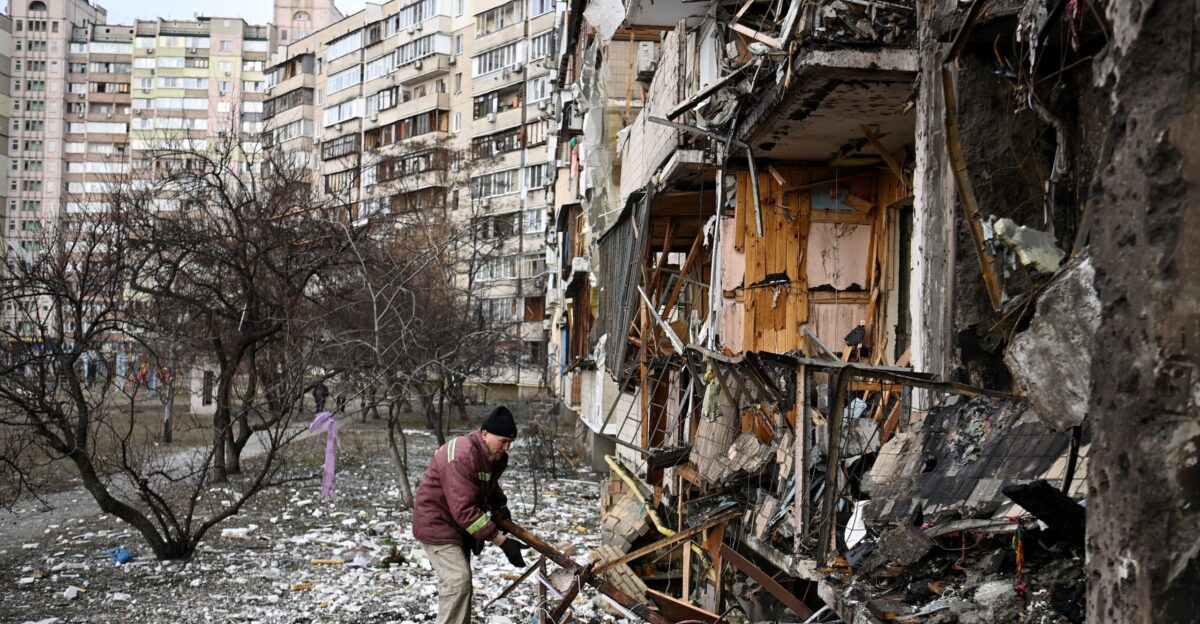
Pokrovsk’s pre-war population of 60,000 has dwindled to just 1,200, according to statements from the Donetsk Oblast military administration. Those who remain navigate a landscape of danger, sheltering in basements or the shells of buildings to avoid artillery and drone strikes. “We live day by day, never sure what the next hour will bring,” said a local resident, who has not left her block in weeks. Ukrainian troops maintain a tenuous grip on parts of the city, transforming streets into strongholds and creating a shifting, block-by-block battlefield.
Daily life is a test of endurance. Families ration food and water, while makeshift clinics offer sporadic medical care. Children play in the ruins, watched closely by adults who have learned to move with caution. “Survival here is tactical,” explains a Ukrainian officer. “Every routine, every step outside, is calculated.” Despite the destruction, a fragile rhythm persists, with civilians and soldiers sharing both hardship and hope.
The Battle for Control
Russian forces have amassed approximately 17,000 troops around Pokrovsk and its neighboring town of Mirnograd, according to the Institute for the Study of War. Their objective: seize the city by November 15, a deadline reportedly set by President Vladimir Putin. Armored columns attempt to cut Ukrainian supply lines, while defenders launch counterattacks and ambushes. Near Dobropillia, Ukrainian forces recently captured over 50 Russian soldiers, highlighting the intensity of the fighting.
The cost is high on both sides. Ukrainian military officials report significant Russian casualties in the Pokrovsk sector in a single week, with 150 armored vehicles and 200 drones destroyed. Satellite images reveal widespread devastation, with major avenues and industrial zones reduced to wreckage. “Pokrovsk is a city that no longer truly exists, but it still resists,” says General Mykola Malomuj, underscoring the city’s symbolic and strategic importance.
Strategic and Economic Stakes
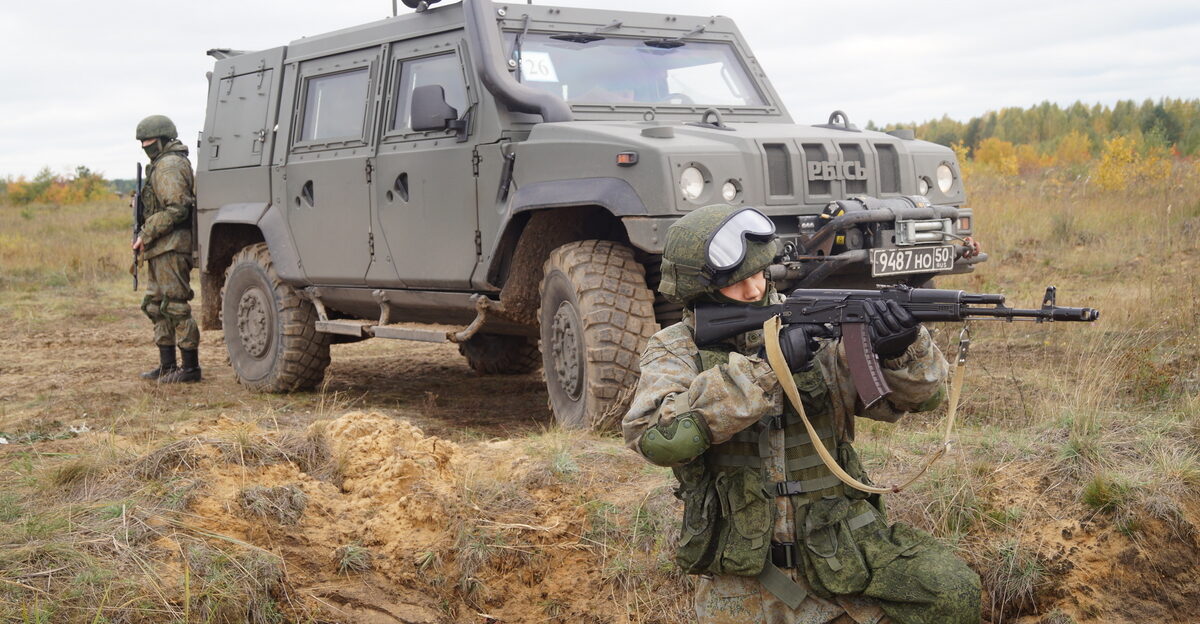
Pokrovsk’s location makes it a highly prized asset. The city sits at a junction connecting Donetsk to Chasiv Yar, Kostyantynivka, and Dnipropetrovsk. Control here means dominance over key supply corridors; losing it would force Ukrainian troops into less defensible terrain. Even in ruins, Pokrovsk’s geography continues to shape military decisions and the broader war effort.
The conflict’s impact extends far beyond the battlefield. The Metinvest coking coal mine, located ten kilometers west of the city, suspended operations in January. Before the shutdown, it supplied nearly all of Ukraine’s coking coal, essential for steel production. Analysts warn that steel output could fall from 7.5 million to under 3 million tons annually, threatening construction and exports.
“The loss of Pokrovsk would disrupt not just Ukraine’s economy, but supply chains across Europe,” noted an industrial analyst. International markets have already felt the strain, with steel and grain shipments rerouted at higher costs and European manufacturers facing uncertainty.
Civilians and Resilience
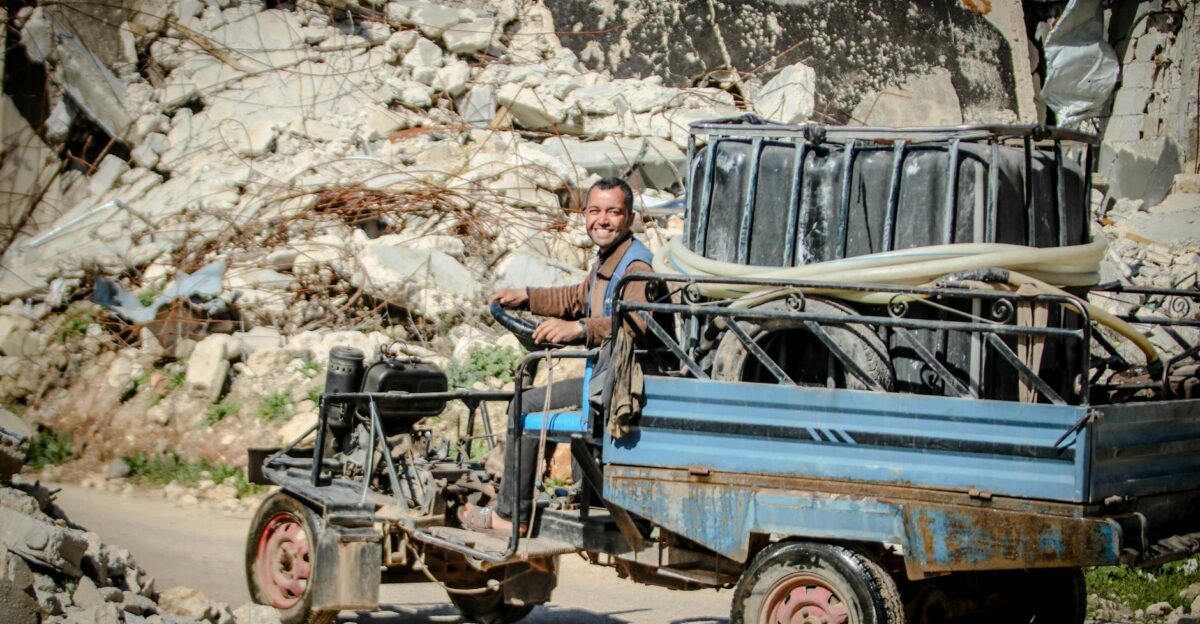
For Pokrovsk’s remaining residents, daily life is fraught with peril. Families move cautiously through debris-strewn streets, seeking shelter from shelling and drones. Makeshift kitchens, bedrooms, and clinics have sprung up in basements and abandoned buildings. Aid agencies provide essential services, but gaps remain, especially in medical and psychological care.
Despite the hardship, resilience endures. Businesses have adapted, with cafes and shops relocating west or shifting online. Hotels and restaurants now serve as shelters for refugees and aid workers, their staff operating under constant threat. The city’s human infrastructure—its networks of support and improvisation—has become as vital as its military defenses.
A City’s Fate, a Wider War
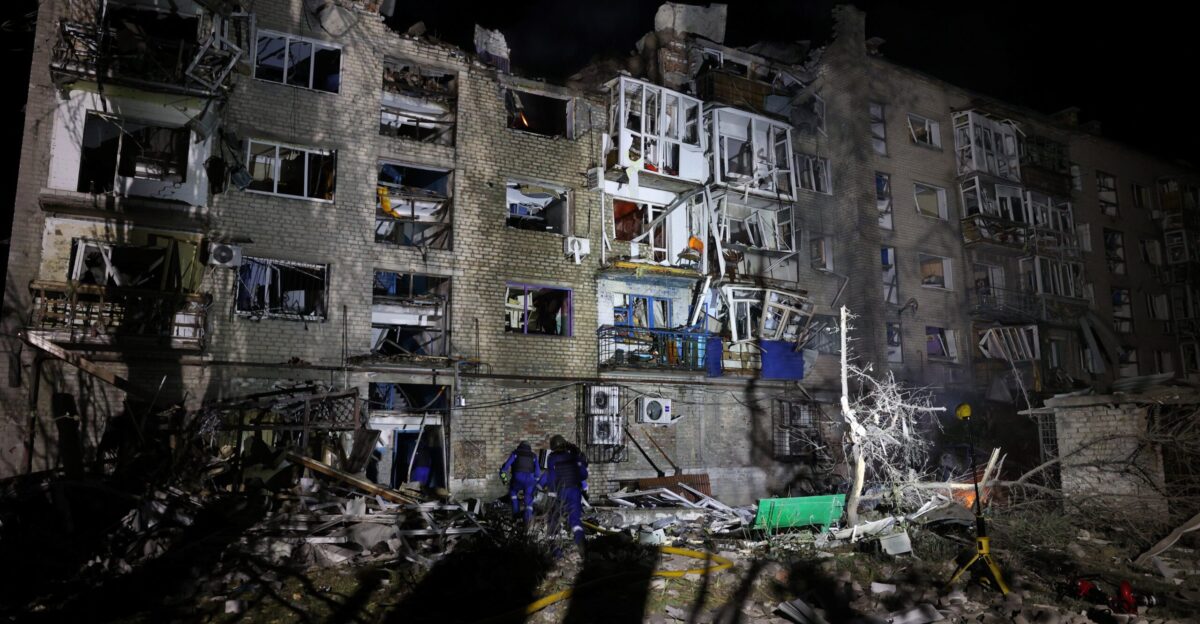
As the November 15 deadline approaches, fighting intensifies. Streets change hands daily, and both sides brace for decisive outcomes. President Volodymyr Zelensky’s recent visit to the front lines offered a morale boost, with troops describing his presence as a reminder of the city’s significance. Zelensky emphasized the city’s strategic importance in his address to the soldiers.
The battle for Pokrovsk is more than a contest for territory. It is a test of resilience, strategy, and the ability of a community to endure amid destruction. The outcome will shape not only the local landscape but also the broader trajectory of the war and its economic and humanitarian consequences—both in Ukraine and far beyond.