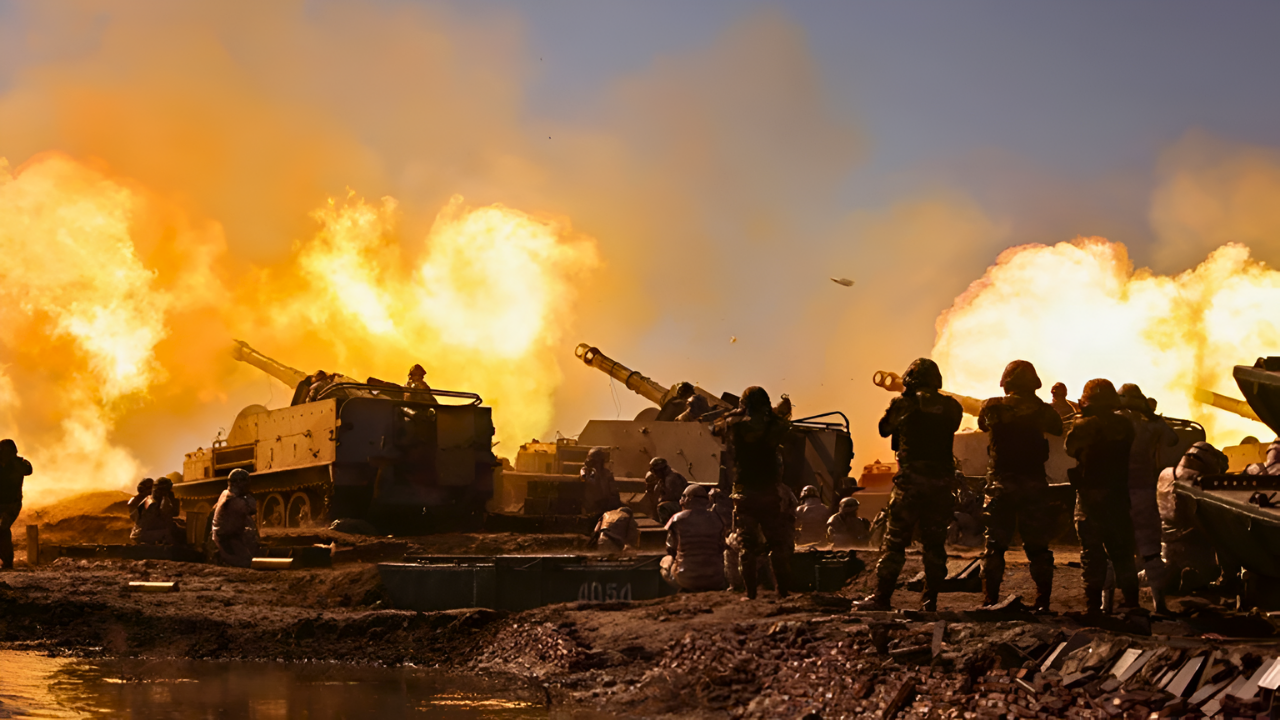
North Korea fired a barrage of artillery rockets toward the Yellow Sea on November 3, 2025, just before U.S. Defense Secretary Pete Hegseth arrived at the Demilitarized Zone (DMZ) for high-level security talks with South Korea. The launch, involving approximately 10 projectiles from 240mm multiple rocket launchers, heightened tensions as 28,500 American troops stationed in South Korea were placed on alert. The timing of the launch—less than an hour before Hegseth’s arrival—underscored North Korea’s pattern of using provocative military actions to send messages during key diplomatic moments.
A High-Stakes Visit
Pete Hegseth, the 44-year-old U.S. Defense Secretary and a former Army National Guard major with combat experience in Iraq and Afghanistan, became the first Pentagon chief to visit the DMZ in eight years. His trip signaled Washington’s renewed focus on the security situation on the Korean Peninsula. Hegseth toured Observation Post Ouellette and Panmunjom, the symbolic truce village where North and South Korean troops stand face-to-face. Accompanied by South Korean Defense Minister Ahn Gyu-back, the visit reinforced the “ironclad combined defense posture” between the two allies. The DMZ, a 250-kilometer-long buffer zone, has separated the Koreas since the 1953 armistice.
Artillery and Hypersonic Threats

South Korea’s Joint Chiefs of Staff detected the artillery rockets fired around 4 p.m. local time. The 240mm multiple rocket launchers have a range of 40–60 kilometers, capable of striking Seoul and surrounding areas. Each rocket carries a 90-kilogram warhead, and the system can fire 22 rockets in 45 seconds. While these weapons do not violate UN Security Council resolutions, they pose a serious threat to the Seoul metropolitan region, including Incheon Airport.
In separate tests during October 2025, North Korea demonstrated hypersonic missiles capable of exceeding Mach 5 speeds. The Hwasong-11Ma system, which can maneuver mid-flight to evade missile defense systems like THAAD and Aegis BMD, was successfully tested. Hypersonic missiles combine extreme velocity with unpredictable flight paths, making them difficult to detect and intercept. These advancements represent a significant technological leap, posing a threat to regional security and U.S. military installations.
Nuclear Arsenal and Regional Tensions
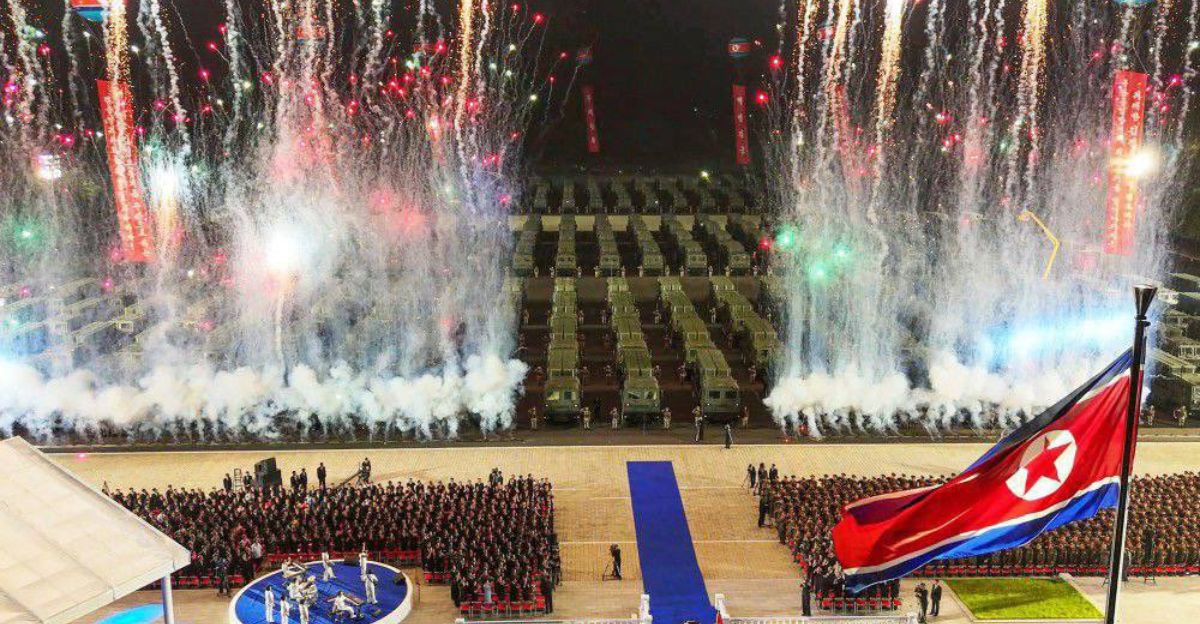
During a military parade from October 9–11, North Korean leader Kim Jong Un unveiled the Hwasong-20, described as the country’s “most powerful nuclear strategic weapon system.” This new intercontinental ballistic missile (ICBM) uses solid fuel for faster launches and potentially carries multiple nuclear warheads designed to overwhelm U.S. missile defenses. Experts anticipate a test before the end of the year.
Kim Jong Un has dramatically accelerated weapons development since 2019, when nuclear diplomacy with the Trump administration collapsed. North Korea now possesses a range of intercontinental ballistic missiles, hypersonic systems, cruise missiles, and advanced artillery capable of threatening the U.S. mainland and regional allies. Kim recently ordered officials to “sharpen the nuclear shield and sword.”
Diplomatic Efforts and Alliance Dynamics
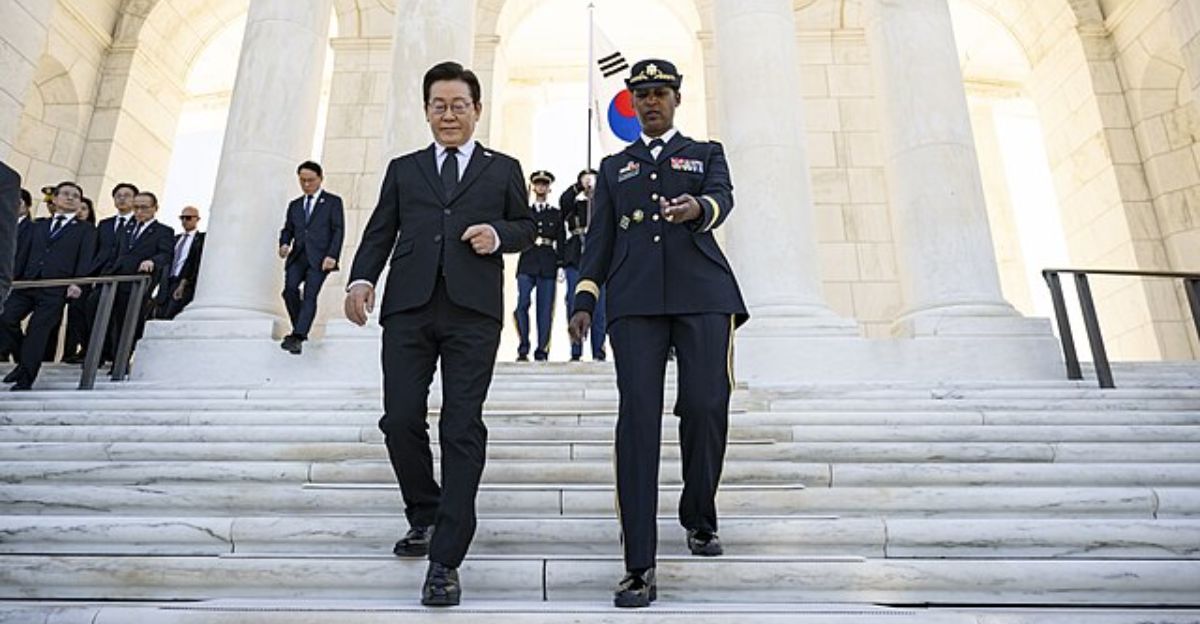
South Korea’s President Lee Jae Myung, who took office in June 2025, has advocated engagement with North Korea and made several peace overtures. However, Pyongyang has rebuffed these efforts. Kim Yo Jong, Kim Jong Un’s sister, dismissed Lee’s initiatives as “fancy and a pipe dream,” while North Korea continues to ramp up its nuclear rhetoric and weapons testing.
In response, President Lee announced an 8.2 percent increase in the defense budget for 2026, totaling $46 billion—the largest increase in six years. South Korea is developing its own hypersonic weapons, including the Hyunmoo-5 “Monster Missile,” and Trump has expressed support for nuclear-powered submarine development. Seoul aims to strengthen conventional capabilities while maintaining the U.S. nuclear umbrella.
Washington seeks greater flexibility to deploy the 28,500 U.S. troops beyond Korea for regional contingencies, including potential conflicts with China. Seoul remains hesitant, preferring forces focused on North Korean threats. Ongoing discussions continue regarding the transfer of wartime operational control to the South Korean command, while maintaining a combined defense posture and nuclear deterrence commitments.
Looking Ahead
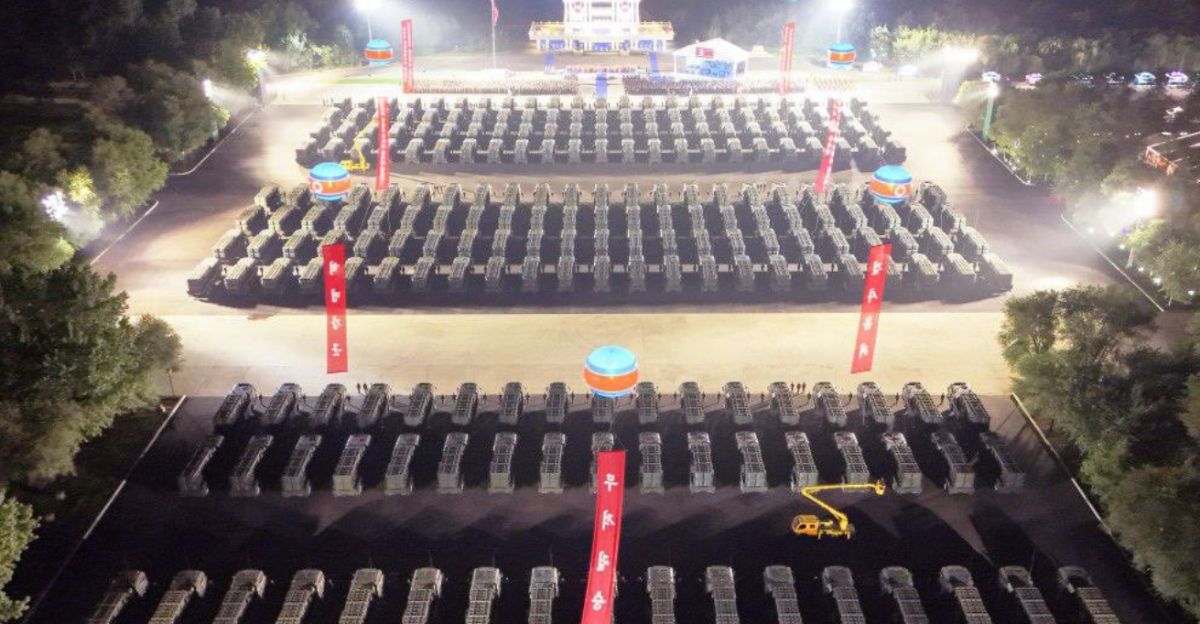
Analysts warn North Korea may conduct more provocative tests, including a potential seventh nuclear detonation or ICBM launch. The success of renewed Trump-Kim diplomacy remains uncertain, given North Korea’s hardened position and expanded arsenal. Meanwhile, the U.S.-South Korea alliance continues to adapt, addressing both immediate Korean Peninsula threats and broader regional security challenges facing the Indo-Pacific.