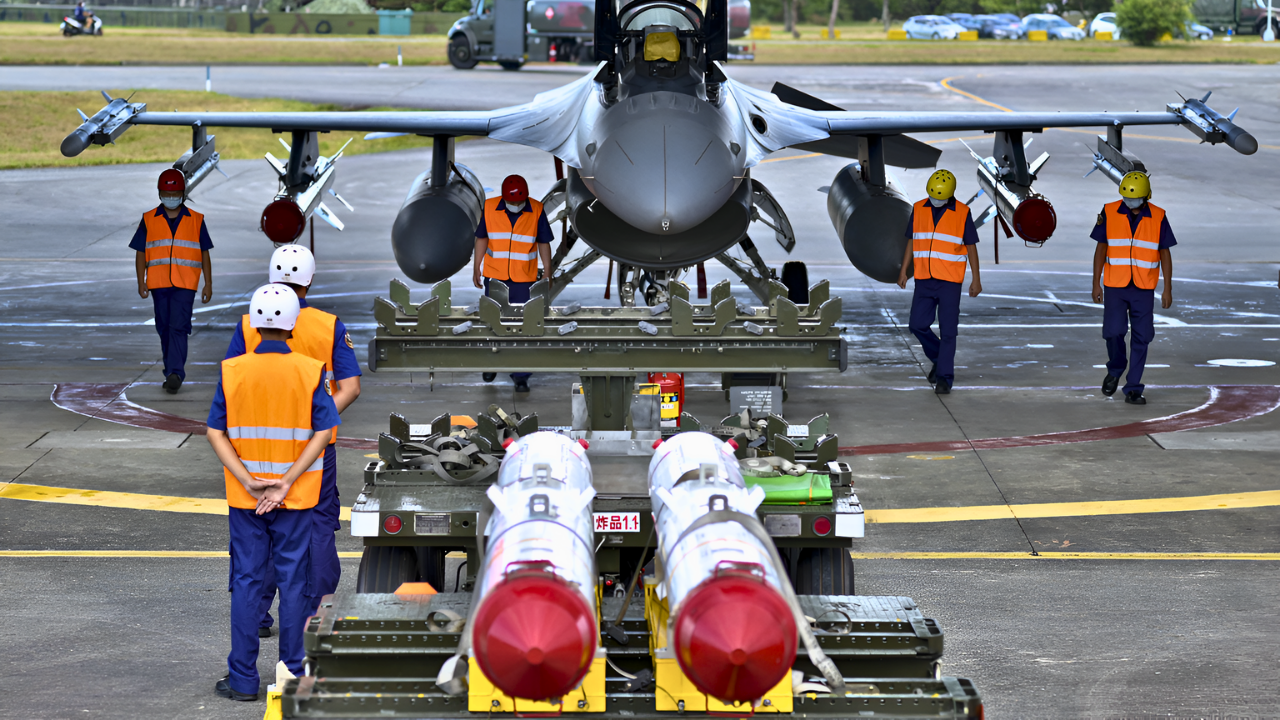
The United States’ decision to approve a $330 million arms package for Taiwan has reignited tensions across the Asia-Pacific, drawing swift condemnation from China and sending ripples through global markets and industries. Announced on November 14, 2025, this is the first major arms deal under the second Trump administration, signaling a renewed commitment to Taiwan’s defense at a time of heightened cross-Strait friction.
Escalating Tensions and Strategic Timing
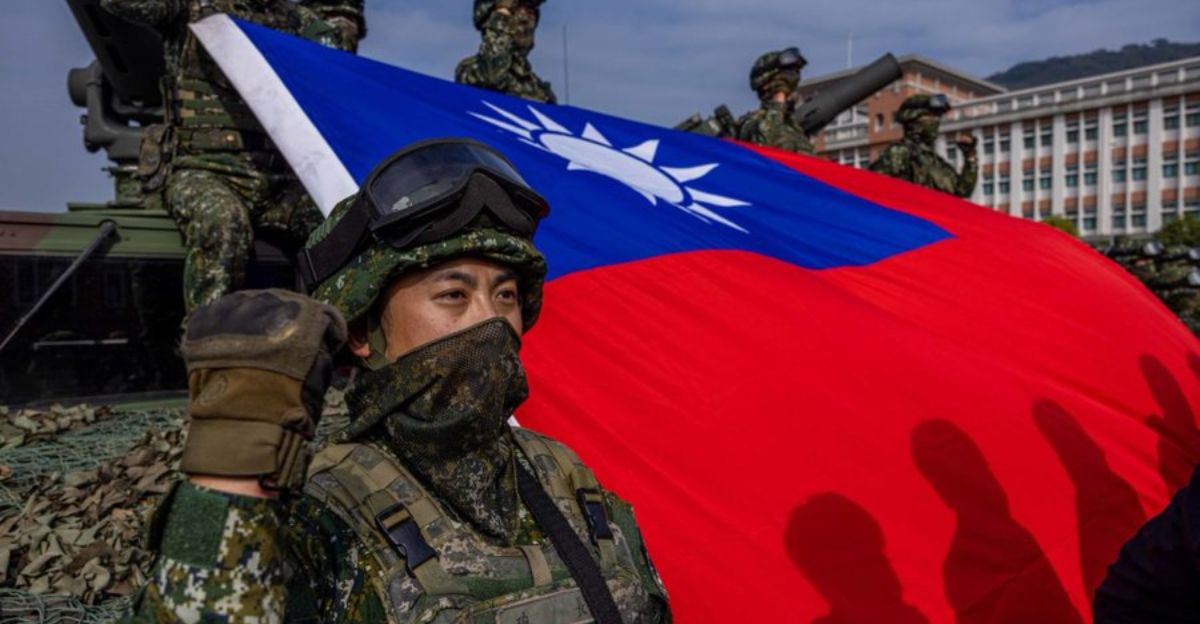
The arms sale arrives as military and diplomatic pressures between China and Taiwan intensify. U.S. officials cite the Taiwan Relations Act as the legal foundation for supporting Taiwan’s ability to modernize its military and maintain a credible defense. The timing of the deal underscores bipartisan support in Washington for Taiwan’s security, reflecting concerns over China’s increasing military maneuvers near the island. For Taiwan’s 23.4 million residents, the announcement carries significant implications for defense posture and regional stability. The deal represents a continuation of longstanding U.S. security commitments to Taiwan under the framework of the Taiwan Relations Act and Six Assurances.
Industry Response and Anticipated Economic Effects
U.S. defense contractors and Taiwanese aerospace firms are positioned to expand support for spare parts and technical maintenance, particularly for F-16, C-130, and Indigenous Defense Fighter aircraft. Logistics and maintenance companies anticipate potential expanded operations, while tech suppliers face possible supply chain considerations alongside emerging commercial opportunities. Neighboring countries, including Japan and South Korea, are closely monitoring the deal, with defense strategists noting the potential for accelerated defense procurements or alternative supplier evaluations in response to shifting regional dynamics. Southeast Asian nations may also reassess their military partnerships and procurement strategies in light of evolving power dynamics in the region.
The announcement has introduced uncertainty into U.S.-China economic relations. Beijing’s vow of countermeasures raises concerns about potential tariffs, export controls, or restrictions on American firms operating in China. Global markets are monitoring developments for potential supply chain implications and volatility, with investors watching for possible effects on manufacturing and trade flows, particularly in electronics and machinery sectors where Taiwan plays a critical supply role.
Military Readiness and Strategic Implications
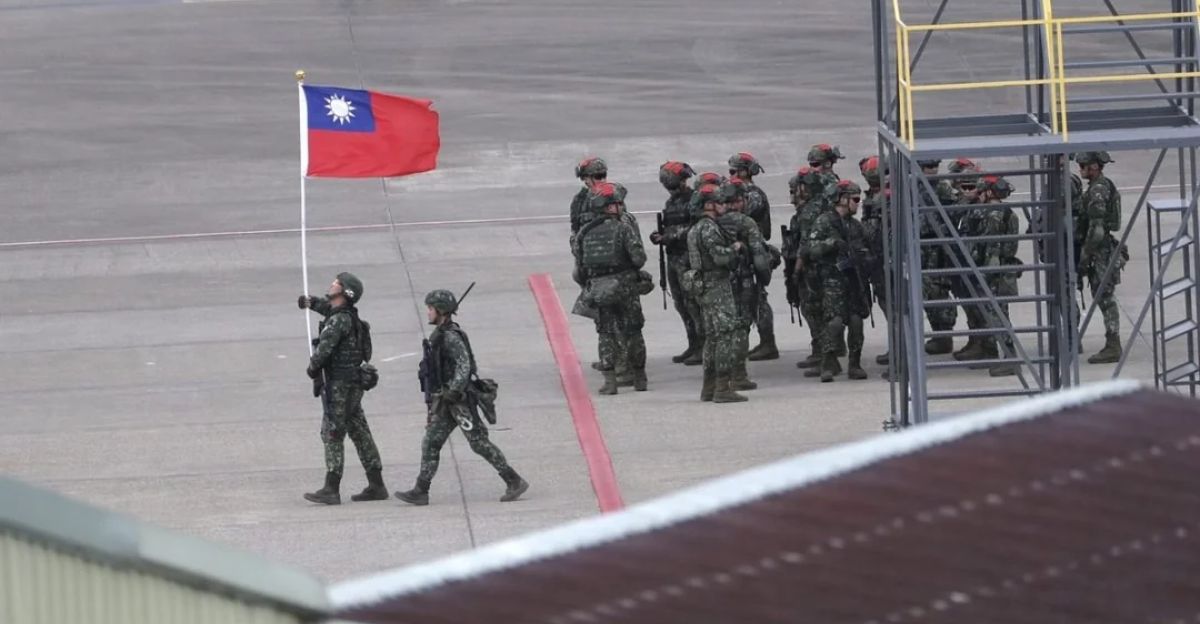
The influx of spare parts and maintenance support will help sustain aircraft operational capacity. Taiwan’s defense posture strengthens through improved logistics and technical support infrastructure. Military personnel and defense planners see the deal as reinforcing Taiwan’s ability to maintain credible deterrence. The package addresses critical maintenance and logistical needs within Taiwan’s defense framework.
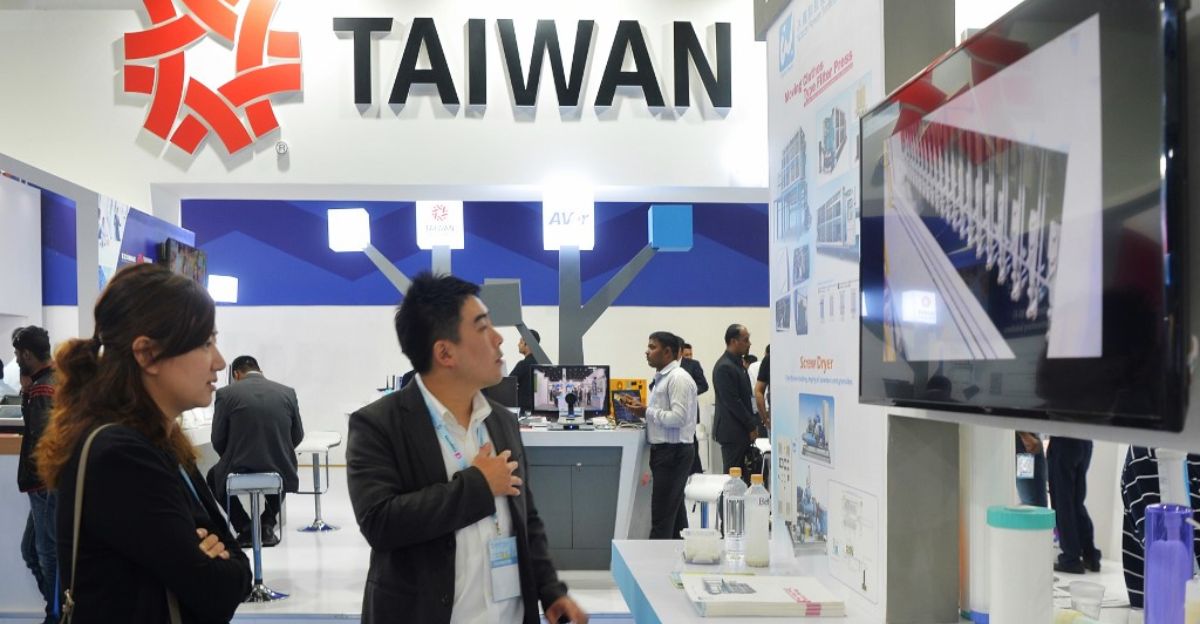
Taiwan’s semiconductor and electronics industries remain central to global supply chains. As a critical supplier of semiconductors and components, any significant disruption in cross-Strait trade or manufacturing could create ripples through global supply chains, affecting everything from smartphones to automotive parts. Industry analysts note that maintaining stable operating conditions remains essential for global technology markets.
Political and Diplomatic Stakes
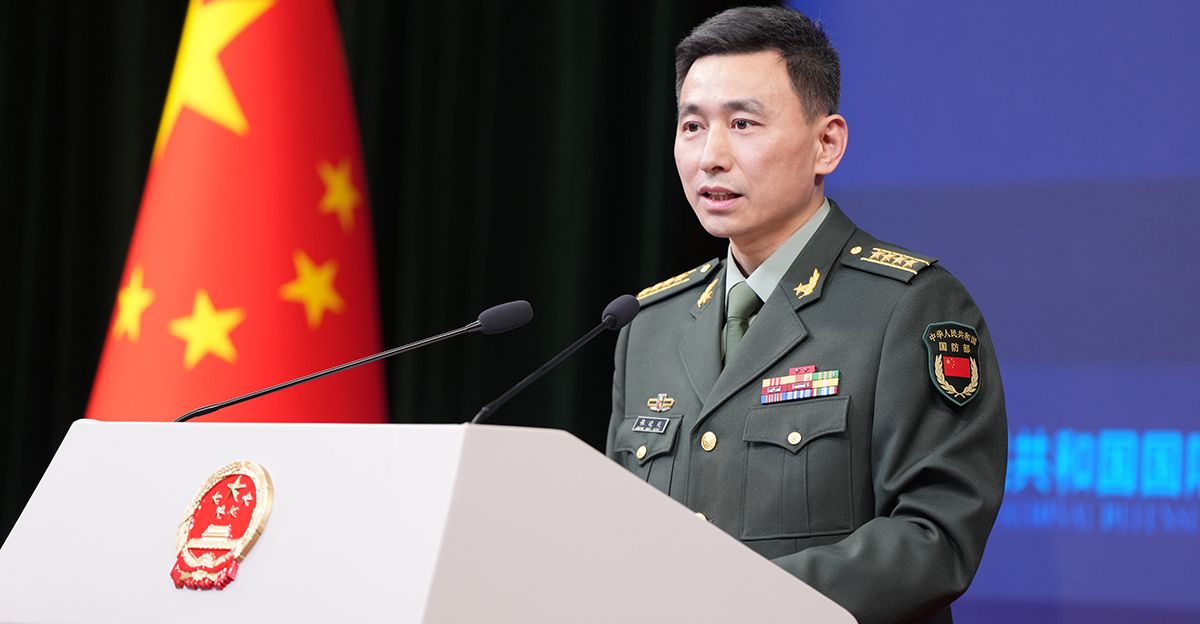
China’s Ministry of National Defense strongly condemned the sale, filing formal diplomatic protests and warning that “supporting separatists by arms will only backfire.” The condemnation signals escalating diplomatic tensions, with Beijing’s response measures closely watched by governments and markets alike. Stock markets in Taipei, Shanghai, and New York have reflected the geopolitical uncertainty, with investors monitoring the trajectory of cross-Strait tensions and potential policy responses from Beijing.
Looking Ahead: Uncertainty and Global Implications
The U.S. arms sale to Taiwan is more than a single transaction—it represents a critical flashpoint in a complex web of security, trade, and identity issues. As industries and governments adapt to the new reality, the world watches for signs of stability or further disruption in the strategically important Indo-Pacific region. The stakes remain high, with diplomatic channels open but the risk of further escalation—economic or military—looming in the weeks ahead.