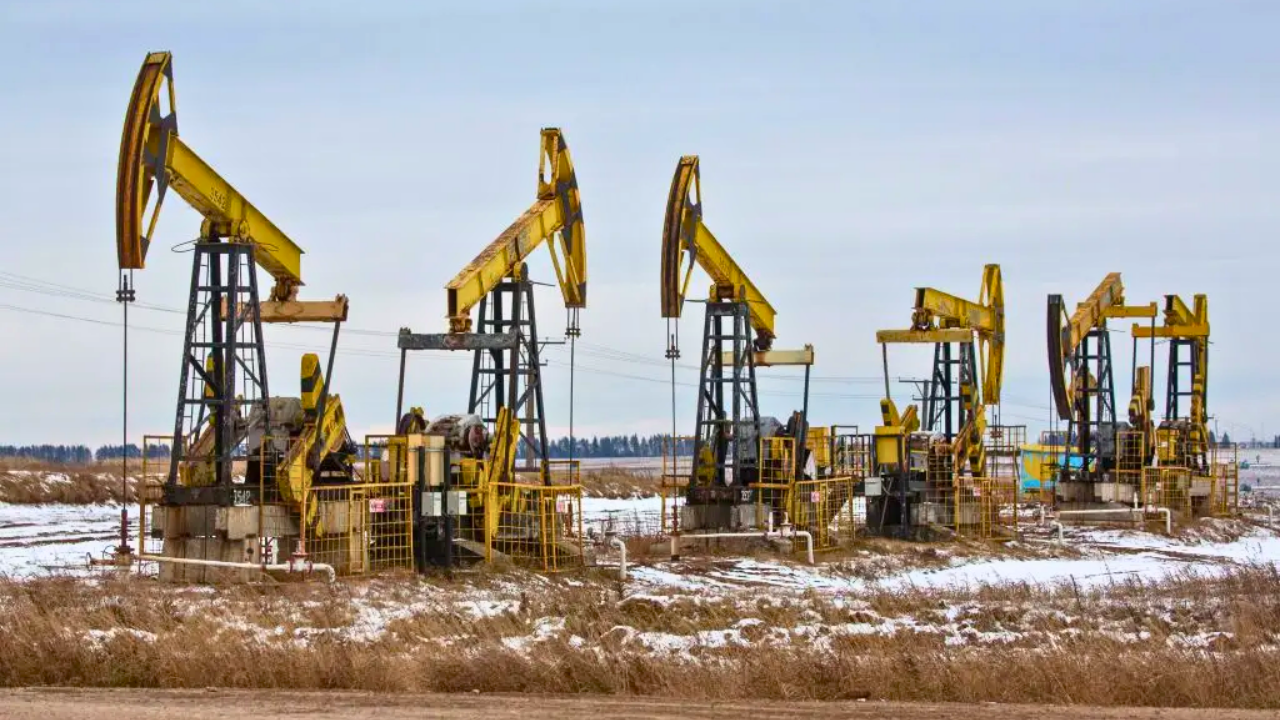
The night sky over Russia’s Ryazan region erupted in flames just after midnight, as a wave of Ukrainian drones evaded air defenses and struck deep inside Russian territory. Their target: the Ryazan oil refinery, a critical hub for Russia’s military fuel supply. The attack marked a new escalation in Ukraine’s campaign to disrupt Russia’s war machine by targeting its energy infrastructure.
A Strategic Blow to Russia’s Fuel Supply
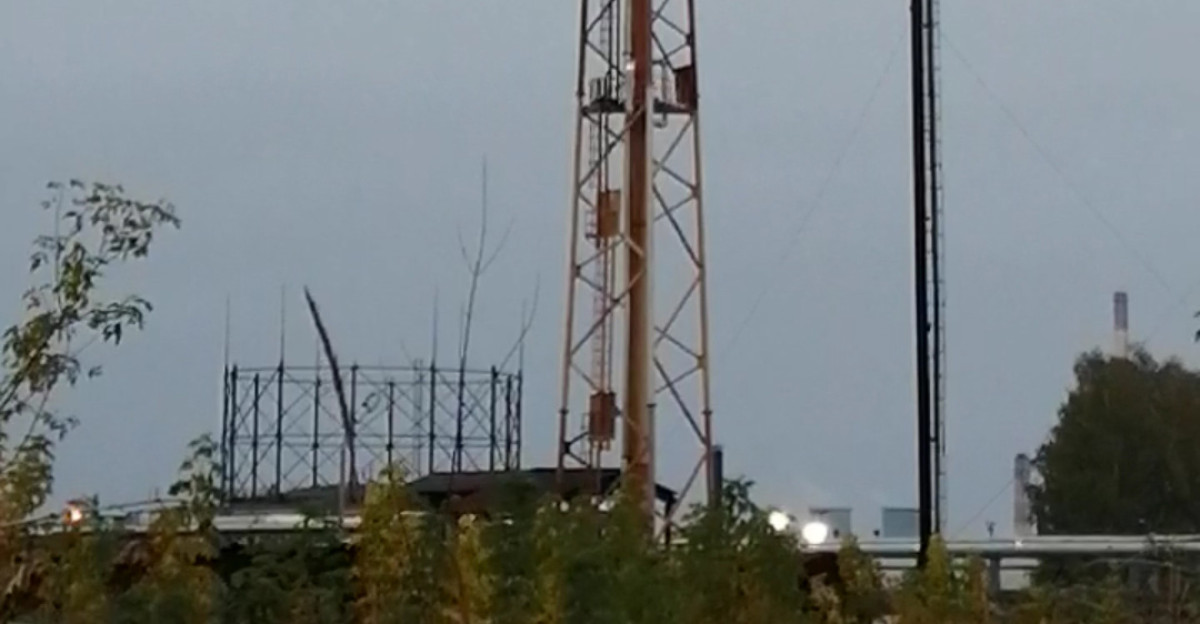
The Ryazan refinery is not just another industrial site. It produces about 840,000 tons of TS-1 jet fuel each year, a specialized kerosene that powers Russia’s combat aircraft. This output—roughly 2,300 tons daily—feeds the country’s air operations over Ukraine and beyond. The facility also refines gasoline, diesel, and liquefied gases, processing around 13 million tons of crude oil annually, which accounts for about 5 percent of Russia’s total refining capacity.
When Ukrainian drones struck Ryazan, they ignited secondary processing units and triggered a massive fire visible for kilometers. Russia’s defense ministry reported intercepting dozens of drones, but the damage was already done. The refinery’s main crude distillation unit, responsible for nearly half its output, was forced offline. Industry sources confirmed that only backup systems remained operational, and no oil product shipments would resume before December 1—at least two weeks of halted production for a facility vital to Russia’s fuel system.
Sustained Drone Campaign Intensifies
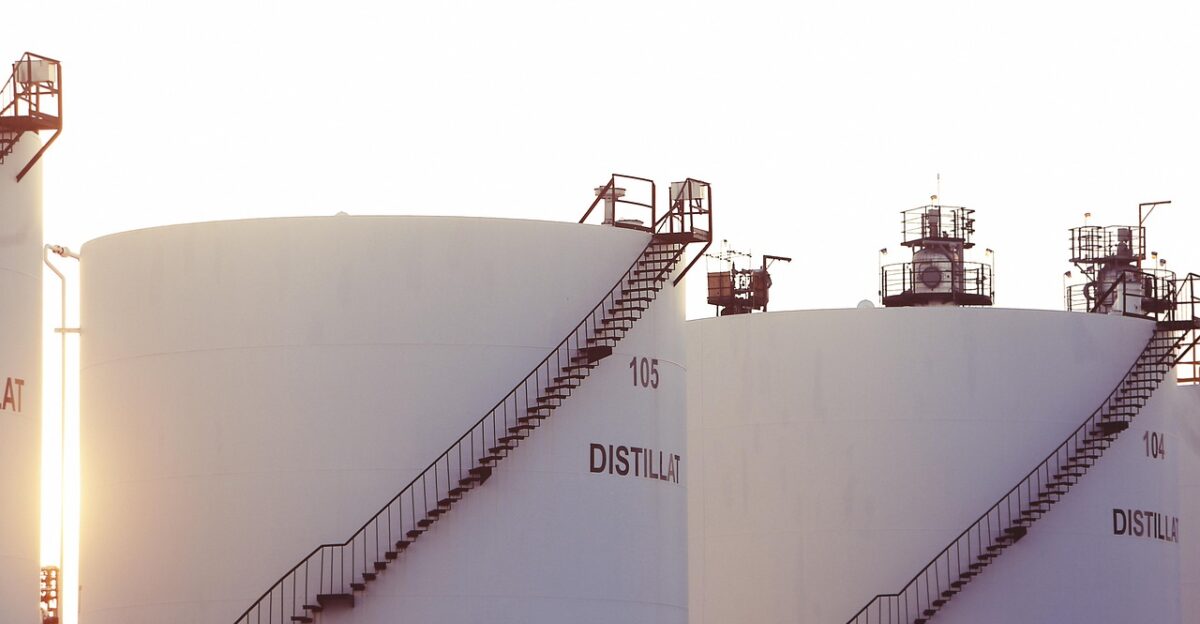
Just five days after the initial strike, Ukrainian drones returned, hitting Ryazan again and reigniting fires in the same vulnerable processing units. This was the eighth documented attack on the refinery since January 2025, part of a sustained campaign to choke off Russia’s fuel lifeline. Residents posted videos of the fires, and Ukrainian officials confirmed the strikes, underscoring the campaign’s persistence.
These attacks are not isolated incidents. In August 2025 alone, Ukrainian drones targeted 14 Russian refineries—a record monthly total—followed by eight more in September. Since the start of the year, 21 of Russia’s 38 large refineries have been struck, according to independent verification. Analysts estimate that these strikes have reduced Russian crude throughput by about 10 percent, dropping it to around 4.86 million barrels per day.
Economic Fallout and Export Decline

The impact on Russia’s energy sector has been severe. In September, seaborne oil product exports fell by 17.1 percent compared to August, one of the steepest monthly declines since the war began. Shipments from the Black Sea dropped by 23.2 percent, while Baltic exports fell by 15.4 percent. The loss of 1.5 million tons of monthly shipments translates to a revenue hit of $900 million to $1.8 billion, based on global oil prices.
Ryazan alone contributes an estimated $500 million to $1 billion in annual revenue. With its output offline, Russia’s total fossil fuel export revenues dropped to their lowest point since the full-scale invasion, reaching 546 million euros per day in September. Tax revenues from oil and gas exports fell 26 percent year-over-year, and weekly export earnings dipped below mid-2023 levels, even as crude export volumes remained relatively stable.
Civilian and Military Strains Mount
The consequences of the refinery attacks have rippled through Russian society. Gasoline prices surged to about $3.10 per gallon in some regions, nearly double the average from early September. In Crimea, authorities imposed strict rationing, limiting purchases to 20 liters per customer. School buses in Nizhny Novgorod stopped running, stranding students, while long lines formed at gas stations across the country.
For the Russian military, the loss of Ryazan’s jet fuel production poses a direct threat to air operations. Military analysts estimate that each fighter or bomber sortie consumes 50 to 80 tons of fuel. With 10,000 to 15,000 sorties annually, the refinery’s lost output could ground a significant portion of Russia’s air force.
A New Phase in Asymmetric Warfare
Ukraine’s drone campaign has evolved from targeting fuel depots to precision strikes on refinery components that are difficult to replace. These include distillation units and hydrocracking systems, often manufactured in the West and now subject to export controls. The repeated attacks on Ryazan and other major facilities have forced Russia to impose a partial ban on gasoline exports, prioritizing domestic supply over foreign revenue—a notable shift for an economy long reliant on energy sales.
Despite these emergency measures, independent gas stations have shuttered across Russia, and regional authorities have implemented inconsistent rationing rules. In Siberia and the east, supply disruptions have left motorists scrambling for fuel.
Looking Ahead: Winter and Uncertainty
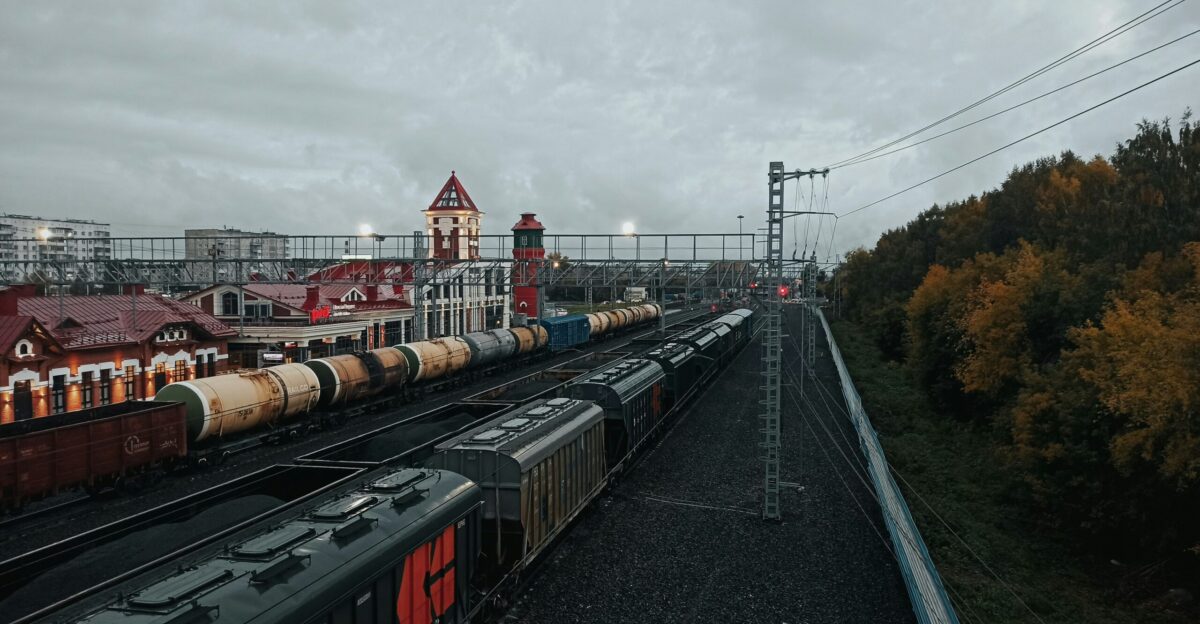
As winter approaches and demand for heating fuel rises, Russia faces a refining crisis at a critical moment. With more than half of its major refineries struck and repair timelines stretching up to three years due to sanctions and spare parts shortages, the country’s energy system is under unprecedented strain. The coming months will test whether Russia can maintain its war effort amid rationed gasoline, empty pumps, and mounting economic pressure. Ukraine’s asymmetric campaign against refineries has entered a decisive phase, reshaping the stakes for both sides.