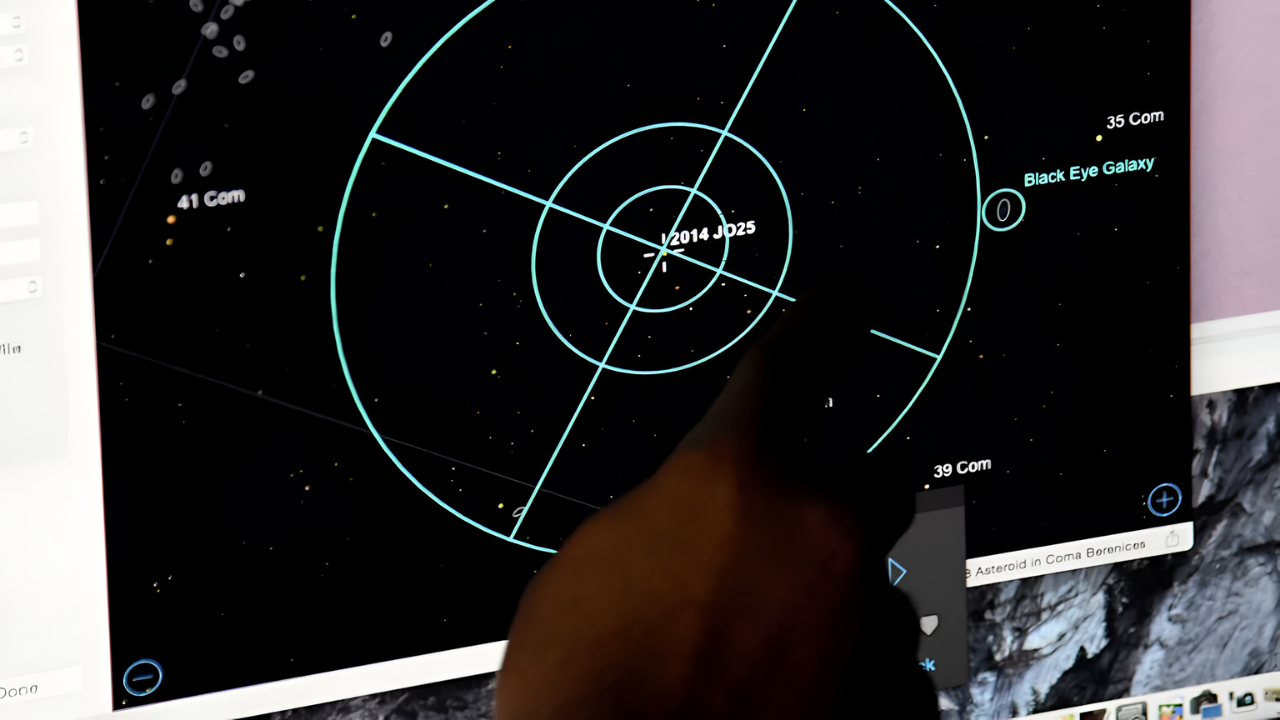
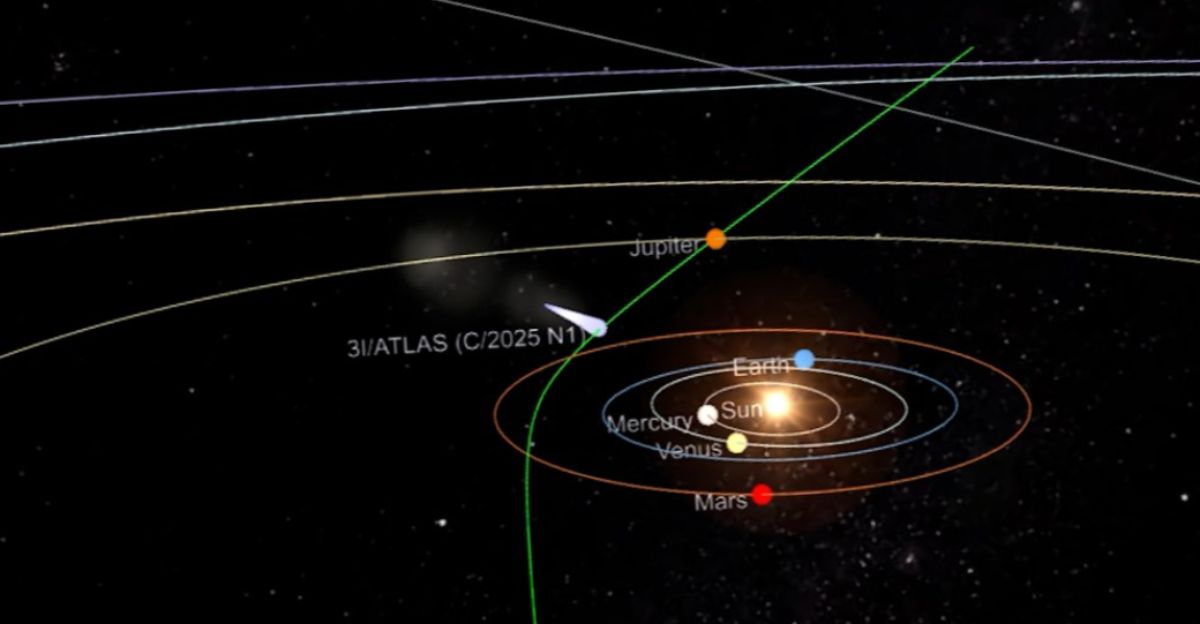
A rare visitor from beyond our solar system is captivating astronomers and the public alike. The object, named 3I/ATLAS, was discovered on July 1, 2025, by NASA’s ATLAS telescope and is only the third confirmed interstellar object ever detected. As it speeds toward its closest approach to Earth on December 19, scientists are racing to unravel the mysteries behind its extraordinary behavior.
A New Chapter in Interstellar Exploration

3I/ATLAS joins a short list of known interstellar objects, following ‘Oumuamua in 2017 and comet 2I/Borisov in 2019. Each of these cosmic visitors has challenged assumptions about what travels between the stars. ‘Oumuamua’s odd, elongated shape and lack of a visible tail sparked debates about its nature, while 2I/Borisov offered the first chance to study an active interstellar comet up close. Now, 3I/ATLAS is providing scientists with an unprecedented opportunity: it is not only active, but also exhibiting mass loss rates and activity levels that defy current understanding of cometary physics.
The Fragmentation Debate
In early November 2025, Harvard astrophysicist Avi Loeb proposed that 3I/ATLAS had fragmented into at least 16 pieces during its closest approach to the Sun on October 29. His calculations were based on the object’s extreme mass loss—estimated at 4.4 million pounds per second—which seemed impossible for a single, intact nucleus. This hypothesis quickly gained attention, fueling speculation about the fate of the object and the forces at play.
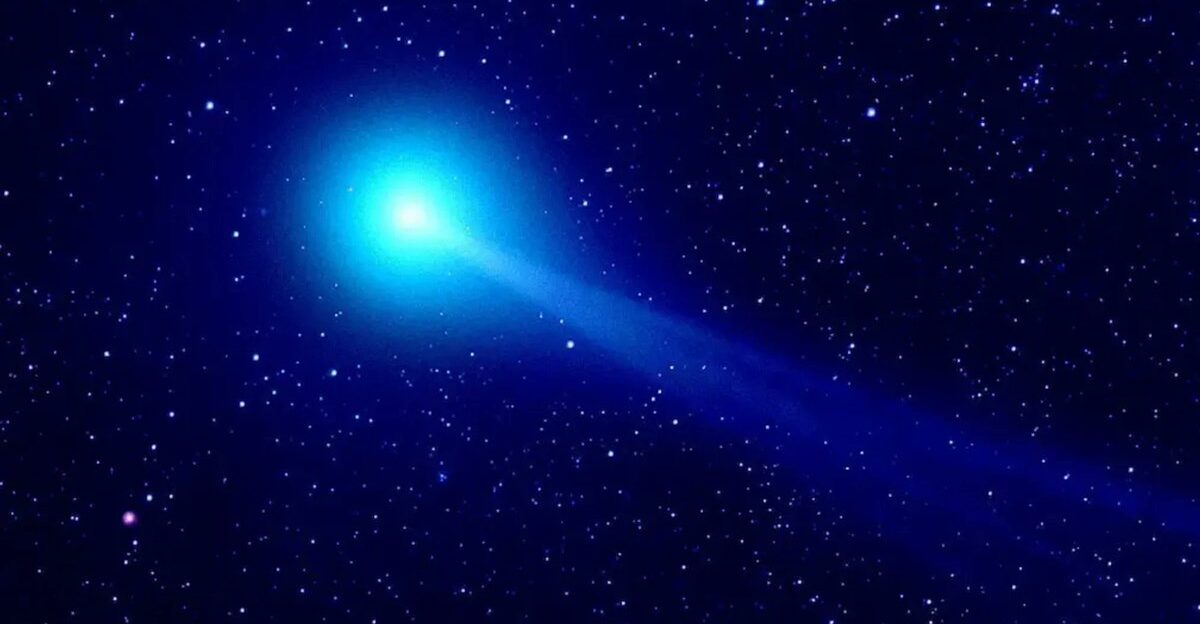
However, just days later, the Nordic Optical Telescope in the Canary Islands captured detailed images of 3I/ATLAS. These observations, taken two weeks after perihelion, showed the object as a single, healthy-looking comet with no evidence of breakup. Independent analyses from astronomers worldwide confirmed these findings, prompting Loeb to publicly revise his earlier hypothesis. The episode highlighted the self-correcting nature of science: bold theories are tested, and when new evidence emerges, conclusions are updated accordingly.
Unanswered Questions and New Theories
Despite confirming that 3I/ATLAS remains intact, scientists remain puzzled by its behavior. The comet’s mass loss rate is far higher than what is typically observed, especially for a nucleus estimated to be less than 1.2 miles across. Between August and October, its outgassing increased more than 13,000-fold—an unprecedented jump for any known comet.
With fragmentation ruled out, researchers are exploring alternative explanations. One possibility is that 3I/ATLAS contains unusually high amounts of super-volatile ices, such as carbon monoxide or methane, which vaporize more easily than water ice when heated by the Sun. Its interstellar origin suggests it may have formed in a very different environment, with a chemical makeup unlike anything seen in local comets. Some scientists also propose that the nucleus could be highly porous, increasing its effective surface area and allowing for rapid sublimation.
A Cosmic Oddity
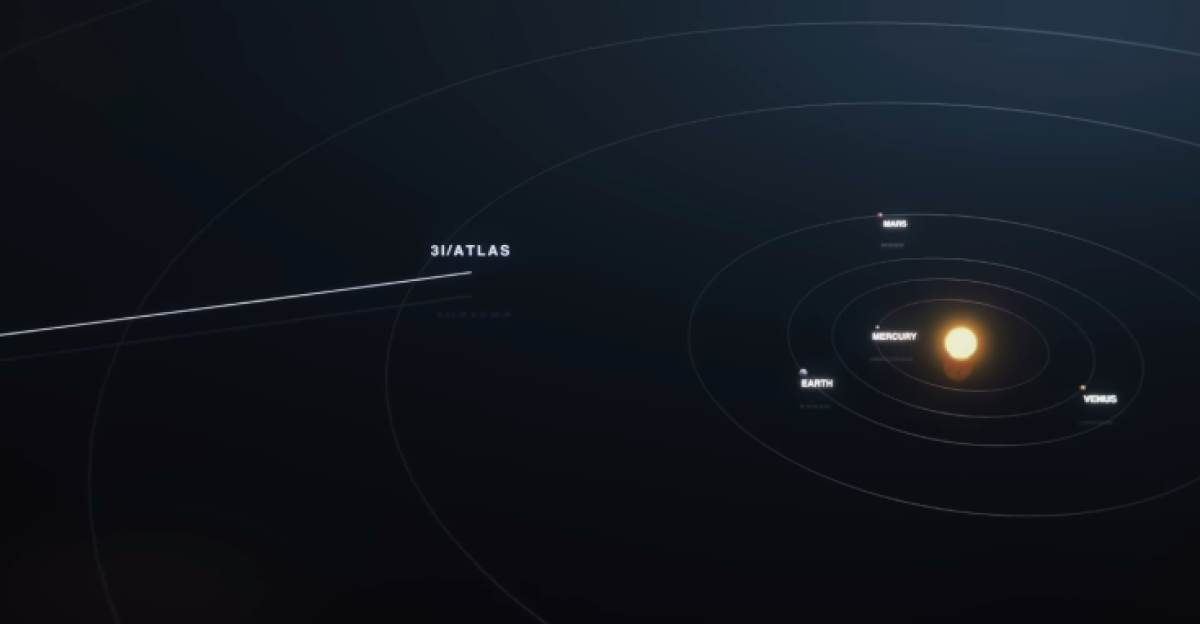
Adding to the intrigue, 3I/ATLAS’s trajectory is nearly aligned with the ecliptic plane—the flat disk where the planets orbit the Sun. This is highly unusual for an interstellar object, which would be expected to approach from a random direction. The alignment has led to speculation about whether the object’s path is a cosmic coincidence or hints at something more remarkable.
While some, including Loeb, have floated the idea of technological origins—suggesting that artificial propulsion could explain the observed activity—most astronomers remain focused on natural explanations. Alternative analyses, such as those by Penn State astronomer Jason Wright, demonstrate that extreme cometary activity can occur through known physical processes, without invoking fragmentation or artificial technology.
Global Collaboration and Future Prospects
The discovery of 3I/ATLAS has galvanized the global astronomical community. NASA and international partners have coordinated a sweeping observational campaign, using ground-based telescopes and space-based assets like the Hubble Space Telescope to monitor the object’s approach. The ATLAS system’s early detection provided scientists with valuable lead time to plan observations, a significant improvement over previous interstellar discoveries.
As 3I/ATLAS nears its closest approach to Earth, observatories worldwide are preparing to collect detailed spectroscopic data. These measurements could reveal the presence of exotic molecules or isotopes, offering clues about the object’s origins and the conditions in distant star systems. The international effort has produced the most comprehensive dataset yet for an interstellar visitor, surpassing what was possible for ‘Oumuamua and 2I/Borisov.
Looking Ahead
The arrival of 3I/ATLAS is a reminder that our solar system is not isolated, but part of a dynamic galaxy where material is constantly exchanged. Each interstellar object offers a rare glimpse into the processes shaping other planetary systems and the broader cosmos. As scientists continue to analyze data from this extraordinary visitor, they hope to answer fundamental questions about its composition, behavior, and origins—deepening our understanding of the universe and our place within it.