Ford Motor Company has lost over $13 billion on its electric vehicle (EV) business since 2023, triggering a dramatic reassessment of the EV market’s profitability. Despite a promising start, Ford faces an unprecedented reckoning just months after launching its EV battery production.
The automotive giant’s next moves will set the stage for the entire industry’s future as competitors like General Motors and Stellantis recalibrate their EV strategies.
The Perfect Storm
The expiration of federal EV tax credits in September 2025 led to a sharp drop in demand, and Ford wasn’t alone. General Motors and Stellantis followed suit, scaling back their all-electric vehicle ambitions.
Analysts have pointed to a “credibility gap” between the promises made for EVs and the harsh market realities, pressuring manufacturers to reassess their electrification timelines.
Ford’s $5.8 Billion Investment
Ford’s $5.8 billion BlueOval SK venture was supposed to be a game-changer. Built in Kentucky alongside a Tennessee plant, it promised 11,000 new jobs and was hailed as the largest investment in Kentucky’s history.
But now, just months after the first batteries rolled off the production line, the project faces an abrupt pivot as Ford exits EV battery production.
Accelerated Production, Mounting Doubts
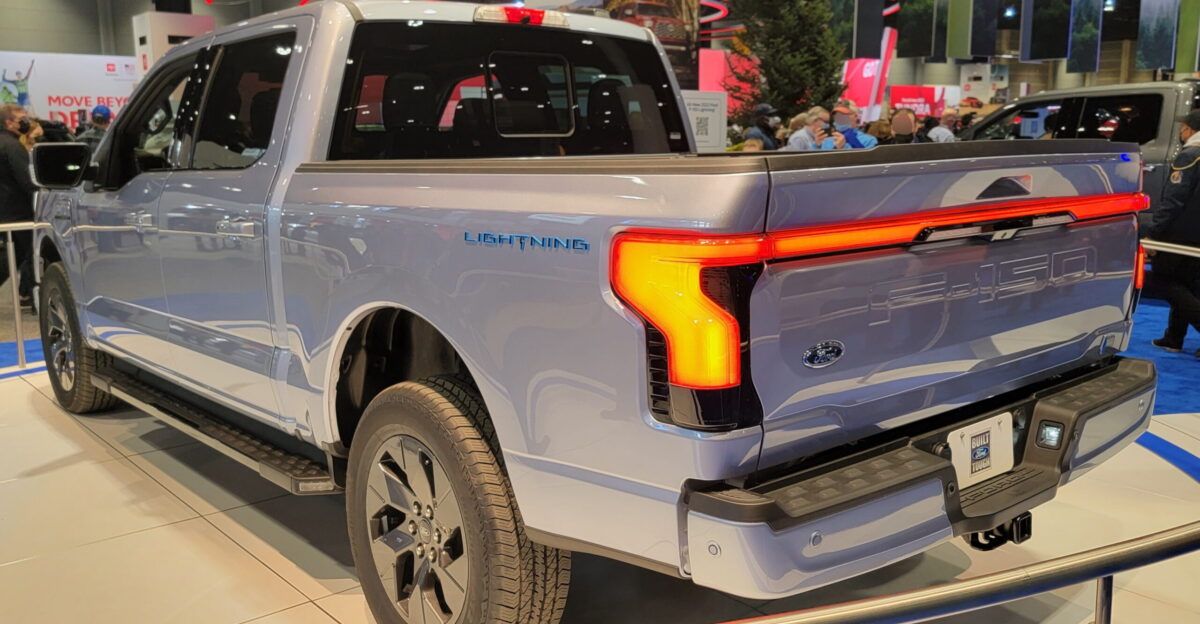
Production at the Kentucky facility began in August 2025, but within weeks, internal reviews revealed the sobering reality: large electric vehicles like the F-150 Lightning could not meet profitability targets.
Supply-chain costs and consumer demand patterns exposed fundamental flaws in the initial EV strategy. By December, Ford executives acknowledged the need to abandon the business model.
1,600 Laid Off
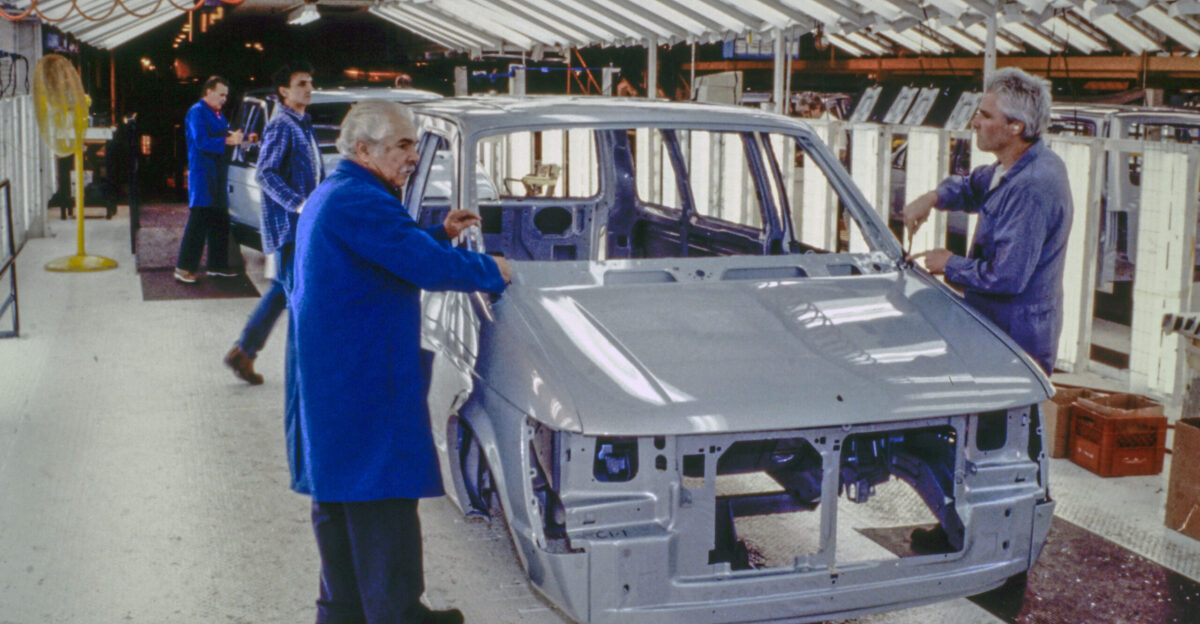
On December 15, 2025, Ford announced it would lay off all 1,600 employees at the BlueOval SK facility. CEO Jim Farley explained, “Instead of plowing billions into the future knowing these large EVs will never make money, we are pivoting.”
The layoffs mark a sharp turn from Ford’s original plan, signaling a shift away from EV production to grid storage solutions.
The Community Impact

The layoffs hit Glendale, Kentucky, and surrounding communities hard. Workers learned of the termination via a company video and media reports.
While Ford offered two months of continued pay, the promise of reemployment in 2027 in a completely different industry left many community members feeling betrayed. Local lawmakers decried the broken promises that led to widespread job losses.
Ford’s Major Write-Down
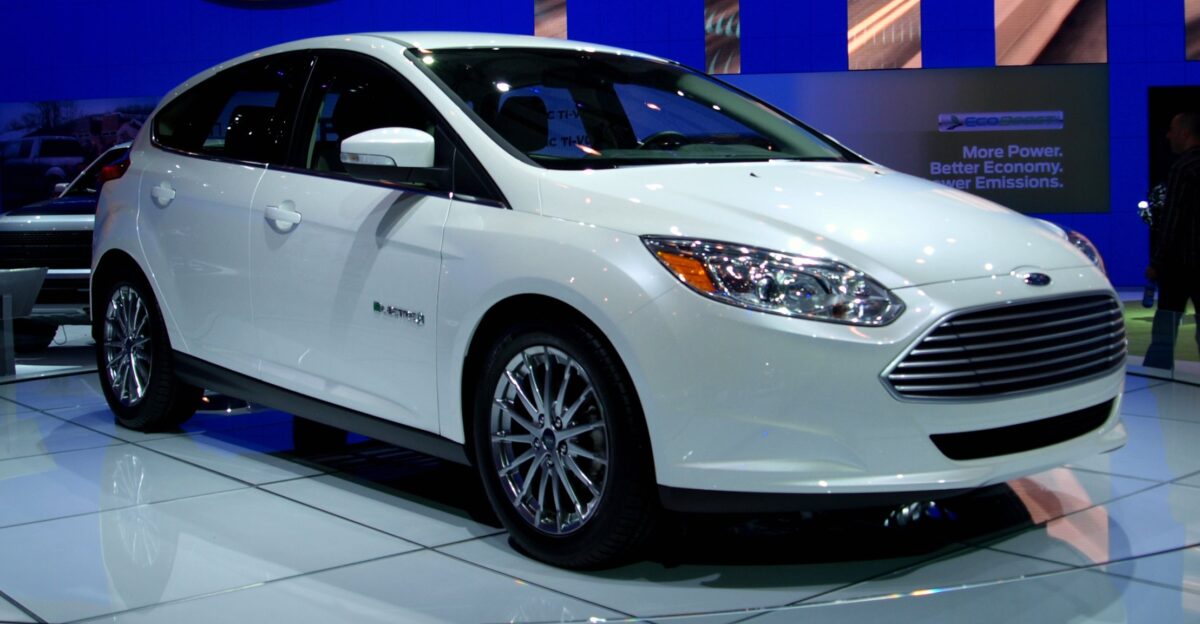
Ford announced a $19.5 billion charge, marking the largest single EV-related loss in Detroit’s history. The charge includes $8.5 billion in asset writedowns, $6 billion tied to the dissolution of the BlueOval SK venture, and $5 billion in program-related costs.
With the cancellation of key EV models, Ford is recalibrating its entire strategy.
Industry-Wide Domino Effect
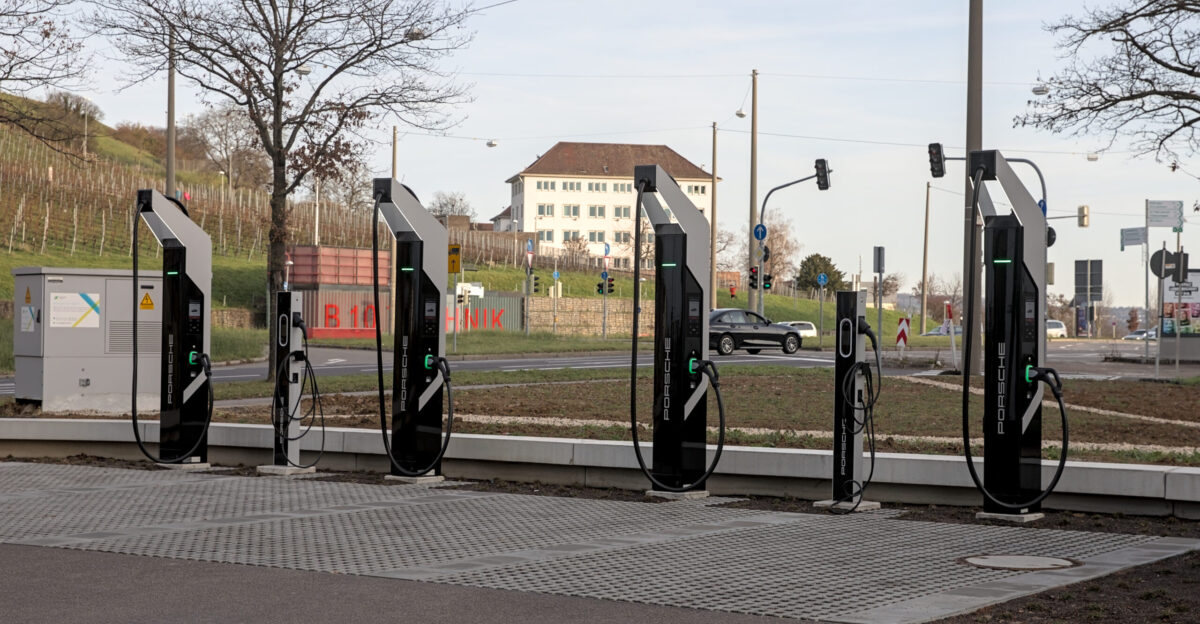
Ford’s retreat isn’t an isolated incident. Following its move, General Motors and Stellantis scaled back their own EV ambitions, acknowledging similar profitability challenges.
Tesla’s market dominance and cost advantages from Chinese competitors have squeezed legacy automakers. The industry is recalibrating, with a stronger focus on hybrid solutions and slower electrification timelines.
Ford and SK On Part Ways
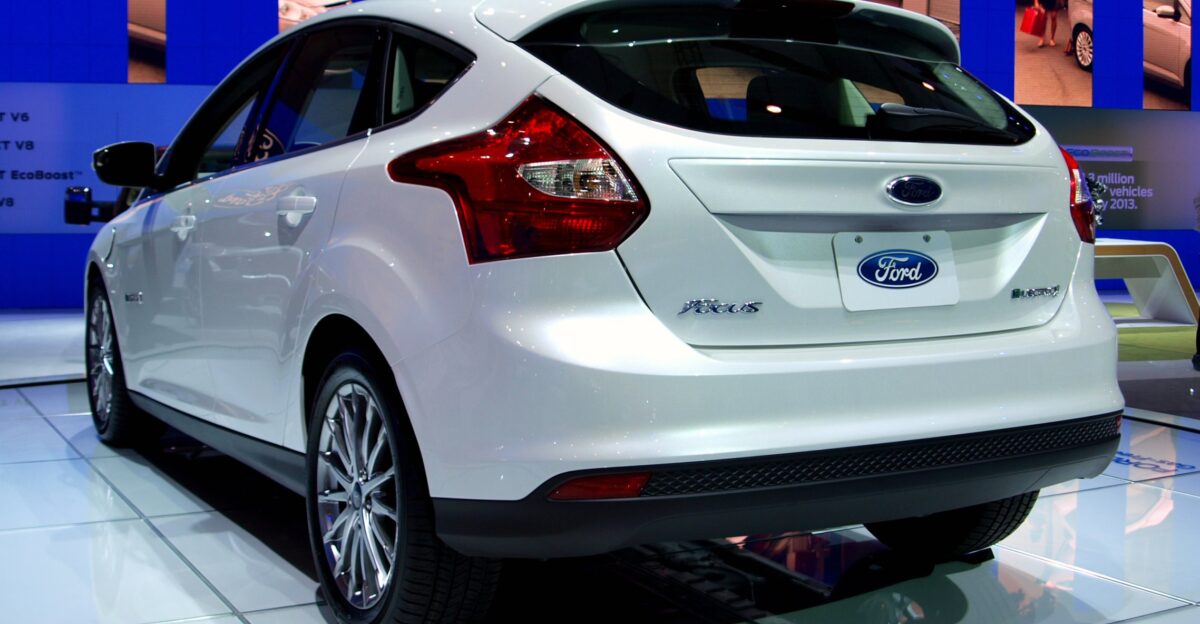
Ford formally dissolved its partnership with South Korean battery manufacturer SK On on December 9, 2025. Ford took full control of the Kentucky plants, while SK On retained ownership of the Tennessee facility.
The split came just days before the massive layoffs were announced, catching SK On off guard and adding more turbulence to the already rocky collaboration.
Leadership Pressure & Decision
CEO Jim Farley faced immense pressure from Ford’s board and investors to stem the bleeding. With mounting losses and a growing shift toward EV skepticism, the decision to pivot was about survival, not growth.
Ford’s focus has shifted from producing high-volume EVs to seeking profitability in alternative battery solutions like grid-storage systems.
Grid Storage as Ford’s New Path
Ford announced plans to convert the Kentucky plant into a battery-storage manufacturing hub for utilities, data centers, and renewable energy projects. Production of 5-megawatt-hour storage systems is set to begin by late 2027, with the new facility creating 2,100 jobs, though these will require different skills and training.
Analysts have raised doubts about Ford’s ability to transition the laid-off workers into these new roles, given the skill gap and uncertain demand for large-scale storage solutions.
What’s Next for Ford?
Ford’s future hinges on several unknowns: the growth of the grid-storage market, its ability to retrain workers, and the overall shift towards hybrid-electric vehicles. While Ford’s pivot is strategic, it also represents a significant bet against full EV adoption.
Can the company find profitable niches, or has the EV market proven too volatile?
Public Investment in Question

The state of Kentucky provided Ford with a $250 million forgivable loan for the BlueOval SK project, contingent on job creation.
With the sudden pivot, Kentucky lawmakers are renegotiating the terms of the deal, questioning the return on public investment as Ford shifts its focus from EVs to grid-storage solutions.
Global Battery Market Shift
Ford’s failure to turn a profit from EV batteries highlights the broader issues facing the global battery market. Chinese companies like BYD and CATL have undercut Western producers on price, and many legacy automakers miscalculated EV adoption timelines.
This shift is likely to have long-term effects on global EV supply chains and partnerships.
A Turning Point

Ford’s shift away from electric vehicles marks a turning point for the entire automotive industry. With Detroit automakers recalibrating their electrification goals, it appears that the focus is shifting from full EVs to hybrid strategies.
This shift signals potential advantages for Chinese EV manufacturers and Tesla, while Western automakers consolidate their positions.
Sources:
CNBC — “Ford to record $19.5 billion in special charges, pull back on electric vehicle initiatives” (December 15, 2025)
WDRB News Louisville — “All 1600 Kentucky battery plant employees laid off as Ford pivots away from EV” (December 18, 2025)
USA Today — “Ford’s $19.5 billion pivot brings hybrids back, keeps F-150 Lightning” (December 16, 2025)
Wall Street Journal — Ford EV and BlueOval SK reporting (December 2025)
Hardin County Government/WNKY — “Ford Motor Company announces layoff of 1,600 battery plant employees” (December 15, 2025)