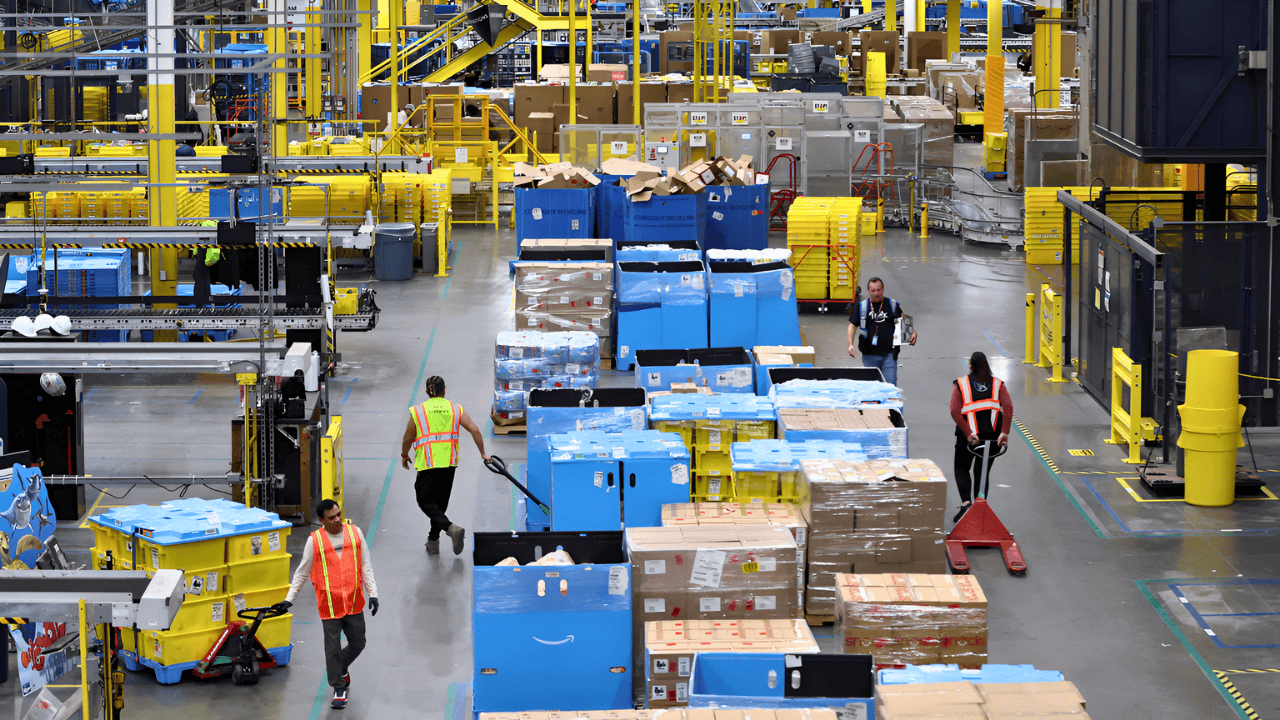
Amazon’s sweeping corporate layoffs in New York City have sent shockwaves through the tech industry and the city’s economy. On October 28, 2025, the company announced it would cut 660 corporate roles across nine NYC offices—one of the largest single rounds of corporate layoffs in its history. The move, framed by CEO Andy Jassy and Senior Vice President Beth Galetti as a push for leaner operations and faster decision-making, has left employees and local businesses grappling with the fallout.
Why NYC Was Hit Hard
Amazon’s strategy centers on flattening its corporate hierarchy and boosting efficiency. Galetti stated the company needs “fewer layers to move quickly,” targeting mid-management and corporate support roles. The cuts represent a portion of Amazon’s company-wide restructuring that has eliminated approximately 14,000 corporate roles in 2025, with high-salary urban centers like New York disproportionately affected. The impact extends beyond employees themselves to their families and dependents, creating significant uncertainty in one of the nation’s most expensive cities.
The 90-Day Transition
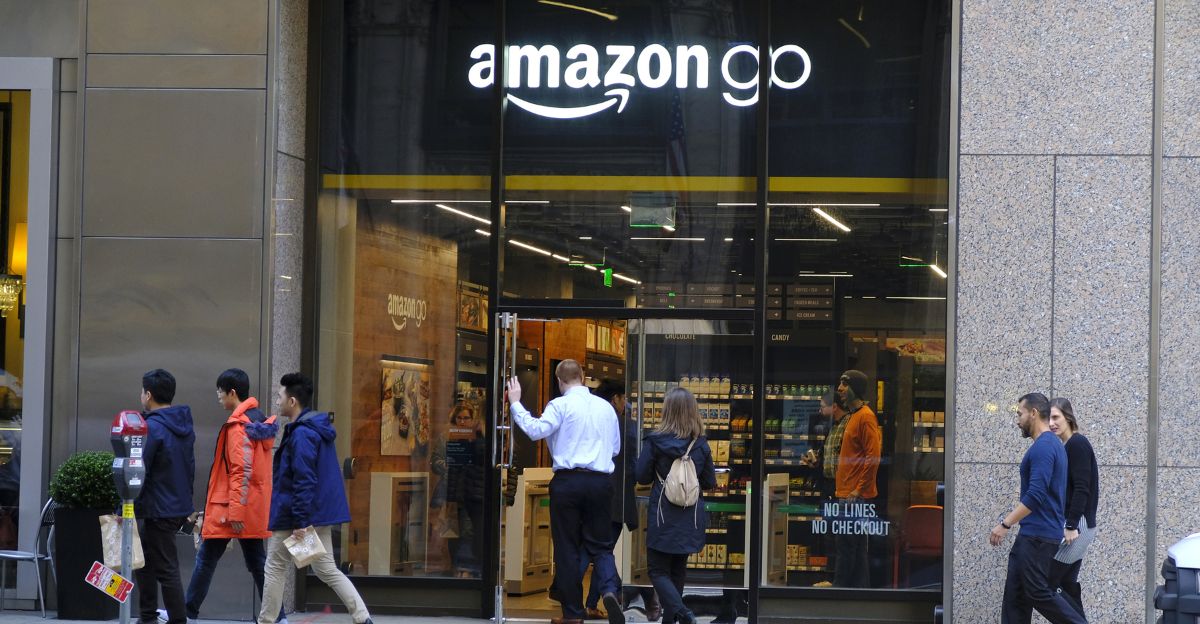
Affected employees received 90-day notices and severance packages that include lump-sum pay, healthcare coverage, and job-support resources. However, the transition is far from smooth. Workers must continue their daily duties while preparing for a new career path, all under the pressure of a ticking clock. The personal and financial toll is significant, with anxiety and stress rippling through families and communities.
Payroll and Broader Restructuring

The layoffs are part of a larger company-wide restructuring affecting approximately 14,000 corporate roles in 2025. While middle management, HR, and people experience roles are most affected, Amazon continues to invest in tech-focused, automation-ready positions, signaling a long-term strategy that favors AI, cloud services, and operational efficiency.
Roles at Risk and Market Shifts

Traditional HR, marketing, and support positions are contracting, while roles in AI, automation, cloud computing, cybersecurity, and data analytics remain in demand. Competitors and startups are poised to capitalize on the influx of skilled talent, but affected employees must upskill or pivot to stay competitive. The broader tech industry is seeing similar trends, with companies like Meta, Google, and Microsoft also recalibrating their workforces post-pandemic, emphasizing automation and operational leanness.
Economic and Social Impact
The layoffs have far-reaching effects beyond Amazon. NYC’s tech-support jobs, management roles, and services tied to corporate operations face softer demand. Local businesses, from restaurants to hospitality and professional services, are feeling the pinch. Commercial real estate may see lower occupancy and reduced rental income as large corporate presence contracts in the city’s tech hub. The ripple effect is significant, affecting spending, housing, and local commerce.
Looking Ahead
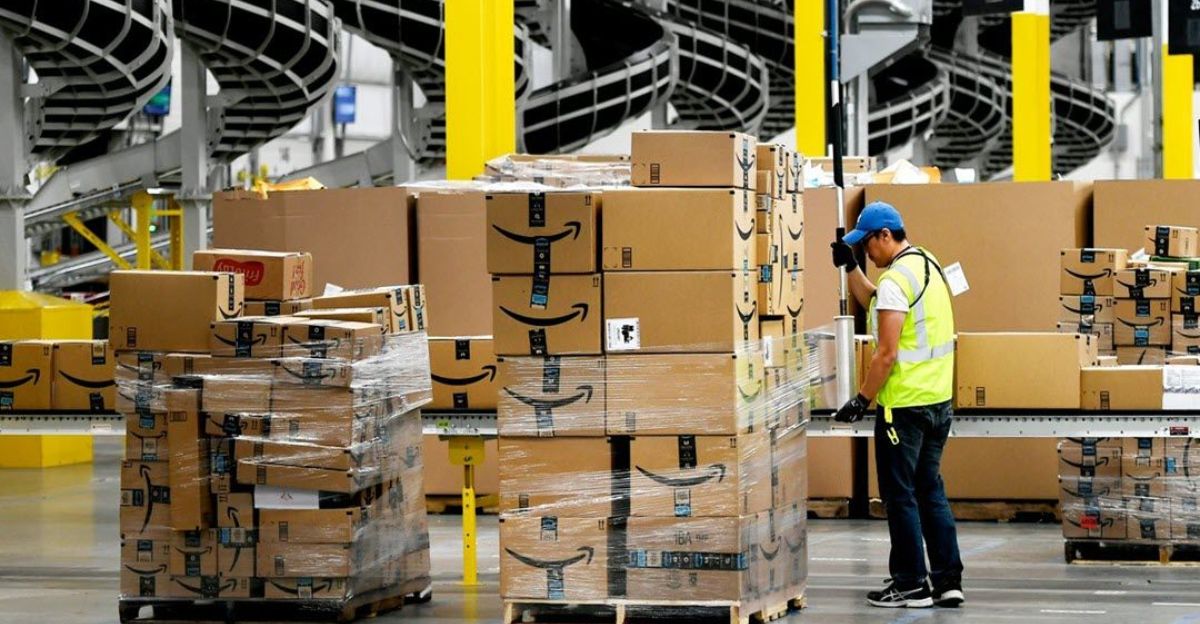
Amazon’s restructuring highlights the human cost of corporate efficiency: 660 jobs lost in NYC and roughly 14,000 corporate roles eliminated nationally. Yet, opportunity exists for those ready to adapt, upskill, and pivot in an AI-driven, leaner corporate world. The lessons for workers, cities, and companies are clear: survival favors speed, skill, and resilience. As the tech industry continues to evolve, the ability to adapt will be crucial for both individuals and organizations navigating this new landscape.