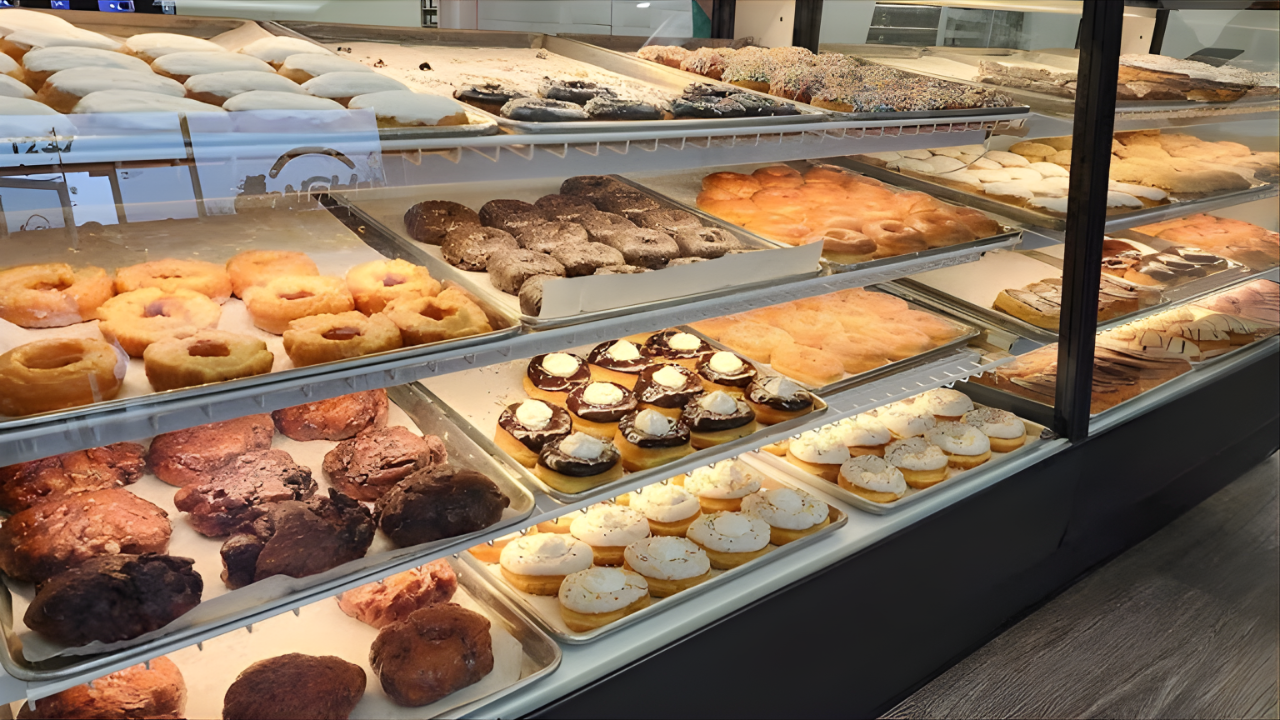
Jack’s Donuts, a 64-year-old Indiana chain founded in 1961, filed for Chapter 11 bankruptcy last Wednesday, reporting $14.2 million in liabilities against $1.4 million in assets—a crushing 10:1 debt ratio that leaves the company owing 91% more than it owns.
With over 100 creditors claiming a fraction of what’s owed, experts say companies in this position face a 70-80% chance of liquidation. If reorganization fails, the filing could be converted to Chapter 7, forcing immediate closure.
All 24 stores remain open as the company attempts to restructure its operations. But with a CEO under securities investigation, a failed commissary model, and 75% of franchisees demanding his resignation, Jack’s Donuts stands at a critical crossroads.
The Commissary Gamble That Backfired
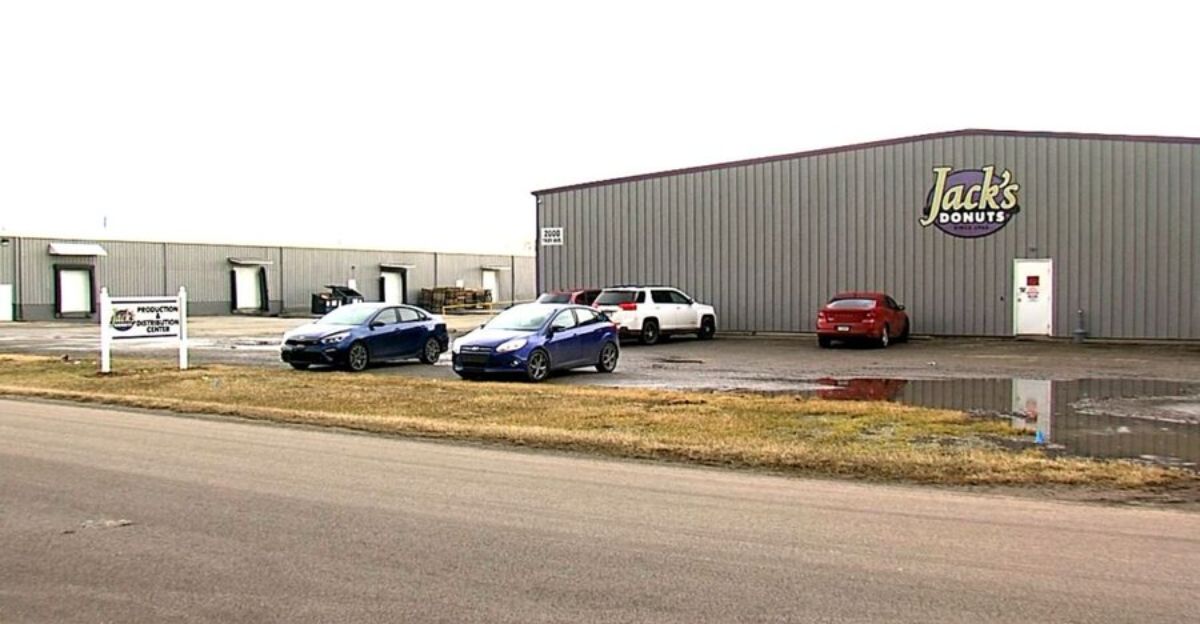
In October 2023, CEO Lee Marcum centralized production at a New Castle commissary, forcing franchisees to buy pre-made donuts. Customers complained that the products resembled “gas station donuts,” which undermined loyalty and sales.
The shift from handcrafted, in-store baking to mass production alienated long-time patrons. But did this decision set the stage for deeper financial collapse?
Customers Notice Quality Declines

Franchisees report declining product quality since the commissary launch. One stated, “When the donuts started coming from the commissary, customers noticed. Some stopped coming altogether.” The chain’s 91.4% asset deficit now poses a significant threat to its long-term viability.
For a brand built on 60+ years of freshness, this decline has been devastating. Could customer trust ever fully return after such changes?
75% of Franchisees Revolt
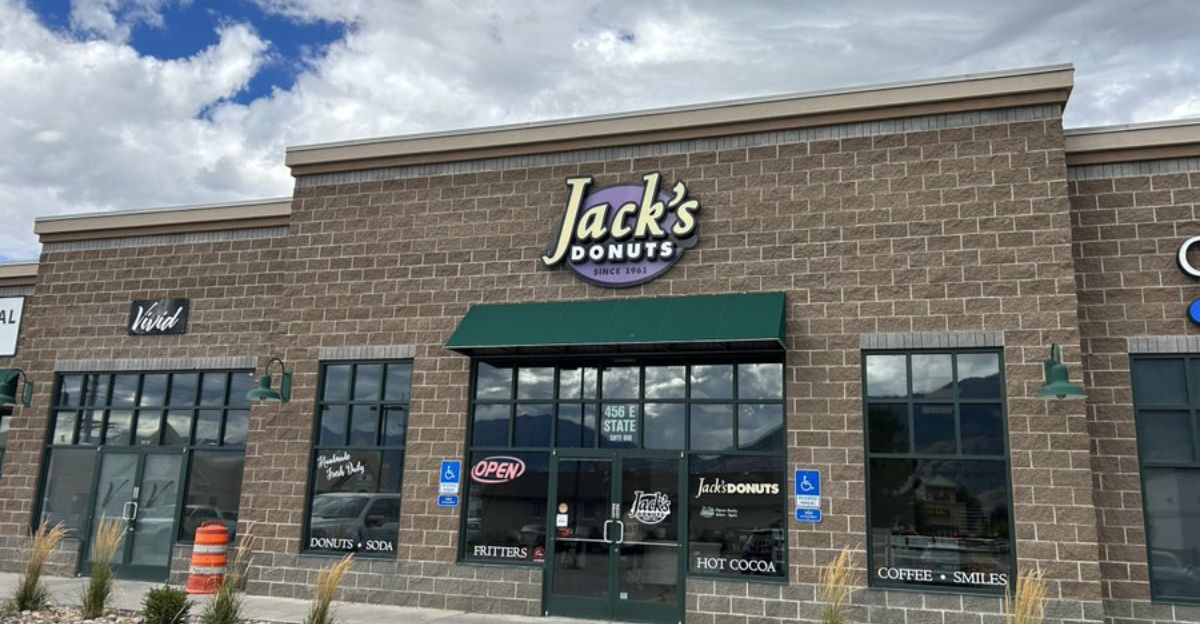
In January 2025, owners of 18 of 24 locations demanded CEO Marcum resign. The letter read: “The ongoing mismanagement…has led to a broader loss of confidence in the company’s future”.
Franchisees cite misappropriation, financial mismanagement, and forced equipment repurchases. Many were later forced to restore in-store baking. But what does this mean for the chain’s reputation?
New Openings for Competitors
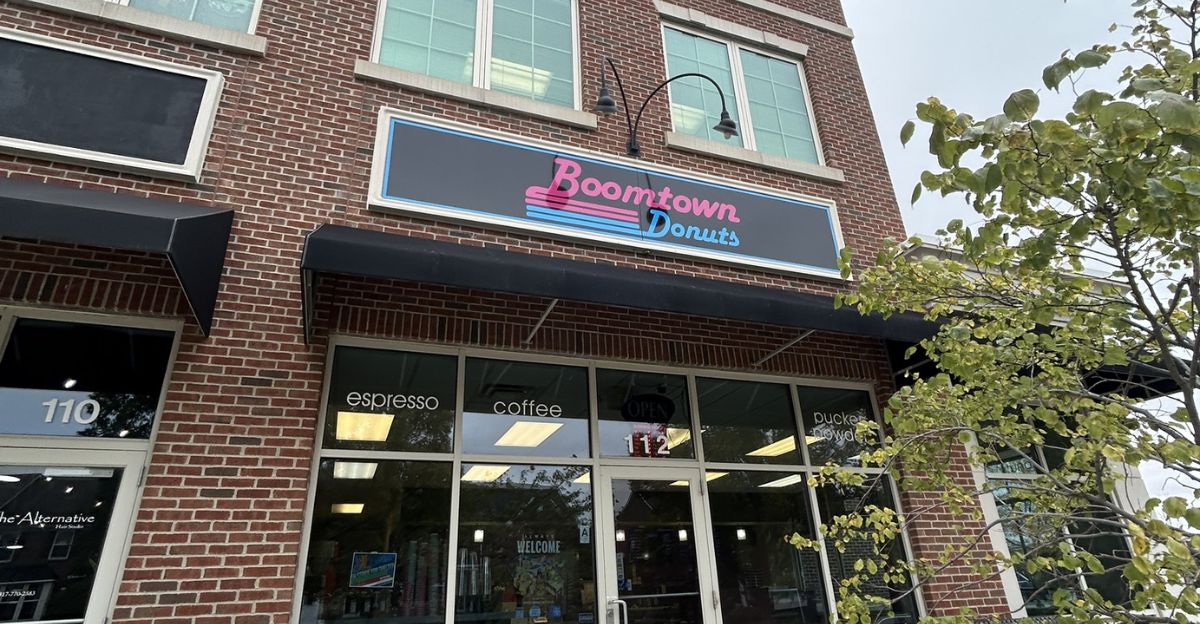
Jack’s turmoil creates openings for regional bakeries and independent shops. Some franchisees, like Angi Bone, rebranded as Boomtown Donuts to distance themselves from corporate failures.
National chains may also target central Indiana markets, previously dominated by Jack’s. As competitors gain traction, the brand’s long-held dominance faces unprecedented challenges.
Supply Chain Creditors Unpaid

Over 100 suppliers, including Carter Logistics, which owed $769,625, and Specialty Fitters, which was awarded $104,995.80, face potential losses. Nonpayment has ripple effects on regional trucking, construction, and food service industries.
The bankruptcy threatens more than stores—it destabilizes local business networks. How will these unpaid vendors respond in the coming months?
Franchisees Face Financial Devastation

Independent franchise owners, not involved with the commissary, still suffer brand damage. Skilled bakers were laid off and then rehired when the quality proved to be poor. Nickole Patton pleaded, “I just want customers to give us a little bit of grace and come back and try us just one more time”.
Corporate missteps have shaken community trust. Could these locations survive without the parent company’s support?
CEO Under Securities Investigation

Indiana’s Securities Division issued a cease-and-desist order on May 5, 2025, barring Marcum from offering securities. Alleged violations occurred in June and September 2024, prompting a state investigation.
Experts describe such violations as “very uncommon,” highlighting the potential for fraud. How deep could these legal issues go beyond bankruptcy?
Mounting Legal Judgments

By March 2025, courts awarded $503,766 against Marcum and related businesses. Old National Bank seeks $3.4 million for defaulted loans, threatening foreclosure on the commissary and Marcum’s home.
Judgments add immense personal and corporate pressure. Could this legal burden tip the company into irreversible collapse?
Regional Economic Threats

Jack’s 24 Indiana locations carry an average of $592,000 in liabilities each, risking jobs, tax revenue, and economic stability. Approximately 4,800 daily customer visits—or 1.75 million annually—are now in jeopardy.
Unpaid supplier invoices create cascading failures in multiple industries. How communities will cope with this economic shock remains uncertain.
Tradition vs. Modernization Debate
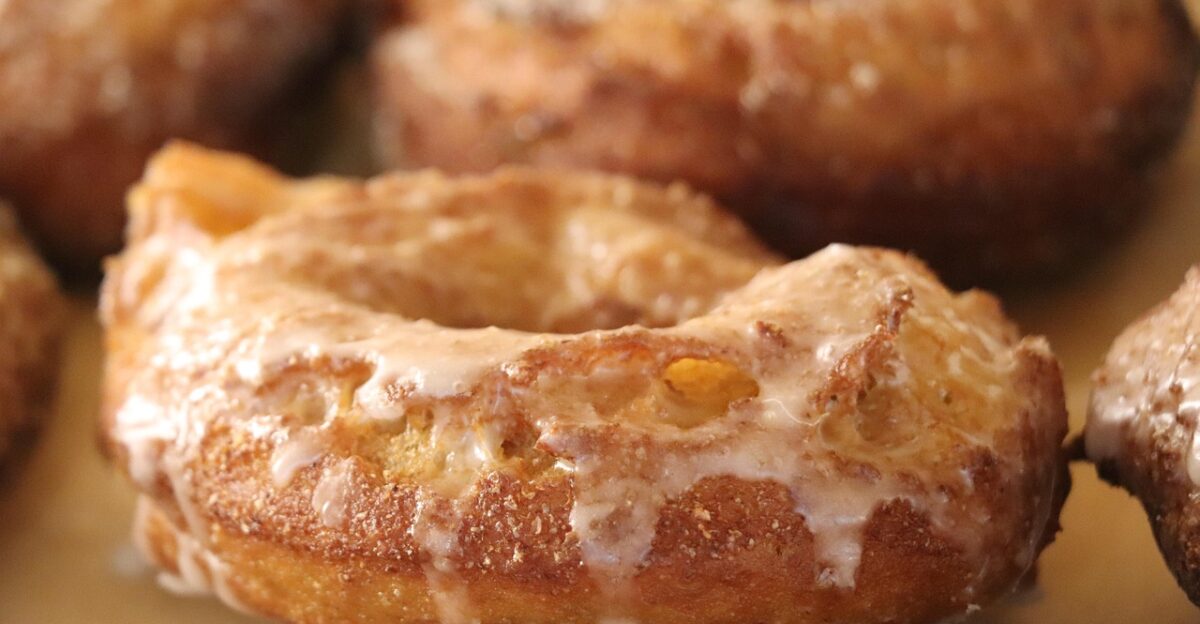
Jack’s 60+ year reputation for handcrafted donuts clashed with Marcum’s commissary push. Franchisees argue: “customers come for the taste they grew up with”, which mass production destroyed.
The crisis sparks a larger discussion on balancing efficiency with authenticity. Could this be a cautionary tale for other franchises?
Franchise Model Vulnerabilities

Fourteen of 24 locations are independent franchises, yet they suffered brand damage. Franchisees were forced to abandon their equipment and expertise, only to rebuild their in-store baking operations.
Observers note this highlights franchise risks in centralization strategies. How much control should the corporation hold over independent operators?
The 10:1 Debt Catastrophe
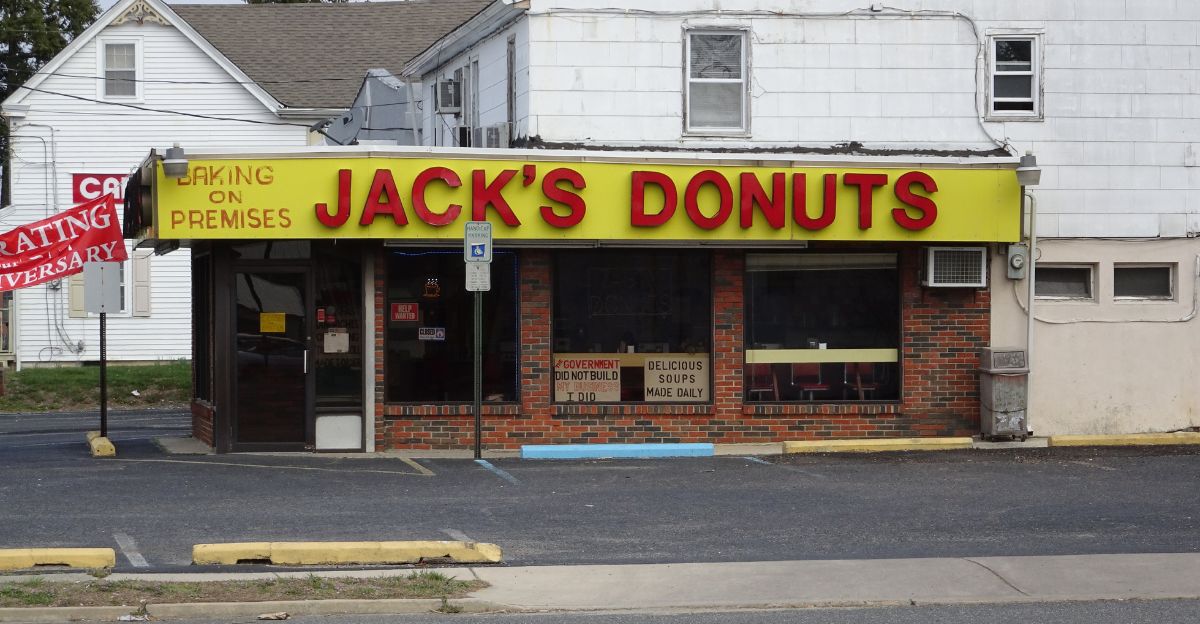
Jack owes $14.2 million against $1.4 million in assets, a 10:1 ratio. Personal judgments against the CEO total $503,766.
The $3.4 million bank default could fund 17 new shops at typical $200K startup costs. Such staggering debt raises questions about the company’s future survival.
Winners and Losers
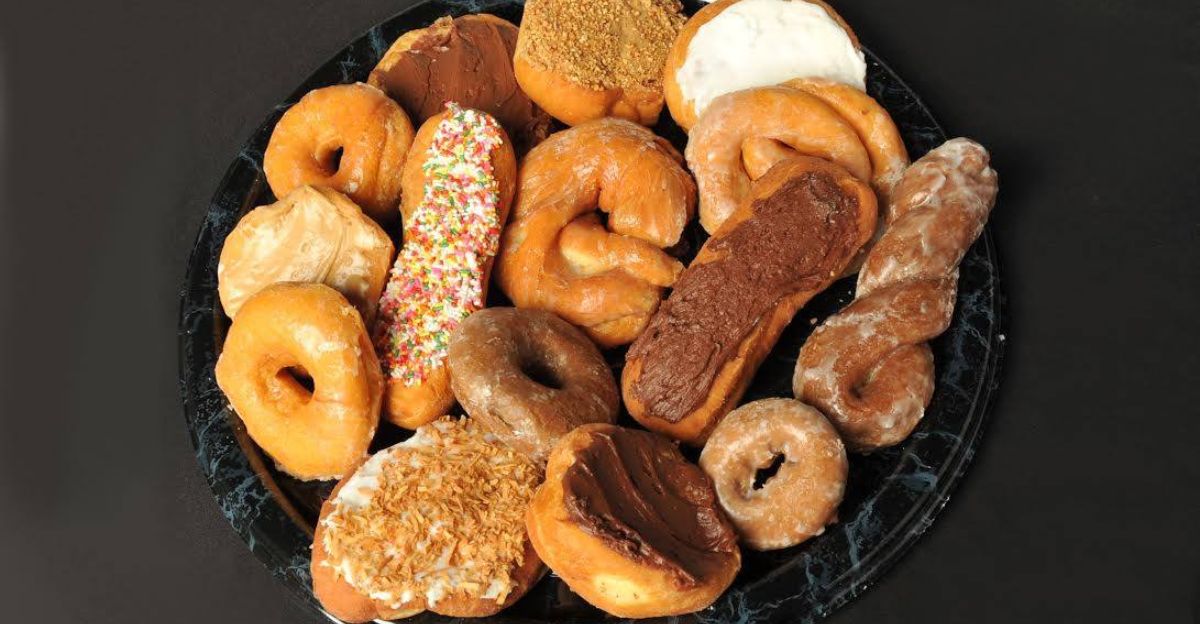
Winners: independent bakeries and franchisees never tied to the commissary. Losers: over 100 creditors, including Carter Logistics ($769,625) and Specialty Fitters ($104,995).
Employees lost jobs, and corporate franchisees face brand erosion. How the financial fallout divides winners and losers is only beginning to emerge.
Chapter 11: A Chance to Reorganize
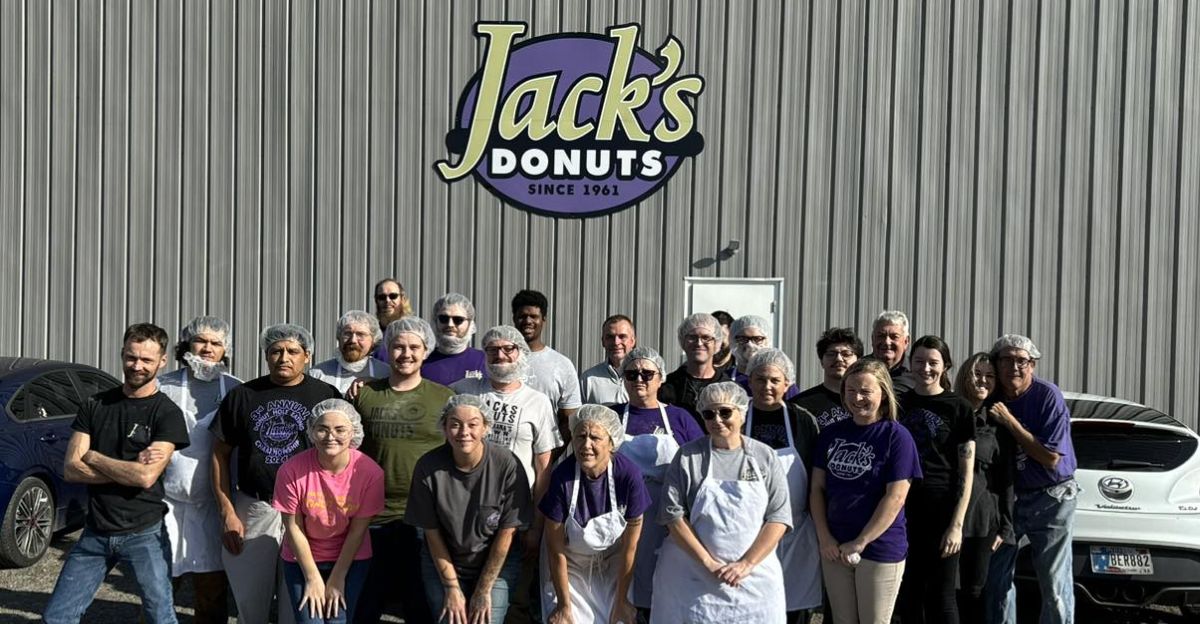
Jack’s filed for Chapter 11 to restructure debts rather than liquidate. An income and expense schedule is due November 12, 2025, with a creditors’ meeting December 2, 2025.
Professors stress this is mostly a reorganization of ownership and debt. Can Jack’s navigate these challenges and continue operations amid a 91.4% asset deficit?