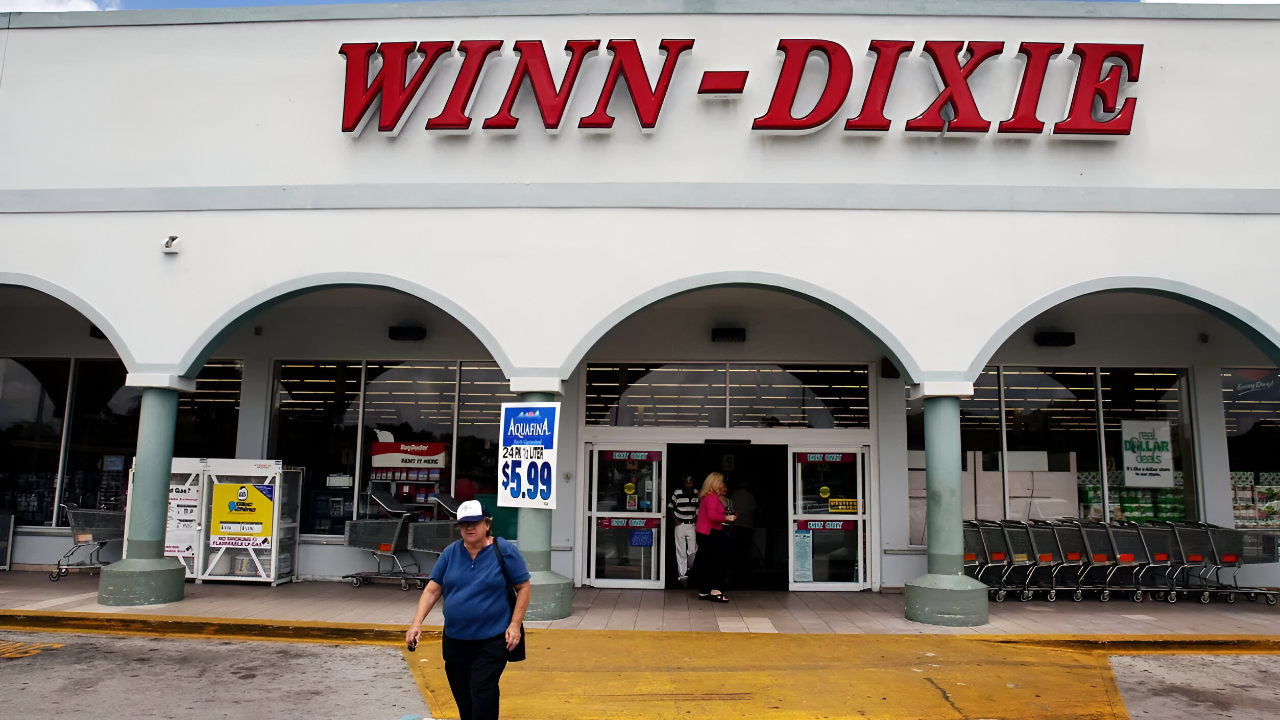
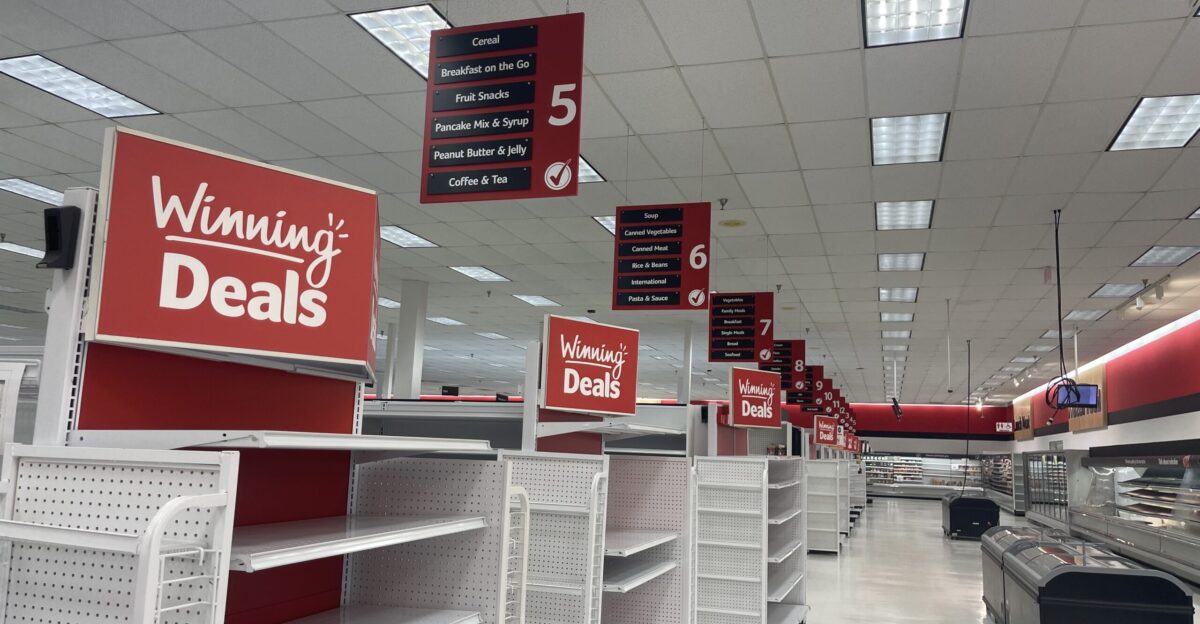
The red neon letters of a century-old grocery chain still glow above storefronts across Louisiana, but inside, the signs of retreat are unmistakable. Shelves are thinning, checkout lanes are closing, and longtime shoppers are watching a familiar part of daily life slip away. As this iconic grocer prepares to exit the state, communities are left to grapple with the loss of a brand that once anchored neighborhoods and shaped local routines.
A Statewide Farewell
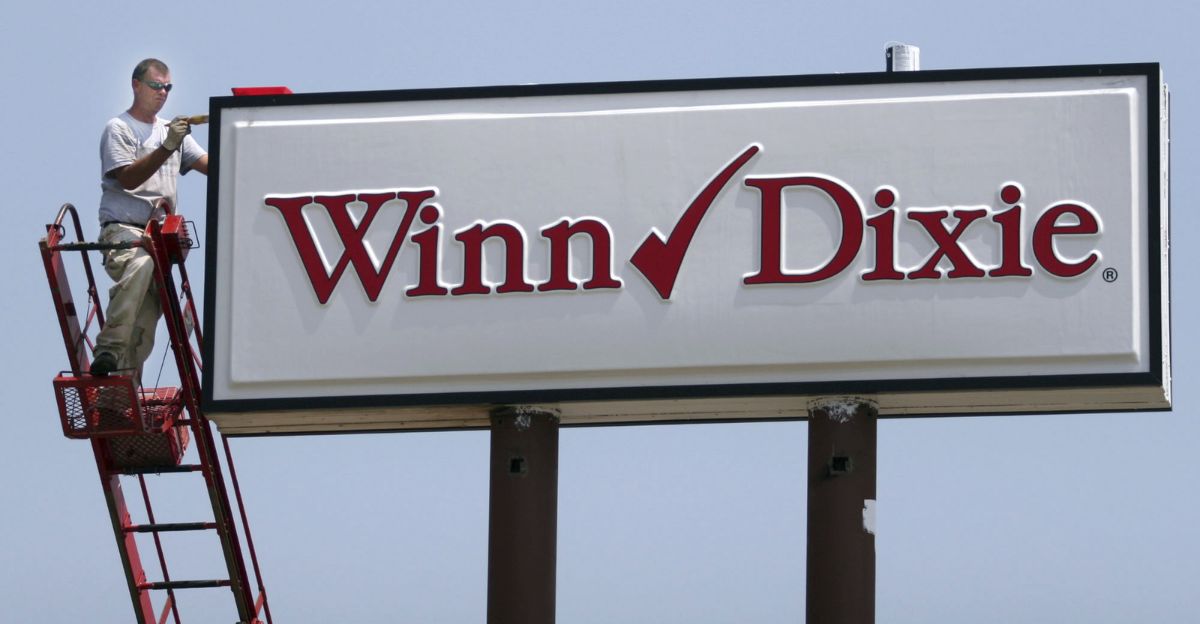
All 13 remaining Louisiana stores of the storied grocery chain are being sold or shuttered, marking the end of an era for families who have relied on them for generations. The closures are more than a business decision—they represent a disruption to daily life and a blow to community identity. Hundreds of employees now face uncertain futures, and entire neighborhoods risk losing easy access to fresh food and household staples.
For many, the store was more than a place to shop. “I’ve been coming here since I was a kid. It’s where I run into neighbors, where I buy everything for Sunday dinner,” said New Orleans resident Linda Broussard. “Losing it feels like losing a piece of home.” The closures threaten to create food deserts in several areas, forcing residents to travel farther for basic needs and putting additional strain on those with limited transportation.
A Legacy Built Over Generations
Founded in 1925, the grocery chain’s predecessor stores became fixtures across the Deep South, woven into the fabric of Louisiana life. Generations of shoppers remember picking up ingredients for family recipes, collecting paper coupons, and chatting with familiar cashiers. The brand’s departure signals the end of a local tradition that many assumed would always endure.
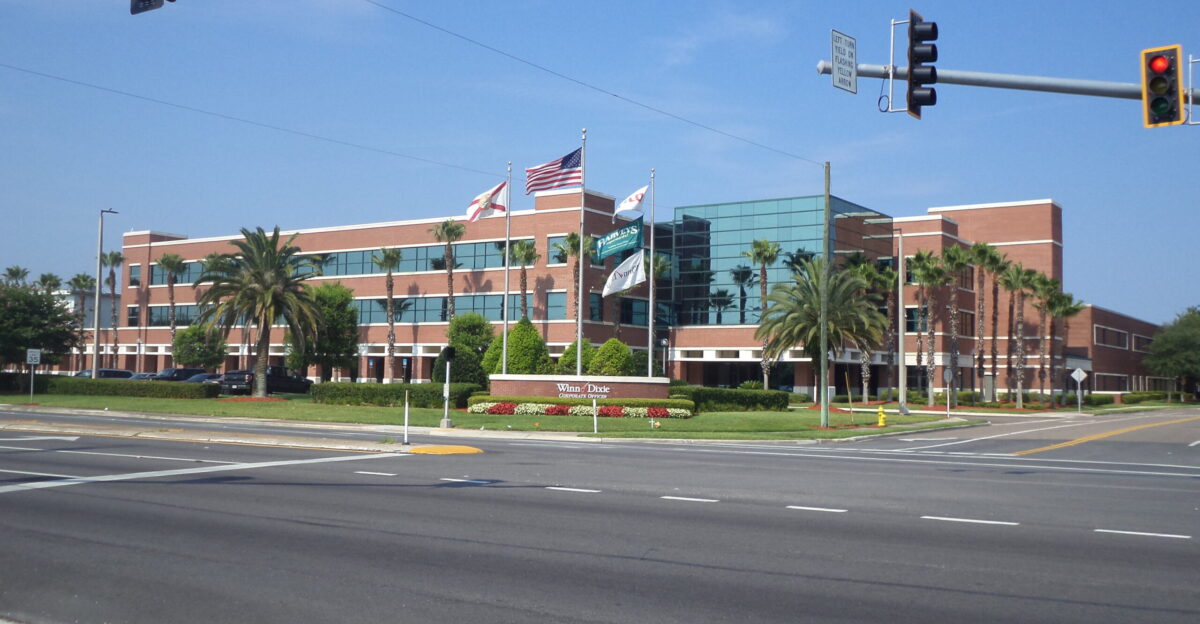
The store’s role extended beyond commerce. It was a gathering place, a source of jobs, and a supporter of local events. “Winn-Dixie has been part of our community for as long as I can remember,” said Baton Rouge city council member James Carter. “Its absence will be felt far beyond the checkout line.”
Mounting Pressures and Corporate Shifts
The grocery industry has become fiercely competitive, with national chains like Walmart and Aldi leveraging scale and efficiency to squeeze regional players. The pandemic accelerated changes in shopping habits, while inflation and rising costs further eroded profits for smaller chains. Winn-Dixie struggled to keep pace, caught between discount giants and specialty stores offering trendier selections.
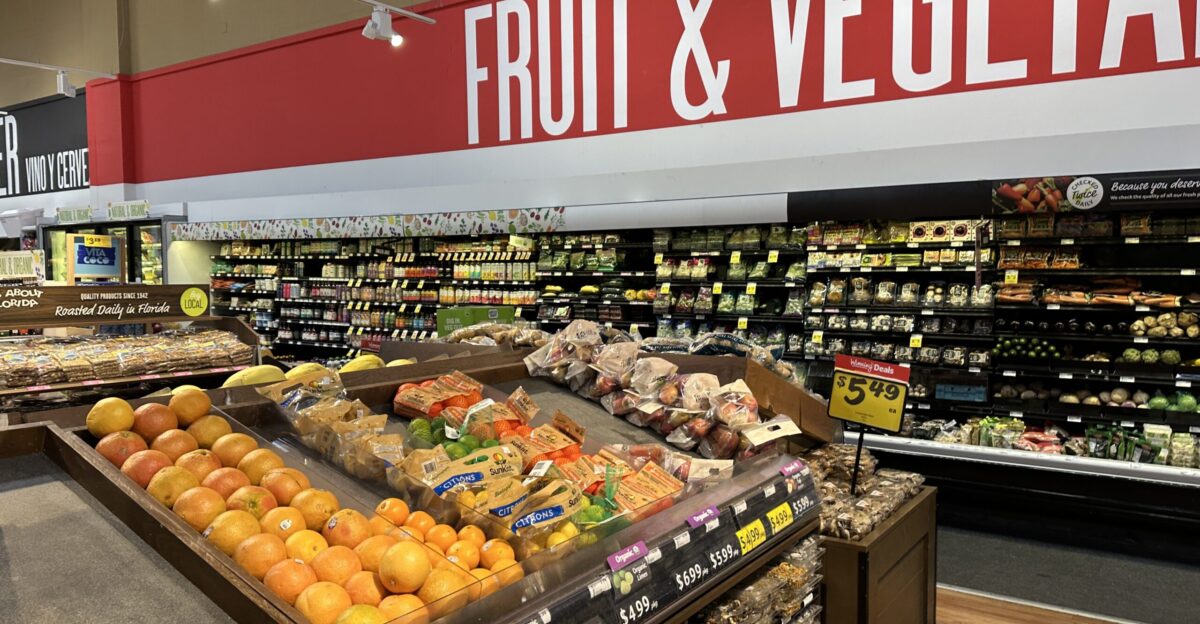
In 2023, Aldi acquired roughly 400 stores in a major U.S. expansion, including several Louisiana locations. Some stores were converted to Aldi’s smaller, streamlined format, but the transition was rocky. Many customers missed the broader selection and local flavor of the original stores. By 2025, Aldi reversed course, selling back around 170 stores to private investors, including Southeastern Grocers’ CEO. A new company, The Winn-Dixie Co., is set to relaunch the brand in early 2026—but not in Louisiana.
Brookshire’s Strategic Expansion
While one regional icon exits, another is quietly expanding. Texas-based Brookshire Grocery Co. has purchased the two Baton Rouge locations, promising to reopen them as Super 1 Foods with updated interiors and expanded selections. Brookshire has a history in Louisiana, having acquired and rebranded eight stores in 2018. The company has pledged to offer jobs to all qualified employees from the Baton Rouge stores, even adding new positions.
However, the fate of the remaining 11 stores—spread across Central Louisiana and the New Orleans metro area—remains uncertain. No buyers have been announced, and employees are left in limbo as the holiday season approaches. “We’re just waiting to hear if we’ll have jobs next month,” said a cashier at a New Orleans location who asked not to be named. “It’s stressful for everyone.”
National Trends and Local Consequences
The upheaval in Louisiana mirrors a broader national trend. Across the U.S., grocery chains are consolidating or retreating to their strongest markets in response to labor shortages, razor-thin margins, and shifting consumer preferences. The rivalry between Aldi and Lidl has redrawn grocery maps in entire regions, and even century-old brands are not immune to rapid change.
Industry experts warn that aggressive retrenchment can backfire. “When a chain pulls out of a market, it loses brand visibility and supplier leverage,” said retail analyst Mark Thompson. “Competitors quickly fill the gap, and it’s hard to regain lost ground.” Southeastern Grocers is now focusing on Florida and southern Georgia, investing in new layouts and digital services, but its absence in Louisiana leaves a vacuum.
The closure of grocery anchors can trigger economic ripple effects—shrinking property tax bases, reducing sales tax revenue, and discouraging new investment. Local officials worry that empty storefronts could lead to strip-mall decay and further isolate vulnerable communities.
Looking Ahead
As Louisiana’s grocery landscape shifts, residents face an uncertain future. Eleven stores remain in limbo, and the prospect of permanent closures raises concerns about food access, jobs, and the vitality of local neighborhoods. The rapid turnover—three different owners in as many years—underscores the volatility of an industry once defined by stability.
For now, the only certainty is change. The disappearance of a familiar grocer marks not just the end of a business, but the unraveling of a shared ritual. As the state waits for answers, the stakes for community life and food security have rarely been higher.