
The United States is facing a new era of tariffs, and the impact is more far-reaching than most realize. According to The New York Times, tariffs introduced in 2025 have pushed the U.S. effective import tax rate to its highest level since 1934, driving up prices on everyday goods.
As Dr. Jan Hatzius, chief economist at Goldman Sachs, notes: “We estimate consumers will soon shoulder nearly two-thirds of all tariff costs.”
Pressure on Pocketbooks
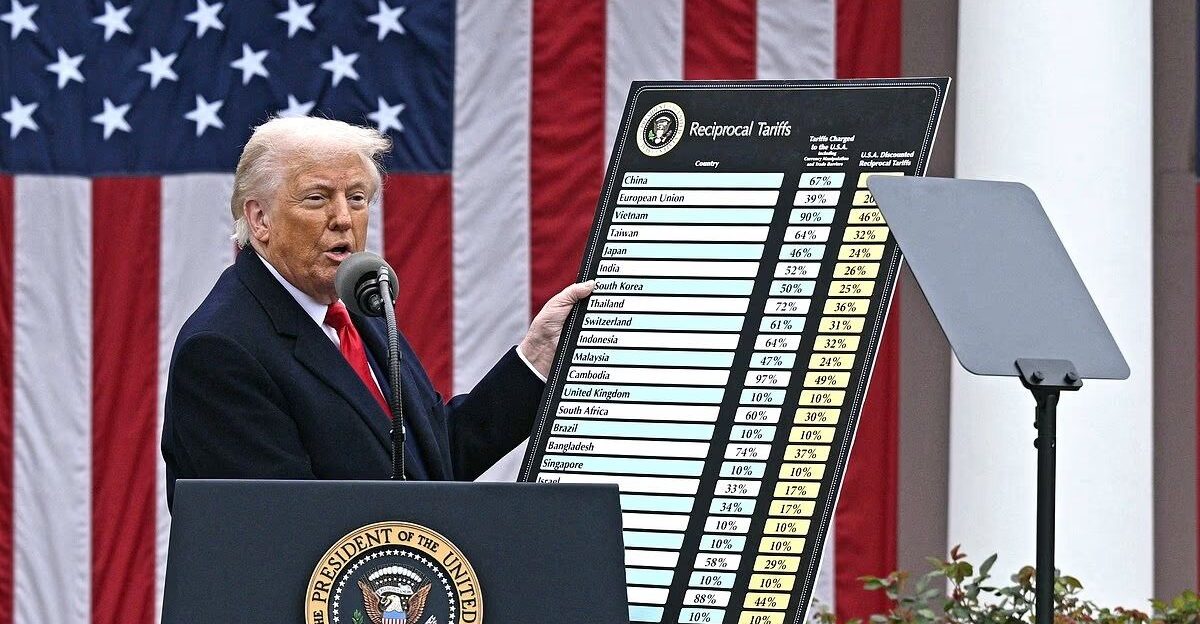
For American households, higher tariffs mean tougher choices at the checkout. The Yale Budget Lab reports an average per-household loss of $2,400 in 2025 dollars due to increased prices on clothing, food, and other essentials.
“These increases are not just statistics; they’re forcing families to rethink even basic purchases,” says Yale economist Claudia Sahm.
Policy Shift: A Brief History
Beginning in April 2025, sweeping tariff increases targeted dozens of U.S. trading partners. As President Trump announced, the goal was to “support American manufacturing and level the playing field.”
However, analysis from the Federal Reserve shows the effects have reached far beyond targeted foreign industries.
Squeezed from All Sides

Retailers initially tried to insulate customers by absorbing as much of the tariff costs as possible. But as inventories drain and input costs soar, big chains and small businesses alike are warning that further price hikes are unavoidable. “Margins can only take so much,” warns Walmart CFO John David Rainey.
The Central Fact: Americans Shoulder 75%

Goldman Sachs confirms most tariff costs now fall directly on Americans. By October 2025, U.S. households and businesses are expected to absorb nearly 75% of all new duties, with foreign exporters carrying only a minor share.
As Hatzius explains: “Consumers will bear two-thirds or more of the burden as these tariffs ripple through supply chains.”
City-by-City Impact

Major U.S. cities like New York, Los Angeles, and Houston, where import reliance is highest, are among the hardest hit.
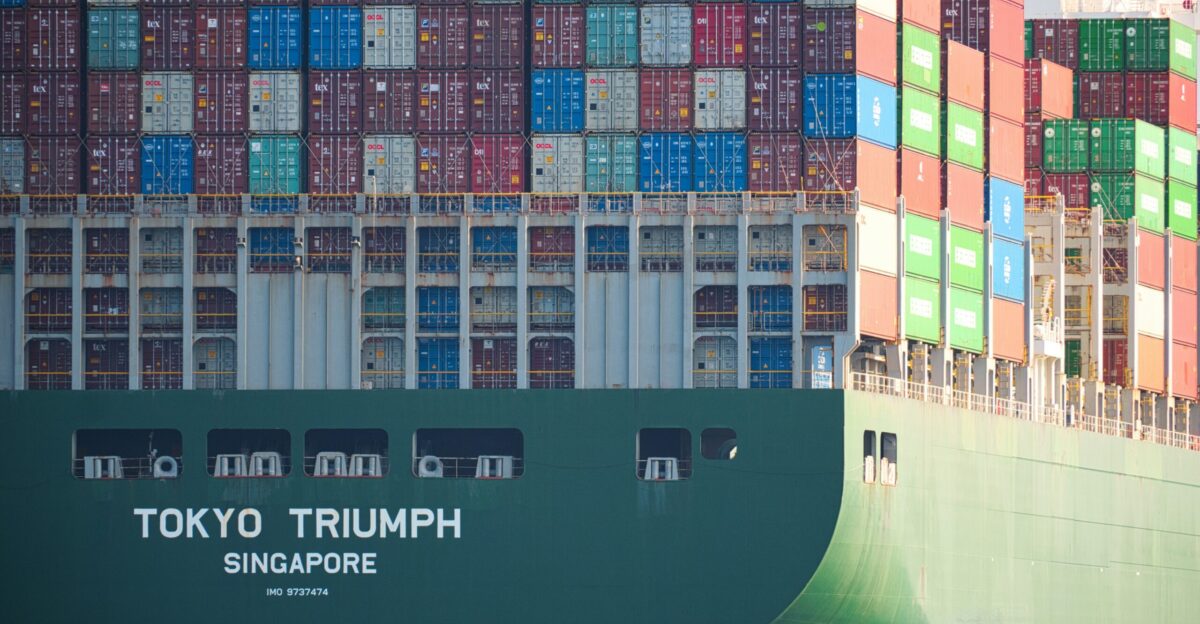
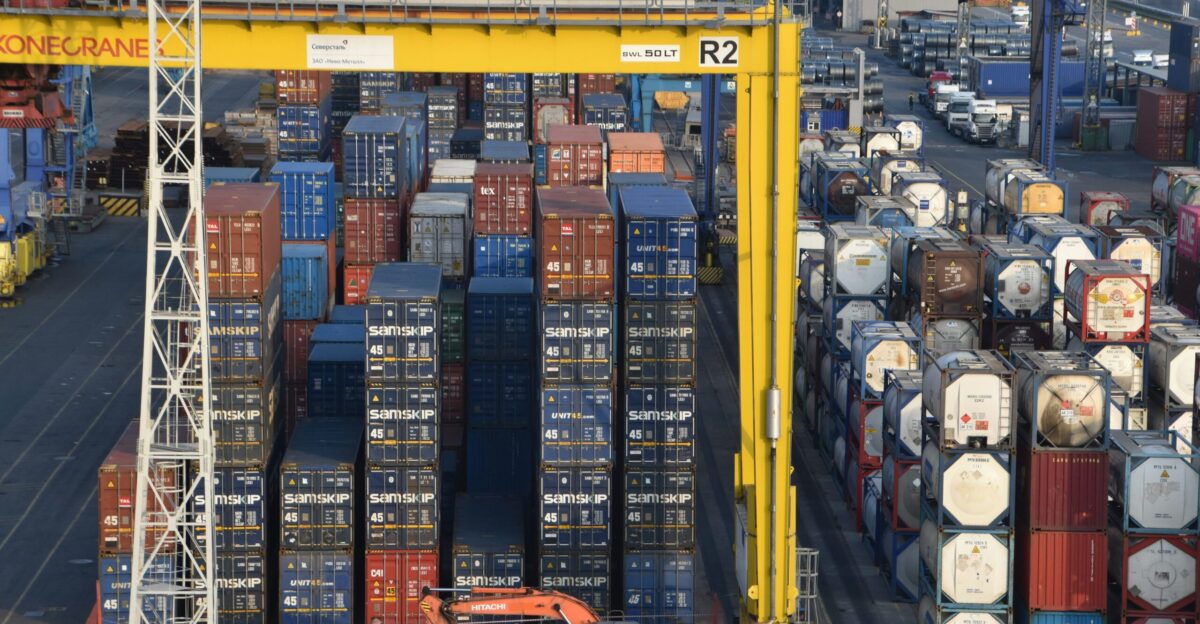
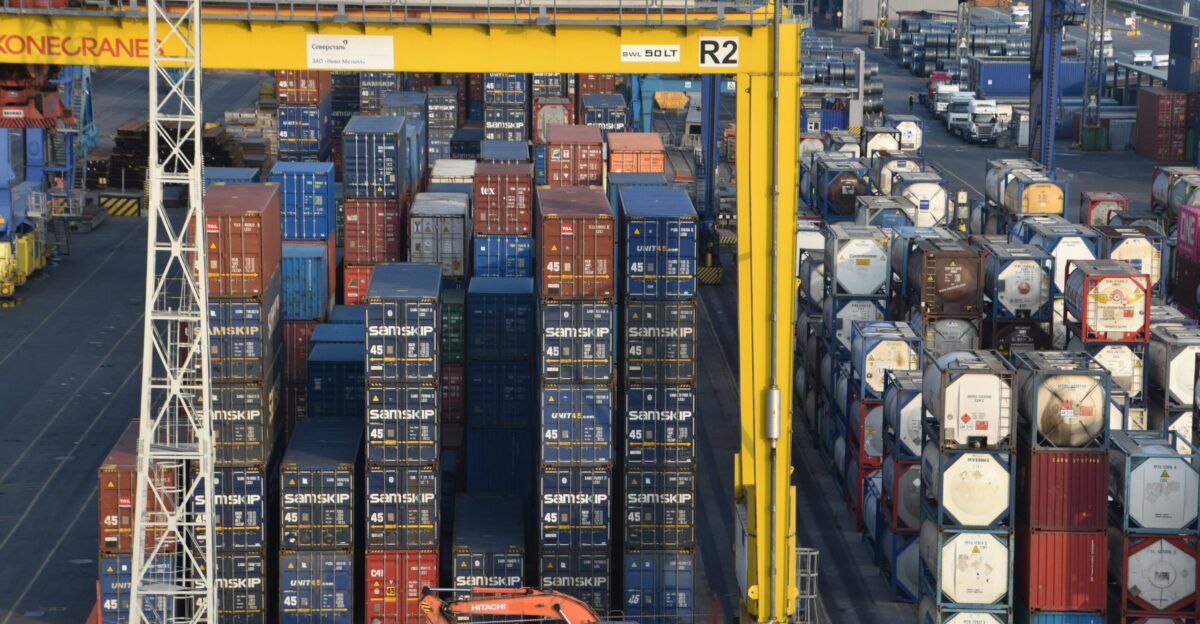
Local port officials report sharp increases in container costs, driving up the prices of both raw materials and finished goods. As import costs surge, Metro economies feel the squeeze.
Families Under Strain

“We’re starting to see fewer bulk purchases and more bargain hunting,” notes Target regional manager Alicia Reyes.
Squeezed by rising grocery and apparel prices, many families are shifting to lower-cost brands or postponing major buys. Retailers acknowledge a clear “change in shopping habits” across income levels.
Supply Chain Adaptation
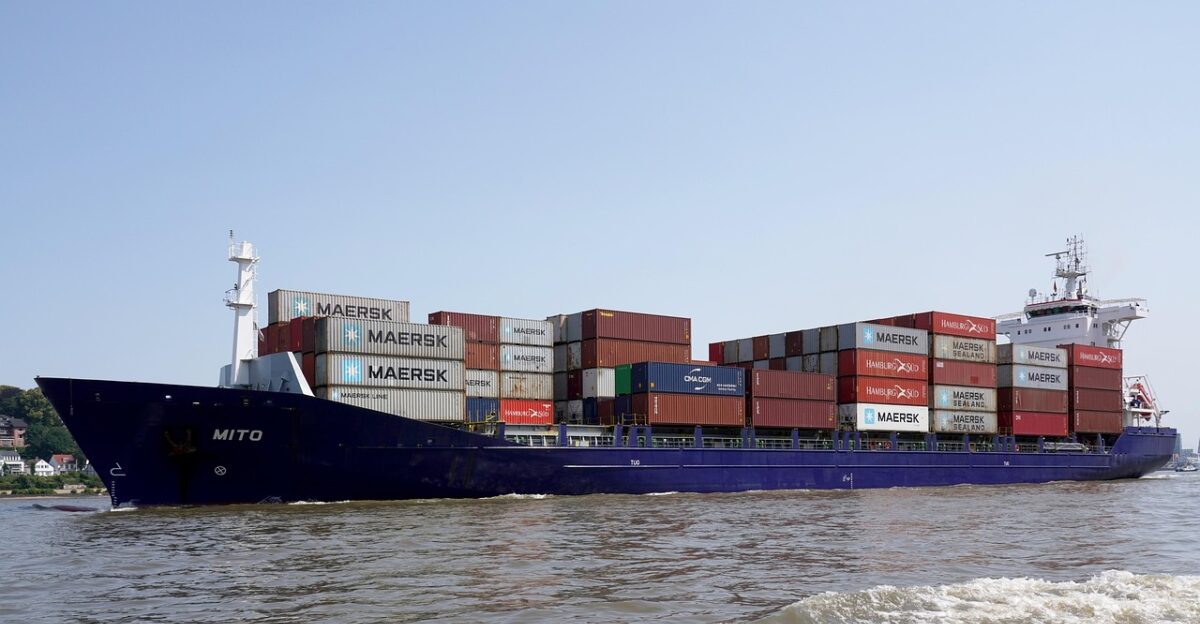
Companies like Home Depot and Best Buy are actively scouting new overseas suppliers and renegotiating contracts to blunt higher duties.
Still, as J.P. Morgan analysts warn, “Few supply chain fixes allow full avoidance of tariffs—cost pressures will persist for most finished goods.”
Price Pressure Nationwide

The Consumer Price Index for July surged, driven in part by the latest tariffs. According to the Bureau of Labor Statistics, prices for apparel climbed 38%, shoes 40%, and cars nearly $6,000 more on average.
As expert Dr. Shikha Jain explains, “Inflation is hitting hardest on necessities, with consumers turning to credit to cope.”
Collateral Damage
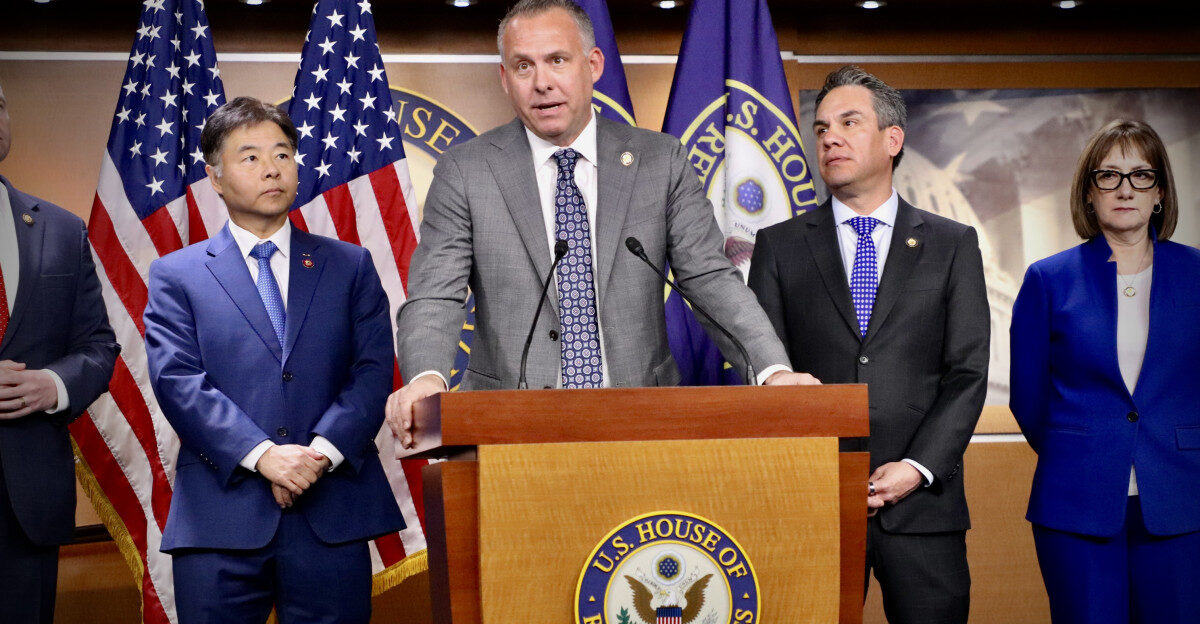
Beyond goods, rising tariffs are eroding wage gains and job growth. The Budget Lab estimates that U.S. real GDP growth is down 0.5 percentage points, and payroll employment is 505,000 lower than it would otherwise be. “Tariff costs go deeper than prices—they are a drag on jobs across sectors,” says Claudia Sahm.
Business Frustration Peaks
Manufacturers and retailers voice mounting frustration. “We’ve absorbed all we can,” says Mark Bitzer, CEO of Whirlpool.
“If these tariffs continue, we’ll have to cut back on hiring and investment.” Other executives echo the theme—long-term uncertainty is upending business planning across industries.
Leadership Reacts
Some companies put tariff surcharges directly onto invoices, drawing public complaints. Others, such as Adidas and Hasbro, try to quietly phase prices up.
“It’s a delicate balance between sustaining profit margins and retaining loyal customers,” admits Adidas North America president Zion Armstrong.
Searching for Solutions

Retailers and manufacturers are pursuing inventive strategies: bundling products, launching “Made in America” campaigns, or trimming lower-margin items.
However, experts like Olu Sonola of Fitch warn, “These measures soften, but don’t erase, the hit from sustained tariffs.”
Experts Sound Alarms
A broad consensus is emerging among economists that the tariffs’ inflationary effects are likely to persist. “Price indexes for consumer goods are showing their largest jump in years,” writes Goldman Sachs’ David Mericle. Skeptics argue companies will, over time, pass more costs to shoppers.
Looking Ahead

As key shopping seasons approach, the full impact of new tariffs will test consumer resilience and reframe choices for both families and policy makers.
Dr. Sahm notes: “We’re entering uncharted territory—how much more will households be able, or willing, to absorb?”
Policy and Political Repercussions

The Federal Reserve faces mounting pressure to balance inflation concerns with growth risks as tariff effects intensify.
At a recent conference, Governor Christopher Waller stated, “We are closely monitoring price effects as companies and consumers feel the brunt of new duties.”
Global Countermeasures

Foreign governments from China to the EU have retaliated with tariffs on U.S. exports or sought out new trade pacts.
American manufacturers now face costlier, less reliable access to international markets, advancing global uncertainty.
Legal and Environmental Squeeze

Some U.S. businesses have sought legal exemptions or reclassified products to dodge higher duties. Others slash product ranges or delay eco-friendly investments as profit margins thin, igniting new debates over compliance and sustainability.
Burden Falls Unevenly
The tariffs hit lower- and middle-income Americans hardest, according to Morningstar analysis. “These are regressive policies—poorer families pay a bigger share of their incomes for basics,” says Wayne Winegarden of the Pacific Research Institute. Demand for relief and reform is growing.
Why It Matters
The 2025 tariff wave is a pivotal moment in U.S. economic policy. Americans—not foreign nations—are picking up the largest share of costs.
As Dr. Hatzius observes, “It’s now clear that protectionist trade tools, while politically potent, come with real, measurable costs for U.S. families.” The national debate on tariffs is only beginning.