
Layoff notices began arriving in early September 2025 as one of America’s largest oil producers announced plans to cut up to 3,250 jobs in a sweeping cost reduction effort targeting more than $1 billion in savings.
CEO Ryan Lance communicated directly to employees through a video message on September 9, emphasizing the urgent need to reduce roles due to rising controllable costs that threaten the company’s competitiveness. “We need fewer roles… Controllable costs have increased, putting us at a competitive disadvantage,” Lance said.
As notices spread from Alaska’s North Slope to Houston, questions mount about how these unprecedented cuts will affect workers and energy communities across the country.
Thousands Face Job Uncertainty

Up to 25% of a 13,000-strong workforce now faces layoffs, resulting in approximately 3,250 potential job losses. These cuts are unfolding amid ongoing oil market volatility, with reductions expected to stretch through the end of 2025.
Even profitable firms are tightening belts as falling oil prices and rising input costs heighten pressure, escalating fears over major employment disruptions across the sector.
Alaska’s North Slope First To Feel Heat
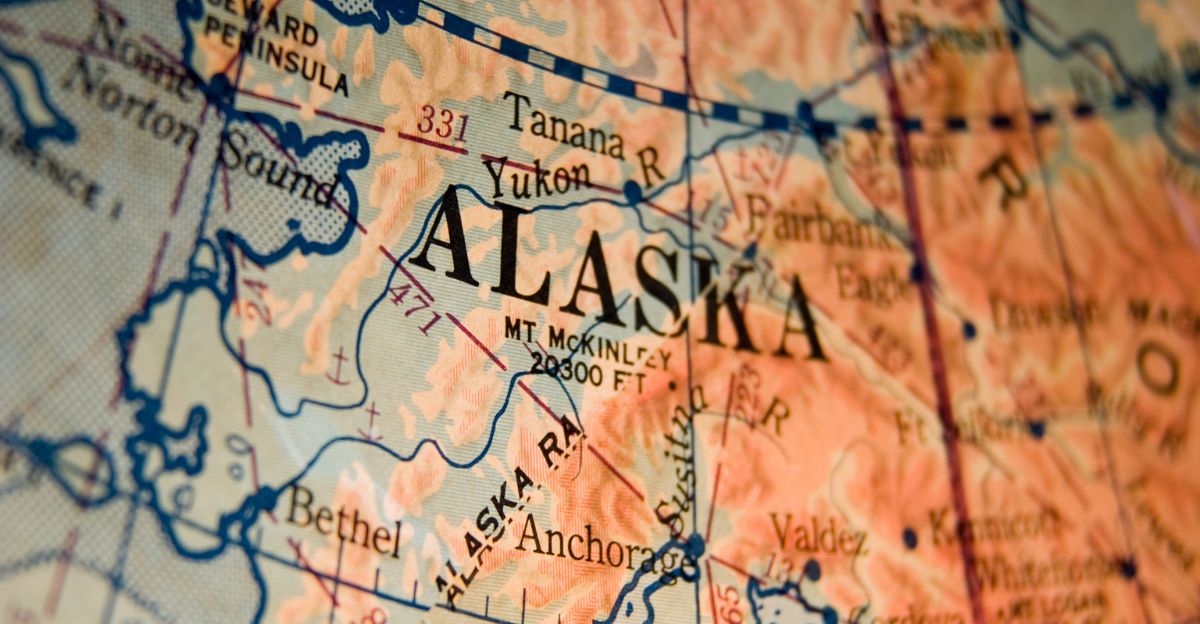
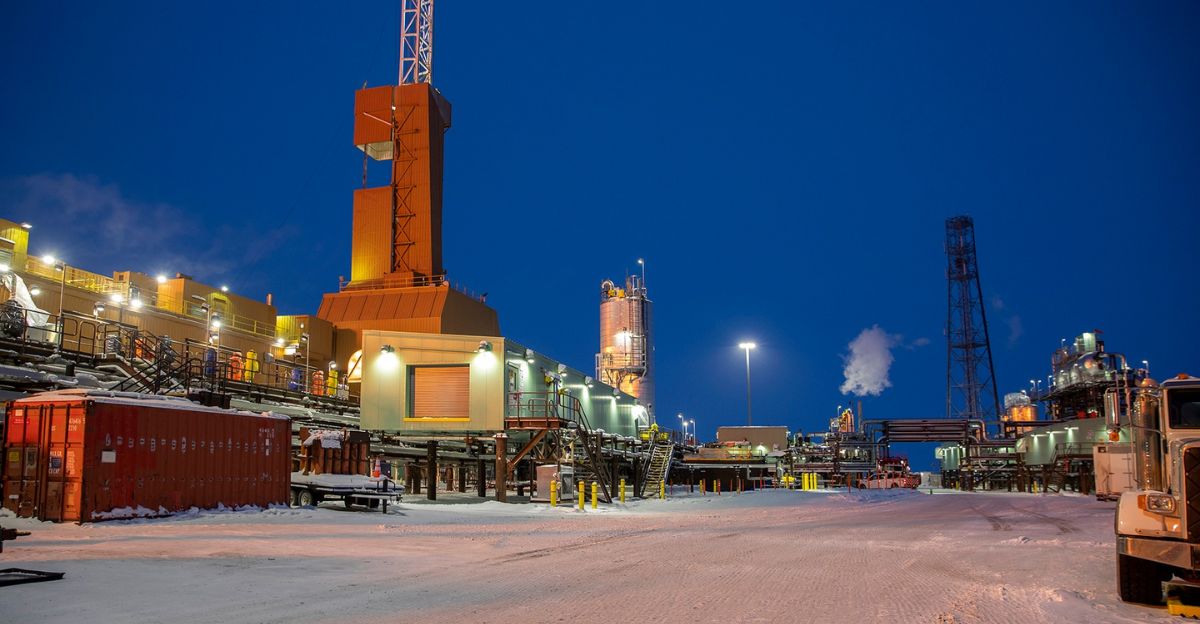
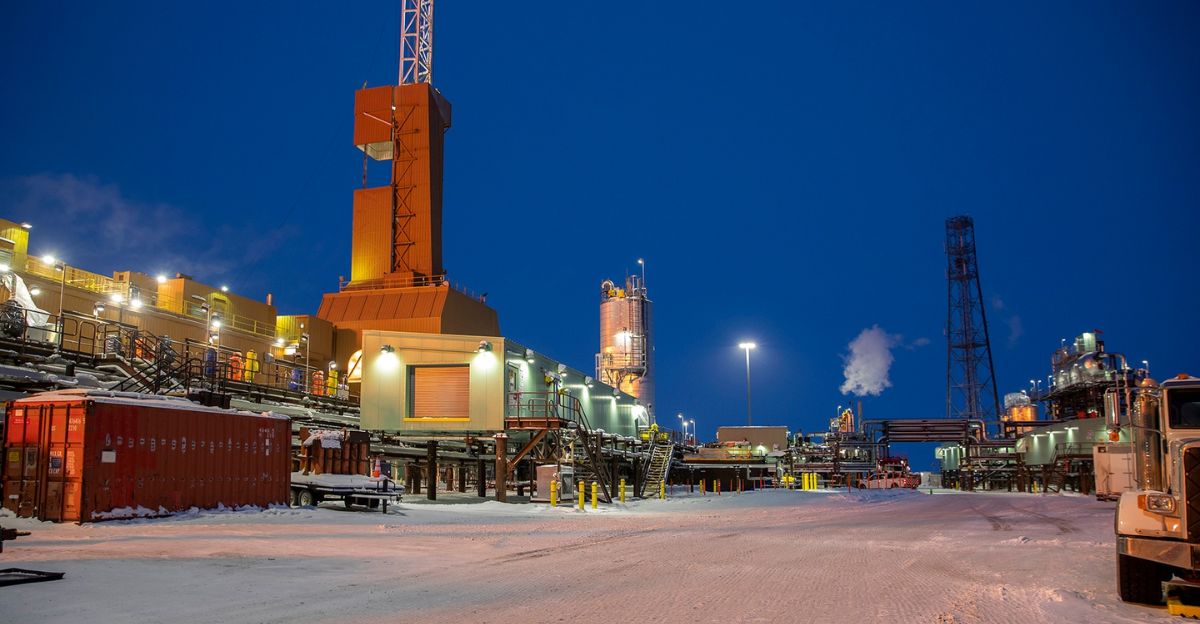
The initial layoffs hit Alaska’s North Slope, home to about 1,000 workers engaged in drilling, production, and support roles. Company spokeswoman Rebecca Boys confirmed that layoff notices have been dispatched, but withheld exact figures, which increases uncertainty for the region.
If the full reduction applies here, up to 250 jobs could vanish, devastating a community heavily reliant on oil sector employment.
Largest Cut in Over Ten Years

This marks the company’s most significant workforce reduction in over a decade, underscoring severe market challenges fueled by volatile global oil prices. To date, no federal WARN Act notice has been filed, causing lingering uncertainty among employees.
Industry watchers perceive this as a possible early indicator of similar widescale layoffs spreading through the U.S. oil industry.
ConocoPhillips Unveiled As Cutback Leader

ConocoPhillips, America’s third-largest oil producer, disclosed plans to eliminate 20%–25% of its staff, targeting up to 3,250 layoffs to save more than $1 billion by the end of 2025. CEO Ryan Lance framed this as a “decisive shift” to counterbalance the $22 billion Marathon Oil acquisition and offset margin pressures from falling crude prices.
This drastic action startled observers, signaling that even heavyweight companies are compelled to streamline amid market uncertainty.
Families Brace For Economic Fallout

In oil-dependent areas, especially Alaska, families face mounting anxiety as job losses threaten community stability. Severance and transition aid are offered, but new employment opportunities remain scarce in harsh winter conditions.
Kari Johnson from Fairbanks lamented to KTUU Alaska News, “Many of us depend on oil companies for everything—the schools, stores, even the hospital rely on this payroll. It’s scary not knowing what comes next.”
Broader Ripples Through Oil Country

Houston, hosting ConocoPhillips’ main operations, anticipates economic aftershocks impacting real estate, retail, and local businesses tied to oil spending. Energy analyst Jaime Rodarte noted, “When ConocoPhillips shrinks, every contractor and supplier in Houston takes notice.”
Other energy firms are carefully reviewing their workforce plans, wary of a potential domino effect across the sector.
Underlying Market Pressures Explained

Layoffs stem from a roughly 12% year-to-date drop in crude prices and persistent inflation-driven input costs, including supply chain bottlenecks and tariffs. Despite firm demand, these factors squeeze margins, pushing firms toward aggressive cost-cutting.
Operational efficiency now eclipses growth ambitions as companies restructure to sustain investor returns amid a turbulent environment.
Industry Experts Signal Fundamental Shift
Michael Alfaro, CIO of Gallo Partners, described the cuts as “radical,” stating, “Cutting 25% of your workforce isn’t fine-tuning—it’s radical. It signals fundamental change.” Other oil giants watch closely, considering similar prudence if price and regulatory challenges persist.
This could herald a deeper transformation in the U.S. oil sector’s structure and employment landscape.
Beyond Layoffs: Facility Closures Loom

ConocoPhillips plans to reach its $1 billion savings not just through staff cuts but also via consolidating facilities and delaying projects in underperforming areas. Analysts warn critical functions like remote site support and drilling operations may face reductions, amplifying local economic hardship.
This broad strategy hints at more extensive disruption than initially visible.
Leadership Navigates Turbulence

CEO Ryan Lance and his team face intense pressure managing the company’s largest restructuring while seeking to sustain morale. Frequent town halls and updates aim to provide transparency as staff await details on specific cuts.
CFO William Bullock insisted to Financial Times, “We believe these changes are essential for ConocoPhillips’ continued leadership in U.S. energy,” underscoring the strategic priority of these moves.
Investor Optimism Tempered By Risks
Wall Street reacted moderately positively, with shares edging higher on expectations for better cost control. Yet some investors warn about risks to operations and loss of key talent.
Barclays strategist Amrita Sen said to Bloomberg, “Shareholder value means making tough choices, especially in a volatile market. But there’s real risk if talent and institutional knowledge go out the door all at once.”
Unions Demand Accountability
Labor groups have criticized the layoffs, pressing for clearer severance terms and retraining support. The United Steelworkers union pledged to advocate for members’ rights during the transition.
USW Local 4959 President John Murdock told The Anchorage Daily News, “Our priority is to support every member through this transition and hold ConocoPhillips accountable to its severance policies.”
Industry Watchers Anticipate Broader Cuts

ExxonMobil, Chevron, and BP signal cautious approaches but consider similar actions if market conditions worsen. Service firms like Halliburton reported workforce cuts exceeding 40% in some divisions, indicating systemic risks.
These trends raise the prospect of a sector-wide wave of job losses as companies race for operational efficiencies.
The Future of Energy Jobs at Stake
Analysts debate whether reductions represent temporary reaction to 2025 price slumps or signal permanent leaner, tech-driven employment models.
Alan Armstrong of Wood Mackenzie remarked, “The oil workforce is shrinking because technology enables it—and investor expectations demand it,” highlighting structural changes ahead.
Alaska’s Economy Confronts Dire Straits
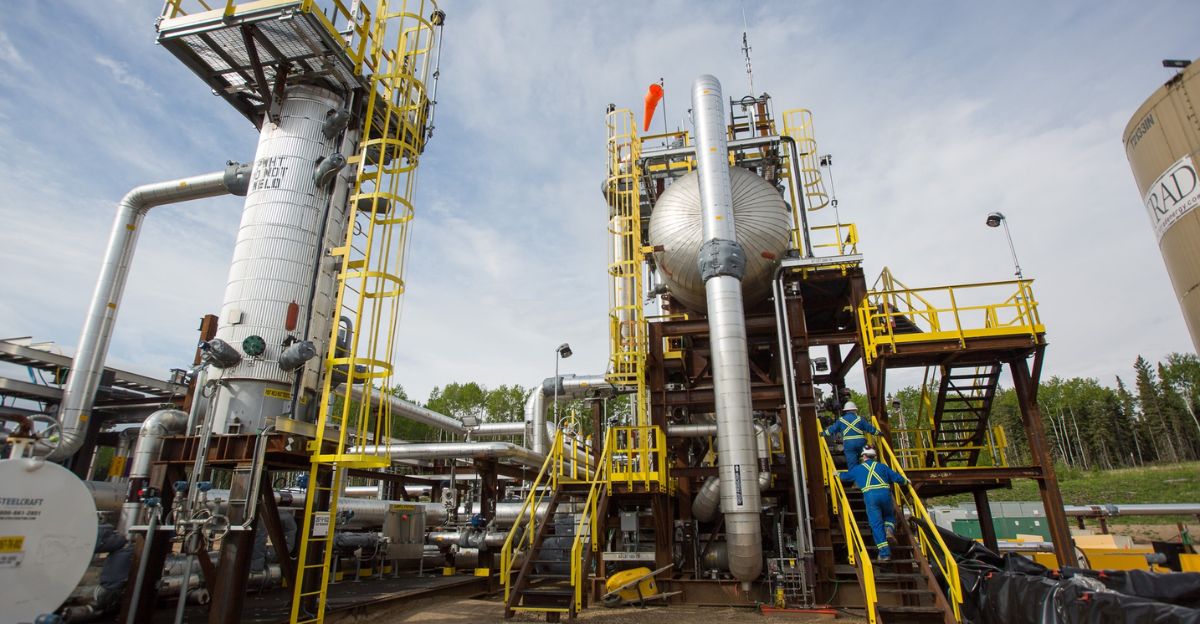
Oil revenues fund more than 80% of Alaska’s unrestricted state revenue, making workforce cuts especially damaging. Reduced local spending threatens schools, public services, and housing markets.
State Budget Director Pat Pitney said to Anchorage Daily News, “Every time there’s a major oil layoff, ripple effects hit housing, schools, and local shops,” spotlighting community vulnerabilities.
Renewables Shape Oil Industry Strategies

The accelerating shift to renewables and climate policies drives companies to rethink workforce scale and focus. ConocoPhillips and peers adapt not only to market cycles but also to longer-term energy transition realities.
Amy Myers Jaffe, energy policy expert, wrote in The Wall Street Journal, “Oil’s future is uncertain—we’re seeing companies right-size not just for today’s market, but for what’s coming with global energy transition.”
Lawmakers Lobby For Industry Stability
Alaska’s senators, including Lisa Murkowski and Dan Sullivan, called for federal aid and stable policies to mitigate regulatory uncertainty worsening industry challenges.
Senator Murkowski stated during a Senate hearing, “Stable, predictable policies would help companies invest, and help Alaskans keep good jobs,” as political debates intensify in oil-producing states.
Workers Adapt to New Realities

Displaced workers increasingly pivot to retraining programs, technical education, and renewable energy careers. Rising enrollment in Alaska and Texas technical schools reflects shifting workforce dynamics.
Cynthia Warren, Houston Community College Energy Institute director, told Houston Chronicle, “It’s a tough transition, but we’re seeing growing interest in energy tech and alternative careers.”
Layoffs Signal Industry’s New Normal

ConocoPhillips’ job cuts may signal more than cyclical belt-tightening; they could reflect structural changes reshaping the energy sector’s future. How companies navigate these shifts will impact not just profits—but whole communities and the national energy landscape.
This restructuring wave demands close attention as America’s energy economy seeks a path forward