
As the opening bell sounded on October 6, 2025, tens of thousands of retail investors scrambled in vain to access their accounts on America’s largest trading platform, now locked tight amid a sudden outage.
The rapid surge in trading demand, fueled by Advanced Micro Devices’ 23.7% jump following its OpenAI chip deal announcement, overwhelmed platform’s infrastructure, freezing between $210 million and $525 million in user assets.
“The timing could not have been worse,” said analyst Jordan Michaelides. With login and trading functions offline during one of the year’s most volatile mornings, investors faced frustration and uncertainty as social media exploded with complaints and concerns. How will this outage reshape confidence in digital retail trading platforms?
Half a Billion in Assets Frozen

Preliminary estimates indicate that between $210 million and $525 million in user assets were inaccessible during the outage. Between 20,000 and 50,000 accounts faced disruption amid peak volatility, stranding significant retail capital.
This scale suggests a failure beyond a typical glitch, exposing vulnerabilities in modern retail brokerage platforms during turbulent trading periods.
Outage Trackers Light Up Red

At market open, DownDetector recorded over 11,000 complaints, marking an intense outage during the busiest trading minutes. Social media channels erupted with real-time reports, recalling the platform’s notorious failure in March 2020.
Such widespread disruption at peak hours highlights systemic fragility and user vulnerability.
Robinhood’s Billion-Dollar Breakdown

Robinhood Markets (NASDAQ: HOOD) was the platform behind the October 6 meltdown, blocking login and trading functionality for hours. With 26.5 million users and $279 billion in platform assets, Robinhood confirmed it faced a near-repeat of its infamous March 2020 outage.
This failure underlines the ongoing challenges facing even the largest retail trading platforms.
Traders Trapped as Markets Explode
Retail investors watched potential profits on AMD’s surge evaporate helplessly. User @SexyStockSlayer posted: “Can’t log in, can’t trade, can’t even see my balance,” encapsulating widespread frustration during this critical window.
Many reported attempts to place orders exceeding 50 times without success, underscoring the financial impact of the outage.
The Democratization Promise Breaks Down
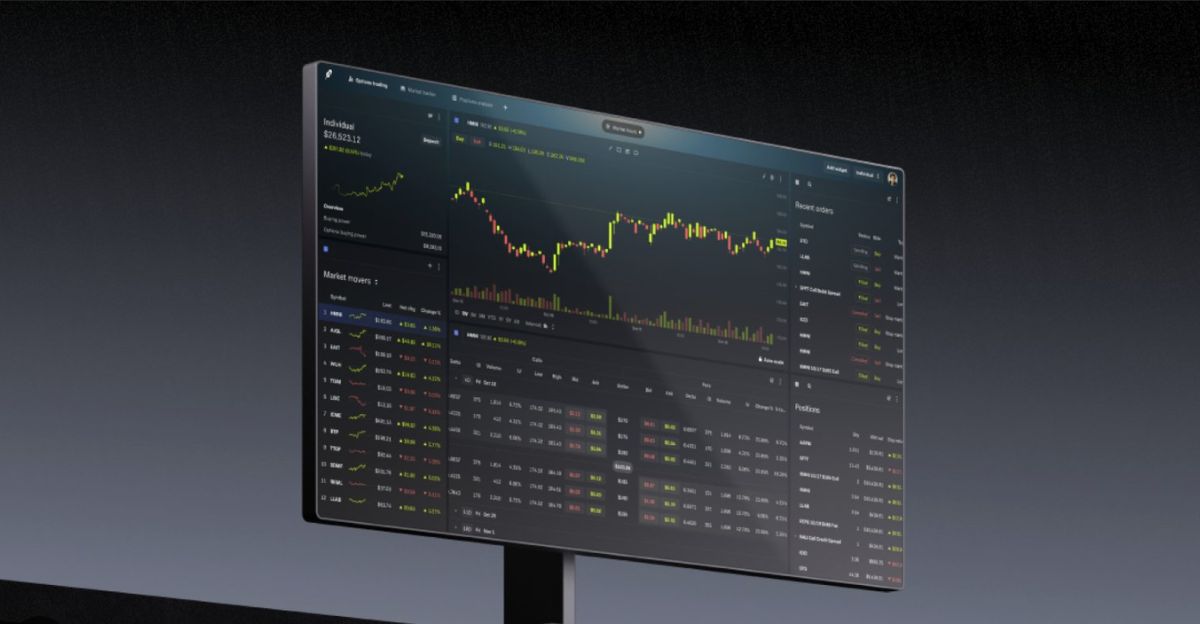
Robinhood’s founding mission to democratize finance seemed to unravel when investors needed access most. Fintech researcher Keri Gohman stated, “As a financial services firm, platform reliability isn’t optional—it’s the core product.”
The outage disproportionately affected retail investors, undermining trust in a platform built around accessibility.
Crypto Trading Tools Launch Amid Chaos

The timing of Robinhood’s recent expansion into crypto trading added another layer of strain. Bitcoin’s surge coincided with the rollout of new digital asset tools, compounding pressure on already fragile infrastructure.
This ambitious pivot into cryptocurrency markets exposed deeper operational risks as user demand soared.
Market Makers and Clearing Risks Exposed

Concerns emerged about clearing and market-making vulnerabilities amid the outage. Robinhood’s reliance on Apex Clearing raised questions about contagion risks and potential manipulation during high-volume periods.
Tyler Gellasch, a market structure expert, warned, “Failures in clearing processes during high-volume periods threaten systemic trust.”
AMD’s OpenAI Deal Triggers Perfect Storm

AMD’s 23.7% surge, driven by its major OpenAI chip partnership announcement, overwhelmed Robinhood’s systems. This combination of AI-driven hype, semiconductor enthusiasm, and retail FOMO created unprecedented volume the platform couldn’t handle.
The spike tested Robinhood’s infrastructure limits, triggering the service collapse.
Status Page Shows ‘No Incidents’

Despite mounting complaints, Robinhood’s status page maintained “No incidents reported,” deepening user frustration and confusion. Maria Alvarez tweeted, “We’re getting left in the dark while our money’s frozen,” reflecting widespread anger over lack of transparency.
This mismatch highlighted a significant communication failure during crisis management.
March 2020 Déjà Vu Strikes Again

This outage echoed Robinhood’s March 2, 2020 crash, when users were similarly locked out during historic market volatility. Market historian Dave Lauer noted, “The fact we’ve seen this pattern in multiple crises raises real questions.”
Recurring failures during peak stress periods erode confidence in platform stability.
Company Silence Fuels User Anger

Robinhood issued no official statements within 24 hours of the outage, fueling outrage on social media. User @DividendDan tweeted, “We deserve straight answers. Every other platform with issues at least acknowledges them.”
The silence contrasted starkly with industry best practices for crisis communication.
Recovery Attempts Fall Short

Partial access returned sporadically late on October 6, but users reported persistent disruptions into the next trading day. Susan C. shared, “Still can’t access core functions. Two days later and the issues aren’t fully resolved.”
Prolonged instability exacerbated financial loss and user distrust.
The $279 Billion Question

With nearly $300 billion in user assets affected, platform outages pose systemic risks. Academic Shon Hiatt observed, “A single platform outage of this magnitude has implications for liquidity, price discovery, and public market confidence.”
The scale of stranded assets intensifies financial market vulnerability during crises.
When ‘Democratized Finance’ Goes Dark

Repeated infrastructure failures threaten the promise of accessible, technology-driven investing. Whether platforms like Robinhood can restore reliability will shape the future of retail finance.
For many investors, trust in digital brokerages has never been more fragile.