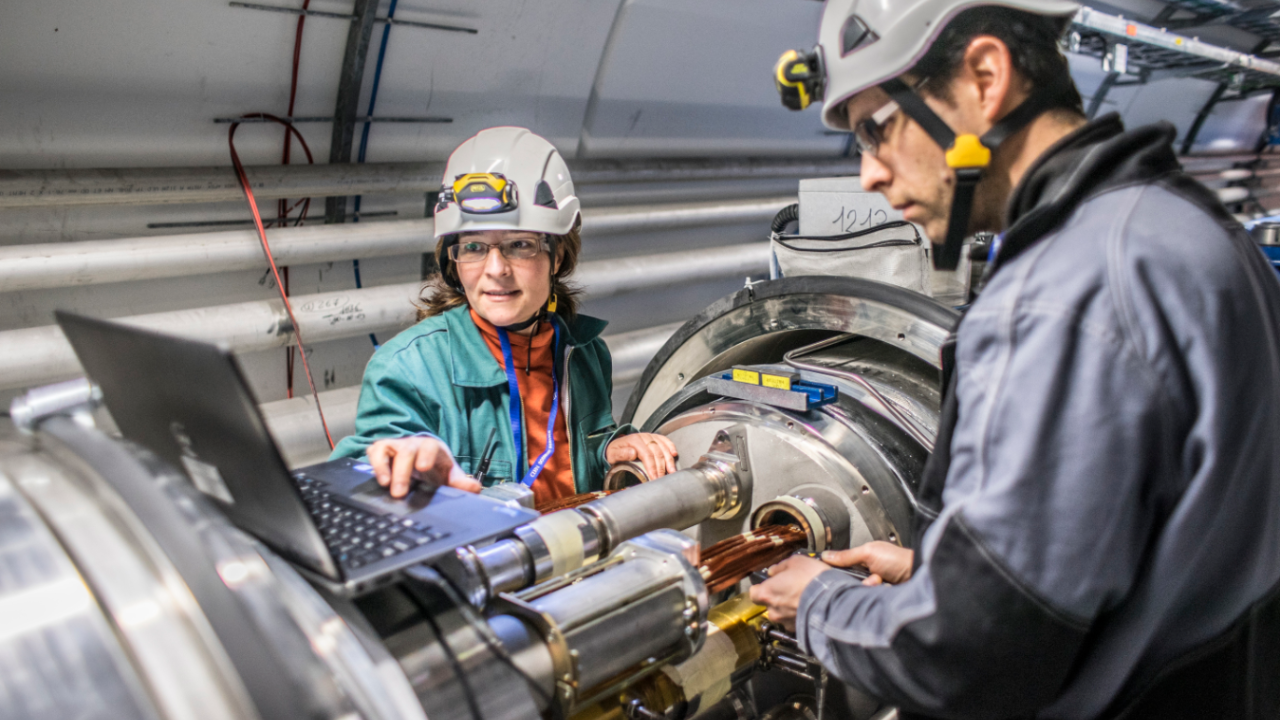
In September 2024, scientists at CERN published a historic finding that could change how we understand the universe. For the first time ever, they detected quantum entanglement in top quarks, some of nature’s heaviest particles, at record-breaking energy levels. The discovery, confirmed by both the ATLAS and CMS teams, underwent rigorous internal verification before being announced to the world.
It marked a milestone not just for physics but for the future of quantum technology. Researchers now face the challenge of explaining how entanglement, where two particles share a mysterious connection across space, can appear under such extreme conditions. This finding opens a new frontier in quantum science, one that could help connect the physics of the smallest particles with the quantum computing of tomorrow.
Record Shattered
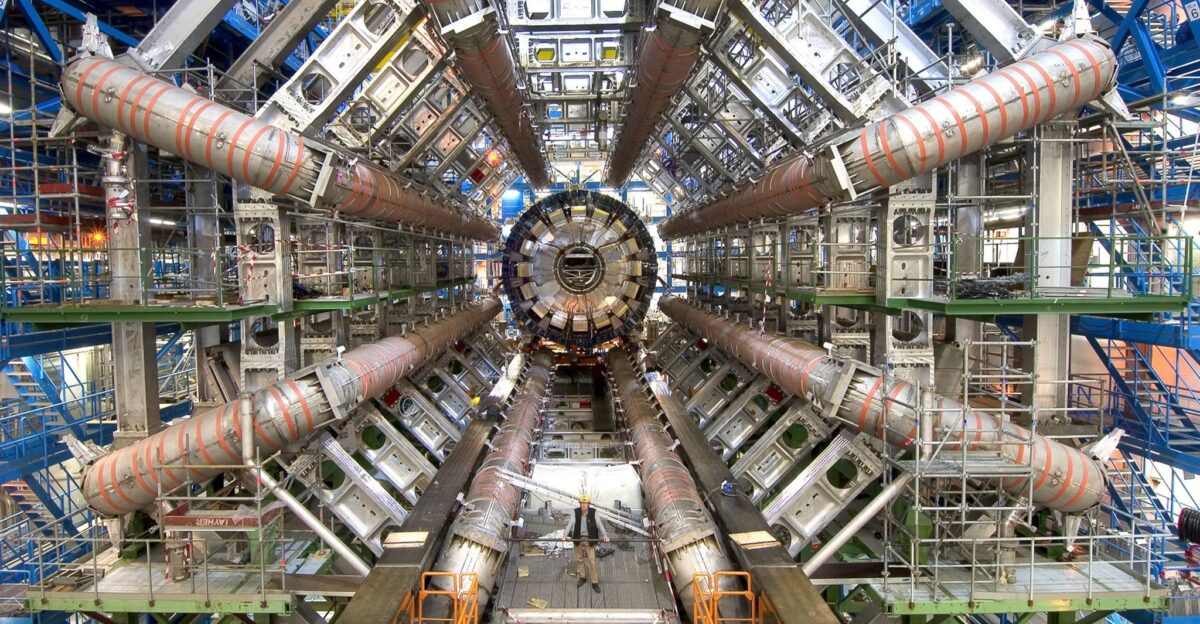
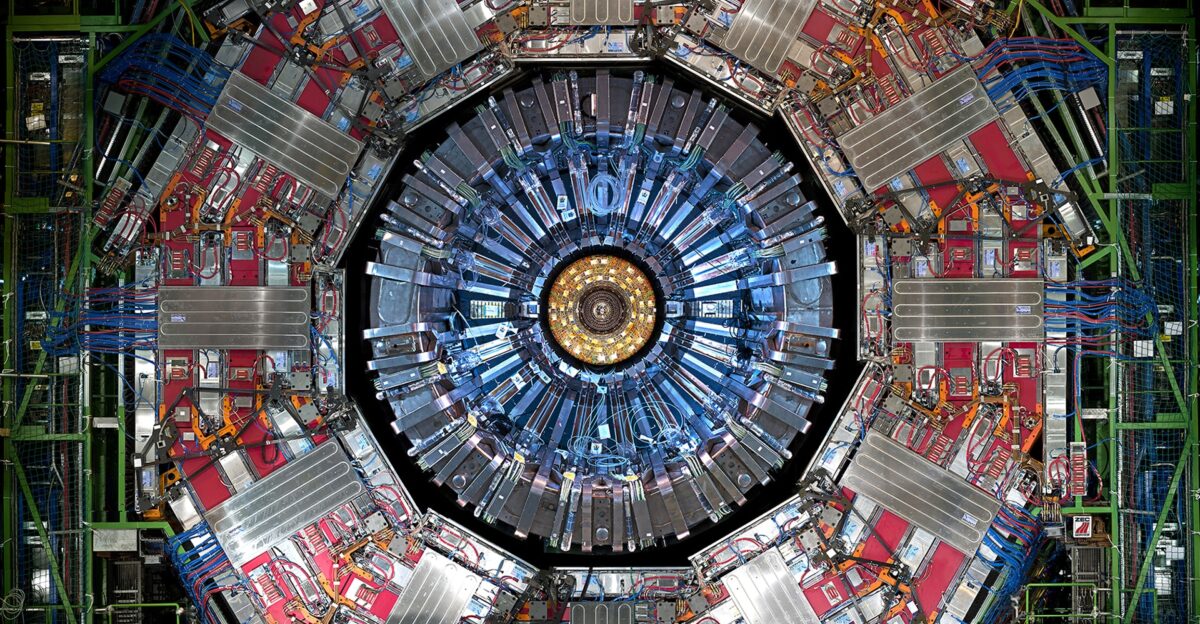
The Large Hadron Collider (LHC) broke all previous scientific records when it confirmed quantum entanglement at unprecedented energy levels. The ATLAS and CMS detectors captured this result at five standard deviations, a statistical gold standard, meaning the chances of error were less than one in a million.
This accomplishment not only set a new record but also raised questions about what these results mean for quantum mechanics and future computational technology. The discovery challenges scientists to rethink what is possible when quantum particles interact at the highest energies ever achieved on Earth. This breakthrough may lead to the reimagining of how quantum information systems are built, potentially influencing everything from artificial intelligence to encryption.
Collider Milestones
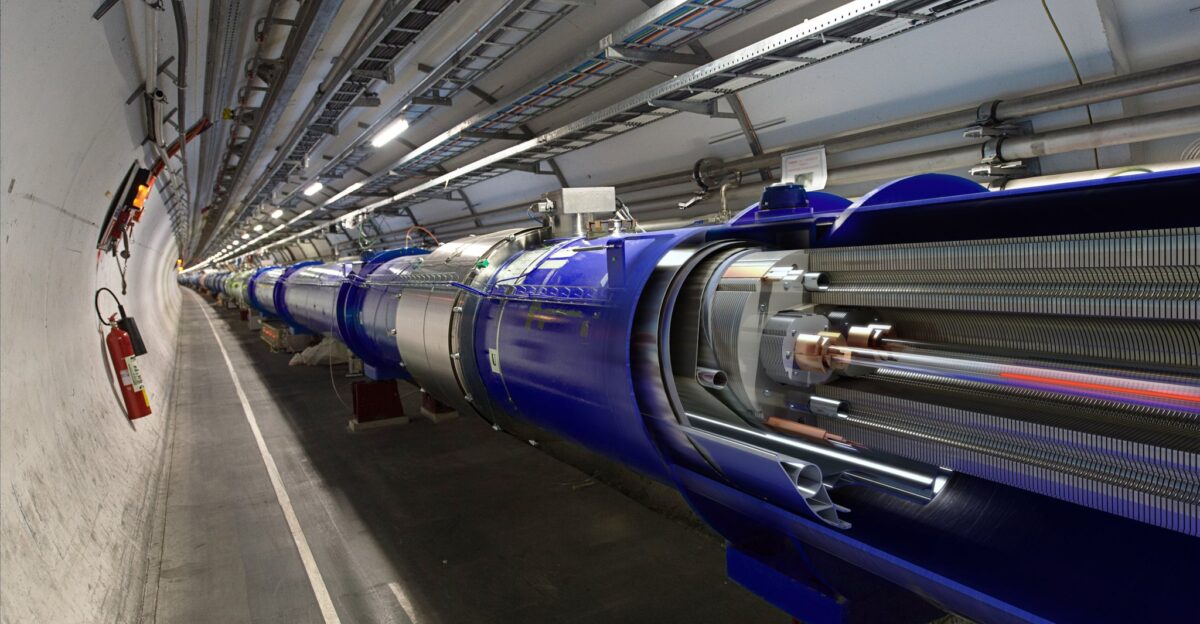
Since the LHC began operation in 2010, it has been humanity’s most powerful microscope into the universe’s tiniest building blocks. From confirming the Higgs boson in 2012 to discovering rare particle decays, each step has brought us closer to understanding the quantum world. In 2024, the collider achieved a record integrated luminosity, meaning it collected more data than ever before.
This wealth of information enabled scientists to finally detect entanglement between top quarks, something long considered nearly impossible. This success is built upon decades of progress, technical upgrades, and global cooperation that continue to drive innovation in both experimental physics and engineering.
Pressure to Verify
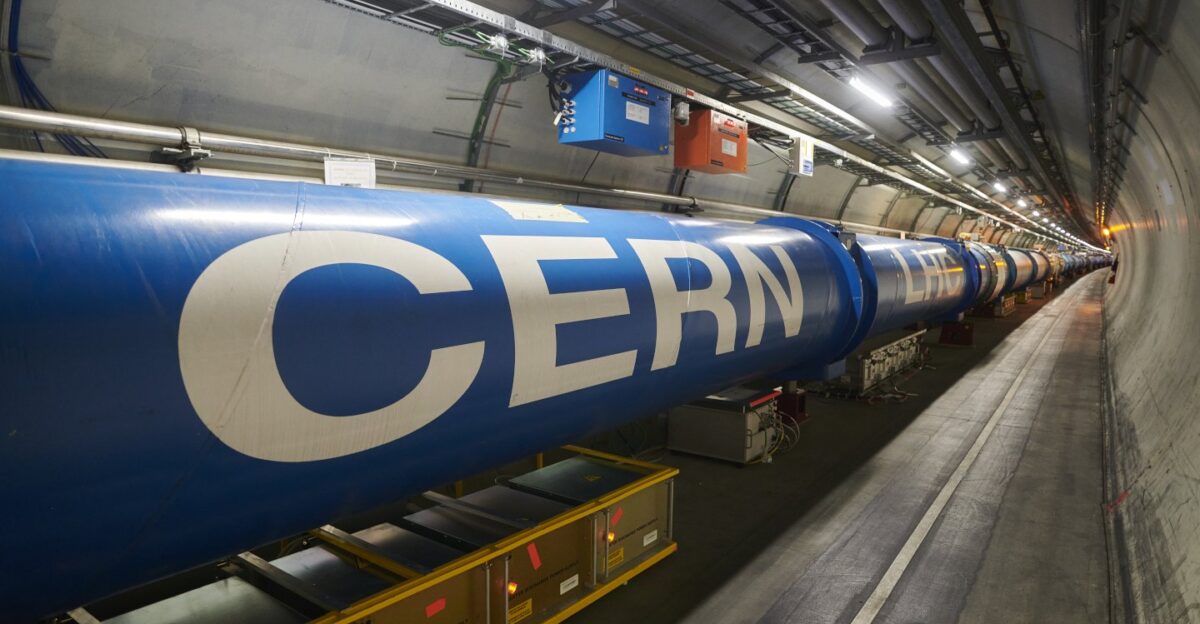
Once the potential discovery was made, CERN faced intense global scrutiny. According to protocol, the collaborations conducted months of rigorous internal verification to ensure the findings were correct. This step wasn’t about secrecy, it was about precision.
Every possible error was checked and rechecked by hundreds of experts across the ATLAS and CMS collaborations. The thorough review process reinforced CERN’s reputation for meticulous reliability. Researchers even used separate algorithms to reprocess the data and confirm the results independently. In a world of instant information, this deliberate verification showed that true science values accuracy over speed.
Entanglement Confirmed
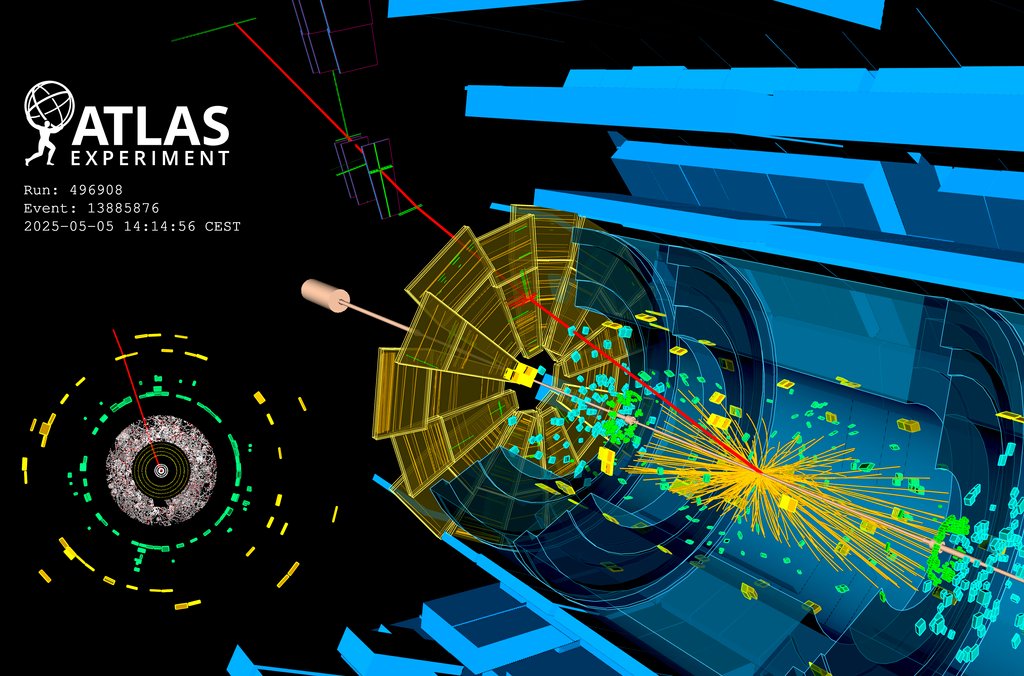
By late September 2024, CERN officially announced what many had hoped for, direct evidence of quantum entanglement in top quarks. Both ATLAS and CMS confirmed the result independently, each achieving a statistical confidence level of more than five sigma. This discovery is expected to reshape quantum physics and could bridge the gap between quantum theory and particle physics.
The discovery, published in Physical Review D, validates decades of theoretical predictions and introduces new questions about how fundamental particles interact under extreme conditions. It marks the beginning of a new era where particle collisions might inform the design of future quantum computers.
European Impact

Research hubs in France, Germany, Italy, and Switzerland celebrated what many called Europe’s quantum renaissance. Major universities began forming new partnerships with tech firms to explore applications of the entanglement findings in computing and secure communications.
The European Union announced new funding initiatives to keep European research at the forefront of quantum innovation. The collaboration between institutions underlines Europe’s strength in interdisciplinary teamwork, where physicists and engineers now work hand-in-hand to transform basic research into usable technology.
Scientists Speak

Following the announcement, study co-leader Professor Martin White reflected on the meaning of the discovery, “The higher the magic, the more we need quantum computers to describe the behavior.” His colleague, Professor Chris White, explained that this magic describes how particles interact in complex quantum systems.
“Our research shows that the top quark’s quantum magic could be the missing link for scalable quantum computing.” Their work reveals that fundamental physics might soon inform breakthroughs in powerful computation. Scientists worldwide applauded the duo’s approach, which carefully merged quantum theory and experimental data at previously unreachable collision energies. Their collaboration has become a model of how theoretical and applied science can evolve together.
Quantum Computing Stakes
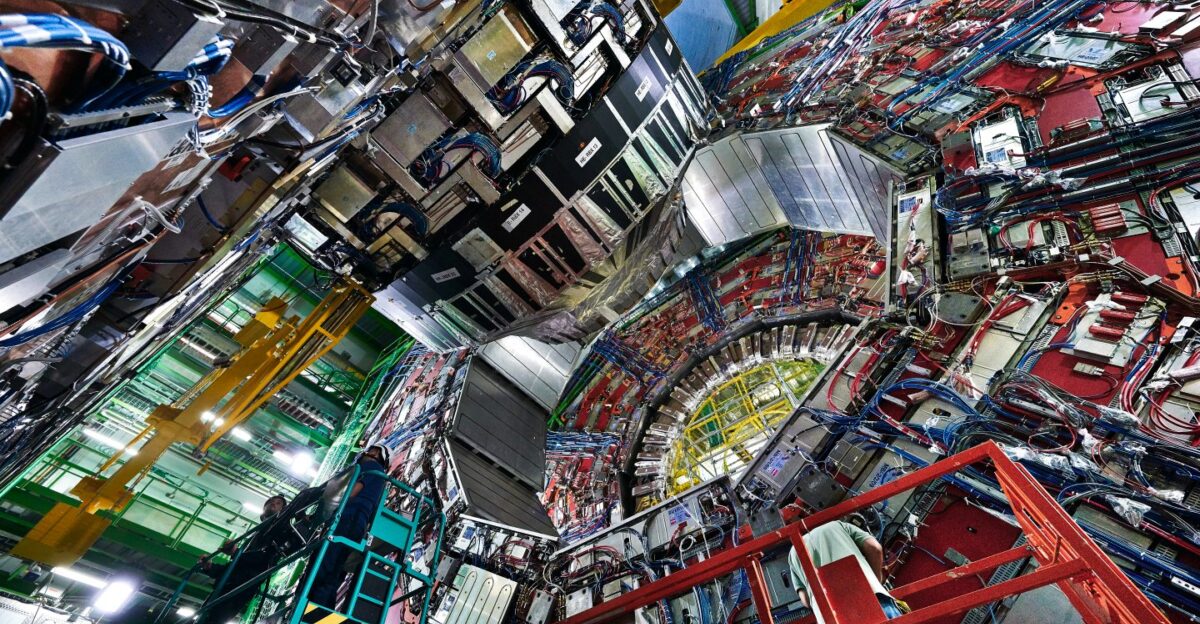
The discovery’s effects go far beyond particle physics. The “magic” measured in top quarks, essentially how strongly they support quantum behaviors, holds key insights for improving the design of quantum computers. Professor Chris White explained that harnessing this property could “revolutionize quantum processing at the level of particle interactions.”
The breakthrough hints that understanding entanglement at fundamental levels might allow scientists to develop smaller, faster, and smarter quantum systems. The implications extend across fields like drug development, encryption, and artificial intelligence. What began as pure physics research is quickly becoming an engineering milestone, demonstrating how fundamental discoveries can accelerate technological change worldwide.
Global Quantum Race
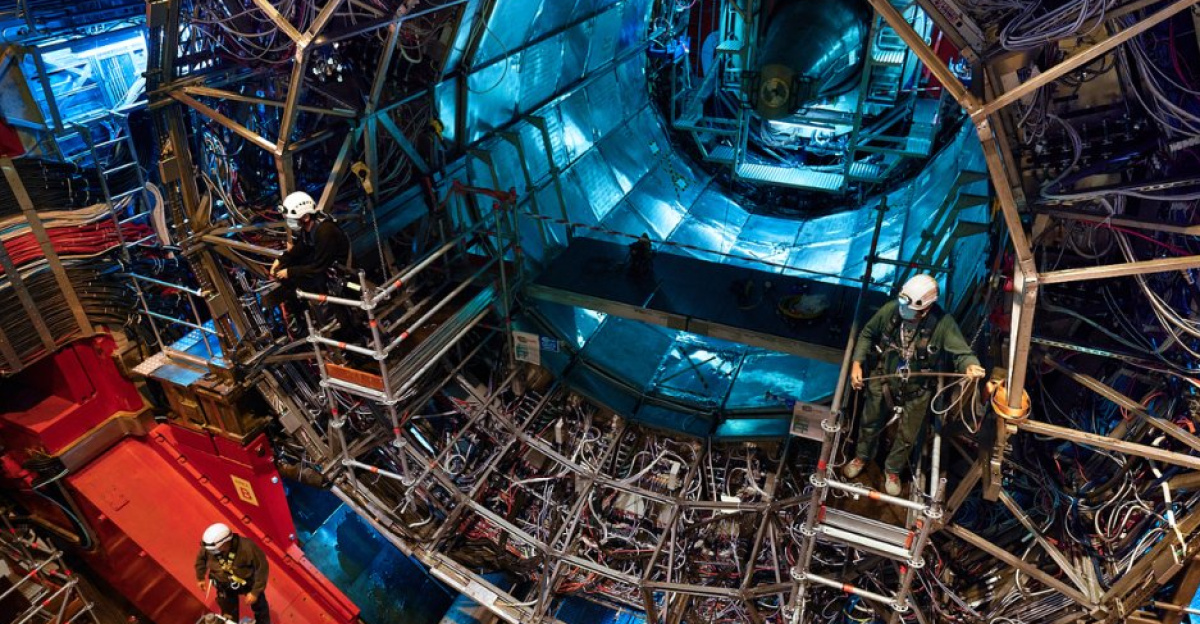
CERN’s milestone has sparked a surge of activity in labs across the globe. Researchers in the United States, Japan, and China are reexamining their collider data to find similar entanglement patterns. The new findings raise the stakes in what some call the “quantum arms race.” Whoever can harness entanglement at high energy levels may dominate future quantum computing markets.
The discovery represents both a scientific milestone and a potential technology accelerator for quantum computing applications. The findings reaffirmed Europe’s leading position but also pushed global collaboration forward, as physicists now share code, models, and experimental setups to validate or extend the LHC results.
Data Withheld
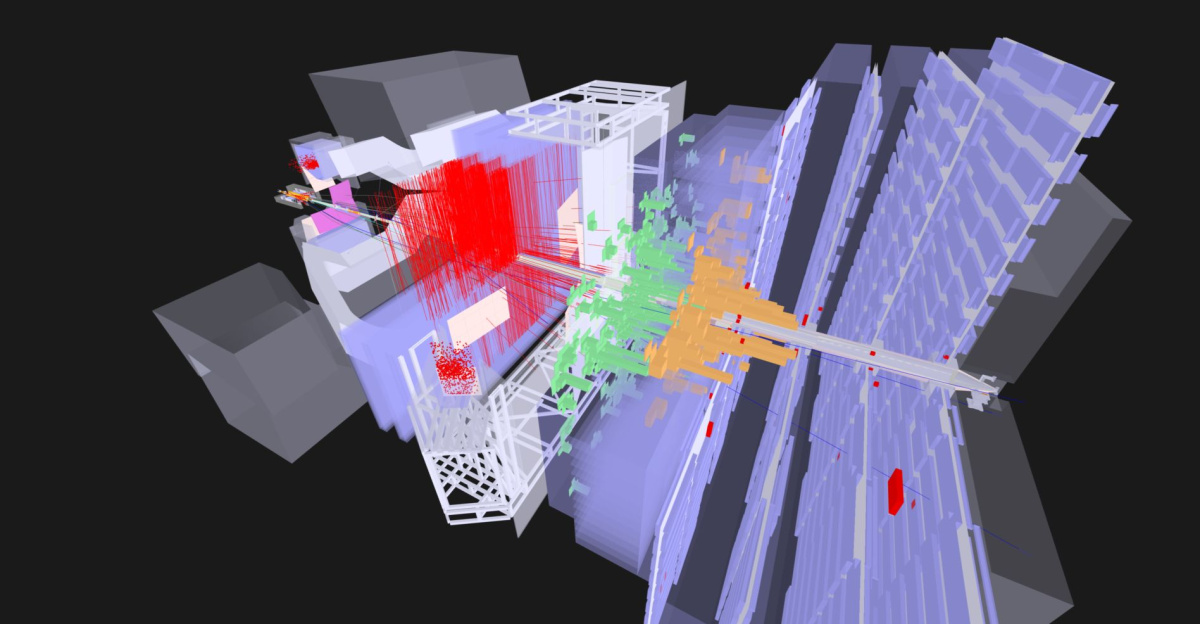
One of the most notable aspects of the event was CERN’s methodical approach to verification. Due to the scale of the discovery, internal teams conducted extensive validation of every piece of evidence before publication. This careful process upheld scientific credibility despite external pressure for immediate results.
In a field where precision defines success, every figure and formula was inspected multiple times. Only after achieving consensus across both collaborations did the teams release the findings publicly. This decision highlighted a recurring challenge in modern science: finding the right balance between transparency and rigorous verification.
Internal Debate
The verification process involved considerable internal discussion. Some researchers advocated for rapid publication to invite open analysis, while others cautioned against premature conclusions. Ultimately, the collaborations prioritized rigorous peer review.
This episode underscored how science relies on both collaboration and patience. In the end, the LHC teams’ decision to prioritize thorough review over speed strengthened CERN’s legacy for reliability. The multi-month verification timeline ensured that the credibility of the results met the highest standards.
Leadership in Focus

Much of the success behind this discovery is credited to Professors Martin and Chris White. Their leadership kept the large teams focused through months of intense data scrutiny and peer review. Colleagues describe them as models of scientific integrity, people who demanded exhaustive testing before releasing conclusions.
“Our job was to build a result that could carry the weight of global attention,” said Martin White. Their guidance ensured that the findings not only met the highest standards but also set a new example for how large international collaborations should operate.
Next Steps
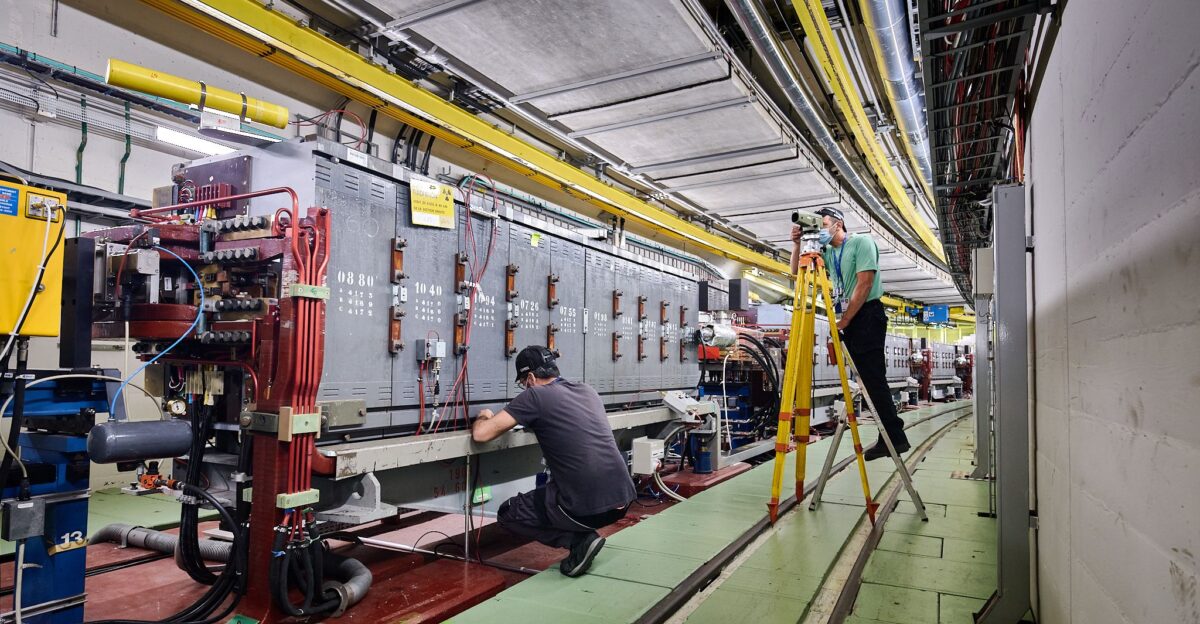
CERN’s journey is far from over. The next phase of research will involve testing the “magic” property of top quarks more extensively to understand its potential for quantum technologies. Upgrades to both the LHC and its detectors are already planned to capture even higher-quality data to explore quantum behavior under conditions never tested before.
These upgrades will allow physicists to probe even deeper structures within quantum particles, potentially revealing new dimensions of entanglement and unlocking more efficient ways to store and process information in quantum computers.
Expert Caution

Not all experts are ready to call this the dawn of a new era. Some physicists urge caution, pointing out that while the data are solid, interpreting what the magic property means for quantum computing is complex. The evidence is strong, but the story is still unfolding as researchers work to understand the full implications.
Scientists worldwide are continuing peer reviews and conducting replication studies to independently verify the findings. This phase of careful validation reflects the community’s respect for both curiosity and skepticism, ensuring that the excitement remains grounded in evidence.
What’s Next?
As the excitement settles, one question remains. What comes next for quantum science? CERN’s top-quark entanglement results may become a defining achievement of the decade, inspiring new collaborations across physics, computing, and engineering. Future experiments will aim to connect the findings to real-world technology, perhaps reshaping how we store, compute, and even communicate.
With the world watching, this breakthrough could either rewrite our understanding of quantum reality or uncover even deeper mysteries waiting just beyond our reach.