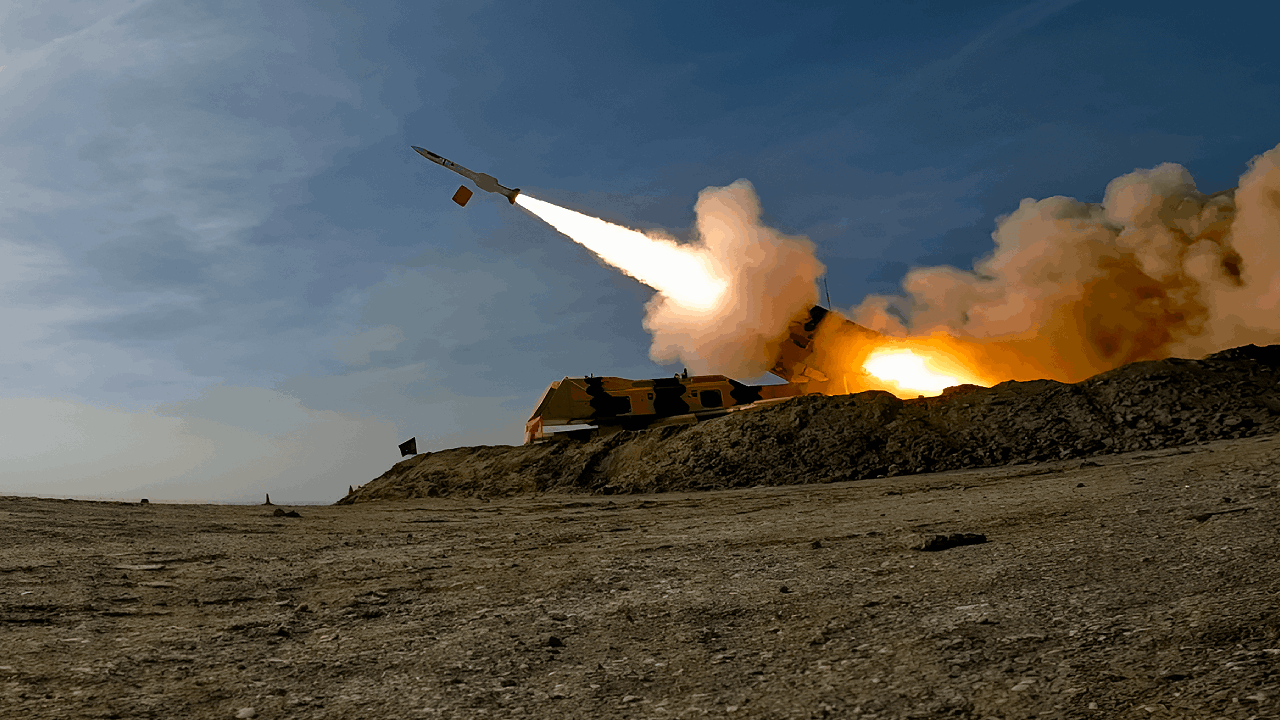
Iran’s push to expand its missile capabilities is drawing renewed international concern. With recent tests showcasing longer ranges and higher precision, questions are mounting about Tehran’s true intentions. Officials say the move strengthens defense, but critics fear it could upset regional stability. Let’s take a closer look at what’s unfolding.
A New Missile Generation Emerges
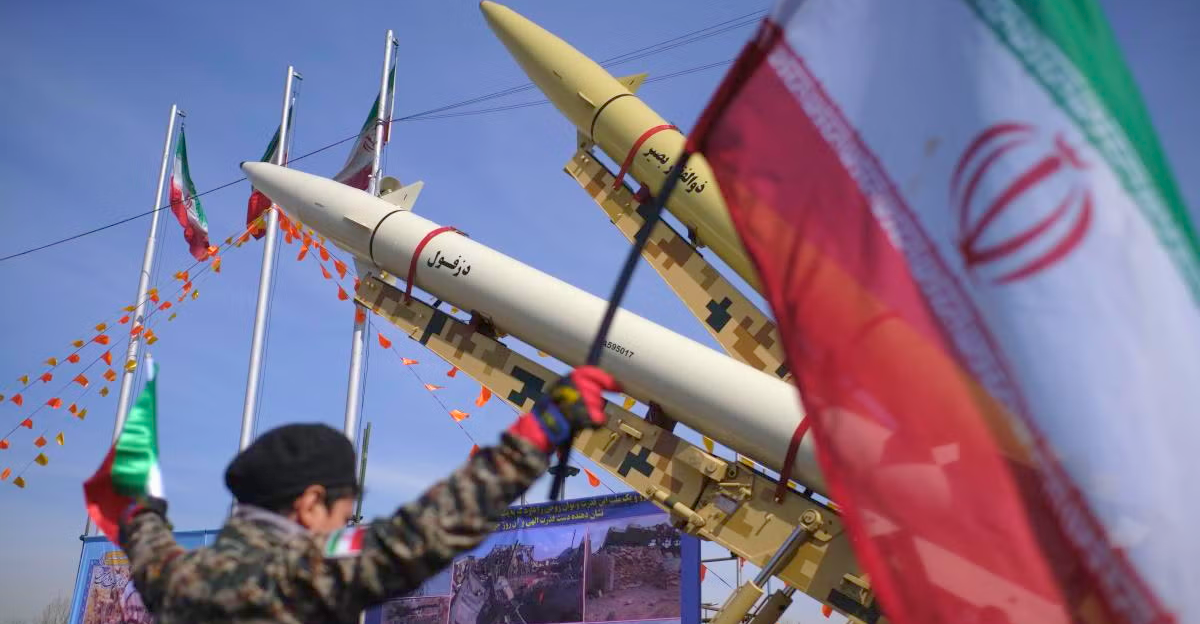
This year, Iran unveiled new missile models said to travel up to 2,000 kilometers. Officials hailed the launch as a sign of technological progress, claiming the country can now deter any potential attack. The move highlights years of quiet development and investment behind the scenes.
But what sparked this new phase of acceleration?
Sanctions Fail to Slow Development
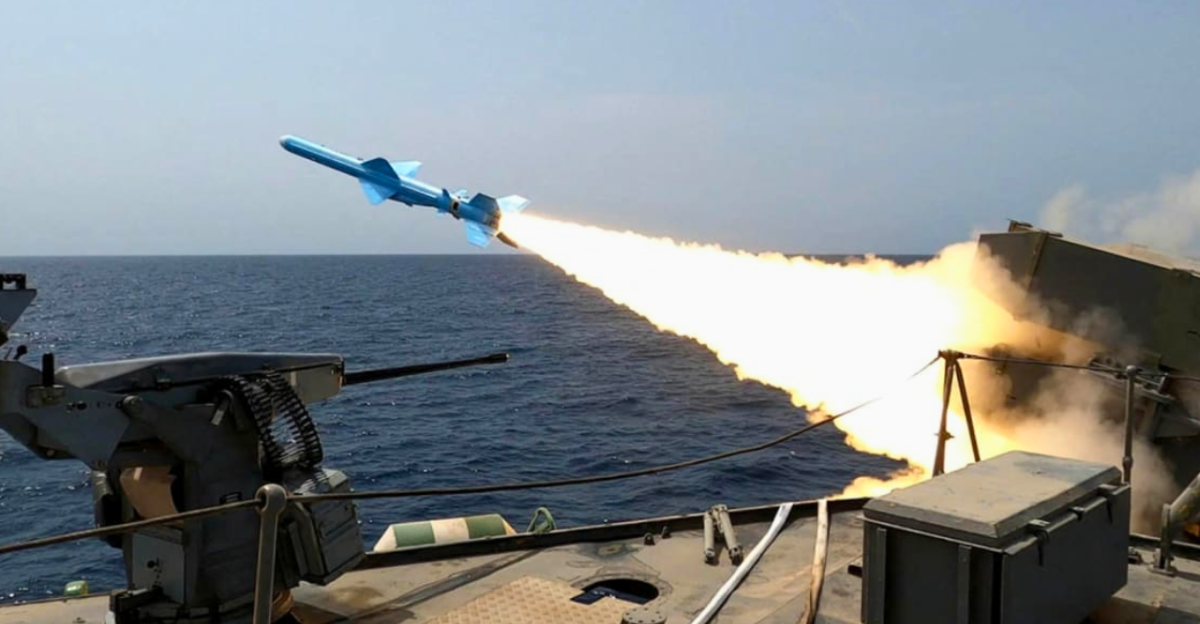
Despite years of UN and U.S. sanctions, Iran’s missile program has continued to grow. Restricted access to international markets has led Tehran to innovate locally, producing advanced components and propulsion systems. Western intelligence estimates the program now employs thousands of engineers nationwide.
Yet, sanctions may have shaped Iran’s ambitions in unexpected ways.
Domestic Production Takes Center Stage
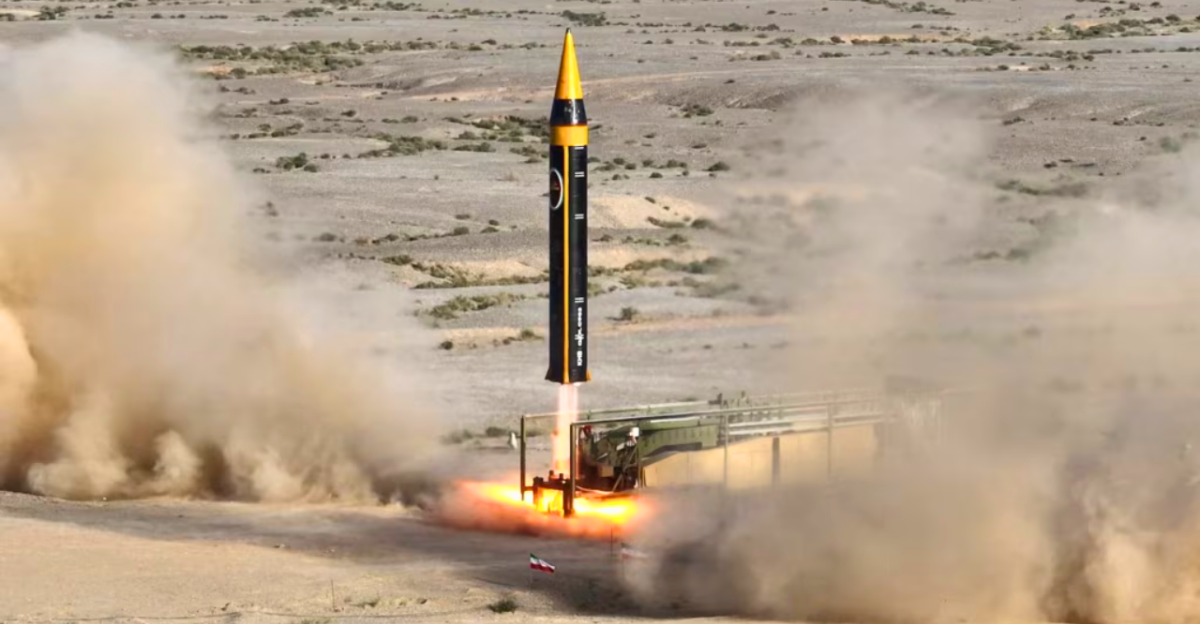
Iran has shifted from importing to manufacturing most of its missile parts domestically. State media often highlights local factories producing guidance systems, warheads, and solid-fuel engines. This strategy reduces dependency and strengthens national resilience, even under embargoes.
However, some analysts warn that independence brings new geopolitical risks for the region.
Precision and Range Redefine Threat Levels
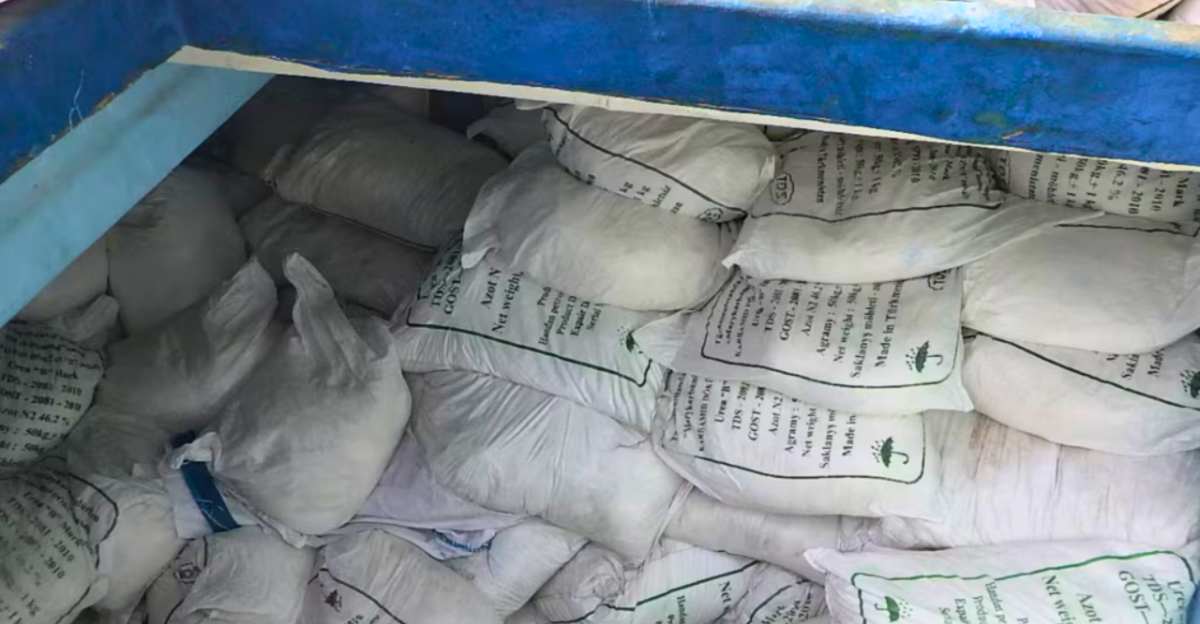
Recent tests show Iran’s missiles striking targets with far greater accuracy than before. Defense experts say this represents a leap in both design and targeting systems, possibly aided by satellite data. Iran insists its weapons are for deterrence only.
Still, higher precision changes the strategic balance across the Middle East.
“We Will Defend Ourselves,” Says Tehran
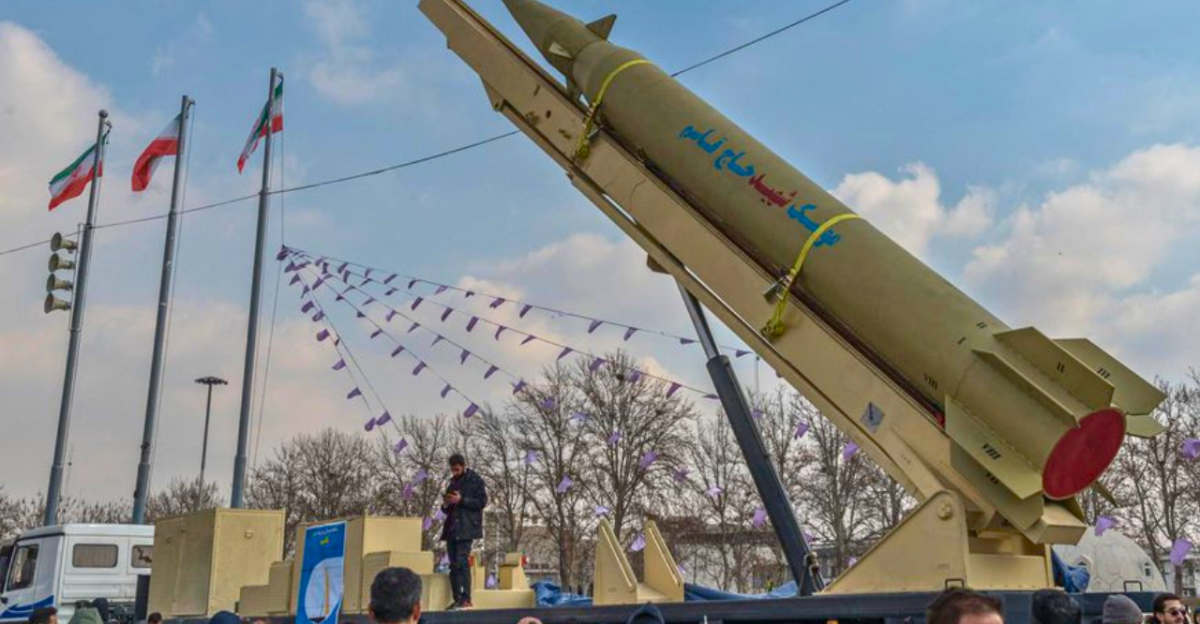
“We will defend ourselves against any aggression,” Iranian Defense Minister Mohammad Reza Ashtiani said in March this year. He argued that international criticism ignores Iran’s right to security and sovereignty. The statement echoed decades of national rhetoric rooted in self-reliance.
But regional neighbors are hearing it differently this time.
Regional Powers Voice Growing Concern
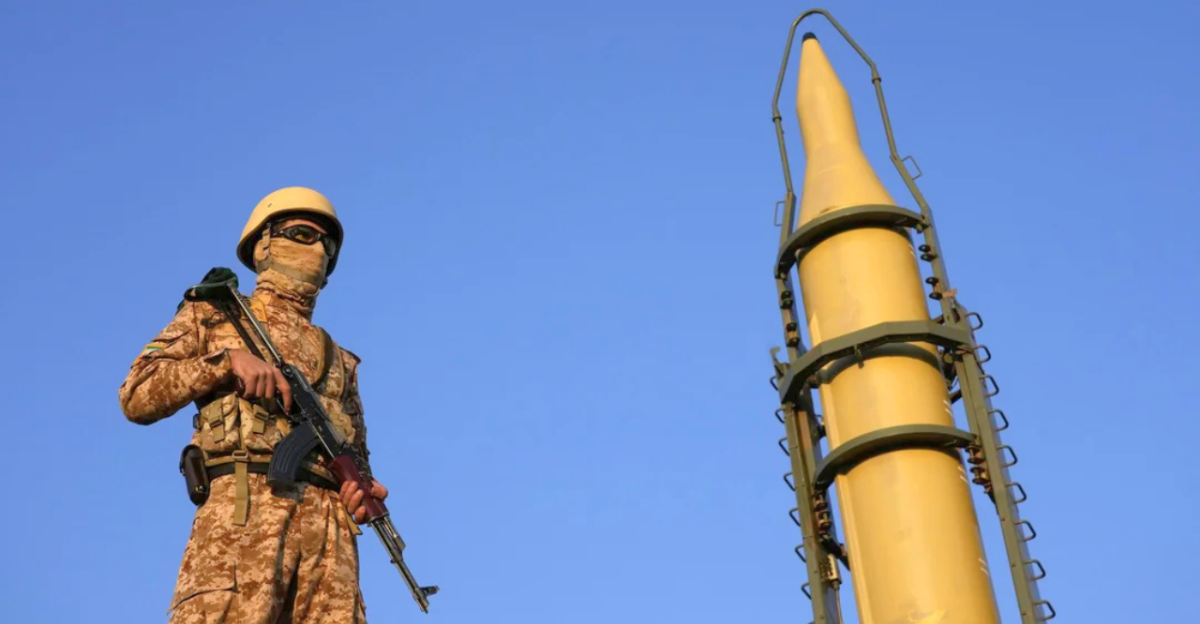
Saudi Arabia and Israel have both increased air defense spending in response to Iran’s recent missile tests. Gulf states worry that any miscalculation could spark a wider conflict. Diplomats describe a tense atmosphere in quiet regional talks held this month.
Still, few expect Tehran to scale back voluntarily anytime soon.
Western Officials Sound the Alarm
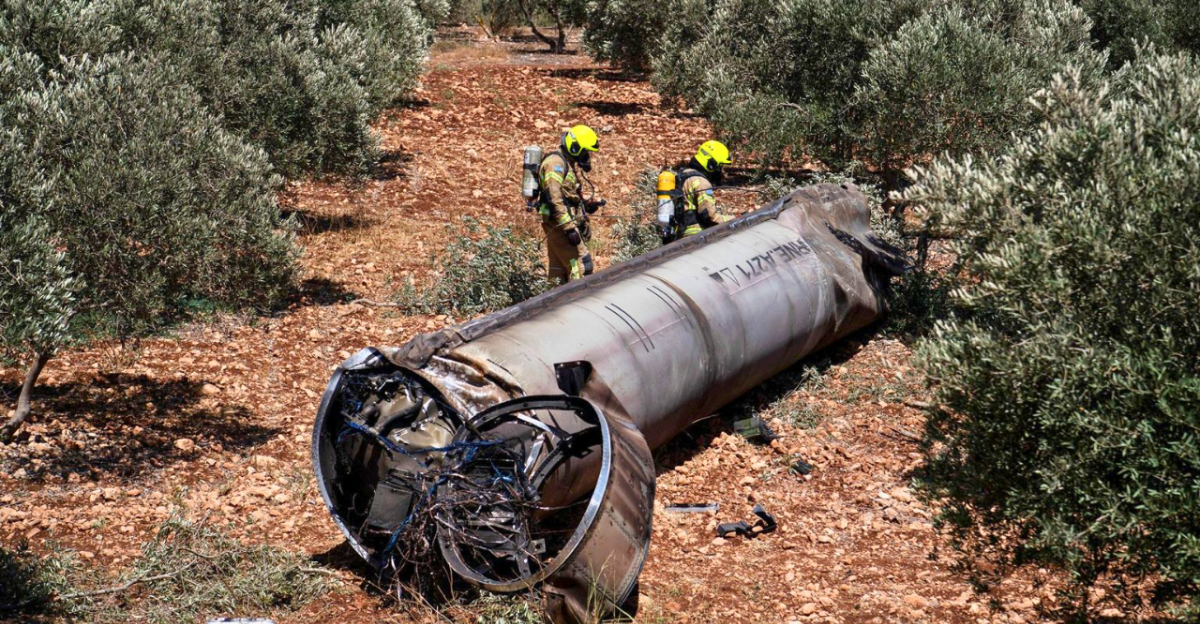
U.S. and European leaders have warned that Iran’s advances threaten both regional and global stability. The Pentagon recently confirmed it is monitoring missile movements closely, citing potential violations of existing restrictions. EU officials are debating whether to impose new sanctions before year’s end.
But will added pressure change Tehran’s calculus?
A History of Defiance Fuels Progress
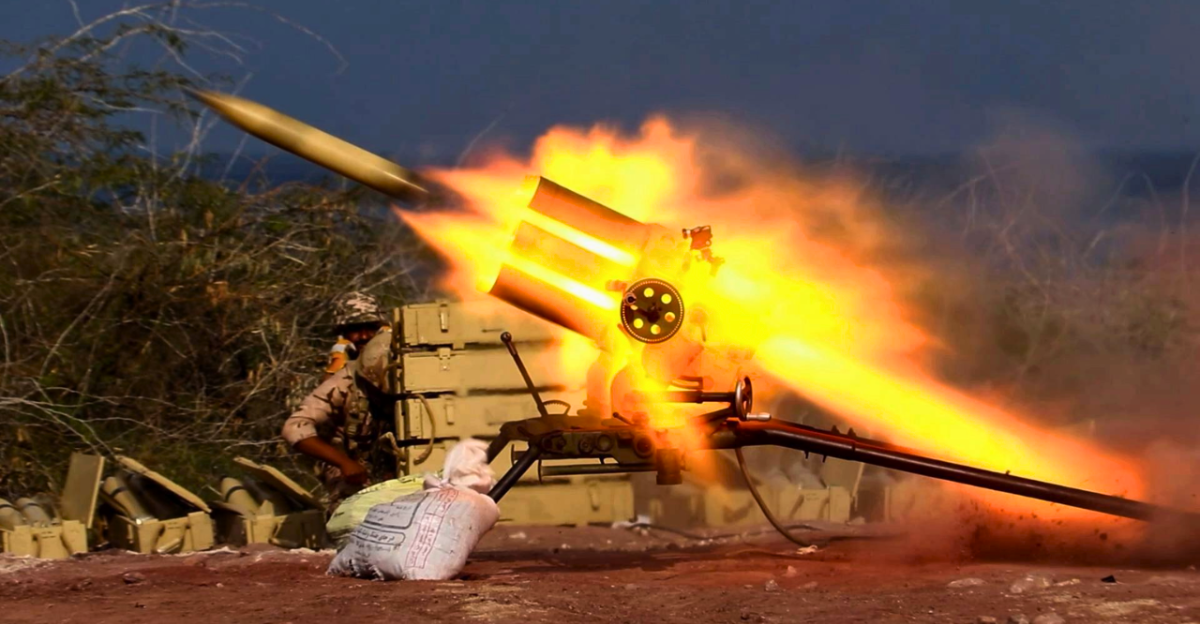
Iran’s missile ambitions trace back to the 1980s, when isolation pushed it to build homegrown capabilities. Each new round of sanctions or restrictions only strengthened domestic resolve. Today’s progress, experts say, is the result of decades of steady investment.
Still, history shows determination can come with unforeseen consequences.
Expanding Influence Through Proxies
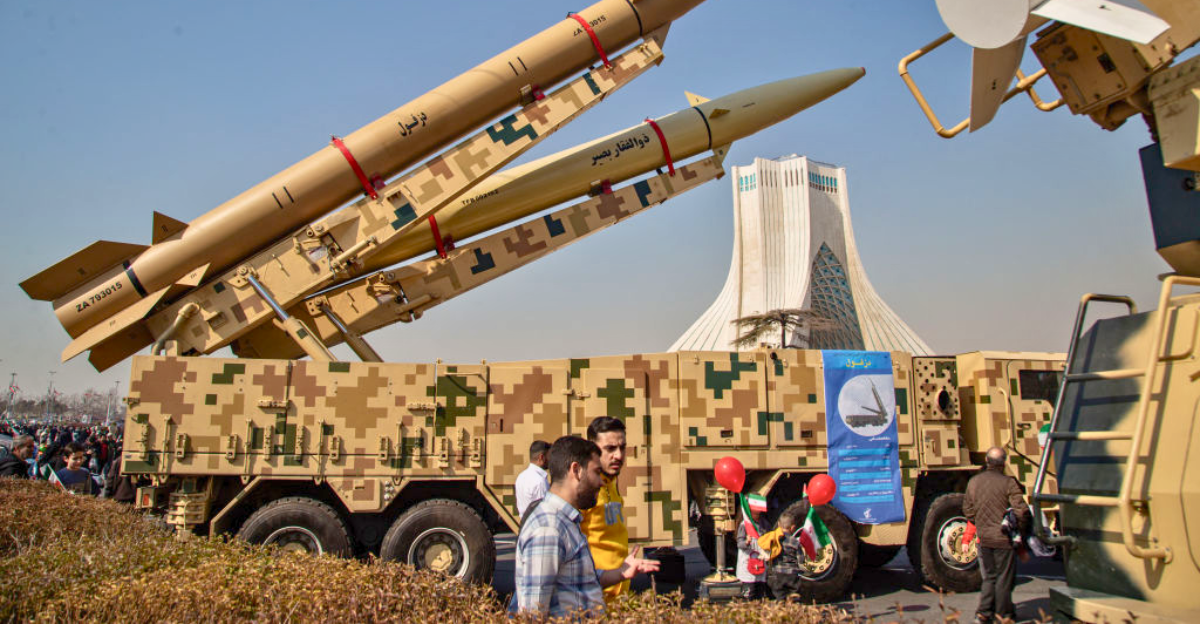
Iran’s missile technology has also appeared in the hands of allied groups across the region. Reports link parts or designs to militias in Yemen, Iraq, and Lebanon. Officials deny supplying weapons, claiming such groups act independently.
But overlapping technology tells a more complex story beneath those denials.
Testing Boundaries With International Law
Analysts say recent launches may violate the spirit, if not the letter, of past UN resolutions. The 2015 nuclear deal restricted ballistic development linked to nuclear payloads, but Iran argues its current missiles serve conventional purposes. Legal ambiguity has fueled heated debate in diplomatic circles.
And that debate may shape upcoming negotiations.
Diplomacy or Deterrence Ahead?
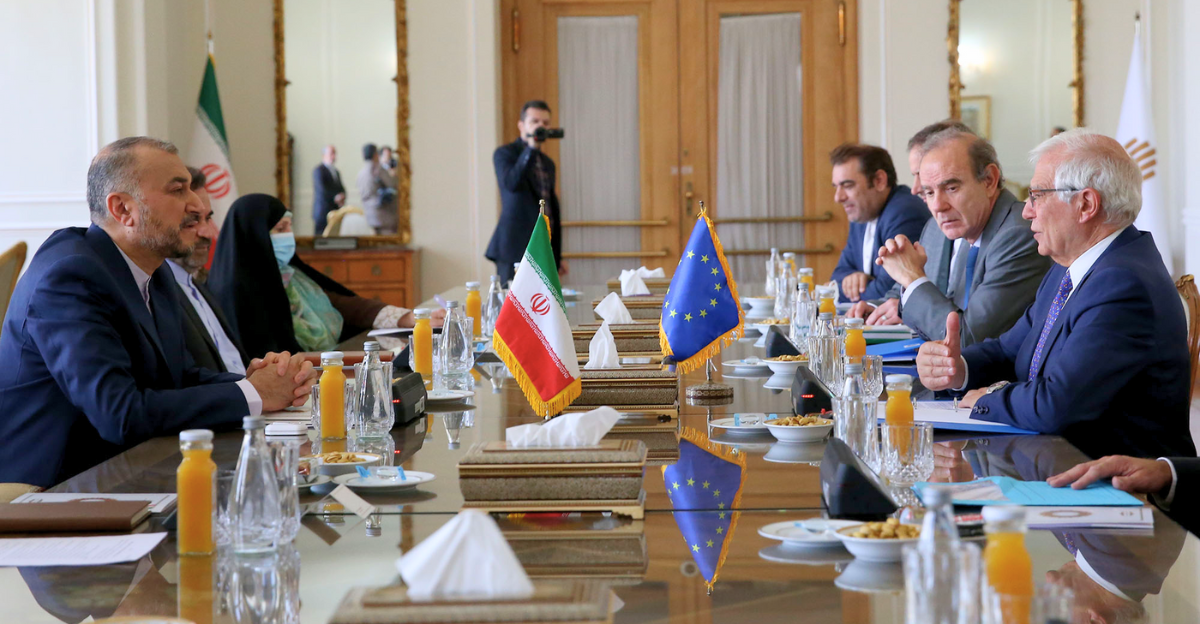
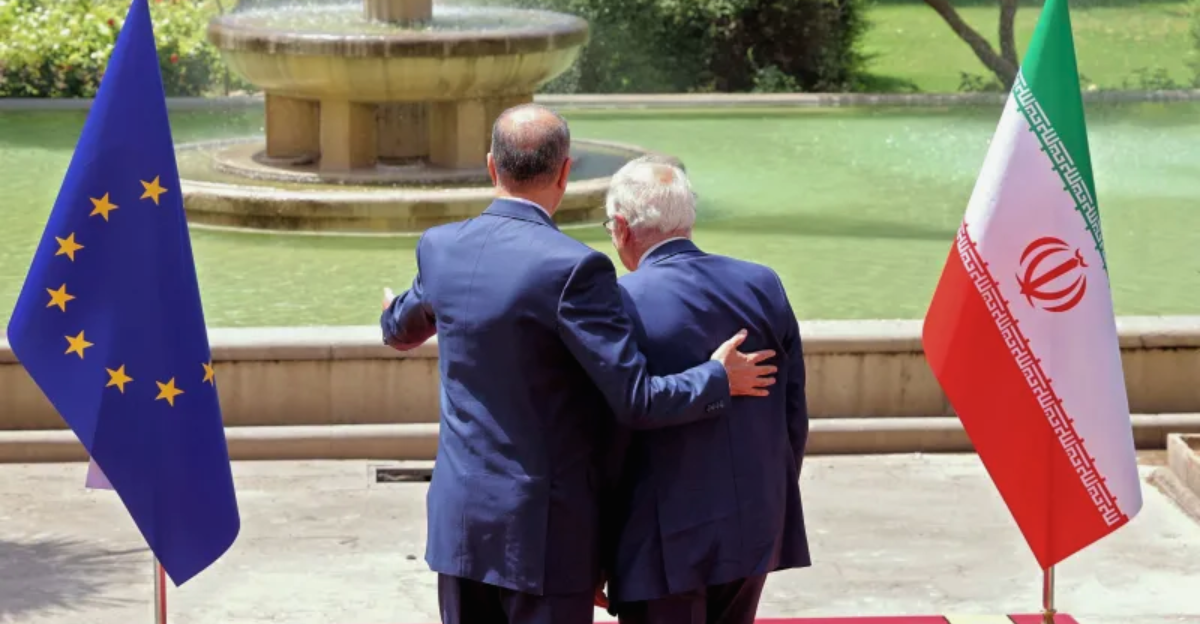
Talks between Tehran and European envoys are expected to resume quietly later this year. Both sides hint at the possibility of renewed cooperation, though deep mistrust remains. Iran’s leaders view missile strength as essential leverage at the bargaining table.
The question now is whether leverage will lead to compromise—or confrontation.
The Stakes Couldn’t Be Higher
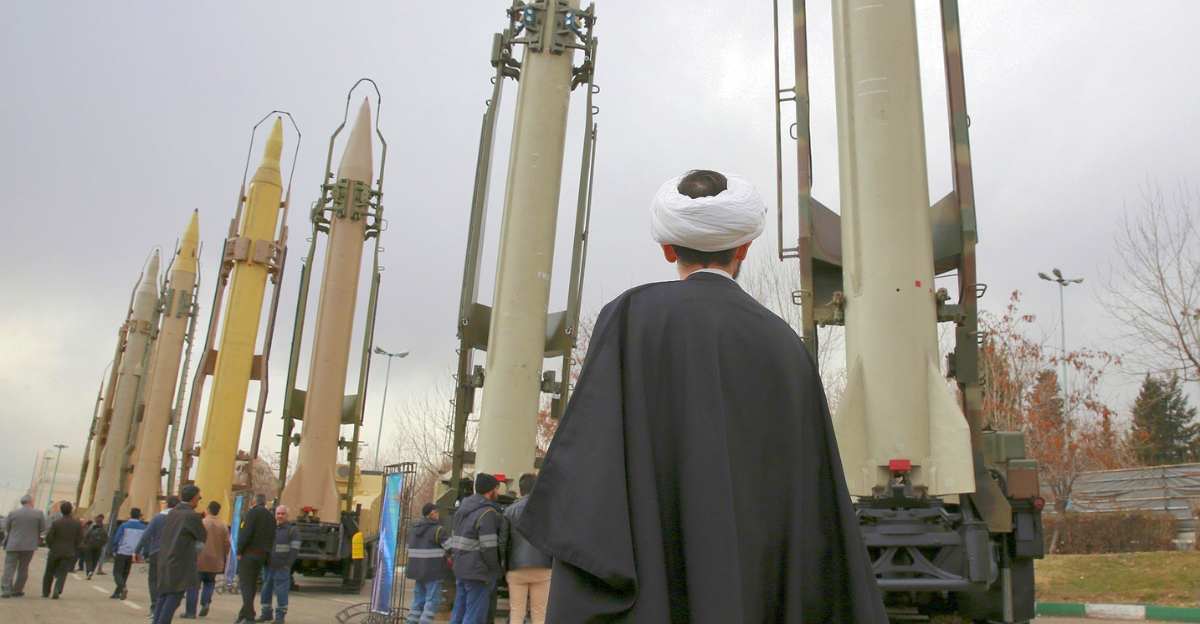
For now, Iran continues to showcase its growing missile power while insisting it seeks peace, not war. Yet regional militaries are preparing for any scenario. Experts warn that one misstep could undo years of fragile diplomacy.
How this balance plays out will define the region’s security for years to come.