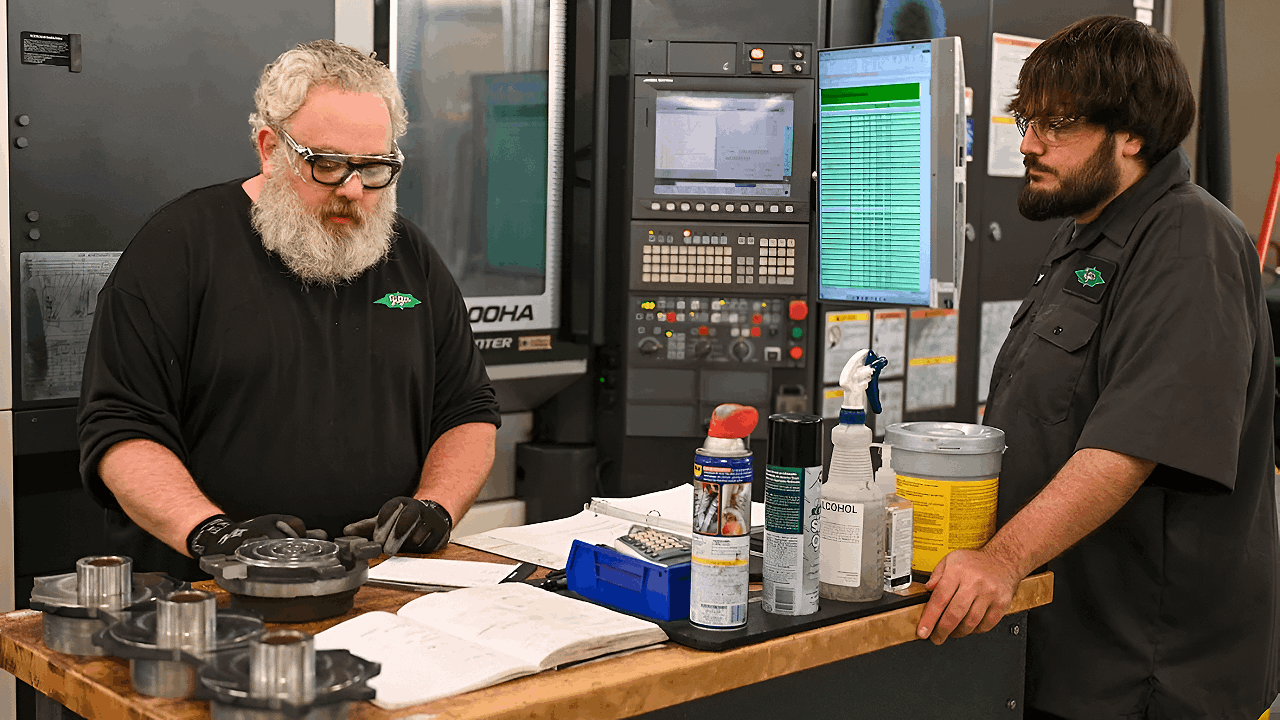
At the start of October, Bitzer Scroll’s factory in DeWitt, New York, faced a sudden setback: the Department of Energy (DOE) abruptly canceled a $5 million federal grant crucial to the company’s $25 million expansion. The funding loss threatens 20 new manufacturing jobs and highlights a wider pullback in federal support for clean energy projects just as state mandates are driving demand.
“This impacts us significantly,” said John Allcott, Bitzer Scroll’s vice president of North American operations. “It would just be far harder to finance the expansion. We’d probably end up dropping some components of the project, and that hurts all around.” Here’s what’s happening as domestic clean energy manufacturers navigate this uncertainty…
Grant Cancellation Stuns Local Factory
Bitzer Scroll learned of the DOE’s decision not through official channels but from a local reporter. The canceled funds represented 20 percent of the planned investment, intended to launch a new assembly line for commercial scroll compressors used in heat pumps.
Without the grant, the company faces scaling back its project and reducing job creation goals. “It impacts us significantly,” Allcott said, underlining how federal funding can directly influence local economies. DOE spokesperson Ben Dietderich explained that grants were halted because they “did not adequately advance the nation’s energy needs” or lacked economic viability, leaving recipients a 30-day window to appeal—but with uncertain outcomes.
A Nationwide Retreat from Clean Energy

Bitzer Scroll’s challenge is part of a broader pattern. The DOE terminated funding for roughly 223 clean energy projects nationwide, totaling $7.5 billion to $8 billion across 16 states. In New York alone, nearly 50 projects—including the Jamestown Board of Public Utilities’ microgrid initiative—were cut.
These withdrawals force local governments and companies to revise or abandon climate-focused and innovative projects. As New York prepares to implement the All-Electric Buildings Act in January 2026, which mandates heat pumps in most new buildings, domestic manufacturers face hurdles in meeting demand, threatening the state’s climate goals.
Political Fallout and Economic Pressure

The funding cuts have ignited political controversy. Senate Majority Leader Charles Schumer accused the administration of targeting Democratic-majority states, calling the decision “a wrecking ball to working families.” Republican Congressman Nick Langworthy defended the move as necessary to curb “wasteful” spending.
Despite partisan differences, both sides acknowledge the widespread impact. Multi-year corporate planning at Bitzer Scroll and similar companies has been disrupted, creating increased political risk. Manufacturers reliant on federal programs now face volatility that could deter future investments in domestic clean energy production.
Global Competition Intensifies
Foreign competitors are seizing opportunities amid U.S. policy uncertainty. Denmark-based Danfoss recently expanded a major compressor factory in Monterrey, Mexico, boosting production for heat pump components. Under the USMCA trade agreement, these products enter the U.S. duty-free, giving Danfoss a competitive edge over American producers struggling with unstable federal support.
Allcott expressed doubt that Bitzer’s German board will provide extra funding amid U.S. policy instability. “It would just be far harder to finance the expansion,” he said. The company is now weighing whether to scale back or withdraw from U.S. manufacturing, highlighting the broader risks to domestic industry.
Looking Ahead: Stakes for Industry and Consumers
As New York’s heat pump mandates take effect, reduced domestic manufacturing and lost federal support could create supply challenges for homeowners in 2026. State incentives remain available, but federal uncertainty looms. Consumers may face higher costs and limited availability, while local manufacturers and workers contend with shifting energy policies.
Bitzer Scroll has a narrow window to appeal the DOE’s decision, though chances of reversal appear slim. The stakes are clear: the future of American heat pump manufacturing, local jobs, and New York’s climate ambitions all hang in the balance. Companies, workers, and consumers alike will feel the impact in the years ahead.