
Earlier this month, Bitzer Scroll’s vice president, John Allcott, learned that the Department of Energy had cut a $5 million federal grant crucial to expanding the company’s DeWitt, New York, factory. This grant was to fund a $25 million upgrade that would add 20 manufacturing jobs producing heat pump compressors.
“It impacts us significantly,” Allcott said. “It would just be far harder to finance the expansion. We’d probably end up dropping some components of the project, and that hurts all around.”
The loss comes amid rising tariffs adding $10 million in component costs, raising urgent questions about the future of American heat pump manufacturing.
But what led the DOE to cut such crucial support at a critical moment?
A Sudden $5 Million Loss

Bitzer Scroll’s vice president, John Allcott, learned about the grant termination from a Syracuse.com reporter rather than the DOE directly. The canceled funds represented 20 percent of the planned factory expansion investment, designed to add an assembly line for commercial scroll compressors. Without this support, the company now faces scaling back its project and job creation.
How does this pardonless cut mirror wider federal shifts?
DOE Claims Economic Concerns

The cancellations, announced by the DOE under the Trump administration, affected clean energy projects in 16 states. DOE spokesperson Ben Dietderich said many were halted because they “did not adequately advance the nation’s energy needs” or lacked economic viability. Recipients were granted just 30 days to appeal, though outcomes remain uncertain.
Could such criteria withstand scrutiny in this fast-changing industry?
Expansion Plans Threatened by Funding Void
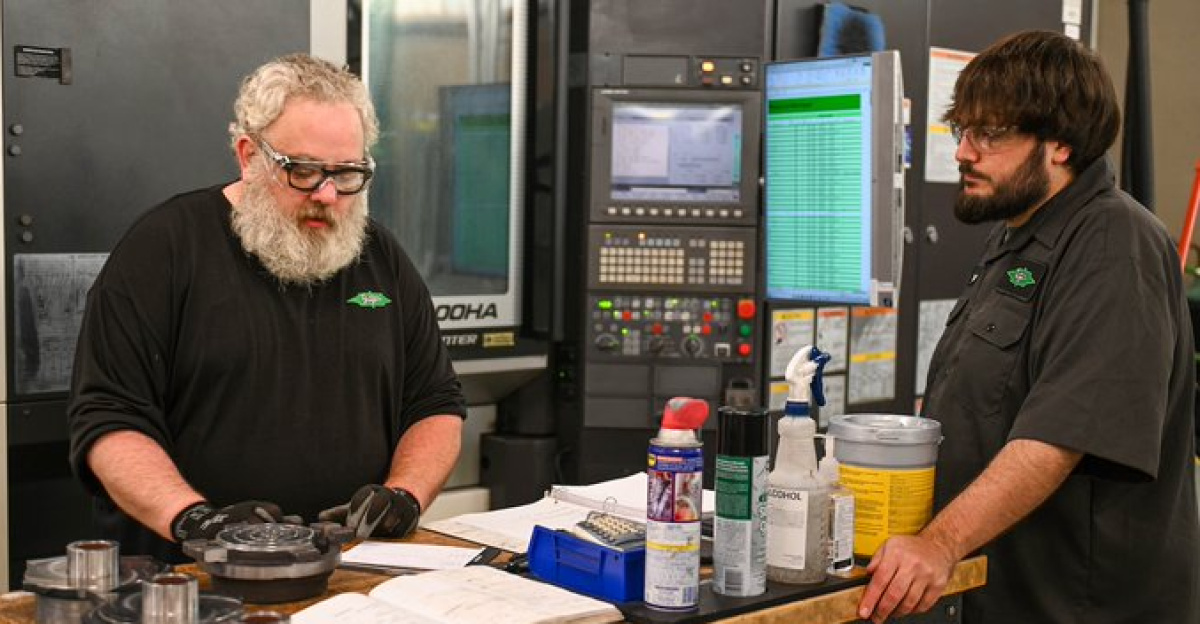
The lost $5 million grant was crucial for Bitzer’s planned $25 million expansion targeting commercial scroll compressor production. Without replacement funds, the company likely must drop key components of the project. This risks losing both production capacity and 20 promised manufacturing jobs vital to local economic growth.
What other challenges compound this funding blow?
Tariffs Inflate Component Costs Sharply

Bitzer Scroll already faced a $10 million increase in costs due to tariffs on Chinese-made motors in 2025. The motors cost about $108 each, but tariffs add an extra $118 per unit—more than the original price. This surcharge severely undermines domestic competitiveness and strains the company’s finances.
How do these financial pressures affect jobs at the plant?
Workforce Shrinks Amid Growing Struggles

In recent months, Bitzer Scroll has already laid off 39 employees, reflecting the mounting economic pressures. The cuts underscore the challenge of absorbing tariff-related cost hikes while losing critical federal support. Local jobs connected to American heat pump manufacturing are becoming increasingly vulnerable.
What broader wave of cancellations is reshaping energy projects nationwide?
Nearly $8 Billion Cut Across 16 States

The DOE terminated funding for 223 clean energy projects spanning 16 states, with the total cancellations nearing $8 billion. New York alone saw almost 50 projects dropped. These cuts span across multiple DOE offices, signaling a major retreat in federal clean energy funding patterns.
Which local projects beyond Bitzer suffer from this rollback?
Jamestown Microgrid Project Funding Lost

On the same day as Bitzer’s grant termination, the Jamestown Board of Public Utilities lost federal funding for its microgrid initiative in western New York. This jeopardizes efforts to enhance local climate resilience and forces abrupt plan revisions, highlighting the widespread impact of the DOE’s sweeping cuts.
What challenges await New York’s clean energy mandates amid shrinking supply?
State Mandates Clash With Diminished Manufacturing

New York’s All-Electric Buildings Act, effective January 1, 2026, mandates heat pumps in new buildings to reduce emissions. Yet domestic heat pump manufacturers like Bitzer Scroll and Copeland face severe economic struggles. This mismatch threatens the state’s climate goals by constraining reliable equipment sources.
What political fallout surrounds these targeted funding cancellations?
Accusations of Politically Motivated Cuts
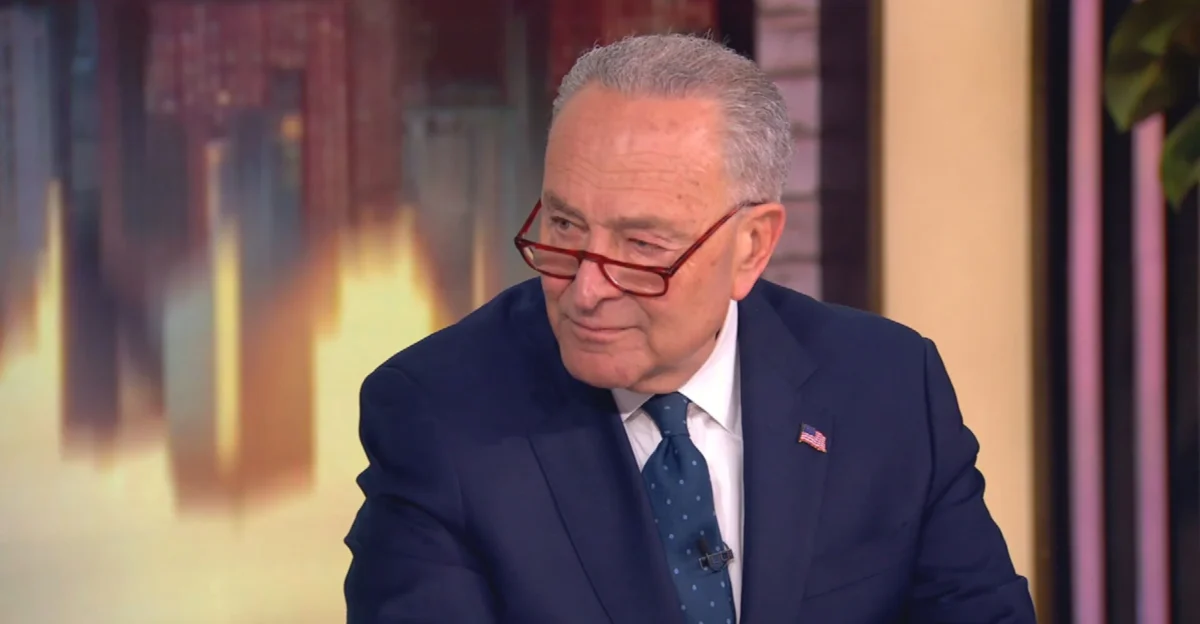
Senate Minority Leader Charles Schumer charged the Trump administration with sabotaging Democratic-majority states, calling the move “a wrecking ball to working families.” Republican Congressman Nick Langworthy defended the cuts as curbing Biden-era spending “waste.” Yet both parties acknowledge the widespread impact across various congressional districts.
How are foreign manufacturers capitalizing on U.S. vulnerabilities?
Danfoss Gains Edge With Mexican Plant

Denmark-based Danfoss opened a large compressor factory in Monterrey, Mexico, in July 2024. This facility benefits from USMCA duty-free access, avoiding hefty tariffs that American producers like Bitzer face. This gives Danfoss a significant cost advantage, deepening competitive pressures on U.S. manufacturers.
Will Bitzer’s leadership see hope for domestic production?
Bitzer’s Leadership Faces Tough Decisions

John Allcott expressed doubt that Bitzer’s German board will provide new funding amid U.S. policy instability. The higher costs and loss of federal support make financing expansion “far harder.” The company now contemplates scaling back or withdrawing from American manufacturing, imperiling domestic heat pump supply lines.
What impact does this policy whiplash have on corporate planning?
Grant Cancellation Upends Long-Term Investment

The sudden DOE funding cuts disrupt multi-year corporate planning, undermining confidence in stable federal support. Companies dependent on predictable policies are now navigating increased political risk and volatility, complicating efforts to secure manufacturing capacity in the U.S. compared to countries with steadier strategies.
How do political timelines intersect with these funding decisions?
Cancellations Coincide With Government Shutdown

The DOE’s announcement came amid a federal government shutdown over healthcare and budget disputes this month. White House and Office of Management Budget officials touted the cuts as part of broader efforts to reduce “Green New Deal” spending, framing them as fulfilling promises to protect taxpayer dollars.
What official rationale accompanies this funding purge?
Energy Secretary Defends Project Terminations

Energy Secretary Chris Wright stated many projects had been “rushed through in the final months of the Biden administration with inadequate documentation by any reasonable business standard.” He emphasized President Trump’s commitment to expanding “affordable, reliable, and secure energy,” assuring ongoing reviews to maximize taxpayer value.
How do advocates view this sharp shift in clean energy support?
Clean Energy Advocates Warn of Missed Benefits

Advocates argue many canceled projects could have delivered long-term environmental, technological, and grid improvements overlooked by the DOE’s economic assessments. The curtailment disrupts momentum in U.S. clean energy innovation, risking setbacks in critical technologies like heat pumps amid climate urgency.
Who gains and loses as policy flips create winners and losers?
Winners and Losers Emerge in Policy Upheaval

Danfoss and other foreign manufacturers gain from duty-free access, while U.S. makers like Bitzer and communities in Syracuse and Jamestown bear the brunt of lost funding and jobs. Consumers may face higher costs and limited heat pump availability, highlighting uneven consequences of shifting federal energy policies.
What decisions lie ahead for Bitzer’s future in America?
German Board Holds Bitzer’s Fate

Following the grant cancellation, the Bitzer board in Germany must decide whether to fund expansion or scale back U.S. manufacturing. “It would just be far harder to finance the expansion,” said Allcott, reflecting the gravity of uncertain support for domestic production and its future.
How will consumers be affected by these shifts in 2026?
Heat Pump Prices Set To Rise For Homeowners

With shrinking domestic capacity and lost funding, heat pump prices in New York and surrounding states are expected to increase in 2026. State incentives remain, but federal program uncertainty looms. Consumers are encouraged to consider purchases promptly before mandates tighten and supplies dwindle.
What recourse do affected companies have in this battle?
Appeals Window Narrows Ahead of November Deadline

Companies including Bitzer Scroll have 30 days to appeal the DOE cancellations under federal rules. Officials indicate reversal chances are slim, citing “economic viability” concerns. Some appeals have already been filed, but swift decisions underscore the urgency and limited flexibility in the process.
What does Bitzer’s leadership say about the overall impact?
“It Impacts Us Significantly,” Says Vice President

John Allcott summarized the crisis candidly: the lost grant “impacts us significantly.” Without it, financing expansion becomes much harder, forcing the company to drop project components. This stark assessment reflects the dire challenges facing U.S. heat pump manufacturing in a hostile policy and economic environment.