
In early October 2025, reporters peppered U.S. President Donald Trump with questions about Ghislaine Maxwell during a routine White House event. Maxwell—convicted of aiding Jeffrey Epstein’s abuse—had just lost her final appeal.
Trump paused before answering, acknowledging her name and promising to consult his Justice Department. The exchange, captured by cameras, set the stage for a national debate about justice and executive power.
Rumors, Reactions, and Real Stakes
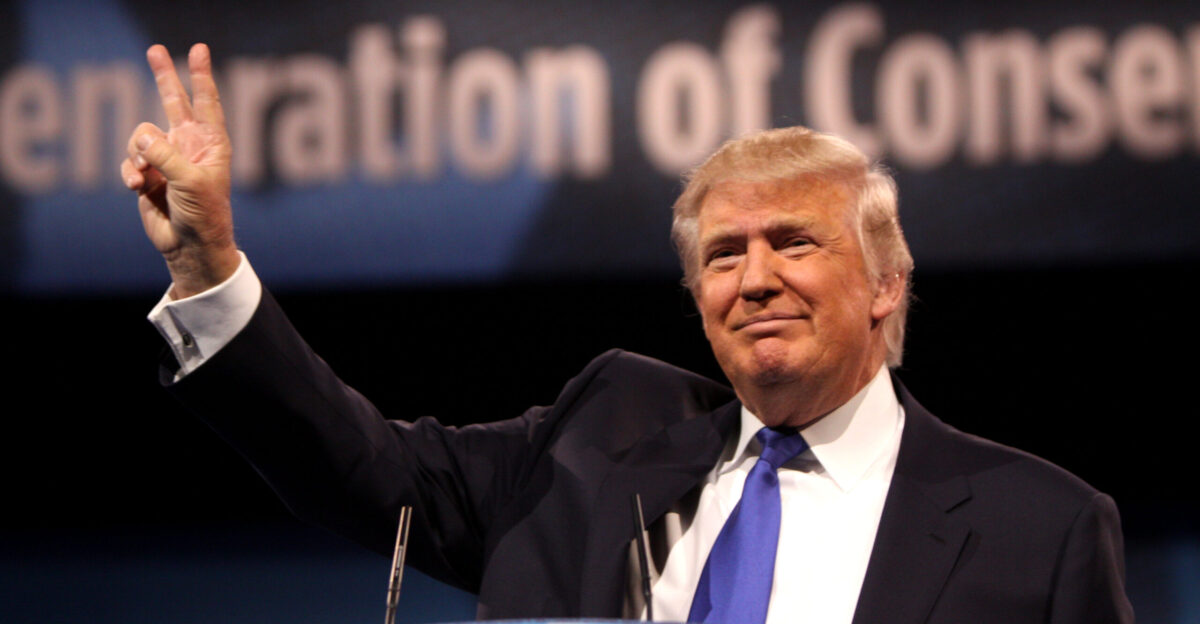
Trump’s ambiguous Oval Office reply reverberated across social media and cable news. Supporters of victims feared a pardon could undermine decades of progress against sex trafficking; Trump’s base, already angry over the slow release of Epstein-related documents, warned of political fallout.
The possibility of presidential clemency transformed legal gossip into a high‑stakes political issue.
Maxwell’s Path From Socialite to Convict
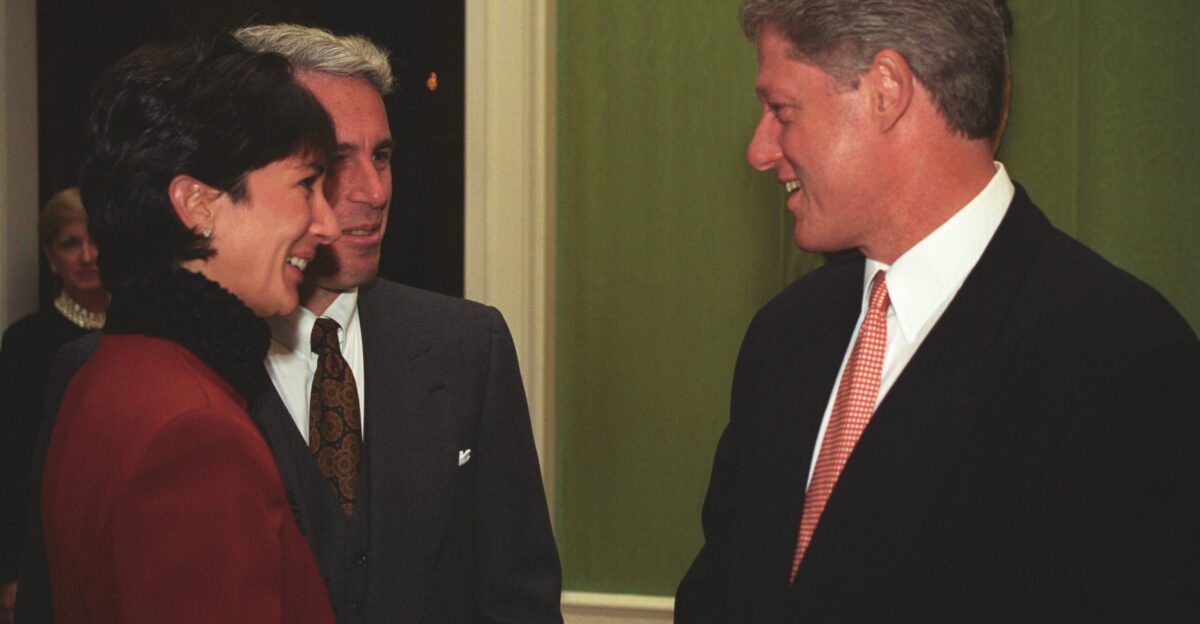
Ghislaine Maxwell, a British socialite once linked to elites, was arrested in 2020. In 2021, a jury found her guilty of recruiting and grooming underage girls for Epstein, and she received a 20‑year federal sentence.
Her move to a minimum‑security prison camp in Texas in 2025, following a rare interview with Deputy Attorney General Todd Blanche, underscored the U.S. government’s interest in her knowledge of Epstein’s network.
Survivors and Advocates Demand Accountability
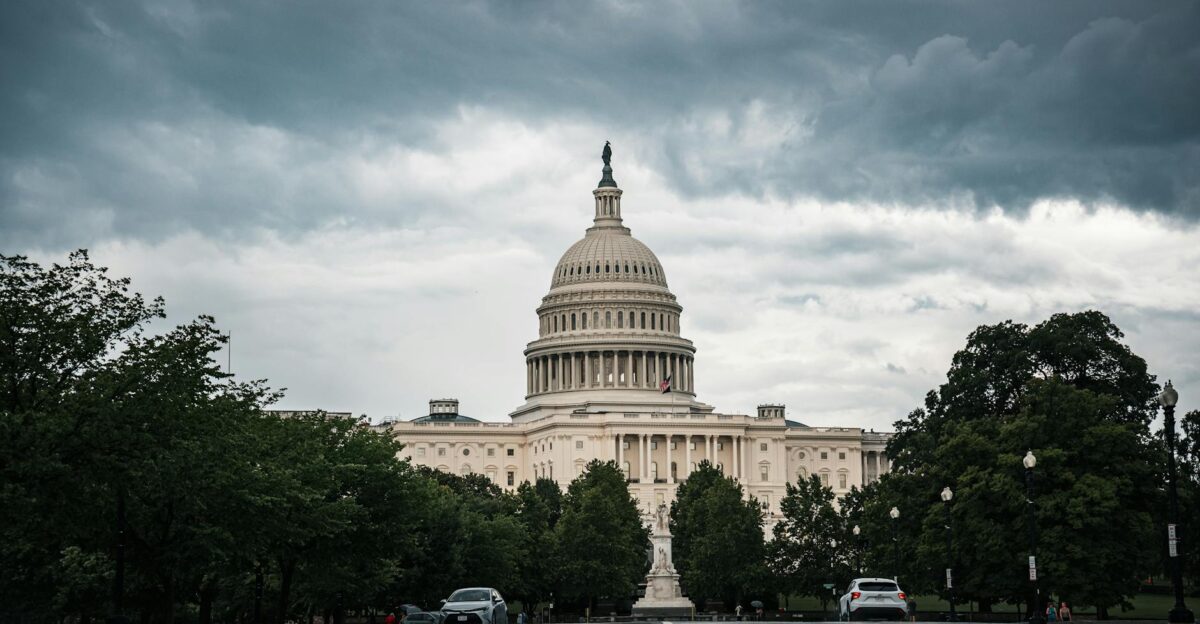
As rumours of clemency swirled, survivors and advocates rallied at the U.S. Capitol. They demanded the full release of Epstein’s files and urged the government to reject any pardon. “For far too long, survivors have been sidelined,” said Lauren Hersh of World Without Exploitation. “They have been silenced. But that stops today”.
Their presence signaled that the story wasn’t just political theatre—it was about justice for victims.
Trump’s Deliberate Remarks
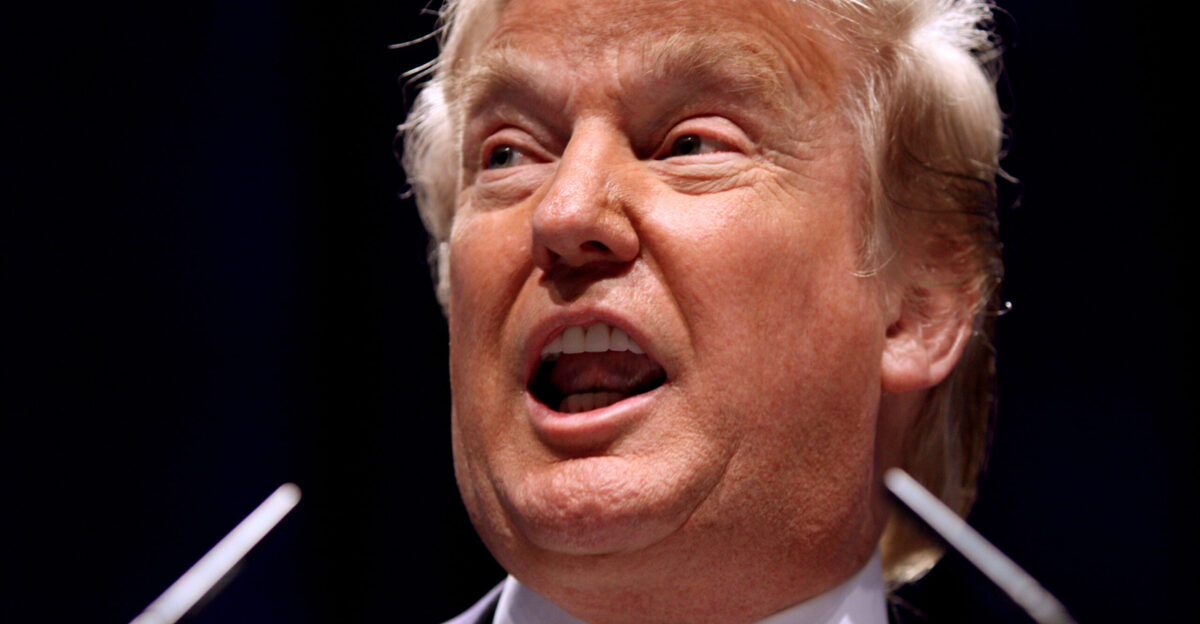
When pressed about clemency, Trump told Reuters he hadn’t heard Maxwell’s name “in so long” and would “have to take a look”.
He added that he would consult the Department of Justice but offered no commitment. Those few words—neither a yes nor a no—kept the door open and unleashed a torrent of speculation about presidential intent.
Shockwaves Across America

Trump’s comments sent shockwaves through political and advocacy circles. Victims’ rights groups warned that even hinting at a pardon would betray survivors and embolden traffickers.
Meanwhile, activists in the MAGA movement, already furious over withholding Epstein records, cautioned that a Maxwell pardon could fracture Trump’s base. The backlash showed how intertwined justice and politics had become.
Human Stories

At the Capitol, survivors shared deeply personal stories. Liz Stein recalled the moment she met Maxwell: “it felt like someone shut off the lights to my soul”. Haley Robson, a registered Republican, begged Americans to “humanize us” and told Trump there was “no hoax”.
Danielle Bensky described survivors as a “mosaic of shattered hopes and dreams” reclaiming their future. These testimonials anchored the debate in lived experience.
Inside the Clemency Process
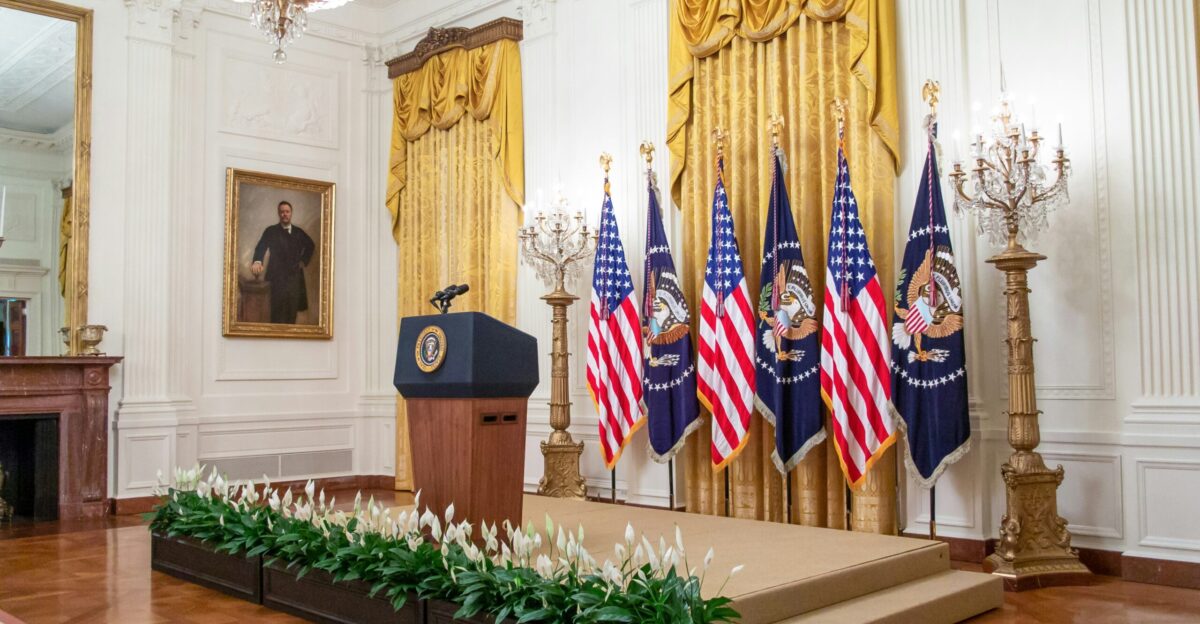
Although the Constitution grants presidents broad pardon powers, the Department of Justice usually vets petitions through its Office of the Pardon Attorney. Trump’s aides said Maxwell had not formally requested clemency and he hadn’t considered granting one.
The unusual involvement of Deputy Attorney General Blanche in interviewing Maxwell underscored how extraordinary this case was.
The Legal Landscape

Maxwell’s final appeal argued that Epstein’s 2007 plea deal shielded “any potential co‑conspirators.” The 2nd Circuit rejected that reading, noting the deal applied only in South Florida.
Solicitor General arguments characterized the agreement as an “odd clause not worthy of Supreme Court review”. With the Supreme Court declining her case, Maxwell’s conviction and 20‑year sentence remain intact.
Diddy’s Unexpected Cameo

Trump surprised reporters further by revealing that music mogul Sean “Diddy” Combs had requested a pardon for himself during a similar exchange.
The celebrity twist—folding a rapper’s plea into a conversation about a sex‑trafficking accomplice—highlighted how wide‑ranging and informal clemency requests can be. It also hinted at the pressures facing a president in navigating high‑profile favors.
MAGA Backlash and Far‑Right Warnings

The possibility of clemency drew sharp rebukes from Trump’s right‑wing allies. Far‑right activist Laura Loomer wrote, “Do not do it. There will be no coming back from that…For the love of God. Do Not Do It”.
Online commentators warned that a pardon could destroy Trump’s base and undermine his anti‑trafficking persona. The political risks of intervening became increasingly clear.
White House Messaging and Denials
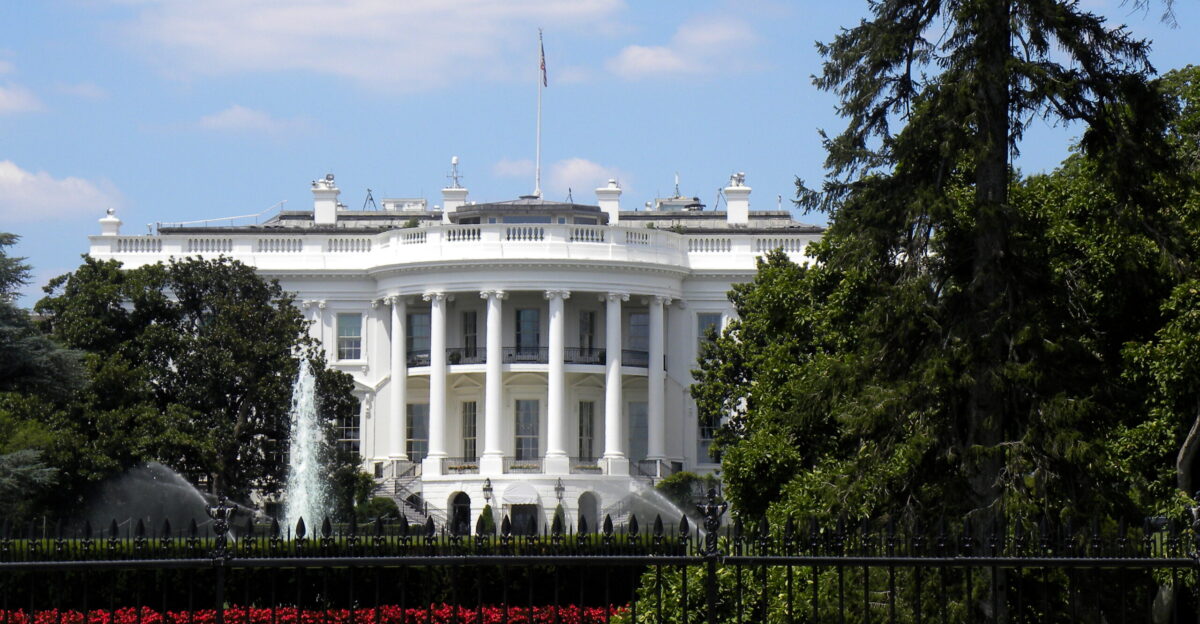
While speculation swelled, the administration sought to tamp down rumors. Trump insisted he hadn’t thought about clemency and emphasized that nobody had asked him to do it.
Maxwell’s attorney, David Markus, likewise said she had not requested a pardon yet and that she would simply “welcome any relief” from her harsh prison conditions. The official line: no active pardon talks.
Maxwell’s Defense Strategy
Maxwell’s legal team focused on legal technicalities rather than presidential mercy. They argued she was covered by Epstein’s plea deal and that investigators misused the non‑prosecution agreement.
After her Supreme Court defeat, Markus pledged to pursue “every avenue available to ensure that justice is done”. Despite those efforts, courts ruled that the agreement did not apply to her.
Supreme Court’s Final Word
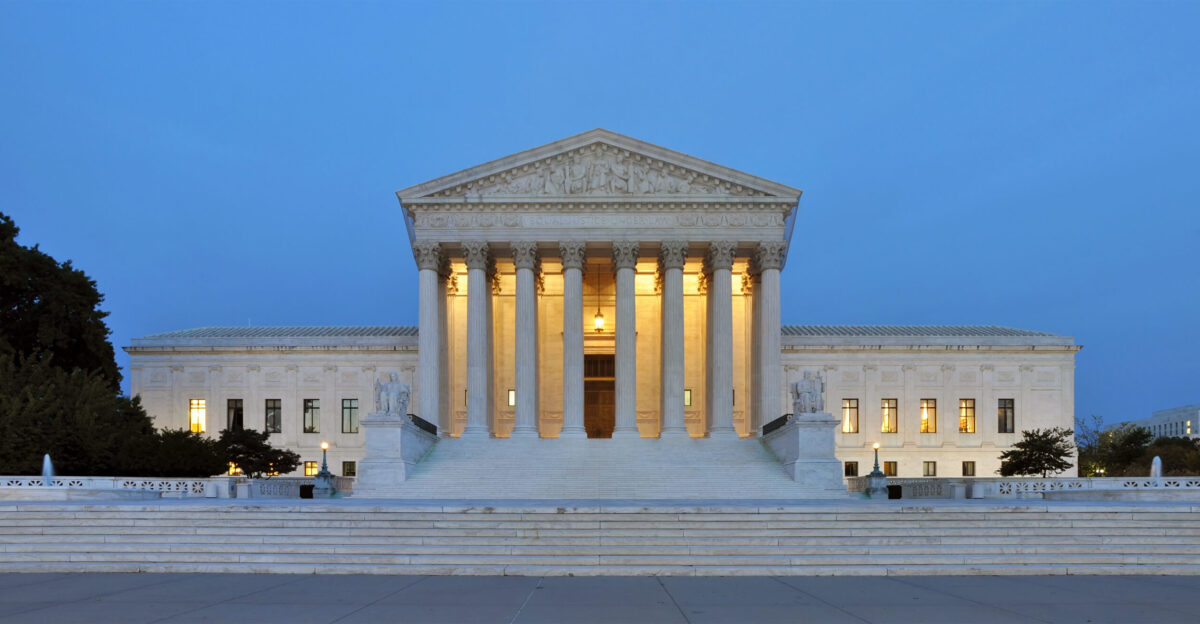
On October 6, the U.S. Supreme Court declined to hear Maxwell’s appeal. The denial, delivered via the court’s order list, meant that her conviction and 20‑year sentence stand.
Legal commentators noted that the justices saw nothing warranting review in her arguments. Without further judicial remedies, a presidential pardon remains her only path to early freedom.
Future Hinges on Presidential Discretion

With all judicial avenues closed, Maxwell’s fate now rests on the discretion of a former political ally. Trump’s comments—neither embracing nor rejecting clemency—leave activists parsing every word.
Meanwhile, survivors and lawmakers intensify calls for transparency, pushing for the release of remaining Epstein files while bracing for a potential political storm.
Political Calculation and Electoral Risks
Granting clemency to Maxwell would break with historical norms and risk alienating key constituencies. Trump’s base has urged him to release Epstein documents and punish those involved; a pardon would be seen as betrayal.
The president must weigh sympathy from powerful figures against backlash from supporters who see themselves as defenders of victims and justice.
Demands for Transparency

Beyond clemency, survivors demand the release of tens of thousands of pages of Epstein‑related documents. The House Oversight Committee released around 33,000 pages of files—most already public—but survivors and lawmakers pressed for more.
They argue that only full disclosure can reveal the scope of Epstein’s network and ensure accountability for everyone involved.
Warnings From Legal Experts

The idea of a presidential pardon for a convicted sex trafficker alarmed legal scholars. The Independent reported that Maxwell’s best chance of early release is through clemency, yet legal experts caution that even floating the idea encourages her to do “anything she can to secure one”.
Such concerns underscore why the case has become a focal point for debates about abuse of power.
Power and Accountability

The Maxwell saga ignited broader conversations about celebrity, power and accountability. Survivors described themselves as part of a sorority they never chose, yet their solidarity and public advocacy pressured lawmakers to confront systemic failures.
Their call to “humanize us” resonates beyond this case, challenging institutions to prioritize victims over the privileged.
Watching the Next Move

As 2025 draws to a close, the nation awaits a definitive answer. Maxwell remains in federal custody, her legal options exhausted. Trump’s comments keep the political world guessing.
Survivors continue to speak out, lawmakers debate transparency, and justice advocates warn of precedent. Whatever the decision, the clash of politics, law and morality will shape the narrative for years.