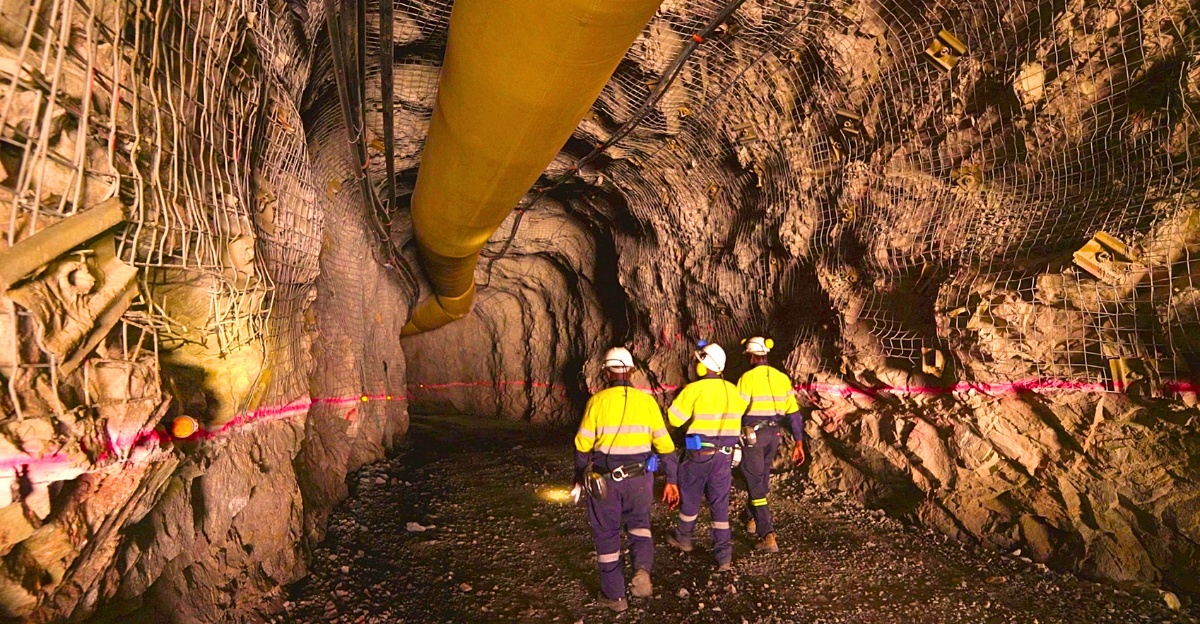
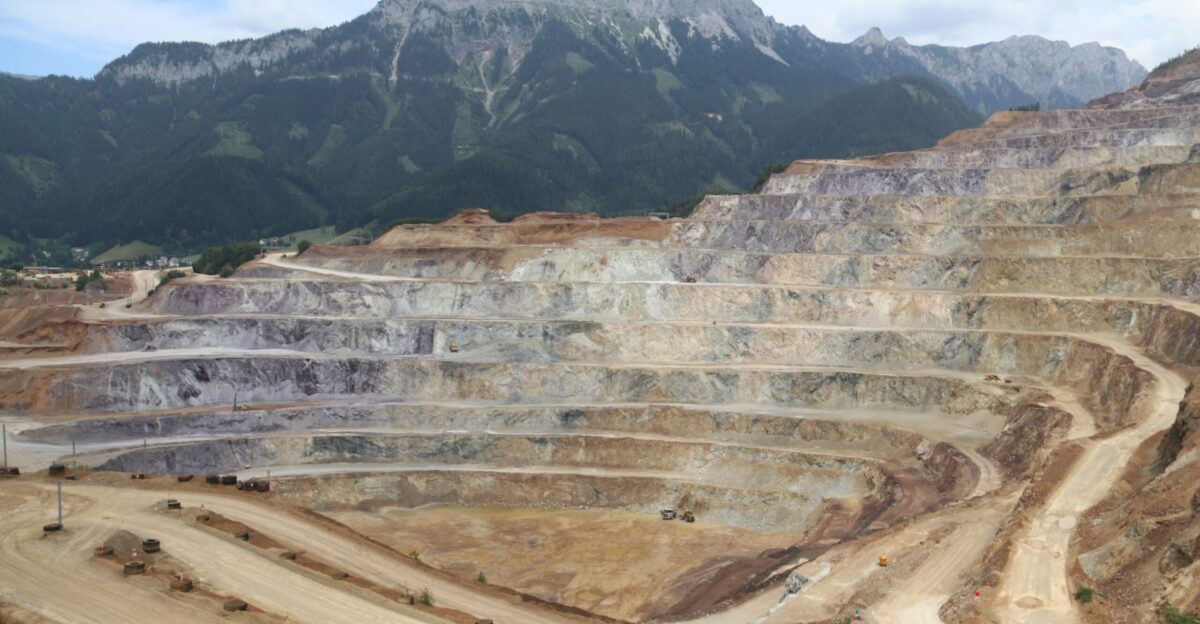
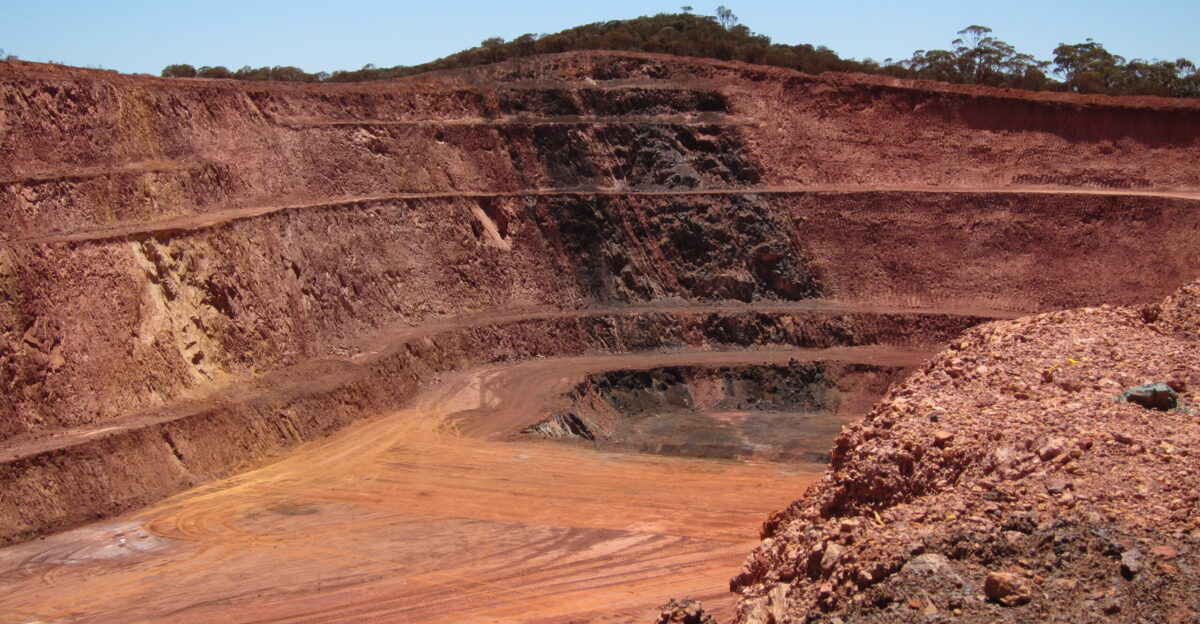
Australia’s Pilbara region accounts for nearly 40 percent of the world’s iron ore supply, with mining giants Rio Tinto, BHP, and Fortescue extracting over 800 million tons annually.
Recent scientific findings about these ancient deposits have challenged our previous understanding of their formation.
Global Appetite
In 2024, China imported a record 1.24 billion tonnes of iron ore, with Australia supplying about 65 percent.
This essential trade supports China’s steel mills, which produce a variety of products, including smartphones and skyscrapers. The significance of iron ore from Western Australia’s ancient rocks is evident in the construction of cars, buildings, and bridges.
Ancient Story
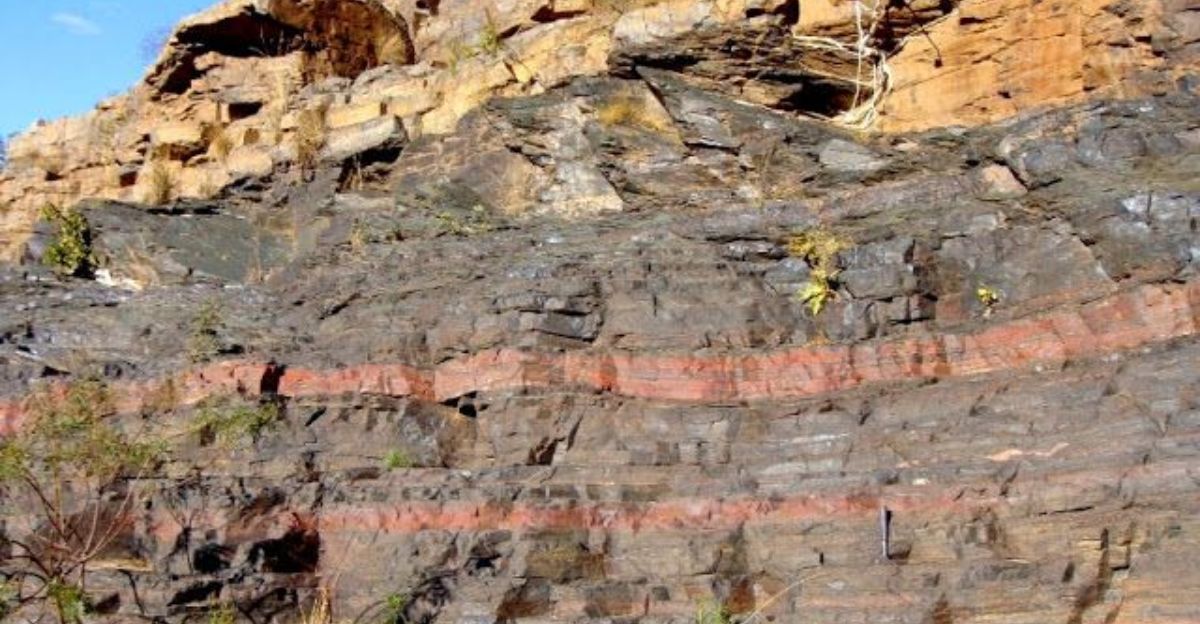
Scientists have long believed that the world’s largest iron ore deposits were formed around 2.2 billion years ago during the Great Oxidation Event.
At that time, cyanobacteria released oxygen into the atmosphere, which reacted with dissolved iron in ancient seas, creating the layered rock formations we mine today.
Textbook Wisdom
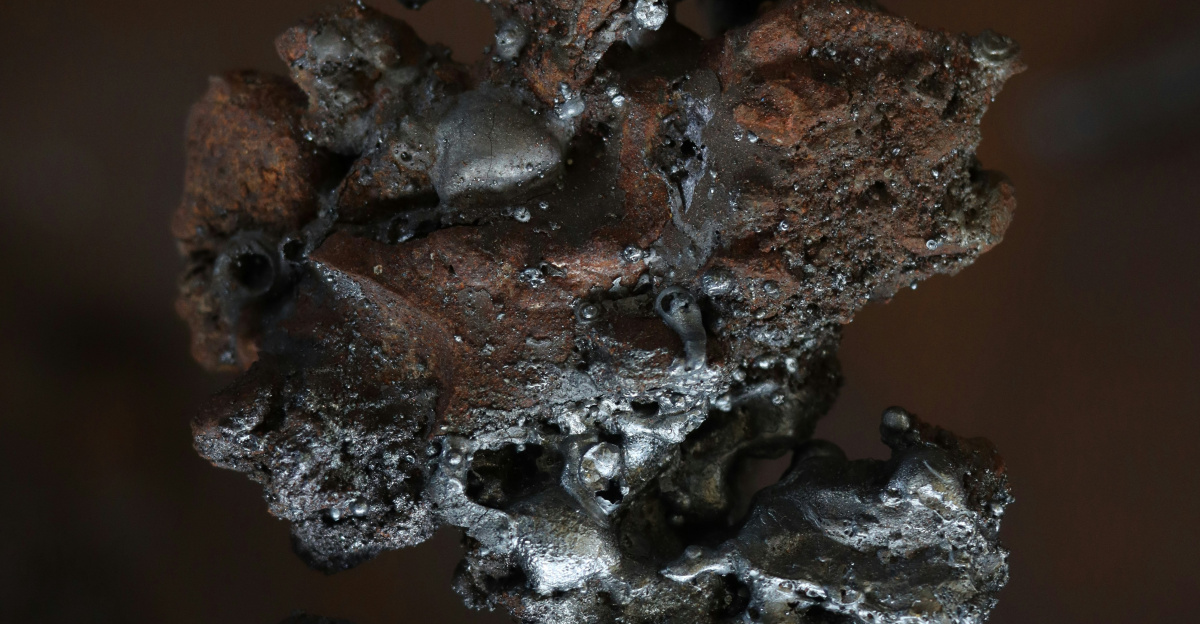
Geology textbooks suggest that Western Australia’s iron ore deposits formed during the Great Oxidation Event, making them some of Earth’s oldest. Scientists determined their age using indirect methods by studying surrounding rocks.
This timing aligns with the ideal chemical conditions in ancient oceans that allowed for the formation of large iron deposits.
Game Changer
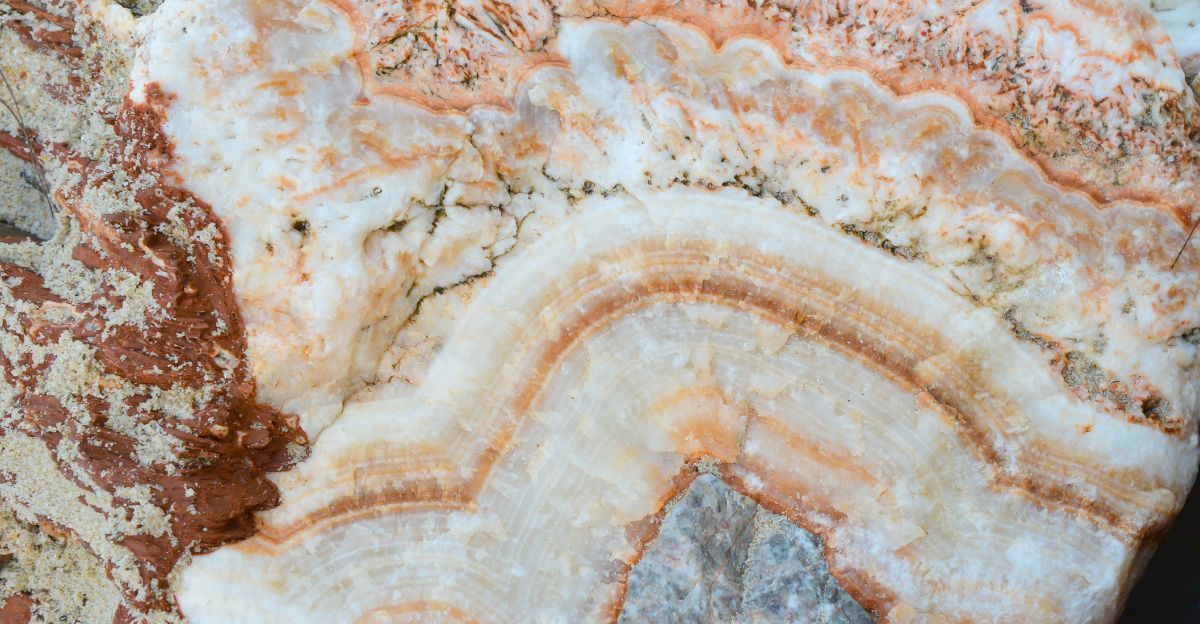
In July 2024, Curtin University researchers reported significant findings that challenged previous beliefs about mineral deposits.
Using advanced uranium-lead dating of iron crystals, Dr. Liam Courtney-Davies determined that these deposits formed between 1.4 and 1.1 billion years ago, nearly one billion years younger than earlier estimates, according to the journal PNAS.
Industry Shakeup
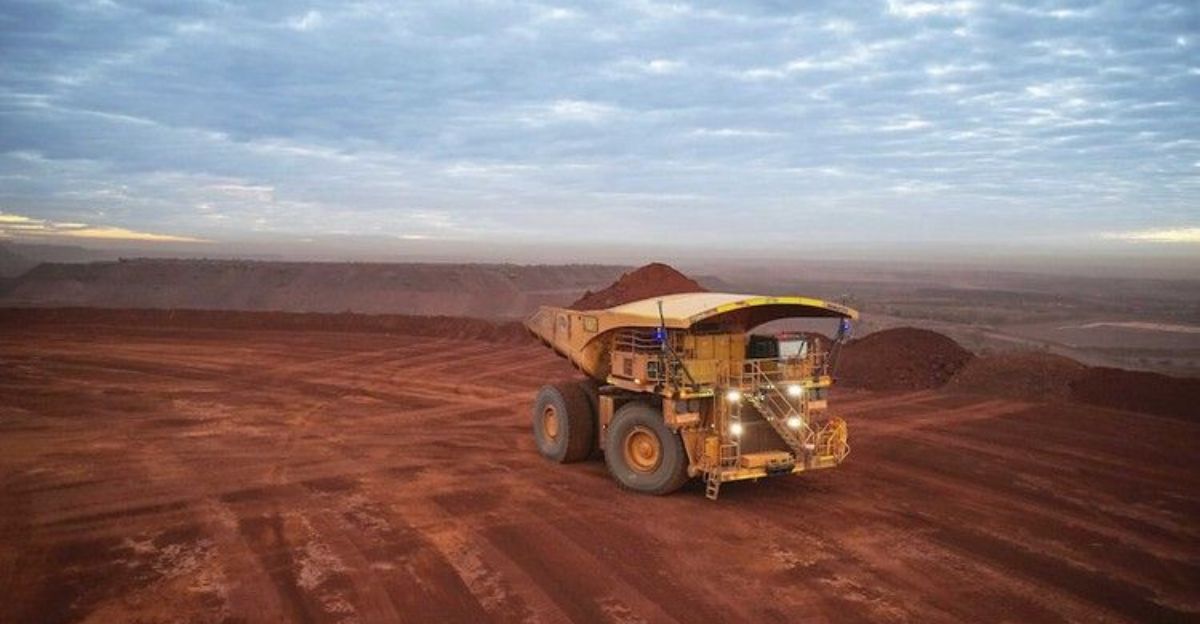
Recent findings show that major iron ore operations in the Pilbara, including Rio Tinto’s 328 million tonnes and BHP’s 288 million tonnes, are based on deposits that are younger than assumed.
This revelation alters the understanding of Australia’s rise as a global iron ore leader.
Scientific Breakthrough
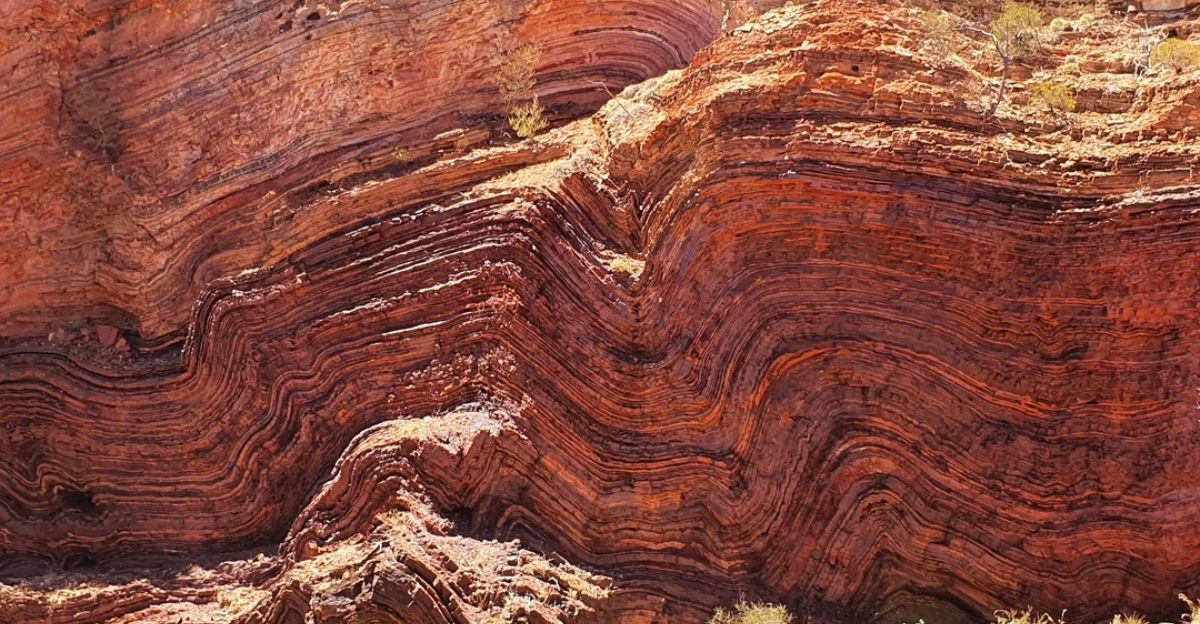
“The energy from this epic geological activity likely triggered the production of billions of tonnes of iron-rich rock across the Pilbara,” explained lead researcher Dr. Courtney-Davies to Curtin University media.
The team has developed a uranium-lead dating technique that analyzes “birth certificates” contained within individual iron crystals, allowing for remarkable accuracy in dating geological formations. This method has provided new insights into the formation of Earth’s largest iron ore deposits, which occurred during the breakup of ancient supercontinents.
Market Impact
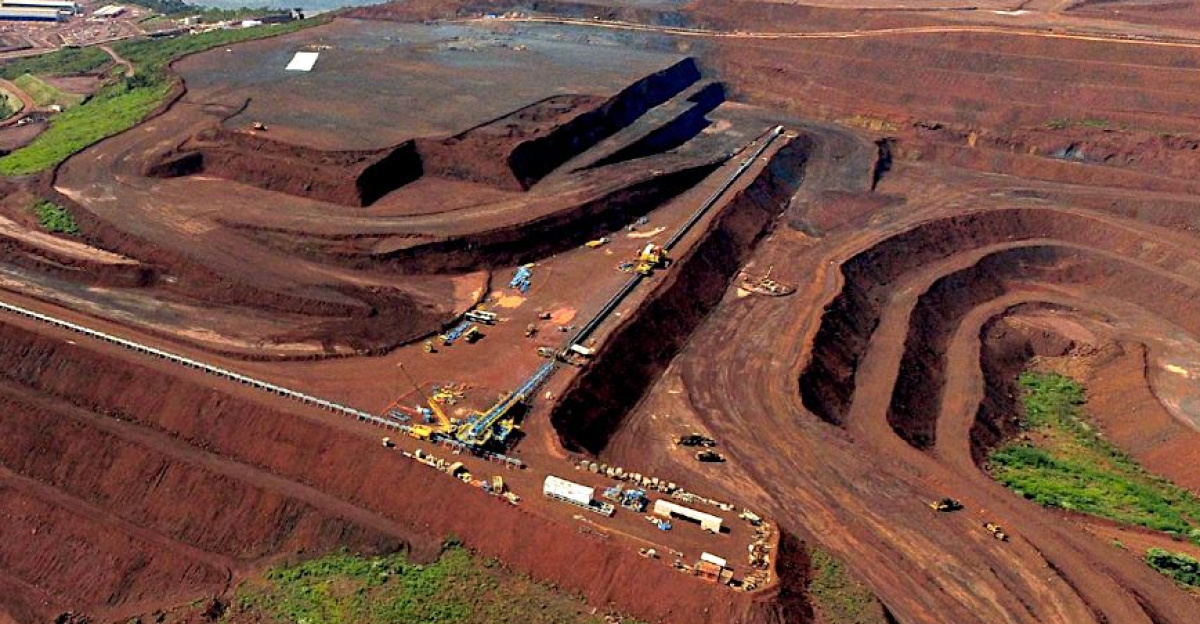
New insights into the timing of iron ore deposit formation could reshape global competition, especially between Australia and Brazil’s Vale.
With Western Australia currently holding a 38 percent market share, this revised geological timeline may prompt competitors to explore their ancient terrains for resources.
Dating Revolution
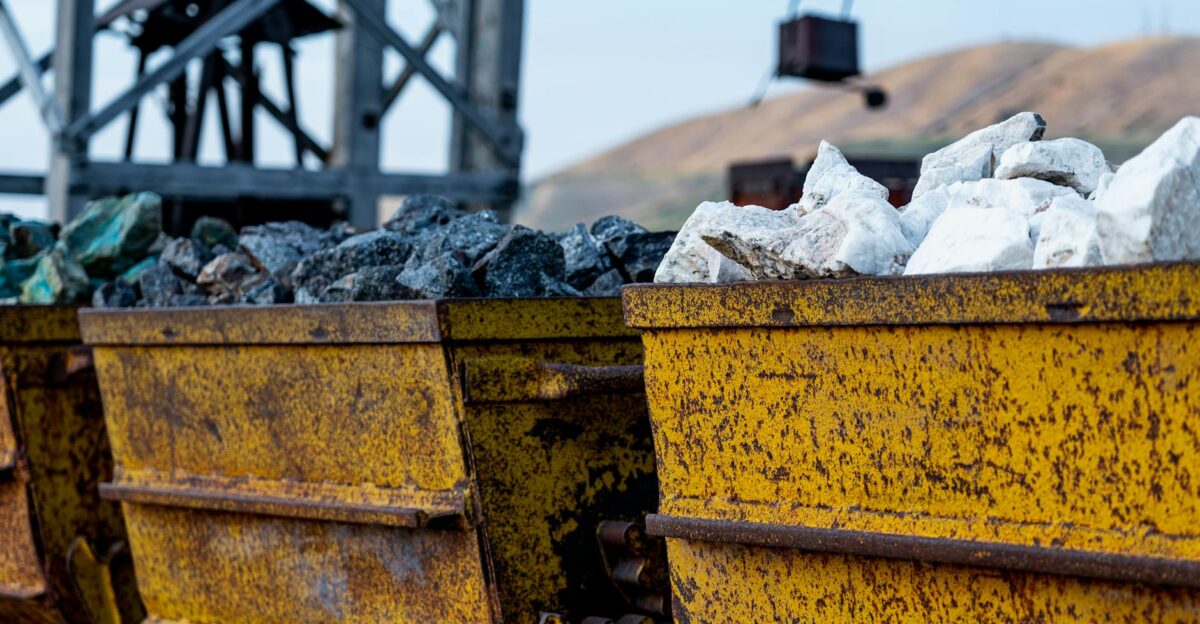
The uranium-lead dating method offers a more accurate approach to geological timekeeping. It utilizes atomic clocks embedded in iron crystals. Through the predictable decay of uranium atoms into lead over billions of years, this method provides precise timestamps for geological formations.
This innovation allows for the direct dating of iron ores for the first time, which could significantly transform mineral exploration in key iron-producing regions worldwide.
Supercontinent Secret
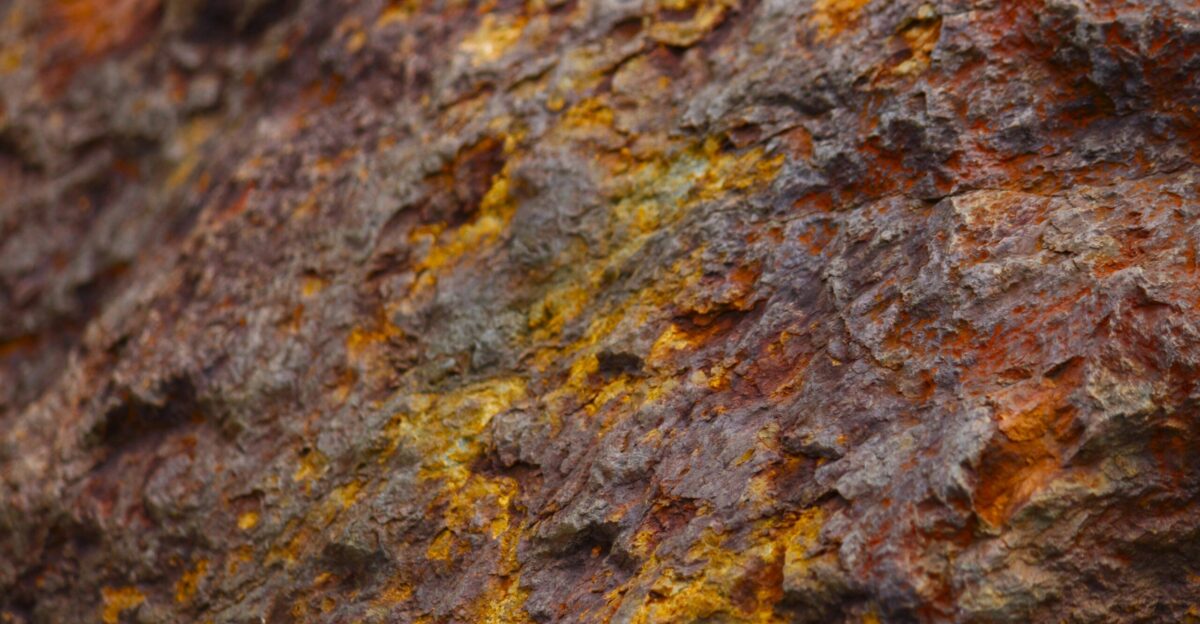
Recent research links iron ore formation to tectonic events during the assembly and breakup of ancient supercontinents, Columbia and Rodinia.
Hot, oxygen-rich fluids transformed low-grade deposits into high-quality ores during these upheavals. This suggests that supercontinent cycles, rather than the Great Oxidation Event, played a key role in creating the world’s richest iron deposits.
Executive Anxiety
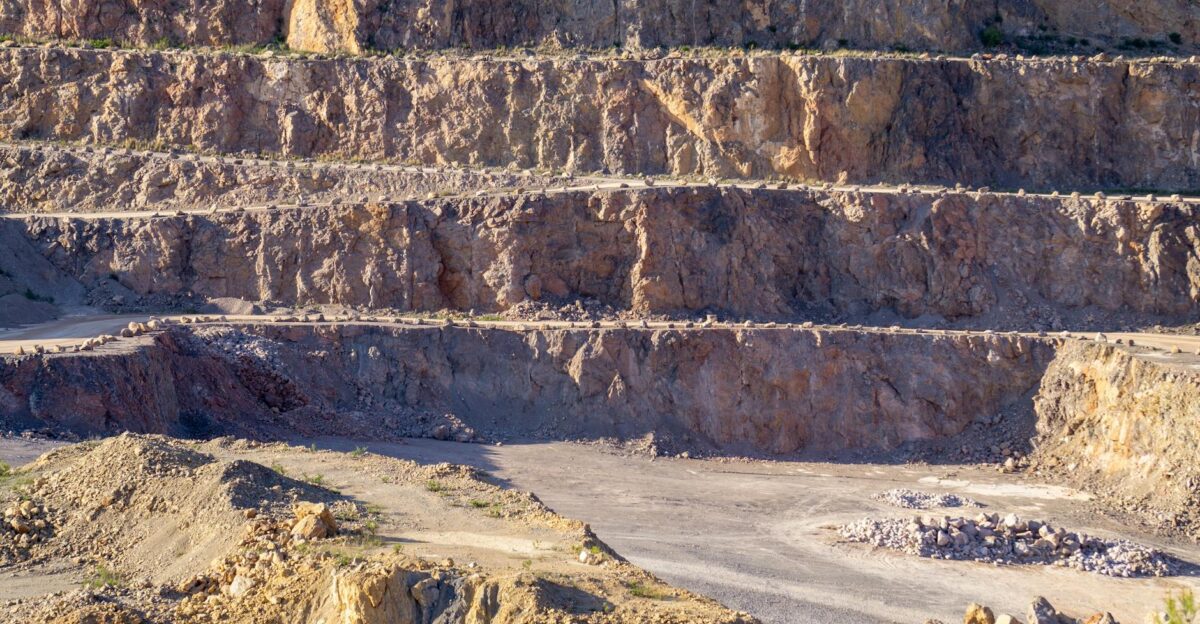
Mining executives now question exploration strategies built on outdated geological models spanning decades of investment. Industry analysts reported that corporate boardrooms buzz with uncertainty as companies scramble to understand the implications for future discoveries.
The revelation creates opportunity and worry across major mining corporations whose expansion plans relied on the previous 2.2-billion-year formation timeline.
Strategy Overhaul
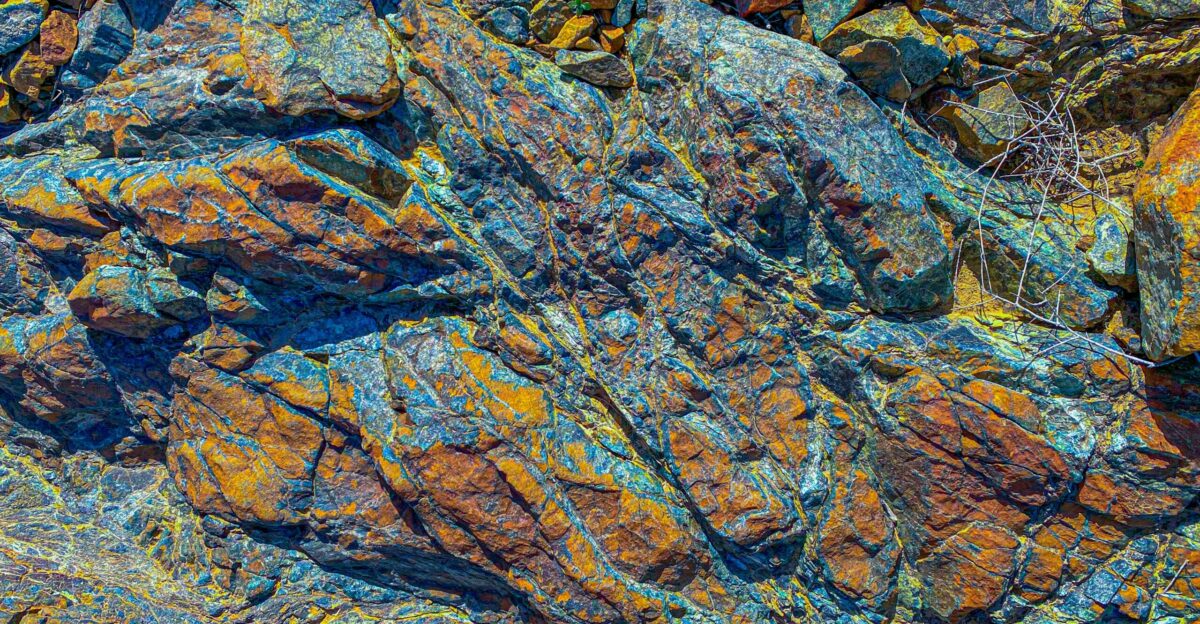
Rio Tinto, BHP, and other mining giants are quietly reassessing their global exploration portfolios based on the new timeline. According to industry reports, these companies built geological understanding around the old model, potentially missing opportunities in regions with 1.3-billion-year-old tectonic signatures.
Corporate geologists now reexamine data from Brazil, Canada, and other iron provinces for similar supercontinent indicators.
Exploration Revolution
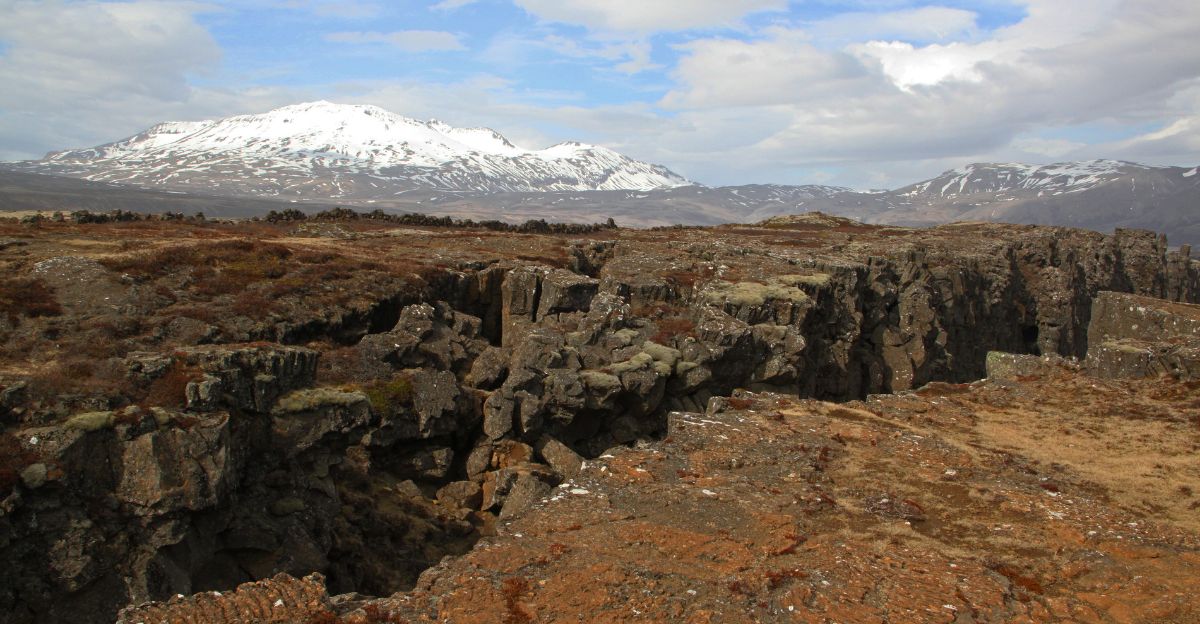
“Our research indicates these deposits formed in conjunction with major tectonic events, highlighting the dynamic nature of our planet’s history,” Associate Professor Martin Danišík told Science Daily.
His team’s methodology helps explorers hunt for similar geological recipes: ancient iron formations reworked by heat during specific supercontinent cycles. This precision guidance could unlock discoveries worth trillions.
Market Watch
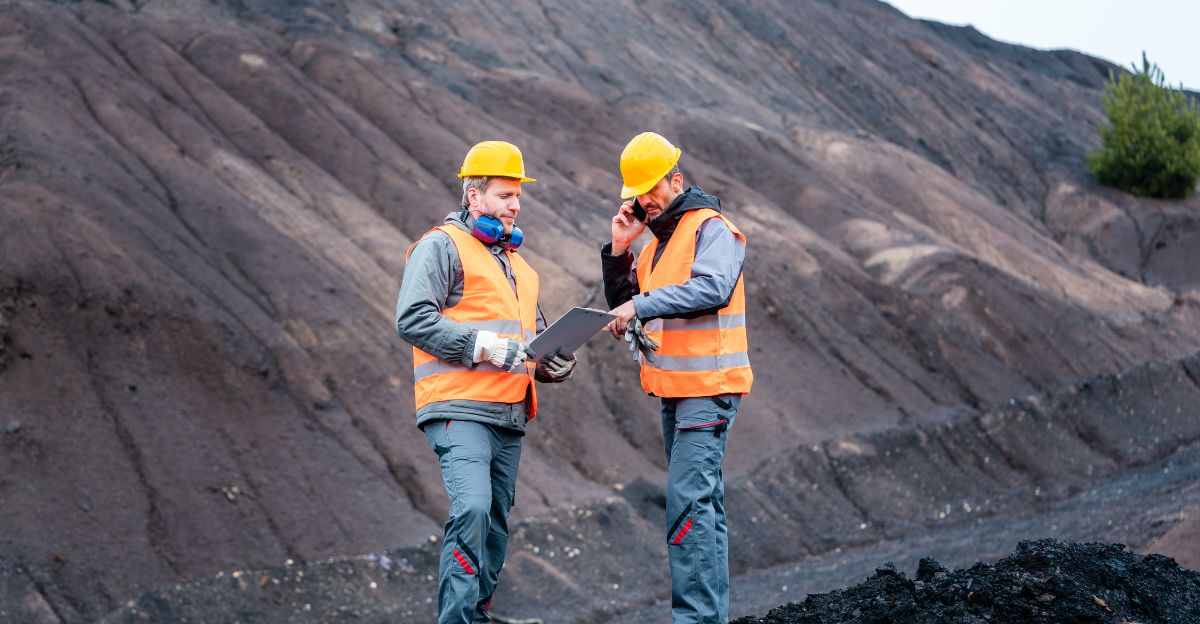
Industry analysts cautiously assess whether the discovery affects current mining operations or the stock prices of major producers. While existing deposits remain unchanged, the revelation may influence long-term exploration budgets and development strategies, according to market watchers.
Some experts suggest the breakthrough validates Western Australia’s unique geological advantages against emerging suppliers worldwide.
Future Prospects
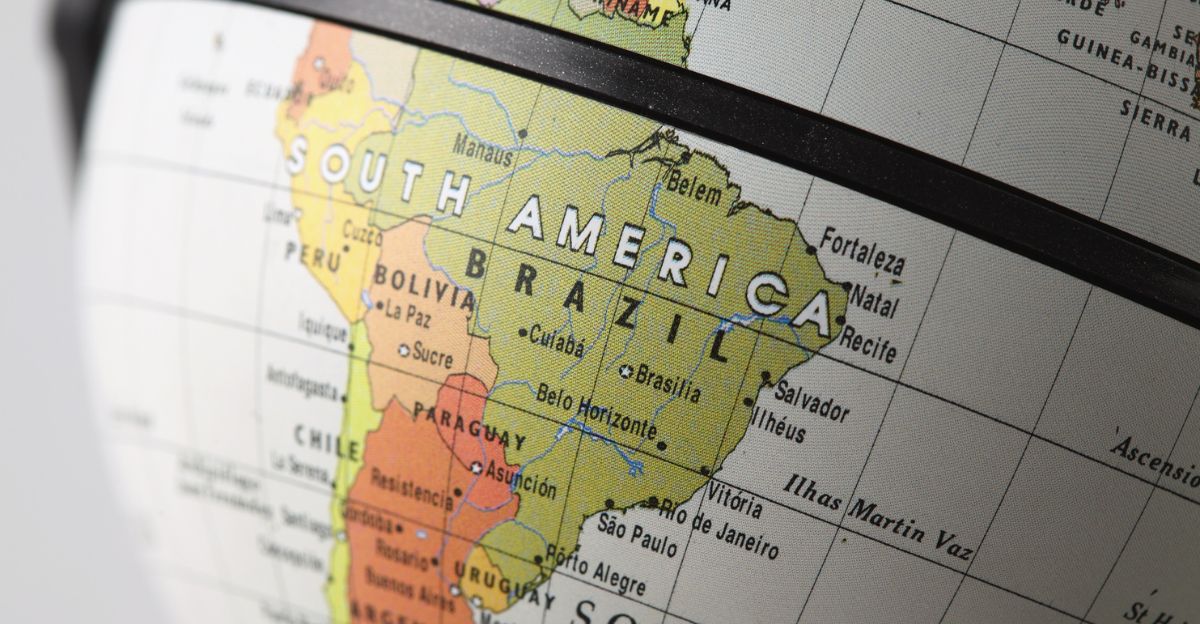
The breakthrough raises fascinating questions about undiscovered iron ore deposits worldwide, particularly in regions with similar ancient tectonic signatures.
Could Brazil’s iron provinces or Canada’s Labrador Trough hide untapped resources formed during identical supercontinent cycles? Modern exploration technology combined with this new timing framework may reveal Earth’s next generation of giant discoveries.
Green Steel Push
The discovery coincides with growing demand for high-grade iron ore to support cleaner steel production using hydrogen technology. Western Australia’s premium deposits, now understood as products of unique billion-year-old geological processes, become even more valuable for environmental steelmaking.
Australia plans to leverage these advantages in developing green iron exports, which could potentially be worth $250 billion annually, reports Austrade.
China Factor
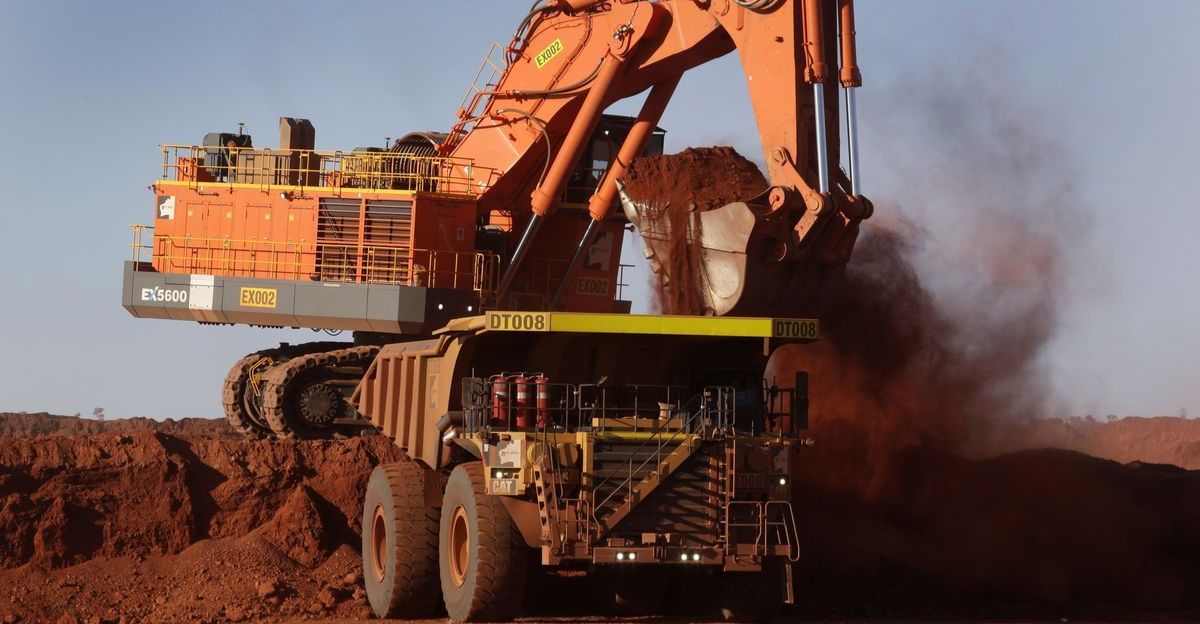
According to customs data, China’s massive 1.24 billion tonne annual iron ore appetite drives intense international competition among suppliers.
Australia’s newly understood geological advantages, combined with proximity to Asian markets, strengthen its strategic position against Brazil and emerging African suppliers. The billion-year formation timeline may explain why Australian ores consistently achieve premium grades.
Environmental Stakes
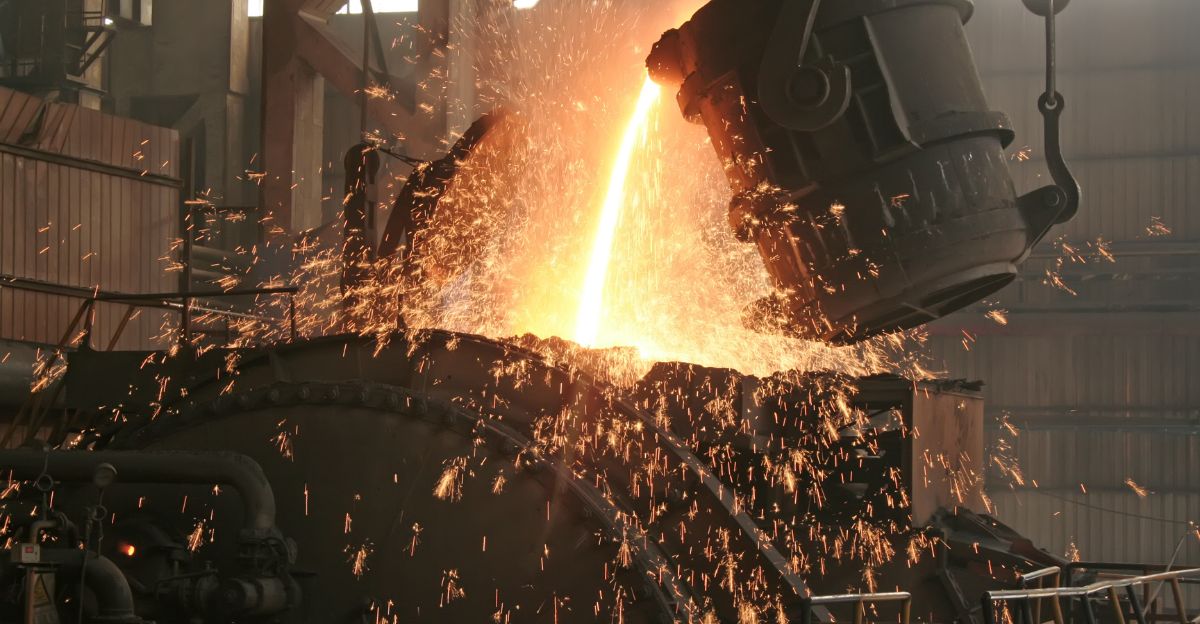
As steel production contributes 7 percent of global carbon emissions, understanding iron ore formation becomes crucial for sustainable mining strategies.
Environmental analysts say the discovery that Western Australia’s deposits required unique billion-year geological processes highlights their irreplaceable value for green steel initiatives. This research may justify protecting high-grade ore bodies for future low-carbon production.
Scientific Culture
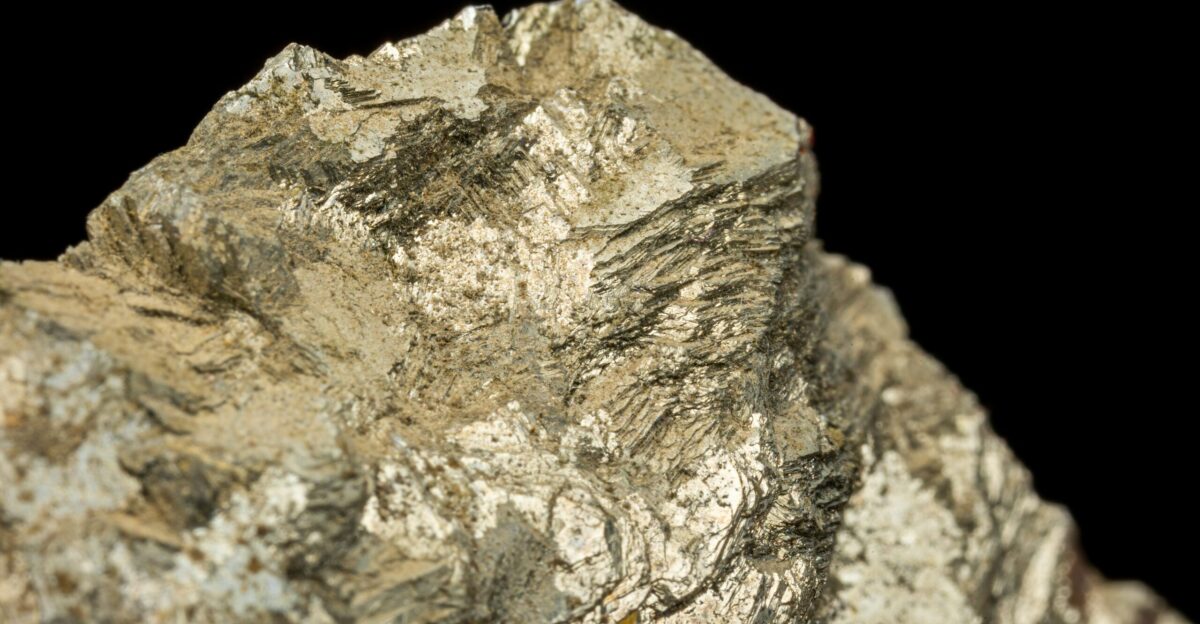
The revelation exemplifies how advanced analytical techniques continue to revolutionize our understanding of Earth’s deep history and resource formation.
According to academic observers, younger researchers like Dr. Courtney-Davies challenge established geological beliefs using technologies unavailable to previous generations. This cultural shift toward direct mineral dating may transform resource geology across multiple commodity systems.
Bigger Picture
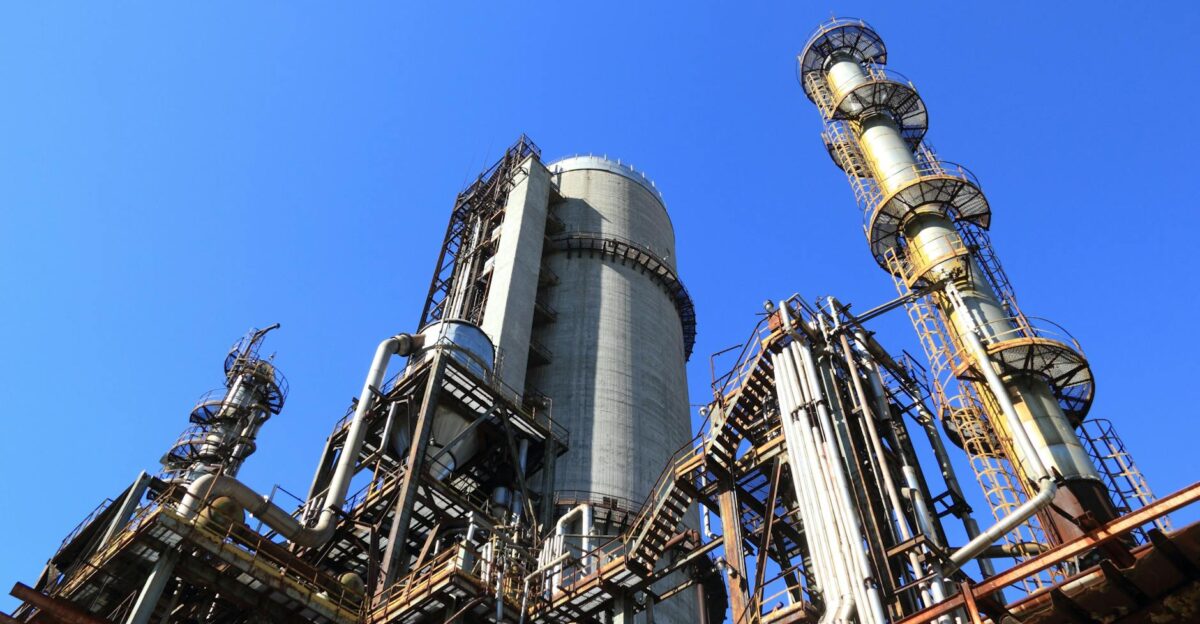
The billion-year revision illustrates how scientific breakthroughs can reshape industries built on incomplete understanding. As humanity faces resource scarcity and climate challenges, precise knowledge of how Earth’s treasures formed becomes essential for sustainable development.
This discovery reminds us that our planet’s history still holds profound secrets, waiting for the right technology to unlock their transformative potential.