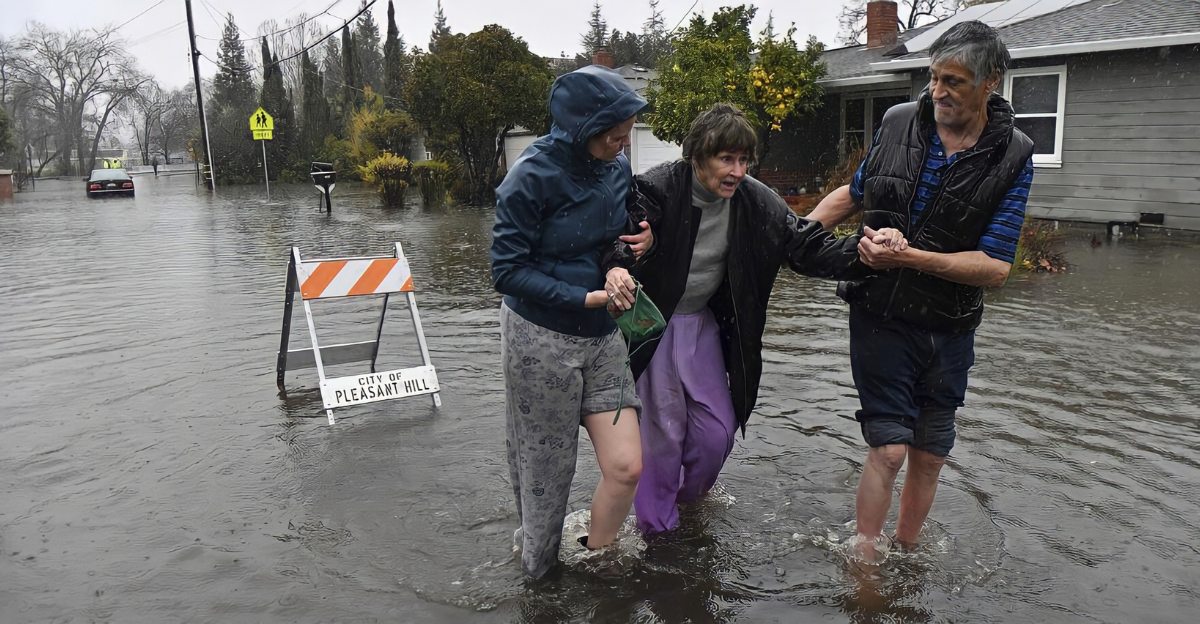
A massive atmospheric river storm is currently hammering the U.S. West Coast, impacting states from California to Oregon and Washington. Meteorologists have issued dire warnings of up to a trillion gallons of precipitation expected by Sunday, marking this event as unprecedented. Rare multi-state weather alerts have been rolled out, signaling that millions could be affected.
This massive weather event is more than just a meteorological anomaly; it reflects a troubling trend in the region’s extreme weather patterns. As communities brace for the worst, experts are unearthing a deeper narrative about our changing climate.
The Mechanics Behind the Storm

The storm’s origins can be traced back to moist air from Southeast Asia, funneled across the Pacific by a robust atmospheric river. Meteorologist Chad Merrill notes that such patterns “typically bring intense rain and flooding.” Climate variability, coupled with specific oceanic conditions, has intensified this weather system, rendering it both larger and more severe than average.
As the storm looms, experts emphasize the significance of understanding these atmospheric phenomena. Analyzing these patterns is crucial for predicting future extremes, thus enabling better preparedness for impacted communities.
Immediate Threats to Residents
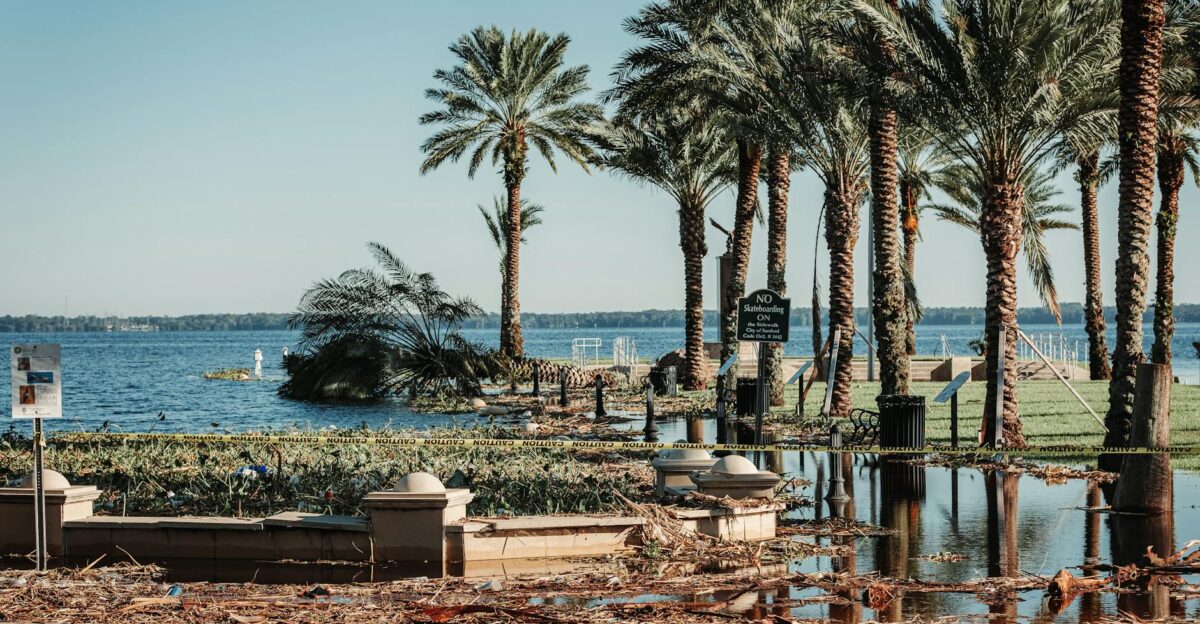
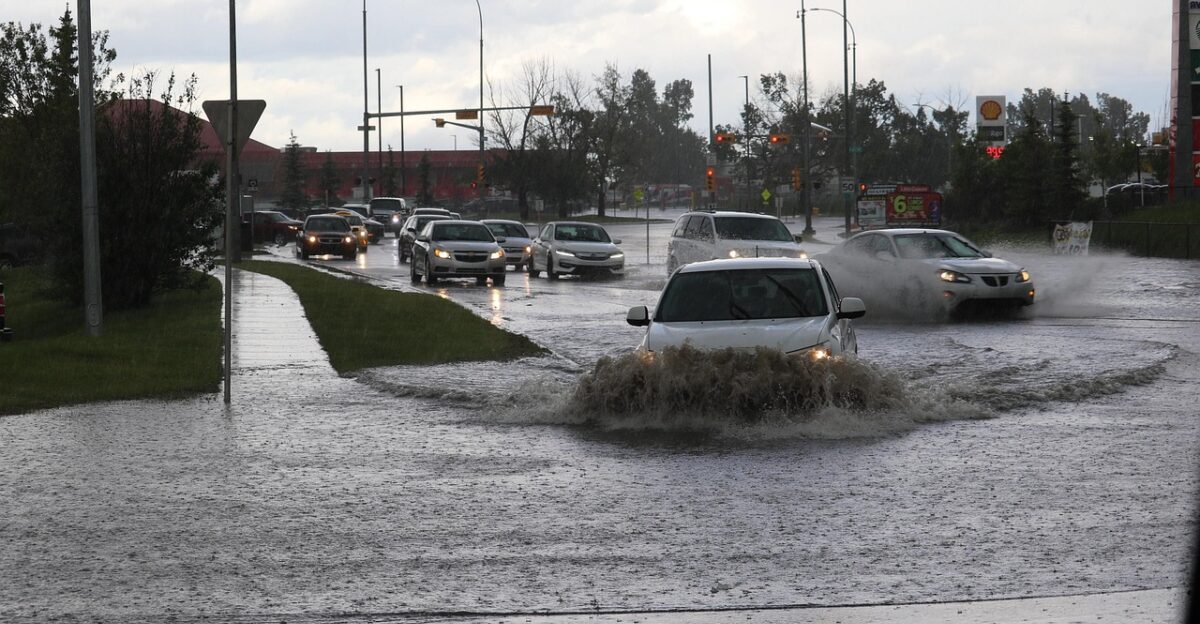
With the storm bearing down, millions across the West Coast are preparing for potential flash floods, mudslides, and widespread power outages. Emergency services are urging residents to stock up on supplies and stay informed about local alerts.
The National Weather Service has warned that nearly the entire coastline will be affected, drastically altering daily routines for families and businesses. Community leaders are mobilizing to ensure that safety measures are in place, while local organizations are intensifying their efforts to assist. The urgency of the situation cannot be overstated; immediate action is essential for safeguarding lives.
Mobilizing Emergency Resources
Businesses across various sectors are scrambling to activate emergency protocols in response to the storm. Power companies are preparing for outages, anticipating downed trees and severe winds. Grocery stores are experiencing an unprecedented surge in demand for essentials, with items selling out rapidly.
“We’ve never seen anything like this,” says a local grocery store manager as customers stock up in readiness. Delivery services are bracing for delays, particularly in coastal and mountainous areas. The ripple effects are being felt across the economy, and preparation is paramount as the storm intensifies.
Travel and Hospitality Sector Affected
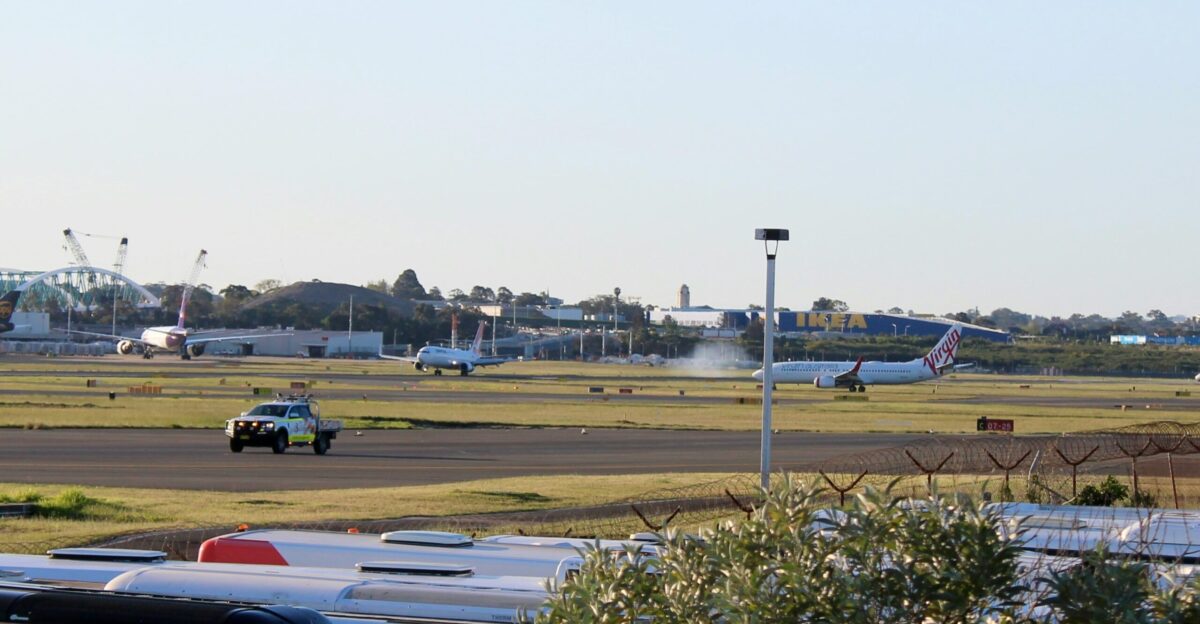
Travel services are being dramatically disrupted as airlines and rail operators cancel or reroute flights throughout California, Oregon, and Washington. Hotels near evacuation zones are filling up rapidly, and travel insurance claims are starting to skyrocket as visitors cancel plans.
“Safety always comes first,” a travel agent remarked, highlighting the tension between tourism and safety concerns. As tourists adjust to this unexpected twist, tourism boards warn about the potential for significant revenue loss. The interconnectedness of travel and local economies is becoming increasingly evident as the storm intensifies.
Global Supply Chains at Risk
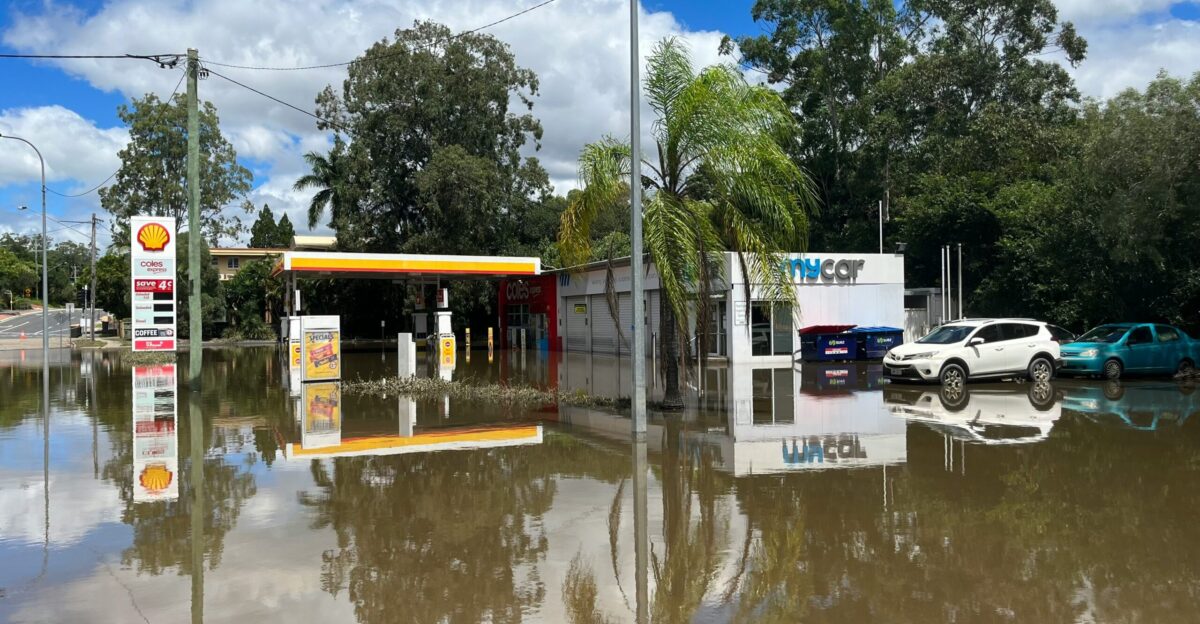
Major West Coast ports, including Los Angeles and Seattle, are experiencing operational slowdowns due to flooding and high winds. Shipping schedules are being delayed, threatening global supply chains, especially for electronics, apparel, and perishable goods. Importers and exporters are becoming increasingly apprehensive, bracing for ripple effects that could reach markets as far away as Asia.
As one shipping analyst put it, “The ramifications of this storm could be global.” With each passing moment, the stakes rise not only for local economies but also for international trade.
Farmers Facing Significantly
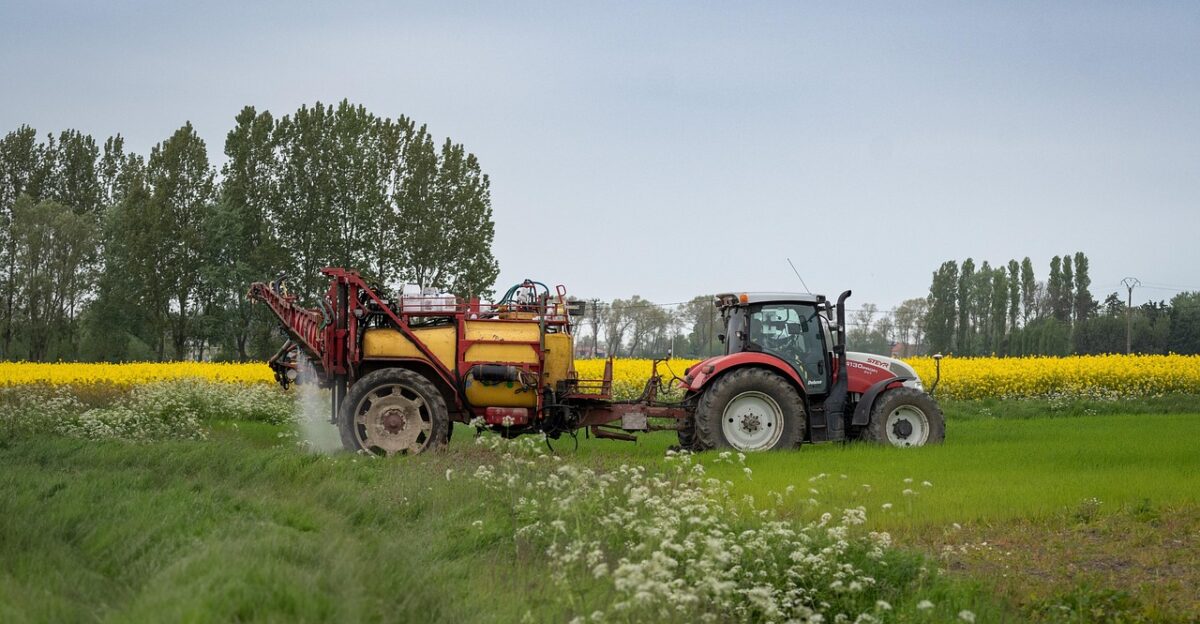
The storm poses a severe risk to agricultural communities, particularly in California’s Central Valley and Oregon’s Willamette Valley. Farmers are facing potentially catastrophic losses as flooding and high winds threaten crops. Local farmers are scrambling to protect their harvests, anxious not only for their livelihoods but also for the regional food supply.
“Every storm like this puts our entire year at risk,” one farmer expressed, showcasing the gravity of the situation. Local officials are coordinating relief efforts, while policymakers discuss long-term strategies to support agricultural resilience in the face of increasing climate uncertainty.
State Responses and Emergency Aid

In response to the crisis, governors from California, Oregon, and Washington have declared states of emergency, unlocking disaster funds to facilitate swift action. National Guard units are being deployed to assist with evacuations and emergency services. Local governments are collaborating with FEMA to ensure a rapid response, aligning resources for effective aid.
“We’re in this together; we will support our communities,” a state governor stated at a press conference. As hope rests on organized relief, the focus also shifts to long-term infrastructure enhancements that will help withstand future weather challenges.
Economic Implications
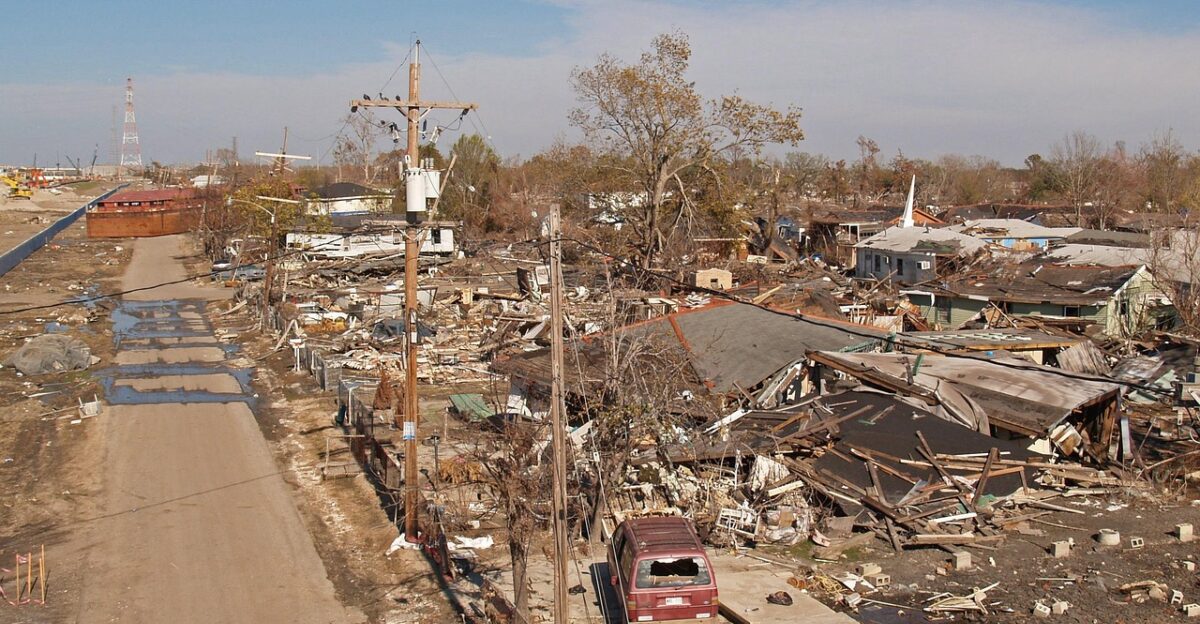
The storm’s aftermath is expected to increase insurance claims and drive up premiums, particularly in the areas of flood and property coverage. Repair costs combined with ongoing supply chain delays could create additional inflationary pressures on regional markets, affecting prices in construction, food, and energy.
Economists warn that a broader economic drag could result if these disruptions persist. Businesses and households alike brace for the financial impact, highlighting the interconnected nature of climate events and economic stability. Insight into these effects will shape recovery paths for affected communities.
Rising Health and Safety Concerns
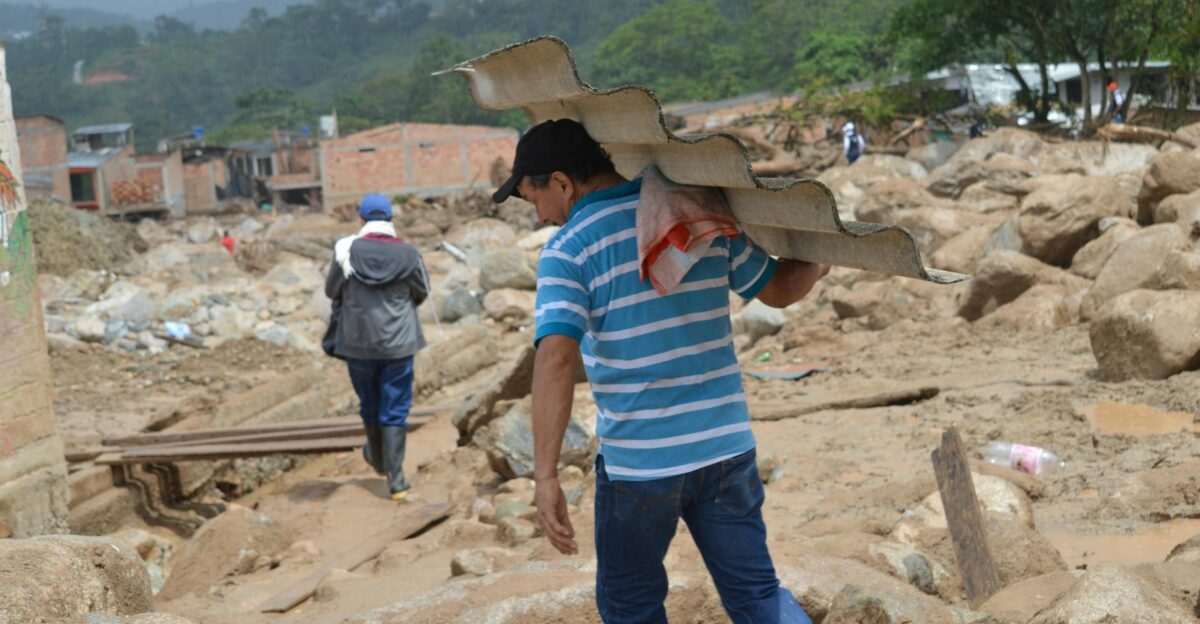
As the storm wreaks havoc, public health risks surge, including contamination of water supplies, mold growth, and disruptions to medical services. Hospitals are preparing for a swell of storm-related injuries in the wake of the disaster. Public health officials are urging residents to take necessary precautions, including boiling water and avoiding flooded areas, to mitigate illness and accidents.
“We’re urging everyone to stay vigilant,” a health official advised. These elements underscore that the storm’s impact goes beyond physical damage, directly threatening the health of communities.
A Renewed Call for Sustainability
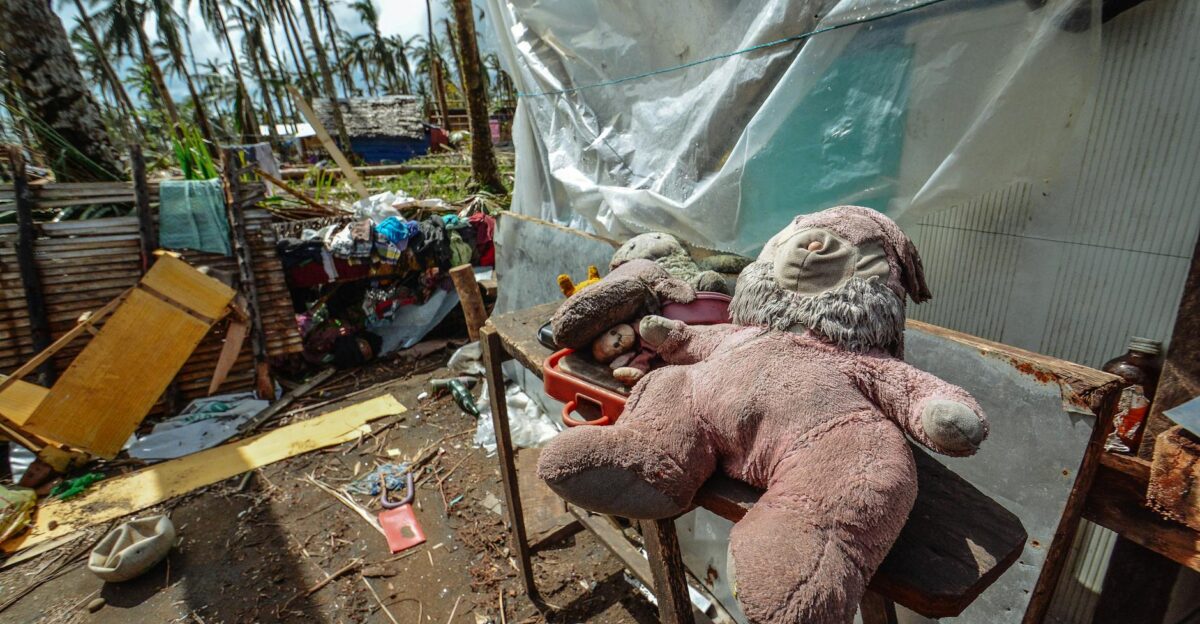
The intensity of this storm reignites discussions about climate resilience and sustainable development. Environmental groups are advocating for increased investment in green infrastructure to mitigate future risks, while others argue that the existing systems are desperately in need of upgrades.
The storm highlights the pressing need for adaptive strategies in an era characterized by intensifying weather extremes. The question of how society adapts remains crucial as both policymakers and the public engage in this critical dialogue for a sustainable future.
A Global Perspective on Climate Action
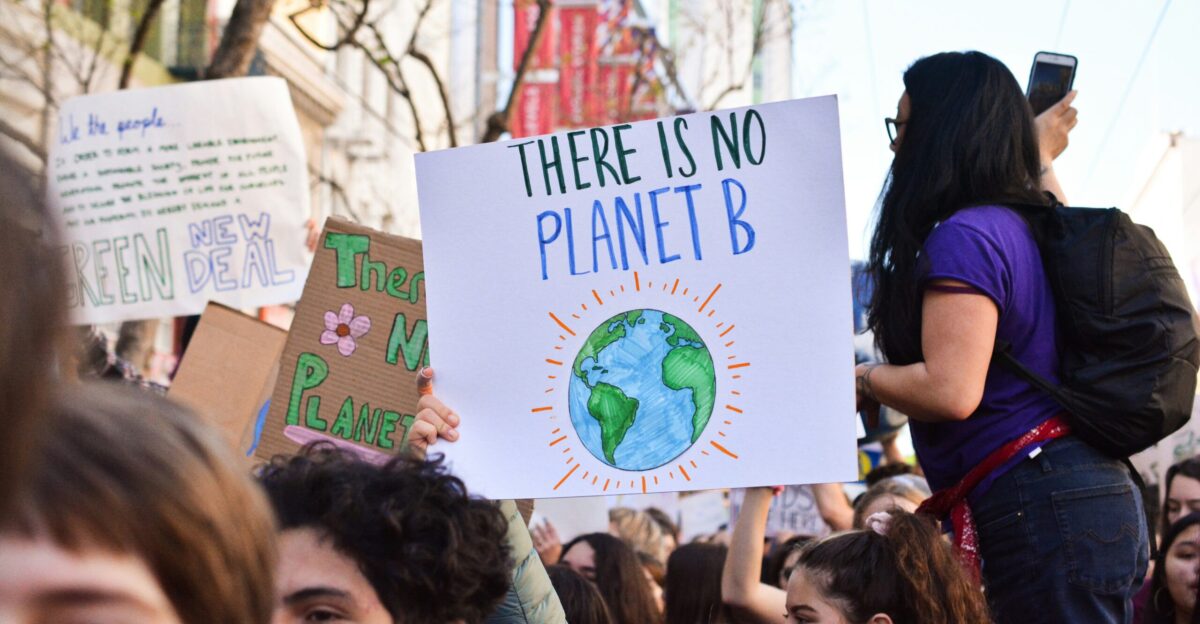
International observers are taking note of the West Coast’s struggles, seeing it as a cautionary tale for other coastal regions worldwide. The storm’s unprecedented scale ignites renewed calls for global climate action and adaptation measures.
Businesses and consumers worldwide are closely monitoring the situation, recalibrating their risk assessments in light of the evolving climate realities. The West Coast’s weather challenges serve as a potent reminder that climate change knows no borders, underscoring the need for collective action on a global scale.
Mixed Impact on Businesses
While some sectors face significant losses, others stand to benefit in unexpected ways. Insurers and farmers are under strain, yet hardware stores and emergency supply providers are experiencing a surge in sales as communities prepare for the upcoming season. Renewable energy companies are highlighting their resilience, gaining political attention as leaders seek solutions to climate change.
“We are seeing a shift in demand that could reshape market dynamics,” a business analyst noted. However, small businesses in flood-prone areas are struggling, with their recovery paths uncertain in the wake of such extreme weather.
Navigating Financial Markets

Investors are closely monitoring utility and insurance stocks, which are vulnerable to volatility amid the unfolding crisis. Analysts recommend diversifying portfolios and being prepared for potential shocks triggered by storm-related damages. “Staying informed is key; the markets will react,” an investment analyst stated.
As companies reassess their risk profiles in light of the storm, financial market dynamics could shift significantly. Investors are encouraged to remain vigilant and adaptable in the face of this uncertainty, which is affecting both consumer confidence and economic stability.
Reflection
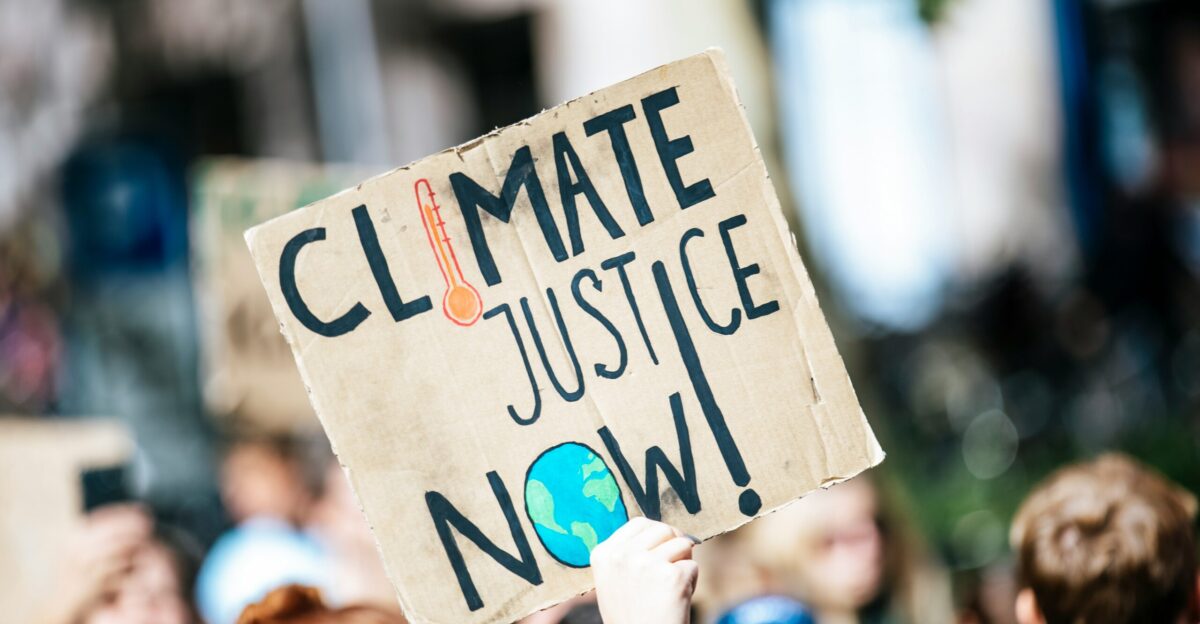
The monster storm impacting the West Coast serves as a sobering reminder of our changing climate and its far-reaching implications. As communities brace for the consequences, collaboration among governments, businesses, and residents will be vital for recovery and adaptation.
While the immediate focus is on safety and response, a longer-term dialogue on sustainability and resilience must emerge. Only through collective action can we navigate future challenges posed by such extreme weather events. Each story of resilience and courage, intertwined in this crisis, strengthens our resolve to build a better, more sustainable future.