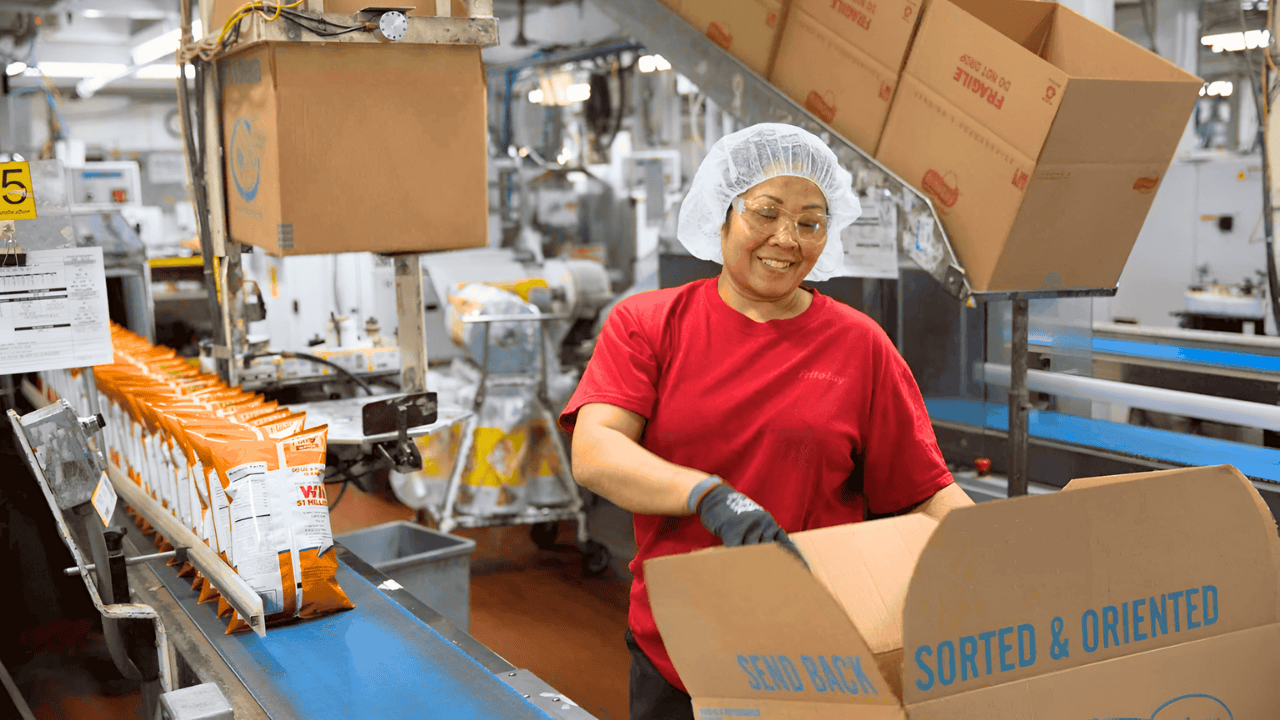
On November 4, 2025, Frito-Lay’s Orlando manufacturing facility abruptly shut its doors, eliminating 454 jobs in a single day. Workers walked out of a plant that had operated continuously for 60 years, since 1965, predating Walt Disney World.
Another 46 warehouse workers would follow by May 9, 2026, bringing the total affected workforce to 500. The closure marked a dramatic shift in PepsiCo’s manufacturing strategy and sent shockwaves through central Florida’s industrial community.
What Was Made Here
The Orlando plant produced some of America’s most iconic snack brands: Lay’s, Doritos, and Cheetos. For six decades, the facility had been a steady employer in a region dominated by tourism and service jobs.
Workers who arrived on November 4 expected an ordinary day; instead, they were informed their positions were being eliminated as part of PepsiCo’s network consolidation strategy. Many employees had spent decades at the facility, making the abrupt closure particularly disruptive to their lives.
The Financial Trigger
PepsiCo’s third-quarter 2025 earnings report provided the financial backdrop for the closure. The company documented a 2% decline in North American snack volumes during Q3 2025—the first major contraction in demand in years.
CEO Ramon Laguarta acknowledged that the company had increased capacity elsewhere in its manufacturing system, making the aging Orlando facility redundant. The company announced plans to “right-size” its manufacturing footprint and reduce headcount by approximately 7,000 positions globally.
More Than One Plant
The Orlando closure was not an isolated event. In May 2025, Frito-Lay closed its Liberty, New York facility, eliminating 287 jobs. Two months earlier, in March-June 2025, the company closed its Rancho Cucamonga, California plant, affecting 432-480 workers.
These three major closures represented part of a coordinated restructuring strategy aimed at consolidating production into fewer, larger facilities. The pattern indicated systematic contraction rather than a single-market decision.
The Timeline For Workers
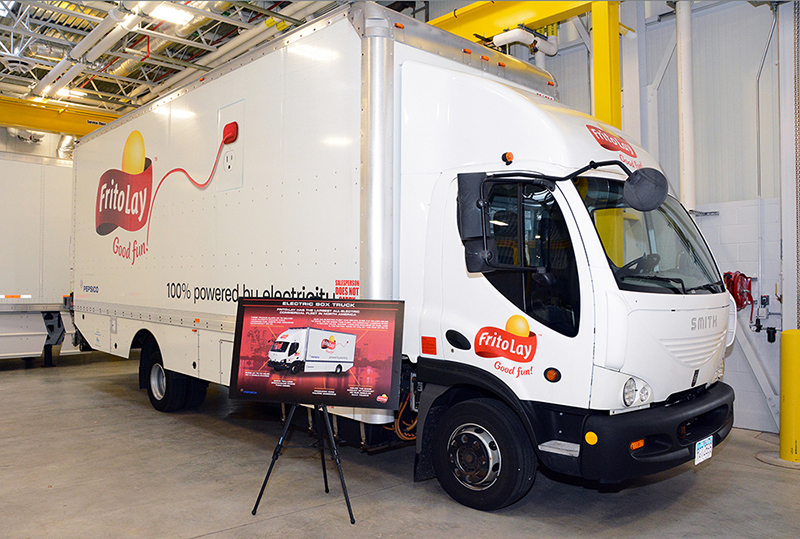
The initial 454 workers received their termination notices on November 4, 2025—the same day the plant closed. These employees received 60 days of pay in lieu of advance notice, along with transition assistance including financial planning support, outplacement services, resume-building workshops, and access to career fairs.
The 46 remaining warehouse workers received notice of their May 9, 2026 termination, giving them more time to plan their transitions. Federal WARN Act requirements were observed for all affected workers.
Shifting Consumer Tastes
Consumer preferences were shifting away from traditional snacks toward healthier alternatives. According to Innova Market Insights data, one-third of global consumers increased their consumption of better-for-you snacks over the past year, while only 15% increased intake of traditional sweet or savory snacks.
This demand shift was forcing companies across the snack industry to reduce production of conventional chips and crackers. PepsiCo’s response was to contract its traditional snack manufacturing capacity while investing in premium, health-focused alternatives.
The Inflation Effect
Inflation had eroded consumer spending power, particularly affecting discretionary items like premium snacks. Consumers were trading down to private-label alternatives or reducing snack purchases altogether.
This demand destruction—the reduction in total market size rather than share shifts—required manufacturers to adjust production capacity downward. PepsiCo’s strategy was to eliminate redundant facilities and consolidate operations to match reduced demand levels while maintaining profitability through cost reduction.
Product Reformulation
In response to changing consumer preferences, PepsiCo reformulated its snack portfolio, removing artificial colors and flavors, introducing healthier oils such as olive and avocado oil, and offering smaller pack sizes to appeal to price-conscious consumers.
The company was moving away from the traditional high-volume, low-margin snack production that the Orlando plant specialized in. This strategic pivot made older, less flexible facilities like Orlando less valuable to the company’s future operating model.
Network Consolidation Strategy
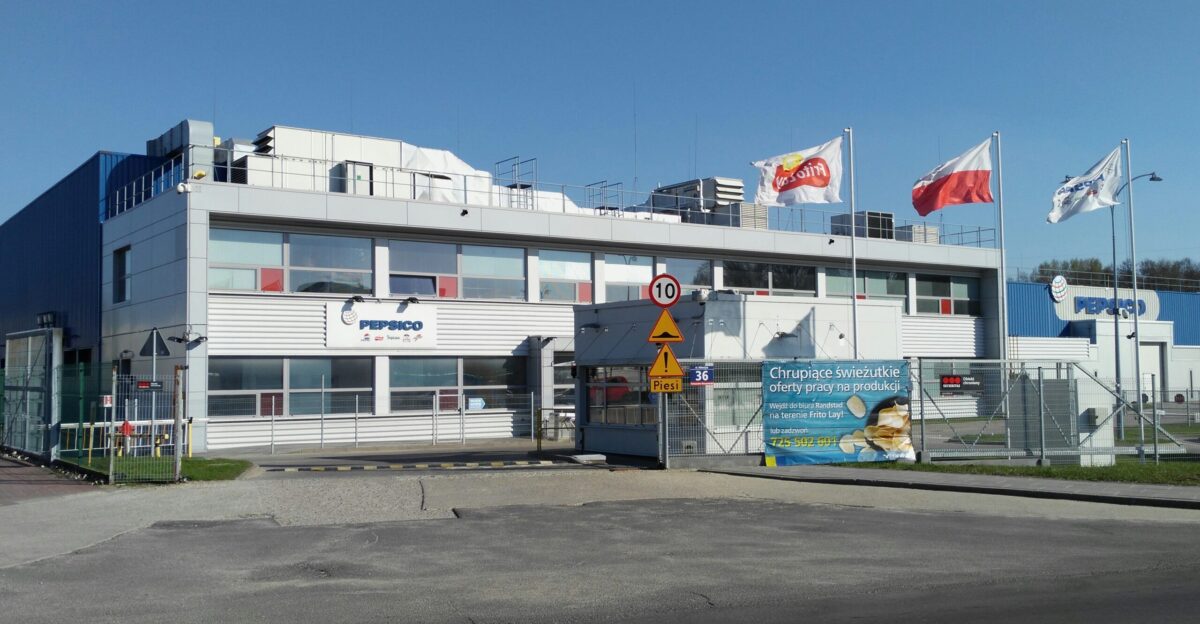
PepsiCo’s explanation centered on “network consolidation”—integrating operations, reducing redundant logistics, increasing automation, and centralizing production. The company did not disclose which facilities would absorb Orlando’s production, but industry observers noted that PepsiCo had expanded capacity at other plants in prior years.
The strategy suggested that Orlando’s production could be distributed across existing facilities with excess capacity rather than maintained at the aging Orlando site.
Workforce Reduction Scale
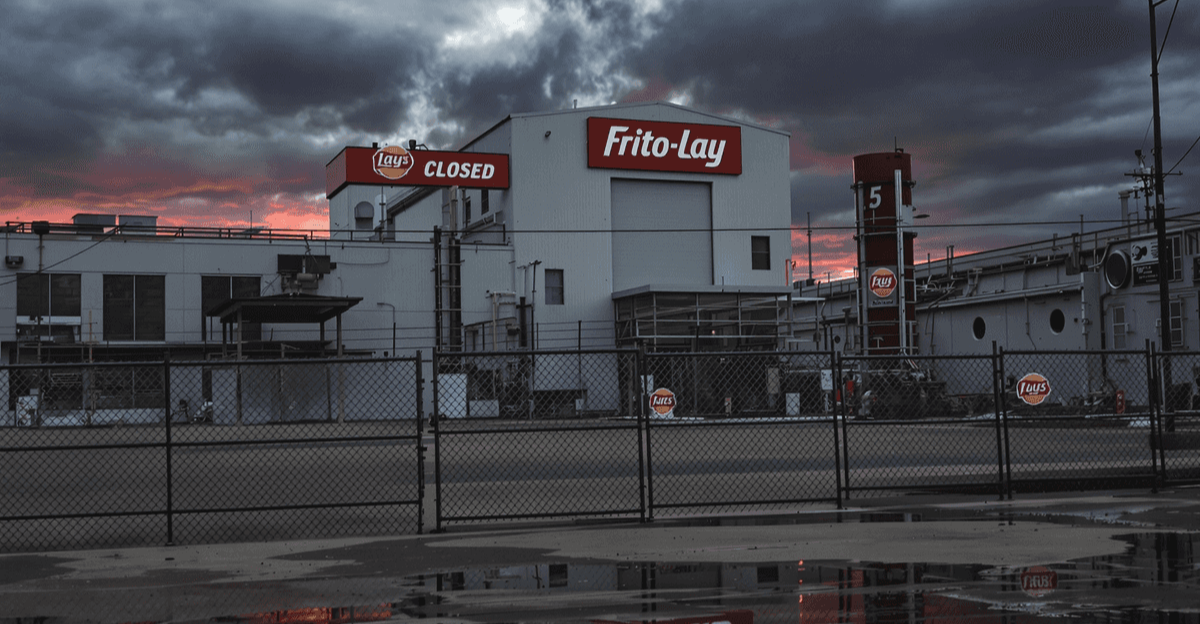
The 500 workers affected in Orlando were part of a much larger PepsiCo restructuring. CEO Ramon Laguarta’s public statements indicated the company was eliminating approximately 7,000 positions globally—roughly 3% of PepsiCo’s total workforce.
This represented the most significant workforce reduction in the company’s recent history. The restructuring was explicitly designed to reduce the company’s cost structure and improve operating margins amid softening demand.
State-Level Support
Florida’s Department of Commerce processed WARN notices for both the immediate and planned layoffs. The state indicated it would offer job support services, including financial planning assistance, outplacement services, and career transition support such as resume-building and career fairs.
However, specific details about the scope and timeline of these state-provided services were not immediately disclosed. The effectiveness of state retraining programs in helping workers transition to new sectors remained uncertain.
Community Impact
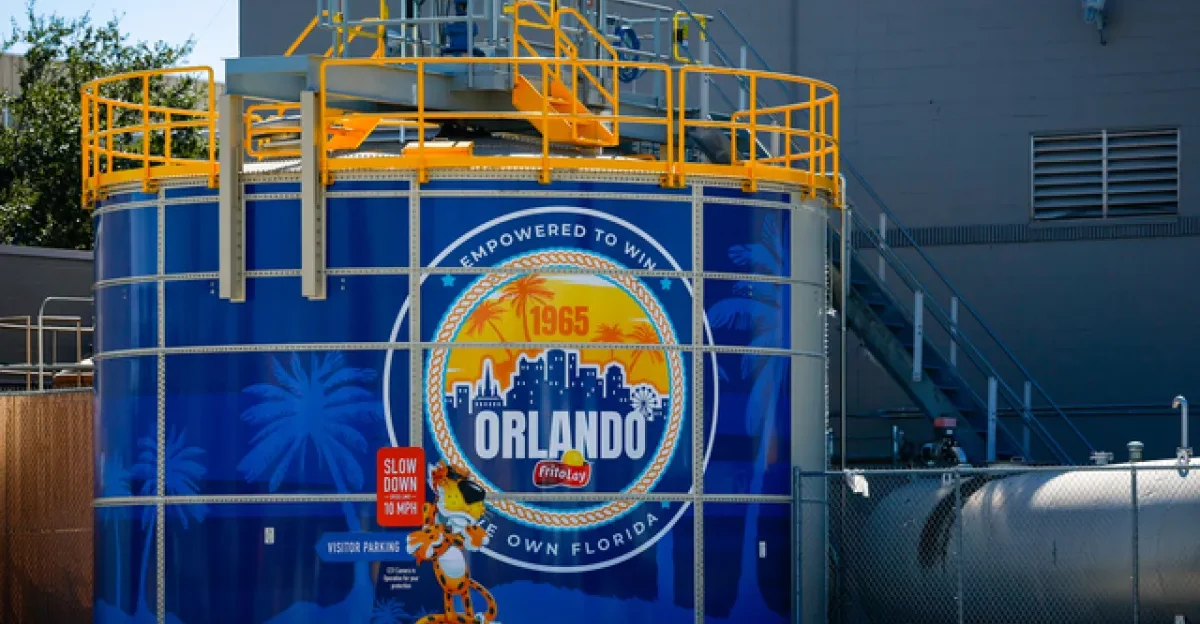
The Orlando facility had been a stable, long-term employer in a region where tourism and hospitality jobs dominate. For blue-collar workers with limited college education, manufacturing jobs at unionized facilities like Frito-Lay historically provided stable, middle-class income.
The closure created a significant employment gap in the central Florida labor market. Many affected workers faced challenges transitioning to the service economy that characterizes the region.
The Plant’s Legacy
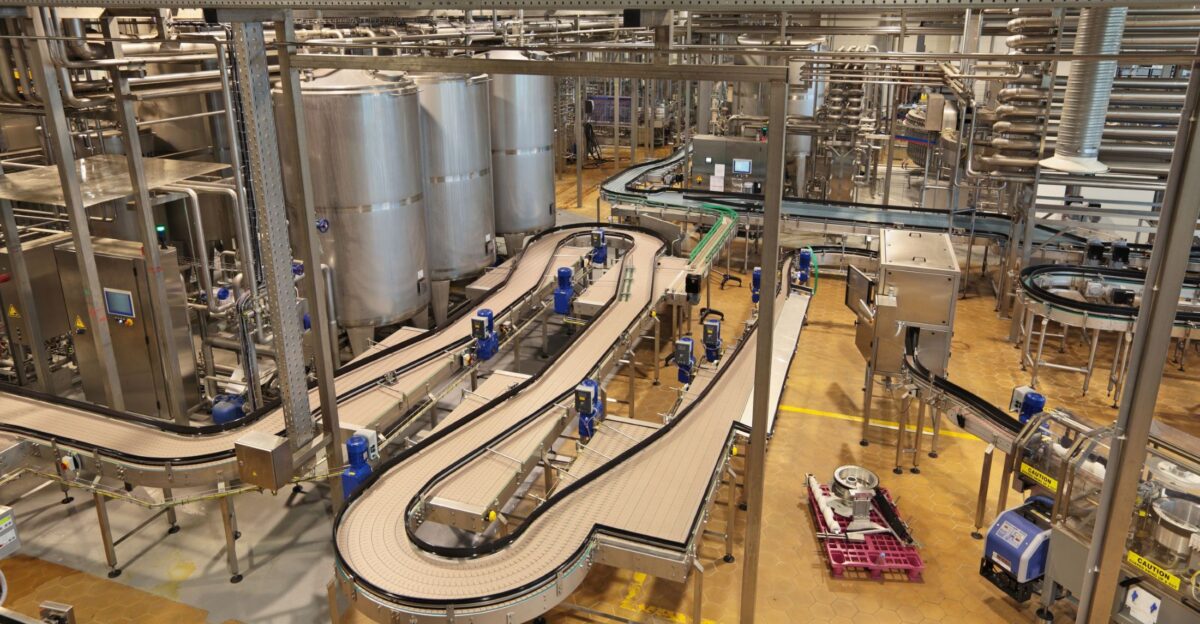
Opened in 1965, the Orlando plant predated the development of Walt Disney World by six years. The facility had become an institutional landmark in the region—a symbol of industrial stability and manufacturing permanence.
Its closure marked the end of an era for central Florida’s industrial base. The plant’s history spanned decades of American manufacturing prosperity, Cold War-era expansion, and ultimately, the restructuring pressures of the 2020s.
Broader Industry Pressures
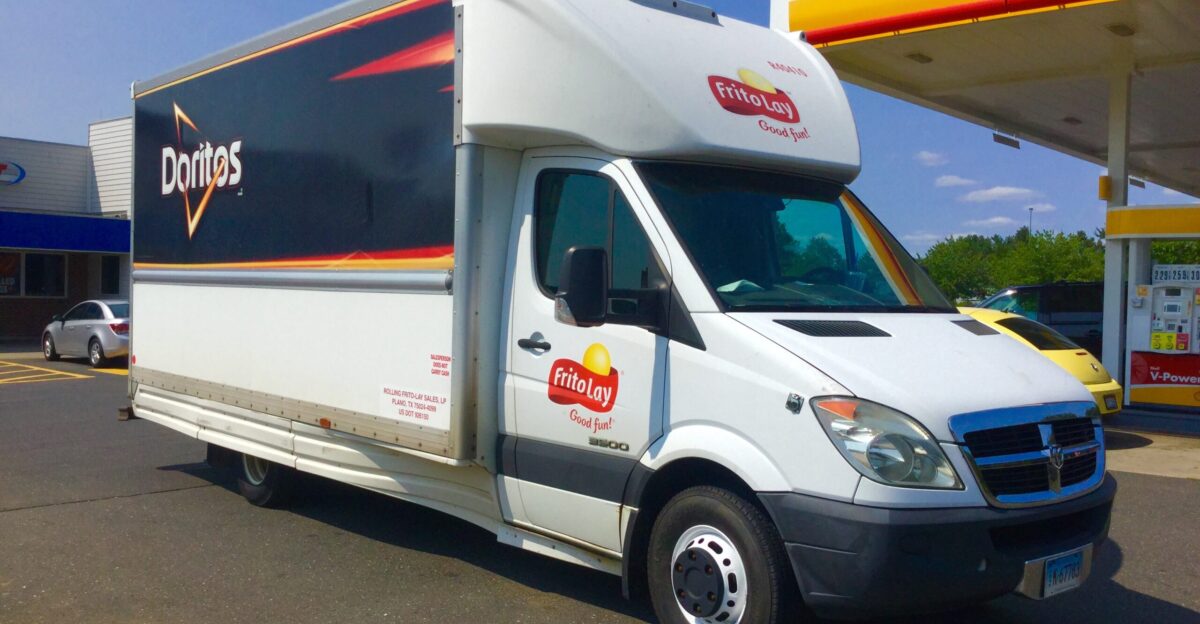
The snack food industry faced similar pressures beyond PepsiCo. General Mills reported a 5% drop in third-quarter net sales, while J.M. Smucker reported a 7% decline in sweet baked snack sales.
These industry-wide declines indicated that demand destruction was not specific to PepsiCo but reflected macro trends affecting consumer discretionary spending. Companies across the sector were consolidating operations and reducing production capacity.
Automation And Future Production
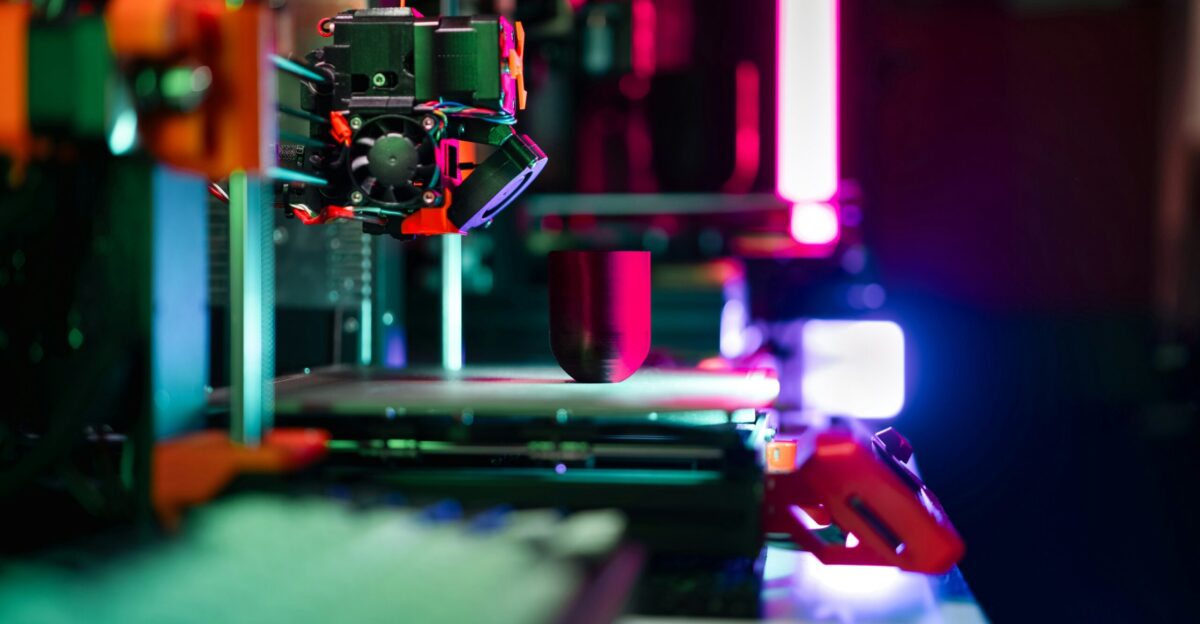
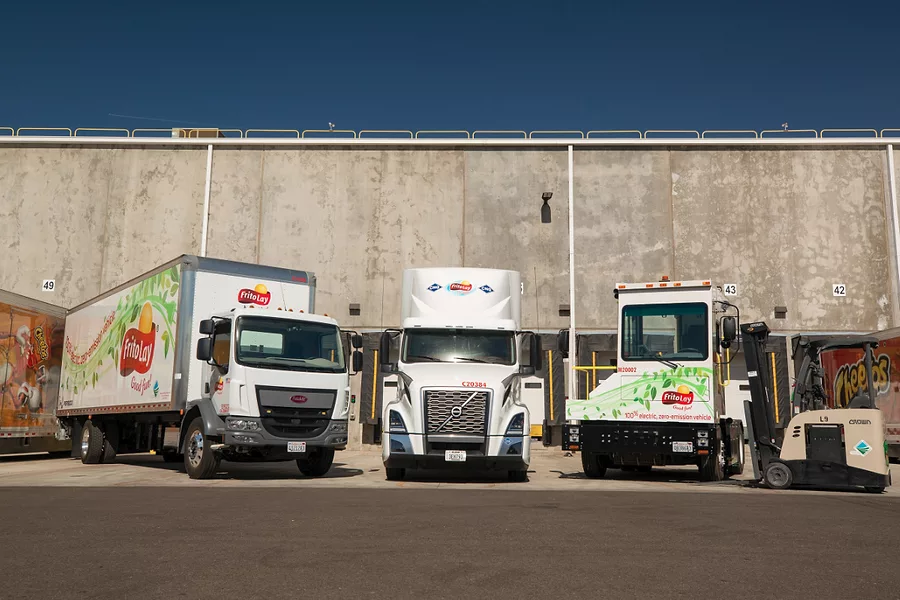
PepsiCo’s restructuring included plans to increase automation at remaining facilities. While the company did not provide specific details about which plants would receive automated equipment, industry practice suggests that consolidation strategies typically involve upgrading selected facilities with newer, automated production lines.
This would allow the company to maintain output with fewer workers at fewer locations. The Orlando facility’s closure likely reflected its unsuitability for modernization compared to newer plants.
Supply Chain Adjustments
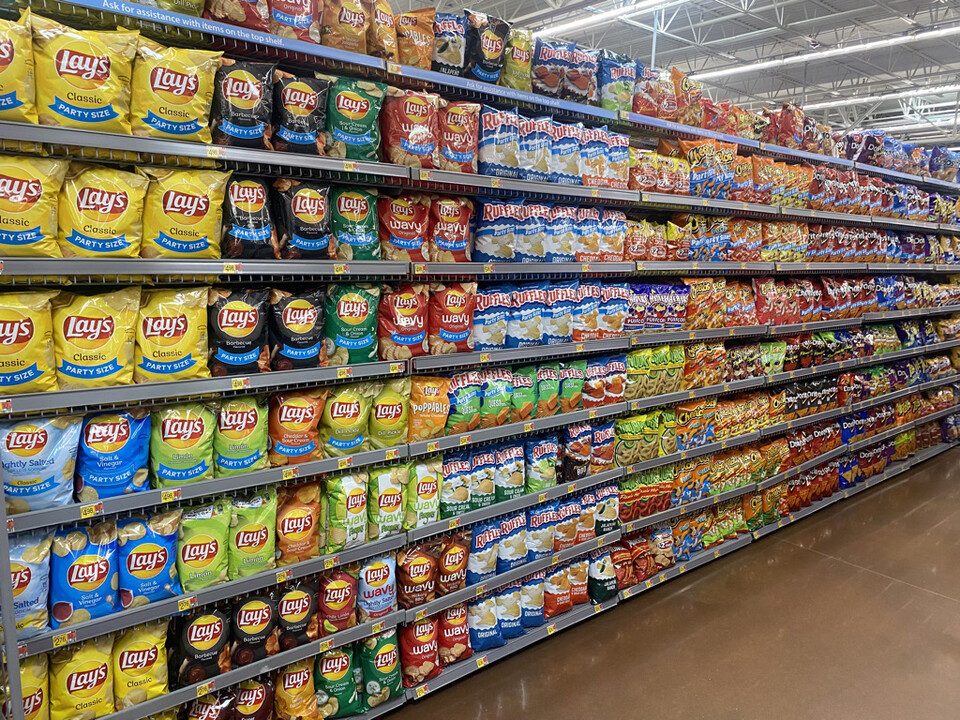
The Orlando closure was part of broader supply chain adjustments within PepsiCo’s snack division. With fewer manufacturing facilities, the company’s ingredient sourcing—including potatoes, corn, and oils—would shift to align with remaining plants’ locations.
Regional suppliers who served the Orlando plant would need to find alternative customers or adjust production levels. The consolidation represented a significant realignment of PepsiCo’s domestic production network.
Investor Perspective
PepsiCo’s restructuring announcements were received as positive signals by investors, who viewed cost-cutting measures as necessary to maintain profitability in a challenging demand environment.
The company’s stock performance following the restructuring announcements reflected investor confidence in management’s willingness to take aggressive action to adjust to market conditions. However, analyst commentary noted risks associated with potential supply disruptions during the transition period.
Consumer Considerations
Consumers might experience minor disruptions in product availability during the transition period as production shifted to remaining facilities. However, PepsiCo’s market dominance suggested that availability issues would likely be brief and localized.
Consumers could explore private-label and regional snack alternatives as Frito-Lay adjusted its production network. The company’s consolidation strategy suggested that price adjustments might occur as supply chain costs were recalibrated.
Manufacturing In America
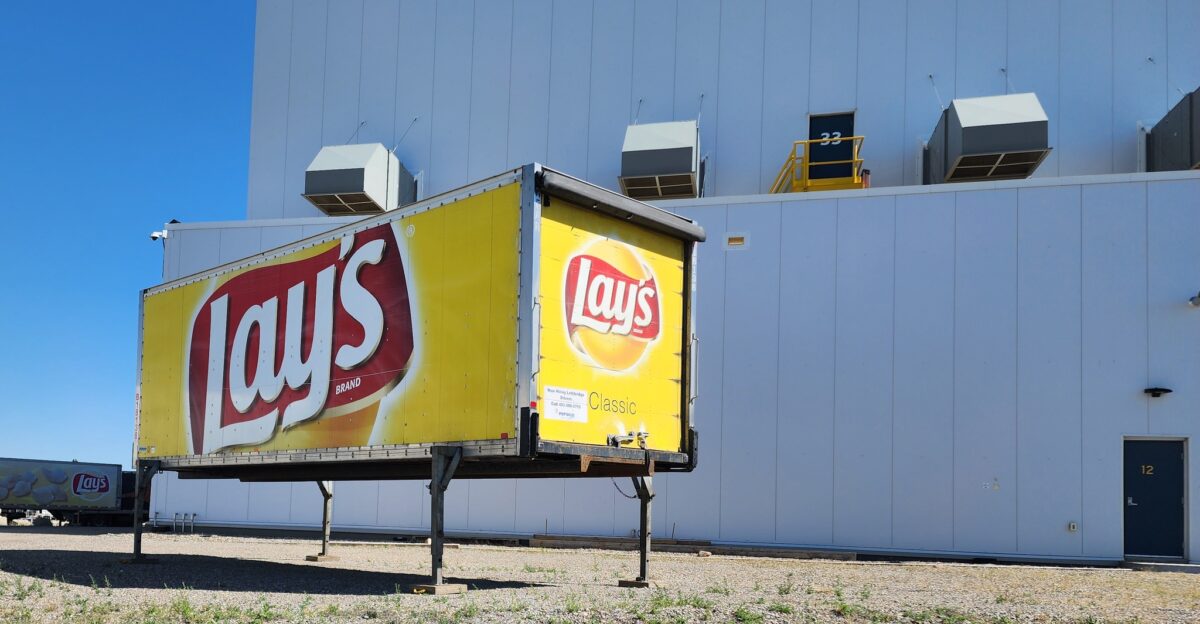
The Orlando closure reflected broader trends in American manufacturing: consolidation, automation, and the elimination of redundant capacity. What once represented stable, union-protected middle-class employment was being replaced by fewer, more automated facilities.
The facility’s closure—along with closures in New York and California—highlighted the vulnerability of even iconic American brands to market pressures and cost-cutting imperatives. The trajectory suggested further consolidation would occur.
What’s Ahead
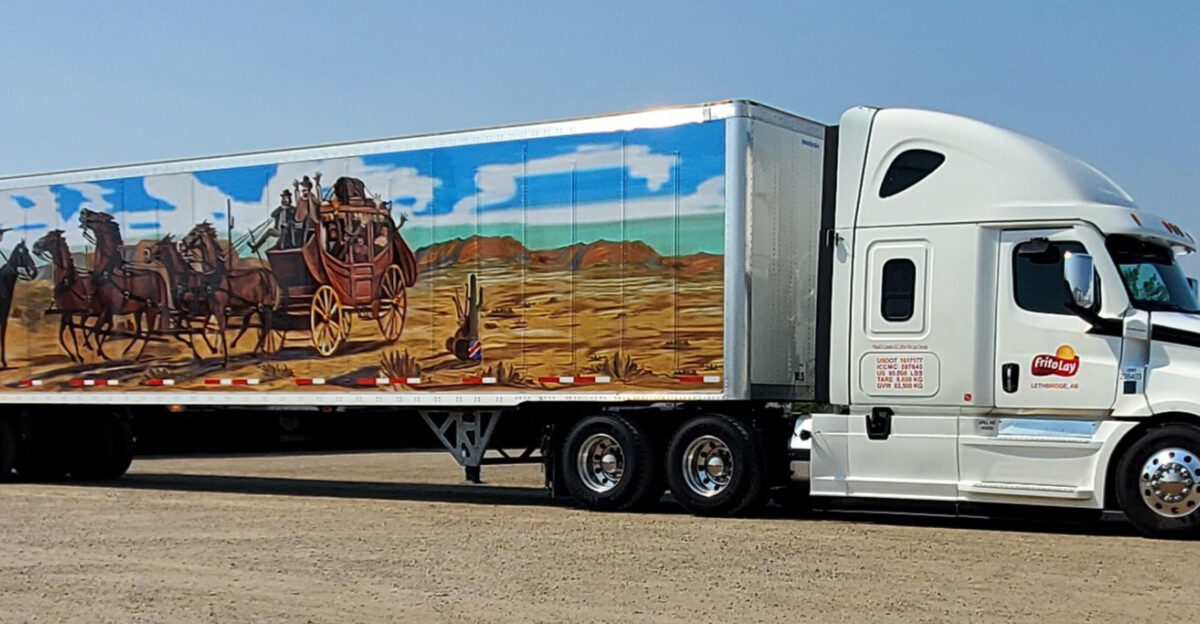
PepsiCo’s restructuring represents a turning point for the company and the snack food industry. With approximately 7,000 positions being eliminated globally, the company is fundamentally reshaping its cost structure.
The future trajectory depends on whether demand stabilizes, whether the company’s premium snack strategy gains traction, and whether the company can achieve cost savings sufficient to offset reduced volume. The Orlando plant’s closure signals that similar consolidations are likely to continue through 2026 and beyond.
Sources:
PepsiCo Q3 2025 Earnings Report and SEC Filing; CNBC/Reuters earnings coverage (October 9, 2025)
Food Dive and Food Ingredients First; Industry reporting on Frito-Lay facility closures (2025)
Innova Market Insights Global Snacking Report; Consumer preference data on better-for-you vs. traditional snacks
Orlando Weekly and Florida Department of Commerce WARN Act filings; Local coverage and workforce notification records (November 4-6, 2025)