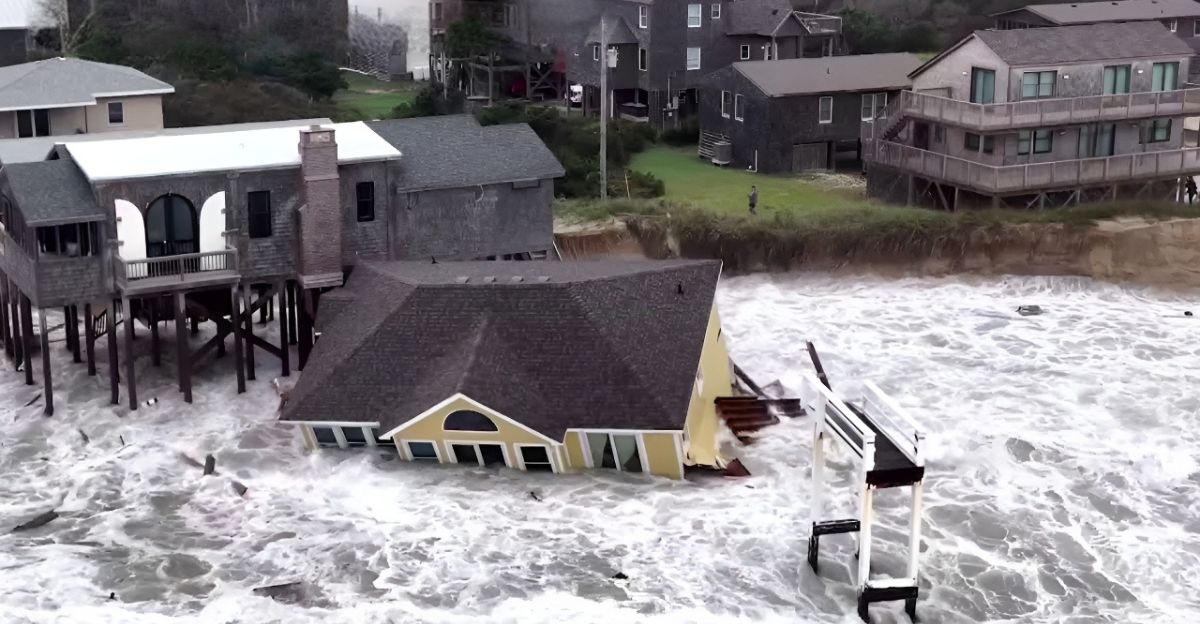
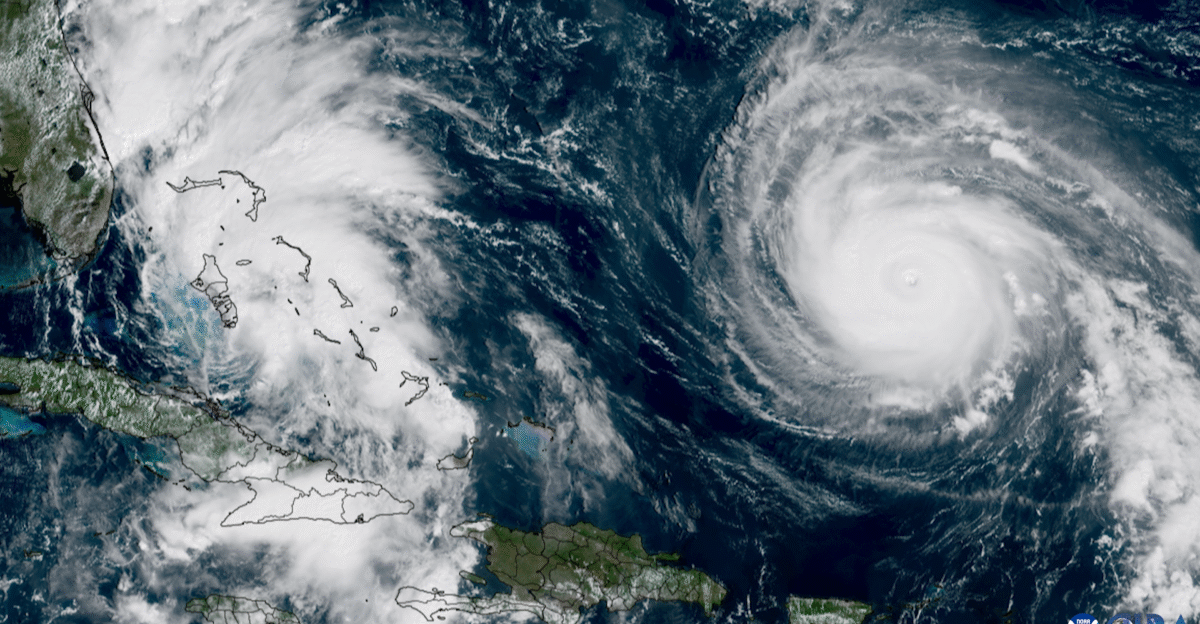
In early October 2025, Hurricanes Humberto and Imelda unleashed their fury on North Carolina’s Outer Banks. High waves crashed violently against the coastline, causing shock and disbelief as a row of beloved beach houses collapsed into the Atlantic. Locals watched helplessly as emergency crews swiftly mobilized to secure the battered shoreline.
Footage of the destruction circulated widely, capturing the chaos and urgency of the moment. A resident exclaimed, “You never think it’ll happen here until it does.” The devastation marked a critical moment for the community, raising alarms about the ever-growing threats posed by climate change.
Homes in Ruins
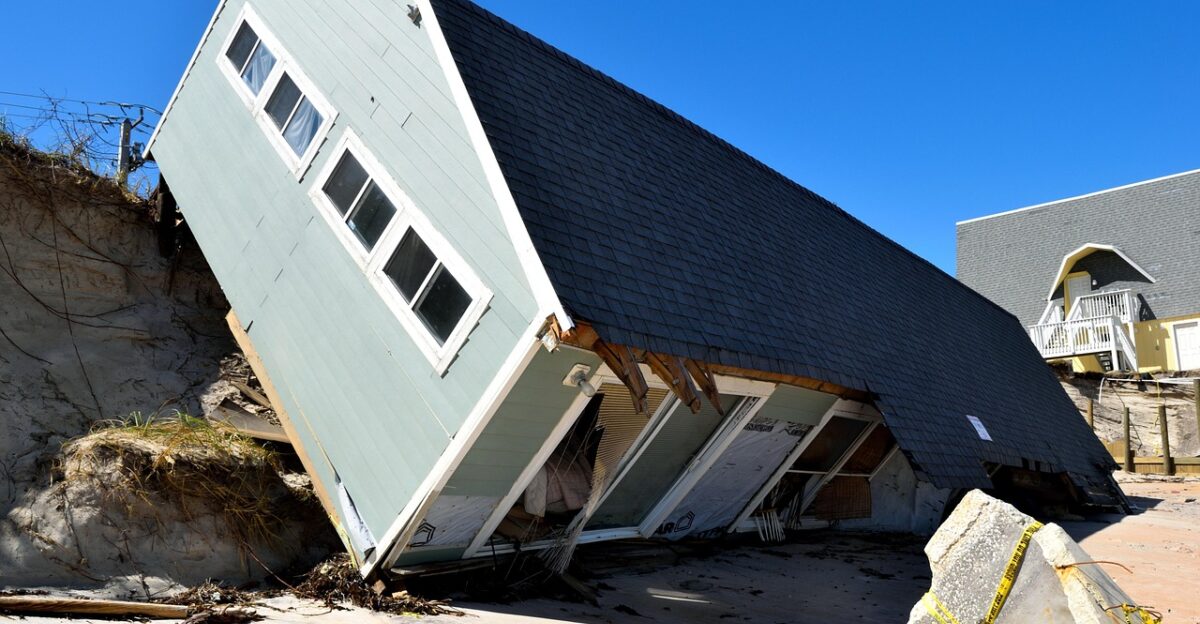
Between Tuesday and Wednesday, the serene landscape of Buxton was shattered as seven beach homes crumbled beneath the relentless assault of powerful surf. The once-idyllic community now lay strewn with debris, broken timber, and scattered furniture, which testified to the escalating threat faced by coastal areas.
A local business owner, Sarah Mitchell, shared her disbelief, saying, “It feels surreal to see my neighbor’s home washed away. It’s devastating.” Residents and officials expressed concern that such destruction would only worsen as storms become more frequent and intense, underlining the urgent need for solutions to mitigate the impacts of rising sea levels.
The Erosion of Home
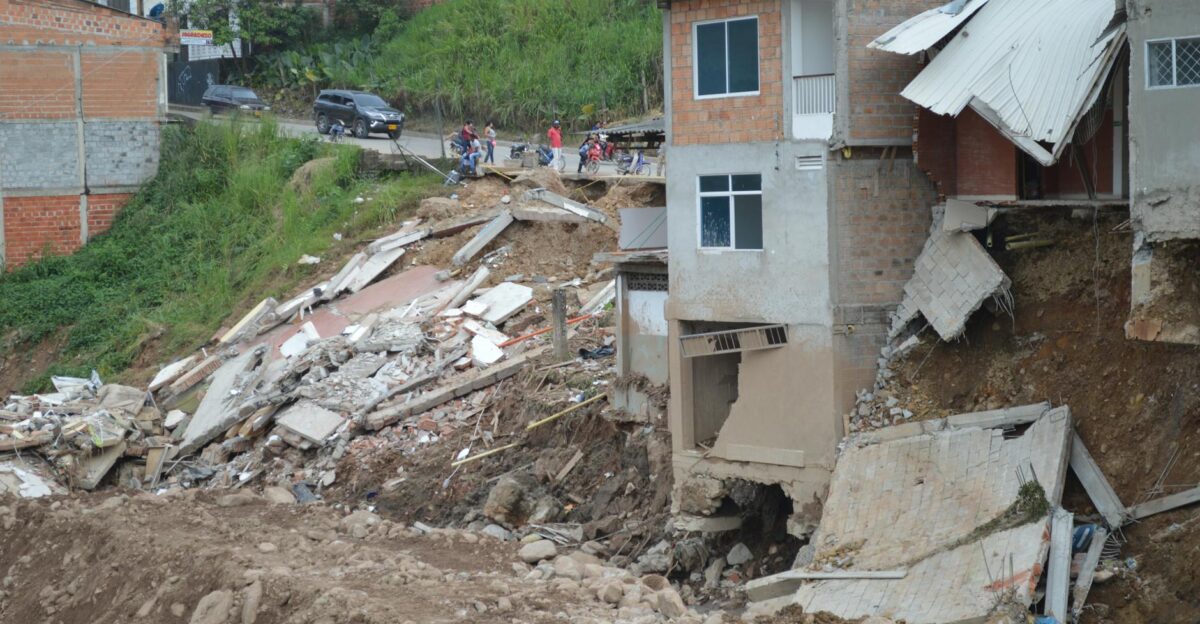
Since 2020, a staggering nineteen beachfront houses have surrendered to the ocean along Dare County’s coast. The relentless processes of beach erosion and repetitive storm surges have left families grappling with displacement. “We’ve seen homes that were our neighbors’ disappear, and it breaks my heart,” reflected resident Chris Johnson.
The recurrent destruction paints a grim picture for the Outer Banks, which endures the cycle of hurricanes nearly every season. With each passing storm, communities like Buxton face an uncertain future, grappling with the reality that the ocean is reclaiming land once thought to be safe.
The Encroaching Sea
In Buxton, the shoreline has retreated over 50 meters since the 1990s, a stark sign of the changing environment. This alarming trend is exacerbated by the increasing frequency and intensity of hurricanes, complicating recovery efforts for already beleaguered residents. Local officials noted that over 750 beachfront buildings across North Carolina are at risk of collapse due to climate-driven erosion.
“We’re fighting a losing battle,” stated Dare County manager Emily Walsh. With each change in the weather, the fabric of coastal life unravels further, leaving individuals struggling to adapt to a landscape that is slowly disappearing.
A Rapid Collapse
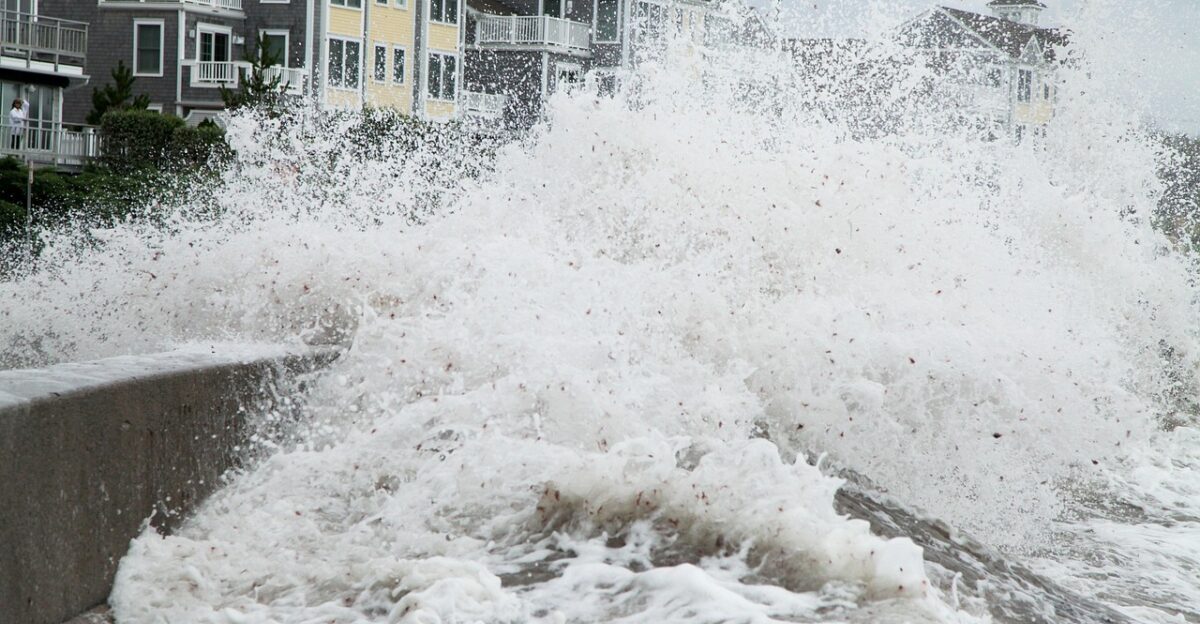
On Tuesday afternoon, between 2:00 and 2:45 PM, an alarming sight unfolded as five unoccupied homes along Cottage Avenue and Tower Circle Road succumbed to the tumultuous waves. “It was like a scene out of a horror film,” a bystander recalled, watching homes disintegrate under nature’s might.
Emergency workers documented the falls, ensuring as much safety as possible amid chaos. The National Park Service confirmed that all seven Buxton homes collapsed within a mere 45 minutes, exemplifying the acute urgency and vulnerability of structures in the path of increasingly aggressive storms.
Rising Waters
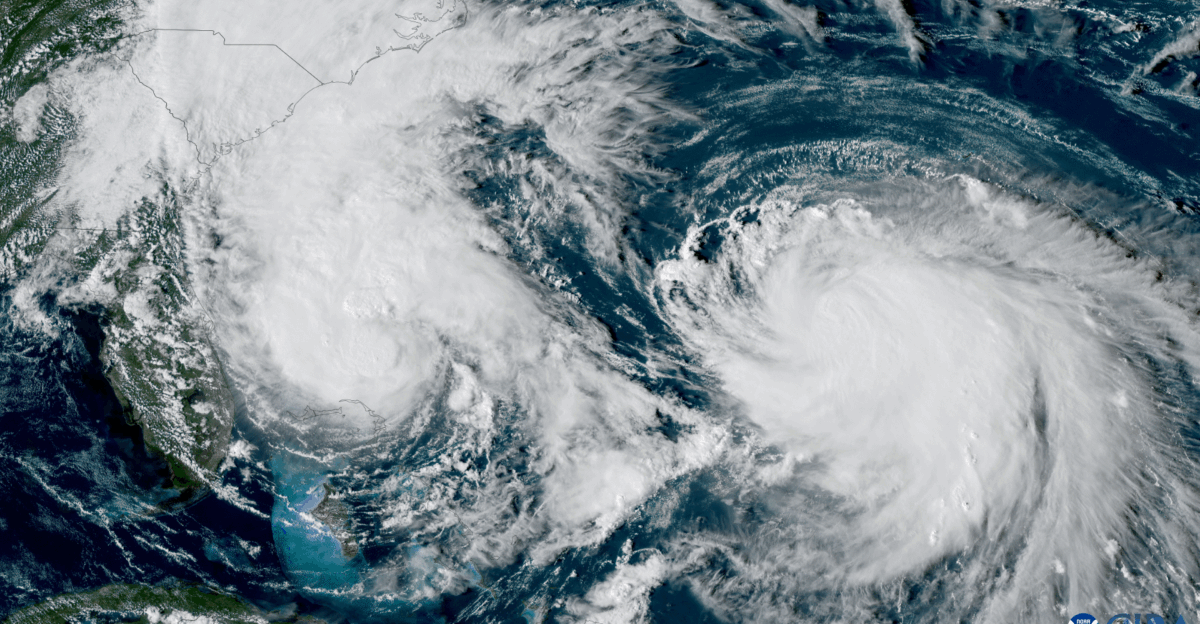
In the wake of the destruction, the National Weather Service issued urgent flood warnings for Ocracoke Island and neighboring parts of the Outer Banks. Ocean waters surged up to three feet above ground level, inundating roads and posing threats to critical infrastructure. “It’s eerie to see familiar roads vanish underwater,” said retiree Margaret Lane, who felt the impact firsthand.
The dangerous conditions led to the closure of North Carolina’s Highway 12, obstructing not only access but also the delivery of necessary supplies, magnifying the community’s struggles as it contended with nature’s wrath.
Personal Impact
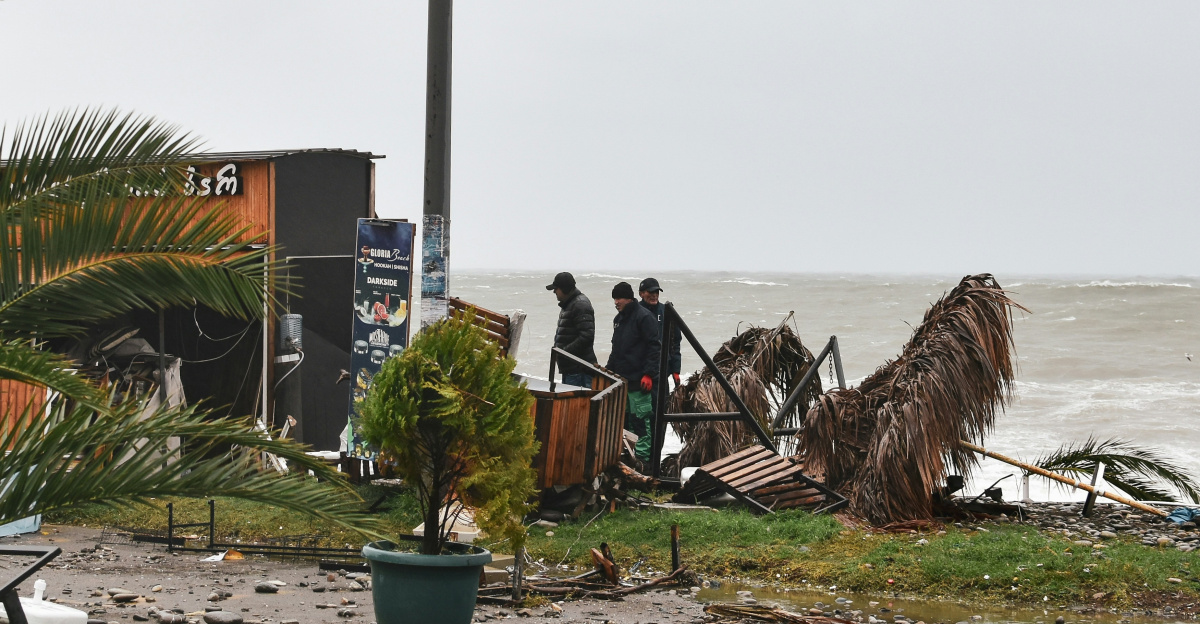
Dare County officials conveyed the extent of the devastation, with one stating, “All the homes in that row are gone.” Resident Skyler Henry recounted the horror of seeing five houses collapse within an hour, saying, “I’m just shocked.
I can’t imagine this happening anywhere else.” His words echoed the sentiments of many as emergency teams cleared away debris, revealing the profound emotional toll on the community. Each lost home represented not just physical structures but cherished memories and future hopes now swept away by the relentless ocean, leaving residents to grapple with uncertainty and grief.
Economic Strain

Amidst the aftermath, recovery efforts are grappling with significant financial strain. Insurers estimate that hurricane-related losses in the Southeast may surpass $15 billion this season, creating overwhelming pressure on homeowners. “I don’t even know how we’re going to afford these rising premiums,” sighed resident John Carter, whose family has faced repeated claims.
Both Buxton and Rodanthe residents are contending with lengthy delays in insurance claims as they navigate this financial landscape, raising troubling questions about the sustainability of living in areas increasingly threatened by powerful storms and rising sea levels.
Climate Change Concerns
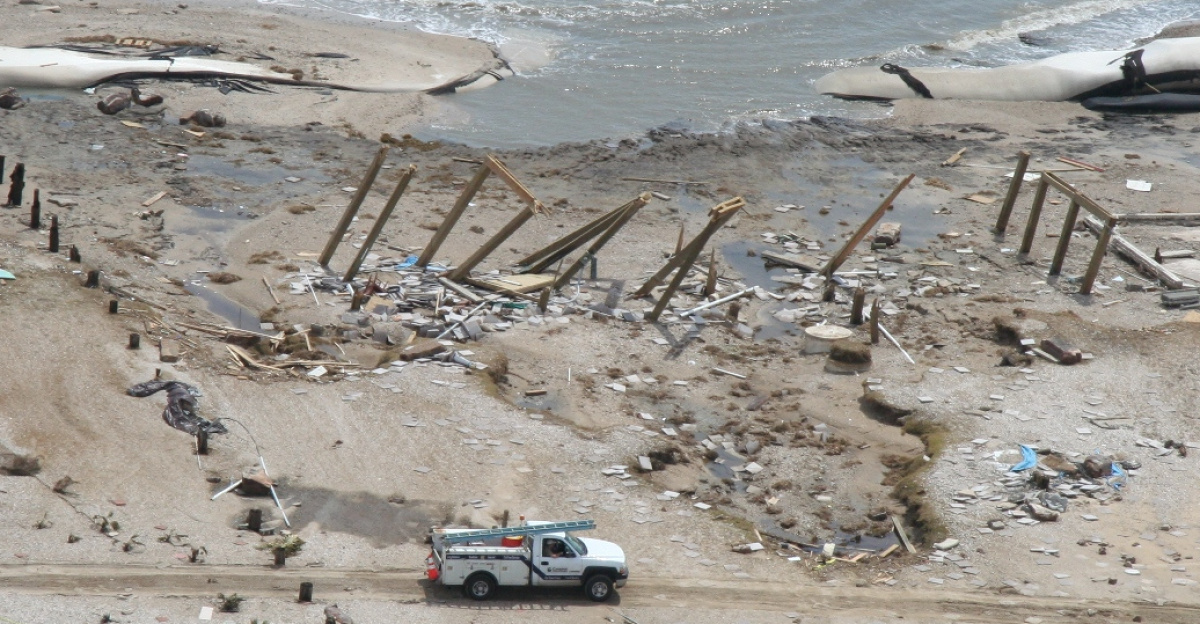
Experts attribute the upsurge in property destruction to climate change, with rising ocean levels and increasingly fierce storms heightening vulnerabilities across North Carolina’s barrier islands. “The patterns we’re witnessing are alarming,” noted climate analyst Dr. Lisa Turner.
Decades of worsening erosion have led to ominous projections that future hurricanes will be both more frequent and more powerful. As researchers strive to understand these changes, communities remain on the front lines, observing how their landscapes, livelihoods, and very lives hinge on the trajectory of climate action or inaction.
Evacuation Challenges
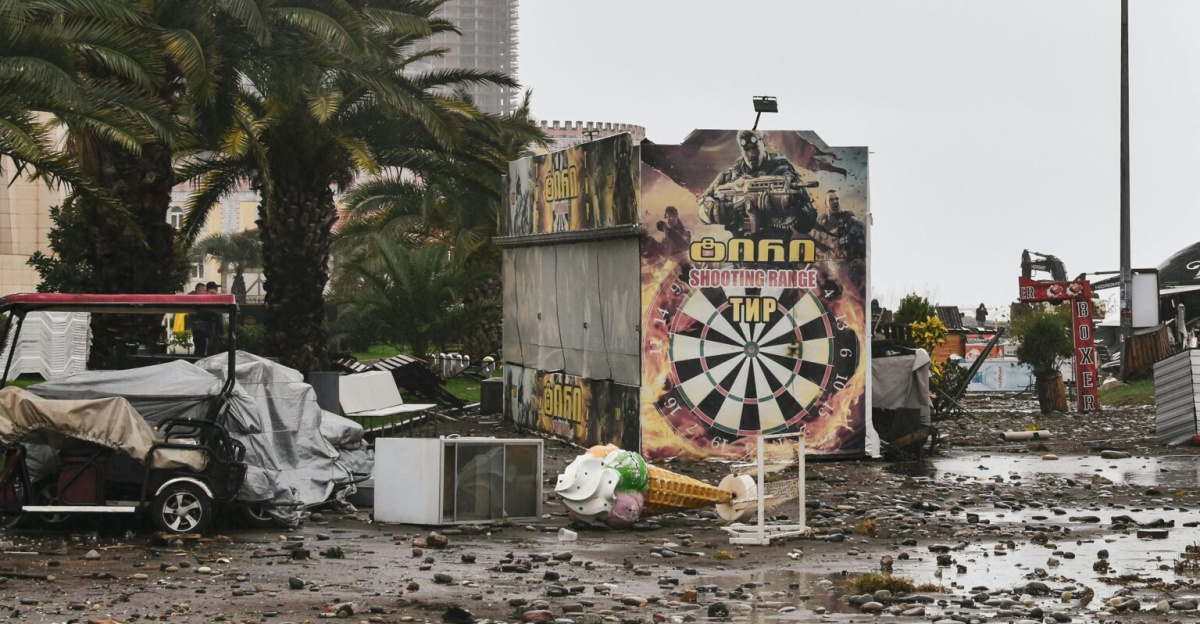
As homes disintegrated, local agencies temporarily suspended the ferry service connecting Hatteras and Ocracoke islands. “We felt trapped with nowhere to go because of the closures,” shared local diner owner Sam Reed.
The Transportation Department shut down parts of Highway 12, complicating not just evacuations but also critical supply shipments for those affected. Vulnerable populations struggled to find safe shelter and access to necessary emergency services, forcing community leaders to navigate the complexities of ensuring safety in the face of overwhelming natural threats.
Frustration and Helplessness
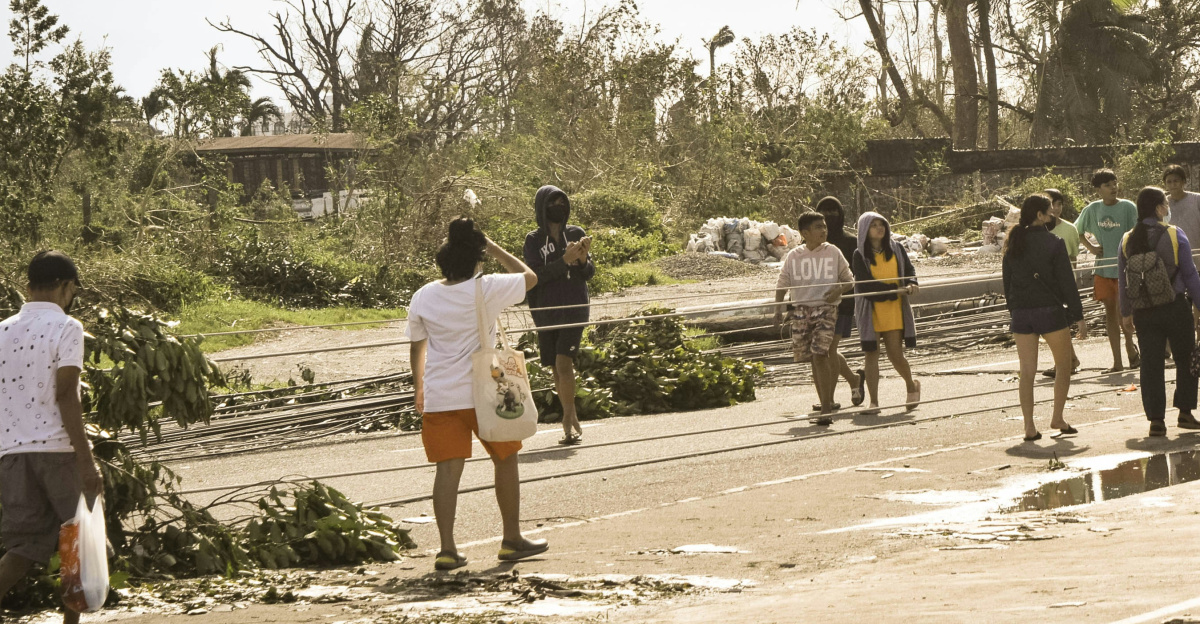
Residents expressed growing frustration over delayed support as they watched community resources diminish. Dare County’s manager acknowledged a backlog of requests for food, water, and essentials, highlighting the urgent need for state and federal intervention. “After everything we’ve been through, we expected faster help,” lamented school teacher Linda Brooks.
This collective outcry highlighted the growing dissatisfaction with the pace of response efforts, as many felt abandoned in the wake of recurring coastal destruction. Each delay made the situation feel more dire, deepening the sense of weariness among affected families.
The Future of Ownership
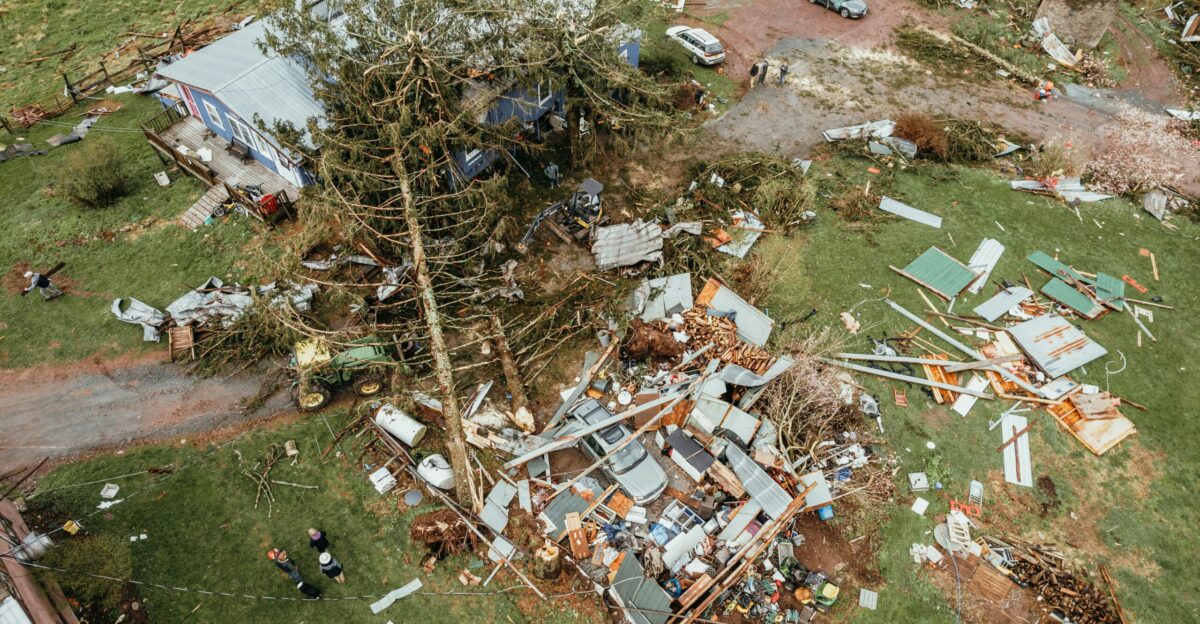
As destruction mounts, the question of ownership looms large for residents of Buxton. Some are choosing to sell their properties, while others struggle to rebuild for a third time. “Every time we rebuild, it feels riskier,” noted local baker Emily Fisher.
Real estate firms report plummeting values for coastal properties, driving some families to relocate inland. The deeply woven traditions along the coast hang in the balance as the community faces choices reflecting both nostalgia and survival amidst an uncertain future dictated by nature’s whims.
Community Resilience
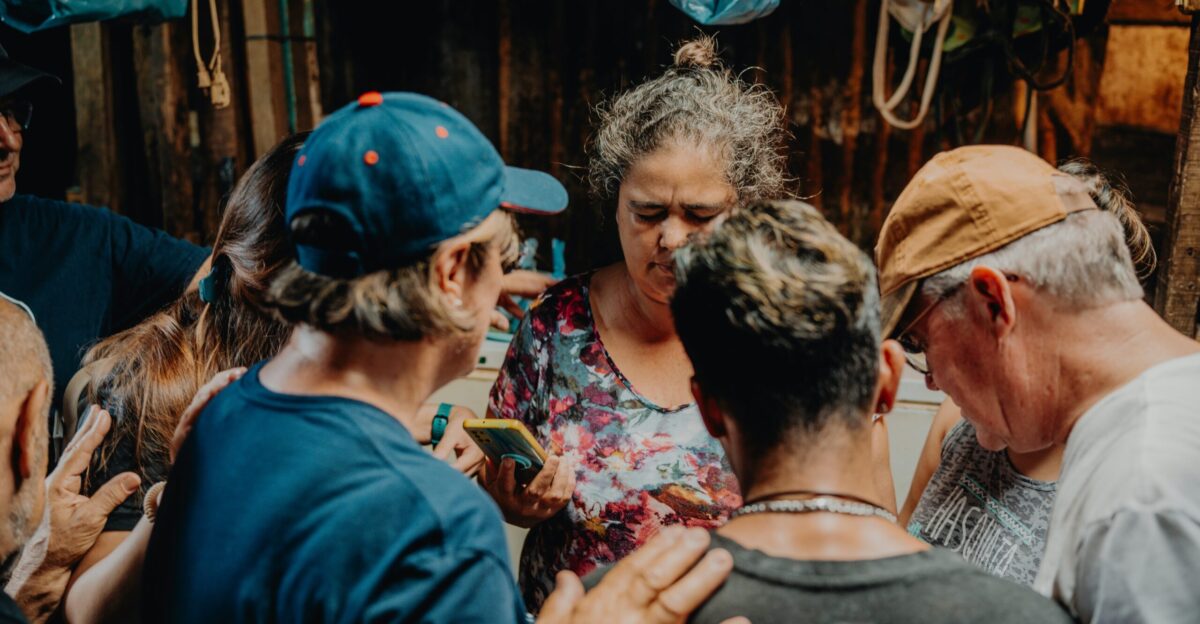
In the face of overwhelming challenges, community leaders advocate for proactive measures, including reinforced beaches and managed buy-outs. “We must prepare for the future,” emphasized local council member Tom Harris. Discussions surrounding the use of state or federal funds for strategic home relocations are gaining traction, while some residents are advocating for rebuilding with elevated foundations.
Yet, many find these costs prohibitively expensive, underscoring the tension between progress and practicality. The community’s resilience shines through as they explore every possible solution to withstand the ever-looming threat of the ocean.
Scientific Predictions
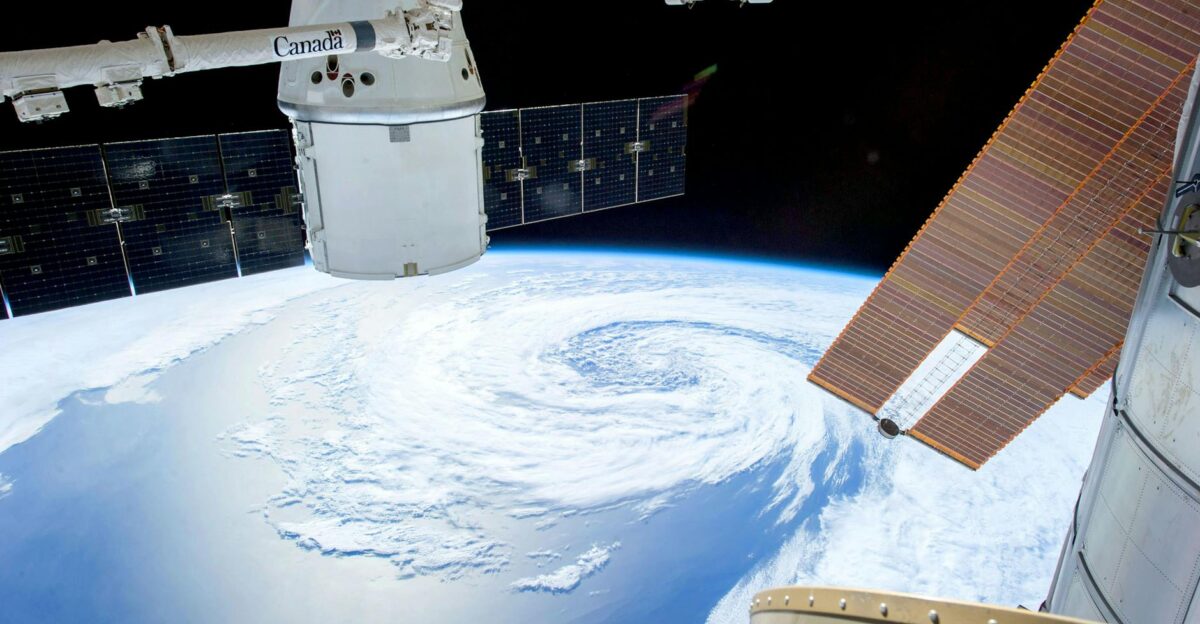
Atmospheric scientists are closely monitoring the evolving situation in Buxton, with predictions indicating that more homes may be affected by the forces of nature this autumn. “Our data suggests that the frequency and intensity of storms will only escalate,” explained climate scientist Dr. Mark Edwards.
This relentless cycle of hurricanes shapes the community’s immediate future, compelling residents and officials alike to adapt continuously. Each prediction serves as a reminder of the urgent need for comprehensive planning and innovative solutions to minimize impacts and safeguard lives along the fragile coastline.
A Call for Engagement
Local advocacy groups are amplifying their calls for residents to engage in discussions around climate resilience and infrastructure improvements. “Everyone needs to be part of the solution,” stressed community organizer Leah Martin. Workshops and forums are being organized to foster collaboration among residents, scientists, and policymakers.
In communities facing unprecedented challenges, collective efforts are crucial for sharing knowledge, exchanging ideas, and forming a unified front in the fight against escalating climate risks. Such initiatives could provide hope and action in the face of an uncertain path ahead.
The Role of Education

Schools within the region are stepping up to play a pivotal role in raising awareness about climate change. “We want our students to understand the impacts of these storms,” said high school principal Karen Adams. Curriculum modifications and discussions about environmental stewardship are becoming increasingly essential priorities.
Students are encouraged to participate in community projects that aim to mitigate climate threats. By fostering a sense of responsibility among younger generations, educators seek to equip them with the knowledge and tools necessary to confront a world increasingly shaped by climate change and environmental challenges.
The Power of Community

In the wake of disaster, community solidarity in Buxton has emerged as a vital source of strength. “We’re all in this together,” declared church leader Pastor Mike Greene, who has organized local relief efforts. Volunteers have mobilized to help families affected by the destruction, distributing food, water, and supplies to those in need.
This collective action highlights the extraordinary resilience of communities in the face of adversity. As neighbors support each other through tangible acts of kindness, bonds strengthen, ensuring that even amid devastating challenges, the spirit of togetherness shines brightly.
A Look Ahead
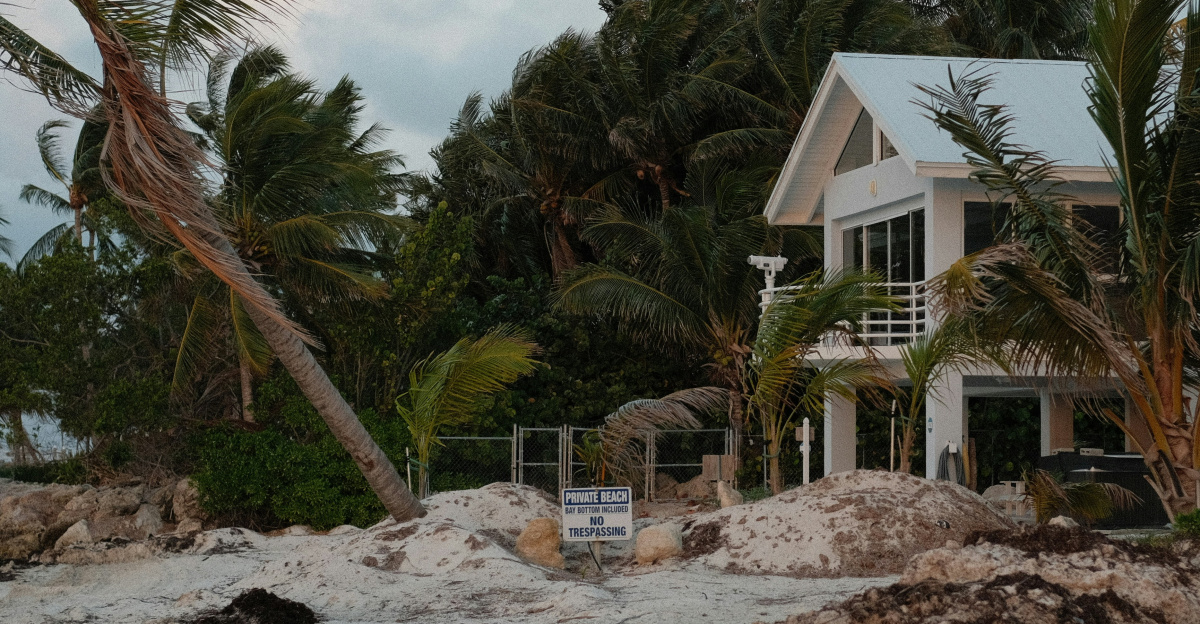
As recovery continues, the future remains uncertain for the Outer Banks. “Every storm season feels like a gamble,” remarked local fisherman Danny Brown. Advocacy for sustainable coastal management is increasingly pressing among residents.
This adventure into a new environmental reality prompts discussions about protective measures, such as beach replenishment and investigating innovative architectural designs that incorporate buffers against storm impact. While the path forward may be fraught, the commitment to finding resilient solutions drives hope and determination among those who call this spectacular coastline home despite the risks.
Voices from the Shore
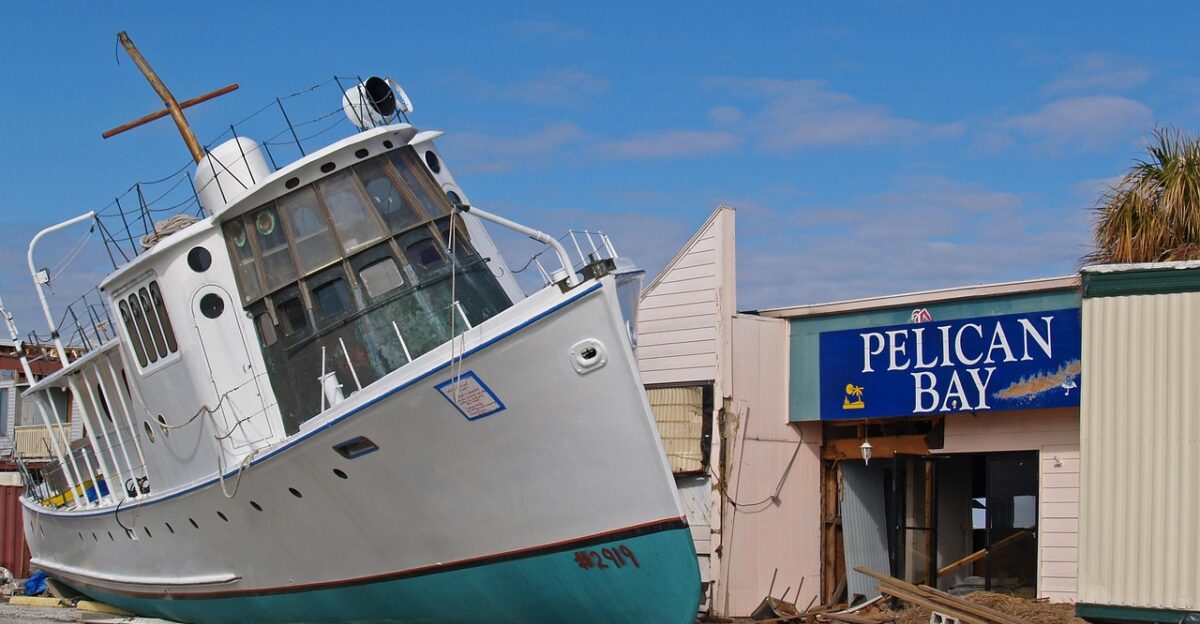
The stories of those impacted by recent storms take center stage as residents’ voices echo a shared narrative. “Losing my home felt like losing a part of myself,” shared Judith Mills, who is considering relocating. The emotional toll is profound and personal, revealing the intricate ties between people and their homes.
These accounts humanize the statistics and bring the challenges of climate change into sharp focus. Each testimony serves as a reminder of the lives transformed by the forces of nature, underscoring the essential need for community support and resilience in rebuilding efforts.
A Call for Action
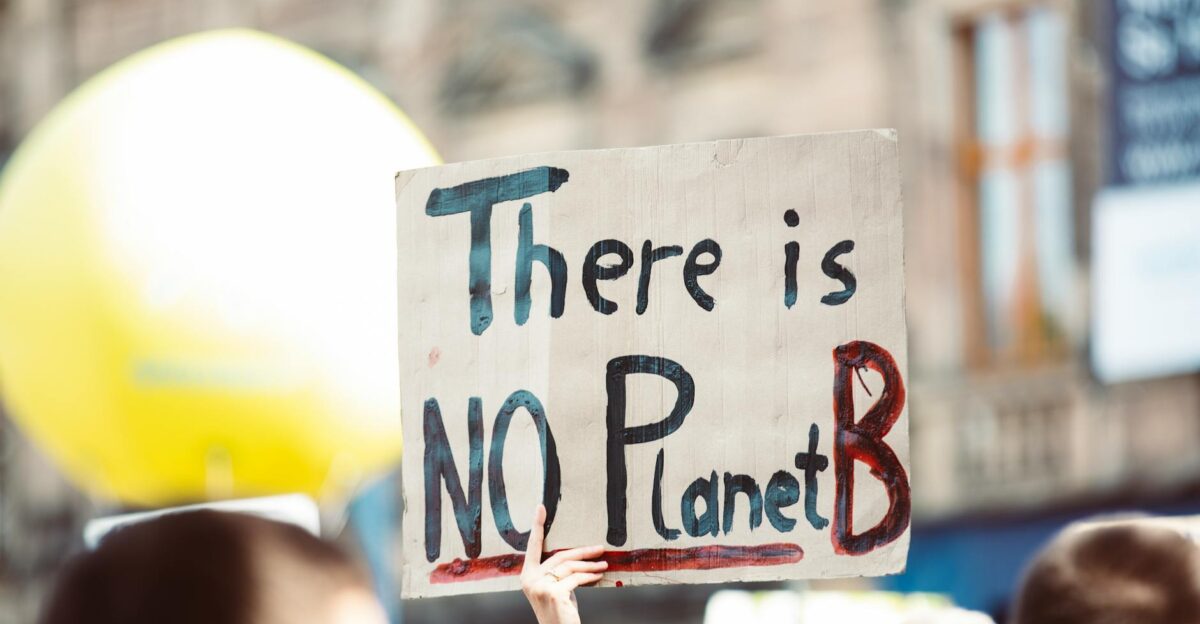
As the region faces ongoing climate threats, a call for action resonates across the Outer Banks. Community organizers are urging citizens, leaders, and policymakers to advocate for comprehensive climate policies that address the root causes of climate change. “We need to protect our coast and future generations,” stated environmentalist Tara Webb during a recent rally.
The urgency for change is palpable, and local voices are uniting to push for sustainability in coastal management. At this pivotal moment, the community stands at a crossroads, poised to mobilize and inspire a broader movement to address the pressing challenges posed by climate change.