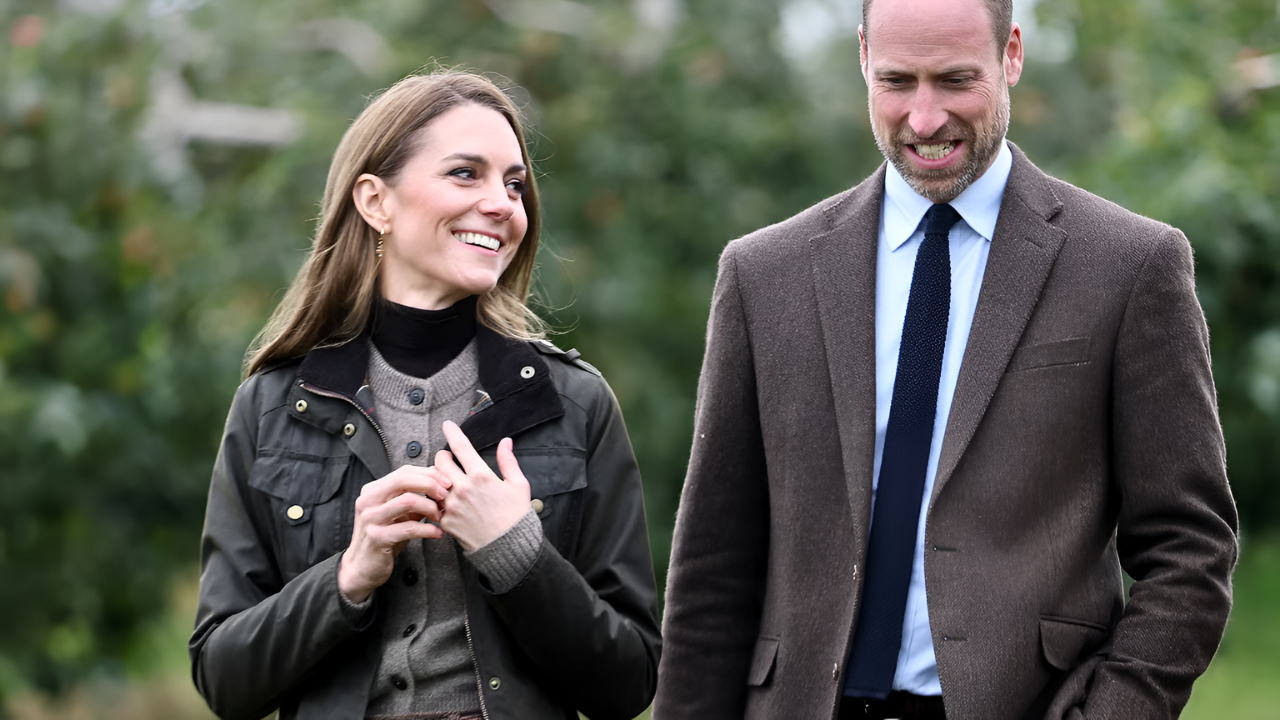
Kate Middleton and Prince William returned to public view together on Remembrance Sunday, November 9, 2025, marking their first joint appearance in 26 days. The carefully timed return followed a period of significant institutional upheaval within the royal family, including the formal removal of Prince Andrew’s titles and the couple’s relocation to Forest Lodge in Windsor. Their reemergence carried symbolic weight—Kate had recently completed chemotherapy, and the appearance signaled both family stability and a deliberate recalibration of the monarchy’s public image during a period of internal restructuring.
The Andrew Precedent
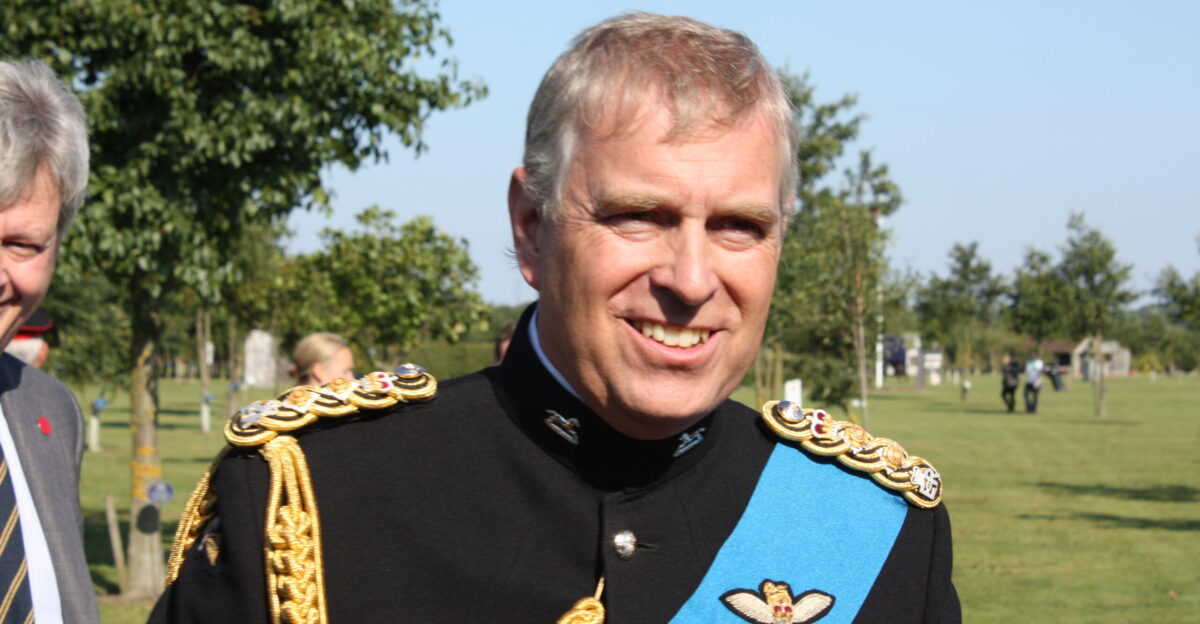
On October 30, 2025, King Charles III formally stripped Prince Andrew of all royal titles through Letters Patent, reducing him to Andrew Mountbatten Windsor. The Duke of York surrendered his lease on Royal Lodge and relocated to Sandringham Estate. A palace statement emphasized institutional accountability: “Their Majesties wish to make clear that their thoughts and utmost sympathies have been, and will remain with, the victims and survivors of any and all forms of abuse.”
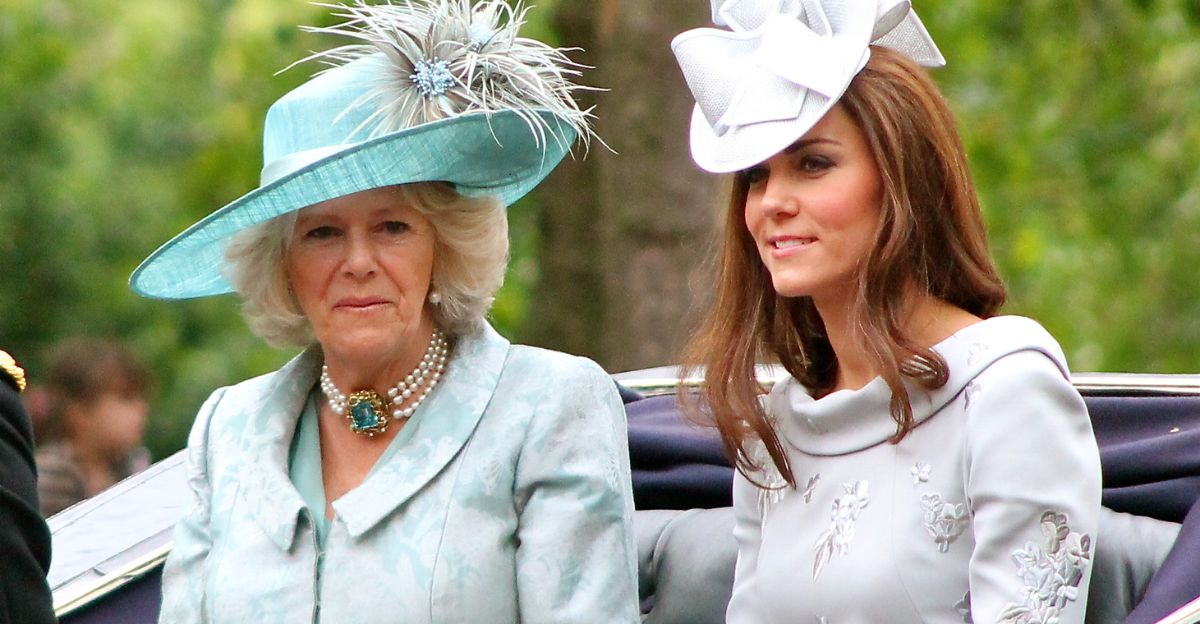
Sources indicated that Queen Camilla and Kate Middleton influenced the decision’s framing, introducing an empathetic tone to what was fundamentally a disciplinary action. A palace insider noted in November 2025, “I would think the Queen had a hand in that. There would have been a push from Camilla and Catherine.” This attribution of female influence signaled evolving leadership dynamics within the institution, positioning the women of the royal family as modernizing forces balancing institutional authority with sensitivity toward abuse survivors.
Strategic Staging and Narrative Control
The 26-day gap between Andrew’s removal and Kate and William’s Remembrance Sunday appearance allowed media separation of two distinct narratives. Kate attended the Festival of Remembrance alone on November 8 with Prince George, whose ceremonial debut at age 12 marked an accelerated introduction to public royal duties. William remained in Brazil until November 5 for the Earthshot Prize Awards, creating a deliberate sequencing that positioned the couple’s joint return as a stabilizing force distinct from the Andrew controversy.
Prince George’s appearance reflected the family’s modern approach to royal training. William commented in Brazil: “Hiding stuff from them doesn’t work,” underscoring transparency in preparing the next generation for ceremonial responsibilities. Kate’s attendance at the Armistice Day service on November 11 at the National Memorial Arboretum marked another departure from protocol—she became the first non-blood royal to attend, signaling the monarchy’s willingness to adapt centuries-old traditions for contemporary messaging.
Residential Modernization and Community Impact
By early November, Kate, William, and their three children had relocated to Forest Lodge in Windsor, a £16 million estate representing a significant departure from royal tradition. The property operates with no live-in staff, instead housing household employees in nearby cottages. Royal biographer Ingrid Seward confirmed this shift reflected the couple’s preferences: “William and Kate have never wanted live-in staff; I think that’s the modern way.”
The relocation created a 150-acre exclusion zone within Windsor Great Park, closing public access routes used for decades. Two local families were relocated, and residents expressed frustration at losing long-standing privileges. One dog walker stated: “We have walked our dogs here for 20 years. To be told we cannot anymore feels like a kick in the teeth.” This modernization of royal household operations came with tangible costs to the local community, illustrating the tension between institutional security and public access.
Financial Restructuring and Public Accountability
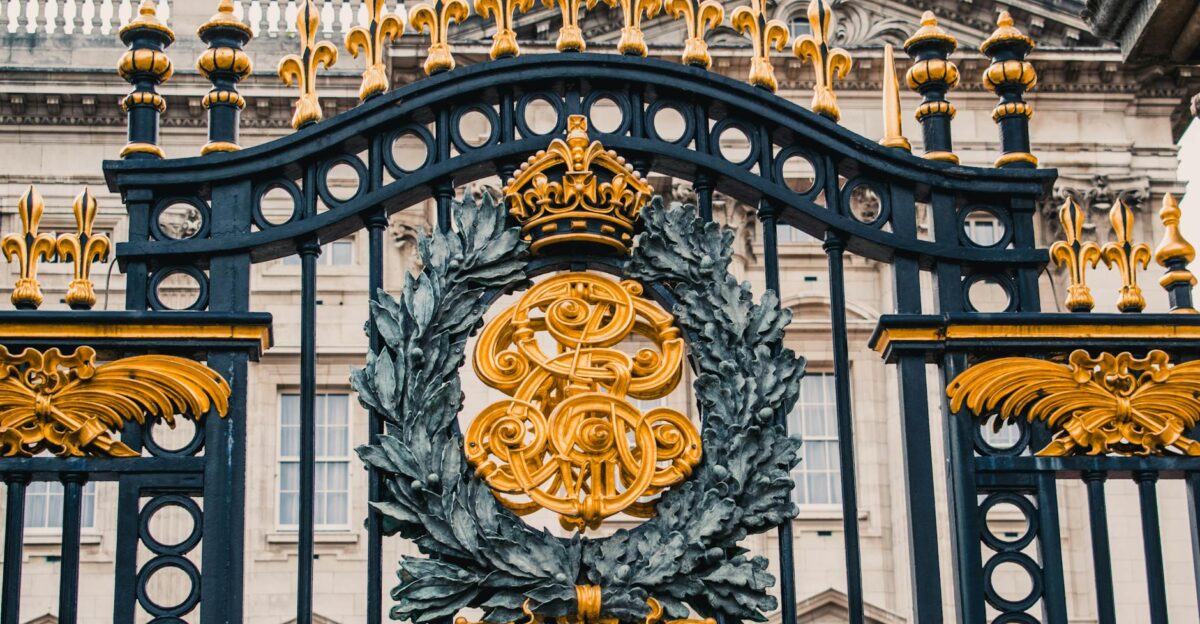
The Sovereign Grant increased 45 percent, rising from £86.3 million in 2024–25 to £132.1 million in 2025–26, partially funding palace operations and ongoing renovations. Buckingham Palace’s refurbishment totals £369 million over a 10-year period, postponing state visits until 2027. Windsor Castle will host dignitaries during this interim period, reflecting a temporary institutional shift in royal operations.
The expenditure drew parliamentary scrutiny, with the Public Accounts Committee demanding accountability from the Crown Estate by November 28, 2025. These financial pressures underscore the monarchy’s reliance on both public and private funding—the Duchy of Cornwall generated £22.9 million for 2024–25, funding private royal operations—to manage institutional restructuring and residential transitions.
Public Perception and Generational Divides
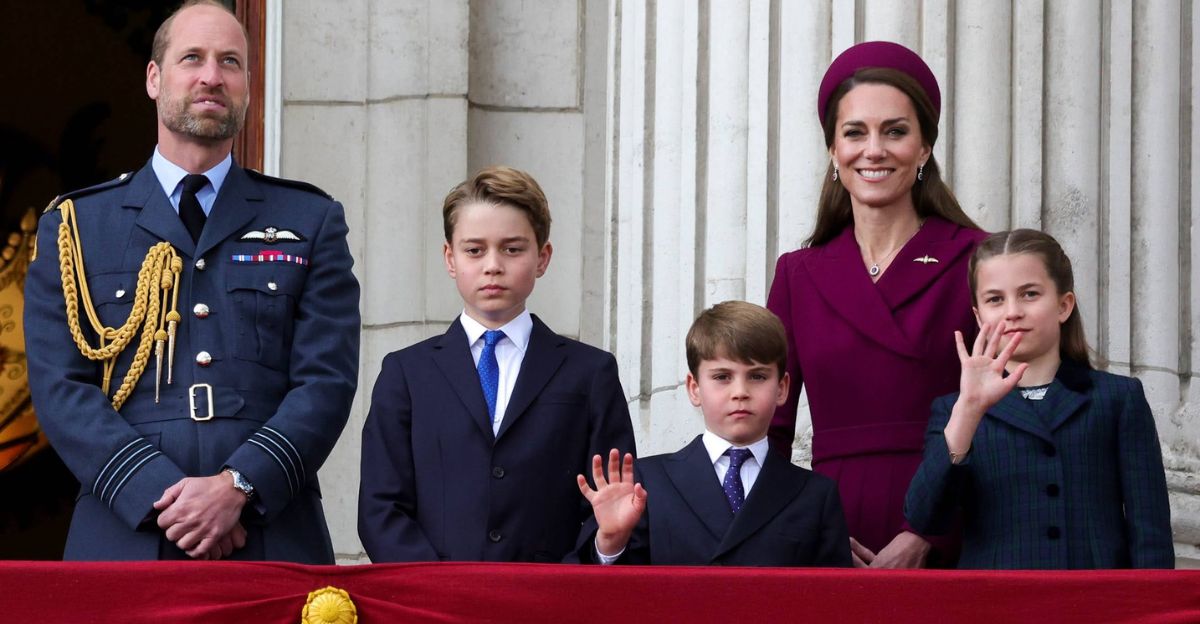
Kate and William maintain strong favorability ratings: 76 percent for William and 73 percent for Kate. Overall monarchy support stands at 62 percent, though negative perceptions have risen to 34 percent. A significant generational divide has emerged, with 59 percent of 16–34-year-olds favoring an elected head of state over a hereditary monarchy.
Royal expert Ian Pelham Turner told Fox News on November 6, 2025, “Kate Middleton is obviously a power behind the throne… supporting King Charles and Prince William in saving and securing the future of the royal family.” These strategic appearances aim to maintain public trust while modernizing traditions, addressing the monarchy’s delicate position in contemporary public opinion.
A Recalibrated Institution
Kate and William’s carefully orchestrated return, combined with Prince George’s ceremonial debut and the formal removal of Andrew’s titles, represents a deliberate institutional reset. The couple’s relocation to Forest Lodge, their emphasis on transparency in royal upbringing, and the attribution of female leadership in palace decision-making signal a monarchy preparing for future challenges through modernized messaging and enhanced public accountability.
With generational continuity secured through Prince George’s introduction to ceremonial duties and new leadership roles emphasized through female influence, the royal family is signaling a transition into a more transparent era. The restructuring reflects institutional awareness that maintaining public trust requires balancing tradition with contemporary expectations—a recalibration that will define the monarchy’s trajectory in the coming years.