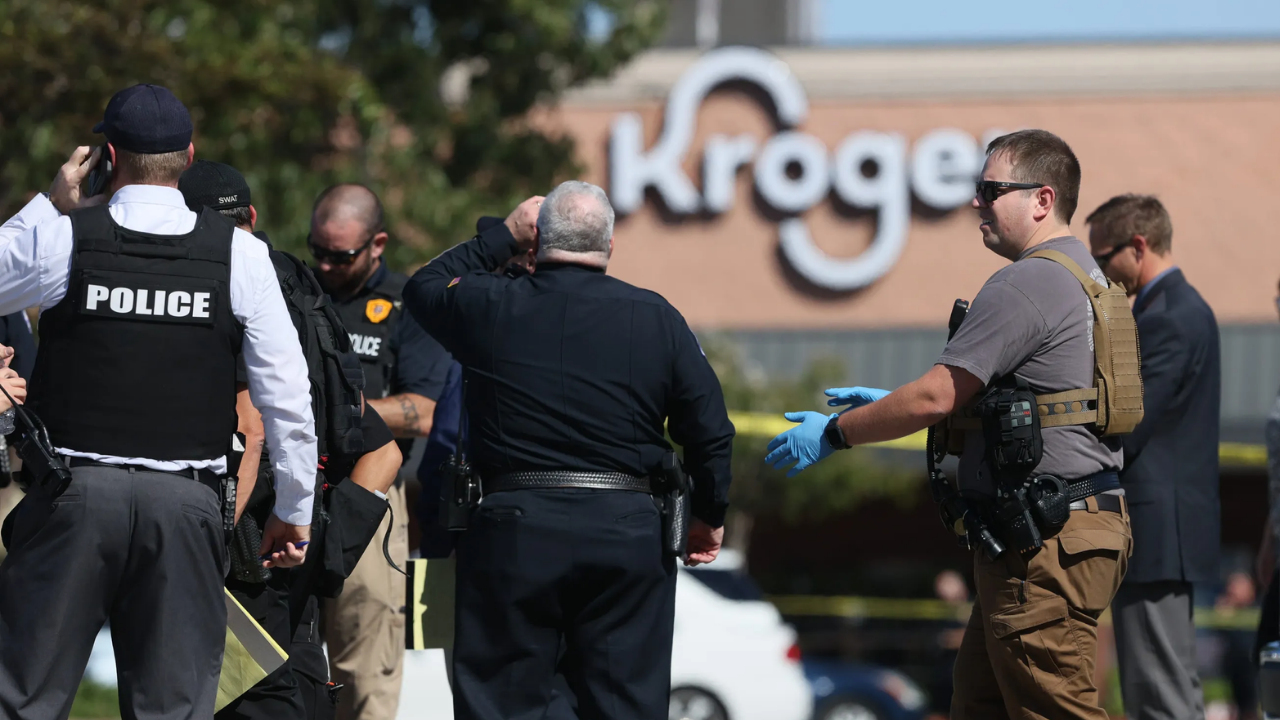
Kroger, America’s largest supermarket operator with over 2,700 stores, announced a significant restructuring: approximately 60 store closures (2% of its footprint) and nearly 1,000 corporate layoffs over an 18-month period. This is among the chain’s most significant overhauls, reflecting rising costs, shifting demand, and operational pressures.
Closures were revealed on June 20, 2025, during Kroger’s Q1 earnings call, with corporate layoffs following on August 26, 2025. This is just the beginning of a story that affects workers, shoppers, and local markets nationwide.
Why Stores Are Failing To Deliver
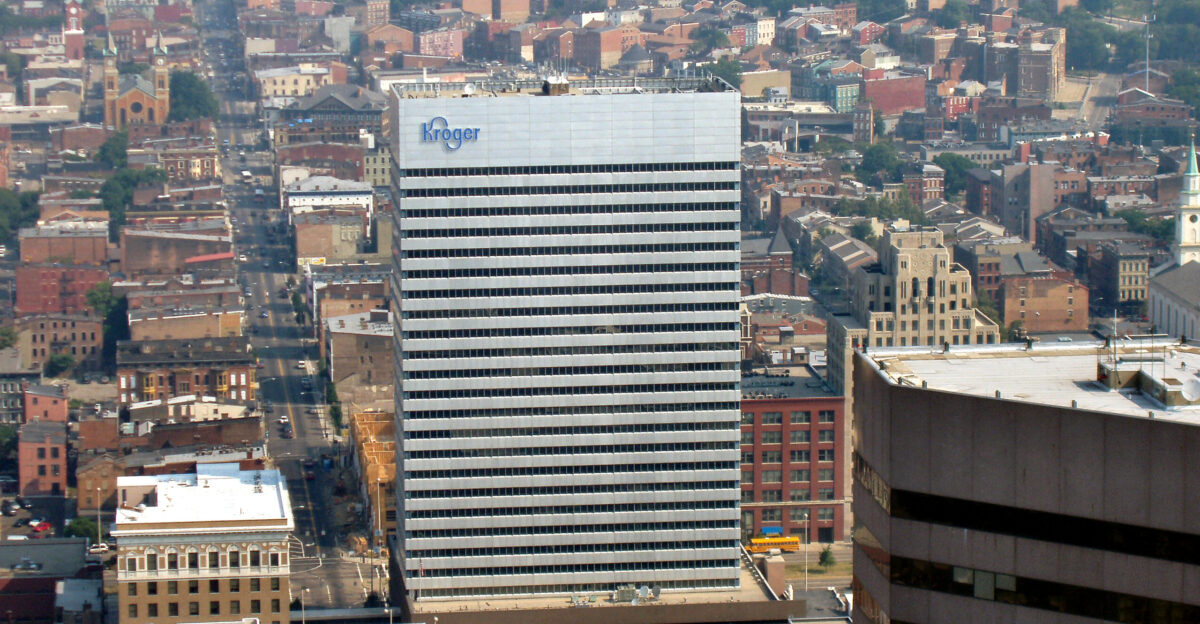
Interim CEO Ron Sargent explained closures target locations “failing to deliver sustainable results,” showing underperformance drives decisions. “Unfortunately, today, not all of our stores are delivering the sustainable results we need,” Sargent told investors.
While theft and inflation play roles, Kroger’s internal data singled out low-profit, low-traffic stores. Paused annual reviews during the failed Albertsons merger created a backlog, leaving many closure decisions pending. Could past delays hint at deeper operational issues?
The $112 Billion Retail Shrink Puzzle
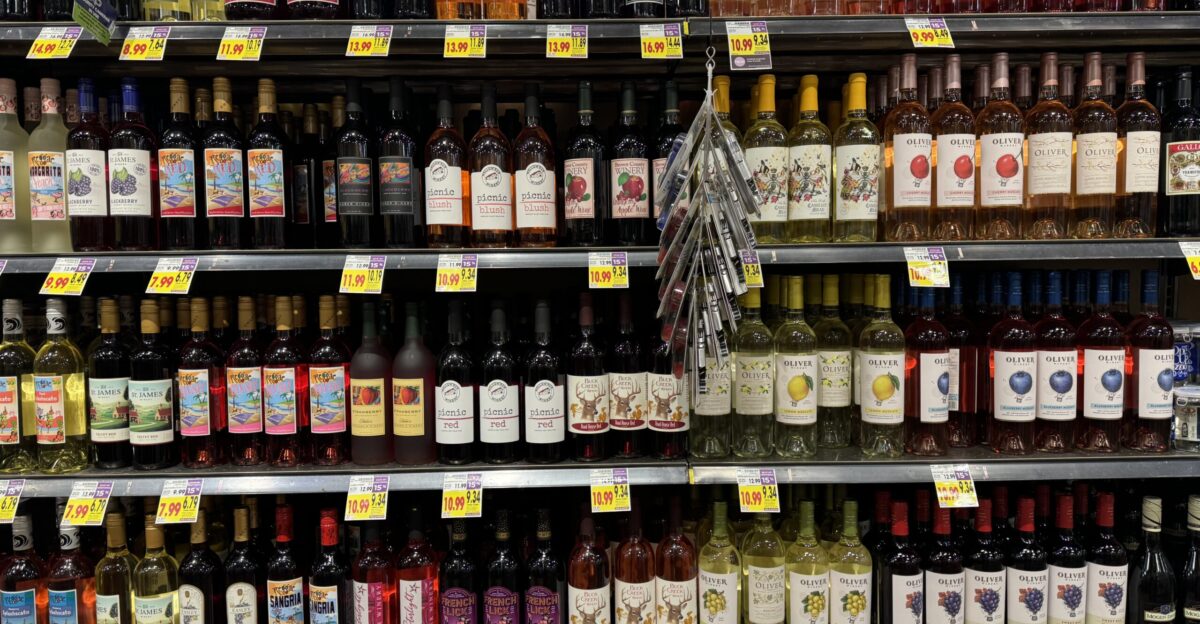
National retail shrinkage totaled $112.1 billion in 2022, encompassing both theft and operational loss, according to the National Retail Federation. External theft accounted for 36% ($40B), internal theft for 29% ($33B), process failures for 27% ($30B), and 8% was unknown.
For Kroger, theft contributed to the closure of six Fred Meyer/QFC stores in Washington, but it wasn’t the main driver. Yet this highlights broader inventory pressures affecting grocery chains today.
Communities Face Store Closures
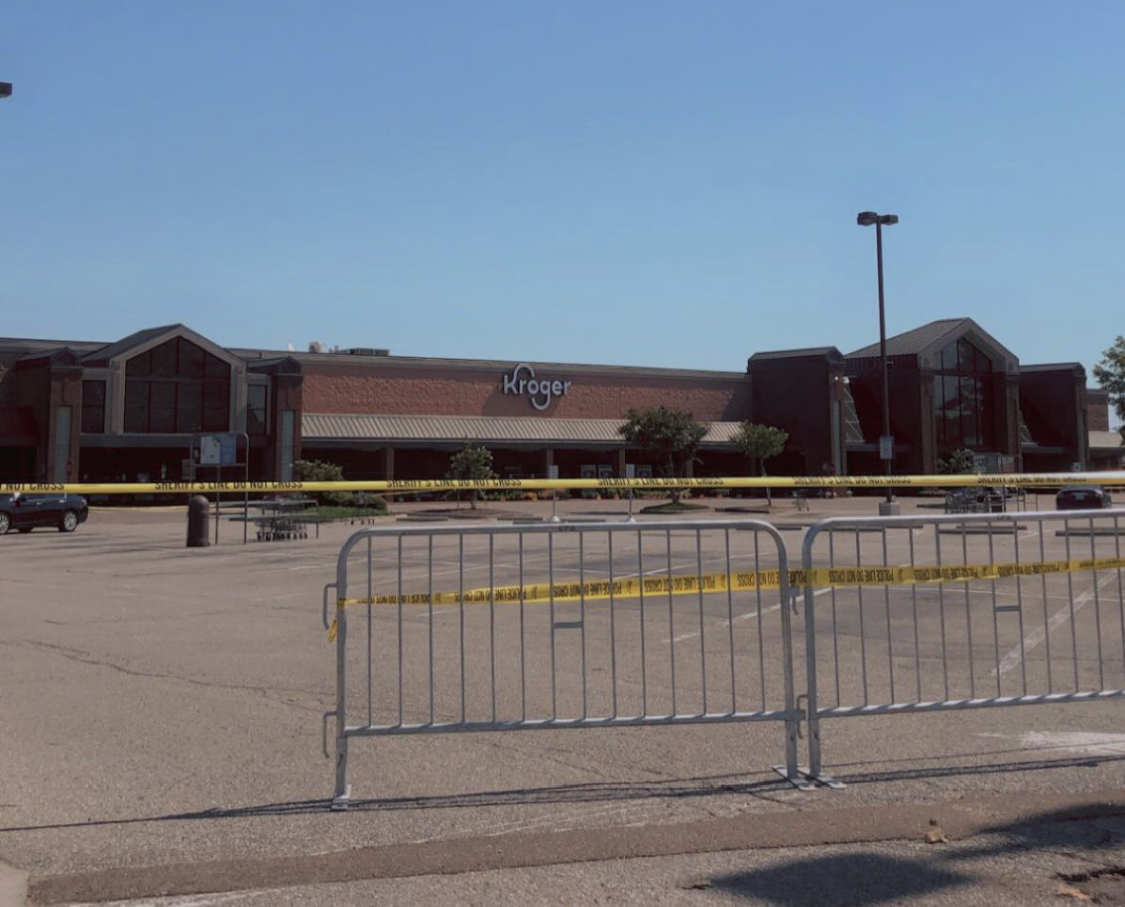
Neighborhoods in the South, Midwest, and Pacific Northwest are losing Kroger locations. Houston closed two long-standing stores in August 2025, and Gassaway, West Virginia, lost its only Kroger on August 22, 2025.
At least 39 stores are affected across Kroger, Fred Meyer, Harris Teeter, Mariano’s, Pick ‘n Save, and QFC banners. How will residents adapt to the sudden reduction in access to groceries?
The Human Cost: Thousands Affected
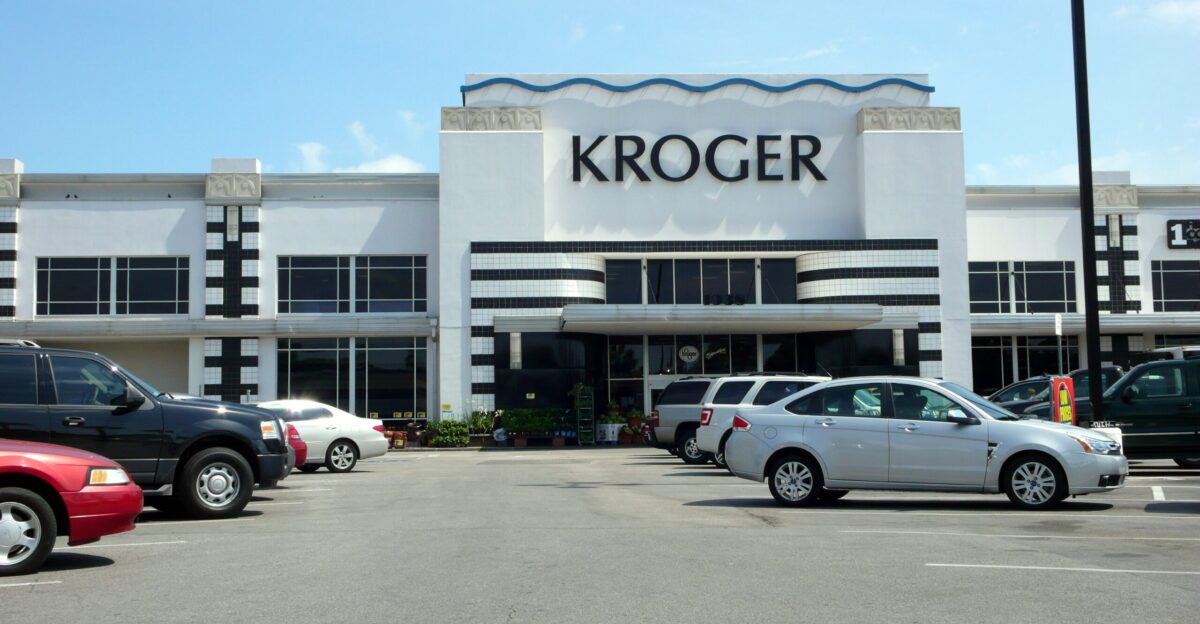
Approximately 1,000 corporate employees are impacted, alongside 6,000–9,000 hourly store associates, which translates to 100–150 per store. Transfer options are available, but many employees face longer commutes, reduced hours, and a potential loss of seniority.
Families dependent on stable, union-protected pay will feel pressure. The human story behind closures reveals the personal strain behind corporate headlines.
New Stores Target High-Growth Areas
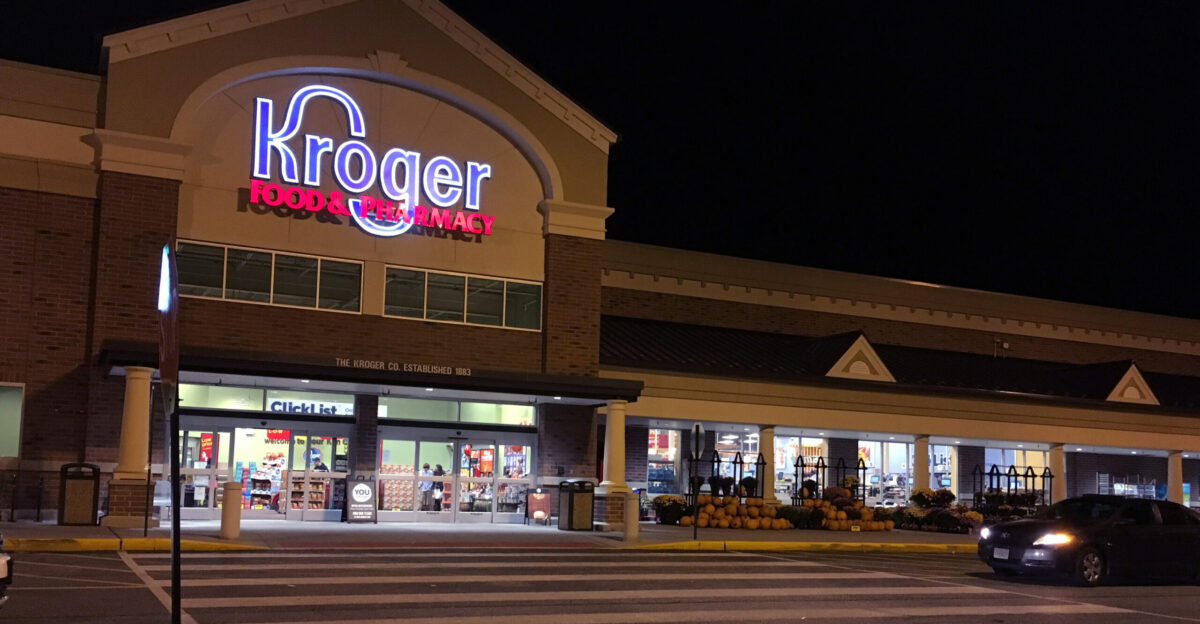
Kroger plans to launch 30 new store projects in 2025, with a focus on expanding into urban areas. Phoenix sees Fry’s Marketplace growth, along with an Ocado fulfillment center, in 2026. Charlotte gained an Ocado center, and Colorado Springs opened King Soopers Marketplace in January 2025.
These expansions contrast closures, showing Kroger’s strategy is selective, aimed at population growth and strong demand.
Competitors Move Into Vacated Markets
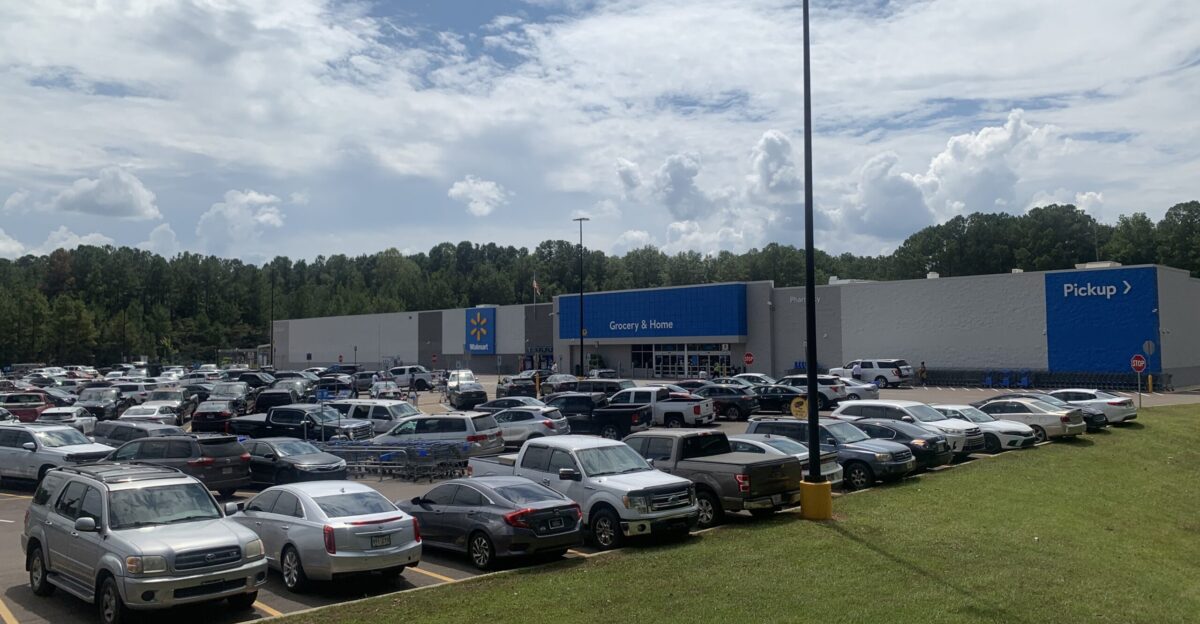
Store closures open doors for rivals. Dollar stores, independent grocers, Instacart, Amazon Fresh, and discount chains like Aldi and Walmart may intensify their presence, capturing market share.
The reshaped local grocery landscape could heighten competition, testing Kroger’s resilience while offering alternatives for shoppers who have been left behind. What might this mean for smaller, independent stores?
Supply Chain Disruptions Loom
Closing 60 stores may reduce annual orders by approximately $1.8 billion ($30 million per store), affecting distributors, logistics firms, and suppliers. New stores in high-demand regions could offset some losses while reshaping supply patterns.
These moves create winners and losers in the broader grocery supply chain, hinting at strategic shifts that extend beyond store shelves.
Grocery Prices Climb 25–28%
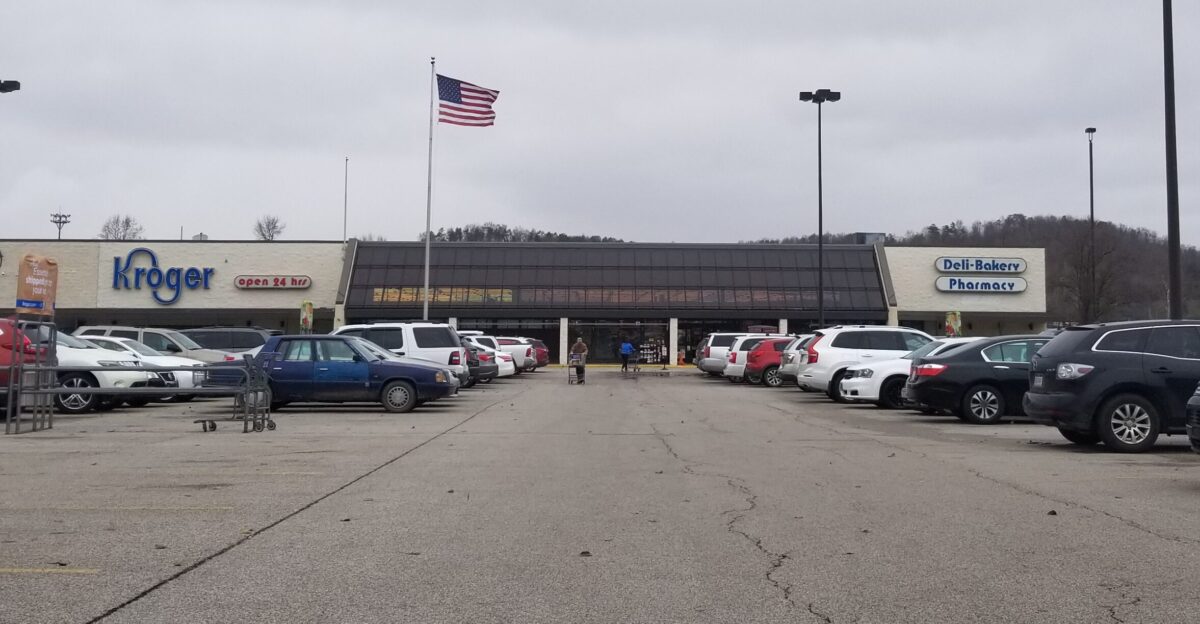
Food-at-home costs rose roughly 25–28% from 2020 to 2025, per the Bureau of Labor Statistics and Pew Research. Reduced competition from closures may lead to higher prices, especially for low-income households facing the steepest inflation in decades.
Even as overall consumer prices rise, some grocery categories experience sharper price increases, forcing families to reconsider their shopping habits.
Food Deserts Expand Risk
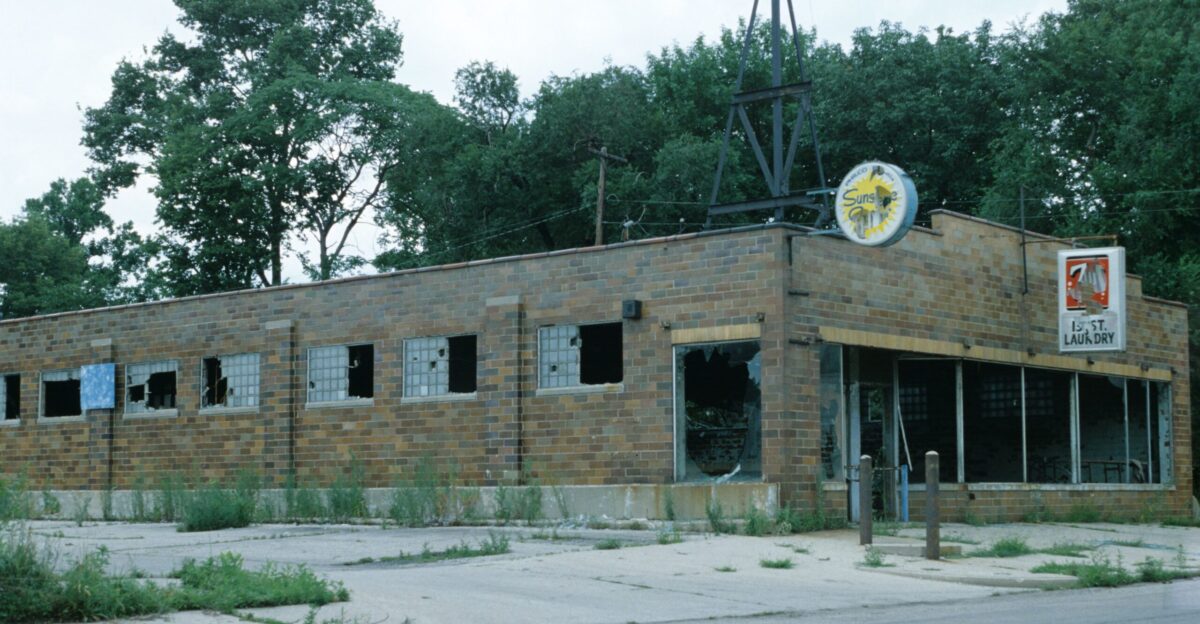
Store shutdowns may worsen or create food deserts—low-income areas where residents are more than 1 mile (in urban areas) or 10 miles (in rural areas) from a supermarket. Gassaway, WV, and some Houston neighborhoods face a growing risk.
In 2017, 23.5 million Americans lived in low-access areas, with 19 million in food deserts. Communities and unions call for urgent support for groceries.
Health Impacts From Limited Access
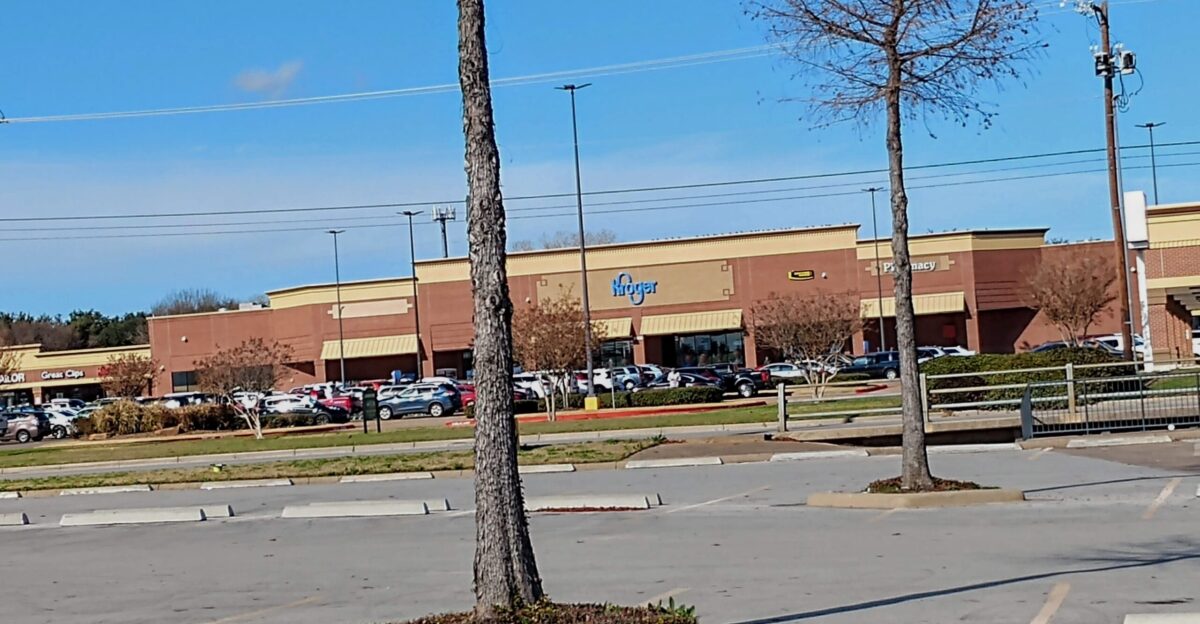
Food deserts contribute to poorer diets, increased reliance on fast food, and higher rates of obesity, diabetes, and cardiovascular disease, according to USDA and NIH research.
Limited access to fresh, affordable food worsens health disparities, compounding socioeconomic challenges for residents in affected communities. How might these closures ripple into public health trends?
Unions Protect Workers Amid Layoffs
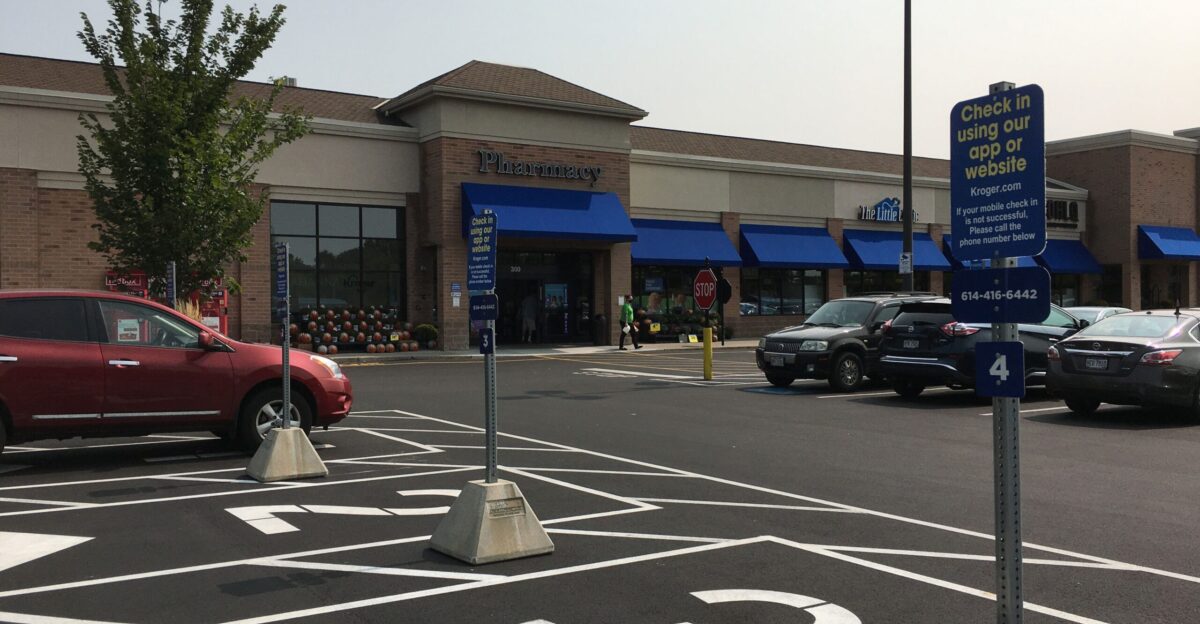
Kroger has 366 collective bargaining agreements that cover most of its stores. These labor protections secure transfers for many employees, reducing outright job loss.
However, some face longer commutes or new shifts. The average non-supervisory pay in Kroger regions is $25,000, often for part-time positions. Union safeguards cushion impacts but can’t erase all the challenges families encounter.
Lawmakers Debate Retail Theft Policy
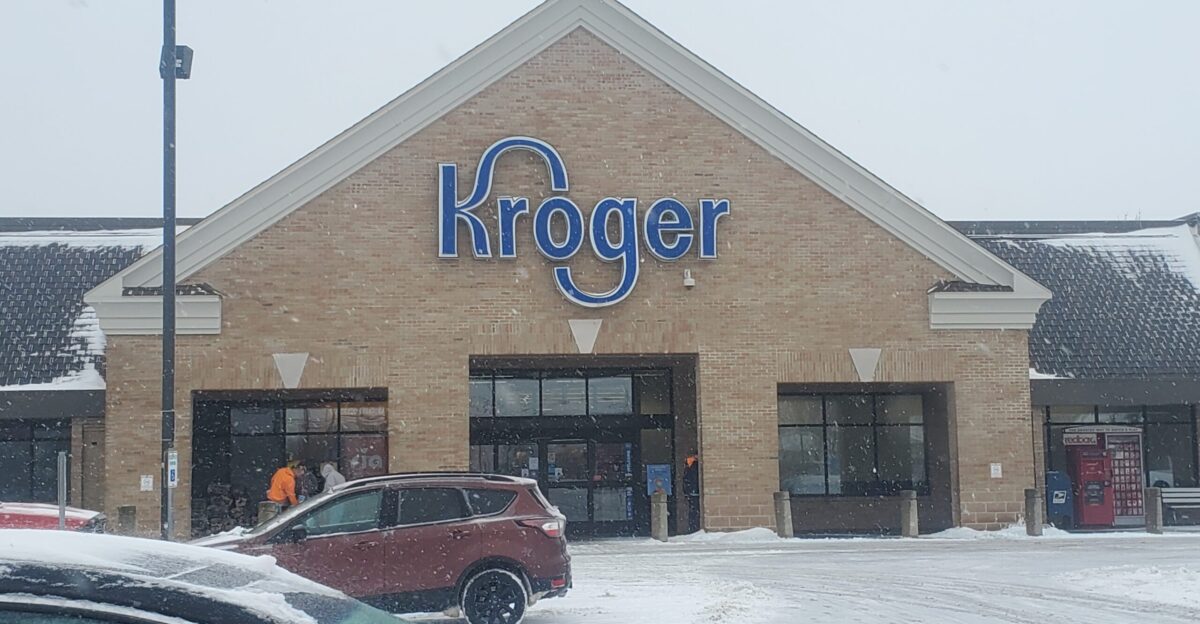
Retail losses from theft and operational errors spark calls for more substantial penalties and funding for enforcement. While not the primary driver of Kroger closures, organized retail crime remains a high-profile concern.
NRF data show that shoplifting rose 18% and theft-related violence increased 17% in 2024 compared to 2023. This debate shapes policy and public perception of the grocery industry.
Financial Outlook: Modest Gains Ahead
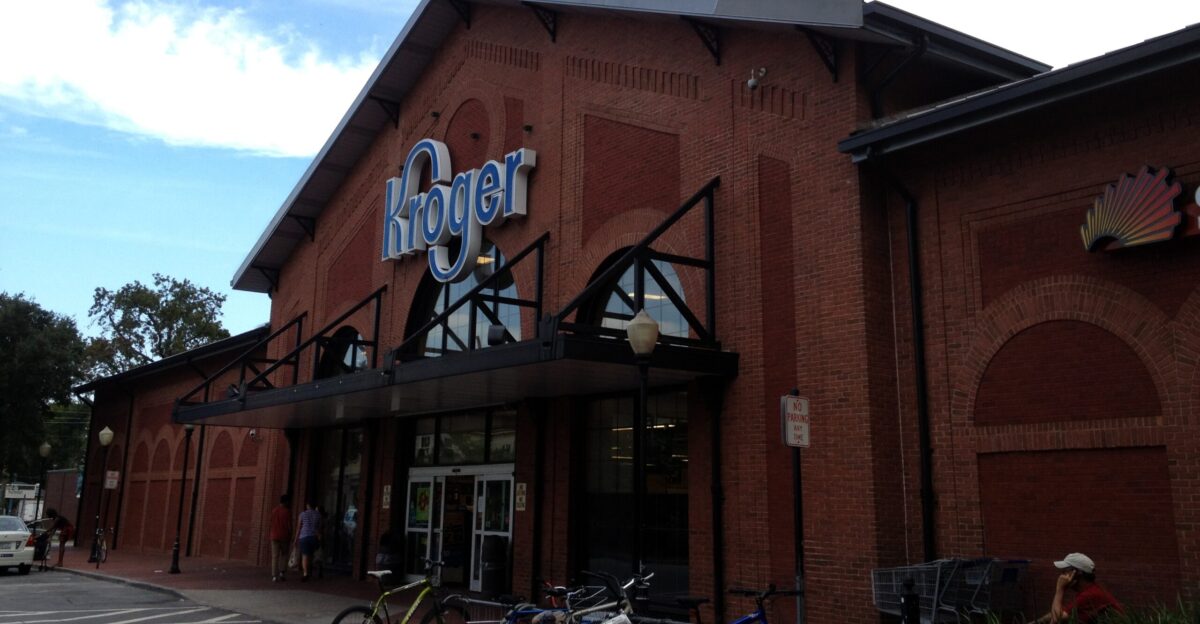
Closures carry a $100M Q1 2025 impairment charge, yet Kroger posted $609M net earnings in Q2, up 30.7% YoY. Sales remained at $33.9 billion, unchanged from prior periods.
Margins are thin, shrinkage averages 1.6% of sales, and competitive pressure remains intense. Investors will watch how Kroger reinvests and adapts its strategy.
What Lies Ahead For Grocery
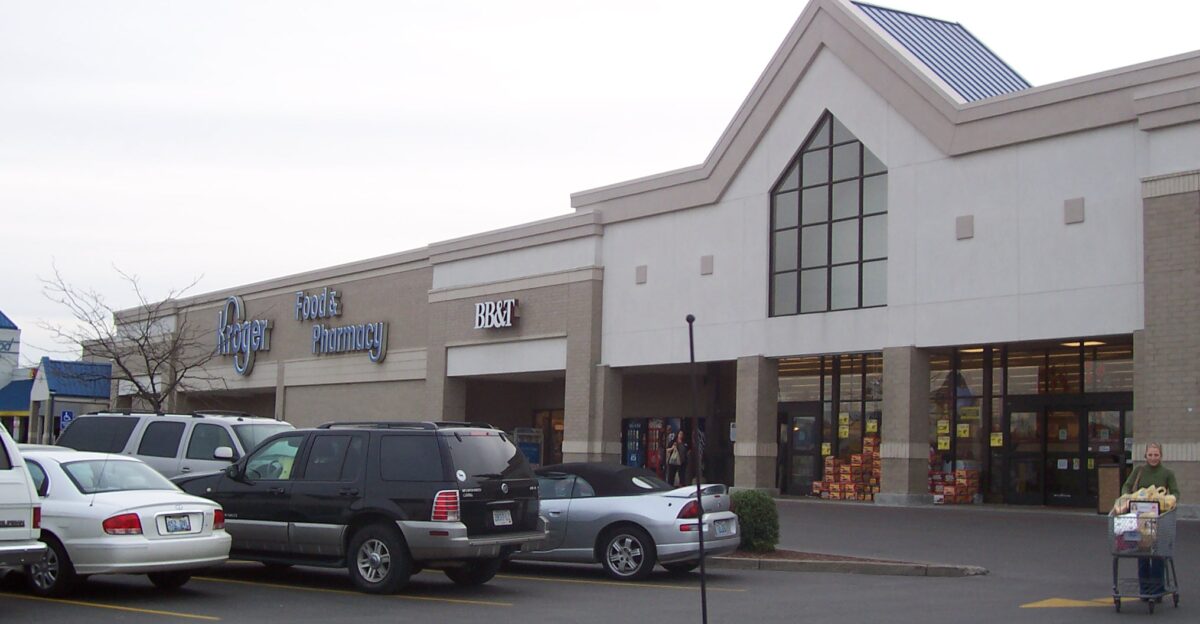
Kroger’s restructuring highlights the challenges of balancing profitability with social responsibility amid 25–28% inflation, retail crime, automation, and e-commerce growth.
2025 retail cuts are widespread: Amazon cut 14,000 jobs, UPS cut 48,000, Target cut 1,800, and Meta also downsized. Supermarkets must adapt to consumer trends and logistics shifts, shaping the future of the American grocery landscape.